íë í¼ì¤ ë¤ì´ì´í¸ í¸ë ííìì (Preppers Diet Food Hyehwa)
íë í¼ì¤ ë¤ì´ì´í¸ í¸ë ííìì (Preppers Diet Food Hyehwa) serves Diet Japanese at 22 1 Daemyeong-gil in Jongno, with casual service and standard pacing for dinner.
Pearl is the En Primeur Club membership app — saves, bookings, and concierge access live there. Same editors, same standards.
- Address
- 22 1 Daemyeong-gil, Jongno District, Seoul, South Korea
- Phone
- +8227622228
- Website
- prepperskorea.com
- Directions
- Get directions
 Saves & bookings on Pearl
Hyehwa's Health-Conscious Dining Tier
Preppers Diet Food Hyehwa is a restaurant in Jongno District, Seoul, serving Diet Japanese food at a casual price tier. Its streets feed students, theatre-goers, and a rolling population of young Seoulites who eat late and spend carefully. Within that context, a diet-focused restaurant concept like Preppers Diet Food occupies a specific niche: health-orientated eating that positions itself not as a medical programme but as a daily dining option, sitting closer to the considered casual tier than to the fine-dining formal end that places like Mingles or Jungsik command. Seoul's health-food segment has expanded steadily alongside the city's broader wellness economy, and Hyehwa's version tends to be neighbourhood-scale rather than flagship.
The Scene on Daemyeong-gil
The address, 22-1 Daemyeong-gil, places the restaurant on one of Hyehwa's quieter side streets, away from the main theatre-strip rush of Daehangno. Side-street dining in this neighbourhood typically signals two things: lower overheads translated into more accessible pricing, and a clientele that has made an intentional choice rather than stumbling in from the main drag. That intentionality matters for a diet-food concept, where regulars rather than tourists tend to anchor the business. Seoul's health-food dining rooms in this mould generally run compact, with modest interiors that keep the emphasis on the food's proposition rather than the room's atmosphere. The physical environment reads as functional and considered, the kind of space where the sequence of what you eat matters more than the theatre of how it arrives.
The Progression Logic of a Diet-Focused Menu
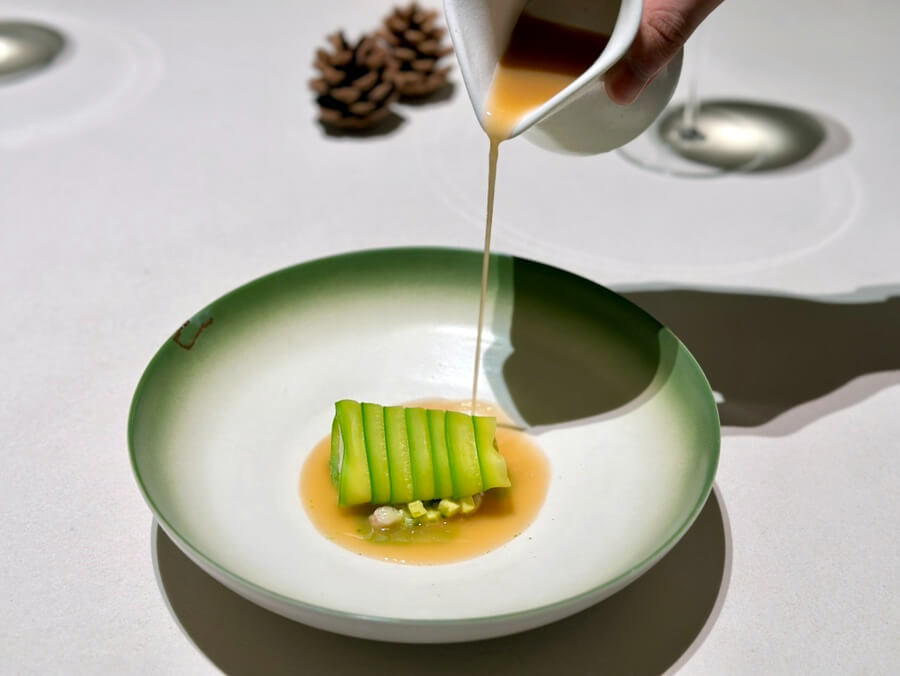
Health-orientated restaurant formats in Seoul have moved some distance from the bland-food-for-body-management model that dominated a decade ago. The better operators now structure their menus with something close to a tasting progression in mind, even when the format is not formally multi-course. The logic runs roughly as follows: lighter, enzyme-active preparations first (raw vegetables, fermented components, or cold items); a protein anchor in the middle section; and a finishing phase that tends toward slow-digesting carbohydrates or fibre-dense items rather than sweetened dessert. This arc mirrors, in compressed form, the sequencing you find in Korean hansik tradition, where banchan arrive before the main rice bowl and heavier broths close the meal. The diet-food genre has adapted that inherited structure to a macro-aware framework.
At Preppers Diet Food Hyehwa, the menu operates within this broader genre convention. That is a meaningfully different customer than the one walking into Soigné or alla prima, and the menu arc should be read through that lens rather than against fine-dining benchmarks.
Where It Sits in Seoul's Dining Spread
Seoul's restaurant taxonomy has become granular enough that health-food dining now occupies its own competitive tier, distinct from both the affordable pojangmacha tradition and the ₩₩₩₩ contemporary Korean rooms. Venues like Kwonsooksoo operate in the premium Korean register, while the diet-food segment sits at a different price point and serves a different occasion. Regionally across South Korea, similar neighbourhood-level health-food formats appear in cities including Busan, where operators like Mori demonstrate how local dining scenes outside Seoul maintain distinct identities. On Jeju, places such as Badang Lounge and Black Pork BBQ show how regional ingredients shape even casual formats differently from the capital.
Within Seoul, Preppers Diet Food competes less with the tasting-menu tier and more with the growing cluster of meal-prep-adjacent restaurants, protein-focused lunch spots, and macro-balanced set-menu operators that have proliferated in university districts and office corridors since the mid-2010s. That segment rewards consistency and portion calibration over occasion dining, which means the measure of quality here is repeatability: does the menu work as a weekly habit, not just as a single-visit curiosity? For a Hyehwa resident eating toward a fitness or health target, that question is the operative one.
The Broader Korean Health-Food Context
Korean cuisine has always carried latent wellness logic. Fermented banchan deliver probiotic function, doenjang and gochujang contribute complex amino acid profiles, and the traditional emphasis on vegetables cooked briefly at high heat preserves more micronutrients than Western braising traditions. Diet-food restaurants in Seoul are, to a significant degree, codifying and portion-controlling what Korean home cooking already understood. The innovation is in the targeting: calorie counts, macro ratios, and single-serve packaging bring the tradition into alignment with a customer who is cross-referencing their meal with a fitness application. New York comparisons are instructive here: the shift in health-restaurant sophistication visible at operators near Atomix or in the broader Manhattan wellness corridor reflects a similar dynamic, where culinary tradition gets reframed through a nutrition-science lens without necessarily abandoning its roots.
Planning a Visit
Preppers Diet Food Hyehwa is reachable via the Hyehwa station exit on Seoul Metro Line 4, the standard transit approach for Daehangno-area dining. The Jongno District location puts it within a short walk of the main university arts complex, which means lunch-hour traffic and post-theatre late-afternoon peaks are the two windows most likely to generate queues. Pricing sits in the accessible range consistent with the Hyehwa neighbourhood tier, well below the ₩₩₩₩ contemporary rooms that benchmark the city's premium dining. Those wanting to trace the country's regional variety further might look at Gobojeong Galbi in Suwon or Hwangnam Bread and Busan Steamed Bun in Gyeongju for a sense of how Korean food culture shifts outside the capital.
A Credentials Check
Comparable venues nearby, for context on price, style, and recognition.
| Venue | Cuisine | Price | Notes |
|---|---|---|---|
| íë í¼ì¤ ë¤ì´ì´í¸ í¸ë ííìì (Preppers Diet Food Hyehwa)This venue — the venue you are viewing | Diet Japanese | $$ | Not listed |
| 청담 하게 | Japanese Izakaya with Curry | $$ | Cheongdam |
| JUNGDON (정돈) | Japanese Tonkatsu | $$ | Hongdae |
| Haemok Nonhyeon | Traditional Japanese Eel Rice Bowl (Hitsumabushi) | $$ | Gangnam-gu (Nonhyeon-dong) |
| Mapo Restaurants Gyudo | Japanese Gyudon & Teishoku | $$ | 노고산동 |
| Junco Music Town | Korean Gastropub Karaoke | $$ | 잠원동 |
Continue exploring
More in Seoul
Restaurants in Seoul
Browse all →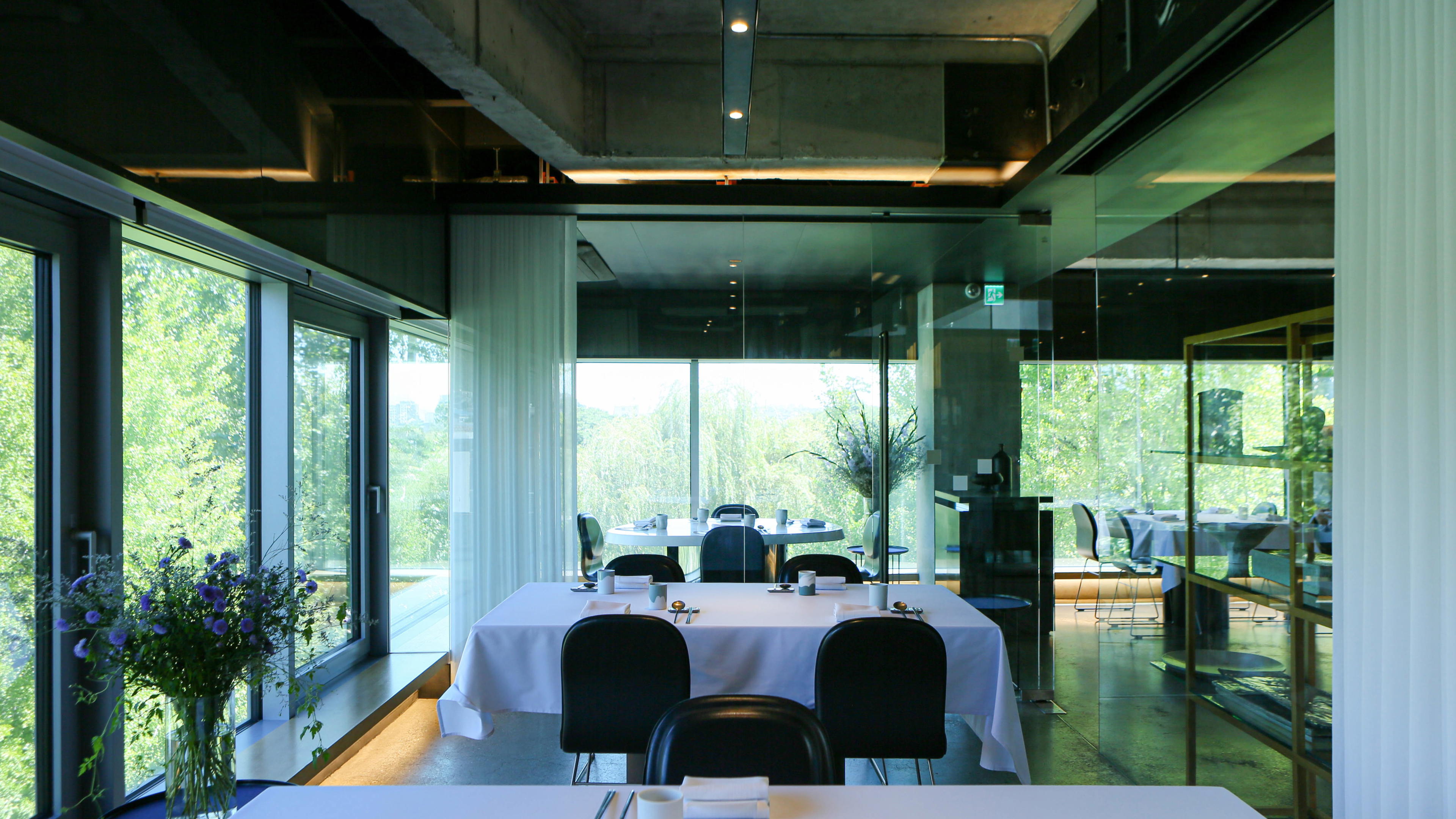
At a Glance
- Casual Hangout
Casual street-side spot with a focus on healthy eating.