Our verdict
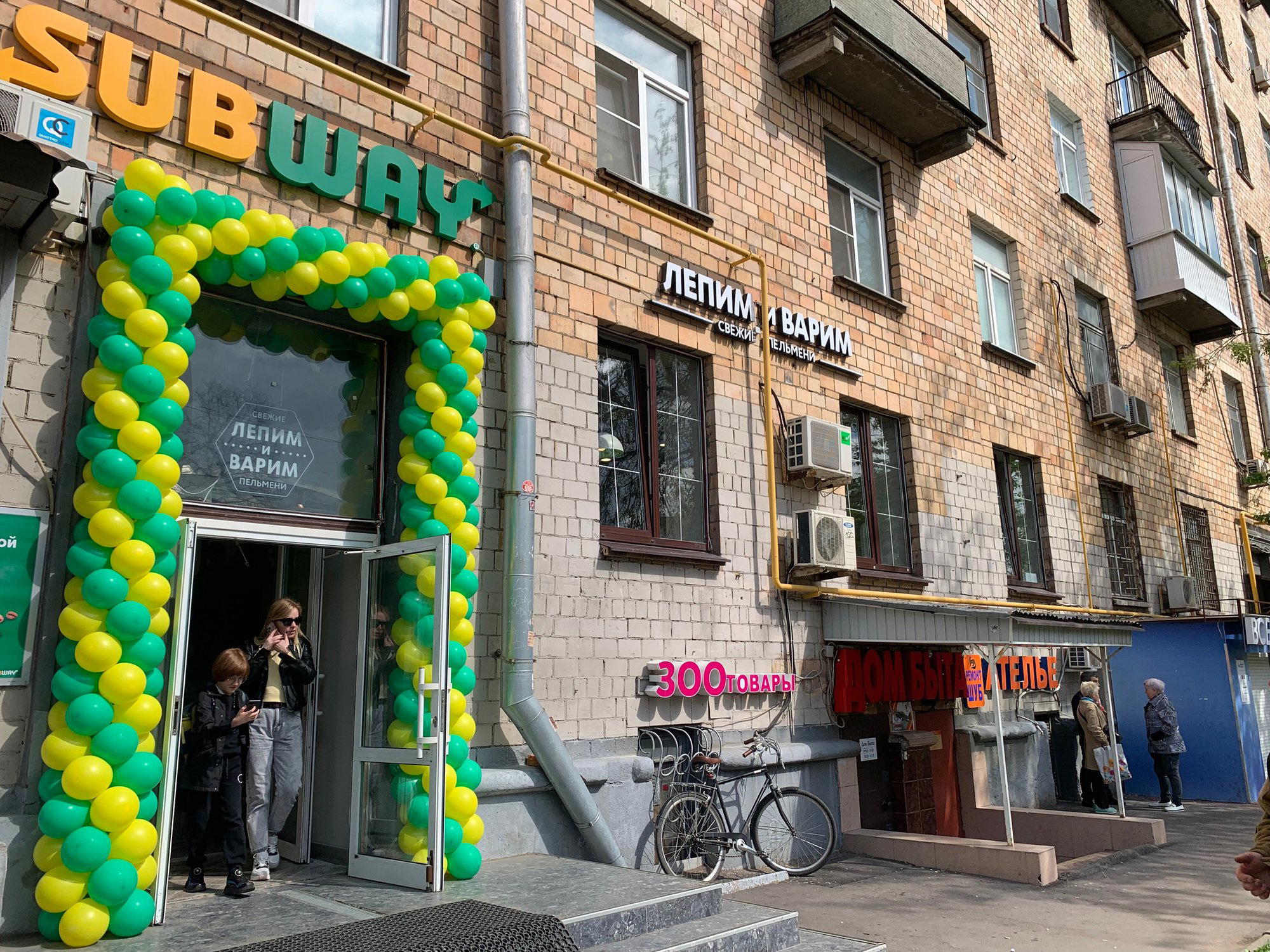
On Prospekt Mira, one of Moscow's most storied northern boulevards, ЛЕПИМ и ВАРИМ occupies a place in the city's growing canon of restaurants devoted to hand-shaped dough traditions. The name translates literally as 'we sculpt and we boil,' signalling a focus on dumplings and similar craft forms that span Russian and post-Soviet culinary geography. It sits in a neighbourhood that bridges the city's monumental Soviet past with a more neighbourhood-scaled, contemporary dining scene.

Pearl is the En Primeur Club membership app, where members save venues, book tables and use the concierge.
The menu
What to order
- Beef and chicken pelmeni with crispy fried onions
- Fish pelmeni with pike and perch
- Cheese pelmeni
- Shrimp and crab pelmeni
Prospekt Mira and the Dumpling Tradition
Prospekt Mira runs north from the Garden Ring through one of Moscow's most architecturally layered corridors: Stalin-era apartment blocks giving way to quieter courtyards, the VDNKh exhibition complex at its far end, and a mix of neighbourhood restaurants that serve residents rather than hotel tourists. At number 26, building 1, ЛЕПИМ и ВАРИМ sits within that context. The address puts it neither in the dense tourist triangle of central Moscow nor in the farthest reaches of the ring road suburbs, but in a residential-commercial middle ground that increasingly defines where Muscovites actually eat on a regular basis.
The name leaves no room for ambiguity: 'we sculpt and we boil.' In a city where dumpling formats range from Georgian khinkali through Central Asian manti to the Siberian pelmeni that many Russians consider a national birthright, a restaurant built around hand-shaped dough sits in a tradition with serious culinary depth. Across Russian cities, from Kukhterin in Tomsk to Dzhani Restorani in Nizhny Novgorod, the revival of regional and craft cooking has been gathering pace. Moscow receives that wave later than the provinces in some cases, but it concentrates it: the capital draws chefs, diners, and investors in numbers that allow a category like hand-formed dumplings to support multiple serious operators rather than just one or two.
Where the Neighbourhood Places This Restaurant
The Prospekt Mira corridor sits between the high-concept dining of central Moscow and the more utilitarian options of the outer districts. Restaurants like White Rabbit and Twins Garden operate in a different register entirely: tasting menus, refined price points, an explicit conversation with international fine dining. Varvary engages Russian cuisine through a similarly considered lens. ЛЕПИМ и ВАРИМ, by its name and location, stakes a different claim: craft over ceremony, a specific technique foregrounded rather than a broad menu designed to impress on multiple fronts.
That positioning matters in Moscow's current moment. The city's restaurant scene has split increasingly between internationally framed fine dining and a more locally rooted, technique-specific tier that draws on Soviet and post-Soviet culinary memory without nostalgia. Dumpling-focused restaurants occupy a particular niche in that split: they are accessible enough to function as neighbourhood staples but require genuine craft to execute convincingly. Poorly made pelmeni are immediately apparent. The dough must be rolled to the right thickness, the filling seasoned correctly, the boiling precise. There is nowhere to hide, which is why restaurants that build their entire identity around the form tend to take it seriously.
For readers exploring Moscow's broader dining geography, our full Moscow restaurants guide maps the city's current scene across neighbourhoods and price tiers. Restaurants like Aist and Accenti represent other dimensions of Moscow dining worth considering alongside a visit to this part of the city.
Dumplings Across Russia: The Broader Context
Russia's relationship with hand-formed dough is both regional and contested. Pelmeni, the small meat-filled parcels most associated with Siberian cooking, were historically a preservation food: made in bulk during winter, frozen outdoors, and boiled from frozen as needed. The dish spread westward into urban Russia, became industrialised under the Soviet Union, and spent decades as a convenience product rather than a craft one. The current generation of restaurants reclaiming dumpling formats from industrial anonymity are making a specific argument: that the form deserves the same attention as any other technically demanding discipline.
That argument plays out differently across Russian cities. In Saint Petersburg, restaurants like 1913 and Lev I Ptichka approach Russian culinary heritage through different lenses. In Yekaterinburg, Khmeli Suneli works with Caucasian tradition. In Krasnodar, Alanskaya Kukhnya brings Ossetian form to a southern Russian context. Each of these represents a strand of Russia's broader rediscovery of regional cooking. Moscow, as the country's primary dining market, hosts all of these conversations simultaneously, which gives a focused operator like ЛЕПИМ и ВАРИМ a well-defined lane.
The format also travels beyond Russian borders conceptually. At a global level, the dumpling-specialist model has proven durable: from xiao long bao counters in Shanghai to pierogi restaurants in Warsaw to momo shops in Kathmandu, narrow focus tends to produce better product than broad menus. In Moscow, where the temptation to offer a pan-Russian or pan-post-Soviet menu can dilute execution, a restaurant named after two verbs, sculpting and boiling, signals editorial restraint.
Planning a Visit
ЛЕПИМ и ВАРИМ is located at Prospekt Mira 26, building 1, in the 129090 postcode, accessible via the Prospekt Mira metro station on both the Circle Line and Kaluga-Riga Line, placing it roughly ten to fifteen minutes from central Moscow by metro. The Prospekt Mira area rewards arriving slightly early to walk the boulevard before a meal: the architecture between the Garden Ring and VDNKh is worth the time. Given the restaurant's neighbourhood positioning and dumpling-centred format, it functions naturally as a casual meal rather than a formal booking occasion, though diners visiting Moscow on a short trip may wish to confirm availability directly, particularly during peak evening hours when neighbourhood restaurants along this corridor can fill quickly with local regulars. No booking platform or telephone number is currently listed in public sources for this property.
For readers whose Moscow itinerary includes the city's more formal dining tier, the gap between a neighbourhood dumpling counter and the tasting-menu end of the market is worth keeping in mind. Moscow operates along similar lines. Equally, for readers also travelling to other Russian cities, Grisha in Omsk, Burger Records in Novosibirsk, Konditerskaya Kuzina in Syktyvkar, and Made in China in St. Petersburg each reflect how Russian cities outside Moscow are building their own distinct dining identities.
Frequently asked questions
Is ЛЕПИМ и ВАРИМ a family-friendly restaurant?
The format, centred on hand-formed dumplings, a universally approachable dish in Russian food culture, translates well for families. The Prospekt Mira 26 location is accessible via one of Moscow's most connected metro interchange stations, which reduces the logistical friction of visiting with children. Nothing in the venue's format or positioning suggests otherwise.
What's the vibe at ЛЕПИМ и ВАРИМ?
The name itself, roughly 'We Shape and We Boil', signals a working, process-forward atmosphere rather than a dressed-up dining room. Prospekt Mira 26 sits in a corridor of Stalin-era architecture that leans residential and unpretentious, and the restaurant fits that register. Expect the kind of room where the craft of the food does the talking.
Does ЛЕПИМ и ВАРИМ make their dumplings from scratch on-site?
The restaurant's name, translating directly as 'We Shape and We Boil', positions hand-forming as the defining premise of the operation rather than a marketing footnote. This places it within a Moscow dining category where the production process is visible or at least central to the concept, in contrast to restaurants serving commercially produced pelmeni. The Prospekt Mira 26 address grounds it in a residential neighbourhood where that kind of craft-focused, daily-production model has a practical local audience.
What's the best thing to order at ЛЕПИМ и ВАРИМ?
The restaurant's name references the two core techniques of Russian dumpling-making: shaping and boiling. That makes pelmeni the logical anchor of any visit here, alongside the broader category of hand-formed dough that Russian regional cooking has developed across Siberian, Ural, and Central Asian traditions.
Where do I go for ЛЕПИМ и ВАРИМ?
ЛЕПИМ и ВАРИМ is located at Prospekt Mira, 26 строение 1, Moscow, Russia, 129090, Moscow.
Should I book ЛЕПИМ и ВАРИМ in advance?
No phone number or online booking platform is listed in the venue's current details, which suggests walk-in is the primary access model. The Prospekt Mira metro station on both the Circle and Kaluga-Riga lines makes the address easy to reach, but peak lunch and dinner windows in this part of Moscow can fill neighbourhood spots quickly. Arriving off-peak is the practical hedge.
Cuisine and Recognition
Comparable venues nearby, for context on price, style, and recognition.
| Venue | Cuisine | Price | Notes |
|---|---|---|---|
| ЛЕПИМ и ВАРИМThis venue (the venue you are viewing) | Russian Pelmeni & Dumplings | $1–10 | Not listed |
| Chito-Ra | Authentic Georgian | $10–20 | District Central (TsAO) |
| Kitayskaya Gramota | Authentic Cantonese Chinese | $20–30 | Boulevard Ring |
| Scrocchiarella | Roman-style Pizza | Not listed | Boulevard Ring |
| Pinzeria by Bontempi | Italian Pinsa Romana | $20–30 | Boulevard Ring |
| Balzi Rossi | Modern Italian Mediterranean | $30–50 | Presnensky |