1
Mertzwiller, France
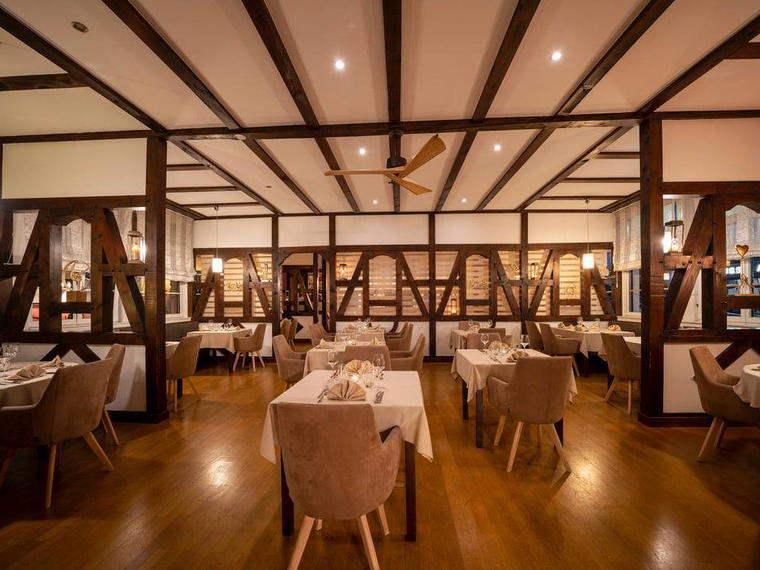
Auberge aux deux clefs
Auberge aux deux clefs serves Fine French Seafood Bistro cooking in Mertzwiller, with bouillabaisse, local sourcing, and terrace or private dining for lunch or dinner.
Results
Mertzwiller, France
Auberge aux deux clefs serves Fine French Seafood Bistro cooking in Mertzwiller, with bouillabaisse, local sourcing, and terrace or private dining for lunch or dinner.

Echandens, Switzerland
Auberge communale occupies a quiet square in Echandens, a small Vaud village between Lausanne and Morges where the tradition of the village inn has historically anchored local food culture. As part of Switzerland's deeply rooted auberge tradition, it sits in a dining category defined by seasonal sourcing, community connection, and regional produce rather than spectacle or scale.

Grozon, France
Auberge de Bellevie sits in Grozon, a quiet village in the Jura département where the French countryside habit of cooking close to the land remains a practical reality rather than a marketing posture. The address places it within reach of some of France's most characterful agricultural territory, where farmhouse cheeses, river fish, and forest-foraged produce define the regional table. It occupies the auberge tradition: unhurried, rooted in place, and oriented toward the local rather than the cosmopolitan.
Bogis Bossey, Switzerland
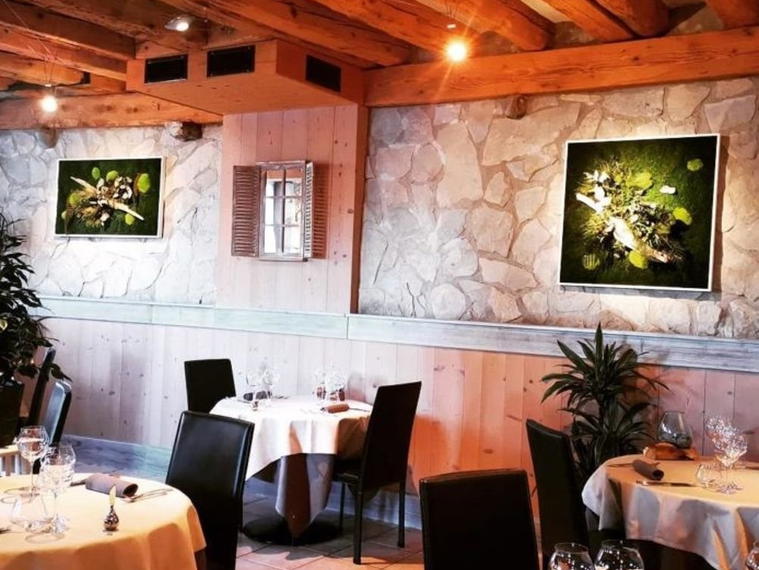
Set along the Chemin de la Pinte in the quiet Franco-Swiss village of Bogis-Bossey, Auberge de Bogis-Bossey occupies the kind of unhurried rural address that Geneva's restaurant circuit rarely replicates. The auberge format places it in a tradition of inn-style dining where sourcing and regionality carry the editorial weight, making it a counterpoint to the polished urban tables across the border.

Collex, Switzerland
Set in the rural commune of Collex, just north of Geneva, Auberge de Collex-Bossy occupies the kind of village setting that rewards the deliberate detour. The auberge format itself signals something about the food: rooted, unhurried, and oriented toward the landscape that surrounds it. For Geneva-based diners seeking a change of register from the city's formal dining rooms, it represents a different kind of seriousness.

Signy L Abbaye, France
Auberge de l'Abbaye sits in Signy-l'Abbaye, a quiet Ardennes village in northeastern France where the auberge tradition runs deep. The address places it squarely in the French countryside dining circuit, where provenance and regional produce define the offer. For travellers moving through the Ardennes or staging a detour off the main Paris-to-Belgium corridor, it represents the kind of address that rewards deliberate planning over convenience.

Arzier Le Muids, Switzerland
Auberge de l'Union sits on the Route de Saint-Cergue in Arzier-Le Muids, a village in the Vaud Jura hills above Lake Geneva where the Swiss countryside table tradition runs deep. The setting alone — alpine meadows, proximity to local farms — frames a dining experience rooted in regional produce and the unhurried rhythms of rural Switzerland. For readers exploring the Swiss fine dining map, see our full Arzier Le Muids restaurants guide.

Burelles, France
Auberge de la Brune sits in the village of Burelles in the Thiérache region of Picardy, a corner of northern France defined by bocage farmland, brick-and-stone architecture, and a deep agricultural calendar. The address at 1 Rue du Gros Colas places it within a rural tradition of auberge cooking where the proximity of the kitchen to the land is not a marketing claim but a structural reality.

Chapelle Des Bois, France
In the Haut-Doubs plateau country of the French Jura, Auberge de la Distillerie occupies the kind of address that still defines the French auberge tradition: a working village, a building with history, and a kitchen that draws its logic from the land immediately outside. For travellers making the circuit of France's great regional tables, this is where the alpine interior begins to shape what ends up on the plate.

Le Gavre, France
Auberge de la Forêt sits in Le Gâvre, a village on the edge of the Forêt du Gâvre in the Loire-Atlantique, one of the largest oak forests in western France. The setting positions this auberge within a French regional tradition that prizes proximity to land over metropolitan polish. For visitors arriving from Nantes or the Atlantic coast, it offers a counterpoint to urban dining that is rooted in place rather than trend.

La Rothiere, France
Auberge de la Plaine sits on Route de la Plaine in La Rothière, a village in the Aube département of the Champagne region, where the French tradition of the rural auberge — rooted in local produce and honest cooking — remains the governing logic. For travellers who approach French cuisine through its provincial origins rather than its Parisian towers, this is the kind of address that repays the detour. See our full La Rothière guide for broader context.

Pont L Eveque, France
Set beside the church square in the Normandy market town that gave Pont-l'Évêque cheese its name, Auberge de la Touques sits inside one of France's most ingredient-dense corridors. The surrounding Pays d'Auge supplies cream, cider, calvados, and aged cheese within a few kilometres, making the restaurant's address as much an argument about sourcing as it is about hospitality. For travellers driving between Paris and the Calvados coast, it is a considered stop in a town that rewards slowing down.

Mens, France
Auberge de Mens sits at the edge of the Trièves plateau in southeastern France, a region where the Vercors massif and the Dévoluy mountains create the kind of agricultural isolation that tends to produce quietly serious cooking. The auberge format here belongs to a French tradition that prizes proximity to the land over metropolitan gloss, placing it in a different register from the trophy-dining circuit entirely.
Plombieres, Belgium
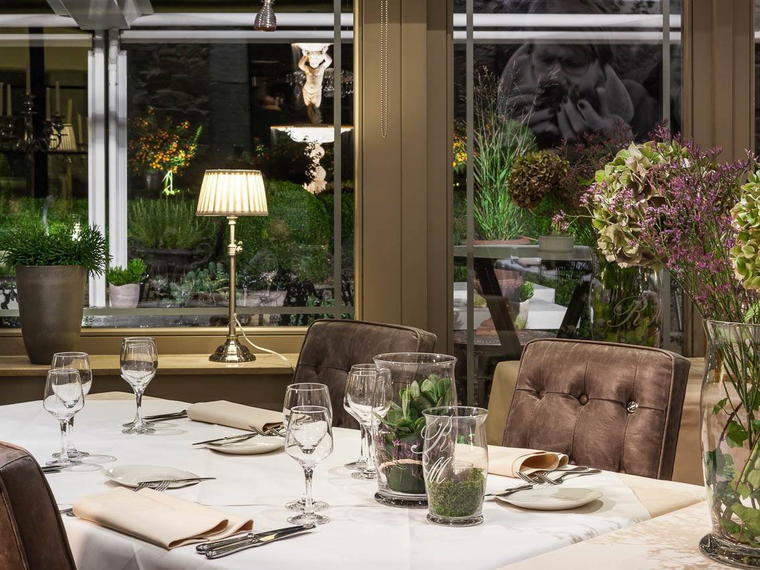
Set in the village of Plombières near the Belgian-German border, Auberge de Moresnet occupies the kind of address where the surrounding countryside does as much work as the kitchen. The auberge format — rooted in regional hospitality tradition — positions it within a distinct tier of Belgian dining that sits apart from the urban fine-dining circuit. For those crossing the Liège hinterland, it warrants serious attention.

Noves, France
Set along the D28 route outside the village of Noves in the Alpilles corridor, Auberge de Noves occupies the kind of Provençal country house that defines a certain tradition of French destination dining: removed from city circuits, anchored to its landscape, and more interested in what grows nearby than what trends elsewhere. For travellers already considering the region's serious restaurant table, it belongs in the same planning conversation as L'Oustau de Baumanière.

Sigloy, France
Auberge de Sigloy sits in the Loire Valley village of Sigloy, a rural address that places it firmly within one of France's most ingredient-driven dining traditions. The auberge format here signals a particular kind of French hospitality: rooted in place, oriented around the land, and less concerned with metropolitan spectacle than with what the surrounding region produces. For travellers willing to seek it out, that orientation is the point.
Conteville, France
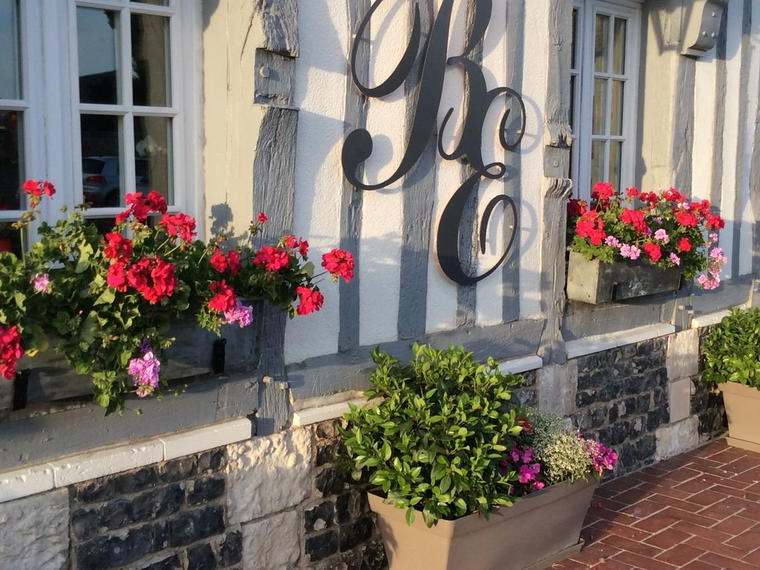
Auberge de Vieux Logis sits on the Route de l'Estuaire in Conteville, placing it squarely within the Norman countryside tradition of farmhouse dining built on local produce. The address puts it near the Seine estuary's agricultural and fishing hinterland, a larder that has long defined the region's cooking. For those tracking provincial French restaurants with deep roots in their terroir, it belongs on the itinerary alongside any serious tour of Normandy's table.

Vouvry, Switzerland
Auberge de Vouvry sits at the edge of the Rhône plain in the lower Valais, where the agricultural corridor between Lake Geneva and the Alps shapes what ends up on the plate. The auberge format — a category that predates the modern restaurant in French-speaking Switzerland — positions it as a place where regional cooking and local produce take precedence over culinary performance. For travellers passing through the Chablais, it represents a grounded alternative to the destination-dining circuit.

Beauvoir-sur-Mer, France
Auberge des Etiers serves Modernized Traditional French cooking with local sourcing in a quiet, leisurely setting, making it suited to lunch or dinner without a rushed pace.

Carcassonne, France
On a quiet street inside Carcassonne's medieval Cité, Auberge des Lices occupies the kind of address that rewards visitors who move past the main tourist circuit. The kitchen draws on the agricultural depth of Languedoc-Roussillon, where proximity to the Corbières hills, the Minervois plateau, and the coastal markets of the Aude shapes what appears on the plate. It sits in the mid-range of the Cité's dining options, positioned between the casual end and the more formal classic houses nearby.
Emeringes, France
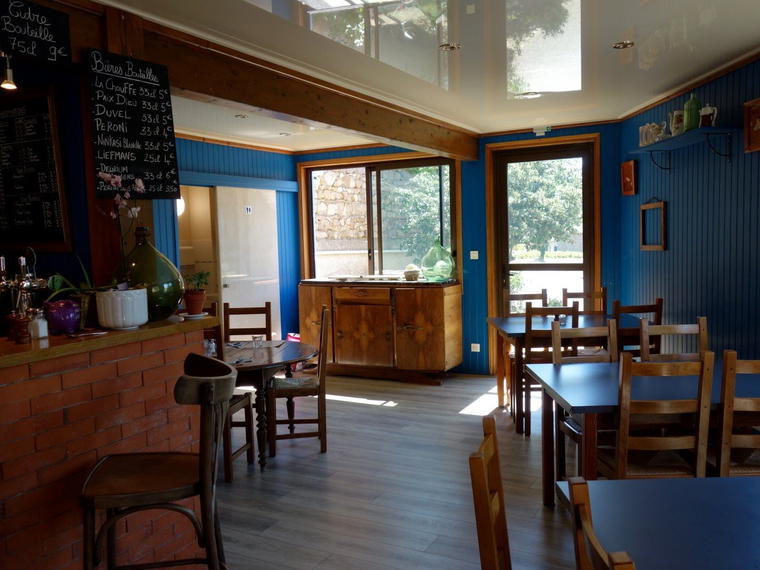
In the Beaujolais cru village of Émeringes, Auberge des Vignerons sits among the vines that define this corner of the Mâconnais border. The kitchen draws from the agricultural reality of its surroundings — a tradition shared by the great French provincial auberges — making it a reference point for anyone tracing the sourcing-led dining that the region quietly practises at table.
Cavanac, France
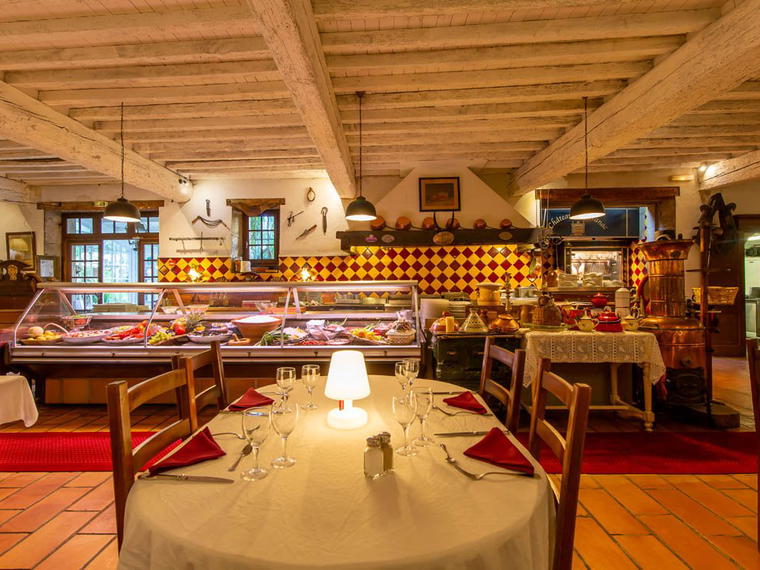
Set within a château in the village of Cavanac, just south of Carcassonne, Auberge du Château occupies a category that southern French hospitality does well: serious cooking anchored to a specific landscape. The address places it squarely in the agricultural hinterland of Languedoc, where proximity to Mediterranean produce, regional wines, and centuries-old farming traditions shapes what arrives on the plate.

Ciney, Belgium
Set within the grounds of a château in the Namur countryside, Auberge du Château de Leignon occupies a distinct tier among Ciney's dining addresses. The setting is the immediate argument: stone architecture, rural Ardennes light, and a kitchen that draws from the agricultural production immediately surrounding it. For visitors approaching from Brussels or Namur, it represents a different register of Belgian country dining than anything the city offers.

Grosseto Prugna, France
At the Col Saint-Georges pass on the outskirts of Grosseto-Prugna, this Corsican auberge occupies a position that says much about how the island's rural dining tradition operates: close to the land, anchored to a specific place, and removed from the coastal tourist circuit. The address alone — San Giorgiu Vecchiu — signals a dining culture shaped more by the interior than the shoreline.

Zellenberg, France
Set in the hilltop village of Zellenberg on Alsace's Route des Vins, Auberge du Froehn occupies a position where the vineyards of the Froehn Grand Cru slope away on three sides. The kitchen draws on the deep larder of the Haut-Rhin — local producers, regional wine, and the Alsatian tradition of cooking that refuses to separate the table from the land around it.

Dinan, France
Tucked into the medieval street grid of Dinan's old town, Auberge du Pélican occupies a position where Breton ingredient traditions and classic French auberge cooking converge. The address at 3 Rue Haute Voie places it within walking distance of the ramparts and the Thursday market that defines much of the region's food culture. For visitors approaching Dinan's dining scene from outside, it represents a grounded entry point into the town's mid-range restaurant circuit.

North York, Canada
Auberge du Pommier has anchored the upper tier of North York dining since the 1980s, delivering French-accented cooking in a setting that reads as deliberately apart from the city's commercial corridor on Yonge Street. For Torontonians who want formal-leaning European technique without crossing into downtown, this address at 4150 Yonge St has long served as a reliable reference point in a neighbourhood not known for culinary ambition.

Cully, Switzerland
Set on Cully's central square in the heart of the Lavaux wine region, Auberge du Raisin is one of the Vaud lakeshore's most-discussed addresses for serious regional cooking. The village itself sits within a UNESCO-listed vineyard corridor, and the auberge has long operated at the intersection of that agricultural heritage and considered Swiss hospitality. Book well ahead and arrive with time to walk the terraced vines before dinner.

Lezardrieux, France
Auberge du Trieux serves Creative French Terroir Bistro cooking with local sourcing, terrace seating, and a leisurely, quiet pace that suits lunch or dinner.

Croix Mare, France
The surrounding bocage landscape, with its apple orchards and dairy farms, shapes what arrives at the table more directly than any urban supply chain could.

Cabris, France
Perched on the edge of a medieval hilltop village above the Grasse hinterland, Auberge du Vieux Château occupies a position that few restaurants in the Côte d'Azur arrière-pays can match for sheer setting. The auberge format places it in a French provincial tradition where the building, the village, and the table form a single proposition — worth the detour from the coast for that reason alone.

Corpeau, France
A stone-built auberge on the Route de Beaune in Corpeau, sitting at the southern edge of the Côte de Beaune where Burgundy's village tradition of table, land, and cellar has always overlapped. The setting speaks to the region's older dining culture — unhurried, produce-anchored, and rooted in the vineyards that line the road outside. For visitors working their way through the Côte d'Or, it represents a more grounded counterpoint to the formal grande table circuit.

Mallemort, France
Set along the Grand Rue of a Provençal hill village, Auberge du Vieux Village represents the kind of address that southern France does better than almost anywhere else: a restaurant rooted in place, where the surrounding landscape shapes what ends up on the table. For travellers making their way through the Luberon and Alpilles corridor, it sits within a regional dining tradition that rewards those who seek out the village auberge over the motorway stop.
Cucugnan, France
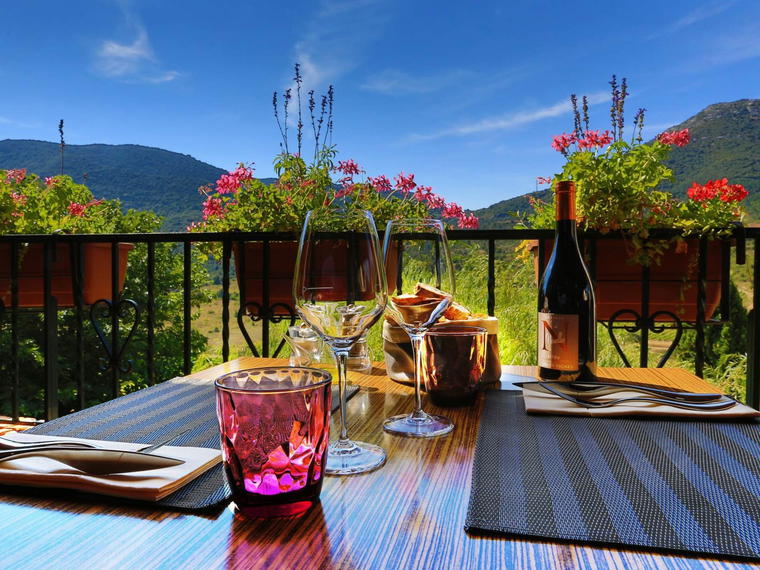
Auberge du Vigneron sits in the ancient village of Cucugnan, in the Corbières country of the Languedoc, where the table is shaped by the land rather than imported ambition. The kitchen draws on regional sourcing traditions that define this stretch of southern France: wild hillside herbs, local producers, and a wine culture rooted in Cathar country viticulture. For a village of barely 100 residents, this address carries genuine weight.
Preneron, France
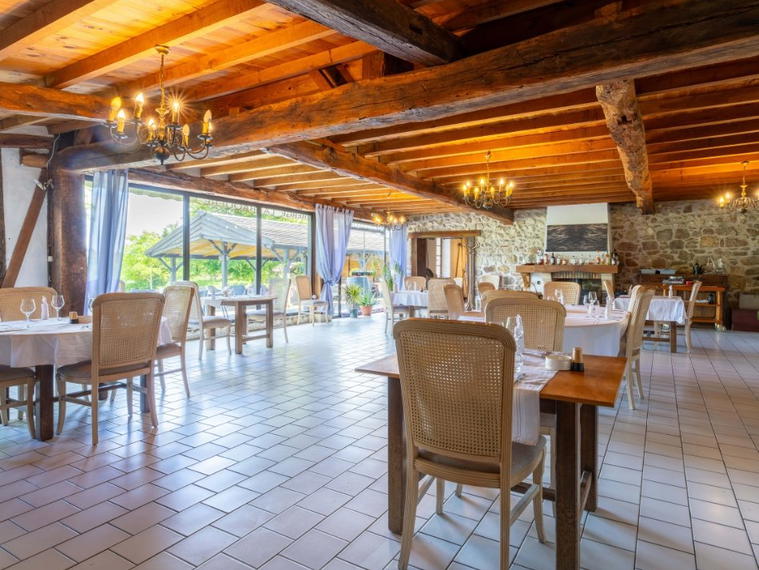
Auberge la Baquère sits in the Gers countryside of Préneron, a corner of Gascony where the kitchen's relationship with its surrounding land defines what ends up on the plate. The auberge format — rooted in French rural hospitality — positions this address within a tradition that prizes proximity over prestige. For those exploring the region's table, it belongs in any serious survey of our full Préneron restaurants guide.

Le Bosc, France
Auberge les Myrtilles sits at the Col des Marrous pass in the Ariège Pyrenees, where altitude and isolation define what ends up on the plate. The kitchen draws from one of France's least-trafficked highland terroirs, making it a reference point for anyone tracing the link between mountain foraging culture and the auberge tradition in the French southwest. See our full Le Bosc guide for context on the surrounding area.
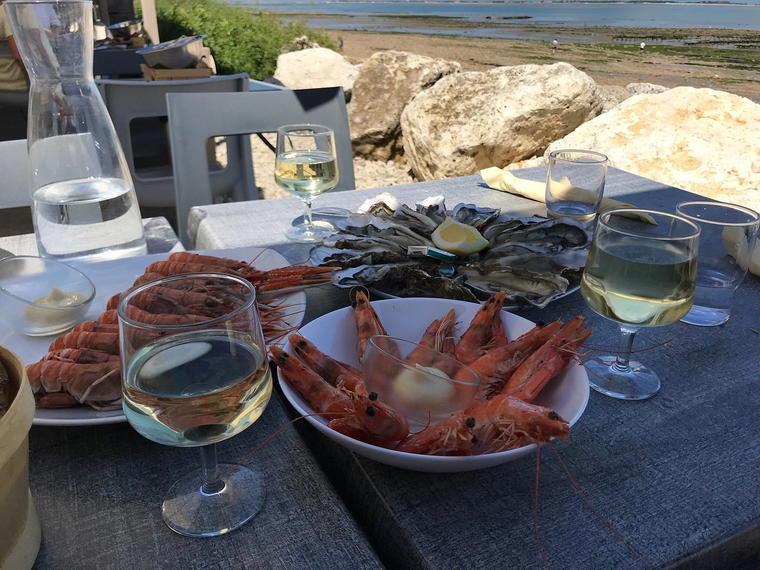
Saint-Martin-de-Ré, France
On the Île de Ré, where the Atlantic sets the terms for what ends up on the plate, Auberge paysanne de la mer takes its name and its cooking cues from the surrounding coastline. The address on Chemin de la Galère places it away from Saint-Martin-de-Ré's busier quayside, within a rural character that shapes the dining experience before any food arrives. For visitors working through the island's restaurant options, this is a reference point for produce-led coastal French cooking.

Auvers Sur Oise, France
The Auberge Ravoux in Auvers-sur-Oise carries a weight that few French country inns can claim: Vincent van Gogh spent his final weeks here in 1890, and the dining room has absorbed that history into its character. Set on the main square of a village that has barely changed in a century, it draws visitors who want proximity to something genuinely documented, not reconstructed. Context and cuisine arrive together on the same plate.
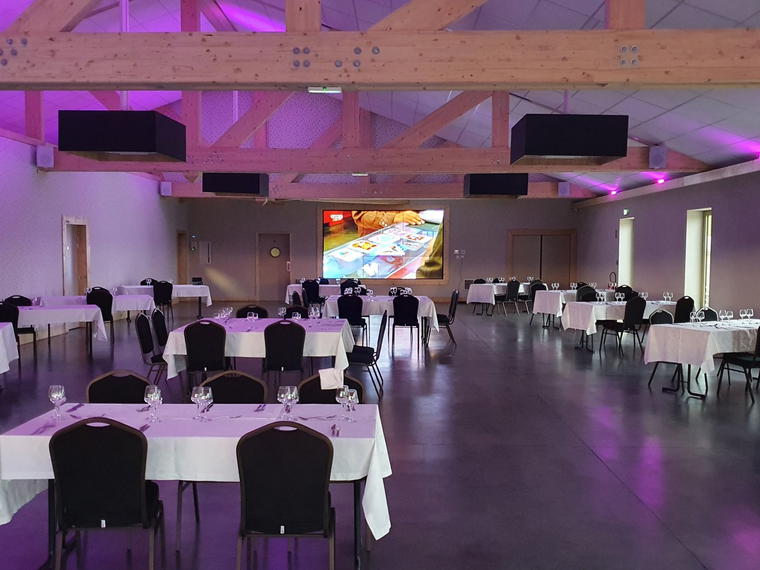
Haut Clocher, France
Auberge Saint Ulrich sits in Haut-Clocher, a village in the Moselle department of Lorraine where the French auberge tradition runs deep and local sourcing is a matter of geography as much as philosophy. The setting is rural and deliberate, placing it in a category of provincial French dining that operates well outside the Paris-centric spotlight. Travellers approaching from Sarrebourg will find a table grounded in regional character.
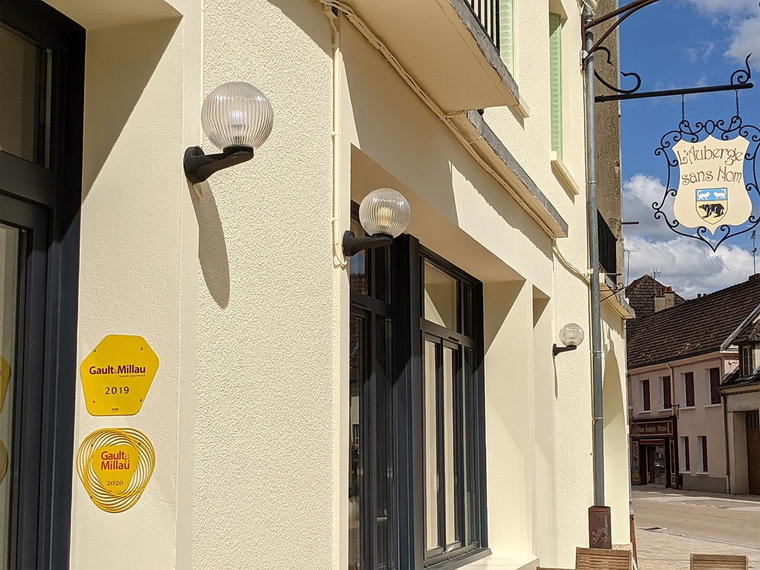
Chaource, France
In the Aube village best known for its soft-rind cheese, Auberge sans nom occupies a quietly authoritative position at 1 Rue des Fontaines, Chaource. The kitchen draws on one of provincial France's most ingredient-specific traditions, where the named cheese of the region sits at the centre of local culinary identity. For travellers routing through Champagne country, it represents the kind of address that earns its place through context rather than ceremony.
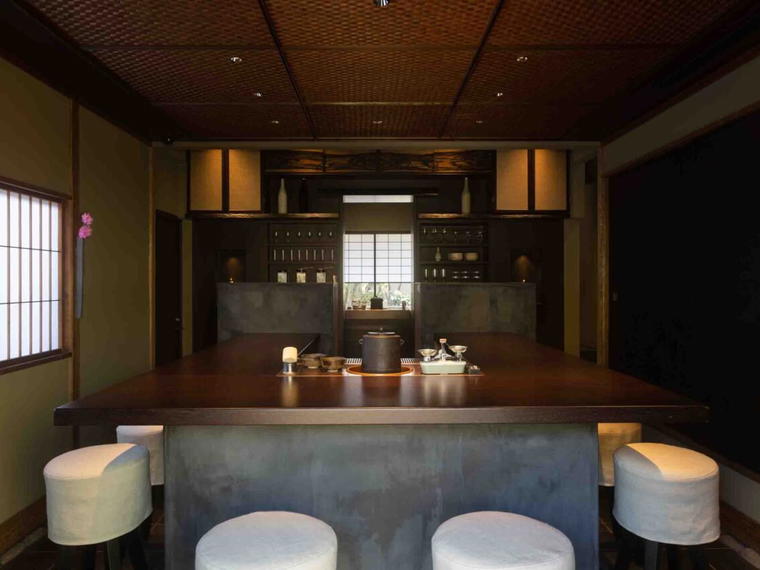
Tachikawa, Japan
A ryotei-style auberge in Tachikawa where Kyoto Kitcho lineage meets private overnight hospitality. Four rooms each have an in-room onsen, and a counter restaurant opens the kitchen to view. Seasonal kaiseki arrives through a format that folds fine dining into genuine accommodation, placing it outside Tokyo's conventional restaurant circuit.
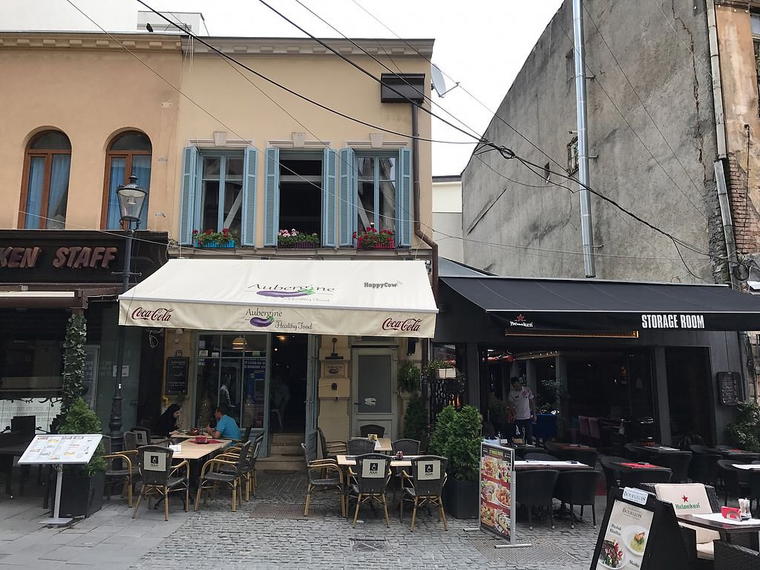
Bucharest, Romania
On Strada Smârdan in Bucharest's old city, Aubergine operates within a dining neighbourhood that has spent the last decade redefining what Romanian hospitality means at a serious level. The address places it among a small cluster of restaurants where European technique meets local produce, a combination that now defines the city's most considered dining tier.
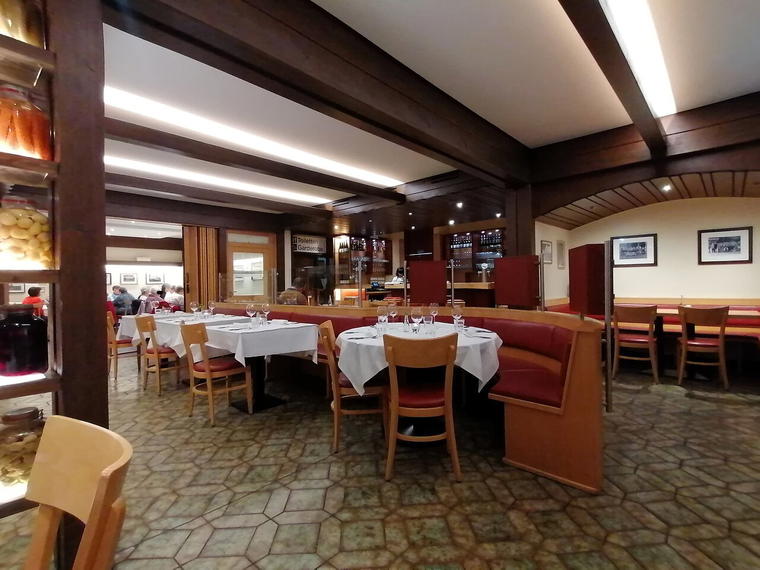
Karlsruhe, Germany
Aubrac Restaurant & Terrasse serves Baden Regional German dishes, including Rumpsteak and Hirschgulasch mit Spätzle, with terrace seating, quiet dining, and an extensive wine list.
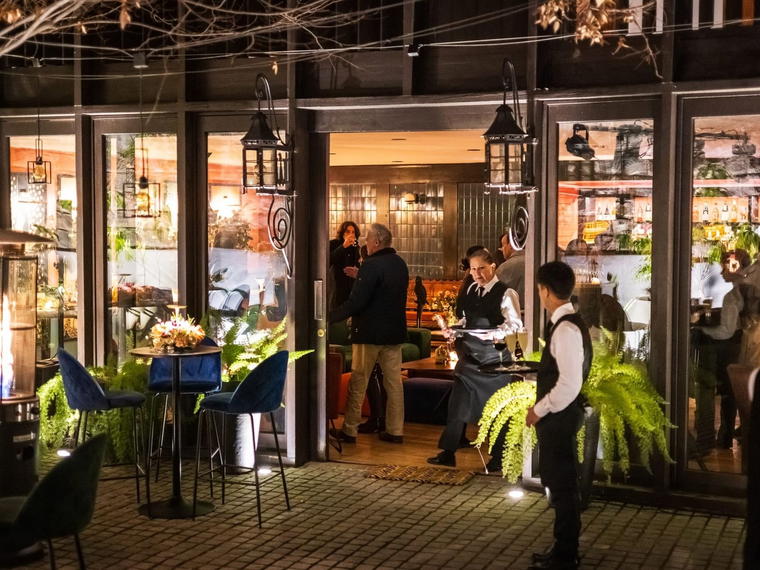
Santiago, Chile
Aubrey Restaurant sits in Providencia, a Santiago district where residential calm, embassies, parks and serious dining overlap. With little public detail on format or pricing, the useful read is contextual: this is a city address to place against Santiago’s broader conversation around Chilean produce, Pacific seafood, Andean pantry staples and the capital’s increasingly confident mid-to-premium restaurant scene.
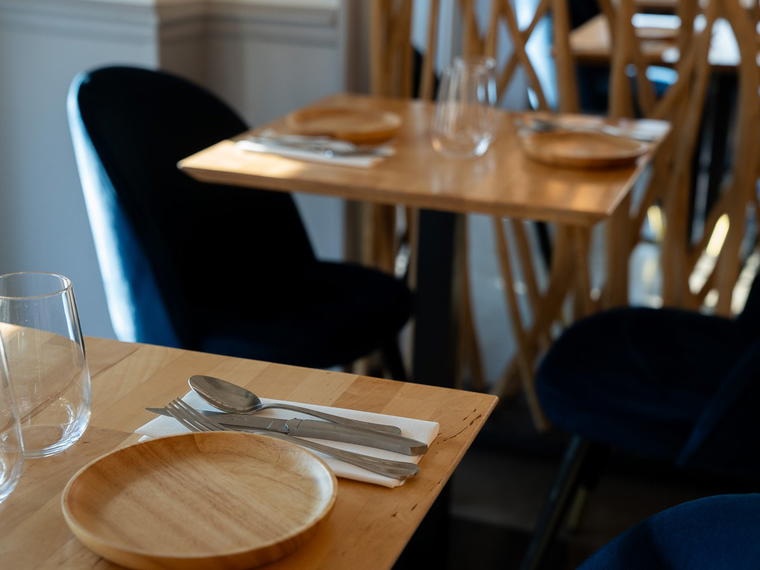
Courbevoie, France
Audass' 2.0 serves modern French fusion tapas at 215 Bd Saint-Denis in Courbevoie, with an extensive wine list and a leisurely pace for lunch or dinner.

Lisbon, Portugal
Audrey's Café belongs to the quieter side of Lisbon dining: a neighbourhood café address in Alfama where the value lies in setting, sourcing cues, and the rhythm of the old city rather than trophy dining signals. Use it as a daytime or low-key meal stop around Santiago and the castle-side streets, then compare it against Lisbon’s sharper creative and farm-led rooms for a fuller read on the city.

New Orleans, United States
Audubon Clubhouse by Dickie Brennan & Co. brings the hospitality traditions of one of New Orleans' most established restaurant families to the Uptown neighborhood along Magazine Street. Operating within the Brennan culinary orbit, it occupies a distinctive position between the city's formal Creole dining rooms and its more casual neighborhood institutions — a useful anchor for understanding how New Orleans dining culture travels across zip codes.

Vienna, Austria
Auersgarden occupies a quiet address in Vienna's 8th district, where the city's appetite for considered, evolution-driven dining has found a home outside the Innere Stadt circuit. The address at Trautsongasse places it among a cohort of Vienna restaurants rethinking what neighbourhood dining means at a serious level — less theatrical than the Michelin-heavy flagships, but no less deliberate in its intent.

San Antonio, United States
On the northern stretch of St. Mary's Strip, Augie's Barbed Wire Smokehouse occupies a position in San Antonio's barbecue conversation that sits apart from the city's fine-dining corridor. The menu reads through smoke and fire rather than tablecloths, placing it alongside the city's more direct, pit-focused tradition. For visitors already plotting time at 2M Smokehouse, Augie's offers a contrasting read on the same regional canon.

Santa Monica, United States
Augie's On Main occupies a stretch of Main Street in Santa Monica that has long functioned as the neighborhood's more grounded, locally oriented dining corridor. The address places it in a walkable block between the beach commerce of Ocean Park and the denser retail of downtown Santa Monica, where the dining character runs toward regulars over tourists.

Vienna, Austria
Augora Fermente occupies a quiet corner of Vienna's sixth district, where fermentation-led cooking sits closer to the natural wine bars of Paris's 11th than to the white-tablecloth tradition of the Ringstrasse. The address at Stumpergasse 1A places it in Mariahilf, a neighbourhood that has quietly accumulated some of the city's more adventurous small-format restaurants over the past decade.

Mexico City, Mexico
A kosher Italian trattoria in the residential enclave of Lomas de Chapultepec, Auguri sits at a specific intersection that few Mexico City restaurants occupy: Italian technique applied within the constraints and traditions of kosher law. The address places it squarely in the capital's most established Jewish community, making it as much a neighbourhood institution as a dining destination.
Dubai, United Arab Emirates
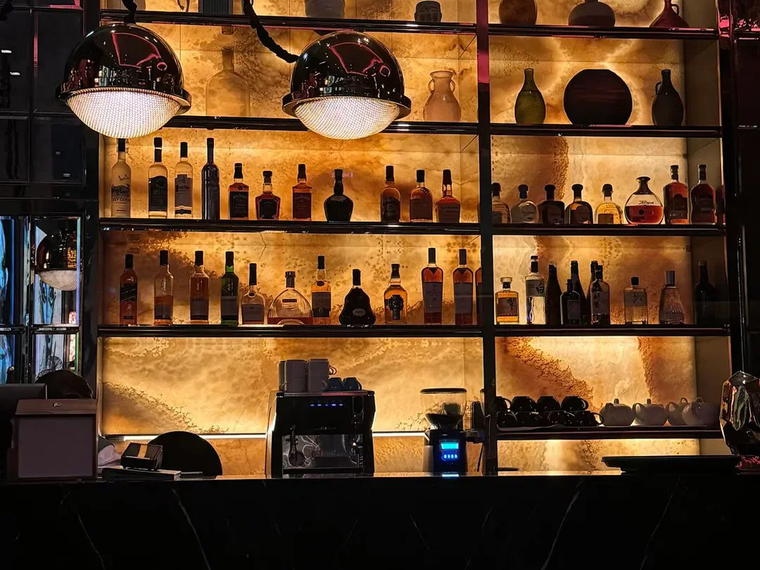
August sits in Downtown Dubai, where restaurant rooms are judged as much by their spatial confidence as by the plate. With public detail on cuisine, chef, pricing, awards, and format not listed, the useful read is contextual: treat it as part of the Burj Khalifa district’s design-led dining circuit rather than a documented tasting-menu destination.

New York City, United States
August Gatherings富瑤 occupies a Bowery address that sits at the intersection of Lower Manhattan's older Chinatown infrastructure and its newer wave of format-driven dining. The name itself signals something between occasion and ritual, Chinese characters paired with an English phrase that suggests communal intent. As with many addresses on this corridor, the room's relationship to the street tells much of the story before a dish arrives.

San Francisco, United States
August West Wine operates out of San Francisco's Bayview-Hunters Point corridor, occupying a warehouse-style address on Barneveld Avenue that signals its position firmly within the city's producer-direct wine scene. The operation sits at some distance from the Michelin-dense corridors of SoMa and the Financial District, placing it in a tier of SF wine destinations defined by access and intention rather than foot traffic or marquee recognition.

Blankenhain, Germany
Augusta belongs to Blankenhain’s compact dining circuit, where Thuringian produce, resort-adjacent cooking and seasonal menus matter more than big-city spectacle. Read it as part of a small-town food scene shaped by fields, forests and destination travellers rather than a standalone trophy table.

Ijmuiden, Netherlands
Augusta sits on Oranjestraat in IJmuiden, the working port town on the North Sea coast where the North Sea Canal meets open water. The address alone signals something about the kitchen’s priorities: proximity to the source. For travellers willing to travel beyond Amsterdam’s dining circuit, Augusta offers a grounded coastal dining proposition in a town that rarely appears on international restaurant itineraries.

Greenville, United States
Augusta Grill occupies a stretch of Augusta Street that has become one of Greenville, South Carolina's most culturally layered dining corridors. The restaurant draws on the culinary traditions that have shaped the American South and the broader Greenville dining scene, sitting in a neighbourhood where independent restaurants have consistently outpaced chain concepts. For diners exploring the city's food culture, Augusta Street is a logical first stop.

Stuttgart, Germany
On Augustenstraße in Stuttgart's West district, Augustenstüble occupies the kind of address that rewards local knowledge over algorithm-driven searches. The room reads as a traditional Swabian Stüble — compact, warm, with the worn-in quality that no fit-out budget can manufacture. Against Stuttgart's growing tier of creative and modern cuisine restaurants, it represents the quieter, neighbourhood-anchored end of the dining spectrum.

Cologne, Germany
Augustin occupies a quiet address on Dagobertstraße in Cologne's city centre, placing it within reach of the Rhine-adjacent dining corridor that has steadily drawn serious restaurant attention over the past decade. The room and kitchen operate at a register that rewards deliberate visits rather than casual walk-ins, positioning Augustin alongside Cologne's growing cohort of considered, format-driven dining addresses.

London, United Kingdom
Augustine Kitchen sits on Battersea Bridge Road in SW11, occupying a corner of south London that has steadily drawn serious dining attention over the past decade. With verified venue data still limited, the restaurant operates in a neighbourhood where casual neighbourhood charm and genuine culinary ambition increasingly coexist. For the full picture on what to expect before booking, read on.

Prague, Czech Republic
Augustine Restaurant & Garden occupies a converted monastery in Malá Strana, one of Prague's most architecturally layered quarters. The setting shapes everything: vaulted ceilings, a walled garden courtyard, and a menu that reads as a structured argument for Central European ingredients treated with contemporary precision. It sits in a price tier and register that places it alongside Prague's most considered dining rooms.

Houston, United States
Progressive Creole in a city that treats its Gulf Coast roots seriously, Augustine's occupies a tier where technique and tradition negotiate on equal terms. Houston's dining scene has room for this kind of cooking — one that reads Southern Louisiana through a contemporary lens — and Augustine's has built its presence around exactly that tension. Reservation-driven and format-conscious, it sits closer to March or Musaafer in ambition than to the city's casual Cajun options.

Worthsee, Germany
On the southern shore of Wörthsee, Augustiner am Wörthsee occupies a position that defines a particular Bavarian tradition: lakeside beer garden dining where the setting does as much work as the kitchen. The Augustiner name carries specific weight in Bavarian hospitality, and the Seepromenade address places this venue at the centre of a summer dining scene that draws visitors from Munich and beyond.

Munich, Germany
On the southern edge of Munich, the Augustiner Gutshof Menterschwaige occupies a historic estate that has anchored Isar valley leisure culture for generations. It belongs to the Augustiner brewery group, grounding it firmly in the tradition of Bavarian Wirtshauskultur where provenance, season, and locale define what ends up on the table. For visitors and locals seeking a counterpoint to the city's Michelin-circuit formality, it offers something rarer: weight, rootedness, and a sense that the setting itself is the point.

Munich, Germany
Augustiner Stammhaus on Neuhauser Strasse is Munich's most historically grounded beer hall, operating from the same central address for generations and serving Augustiner's own unfiltered lager directly from wooden barrels. Where Munich's fine-dining tier runs toward tasting menus and international technique, the Stammhaus holds a different position: the city's institutional benchmark for traditional Bavarian hospitality at volume and without pretension.
Deauville, France
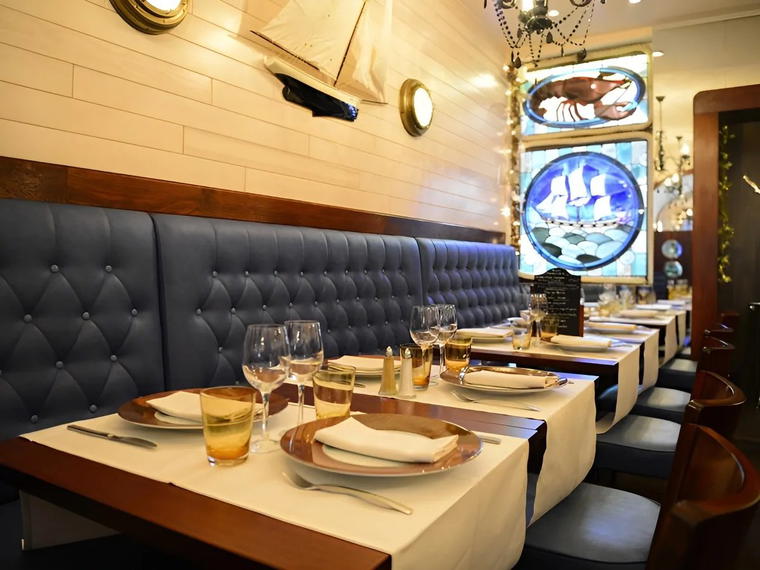
Augusto Chez Laurent occupies a distinct place on Rue Désiré le Hoc in Deauville, a Norman resort town that draws Parisian weekenders seeking the kind of table where regional cooking and seaside occasion converge. Operating within a dining scene that includes Michelin-recognised addresses and racecourse institution dining, it sits in a neighbourhood defined by competing registers of French hospitality.
Boston, United States
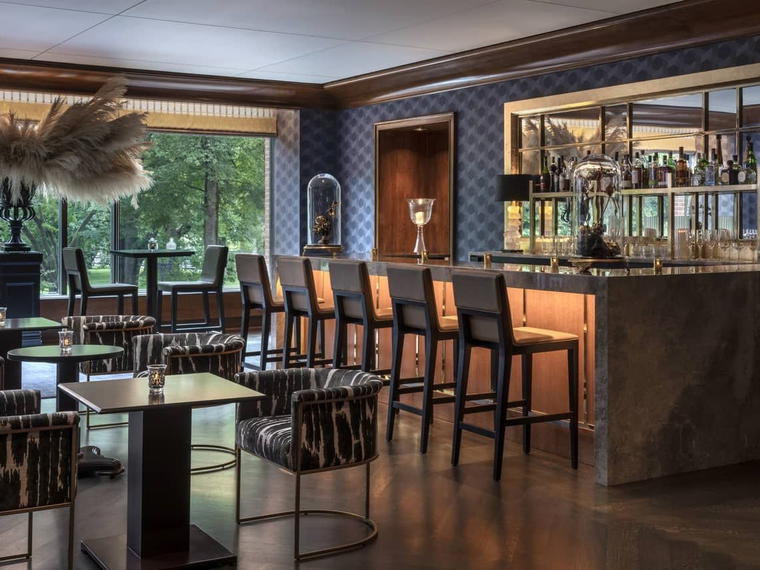
Aujourd'hui sits inside the Four Seasons Boston on Boylston Street, occupying a dining room that long served as one of the city's flagship addresses for formal French-influenced cuisine. Set across from the Public Garden, its address alone carries institutional weight in Back Bay's restaurant hierarchy. The room and its history make it a reference point for understanding how Boston's fine dining scene has evolved over decades.

Edinburgh, United Kingdom
On St Mary's Street in Edinburgh's Old Town, Auld Town sits among the city's most historically charged dining territory, where medieval closes and volcanic rock set the stage for occasion meals that carry genuine weight. Edinburgh's upper tier of restaurants has grown sharper in recent years, and Auld Town occupies that conversation with address and atmosphere on its side. For milestone dinners, the location alone does significant editorial work.
Grange Over Sands, United Kingdom
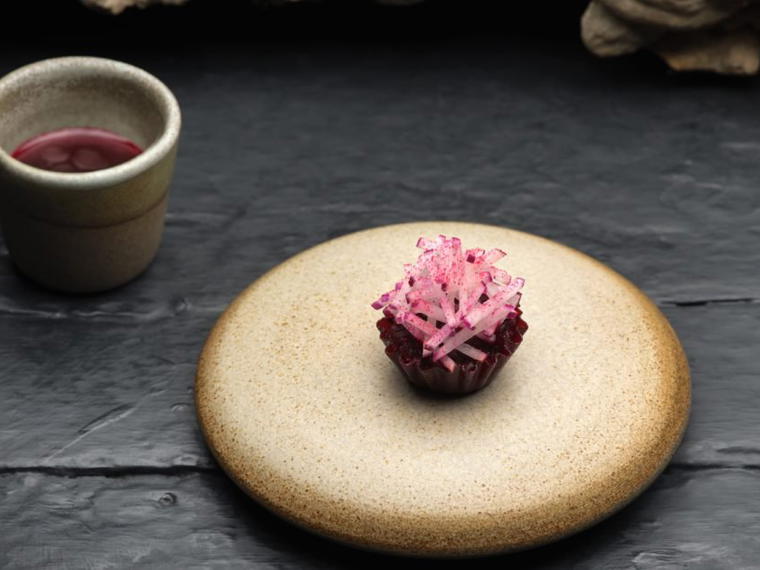
Aulis Cartmel sits in the village of Cartmel, in the Cumbrian countryside that has made this corner of England one of Britain's most closely watched dining destinations. As a chef's table and development kitchen format, it operates at the edge of what the broader L'Enclume ecosystem is thinking about next, with sourcing from the same farming network that has helped define hyper-local fine dining in the north of England.

Cancún, Mexico
Auma belongs in the part of Cancún dining where sourcing matters more than resort spectacle. With public details on format, chef, awards and pricing not listed, the smarter read is contextual: place it against the city’s split between hotel-zone polish, market-driven Mexican cooking and mainland Riviera Maya produce routes.

Rouen, France
Aumale belongs to Rouen’s compact dining map, where Normandy produce, old-town foot traffic, and a growing appetite for contemporary bistro formats shape the room before any menu detail does. With no public award signal attached, the draw is less trophy dining than the city context: a Rouen table to read against local peers, market-led cooking, and the practical rhythms of a historic centre.
New York City, United States
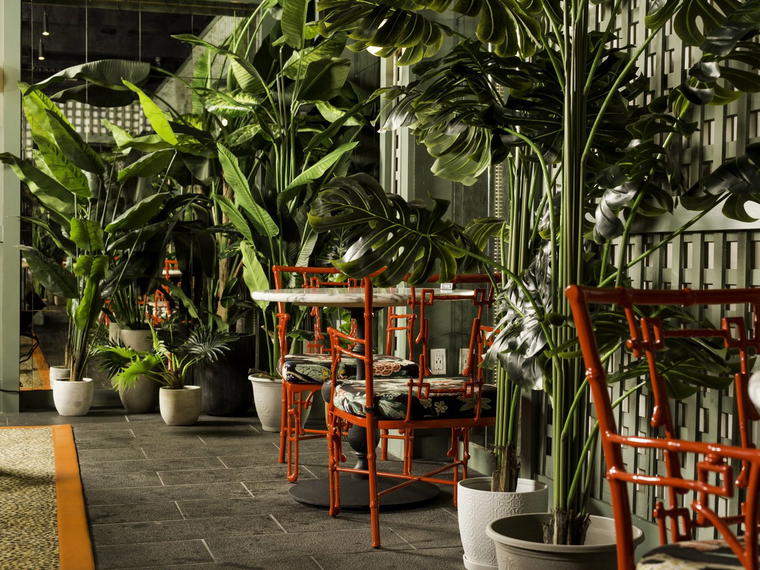
Aunt Bernies occupies a mid-block address on Third Avenue in Murray Hill, a stretch of Manhattan that runs more neighborhood than destination. The venue sits in a city where the distance between a casual neighborhood table and a four-hour tasting counter can be a single avenue block, making local knowledge the only reliable filter for where to spend an evening.
Chula Vista, United States
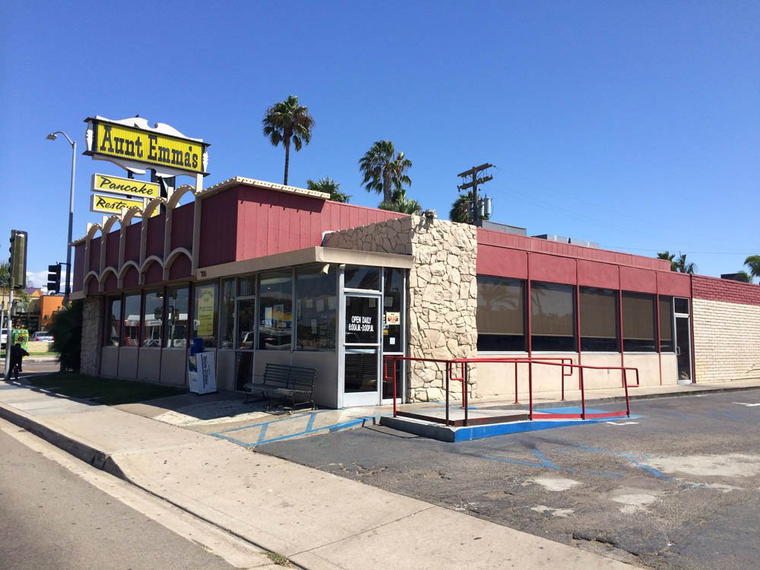
Aunt Emma's Pancakes serves Classic American Pancake House fare in a historic building, with Churro Pancakes and California Benedict setting the breakfast-brunch plan.

New York City, United States
On the Upper East Side's restaurant-dense stretch of Second Avenue, Aunt Jake's operates at the intersection of neighborhood familiarity and technique-driven cooking. The address at 1555 Second Avenue places it squarely in a residential corridor where repeat custom matters as much as occasion dining. For those seeking ingredient-focused plates without the formality of Midtown's upper-tier rooms, Aunt Jake's offers a different kind of proposition.
Ocean Springs, United States
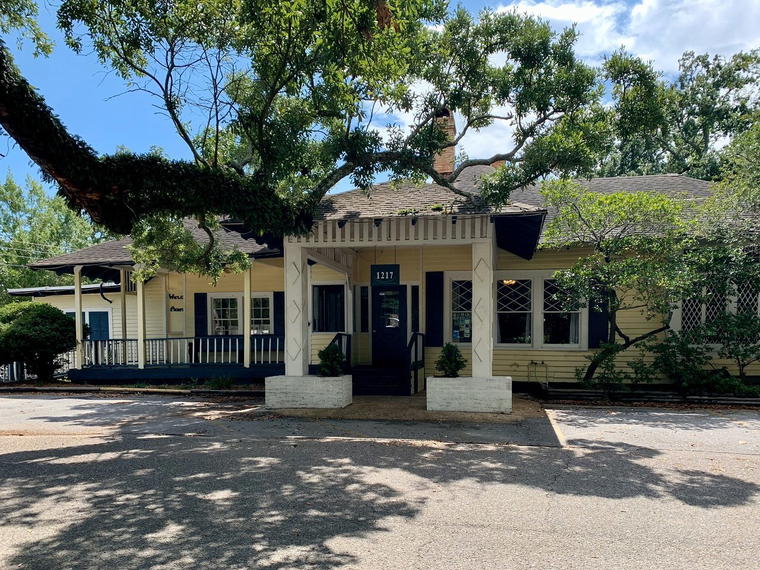
A Washington Avenue fixture in Ocean Springs, Aunt Jenny's Catfish Restaurant represents the Gulf Coast tradition of sourcing close to shore and cooking without ceremony. The catfish here belongs to a regional dining vernacular shaped by Mississippi waterways and Southern fry-house culture, placing it firmly in the everyday-essential tier of the local restaurant scene.

Placencia, Belize
Auntie Luba's Kitchen belongs to the Placencia end of Belizean dining: small-scale, local, and shaped by what the peninsula can pull from the sea, farms, and market stalls. Treat it less as a polished resort meal and more as a read on everyday coastal cooking in a village where seafood, rice, beans, coconut, and pepper heat carry the conversation.

Brisbane, Australia
Aunty brings Brisbane’s Modern Asian dining thread into focus through produce-led cooking rather than spectacle. With no public chef, awards, price, or booking details attached, the smarter read is category-based: treat it as a city restaurant shaped by Queensland ingredients, Asian technique, and the casual confidence now common across Brisbane’s dining rooms.
Boston, United States
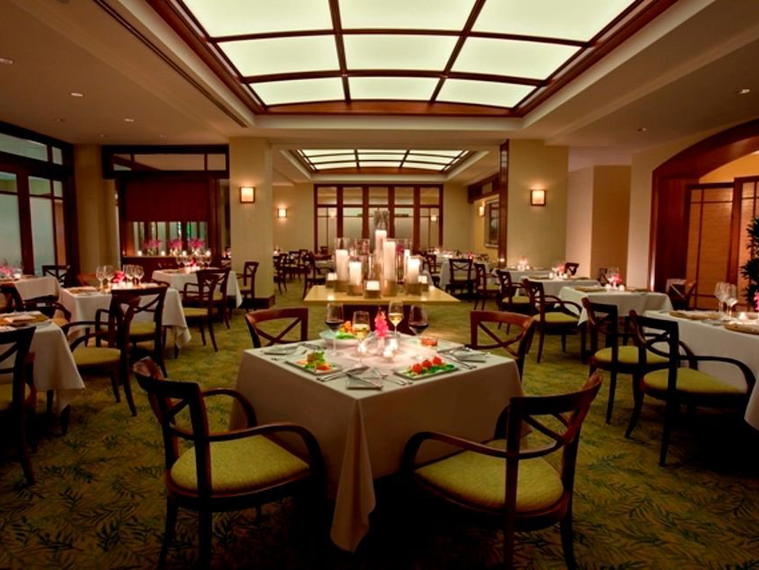
Aura occupies the Seaport District's waterfront edge at 1 Seaport Lane, where Boston's newer dining tier meets the harbor. The restaurant sits in a neighborhood that has shifted from industrial backwater to the city's most commercially active dining corridor, positioning it alongside a cohort of venues that compete on setting as much as on plate.

Cairo, Egypt
Aura sits on Cairo’s Nile-facing Giza side, a useful lens on how the city’s dining scene balances hotel polish, riverfront ritual, and ingredient-led cooking. With no public awards or price band attached, the smarter reading is contextual: judge it against Cairo rooms built around setting, sourcing, and occasion rather than trophy-led tasting-menu culture.
