Auberge de la Touques
Set beside the church square in the Normandy market town that gave Pont-l'Évêque cheese its name, Auberge de la Touques sits inside one of France's most ingredient-dense corridors. The surrounding Pays d'Auge supplies cream, cider, calvados, and aged cheese within a few kilometres, making the restaurant's address as much an argument about sourcing as it is about hospitality. For travellers driving between Paris and the Calvados coast, it is a considered stop in a town that rewards slowing down.
Pearl is the En Primeur Club membership app — saves, bookings, and concierge access live there. Same editors, same standards.
- Address
- 2 Pl. de l'Église, 14130 Pont-l'Évêque, France
- Phone
- +33231640169
- Website
- aubergedelatouques.com
- Directions
- Get directions
 Saves & bookings on Pearl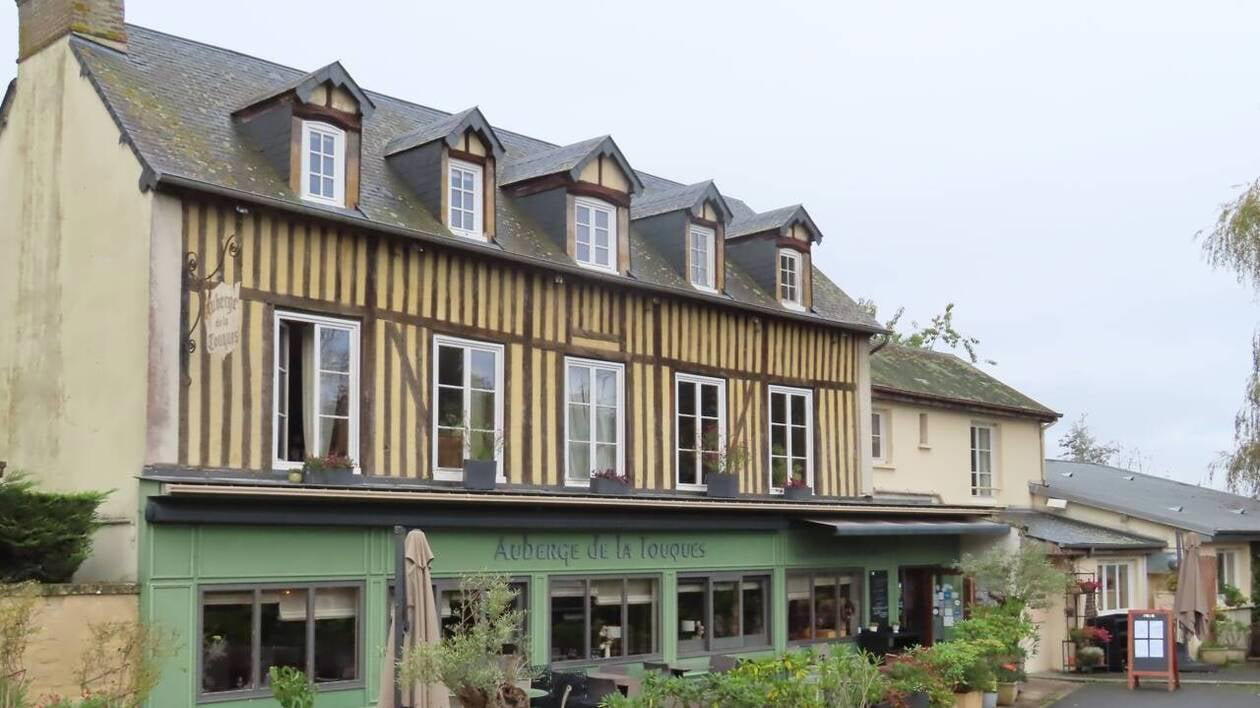
Place de l'Église, Pont-l'Évêque: Where the Address Is the Argument
Arrive on the Place de l'Église in Pont-l'Évêque on a grey Normandy morning and the town presents itself plainly: timber-framed buildings, the church tower over the square, and the low hum of a market town going about its business. Auberge de la Touques occupies the kind of address that predates hospitality as a designed experience, a building on a church square in a town whose name is already on millions of cheese labels. That specificity of place is where any honest assessment of the restaurant has to begin.
Pont-l'Évêque sits in the Pays d'Auge, the inland Normandy zone bounded roughly by the rivers Touques and Dives. This is a concentrated agricultural corridor in northern France: appellation-controlled cheeses, AOC Calvados, AOC Cidre Pays d'Auge, and cream-heavy dairy production all operate within a short radius. The geographic logic that shaped Norman cuisine, fat-rich, apple-scented, reliant on dairy and orchard rather than olive and vine, is not historical flavour here. It is the current economic reality of the farms surrounding the town.
The Ingredient Corridor: What the Pays d'Auge Actually Produces
Understanding what makes a Norman auberge table coherent requires mapping the supply chain. Normandy's cattle dual-purpose tradition (both milk and beef) means the region produces some of France's most consistent dairy cattle output, and the cream used in classic Norman preparations carries genuine terroir variation between producers. Calvados, distilled from local cider apples and subject to appellation rules that govern ageing and geography, operates less like a flavouring and more like a structural ingredient in braised preparations. The apple itself, in cider, in calvados, in reduced form, runs through Norman cooking the way wine runs through Burgundian sauces.
For a restaurant at this address, the proximity to these ingredients is not a marketing position. It is a practical advantage that shapes what appears on a menu, how it is costed, and how fresh it can realistically be. Pont-l'Évêque cheese, aged in the town's traditional square format, is produced by a small number of dairies within the immediate area. Serving it at source collapses the distance between production and table in a way that urban restaurants working with the same cheese cannot replicate.
This is the broader pattern across Normandy's better auberge kitchens: they function as a distribution endpoint for a dense agricultural cluster, and the leading ones treat that position as a technical resource rather than a scenic backdrop. Compare this with destination restaurants operating at greater remove from their stated ingredient sources, the Mirazur in Menton or Alléno Paris au Pavillon Ledoyen in Paris, which operate in a different register to the auberge tradition, where the sourcing radius and the cooking style evolved together over generations.
The Auberge Tradition in Context
France's auberge category occupies a distinct position between the casual bistro and the formal restaurant gastronomique. Auberges historically served travellers, not diners making pilgrimages, which shaped their sensibility: generosity over precision, regional identity over international ambition, and a wine list built on local production. That tradition survives most legibly in smaller towns and villages, where the auberge retains its original function as a place that feeds people who are passing through or who live nearby.
The French dining tradition has produced celebrated examples of the auberge format at refined registers. Auberge de l'Ill in Illhaeusern has operated at three Michelin stars for decades, demonstrating that the format can absorb serious technical ambition without losing its character. Auberge du Vieux Puits in Fontjoncouse placed its Languedoc village on the map through a similar combination of local rootedness and kitchen seriousness. These are points on a spectrum, not the norm. Most auberges operate at a more approachable register, where the kitchen's job is to cook the region's ingredients well rather than to reinterpret them.
Pont-l'Évêque sits within a broader Calvados and Normandy dining circuit that also includes Honfleur to the west, Caen to the northwest, and the inland Pays d'Auge villages. Travellers covering this circuit will encounter significant variation in ambition and polish. The town's table options reflect its scale: this is a market town, not a gastronomic capital, and expectations should calibrate accordingly.
Placing Auberge de la Touques in the Local comparable set
Within Pont-l'Évêque itself, the comparison set is modest. Le Vaucelles represents the other anchor in the local dining offer. The auberge's church-square position gives it a natural centrality that shapes the experience before any food arrives: it is the kind of address that feels like the obvious place to eat in the town, which carries its own logic.
For the broader regional register, the contrast with Normandy's more ambitious tables is instructive. The region's leading cooking does not concentrate in Pont-l'Évêque; it distributes across properties and chefs with different ambitions and audiences. What the Pays d'Auge auberge format offers is immediacy of place and ingredient, without the prix-fixe formality or the booking lead times that characterise France's more celebrated addresses. Properties like Flocons de Sel in Megève, Georges Blanc in Vonnas, or Maison Lameloise in Chagny operate with accumulated institutional weight and multi-generational reputations. An auberge in a Calvados market town answers a different question about where to eat in France.
Planning a Visit: What to Consider
Pont-l'Évêque is most naturally reached by car from Caen (roughly 35 kilometres to the northwest on the A13 corridor) or from Rouen heading southwest. The town is small enough that the Place de l'Église is immediately navigable on arrival. Visitors combining a stop here with the Calvados coast, Deauville and Honfleur both sit within 20 kilometres, will find the timing works logically as a lunch stop or an early dinner before the drive back. The auberge's position on the square makes it a practical anchor point for the town. Hours and availability should be confirmed before a dedicated visit.
In Context: Similar Options
Comparable venues nearby, for context on price, style, and recognition.
| Venue | Cuisine | Price | Notes |
|---|---|---|---|
| Auberge de la TouquesThis venue — the venue you are viewing | Traditional Norman French Bistro | $$$ | Not listed |
| Le Vaucelles | Traditional Norman Bistro | $$ | town centre |
| Le Spinnaker | French Gastronomic | $$$ | centre ville |
| Allouvi | Modern French Seasonal | $$$ | Quai de la Vicomté, Fécamp |
| La Droguerie 1904 | Modern French Fusion Bistro | $$$ | Vieux Bassin |
| L'Espérance | Traditional French Bistro | $$$ | Barentin |
Continue exploring
More in Pont L Eveque
Restaurants in Pont L Eveque
Browse all →
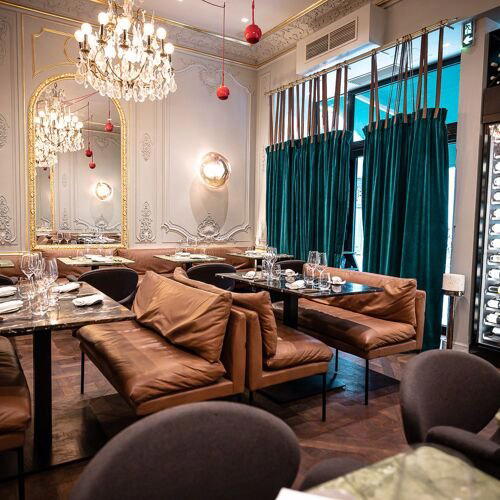
Bars in Pont L Eveque
Browse all →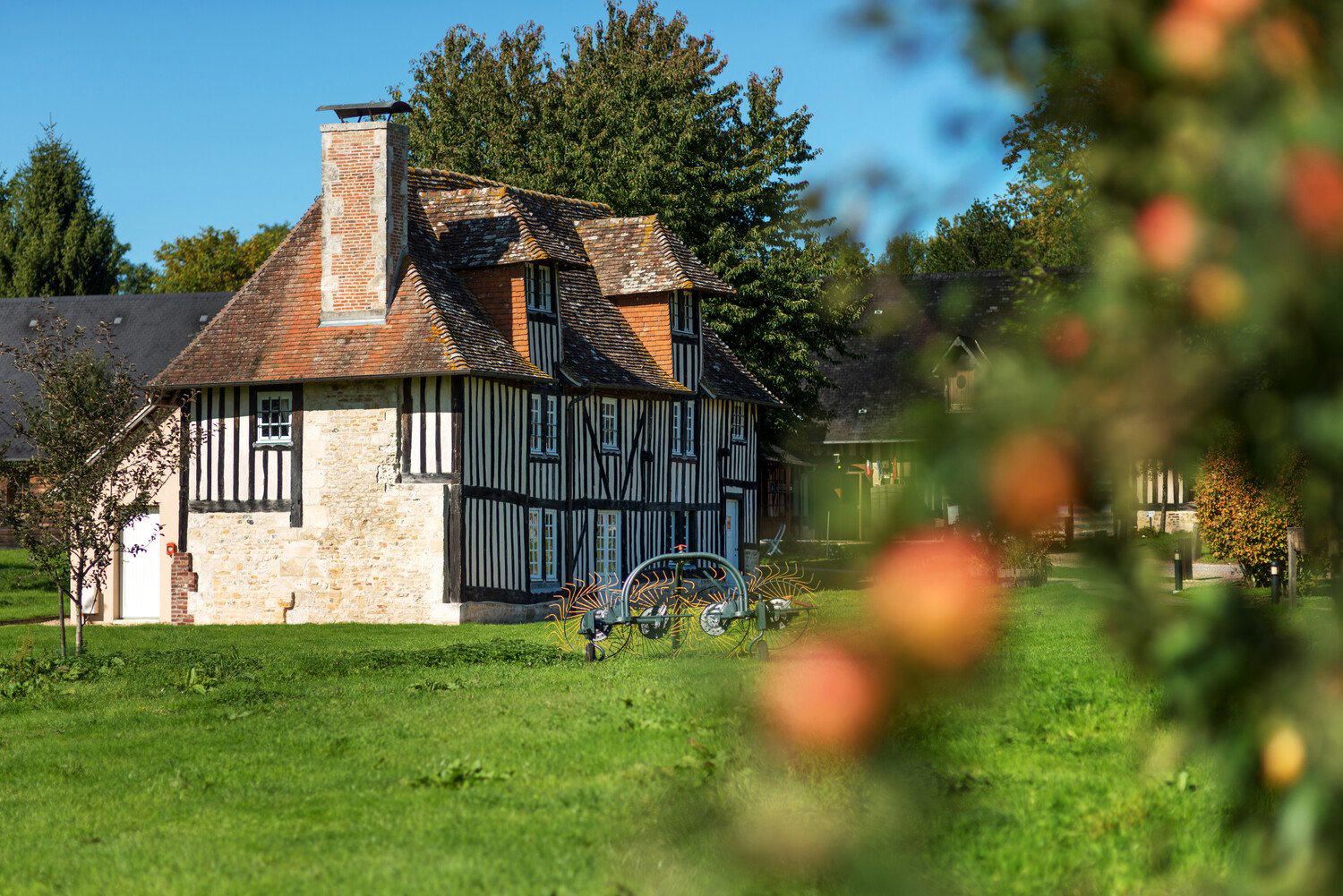
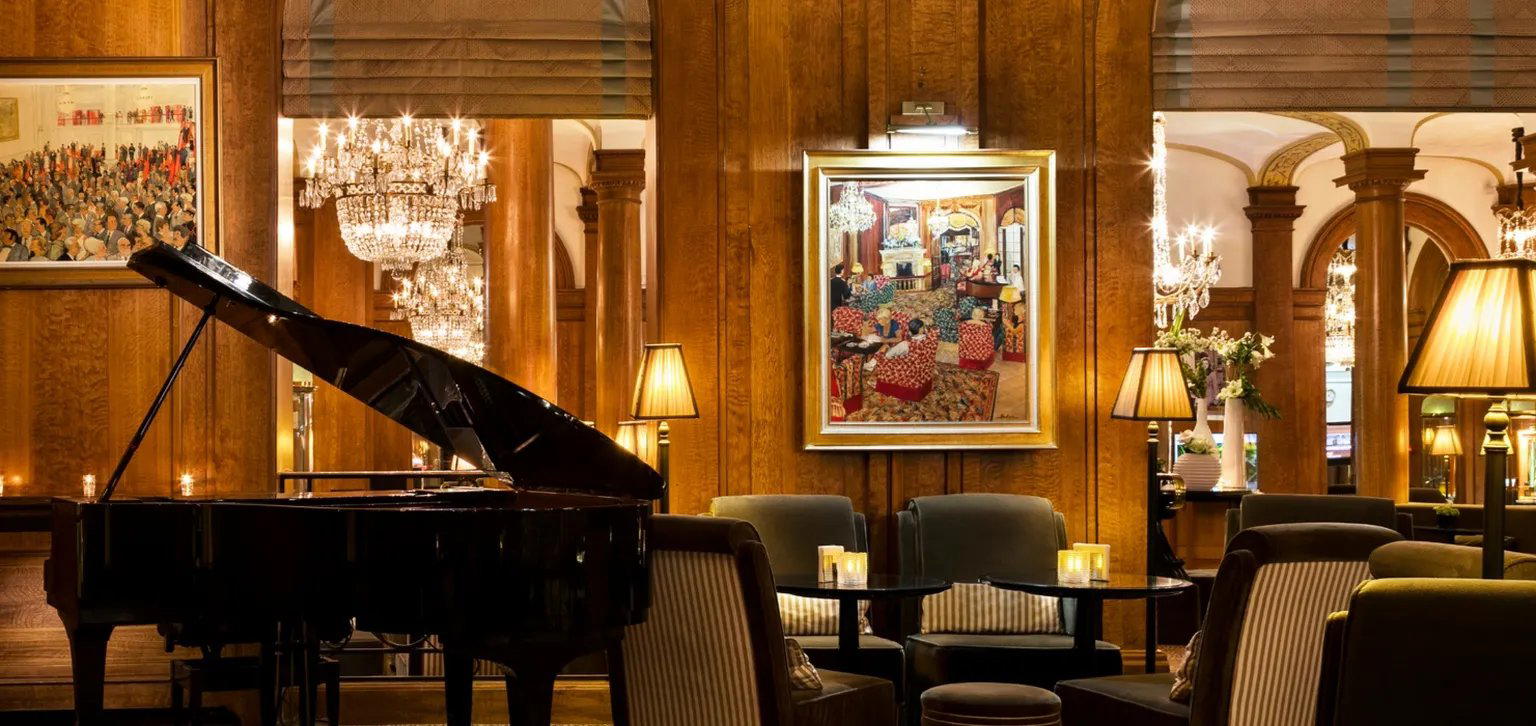
Hotels in Pont L Eveque
Browse all →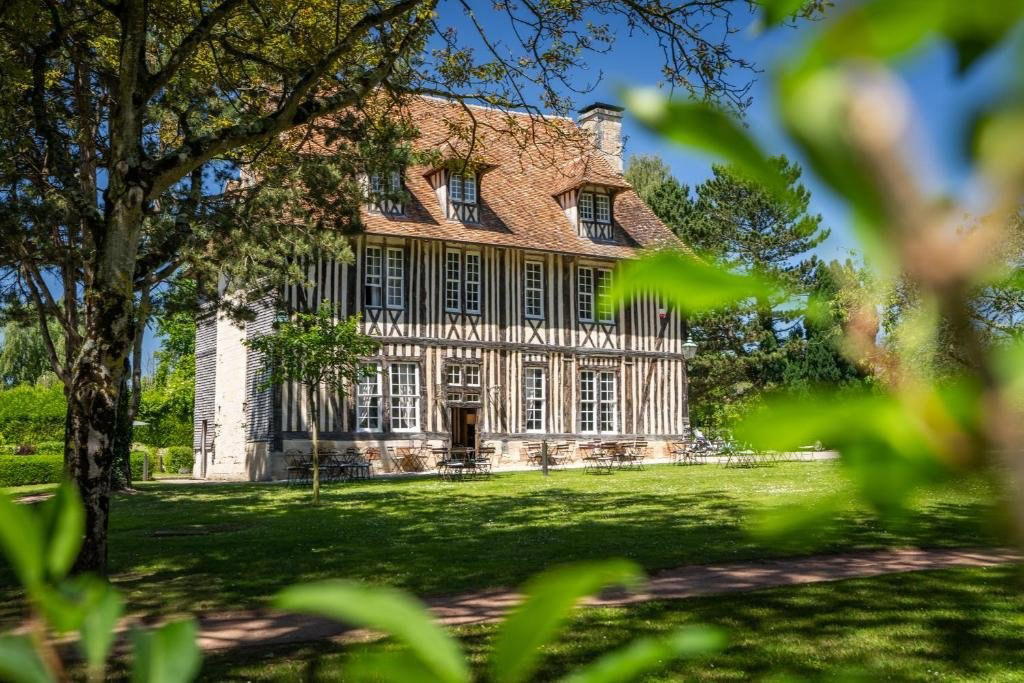
At a Glance
- Rustic
- Cozy
- Elegant
- Classic
- Special Occasion
- Family
- Group Dining
- Terrace
- Historic Building
- Local Sourcing
- Waterfront
Current opening hours
- Monday
- 12–2:30 PM
- Tuesday
- Closed
- Wednesday
- 12–2:30 PM
- Thursday
- 12–2:30 PM, 7–9 PM
- Friday
- 12–2:30 PM, 7–9:30 PM
- Saturday
- 12–2:30 PM, 7–9:30 PM
- Sunday
- 12–2:30 PM, 7–9 PM
Hours can change for holidays and private events. Last verified .
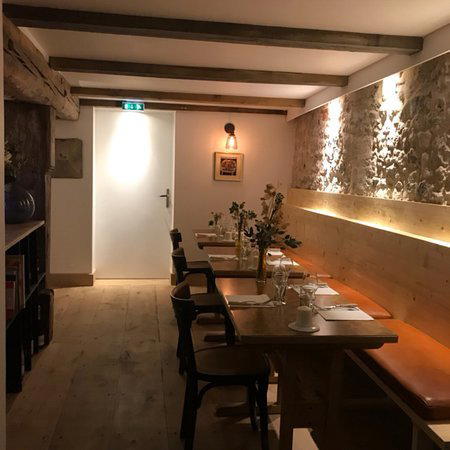
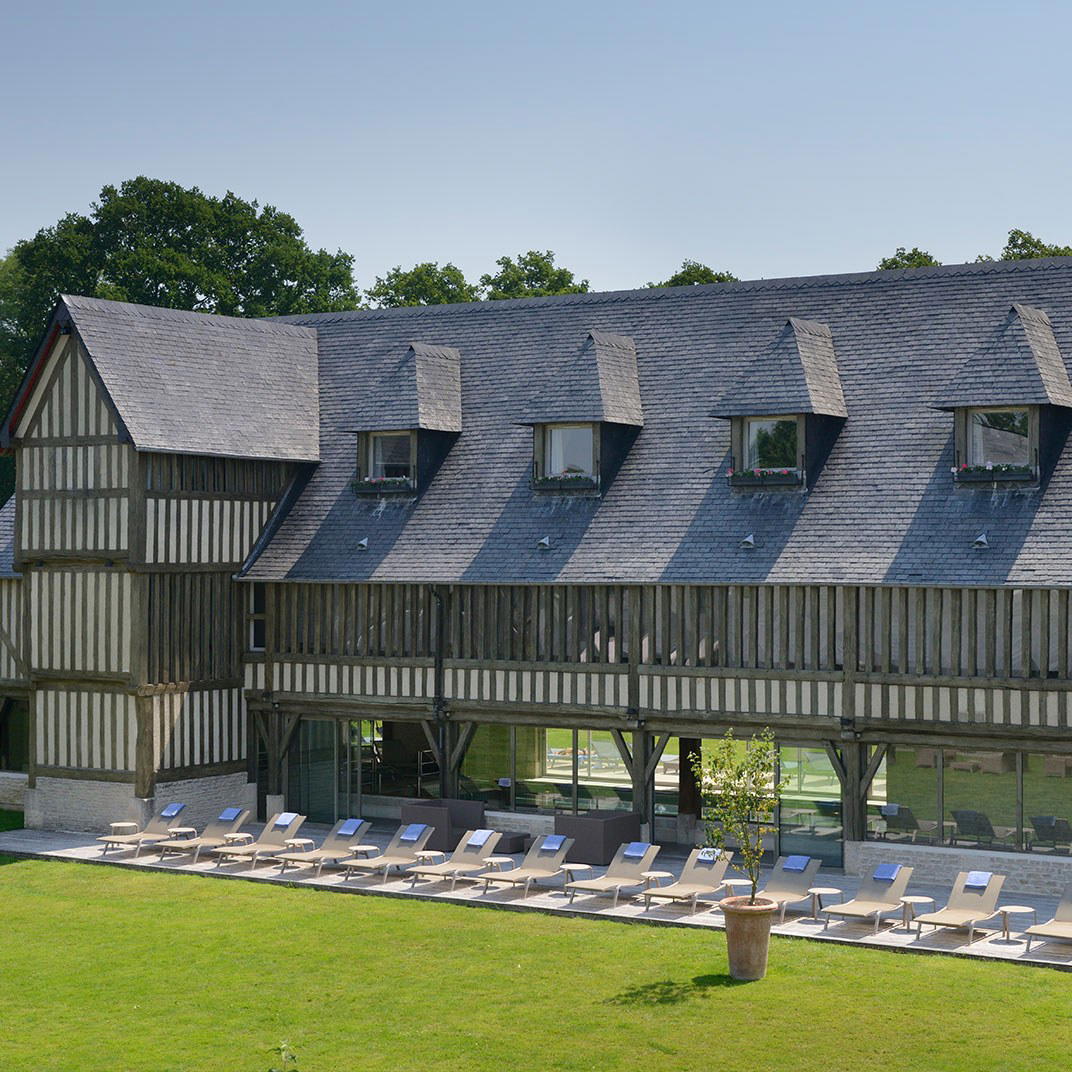
Cozy interiors with exposed beams and half-timbering, featuring a flowered terrace in good weather and a fireplace in cooler seasons.