Auberge du Raisin
Set on Cully's central square in the heart of the Lavaux wine region, Auberge du Raisin is one of the Vaud lakeshore's most-discussed addresses for serious regional cooking. The village itself sits within a UNESCO-listed vineyard corridor, and the auberge has long operated at the intersection of that agricultural heritage and considered Swiss hospitality. Book well ahead and arrive with time to walk the terraced vines before dinner.
Pearl is the En Primeur Club membership app — saves, bookings, and concierge access live there. Same editors, same standards.
- Address
- Pl. de l'Hôtel-de-Ville 1, 1096 Cully, Switzerland
- Phone
- +41217992131
- Website
- aubergeduraisin.ch
- Directions
- Get directions
 Saves & bookings on Pearl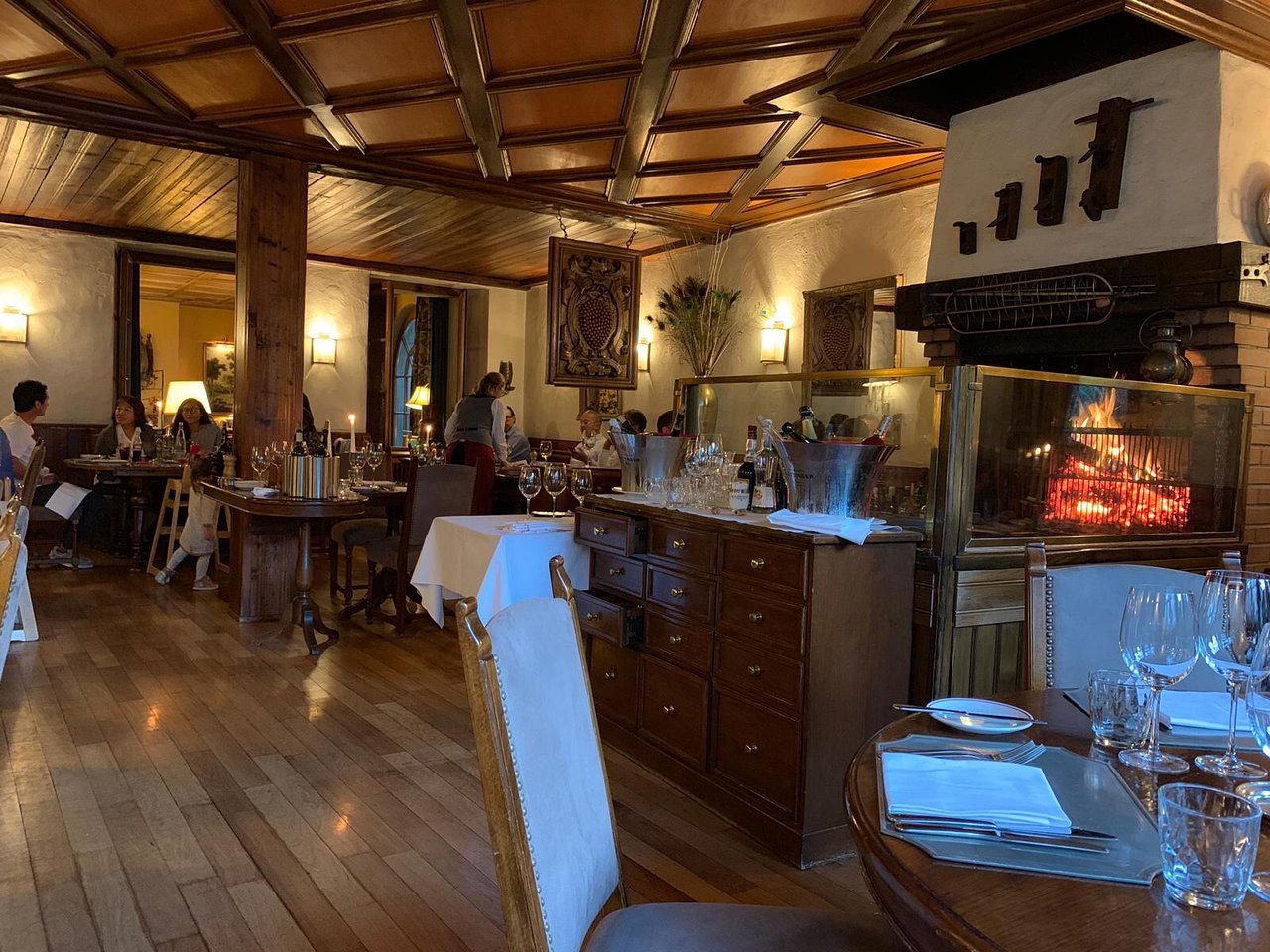
Where the Vineyard Meets the Table
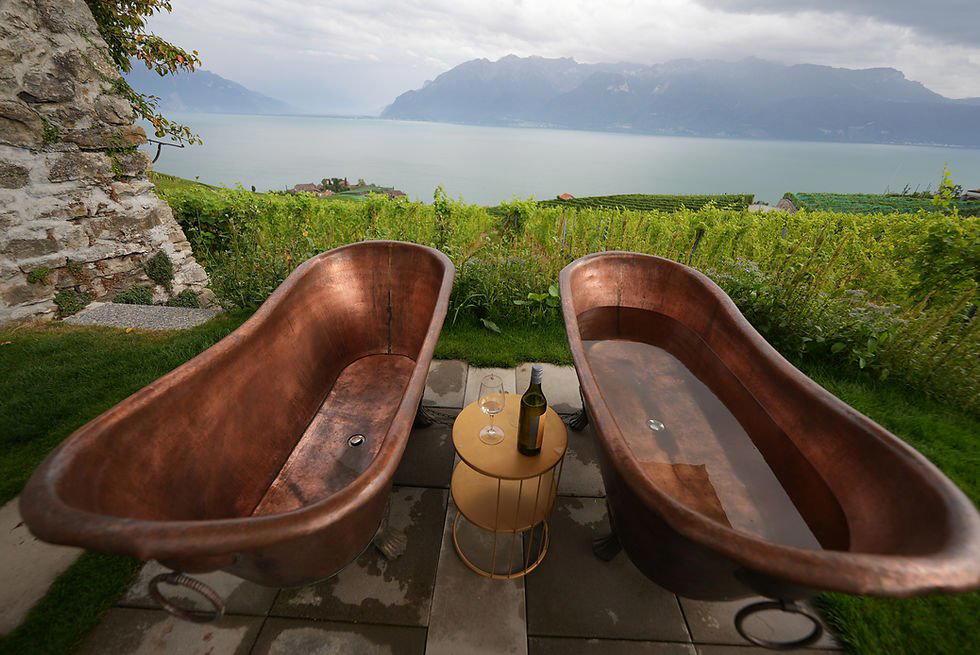
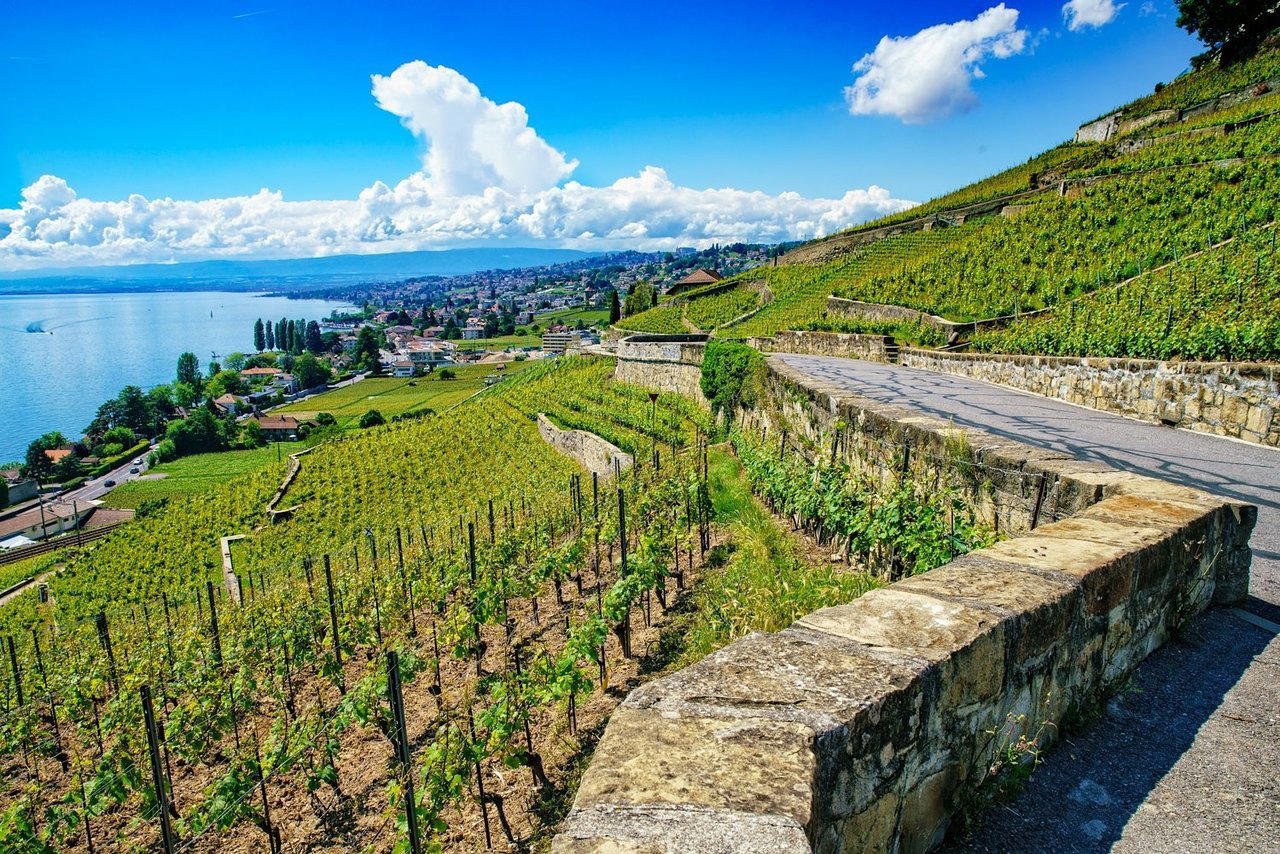
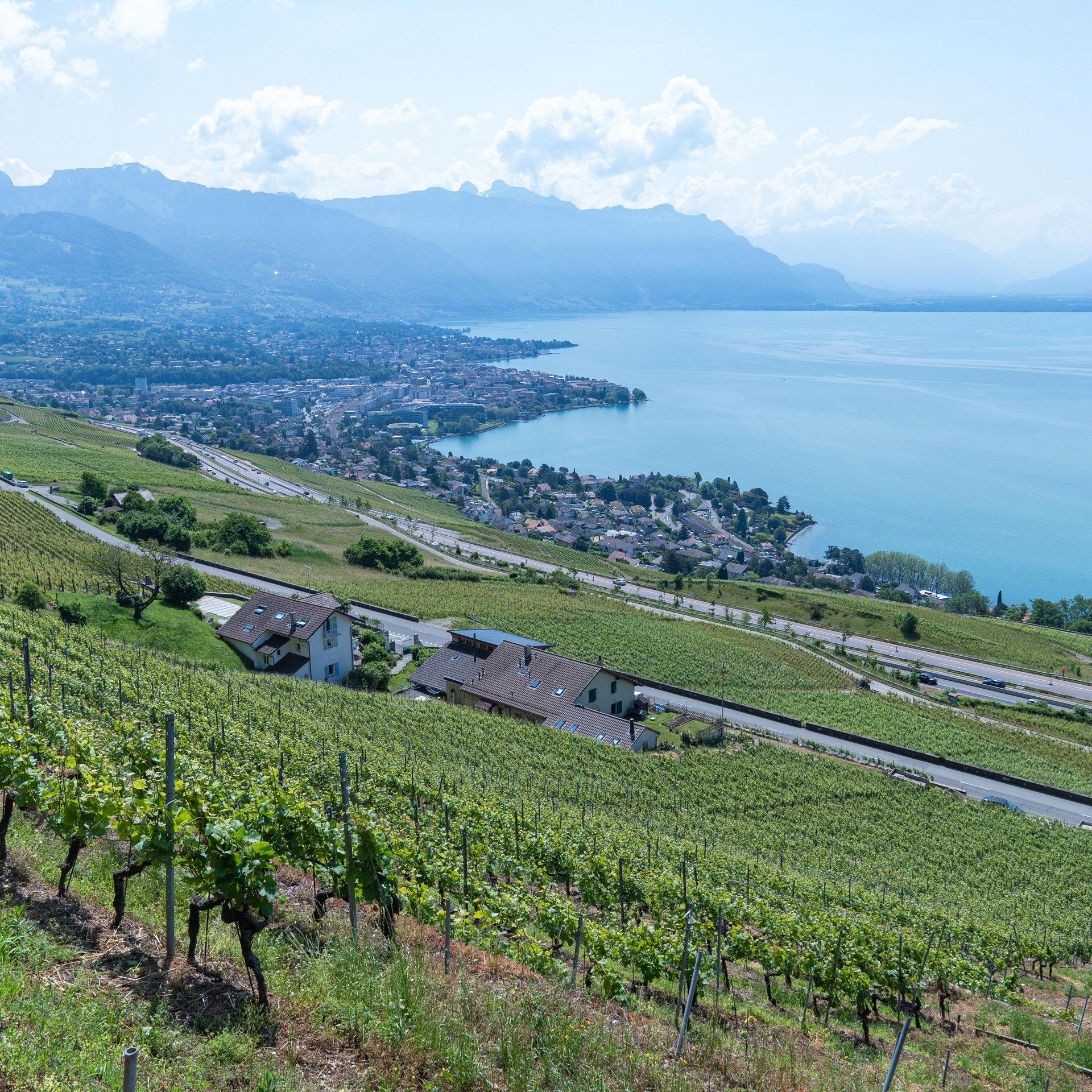
Cully sits at the centre of the Lavaux, the UNESCO-listed terraced vineyard corridor that runs along the northern shore of Lake Geneva between Lausanne and Vevey. The village is small — a few thousand residents, a harbour, and a central square ringed by stone buildings — but it draws a disproportionate number of serious eaters and wine travellers because of what the land produces and how a handful of addresses choose to work with it. Auberge du Raisin occupies the square itself, at Pl. de l'Hôtel-de-Ville 1, which positions it not on the margins of village life but at its literal centre. Arriving on foot from the lake path in the late afternoon, with the Chasselas vineyards stacked on the slope above and the light coming off the water at low angle, you understand immediately why ingredient sourcing in this part of Switzerland carries a different weight than it does almost anywhere else on the continent.
The Lavaux as Larder
The editorial case for Auberge du Raisin begins not inside the dining room but in the fields and cellars surrounding it. The Lavaux's terraced vineyards are among the most labour-intensive agricultural systems in Europe. Built on steep gradients above the lake, they require hand cultivation and generate grape yields per hectare that would be economically irrational at scale, which is precisely why the wines that come from them carry a particularity that flat-land equivalents cannot replicate. Chasselas, the region's dominant white grape, is typically dismissed by critics trained on Burgundian or Riesling benchmarks, but in Lavaux expression it delivers a mineral tension and lactic softness that makes it an unusually flexible pairing partner for lake fish and Alpine dairy. An auberge planted on Cully's main square, with direct access to these producers, is working from a source base that restaurants in Lausanne, Geneva, or Zurich must negotiate from a distance.
This is the structural advantage that defines the top tier of Swiss regional cooking when it is working at its finest. Compare the situation to addresses like La Table du Valrose in Rougemont or Mammertsberg in Freidorf: each operates close enough to its primary ingredient sources that the supply chain is measured in kilometres rather than cold-chain logistics. At this scale, seasonal specificity is not a marketing claim, it is a practical reality imposed by geography. When the perch are running in the lake and the early Lavaux Chasselas is bottled, the kitchen and the cellar are in direct dialogue with the same microclimate.
Regional Cooking at the Vaud Lakeshore Level
Swiss fine dining in the Francophone west of the country has historically followed a French technical template more closely than its German-speaking counterpart. The tradition in Vaud, and particularly along the lakeshore, emphasises classical preparation applied to hyper-local produce rather than the intervention-light Nordic approach that has shaped addresses like Magdalena in Schwyz or the alpine-vegetarian register of some newer Swiss kitchens. Lake Geneva perch, freshwater char, Gruyère AOP, lake crayfish when in season, and the dairy products of the pre-Alpine farmland above Vevey represent the core palette. Within this tradition, the quality of execution depends heavily on relationships with specific producers, not generic supplier contracts, and on a kitchen that knows how to present these materials without overworking them.
Switzerland's wider fine-dining tier contains addresses operating at considerable technical intensity: Schloss Schauenstein in Fürstenau and Memories in Bad Ragaz represent the country's highest formal register, while Hotel de Ville Crissier in Crissier, barely twenty minutes from Cully by road, remains one of the most decorated kitchens in Swiss culinary history. Auberge du Raisin operates in a different register from all of these: rooted in a specific village, serving a regional canon, and functioning as much as a wine-country inn as a destination restaurant. That positioning is not a limitation; it is the point.
The Wine Dimension
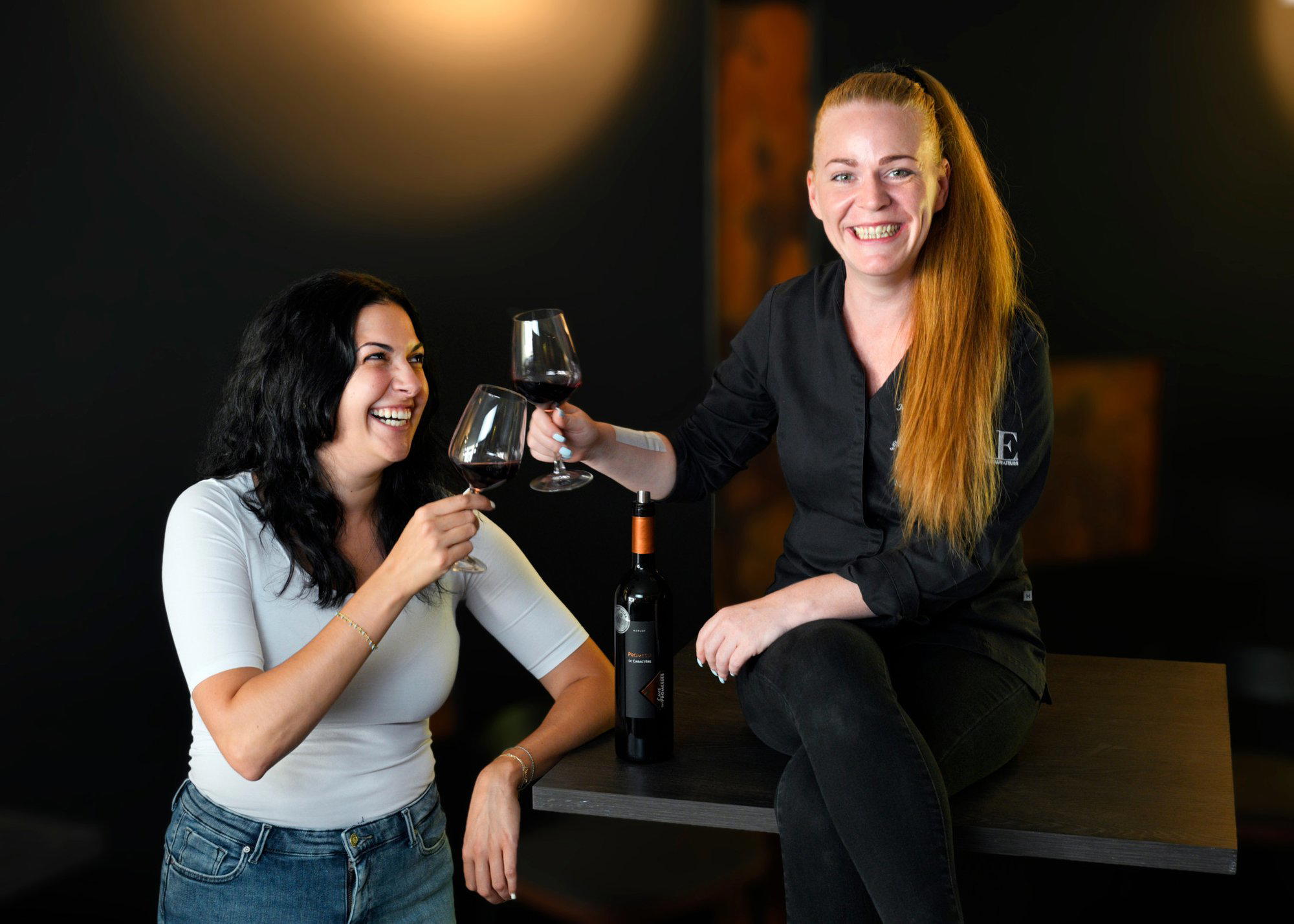
Any serious assessment of eating in Cully has to account for the wine programme, because separating the two in Lavaux is an artificial exercise. The appellation system here is granular: Epesses, Rivaz, Saint-Saphorin, and Calamin (a Grand Cru) all lie within a few kilometres of Cully's square, each producing Chasselas with measurable variation in texture and weight depending on aspect, altitude, and soil composition. A cellar in this village, if it is doing its job, functions as a direct record of that geographical complexity rather than a generic Swiss wine list. Pairing local perch with a Calamin Grand Cru or a lighter Epesses is a different decision than pairing it with an imported white, and the distinction matters to how the food reads on the palate. For visitors coming from outside Switzerland, this is the Lavaux's strongest argument: a wine region that rewards genuine attention and that most international drinkers have not yet worked through.
Switzerland's wine identity remains far less exported than its culinary reputation, which means travellers who arrive at Cully for the first time tend to leave with a recalibrated sense of what Chasselas can do. That recalibration is a legitimate reason to make the trip, distinct from any single restaurant experience. Readers exploring the wider Swiss wine-and-dining circuit may also find relevant context at focus ATELIER in Vitznau and Skin's - the restaurant in Lenzburg, both of which engage with Swiss regional produce from their own geographical positions.
Getting There and Planning Your Visit
Cully is served by the Lausanne–Vevey regional rail line, with a station a short walk from the central square. From Lausanne the journey takes under fifteen minutes; from Geneva, roughly an hour with a connection. Arriving by train rather than car is sensible not only for logistics but because the Lavaux walking trails between stations represent one of the better half-day itineraries in the region, the GR route above Cully connects several appellation villages and provides the contextual orientation that makes dinner more legible. The village has limited parking, and the square itself is pedestrian-oriented, so driving adds friction without adding convenience.
For a broader map of serious eating in the region, our full Cully restaurants guide covers the key addresses by price tier and format. Travellers building a longer Swiss itinerary should note that Cheval Blanc by Peter Knogl in Basel, Maison Wenger in Le Noirmont, Einstein Gourmet in Sankt Gallen, Da Vittorio in St. Moritz, The Japanese Restaurant in Andermatt, and La Brezza in Ascona each represent distinct Swiss regional registers and make logical additions to a multi-stop circuit. For international reference points on what lake-to-table cooking looks like at the highest technical level, Le Bernardin in New York City and Lazy Bear in San Francisco offer useful comparative benchmarks on how premium produce sourcing shapes tasting menus in different national contexts.
At-a-Glance Comparison
| Venue | Cuisine | Price | Awards |
|---|---|---|---|
| Auberge du RaisinThis venue — the venue you are viewing | This venue | Not listed | Not listed |
| Schloss Schauenstein | Modern European, Creative | €€€€ | Michelin 3 Star |
| Memories | Modern Swiss | €€€€ | Michelin 3 Star |
| focus ATELIER | Modern Swiss, Creative | €€€€ | Michelin 2 Star |
| Taverne zum Schäfli | Swiss, Creative | €€€€ | Michelin 2 Star |
| Magdalena | Alpine-Vegetarian, Modern Cuisine | €€€€ | Michelin 2 Star |
Continue exploring
More in Cully
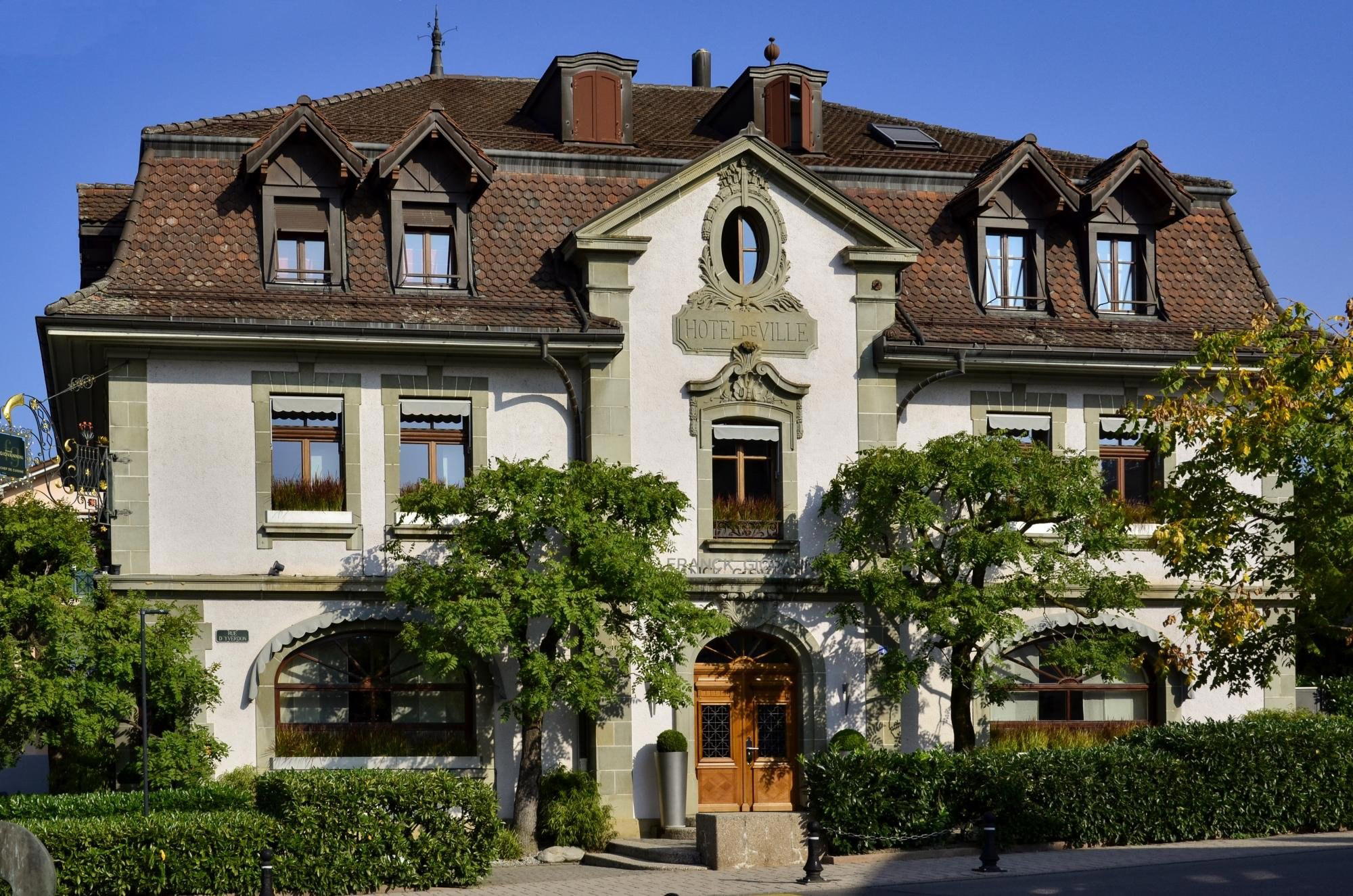
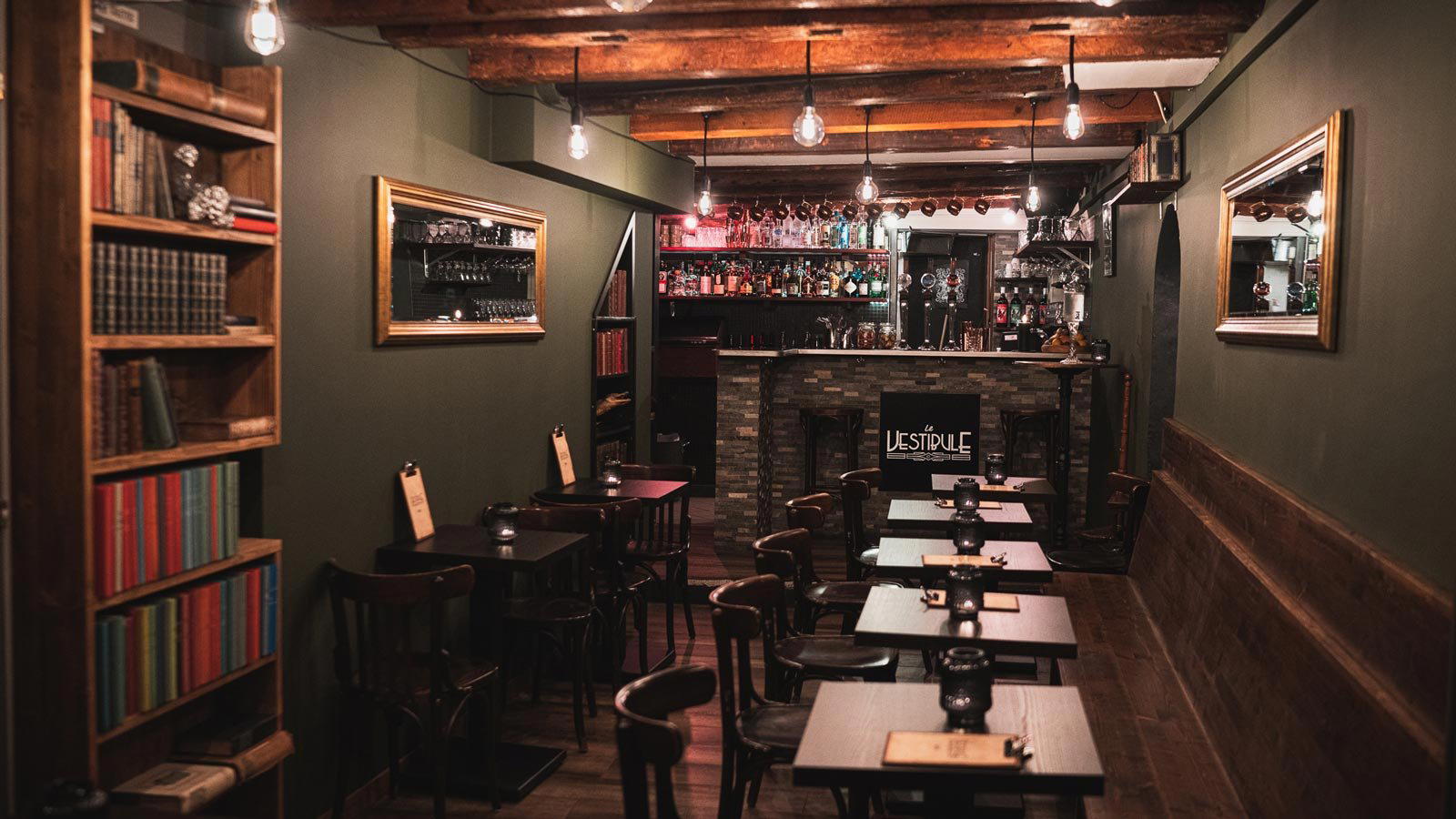
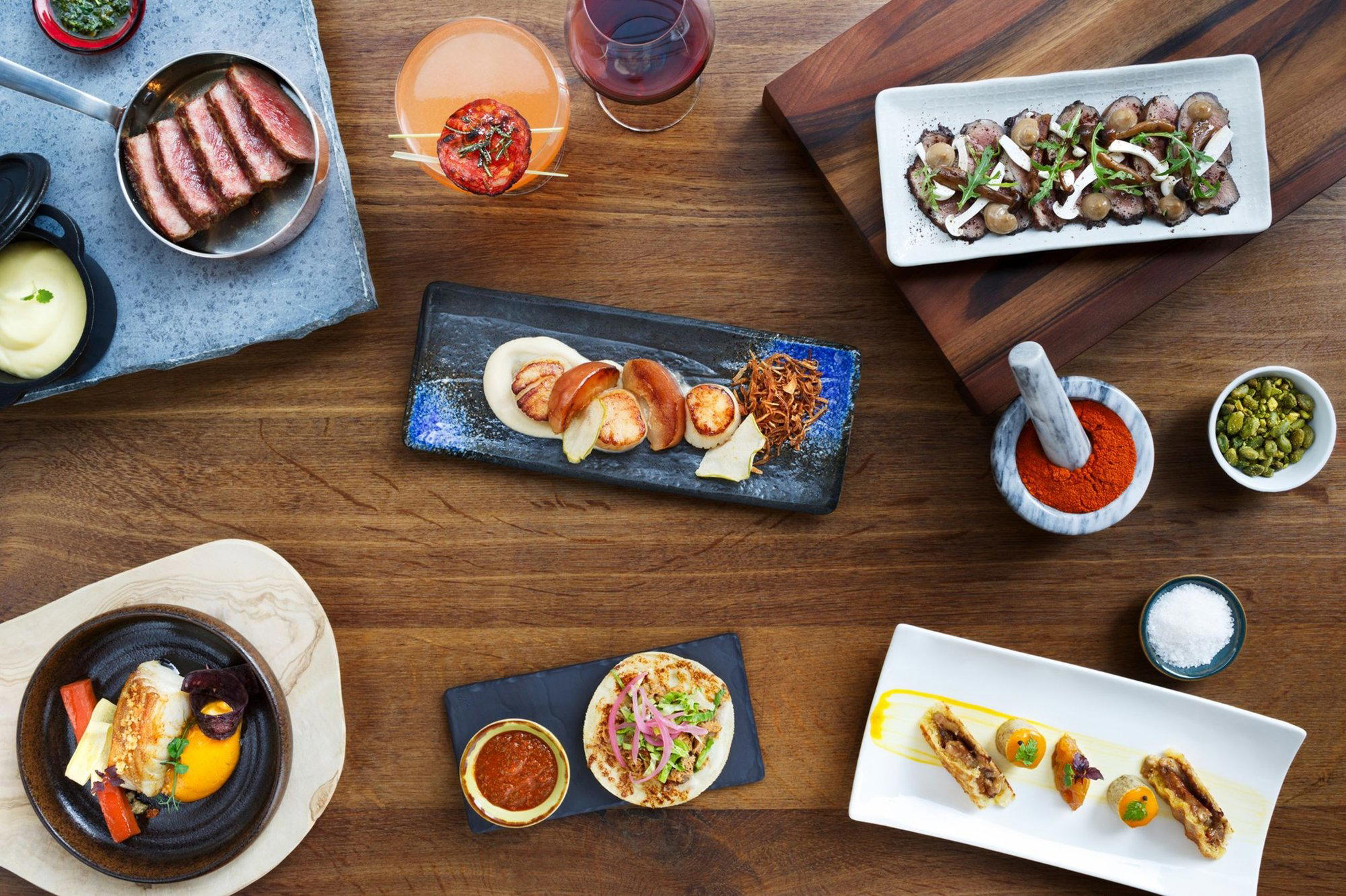
Restaurants in Cully
Browse all →
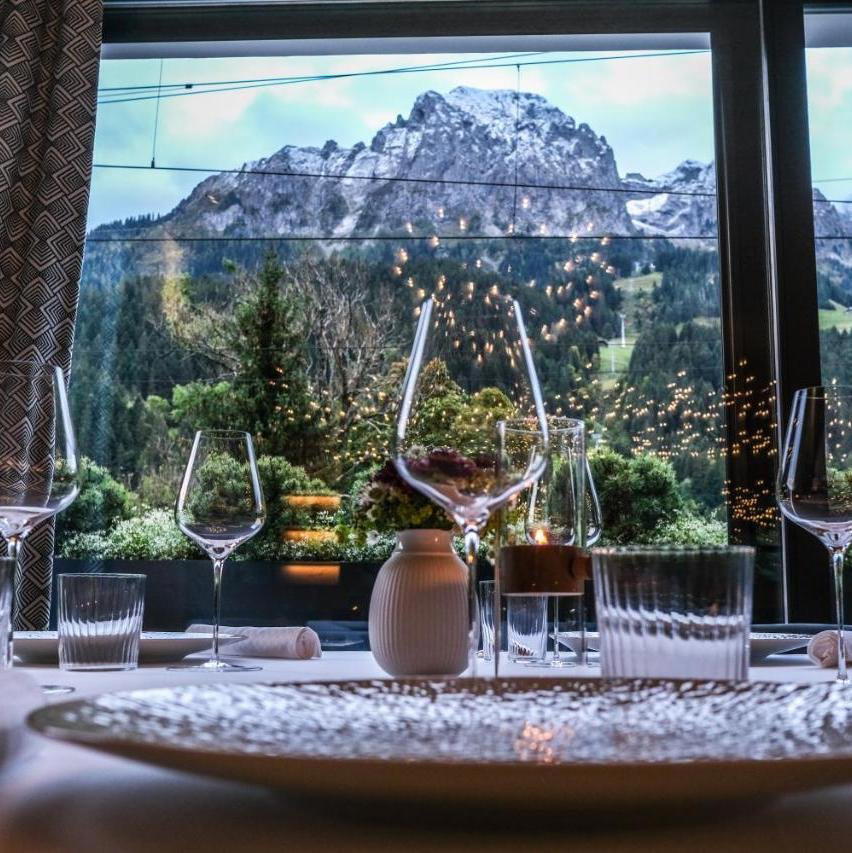
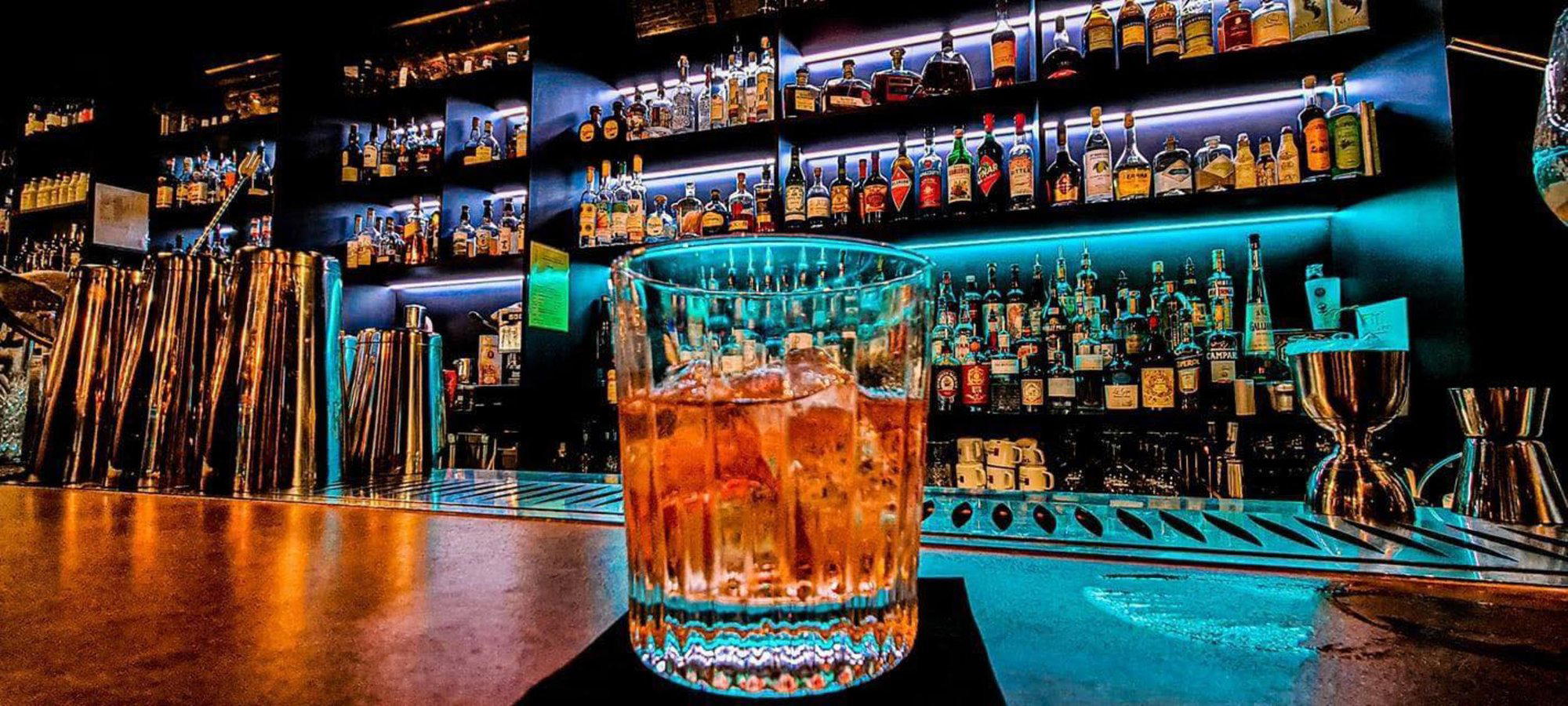
Bars in Cully
Browse all →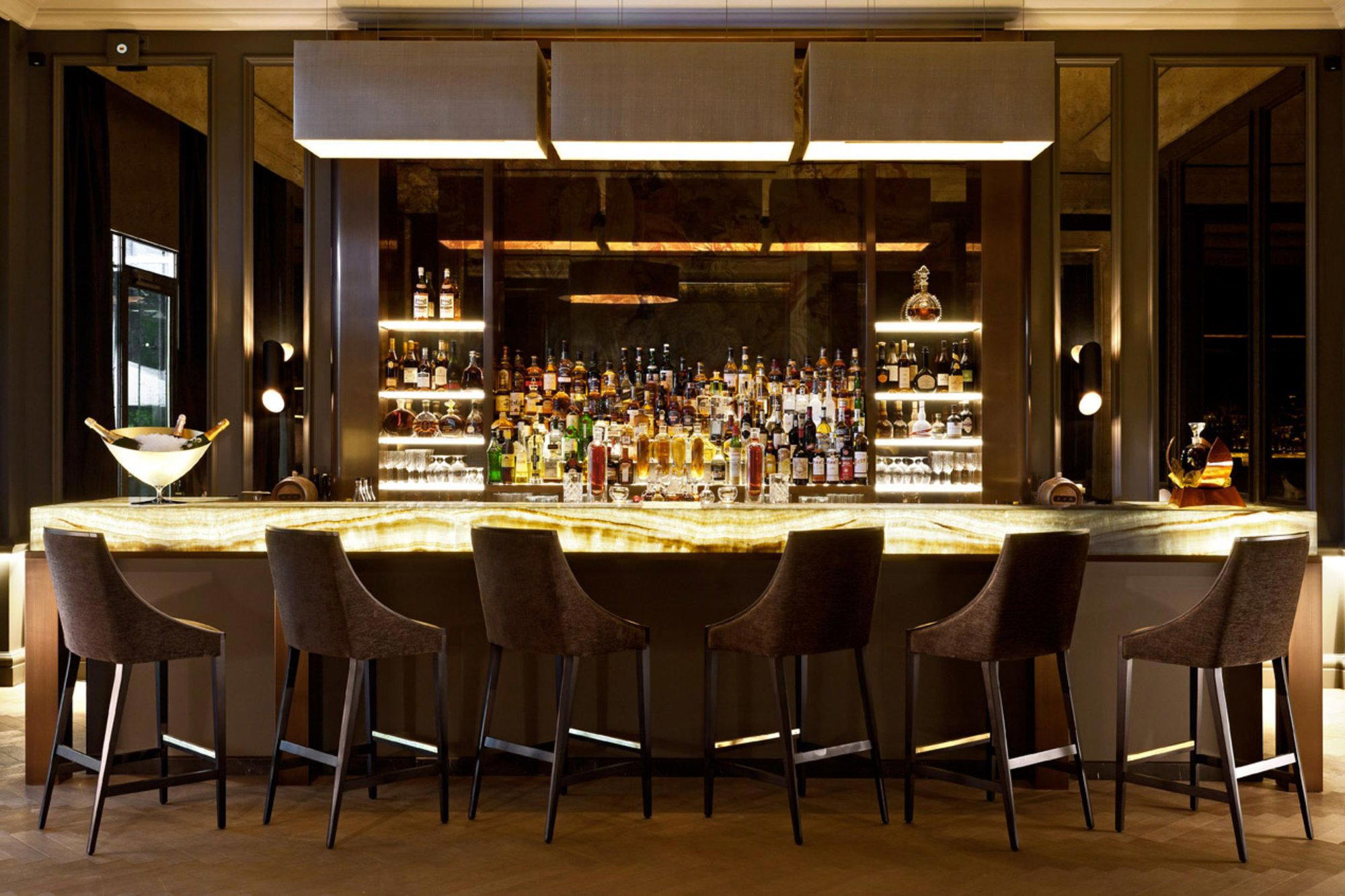
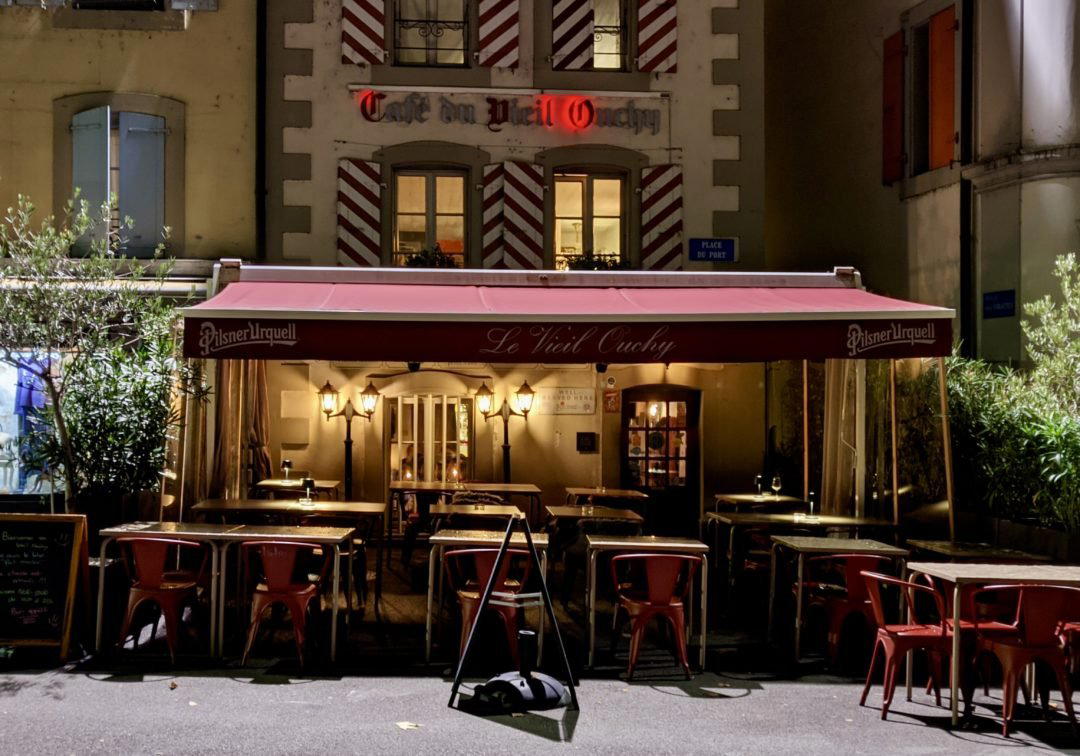
Hotels in Cully
Browse all →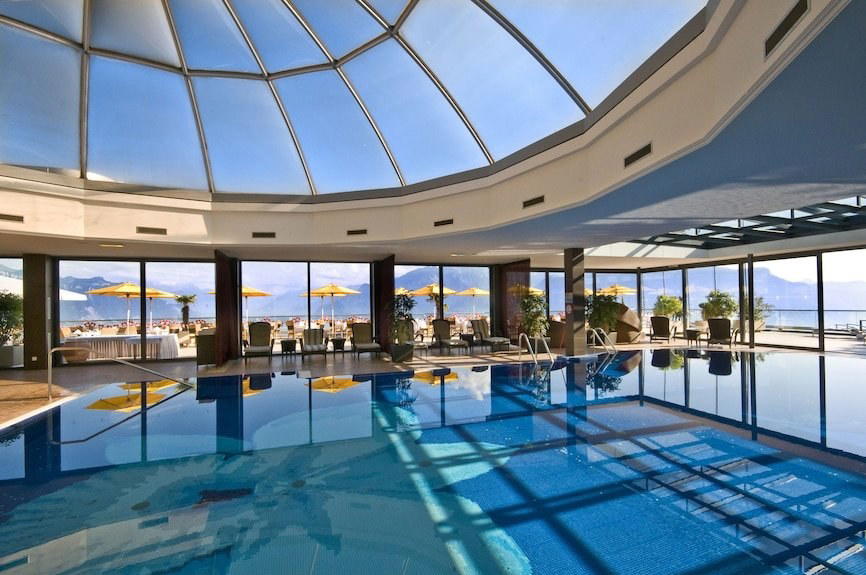
At a Glance
- Rustic
- Cozy
- Romantic
- Classic
- Elegant
- Date Night
- Special Occasion
- Family
- Terrace
- Historic Building
- Private Dining
- Extensive Wine List
- Local Sourcing
- Vineyard
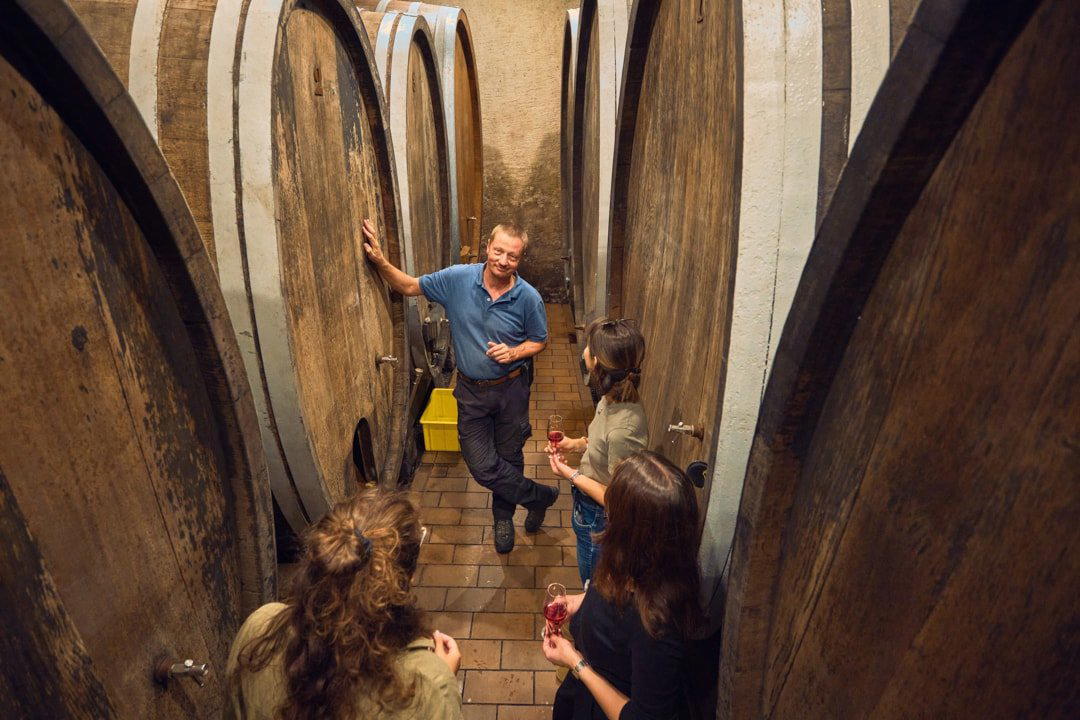
Cozy-rustic ambiance with authentic charm, warm hospitality, and unostentatious decor in a 15th-century setting.
Know Before You Go
- Getting there
- Pl. de l'Hôtel-de-Ville 1, 1096 Cully, Switzerland