Auberge Saint Ulrich
Auberge Saint Ulrich sits in Haut-Clocher, a village in the Moselle department of Lorraine where the French auberge tradition runs deep and local sourcing is a matter of geography as much as philosophy. The setting is rural and deliberate, placing it in a category of provincial French dining that operates well outside the Paris-centric spotlight. Travellers approaching from Sarrebourg will find a table grounded in regional character.
Pearl is the En Primeur Club membership app — saves, bookings, and concierge access live there. Same editors, same standards.
- Address
- 4 Chem. Saint-Ulrich, 57400 Haut-Clocher, France
- Phone
- +33387239548
- Website
- restaurant-sarrebourg.fr
- Directions
- Get directions
 Saves & bookings on Pearl
Where Lorraine's Auberge Tradition Still Holds
The Moselle valley and its surrounding villages occupy a specific position in French culinary geography: close enough to Alsace to share certain pantry instincts, distinct enough to maintain a Lorraine identity built around forest produce, river fish, and the slow-cooked traditions of a farming region that has always fed itself well before feeding others. Haut-Clocher sits within that geography, and Auberge Saint Ulrich is a Modern French Bistro in Haut-Clocher, France, with. Auberge Saint Ulrich, addressed to Chemin Saint-Ulrich in this small commune near Sarrebourg, is the kind of establishment that the French auberge format was designed to support: a place where the surrounding land is the menu's primary argument.
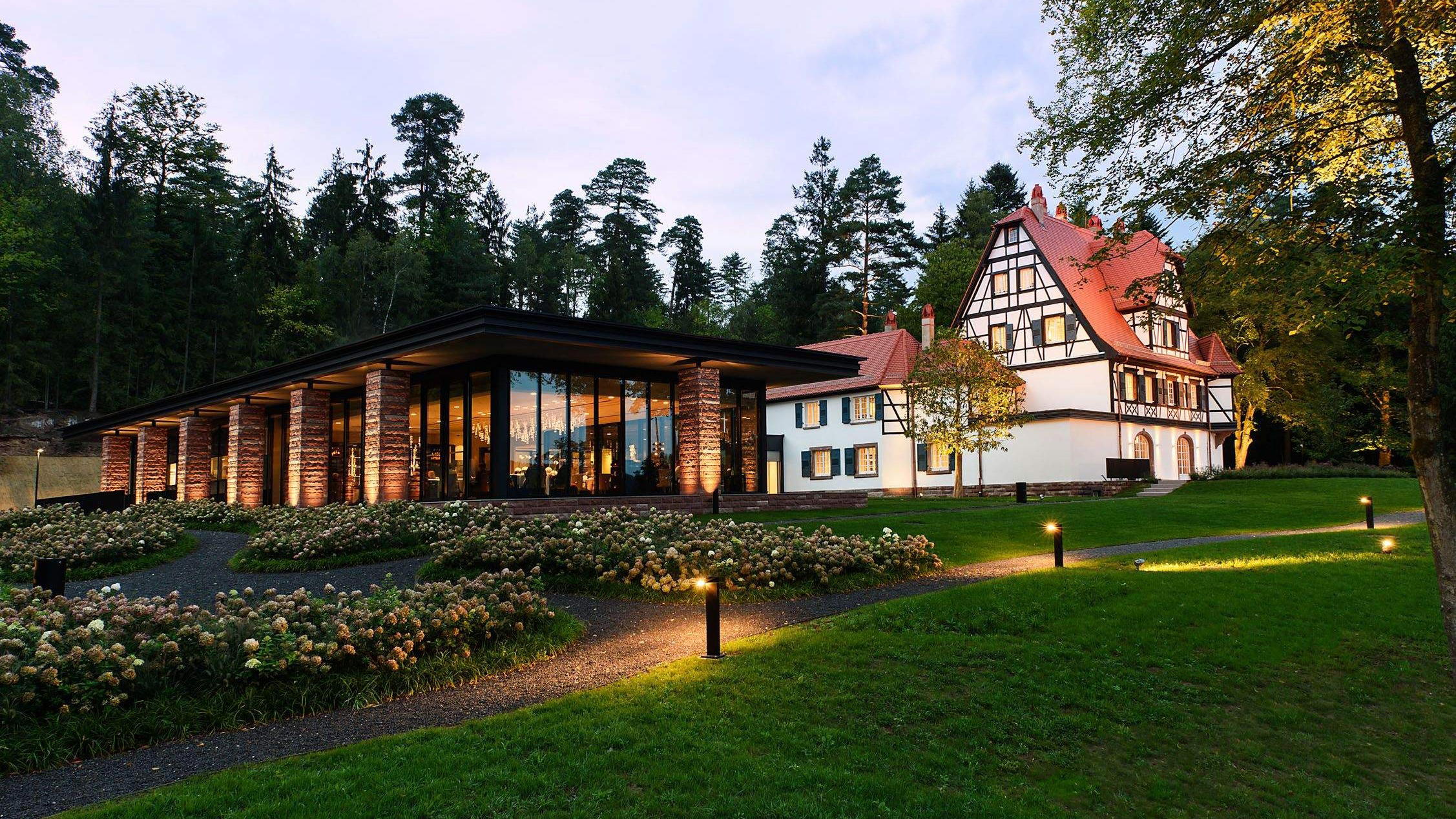
The approach to a rural auberge of this type tends to set expectations before you reach the door. Stone, slope, and agricultural horizon are the typical markers in this part of Moselle. The village itself is modest in scale, which means the dining room carries the full weight of the destination experience. Guests arriving from larger centres are not coming for urban energy; they are coming because a certain register of French provincial cooking survives here that has largely been smoothed out of metropolitan dining rooms.
Ingredient Geography: Why Lorraine Sets Its Own Table
Editorial case for understanding Lorraine's kitchen through the lens of sourcing is hard to overstate. This is a region where the quiche originated not as a bistro convenience but as a vehicle for local cream and lardons from pigs raised in the surrounding countryside. The forests around Sarrebourg and the Parc Naturel Régional de Lorraine, a protected area that encompasses much of this territory, supply a seasonal rhythm that structured regional cooking long before farm-to-table became a framing device in urban restaurants.
Wild mushrooms, game, river trout from Moselle tributaries, and foraged herbs define the seasonal arc of traditional Lorraine cooking in a way that coastal or urban French kitchens have to approximate through supply chains. For a rural auberge operating in this context, proximity to those ingredients is not a marketing position; it is a structural fact. The Vosges foothills to the south and east extend that larder further into charcuterie traditions and aged dairy that Alsatian cooking shares but interprets differently. Comparing this ingredient base to what drives the menus at establishments like Bras in Laguiole or Auberge du Vieux Puits in Fontjoncouse reveals a broader French pattern: the country's most regionally rooted restaurants are rarely in its largest cities.
That regional specificity is also what separates an establishment like this from the highly refined, sourcing-conscious kitchens operating at the highest end of the French dining tier. At Mirazur in Menton or Alléno Paris au Pavillon Ledoyen, ingredient sourcing is refined to a conceptual framework backed by full brigade infrastructure. The rural auberge model operates differently: sourcing decisions here are more likely shaped by what the local market and direct supplier relationships make available week to week, which produces a different kind of consistency, less architectural, more seasonal in the practical sense.
The Rural Auberge Format and What It Demands of the Traveller
France's provincial auberge tradition is worth understanding on its own terms before booking. These are not destination restaurants in the sense that Flocons de Sel in Megève or Le 1947 à Cheval Blanc in Courchevel are destination restaurants. The rural auberge positions itself as a community institution first, with visiting diners secondary. That ordering affects everything: service cadence, room energy, menu pricing logic, and the degree to which the kitchen chases novelty versus repeating what the local clientele returns for.
For the traveller, the implication is logistical. Haut-Clocher does not have the transport infrastructure of a larger Moselle town, which means arriving by car is the realistic approach from Sarrebourg or Strasbourg. Planning the visit as part of a wider Lorraine or Alsace itinerary makes geographic sense; the area sits between two of France's most distinct culinary regions, and a day that takes in Alsatian wine villages to the east before settling into a Lorraine table in the evening captures that contrast productively. For diners who have visited Auberge de l'Ill in Illhaeusern, the Alsatian benchmark on the other side of the Vosges, the comparison between the two regional traditions is instructive.
Tables at rural auberges in this category typically do not require months of advance planning in the way that allocated or Michelin-starred kitchens do. That said, weekend lunches in summer and autumn, when the surrounding Parc Naturel draws visitors, are the periods when demand compresses. Midweek visits in those seasons, or any visit outside peak summer months, tend to offer more flexibility and a room composition that skews more local.
Placing Auberge Saint Ulrich in the Wider French Dining Map
The French dining map has always had two parallel tracks: the grandes maisons with their tasting menus, wine cellars, and critical apparatus, and the provincial tables that sustain a different kind of culinary culture. Establishments like Maison Lameloise in Chagny, Georges Blanc in Vonnas, and Paul Bocuse's Auberge du Pont de Collonges occupy a middle tier where those two tracks have historically met. Auberge Saint Ulrich operates below that bracket, at the level where French dining culture does much of its actual work: feeding local populations, preserving regional recipes, and offering visiting diners a table that reflects where they are rather than aspiring to be somewhere else.
For diners whose reference points are Paris tasting menus or the coastline restaurants covered in our guides to La Vague d'Or in Saint-Tropez and L'Oustau de Baumanière in Les Baux, a rural Lorraine auberge represents a deliberate reset. The ambition here is regional fidelity, not competitive positioning against starred peers. That is its own form of commitment, and for travellers who understand what to look for, it is a meaningful one. See our full Haut-Clocher restaurants guide for broader context on what the commune offers.
Practical Notes for Planning Your Visit
The restaurant is located at 4 Chemin Saint-Ulrich, 57400 Haut-Clocher. Sarrebourg, approximately 10 kilometres to the south, is the nearest significant town with rail connections from Strasbourg and Metz, making it a practical base if you are arriving without a car. A hire car from either city gives one flexibility and allows the visit to connect with the broader Lorraine and Vosges circuit. Given the rural setting and limited village infrastructure, confirming opening hours and availability directly before travelling is advisable; rural auberges in this region sometimes observe seasonal closures or reduced midweek service during quieter months.
Side-by-Side Snapshot
Comparable venues nearby, for context on price, style, and recognition.
| Venue | Cuisine | Price | Notes |
|---|---|---|---|
| Auberge Saint UlrichThis venue — the venue you are viewing | Modern French Bistro | $$ | Not listed |
| A la vignette | Traditional Alsatian French | $$ | Place du Marché |
| S'geisstuewel | Traditional Alsatian French Bistro | $$ | Geispolsheim |
| Porcus | Alsatian Charcuterie & Choucroute | $$ | Centre |
| Wistub de la Petite Venise | Traditional Alsatian | $$ | Petite Venise |
| Au Grand Sérieux | Traditional French Bistro | $$ | Centre-ville |
Continue exploring
More in Haut Clocher
Restaurants in Haut Clocher
Browse all →
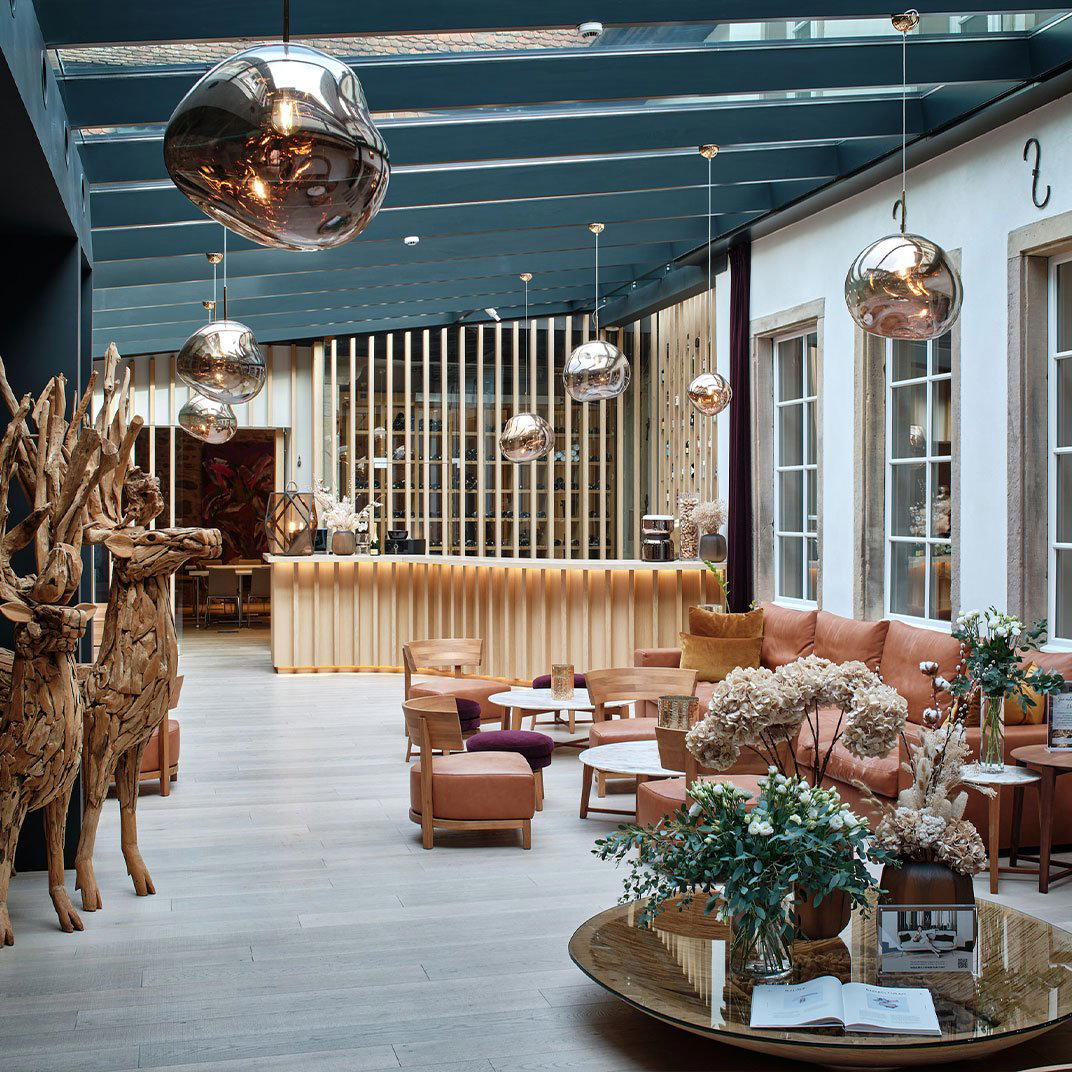
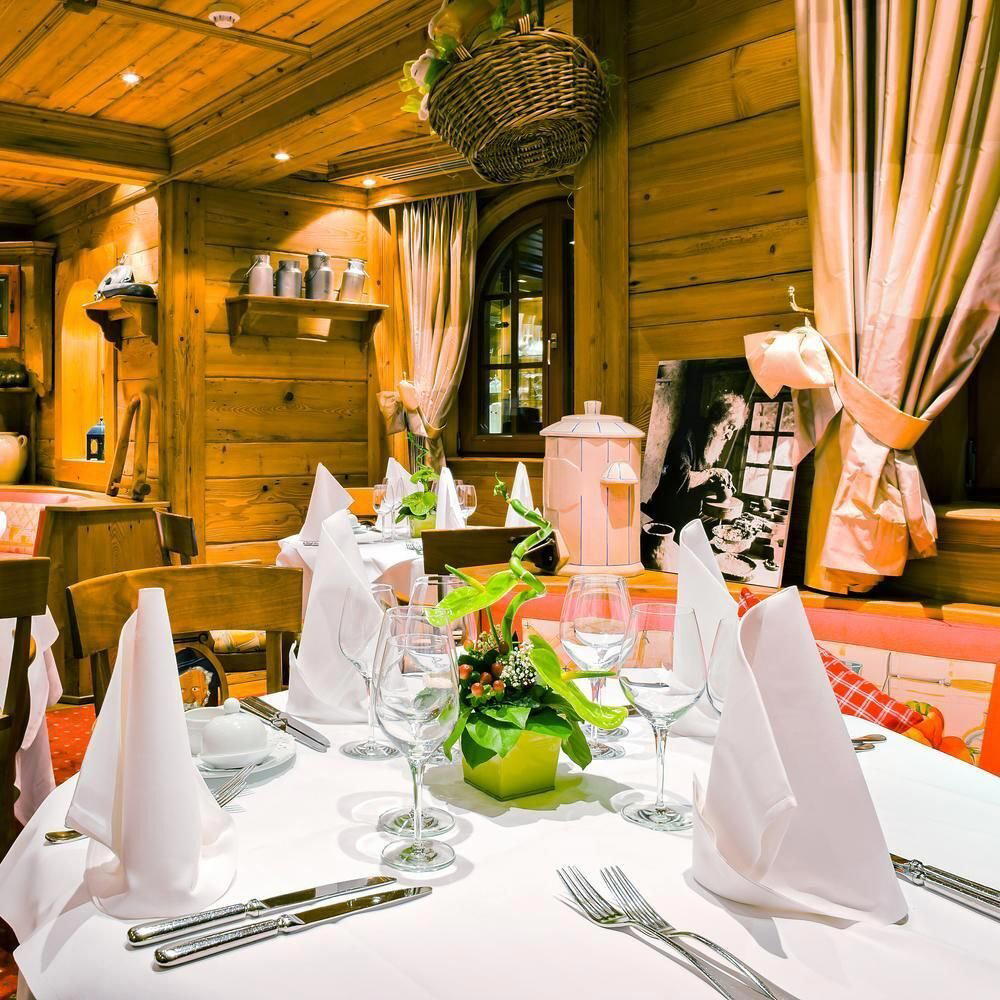
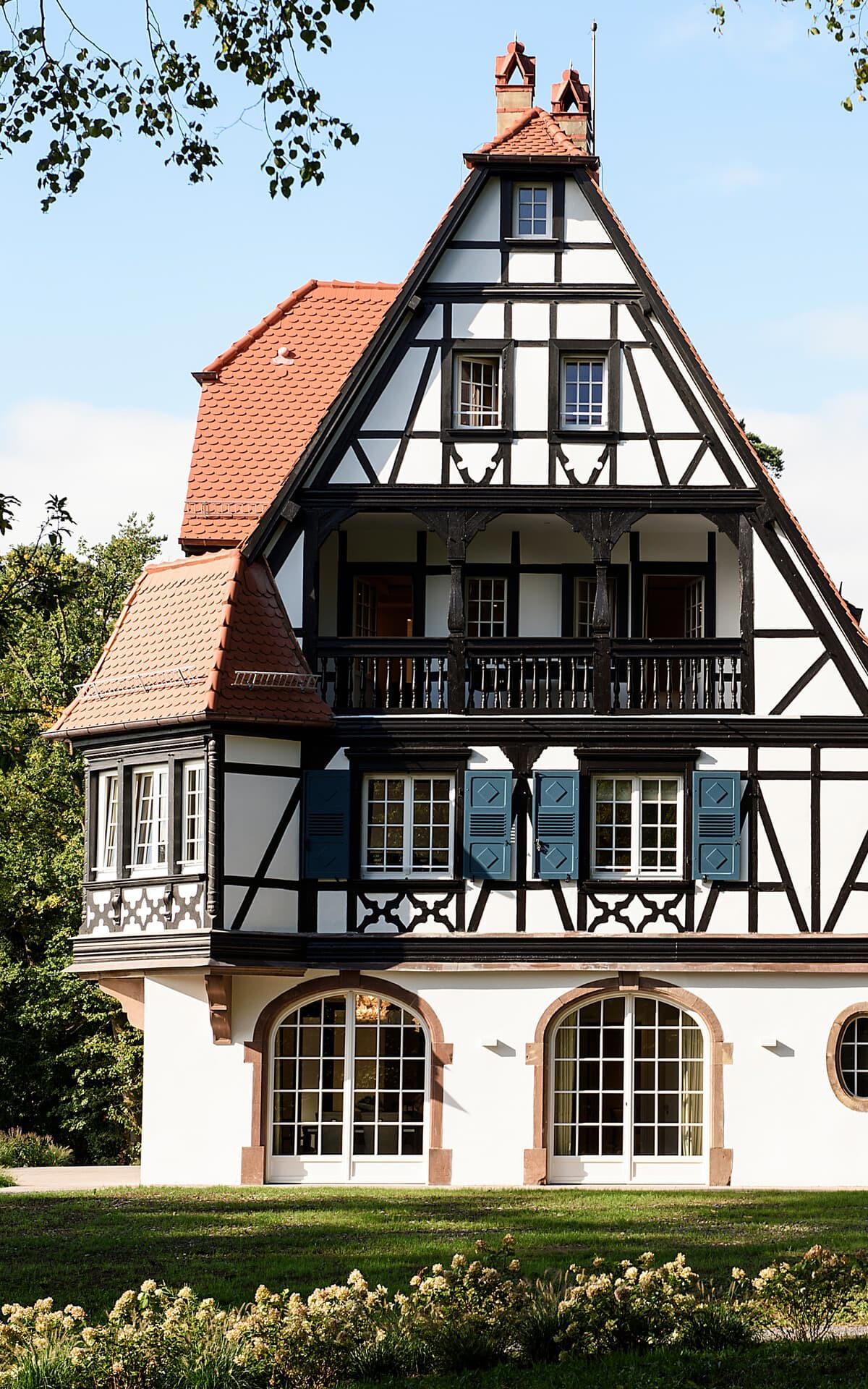
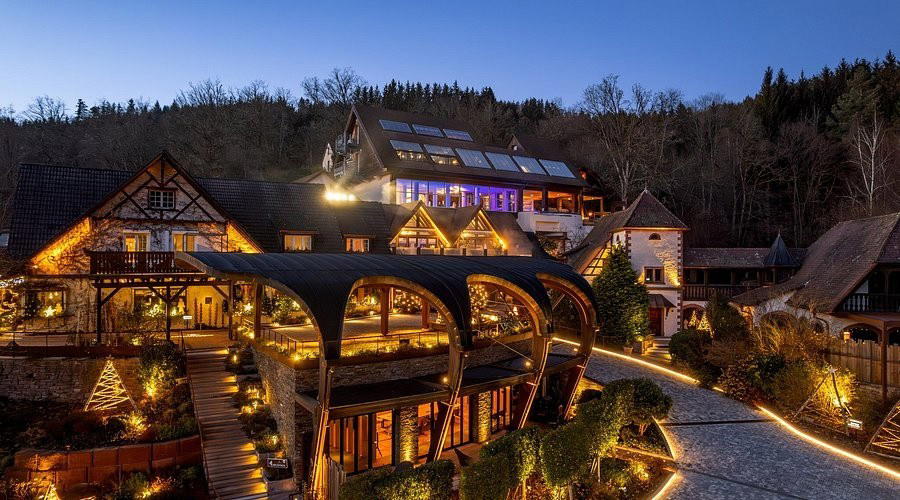
At a Glance
- Classic
- Cozy
- Elegant
- Date Night
- Special Occasion
- Standalone
- Local Sourcing
- Organic
Current opening hours
- Monday
- Closed
- Tuesday
- 11 AM–2 PM
- Wednesday
- 11 AM–2 PM
- Thursday
- 11 AM–2 PM
- Friday
- 11 AM–2 PM, 6:45–10 PM
- Saturday
- 11 AM–2 PM, 6:45–10 PM
- Sunday
- 11 AM–2 PM
Hours can change for holidays and private events. Last verified .
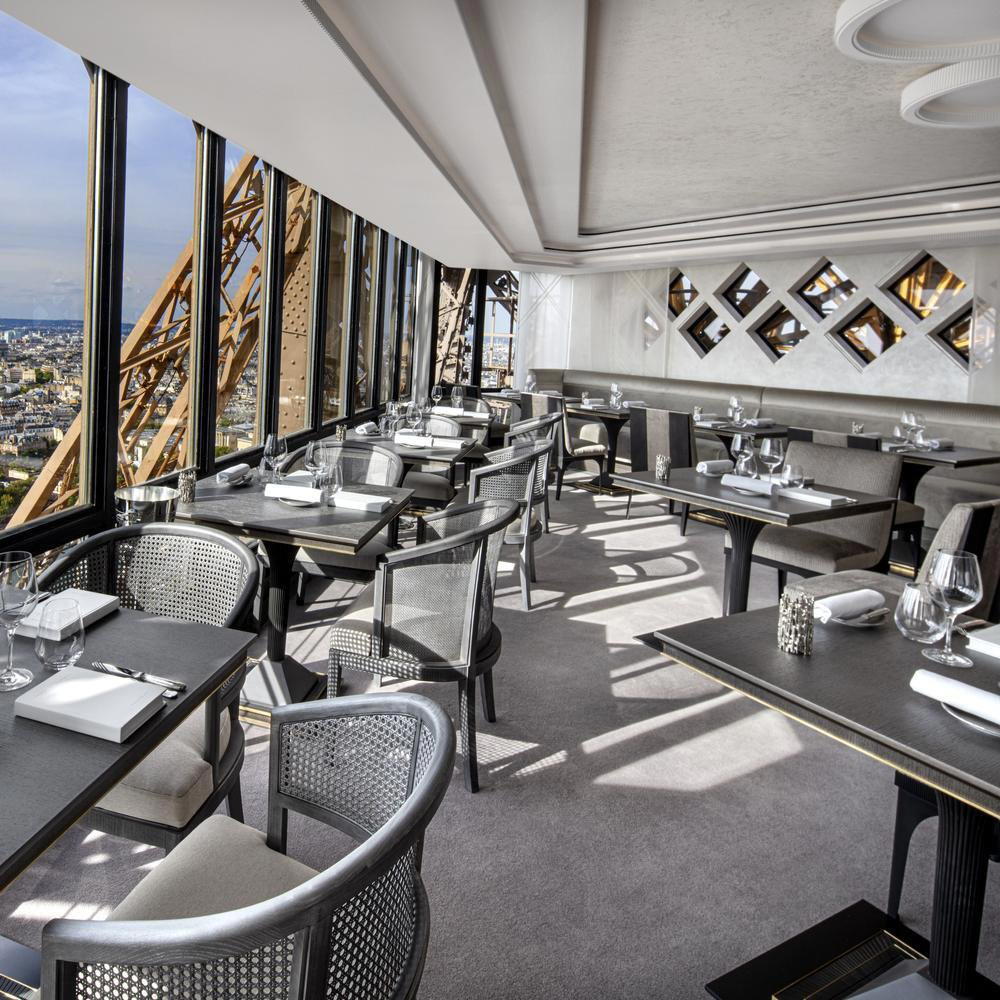
Cozy and elegant with attentive unobtrusive service and beautifully presented dishes.