Auberge du Col Saint-Georges
At the Col Saint-Georges pass on the outskirts of Grosseto-Prugna, this Corsican auberge occupies a position that says much about how the island's rural dining tradition operates: close to the land, anchored to a specific place, and removed from the coastal tourist circuit. The address alone, San Giorgiu Vecchiu, signals a dining culture shaped more by the interior than the shoreline.
Pearl is the En Primeur Club membership app — saves, bookings, and concierge access live there. Same editors, same standards.
- Address
- San Giorgiu Vecchiu, 20128 Grosseto-Prugna, France
- Phone
- +33495257006
- Website
- saintgeorges.inn.fan
- Directions
- Get directions
 Saves & bookings on Pearl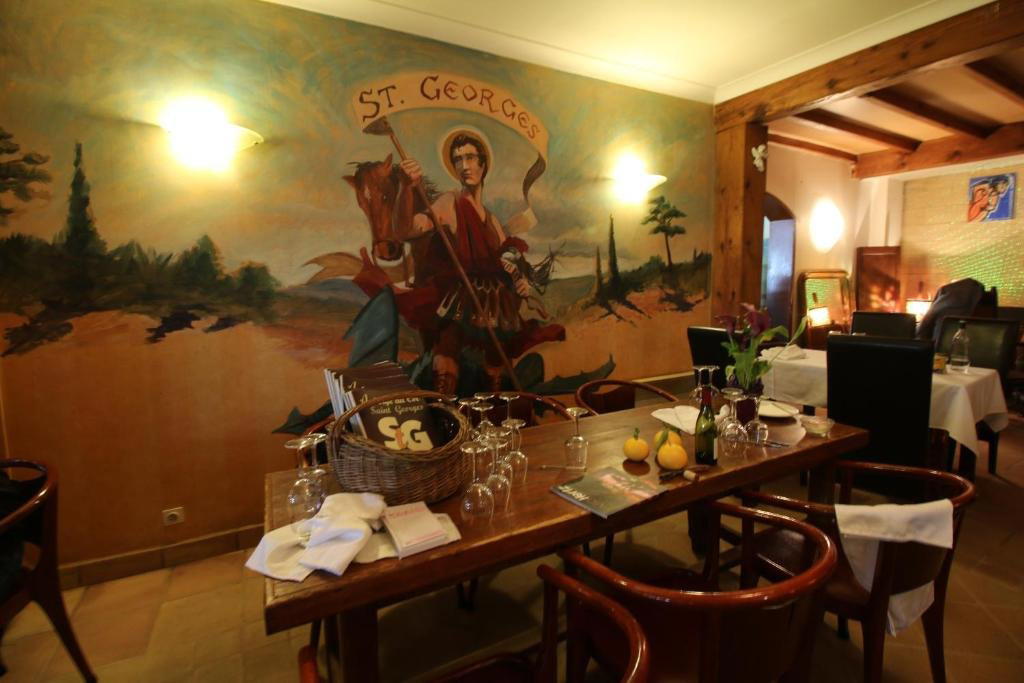
Where Corsica's Interior Dining Tradition Takes Shape
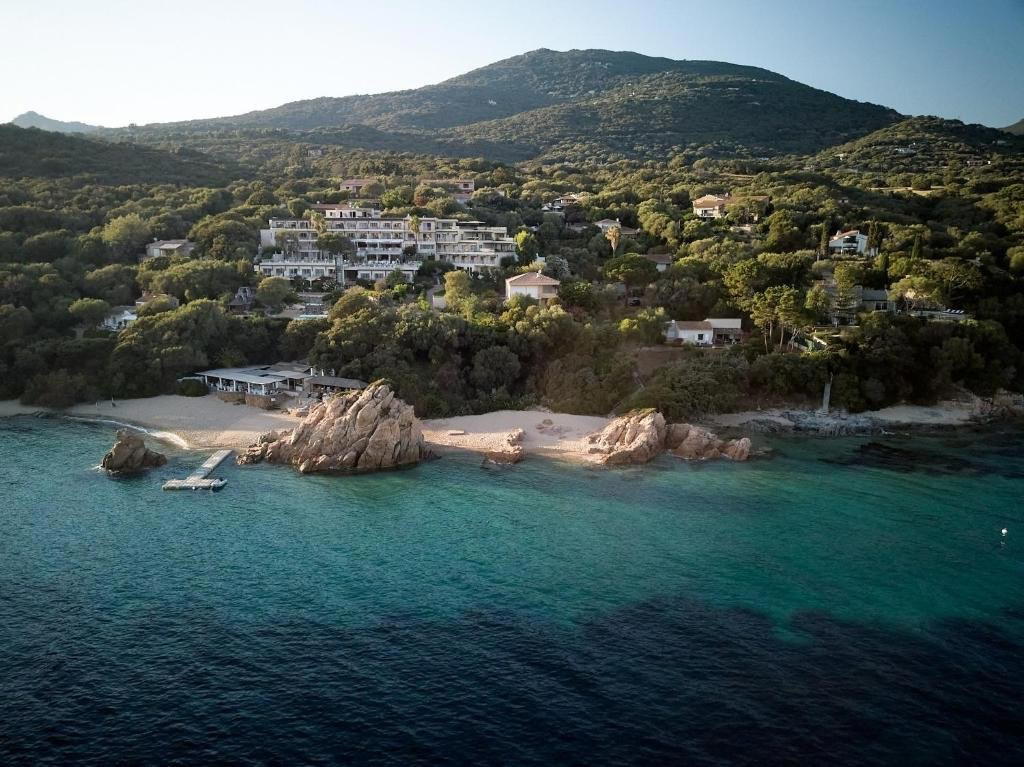
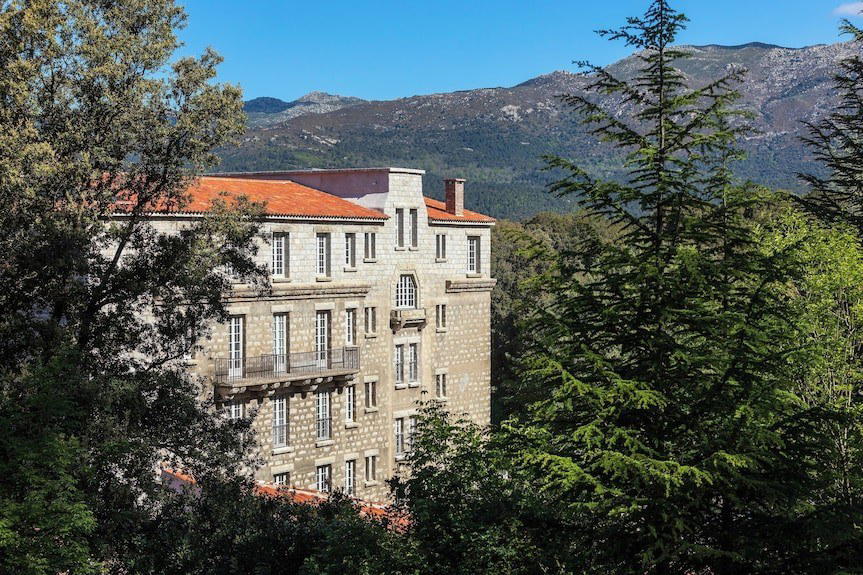
The road up to Col Saint-Georges climbs through maquis scrubland and cork oak before levelling off at a pass that marks the boundary between Ajaccio's coastal basin and the quieter interior of the Grosseto-Prugna commune. It is the kind of location that self-selects its visitors. Travellers who find themselves at an auberge on a mountain col in inland Corsica are not there by accident, they have made a deliberate decision to move away from the island's beaches and port restaurants toward something older and more rooted. That geographic specificity is, in many ways, the editorial context through which Auberge du Col Saint-Georges should be read.
Corsica occupies an unusual position in French gastronomy. It is legally and administratively French, but its culinary identity draws from a distinct set of traditions: chestnut-based starch economies, mountain-cured charcuterie, sheep and goat dairy from interior transhumance routes, and wild herbs, immortelle, myrtle, cistus, that grow in the maquis and find their way into both cooking and local liqueurs. These are not decorative flourishes. They reflect a food culture shaped by centuries of geographic isolation and agricultural self-sufficiency, one that predates both French administrative influence and the island's modern tourism economy. For visitors accustomed to restaurant dining where provenance is a marketing claim rather than a structural reality, Corsica's interior auberges offer a more grounded version of the same conversation.
The Logic of the Auberge Format in Mountain Corsica
The auberge format, a combined inn and restaurant, historically oriented toward travellers passing through rather than destination diners, survives in France's rural mountain territories in a way it no longer does in most urban or coastal contexts. In Corsica specifically, the col auberge has a functional history: passes were waypoints for shepherds moving flocks between altitude zones, for charcoal traders, and later for road travellers crossing the island's central spine. The restaurants that grew up at these junctions served what was available locally, because supply chains to remote mountain locations were limited. That constraint produced a cuisine of necessity that has since become a cuisine of identity.
The comparison with mainland France's celebrated rural auberges is instructive. Establishments like Auberge du Vieux Puits in Fontjoncouse or Auberge de l'Ill in Illhaeusern built their reputations by translating deeply local agricultural contexts into refined restaurant experiences, earning Michelin recognition while remaining anchored to a specific terroir. The Corsican interior operates at a different register, less formalised, less exposed to the international recognition infrastructure, but the underlying logic is similar: geography shapes the pantry, and the pantry shapes the plate. For context on how French destination dining at the highest register operates, properties like Flocons de Sel in Megève or Bras in Laguiole demonstrate what happens when mountain-sourced ingredients meet long-term culinary investment. The Col Saint-Georges auberge sits at an earlier, less mediated point on that spectrum.
Ingredient Sourcing as the Structural Argument
Understanding what the Grosseto-Prugna location means in ingredient terms requires a brief geography lesson. The commune sits on the southwestern slopes above the Ajaccio gulf, with the col itself acting as a threshold between the coastal microclimate and the more austere interior plateau. Wild boar foraging through chestnut and oak woodland, brocciu cheese made from ewes and goats that graze the hillsides, prisuttu and lonzu cured according to methods tied to specific altitude and air-flow conditions, these are the raw materials that define Corsican mountain cooking. They are not imported, not sourced from a regional wholesale market. Their presence on a plate at this elevation is a function of proximity.
This sourcing reality distinguishes the col auberge from Corsica's coastal restaurant scene, which tends toward Mediterranean fish preparations and a more generic southern French register. The interior, by contrast, has maintained a meat and charcuterie-heavy table that reflects both historical pastoral economies and the island's particular relationship with the chestnut, a crop that fed both humans and pigs through centuries when wheat was scarce. Chestnut flour appears in Corsican cooking in forms that have no real mainland equivalent: in polenta-style preparations, in breads, and in sweet applications that blur the line between a savoury course and a dessert component. Visitors expecting a standard French regional menu will find Corsican interior cooking operates by its own grammar.
For those building a broader itinerary around French destination dining, the contrast with Mediterranean-facing restaurants is worth noting. A table at La Vague d'Or in Saint-Tropez or L'Oustau de Baumanière in Les Baux represents the southern French coastal register at its most polished. The Col Saint-Georges auberge represents something structurally different: a table where the sourcing argument is geographic necessity rather than curatorial choice.
Placing Grosseto-Prugna in the Broader French Dining Context
Grosseto-Prugna is not a name that appears in most French gastronomy conversations. The island of Corsica as a whole sits outside the institutional recognition circuits that drive attention toward, say, the kitchens of Alléno Paris au Pavillon Ledoyen or Mirazur in Menton. That relative obscurity is not a quality signal in either direction. It reflects, instead, the uneven geography of critical attention, the fact that institutional food media concentrates on urban centres and accessible destinations, leaving genuine regional dining traditions underexamined. Corsica's interior falls into that gap.
The French auberge tradition at its most celebrated end includes properties that have held three Michelin stars across multiple generations: Paul Bocuse - L'Auberge du Pont de Collonges, Georges Blanc in Vonnas, Maison Lameloise in Chagny. Each of those properties began as a modest regional table and accumulated recognition over decades of consistent sourcing and technical refinement. The trajectory is not guaranteed, but it is a pattern. Rural French tables with genuine terroir arguments and generational commitment have a history of eventually attracting serious critical attention. Whether the Col Saint-Georges address follows that path depends on variables outside any editorial assessment: staffing, investment, consistency across seasons.
Planning a Visit
The Col Saint-Georges pass sits roughly ten kilometres southeast of Ajaccio by road, making it accessible as a half-day excursion from the capital rather than a full destination trip. Reservations are recommended, and the dress code is smart casual. The route itself, climbing from the coastal plain through the maquis, is part of the logic: arriving at altitude by car rather than being dropped at a city-centre address changes the register of the meal that follows. Corsica's shoulder seasons, April through June and September through October, offer particularly temperate conditions for both the drive and outdoor dining if the auberge provides terrace seating. Summer heat at altitude is manageable; the August peak season brings more road traffic on the D302 approach.
A Quick Peer Check
Comparable venues nearby, for context on price, style, and recognition.
| Venue | Cuisine | Price | Notes |
|---|---|---|---|
| Auberge du Col Saint-GeorgesThis venue — the venue you are viewing | Traditional Corsican French | $$ | Not listed |
| Le Tire Bouchon | Traditional Corsican Bistro | $$ | vieille ville |
| La Cave | Modern French Meat & Wine Bar | $$ | Place Pascal Paoli |
| Le 20123 | Traditional Corsican | $$ | Centre-ville |
| Le Petit Canard | Traditional French Duck Bistro | $$$ | 9th arrondissement |
| Le Jardin de l'echauguette | Traditional Corsican Bistro | $$$ | Sartene |
Continue exploring
More in Grosseto Prugna
Restaurants in Grosseto Prugna
Browse all →
At a Glance
- Rustic
- Cozy
- Classic
- Family
- Casual Hangout
- Historic Building
- Extensive Wine List
- Local Sourcing
- Mountain
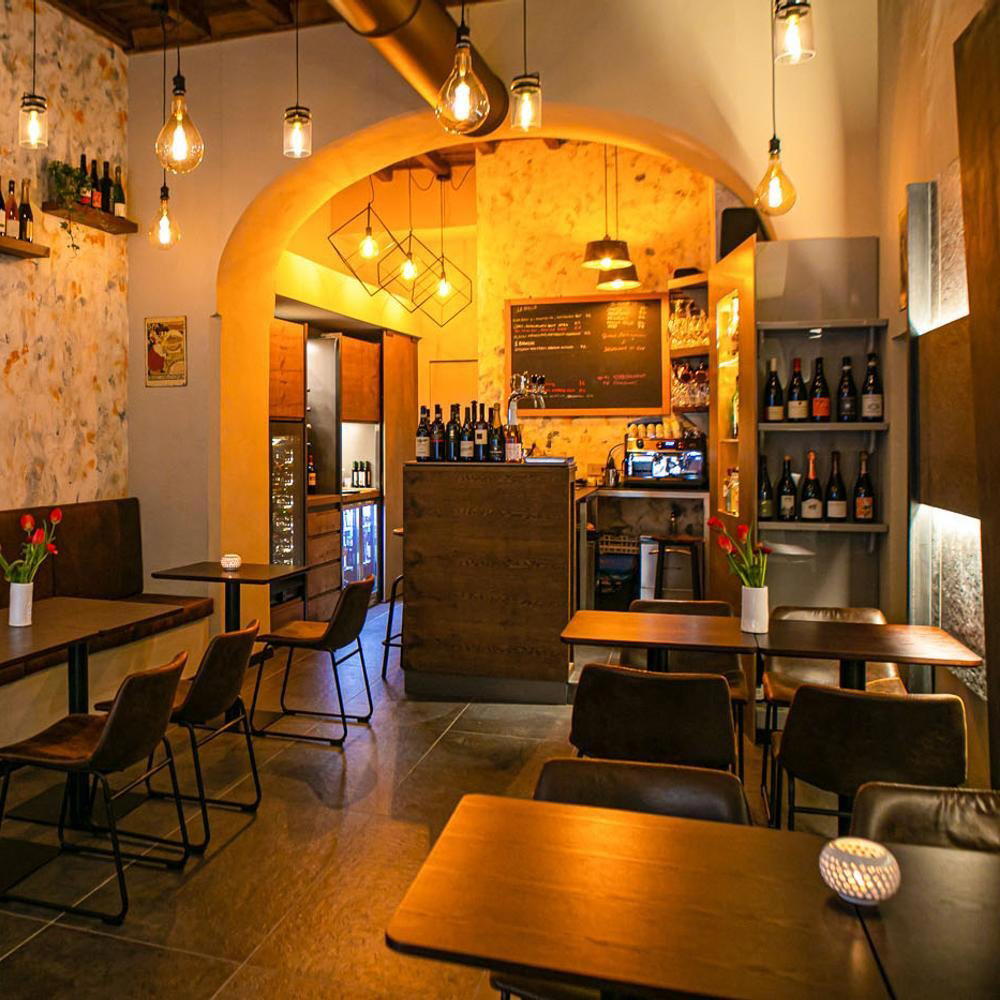
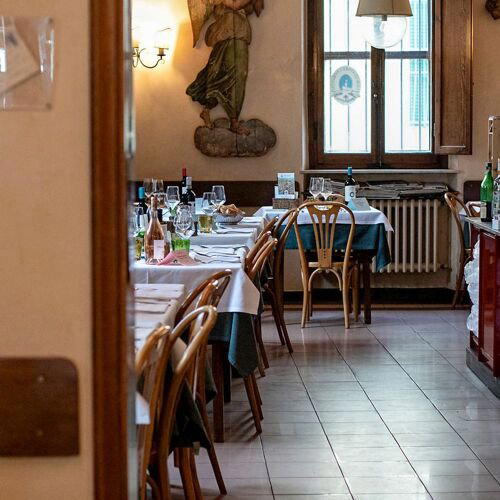
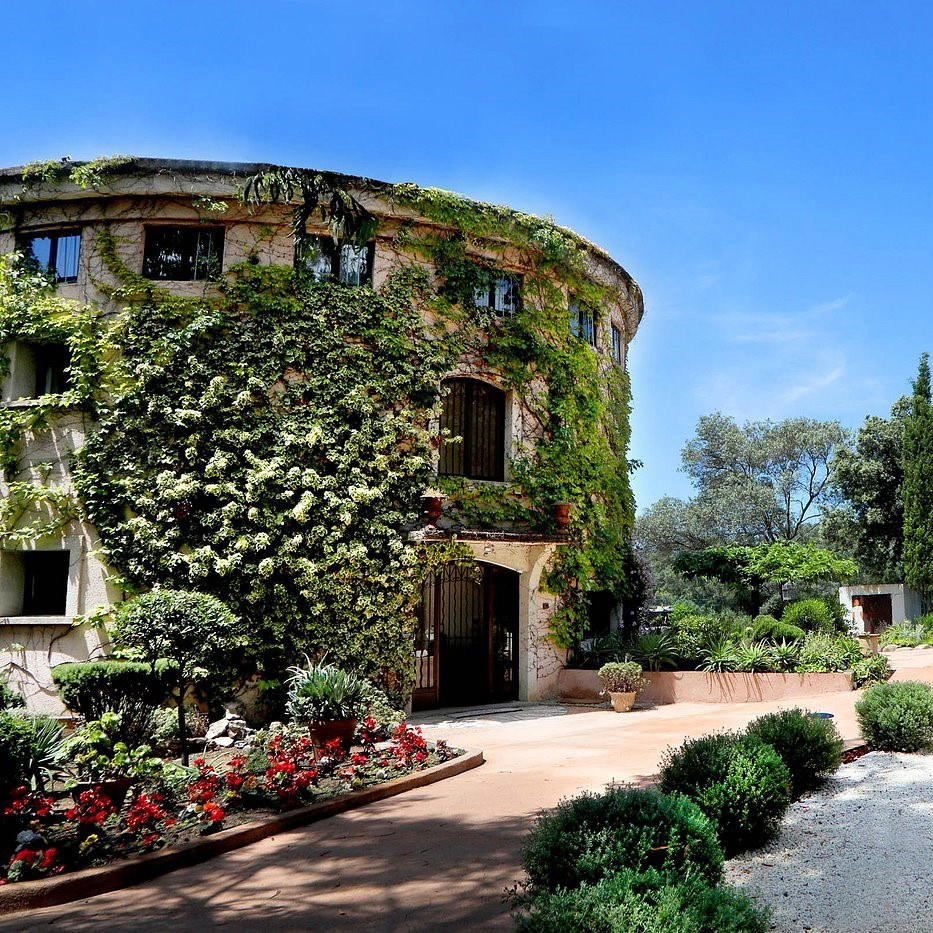
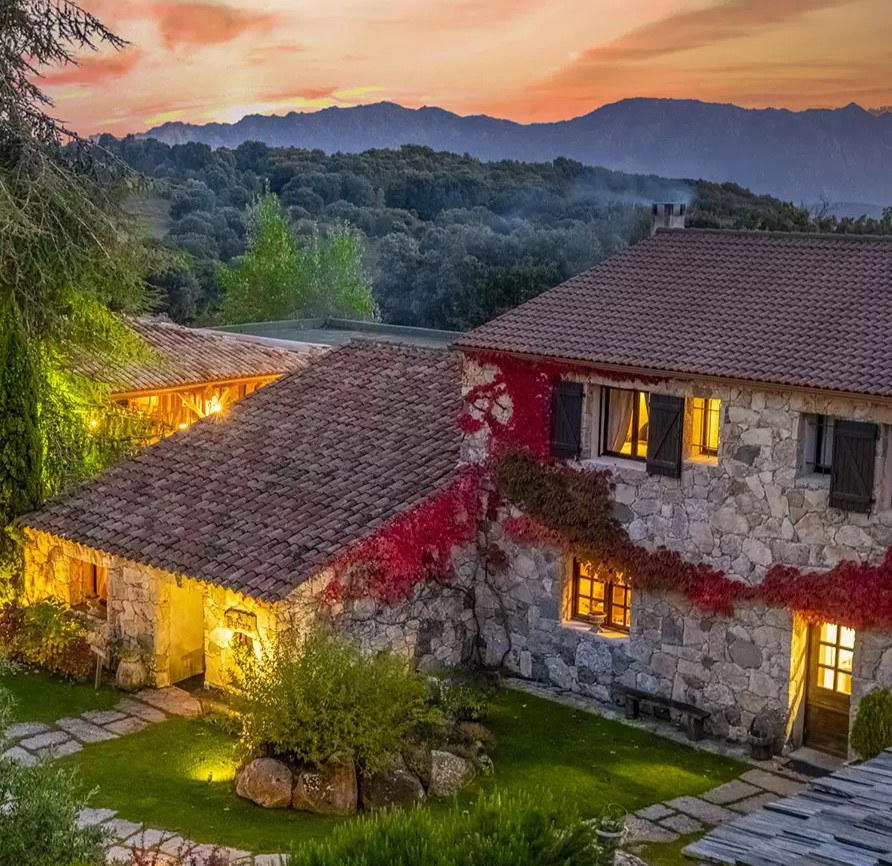
rustic charm with fireplace, refined decor, white tablecloths, terracotta floors, and a warm, intimate countryside atmosphere.