Our verdict
A ryotei-style auberge in Tachikawa where Kyoto Kitcho lineage meets private overnight hospitality. Four rooms each have an in-room onsen, and a counter restaurant opens the kitchen to view. Seasonal kaiseki arrives through a format that folds fine dining into genuine accommodation, placing it outside Tokyo's conventional restaurant circuit.

Pearl is the En Primeur Club membership app, where members save venues, book tables and use the concierge.
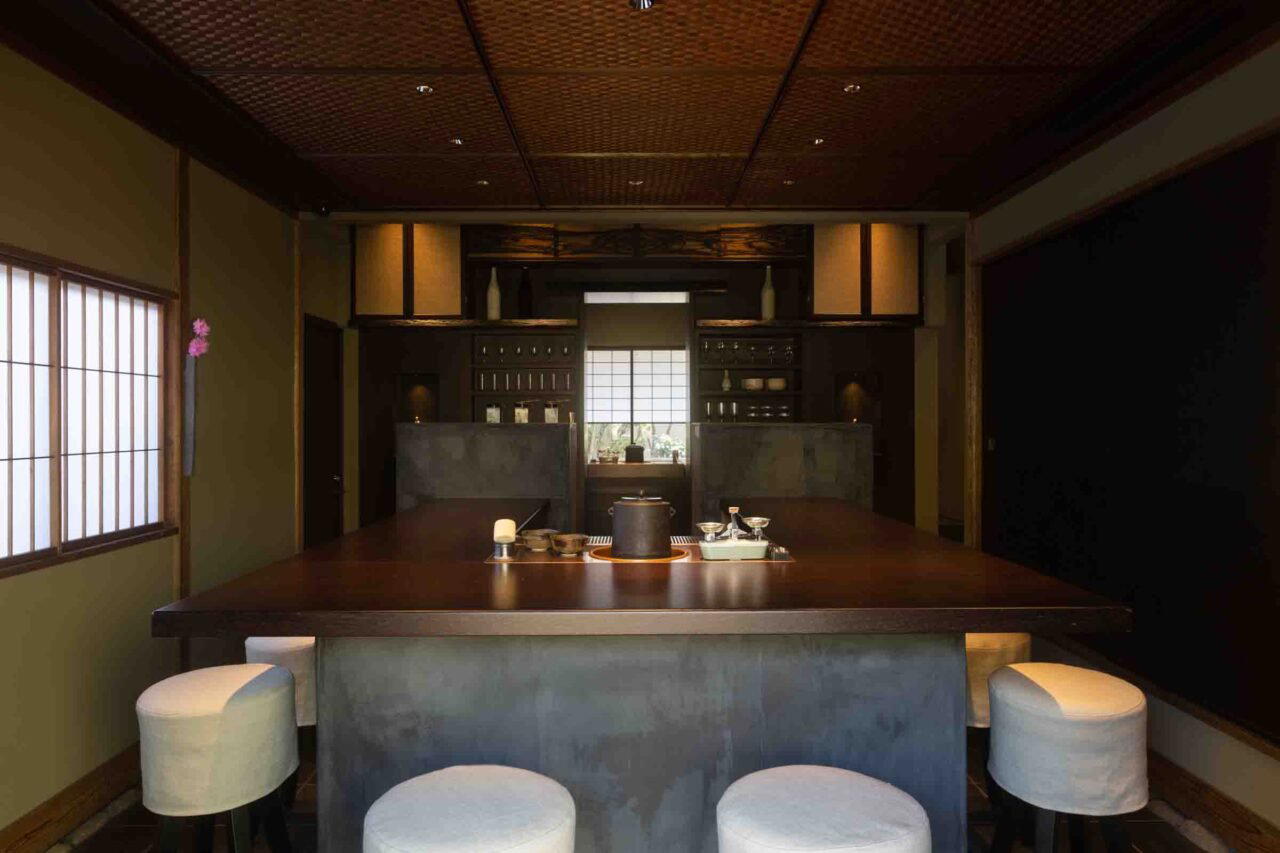
The approach to Auberge TOKITO establishes the register before a single dish is served. A garden encircles the building, and the architecture reads as ryotei rather than hotel: low, considered, oriented inward. In a city better known as a commercial hub west of central Tokyo, the property occupies a register that has no obvious local peer. The garden is not decorative framing; it operates as a temporal signal, marking the shift from the Tachikawa streetscape into a pacing that kaiseki demands.
The Auberge Format and What It Changes
Japan's premium dining traditions have long separated the kaiseki counter from the accommodation experience, placing them in different buildings and different emotional registers. The auberge format collapses that separation. Guests at Auberge TOKITO sleep where they dine, and the four private rooms each include an in-room onsen, which changes the evening's arc entirely. Instead of leaving after the final course, the meal resolves into stillness: a bath drawn, the garden quiet outside, no commute back to a city-centre hotel. This is the structural logic that distinguishes the auberge model from even the most serious Tokyo counter, venues like Harutaka in Tokyo deliver exceptional precision at the sushi counter, but the experience ends at the door.
The four-room configuration keeps the property deliberately small. Capacity is the point. A property of this scale cannot operate on throughput; it runs on depth, and the staffing ratio that implies. Comparable auberge formats in Japan's alpine and coastal regions have proven that small-room overnight dining operations sustain a different quality of attention than urban restaurants, a logic that venues like Bleston Court Yukawatan in Nagano demonstrate with regularity.
Kitcho Lineage and What It Signals for the Plate
Kaiseki in Japan carries a lineage culture as specific as any wine appellation. Kyoto Kitcho sits at the origin point of much of what serious kaiseki has become in the postwar era, and a kitchen that draws from that staff history brings identifiable commitments: seasonal sourcing treated as a structural principle rather than a marketing claim, technique calibrated to reveal ingredient rather than transform it, and a pacing that treats the meal as a ritual sequence rather than a tasting menu in the Western sense.
For ingredient sourcing, this matters concretely. Kitcho's approach to produce has always prioritised relationships with specific growers and suppliers over generic seasonal purchasing. A kitchen formed in that tradition tends to build its menu around what arrives rather than what is listed, meaning the kaiseki served at Auberge TOKITO in late autumn will differ materially from what appears in spring, not in the number of courses, but in the logic driving every element. That level of seasonal calibration is what separates kaiseki from other multi-course formats, and it is what makes comparing it directly to Western tasting menus, even serious ones, a category error. Gion Sasaki in Kyoto and Installation Table ENSO L'asymetrie du calme in Ishikawa both demonstrate how deeply a kitchen's sourcing relationships can shape a kaiseki menu's character across seasons.
The Counter and the Room: Two Modes of the Same Kitchen
Auberge TOKITO offers two distinct dining formats without splitting them into different culinary registers. The counter seats diners with a direct sightline to the kitchen, the open-counter format that has become standard at Japan's serious kaiseki and sushi operations, where the visual rhythm of preparation is considered part of the meal. Alternatively, guests receive the kaiseki in their private rooms, which reconfigures the experience entirely: no ambient noise from other diners, no observation of the kitchen's mechanics, just the sequence of courses arriving in a space that belongs, for the night, to them alone.
The room service model in fine dining usually signals a downgrade. Here, it functions as a parallel format with its own coherence. The in-room onsen reinforces that logic: a meal taken in a private room, followed by a bath, in a garden-surrounded building, is a different object from the same food served across a counter. Neither is superior; they address different intentions. Guests travelling as couples celebrating a significant occasion will likely choose the room. Those with a professional interest in the kitchen's technique will sit at the counter. The four-room scale means both modes remain available without the property feeling overstretched.
Tachikawa as Context
Western Tokyo's dining reputation concentrates around certain neighbourhoods in the inner wards, and Tachikawa sits beyond that circuit. That geographic position is relevant to how Auberge TOKITO functions. It is not competing with RyuGin or HAJIME in Osaka for the same walk-in or same-night reservation. It is operating as a destination that requires advance commitment: guests travel to Tachikawa because they are staying at Auberge TOKITO, not because they happen to be in the neighbourhood. That distinction shapes both the booking profile and the experience. For our broader Tachikawa restaurants guide, this property sits at the top of the price tier and operates by different logic than the city's conventional dining options.
For international travellers building a Japan itinerary around serious kaiseki, Tachikawa is accessible from central Tokyo via the JR Chuo Line, placing the auberge within reach of the city without requiring guests to stay in it. The combination, Tokyo proximity, sub-urban calm, overnight immersion, is a formula that properties like akordu in Nara have used successfully in comparable satellite-city positions. Our Tachikawa hotels guide, bars guide, and experiences guide cover the wider Tachikawa context for those extending beyond a single overnight.
Planning a Stay
Given the four-room capacity, reservations at Auberge TOKITO require early planning; properties at this scale and price tier in Japan typically book weeks or months in advance, particularly for weekend dates and peak seasonal windows such as spring cherry blossom and autumn foliage periods, when kaiseki menus reach their most seasonally specific expression. The auberge model implies a full evening commitment with overnight accommodation, so guests should plan arrival before dinner and departure the following morning, building time around both the meal and the in-room onsen. Website and direct contact details should be confirmed through current sources, as properties of this type do not always maintain publicly listed phone lines. Those comparing kaiseki destinations across Japan may also find value in reviewing Goh in Fukuoka, Kitagawa in Matsusaka, and hiro in Gifu as part of a broader itinerary across Japan's regional kaiseki circuit.
Frequently asked questions
Is Auberge TOKITO child-friendly?
Auberge TOKITO is oriented toward adult guests. The four-room private format, multi-course kaiseki sequence, and in-room onsen facilities are structured around a pace and setting that does not suit young children. Families planning a stay should factor that in before booking.
What should I expect atmosphere-wise at Auberge TOKITO?
The property is built on a ryotei model: four private rooms, a garden that wraps the building, and a counter where guests can watch the kitchen work. The pace is deliberate and quiet, closer to a private residence than a restaurant. That separation from central Tokyo in Tachikawa reinforces the atmosphere rather than working against it.
What distinctions does Auberge TOKITO have?
Auberge TOKITO has received recognition including: Auberge Tokito blends high end dining and private hospitality in a serene setting. Formerly staffed by Kyoto Kitcho alumni, the venue sustains exquisite kaiseki through a seasonal tasting menu. The space unfolds like a ryotei with four room….
What should I eat at Auberge TOKITO?
The kitchen runs a seasonal kaiseki tasting menu shaped by Kyoto Kitcho lineage, meaning the sequence follows available sourcing rather than a fixed course list. Guests can dine either at the counter or within their private room. The Kitcho connection signals classical kaiseki rigour: restrained technique, seasonal discipline, and presentation as part of the meal's logic.
Where do I go for Auberge TOKITO?
Auberge TOKITO is located at 1 Chome-24-26 Nishikicho, Tachikawa, Tokyo 190-0022, Japan, Tachikawa.
Fast Comparison
Comparable venues nearby, for context on price, style, and recognition.
| Venue | Cuisine | Price | Awards | Notes |
|---|---|---|---|---|
| Auberge TOKITOThis venue (the venue you are viewing) | Artisanal Modern Kaiseki | $300–500 | Not listed | Not listed |
| DAICHINO RESTAURANT | Japanese Crossover Fine Dining | $50–100 | Not listed | 緑町 |
| Chen Kenichi Mapo Tofu Restaurant (陳建一麻婆豆腐店) | Sichuan Mapo Tofu Specialist | $10–20 | Not listed | Tachikawa |
| Yukibana | Seasonal Japanese and French Fine Dining | Not listed | Not listed | Higashiyama Niseko Village |
| Matsusaka Ushi Yoshida | Matsusaka beef teppanyaki, sukiyaki & shabu-shabu fine dining | $150–200 | Tabelog 100 #84 | Shinjuku |
| CHIKAMINE | Seasonal Tempura Omakase | $100–150 | Tabelog 100 #76 | Shibuya |
Continue exploring
More in Tachikawa
Restaurants in Tachikawa
All restaurants in Tachikawa →
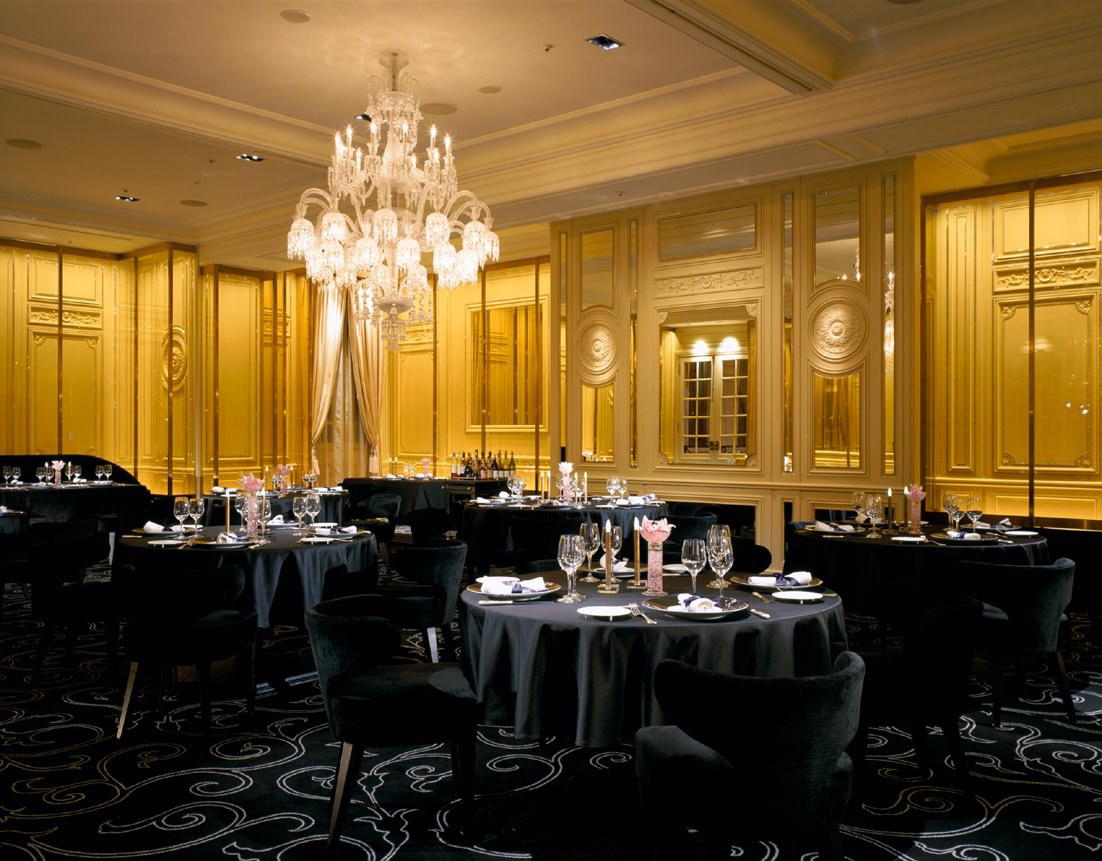
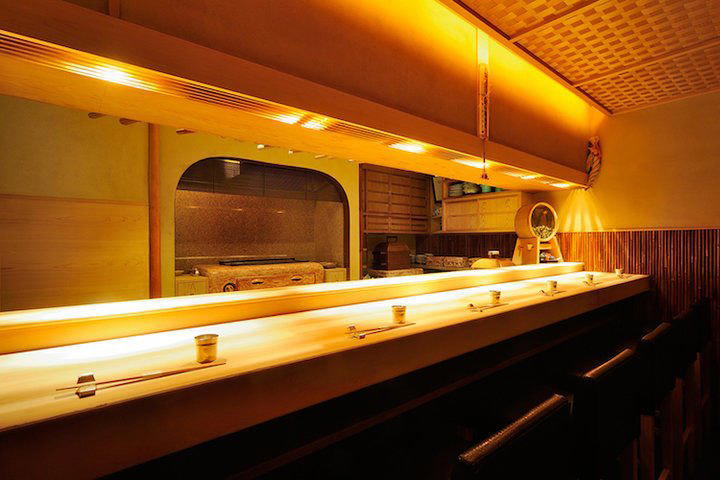
Bars in Tachikawa
Browse all →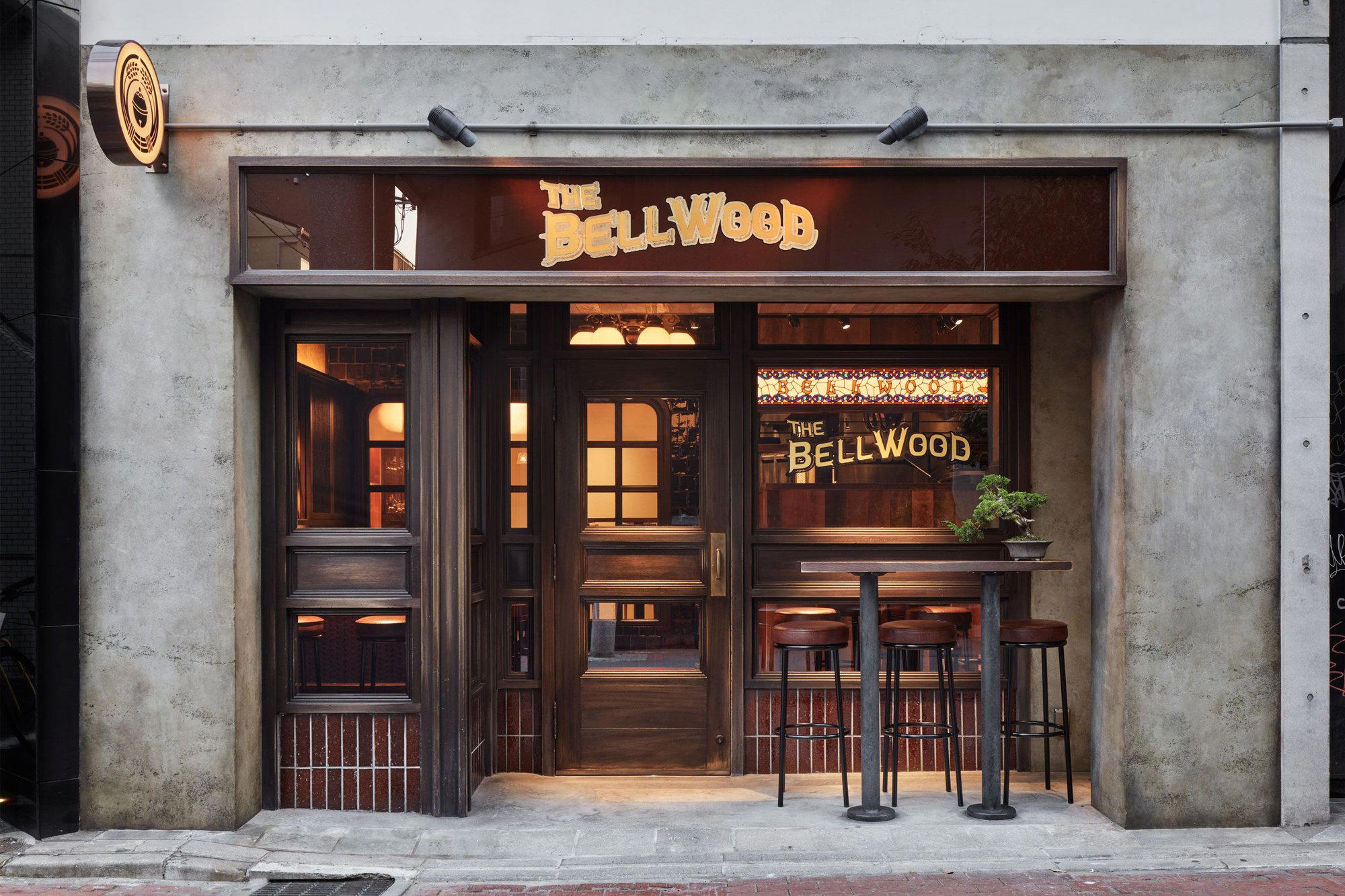
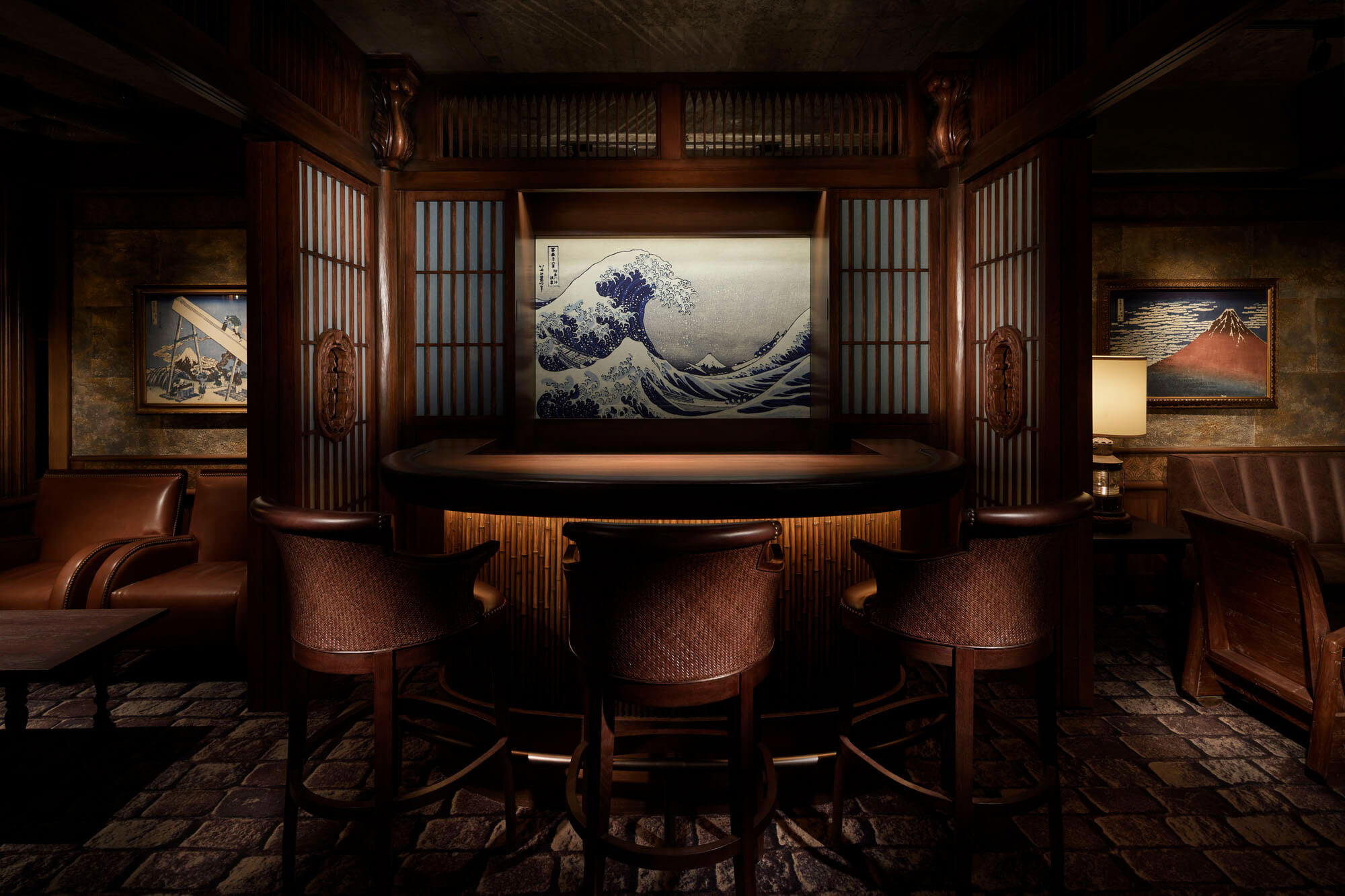
Hotels in Tachikawa
All hotels in Tachikawa →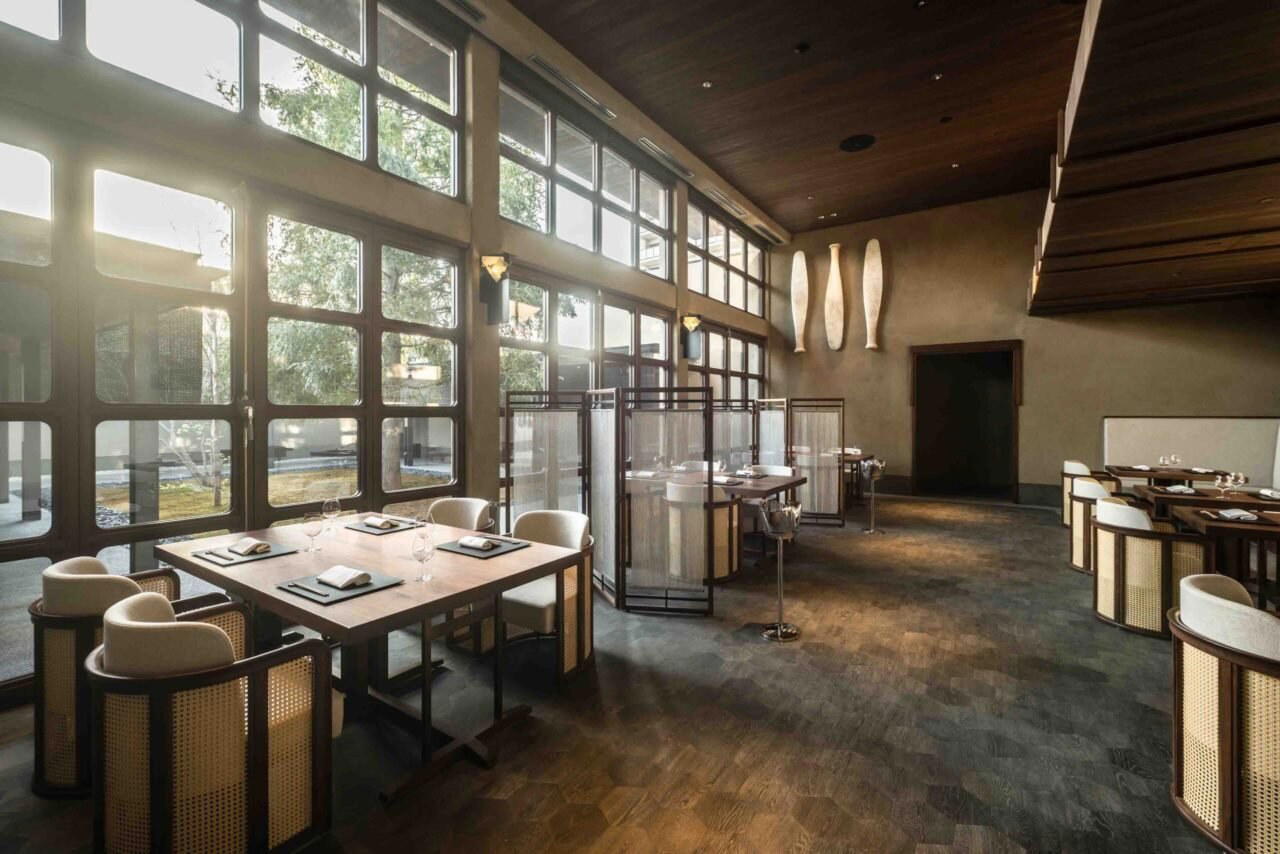
Wineries in Tachikawa
Browse all →
Details
- Elegant
- Intimate
- Sophisticated
- Cozy
- Quiet
- Scenic
- Special Occasion
- Date Night
- Celebration
- Chefs Counter
- Garden
- Private Dining
- Open Kitchen
- Sake Program
- Sommelier Led
- Local Sourcing
- Garden
- Omakase
- Tasting Menu
- Counter Dining
Tranquil and sophisticated with soft lighting, minimalist design using natural materials, and lush manicured gardens creating a serene, intimate escape.