Auberge Ravoux
Our verdict
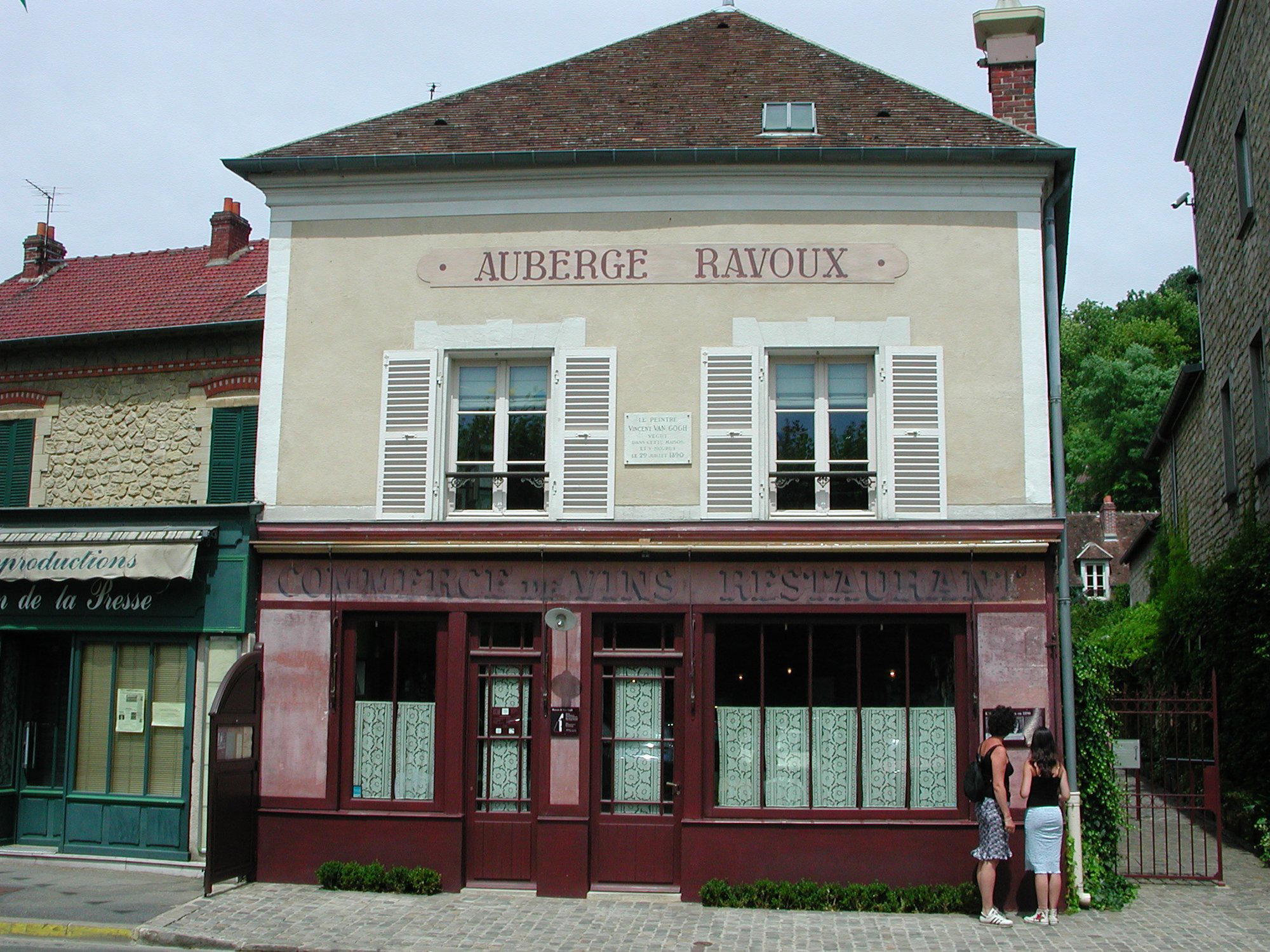
The Auberge Ravoux in Auvers-sur-Oise carries a weight that few French country inns can claim: Vincent van Gogh spent his final weeks here in 1890, and the dining room has absorbed that history into its character. Set on the main square of a village that has barely changed in a century, it draws visitors who want proximity to something genuinely documented, not reconstructed. Context and cuisine arrive together on the same plate.

Pearl is the En Primeur Club membership app, where members save venues, book tables and use the concierge.
The menu
What to order
- Three-hour braised lamb
- Chocolate mousse
- Burratina salad
- Duck foie gras
- Rabbit terrine with lentils
A Village Where the Past Is Still Legible
Auvers-sur-Oise sits roughly thirty kilometres north of Paris, far enough from the city that the Île-de-France agricultural plain reasserts itself. The village's main square is an exercise in a kind of French provincial stillness that requires almost no editorial licence to describe: the church, the mairie, the stone facades, and the Auberge Ravoux at 52 Rue du Général de Gaulle, its painted sign more restrained than a tourist attraction ought to be. That restraint is partly policy and partly a byproduct of the building's actual history. Vincent van Gogh lodged here in the summer of 1890 during the last seventy days of his life, leaving behind a room that has been preserved and opened to the public. The auberge does not need to invent atmosphere; it has enough of the documented kind to sustain the dining room on historical gravity alone.
The broader tradition of the French country auberge, functioning inn, local produce, regional wine list, places Auberge Ravoux inside a category of destination that has a coherent French lineage. Venues like Auberge de l'Ill in Illhaeusern and Auberge du Vieux Puits in Fontjoncouse represent the high end of that auberge tradition, with Michelin recognition and long family histories. Ravoux operates on a different register: the draw here is cultural and historical rather than technically ambitious cuisine, which makes the comparison set lean toward experience destinations rather than culinary ones. It belongs in the same conversation as villages like Giverny, a place you visit because the past left something specific behind, and the restaurant is where you sit while it settles.
Sourcing and the Île-de-France Table
The Île-de-France has never enjoyed the agricultural identity of Burgundy or Provence, but it sits at the centre of a farming region whose produce arrives in Paris markets daily. The valley of the Oise was, in the nineteenth century, market garden territory, the kind of dense, small-scale cultivation that fed a growing city and generated the surplus that ended up on village tables. That local supply chain is now thinner than it was, but the Auvers area still draws on the produce corridors feeding the greater Paris basin: root vegetables from Picardy, dairy and cheeses from Normandy to the northwest, river fish from the Oise itself. For a French auberge of this type, the table tends to reflect what the region can practically assemble rather than what a destination kitchen might curate from across the country.
That approach to sourcing, local by proximity rather than local by manifesto, is characteristic of the traditional French country lunch format that Auberge Ravoux embodies. The meal here functions less as the main event and more as the appropriate frame for the afternoon. You visit the room where van Gogh slept, you walk the churchyard where he is buried alongside his brother Theo, and you eat in a room that has been setting tables since the 1870s. The sourcing philosophy, to the extent it can be inferred from the category and context, points toward simplicity: dishes that do not compete with the surroundings for attention, and ingredients that arrive with the least possible distance between field and plate. For genuinely technique-driven Île-de-France cooking, the reference points shift toward Paris, where Alléno Paris au Pavillon Ledoyen represents the apex of creative French ambition in the region.
The French dining establishment maintains a clear hierarchy, and Auberge Ravoux does not occupy its upper tier. The country's Michelin three-star houses, Flocons de Sel in Megève, Troisgros in Ouches, Paul Bocuse in Collonges-au-Mont-d'Or, Bras in Laguiole, Les Prés d'Eugénie in Eugénie-les-Bains, and Maison Lameloise in Chagny, belong to an entirely different competitive bracket. Even within the destination-auberge tradition, Georges Blanc in Vonnas and L'Oustau de Baumanière in Les Baux operate at a level of culinary ambition that Ravoux does not try to match. That is not a failure of nerve but a clarity of purpose: Ravoux is a historical site that serves lunch, not a restaurant that happens to have an interesting address.
Within Auvers-sur-Oise itself, the alternative is Relais des Peintres, which shares the village's Impressionist associations. Ravoux's advantage is specificity: the van Gogh connection is documented, the room is real, and the building has continuity with the original structure. For visitors whose primary interest is the cultural experience, Ravoux is the more direct address. Our full Auvers-sur-Oise restaurants guide covers the village's options in detail.
Planning Your Visit
Auvers-sur-Oise is served by the Transilien H line from Gare du Nord, with a journey time of roughly one hour from central Paris. The village is compact enough to cover on foot in a half-day, making a weekday lunch at Ravoux practical as a day trip. The auberge is closed in winter months, typically from November through February, an important planning detail given the village's quieter profile outside the summer season. Van Gogh's room is accessed separately and has its own admission process; visitors should confirm current opening hours and availability in advance, as the room operates on a timed-entry basis. For a comparable day-trip experience from Paris at a higher culinary level, Mirazur in Menton and Le 1947 à Cheval Blanc in Courchevel represent the extreme distance end of that French day-trip spectrum, while La Table du Castellet and Lazy Bear in San Francisco illustrate how destination dining functions in other geographies. For those crossing from the US, Le Bernardin in New York City remains the relevant benchmark for French technique at the highest level before departure.
Frequently asked questions
Is Auberge Ravoux suitable for children?
Auberge Ravoux is a historic village inn at 52 Rue du Général de Gaulle in Auvers-sur-Oise, not a destination built around high-energy dining or children's menus. That said, the format, a traditional French country restaurant in a quiet agricultural village, is relaxed enough that families making the pilgrimage from Paris can dine comfortably. The surrounding village, with its Van Gogh trail and open churchyard, gives children space to explore before or after the meal.
Is Auberge Ravoux formal or casual?
Auberge Ravoux occupies the register of a serious French village inn rather than a gastronomic temple. The address, a preserved 19th-century auberge in Auvers-sur-Oise, sets the tone: unhurried, historically conscious, and closer to Sunday lunch than tasting-menu ceremony. Visitors arriving from Paris via the Transilien H line tend to dress in comfortable, unfussy clothing, which is appropriate to the setting.
Why do visitors travel specifically to Auberge Ravoux rather than a comparable restaurant closer to Paris?
Auberge Ravoux at 52 Rue du Général de Gaulle is the inn where Vincent van Gogh lived during the final seventy days of his life in 1890, making the building itself the draw rather than the cuisine alone. No restaurant within Paris's périphérique can replicate that physical connection to the painter's biography. The journey takes roughly one hour from Gare du Nord on the Transilien H line, which positions the meal as a half-day cultural excursion anchored in Auvers-sur-Oise's documented art history.
What should I eat at Auberge Ravoux?
What is consistent with the venue's identity as an Île-de-France auberge is a focus on regional French cooking grounded in the produce of the agricultural plain surrounding Auvers-sur-Oise. Visiting with an open approach to the set menu, the format traditional French inns favour, is the most reliable strategy.
Comparison Snapshot
Comparable venues nearby, for context on price, style, and recognition.
| Venue | Cuisine | Price | Notes |
|---|---|---|---|
| Auberge RavouxThis venue (the venue you are viewing) | Traditional French Bistro | $30–50 | Not listed |
| Relais des Peintres | Modern French Bistro | $50–100 | Auvers-sur-Oise |
| Fleur de Sel | Modern French Bistro | $30–50 | La Garenne-Colombes |
| Truffes Folies | Truffle-Focused French Bistro | $50–100 | 75008 |
| Le 122 | Modern French Bistro | $50–100 | Palais-Bourbon |
| BANG | Contemporary French Bistro | $30–50 | Place-Vendôme |
Continue exploring
More in Auvers Sur Oise
Restaurants in Auvers Sur Oise
All restaurants in Auvers Sur Oise →

Bars in Auvers Sur Oise
Browse all →
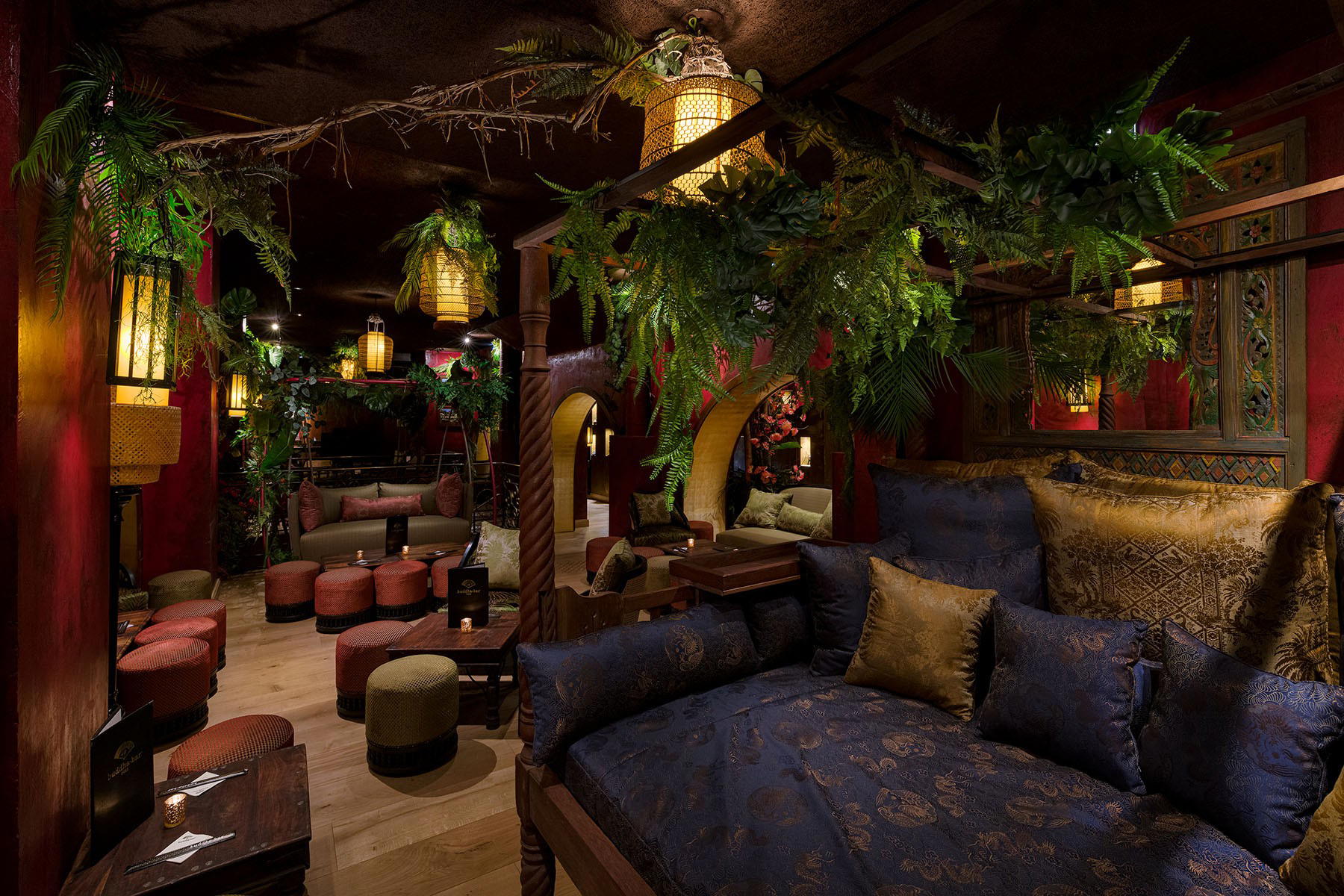
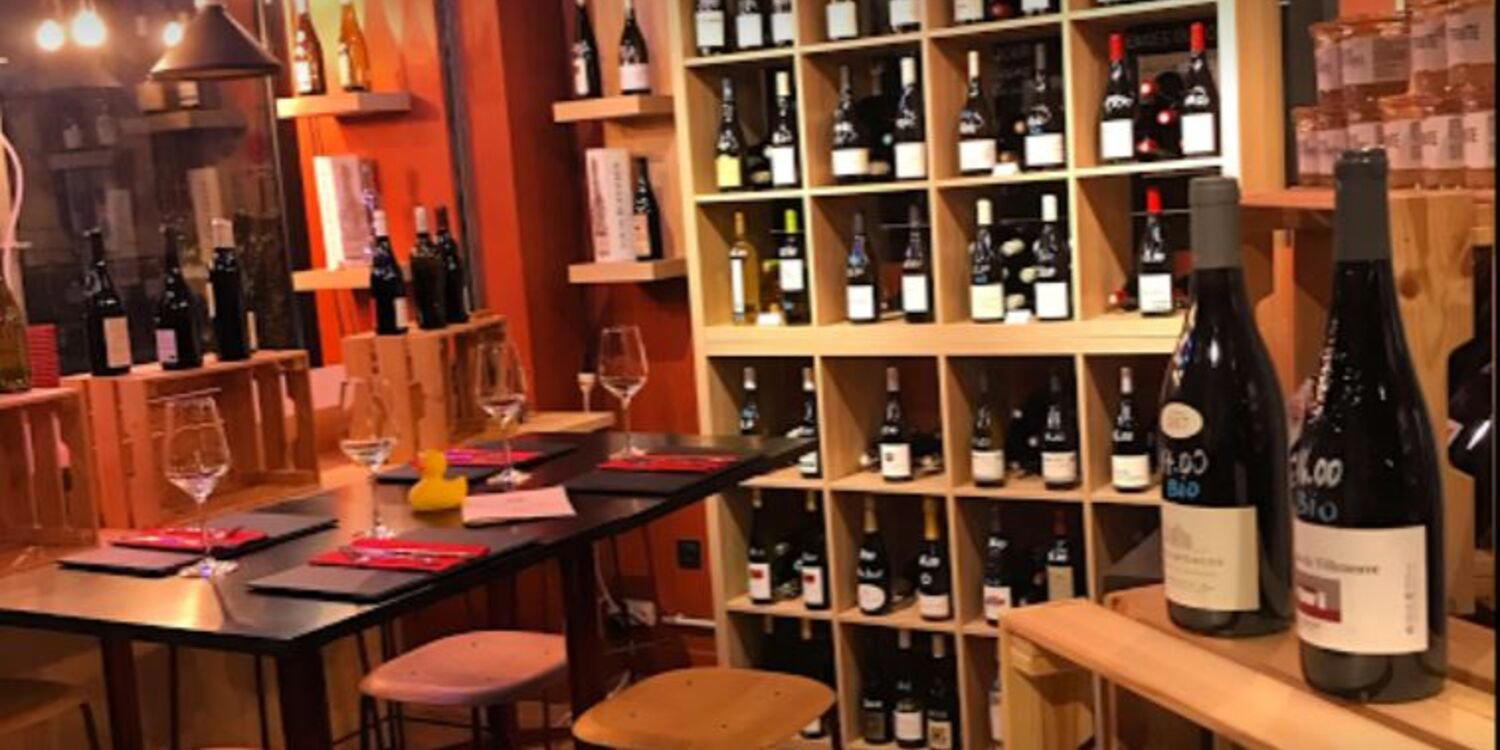
Hotels in Auvers Sur Oise
Browse all →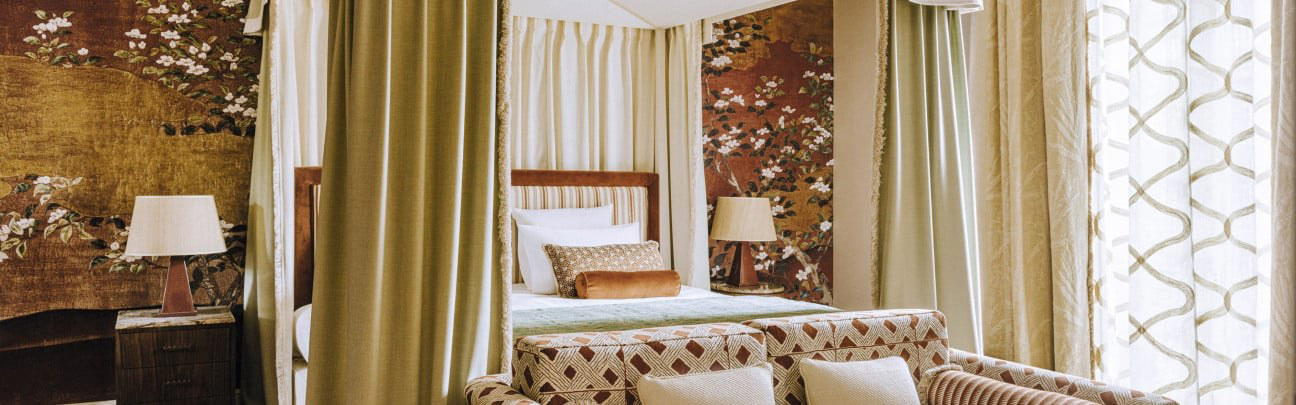
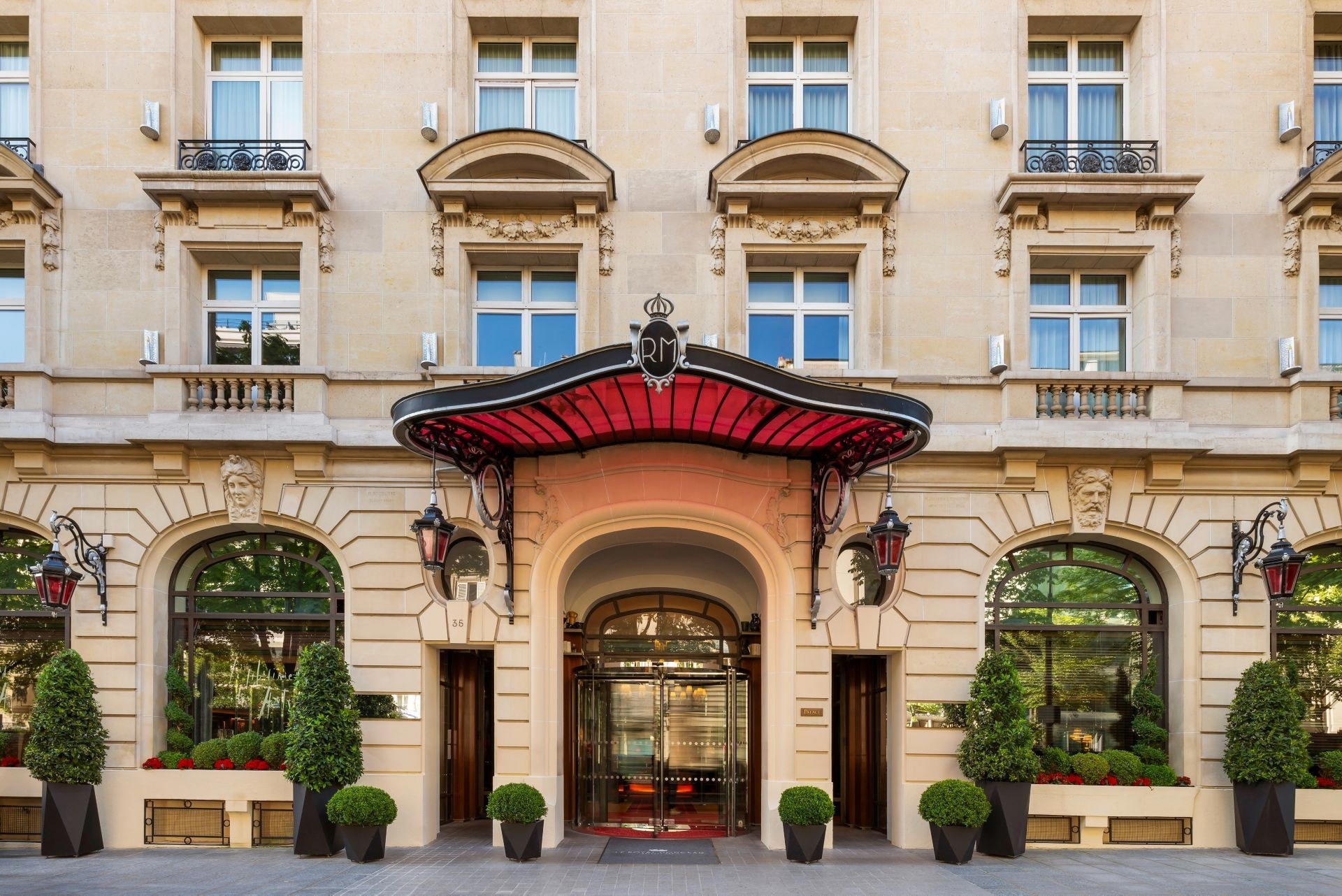
Wineries in Auvers Sur Oise
Browse all →
Details
- Classic
- Romantic
- Intimate
- Well Known
- Cozy
- Rustic
- Date Night
- Special Occasion
- Historic Building
- Private Dining
- Sommelier Led
- Local Sourcing
- Farm To Table
- A La Carte
- Set Menu
- Wine
- Cerdon Sparkling Rosé
- Vegetarian Friendly
Current opening hours
- Monday
- Closed
- Tuesday
- Closed
- Wednesday
- 12–6:30 PM
- Thursday
- 12–6:30 PM
- Friday
- 12–6:30 PM
- Saturday
- 12–6:30 PM
- Sunday
- 12–6:30 PM
Hours can change for holidays and private events. Hours as of .
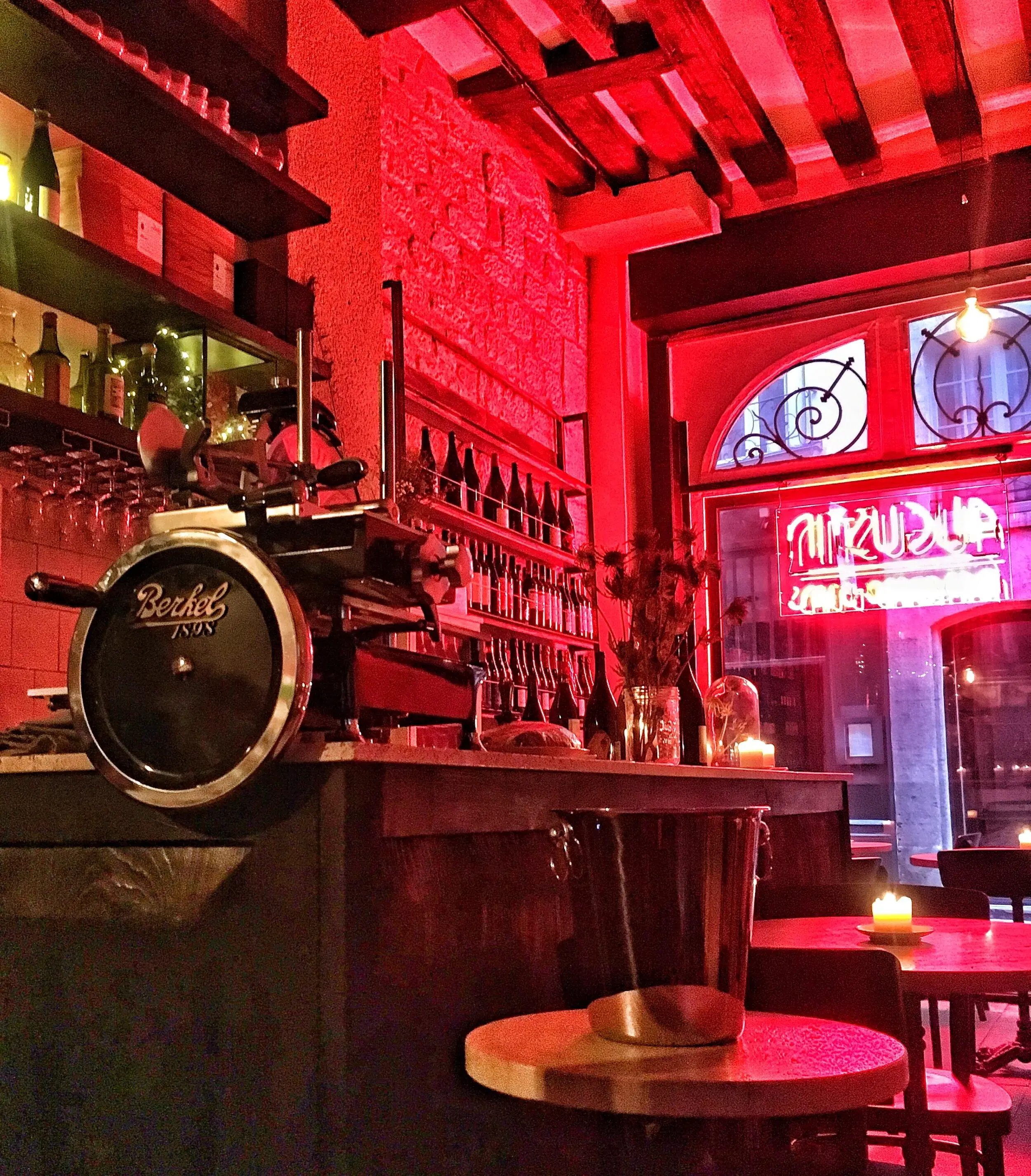
Warm, authentic 19th-century artist café atmosphere with dimmed lighting, waxed oak furniture, wine racks, linen tea towels with red borders, and a tumbling block tiled floor; intimate setting with just ten tables creating a suspended-in-time experience.