Our verdict
Auma belongs in the part of Cancún dining where sourcing matters more than resort spectacle. With public details on format, chef, awards and pricing not listed, the smarter read is contextual: place it against the city’s split between hotel-zone polish, market-driven Mexican cooking and mainland Riviera Maya produce routes.

Pearl is the En Primeur Club membership app — saves, bookings, and concierge access live there. Same editors, same standards.
- Address
- Carr Federal Libre 307 Cancun-Tulum Km 248-868, SM-36, LT-1-01 UPE-1E, 77580 Cancun, Q.R., Mexico
- Phone
- +52 998 432 0300
- Website
- hilton.com
- Directions
- Get directions
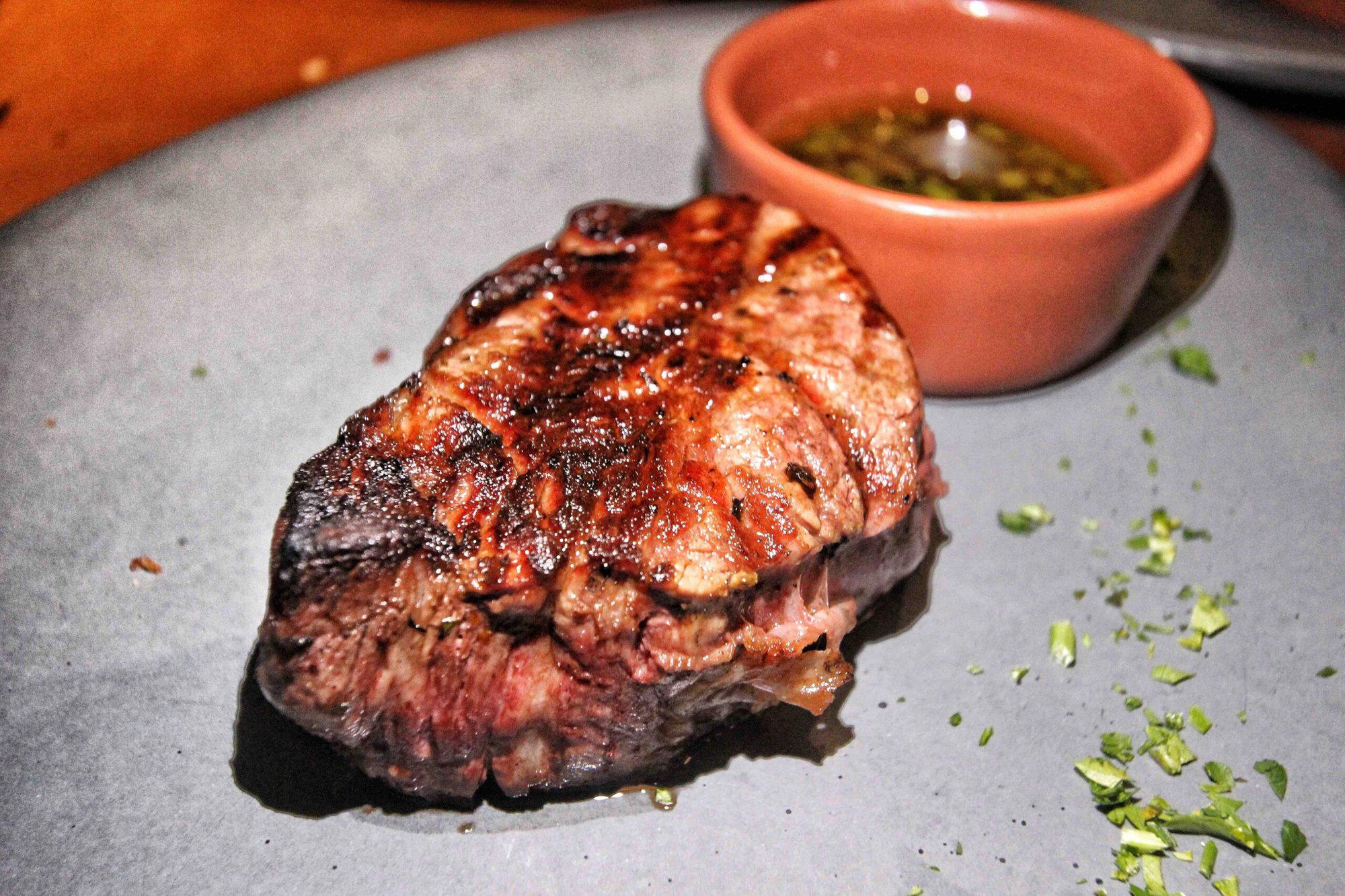
The menu
What to order
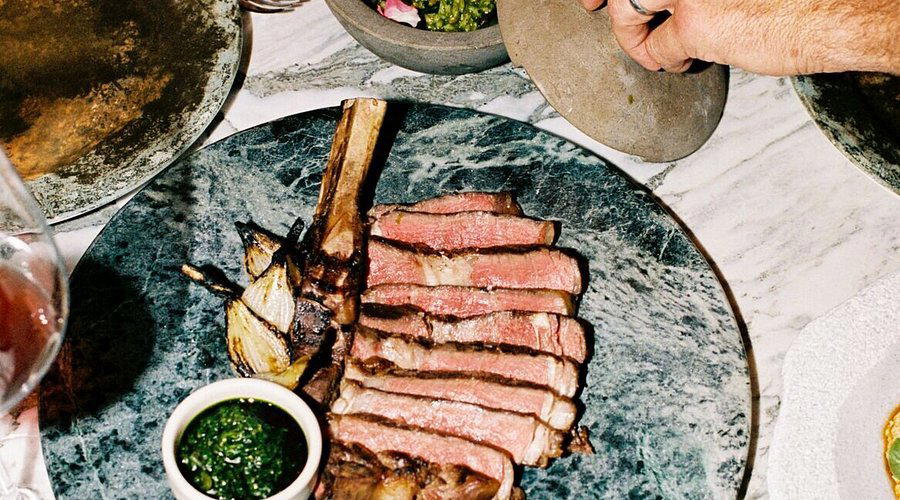
- Prime steaks from the open fire grill
- House specialty mixed grill platters
- Wood-fired seafood dishes
- Signature cheesecake dessert
Approaching Cancún from the mainland corridor changes the dining conversation. The city is often read through beaches, resort dining rooms and late-night visitor traffic, but its restaurant culture also depends on what moves through Quintana Roo each day: coastal product, citrus and herbs from the peninsula, corn and chiles from inland networks, and the constant pull of travelers who want polish without losing regional identity. Auma sits inside that broader question rather than outside it.
That matters because Cancún is not a single restaurant city. It is a resort capital, a local service hub, a gateway to Riviera Maya, and a staging point for visitors moving between the airport, the city and the coast. Dining rooms here often have to decide whether they are built for speed, spectacle, local regulars or destination meals. The more interesting addresses are the ones that treat ingredients as the argument, not décor as the headline.
Ingredient-led Cancún without the resort-dining script
The strongest way to read Auma is through sourcing discipline. In Cancún, that means looking beyond generic shorthand and asking how a kitchen relates to the region around it. Quintana Roo dining sits at a meeting point: Caribbean produce, peninsula technique, agricultural memory, contemporary visitor demand and a steady flow of international diners. Restaurants that work in this lane are judged less by novelty than by whether they understand proximity.
That proximity is not automatic. Cancún’s tourism economy can flatten menus into familiar luxury cues: imported products, predictable lists, and dishes designed to reassure guests who have just arrived. A more serious local approach treats the peninsula as a pantry with limits and seasons. The point is not rusticity. It is editorial control: choosing when to foreground regional produce, when to lean into smoke, acidity or masa, and when to let a plate carry itself without overcomplication.
Auma is therefore better considered alongside Cancún’s ingredient-conscious dining conversation than as a stand-alone name. Comparison in the city should be practical and specific: Azulinda Market & Café, Maxal, Sunan, Taqueria and Vela each point to a different version of the city’s appetite, from casual formats to more polished rooms and destination-minded dining. The useful distinction is not which is “better,” but which kind of Cancún each address represents.
Where Auma fits in a city split between visitors and regulars
Cancún dining has a structural tension that shapes the meal before the first course arrives. Restaurants must serve a transient audience with uneven knowledge of the region while keeping enough credibility for residents, repeat travelers and hospitality workers who know when a room is built only for passing trade. That tension makes restraint valuable. A kitchen does not need to announce regional seriousness with a catalogue of ingredients; it needs coherence.
For Auma, the editorial case is strongest when it stays grounded in the restaurant’s Cancún setting and ingredient-led positioning rather than unsupported specifics about awards, ownership, rankings, prices, seats or kitchen personnel. The city context changes expectations: this is a Cancún decision for travelers willing to look beyond the easiest resort-dining pattern, not a default table chosen because it is downstairs from a room key.
The broader Cancún field also rewards planning by area and trip rhythm. A visitor spending a night before a Riviera Maya transfer will make different choices from someone staying a week and mapping meals across town. For a fuller sense of the city’s restaurant spread, start with our full Cancún restaurants guide, then pair dining plans with our full Cancún hotels guide, our full Cancún bars guide, our full Cancún wineries guide and our full Cancún experiences guide. The city makes more sense when meals are planned around movement, not just appetite.
The broader Mexico map matters here
Auma also belongs to a national dining map where regional identity is increasingly specific. Mexico’s stronger contemporary restaurants are not simply modernizing tradition; they are choosing which traditions deserve pressure, which products should remain direct, and which imported formats make sense in local conditions. That same question appears across the country and in other coastal destinations, where format, audience and setting can change the meaning of an otherwise familiar meal.
That context helps keep expectations honest. Cancún is not Mexico City, and it should not be judged by the same urban tasting-menu machinery. Nor is it simply a beach market for easy vacation clichés. The city’s better dining decisions sit between those clichés. Cross-country comparisons show how format and local expectations alter the same broad category. Even farther afield, the point still holds: serious dining is often defined by fit, not by scale.
For travelers extending the trip, the regional circuit can widen quickly. Other dining in the Cancún area and comparison names such as Azulinda Market & Café, Maxal, Sunan, Taqueria and Vela show how varied the conversation has become. Auma’s role is not to solve that whole map. Its value is in giving Cancún another address through which to read sourcing, location and the changing expectations of visitors who want more than resort predictability.
Frequently asked questions
Where is Auma located?
Auma is located in Cancún.
Should I book Auma in advance?
Advance booking is sensible for Auma in Cancún, especially if dining on a specific date or time. Cancún’s stronger dining rooms can be busy, and planning ahead helps avoid building the evening around availability alone.
What has Auma built its reputation on?
Auma’s appeal is ingredient-led cooking rather than resort-style showmanship, which suits Cancún’s more serious dining audience. Its position in Cancún gives it a practical, destination-restaurant profile.
How does Auma handle allergies?
The safest approach is to flag allergies when booking or at arrival, so the kitchen can assess what it can accommodate. That matters at Auma in Cancún, where ingredient-led menus may depend on the day’s sourcing and kitchen line-ups.
In Context: Similar Options
Comparable venues by cuisine and price in the same metro.
| Venue | Cuisine | Price |
|---|---|---|
| AumaThis venue — the venue you are viewing | Open-fire steakhouse & mixed grill | Not listed |
| Azulinda Market & Café | Resort café & grab-and-go market | $10–20 |
| Maxal | Authentic Mexican Cuisine | Not listed |
| Sunan | Southeast Asian | Not listed |
| Vela | Mexican | Not listed |
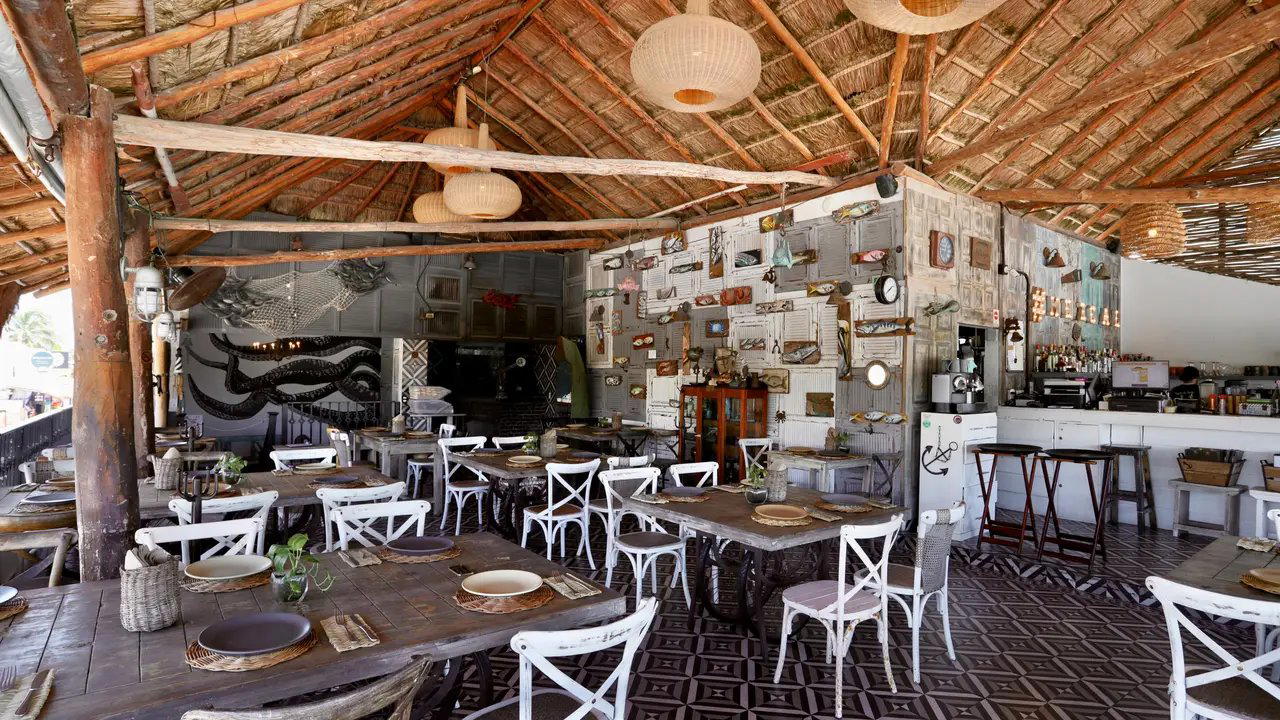
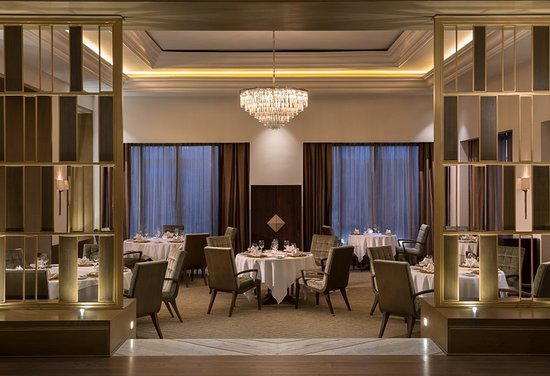
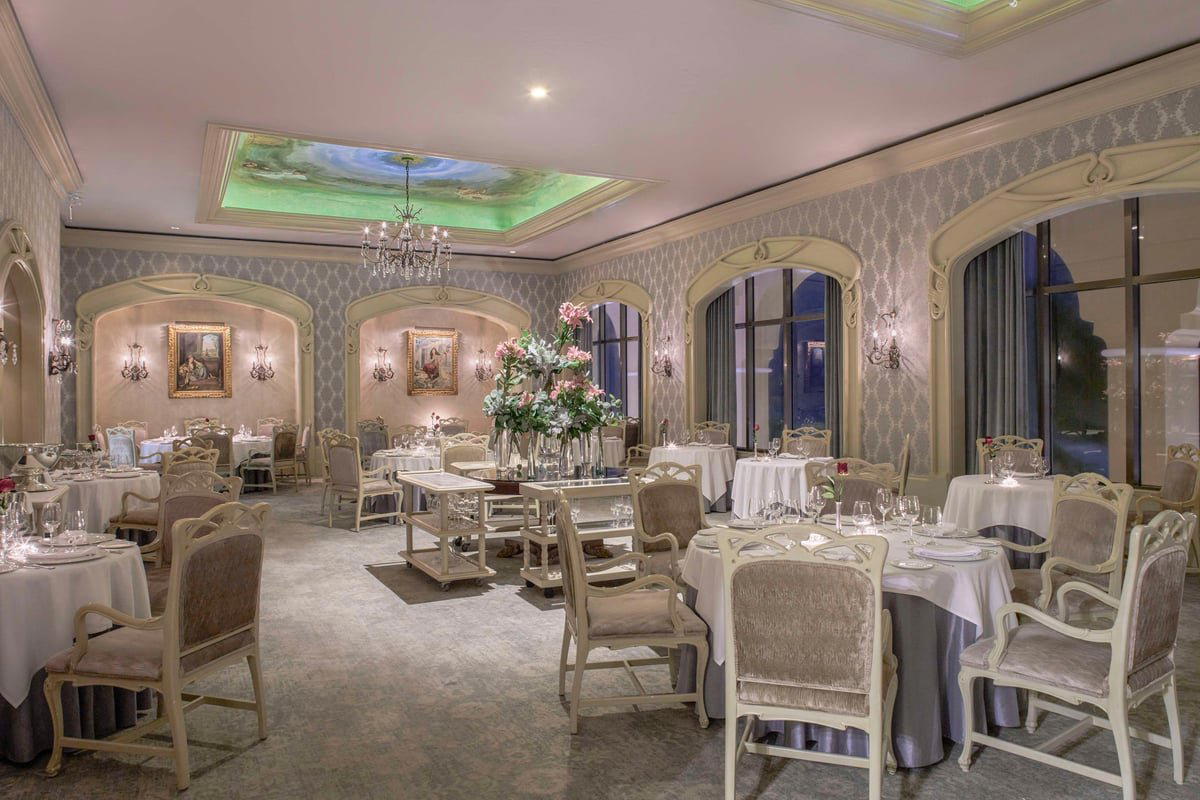
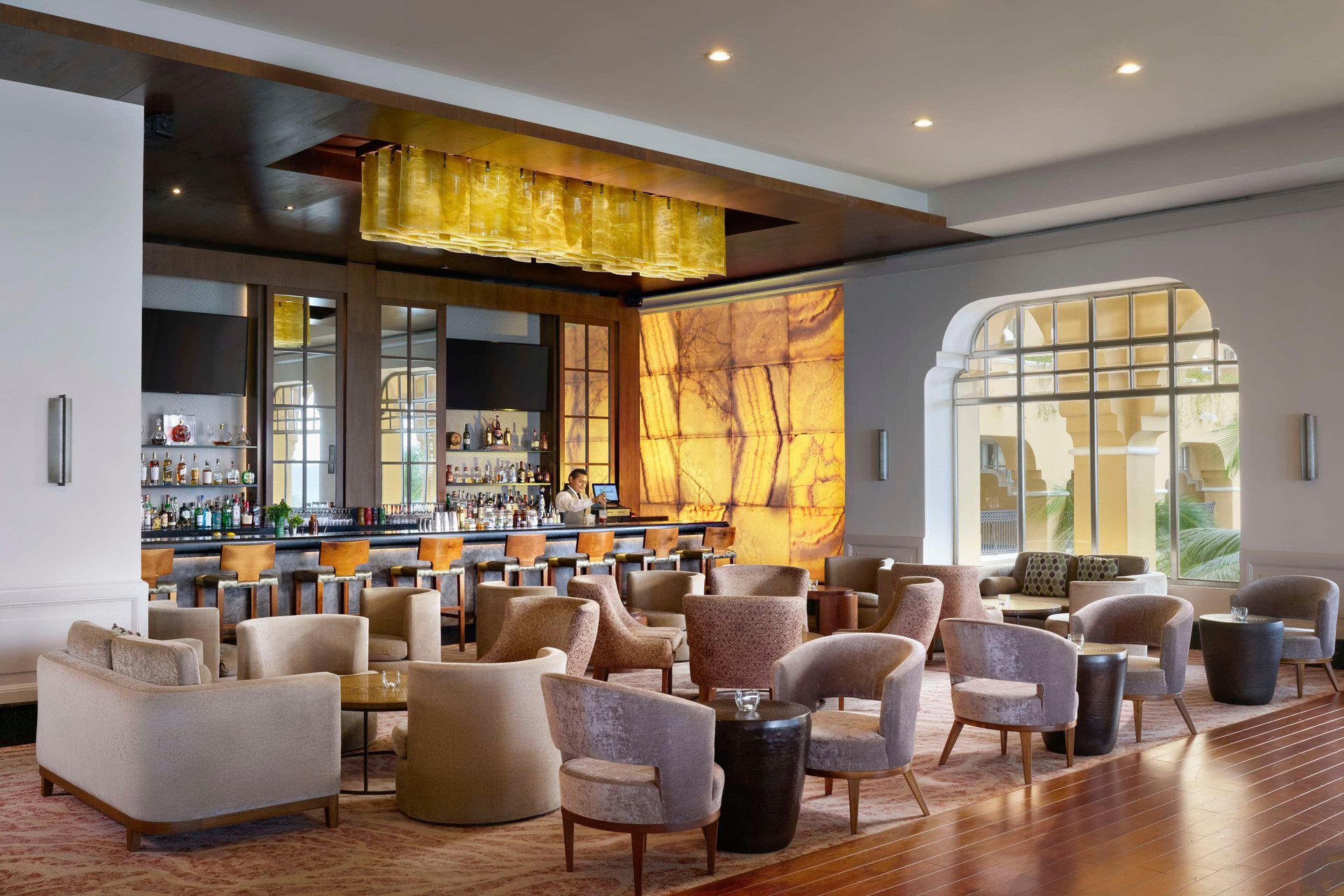
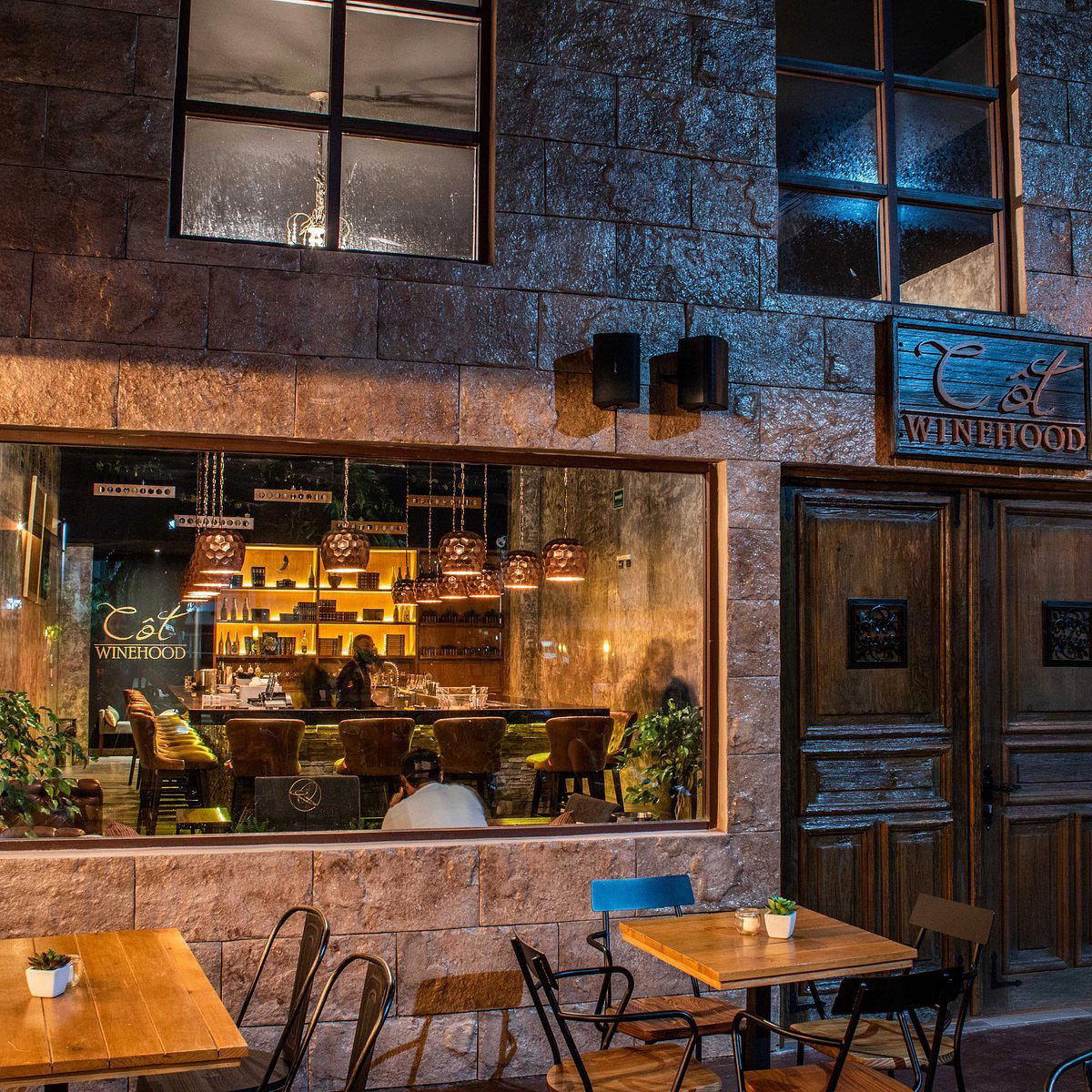
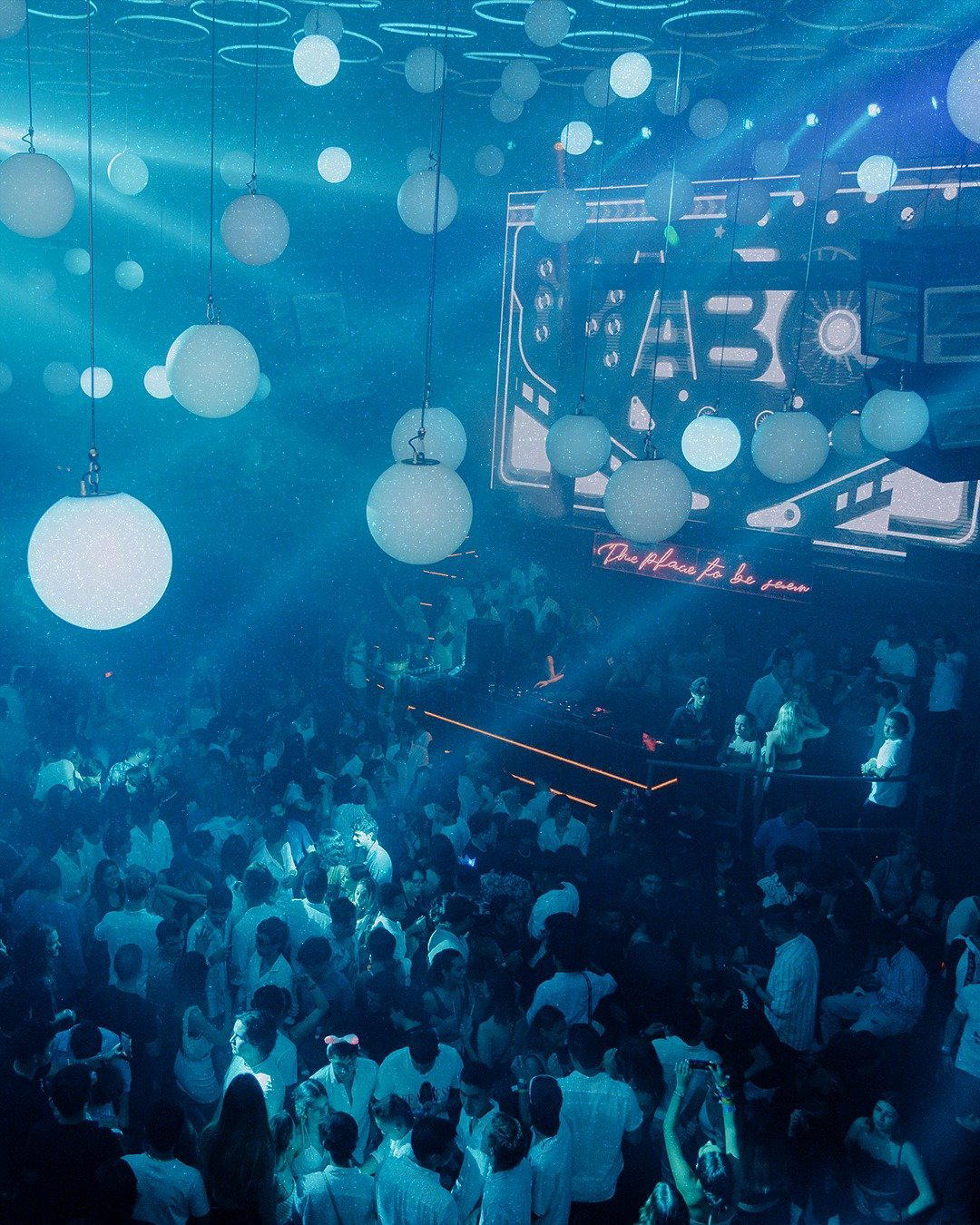
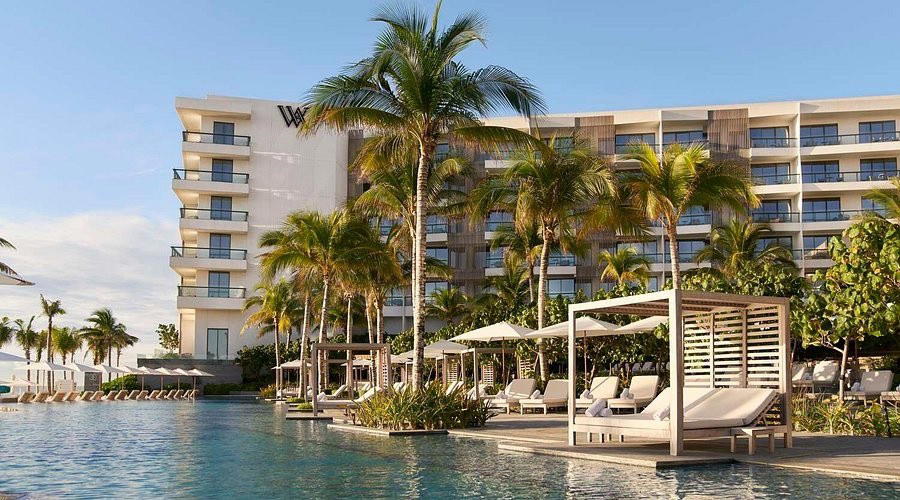
Auma
The wine
- Wine program
- Curated wine list
- Extensive wine list
- Craft cocktails
- Zero-proof drinks
Details
- Elegant
- Modern
- Scenic
- Romantic
- Sophisticated
- Date Night
- Family
- Group Dining
- Celebration
- Special Occasion
- Business Dinner
- Waterfront
- Terrace
- Panoramic View
- Hotel Restaurant
- Design Destination
- Craft Cocktails
- Extensive Wine List
- Zero Proof
- Waterfront
- A La Carte
- Wine
- Cocktails
- Spirits
- Vegetarian Friendly
- Allergy Accommodating
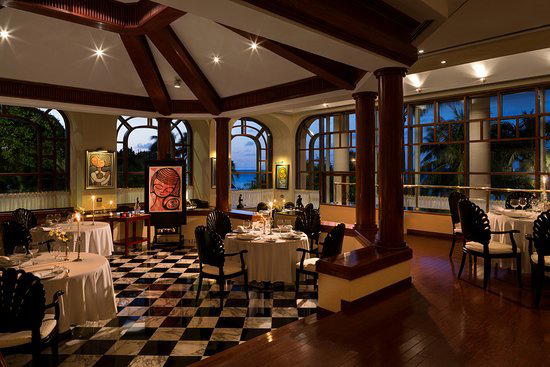
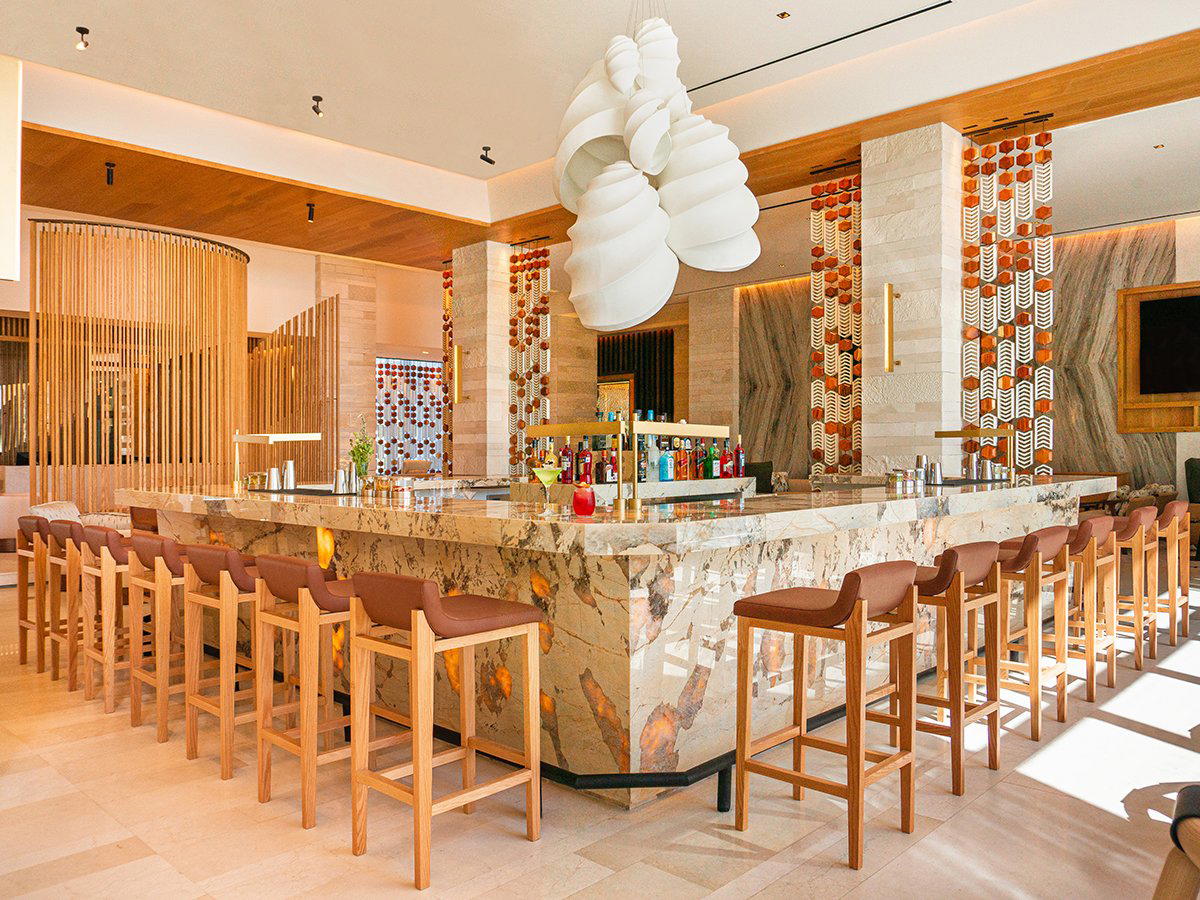
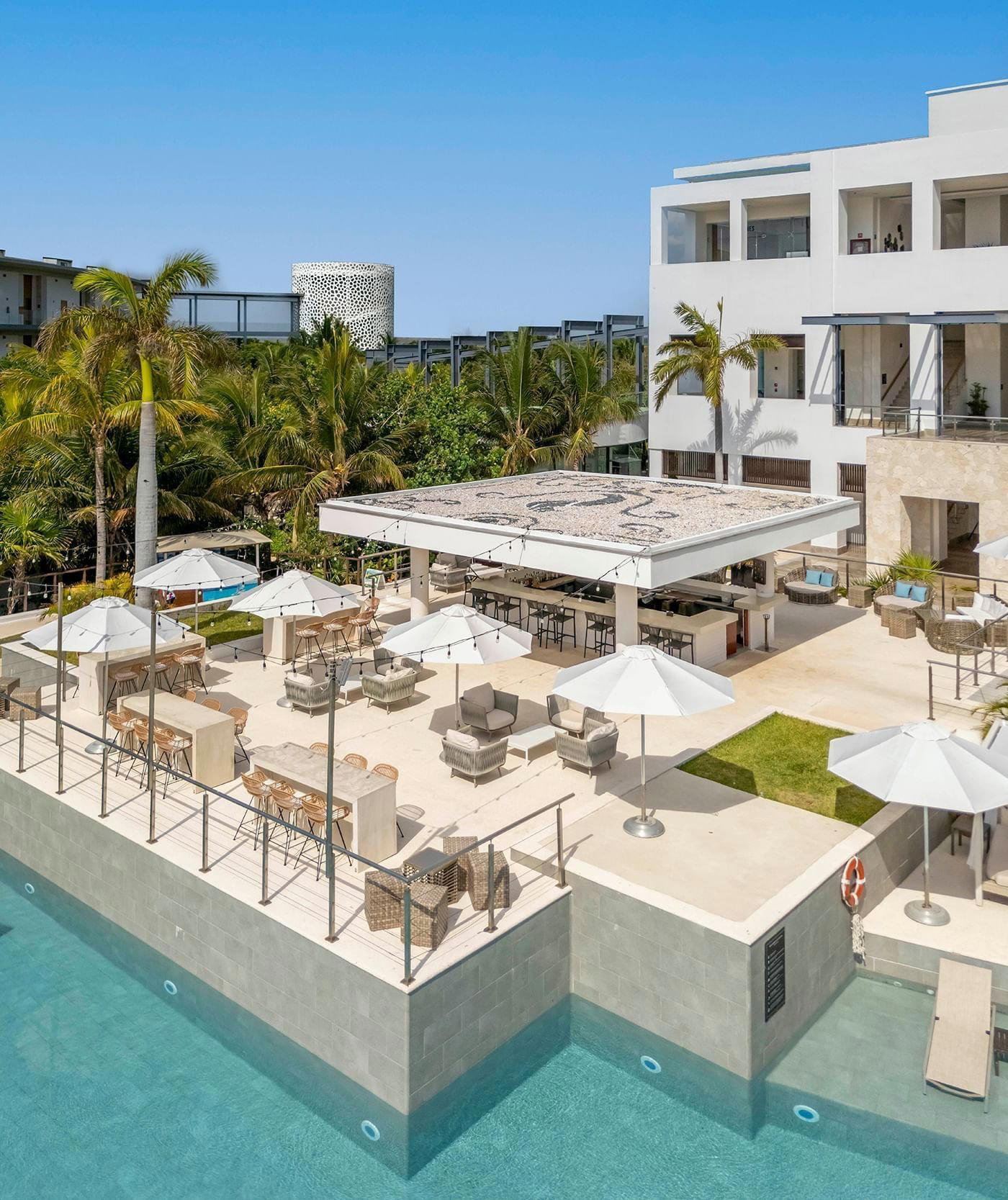
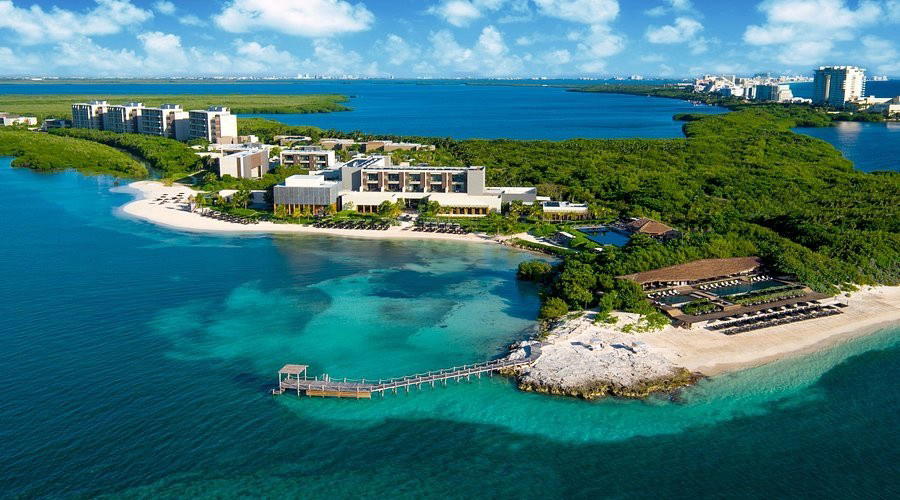
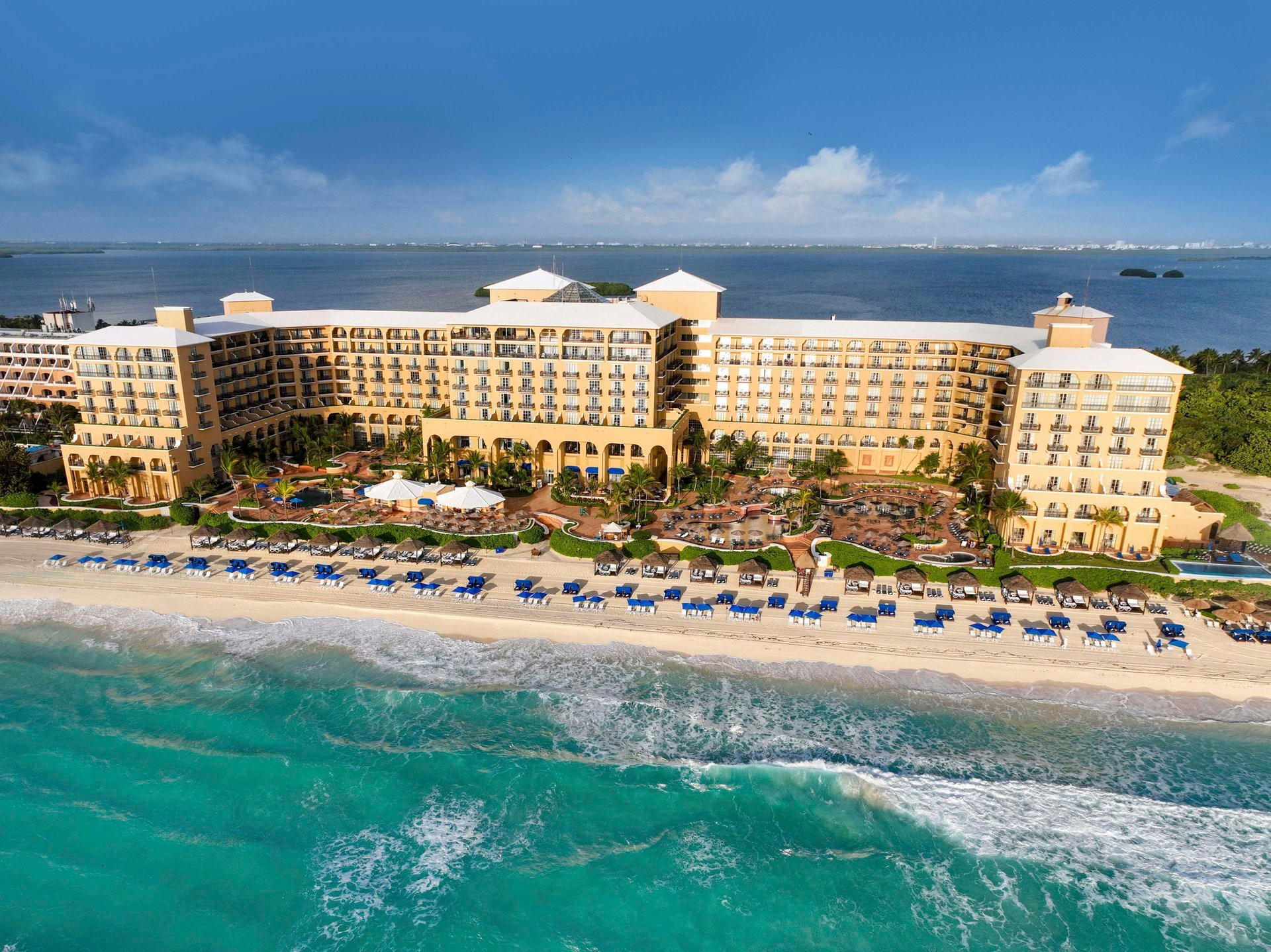
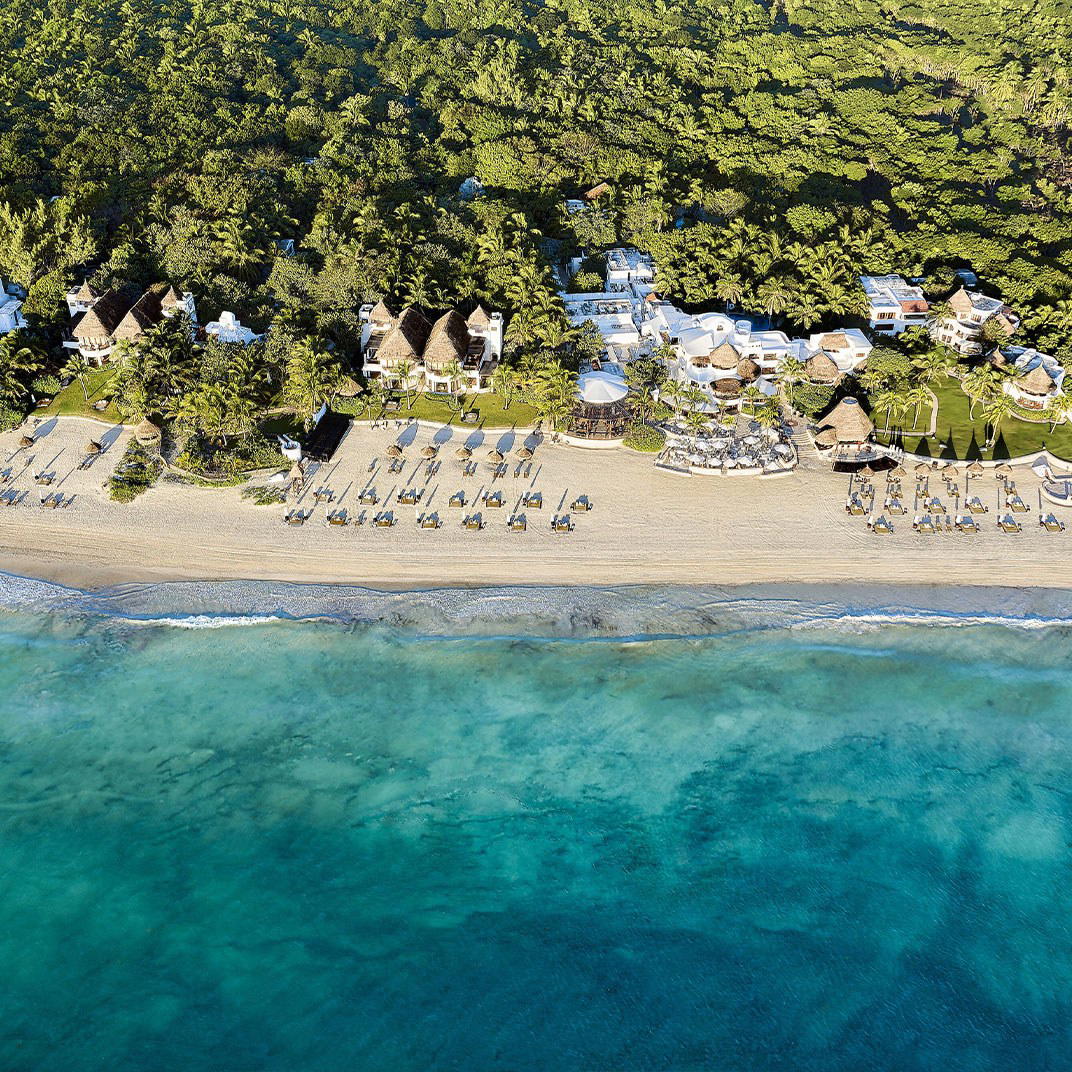
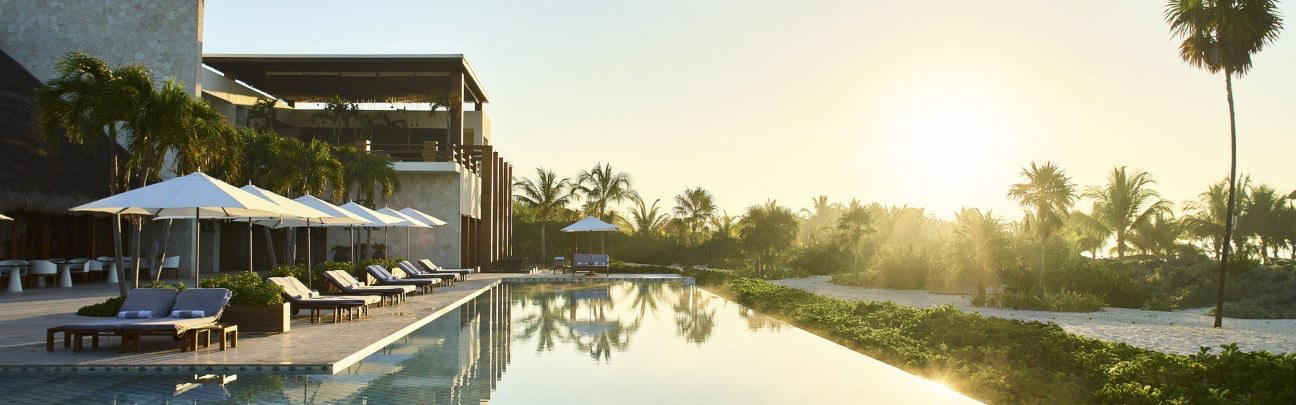
Upscale yet relaxed steakhouse atmosphere with theatrical open-fire cooking as a focal point, warm contemporary design, and a calm oceanfront patio that feels intimate and romantic in the evening.