Aunt Jake's
On the Upper East Side's restaurant-dense stretch of Second Avenue, Aunt Jake's operates at the intersection of neighborhood familiarity and technique-driven cooking. The address at 1555 Second Avenue places it squarely in a residential corridor where repeat custom matters as much as occasion dining. For those seeking ingredient-focused plates without the formality of Midtown's upper-tier rooms, Aunt Jake's offers a different kind of proposition.
Pearl is the En Primeur Club membership app — saves, bookings, and concierge access live there. Same editors, same standards.
- Address
- 1555 2nd Ave, New York, NY 10028
- Phone
- +19172615040
- Website
- auntjakesnyc.com
- Directions
- Get directions
 Saves & bookings on Pearl
Upper East Side, Second Avenue, and the Case for Neighborhood Cooking
New York's Upper East Side has always maintained a dual identity: a residential district that demands reliable, repeat-visit restaurants alongside a dining public sophisticated enough to recognize when technique is being applied seriously. The stretch of Second Avenue running through the 70s and 80s is a working restaurant corridor rather than a destination strip, which means venues here earn their longevity through consistency and local trust rather than press cycles or opening-week attention. Aunt Jake's, a Modern Italian Handmade Pasta restaurant at 1555 Second Avenue in New York City, sits in that context, in a neighborhood where the question is rarely whether you can get a table somewhere ambitious, but whether this particular room is worth the walk.
That framing matters because it shapes how the Upper East Side's more considered dining spots position themselves relative to the city's louder rooms. Across Manhattan, the premium-tier is anchored by long-established formal rooms: Le Bernardin in Midtown sets the standard for classical French seafood technique applied at scale, while Eleven Madison Park and Per Se operate at a price and formality register that positions them as occasion-only destinations for most diners. Atomix and Masa occupy their own specialist tiers. The neighborhood restaurant, done well, answers a different need entirely.
Local Ingredients, Imported Method: A Framework for Understanding the Category
The editorial angle worth examining at any serious neighborhood-scale restaurant in New York is the tension between local sourcing and global culinary training. This is not distinctive to one address. Across American cities, a generation of cooks trained in European or Asian kitchens has returned to domestic ingredients, applying reduction techniques, fermentation discipline, and precision butchery to what's grown or raised within proximity. You see this at Blue Hill at Stone Barns in Tarrytown, where the farm-to-table relationship is formalized into the restaurant's entire identity. You see it, in a different register, at Smyth in Chicago, where hyper-local sourcing is paired with technically demanding preparation. In California, Single Thread Farm in Healdsburg and Lazy Bear in San Francisco each apply this framework through a different regional lens.
What distinguishes New York's version of this approach is the density of the supply chain. The Hudson Valley, Long Island's east end, and the broader tri-state agricultural network are all within practical sourcing distance, meaning that a kitchen with the will and the purchasing relationships can put genuinely regional product on plates without logistical heroics. The technique layered on top of that product can come from anywhere: a cook schooled in French classical method, another who spent time in Japanese prep environments, a pastry section trained against European seasonal discipline. The result, when it works, is cooking that reads as distinctly American in its ingredients and distinctly international in its execution.
That intersection defines a growing cohort of New York addresses that don't require a tasting menu format or a Michelin entry to earn a regular diner's trust. The neighborhood restaurant that applies real technical training to market-sourced product occupies a tier that the city's most celebrated rooms, precisely because of their formality and price, cannot serve. For comparison, the kind of farm-reliant, technique-forward cooking found at Providence in Los Angeles or Addison in San Diego has its Manhattan equivalents, but they are often quieter about it.
The Upper East Side Dining Calendar
Seasonality shapes the Upper East Side's dining rhythm in ways that differ from downtown Manhattan. The neighborhood retains a higher proportion of full-time residents relative to transient or tourist foot traffic, which means that kitchens here respond to the actual seasonal calendar rather than peak-tourist demand spikes. Late autumn and winter tend to consolidate the neighborhood's dining public indoors, with hearty, longer-format meals drawing repeat visitors through November and into the new year. Spring brings a shift toward lighter preparation and increased patio or street-level seating where available. Summer thins the residential base as the city's wealthier Upper East Side residents move toward the Hamptons, creating a quieter window for first-time visitors who want the neighborhood's better rooms without competition.
The broader national context is worth noting here too. Restaurants applying local-ingredient, global-technique frameworks have found sustained recognition across American cities: The French Laundry in Napa, Emeril's in New Orleans, The Inn at Little Washington, and Frasca Food and Wine in Boulder each represent different regional expressions of the same underlying shift. In Europe, rooms like Atelier Moessmer Norbert Niederkofler in Brunico and Dal Pescatore in Runate have built multi-decade reputations on exactly this premise: that regional product, treated with discipline and intelligence, produces cooking more coherent than any globally sourced ingredient list could. New York's neighborhood tier is catching up to that discipline in ways that the city's most-covered formal rooms sometimes obscure.
Planning Your Visit
Aunt Jake's is located at 1555 Second Avenue, New York, NY 10028, in the Upper East Side between 80th and 81st Streets. Prospective diners should check current hours, booking availability, and menu format directly with the venue before planning a visit. Reservations are recommended. Dress code: casual. Budget: about $35 per person.
Similar Picks
Comparable venues nearby, for context on price, style, and recognition.
| Venue | Cuisine | Price | Notes |
|---|---|---|---|
| Aunt Jake'sThis venue — the venue you are viewing | Modern Italian Handmade Pasta | $$ | Not listed |
| Osteria Delbianco | Northern Italian | $$ | Midtown-Times Square |
| Trattoria Trecolori | Traditional Italian Trattoria | $$ | Midtown-Times Square |
| Le Fanfare | Modern Sardinian-Inspired Italian | $$ | Greenpoint |
| La Pecora Bianca | Modern Italian | $$ | Midtown South-Flatiron-Union Square |
| In Vino | Italian Enoteca | $$ | East Village |
Continue exploring
More in New York City
Restaurants in New York City
Browse all →
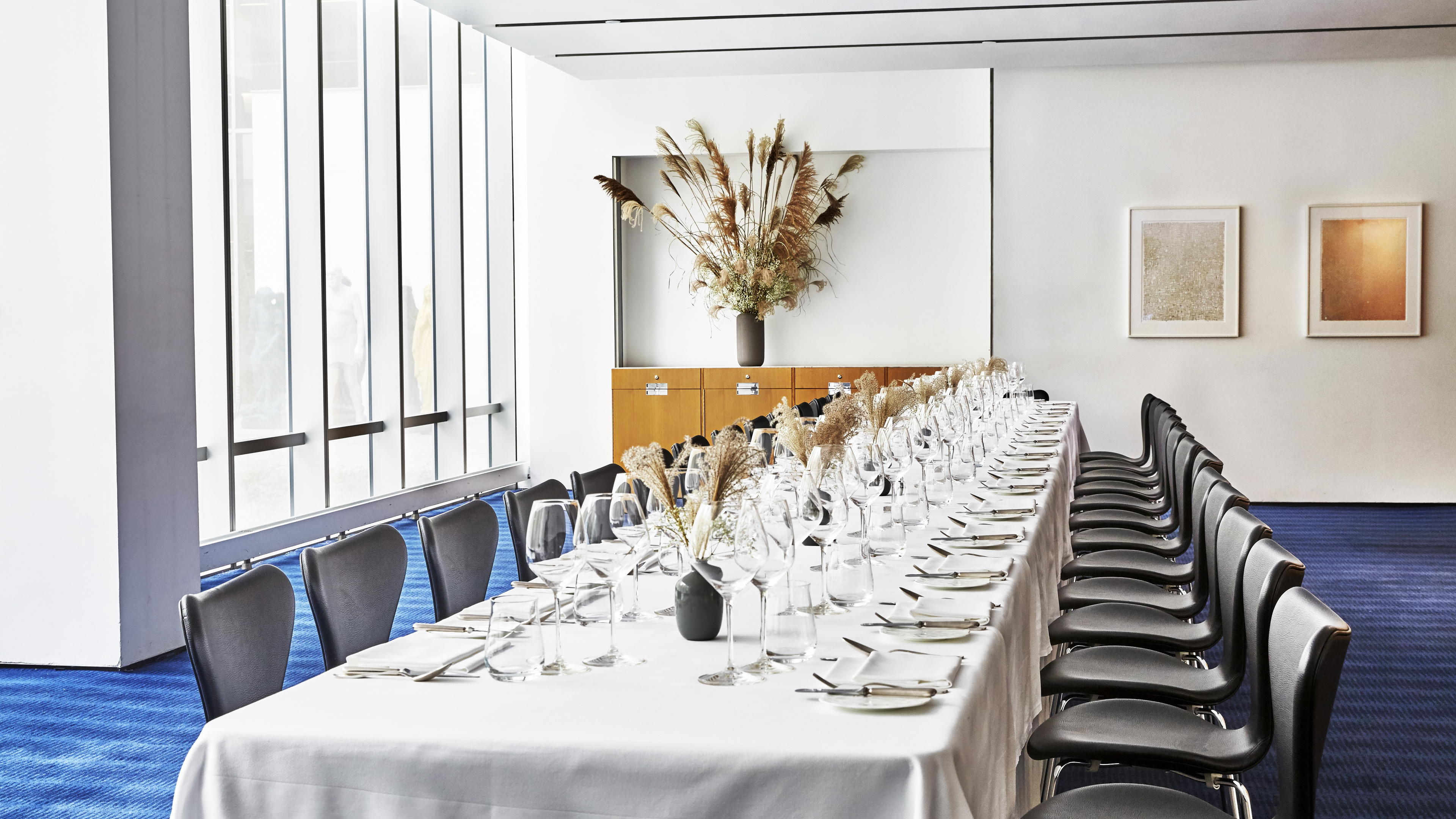
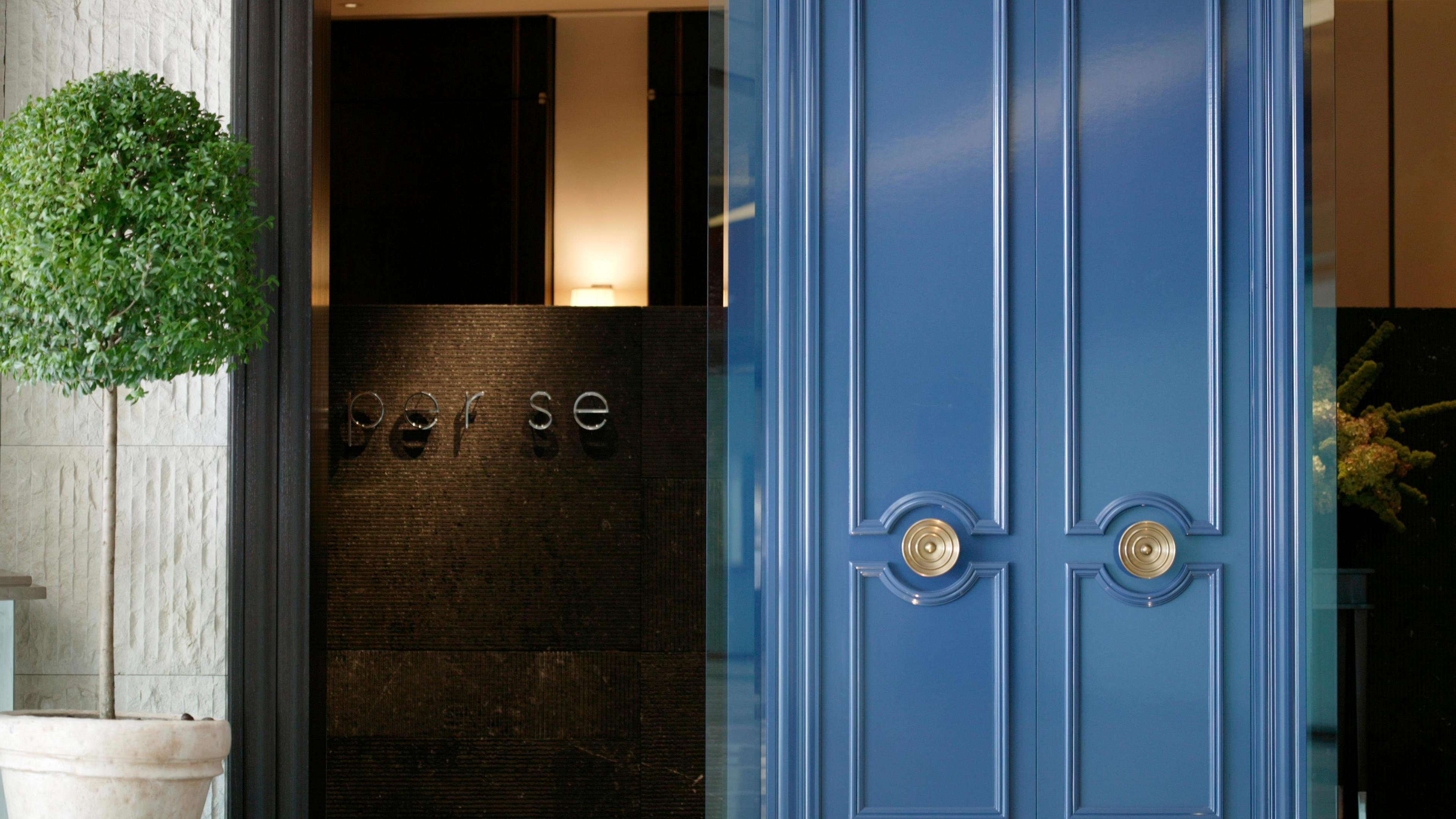
Bars in New York City
Browse all →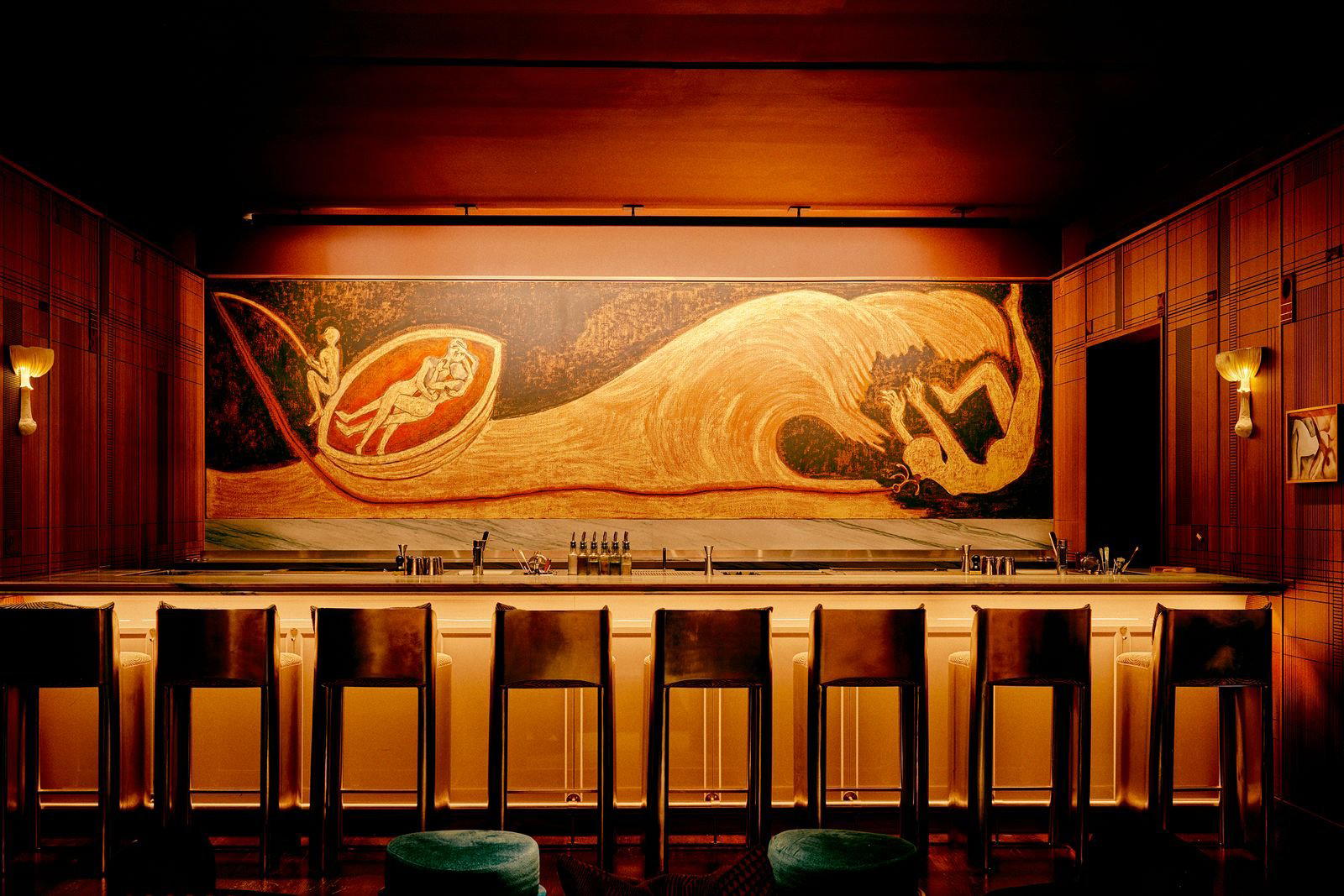
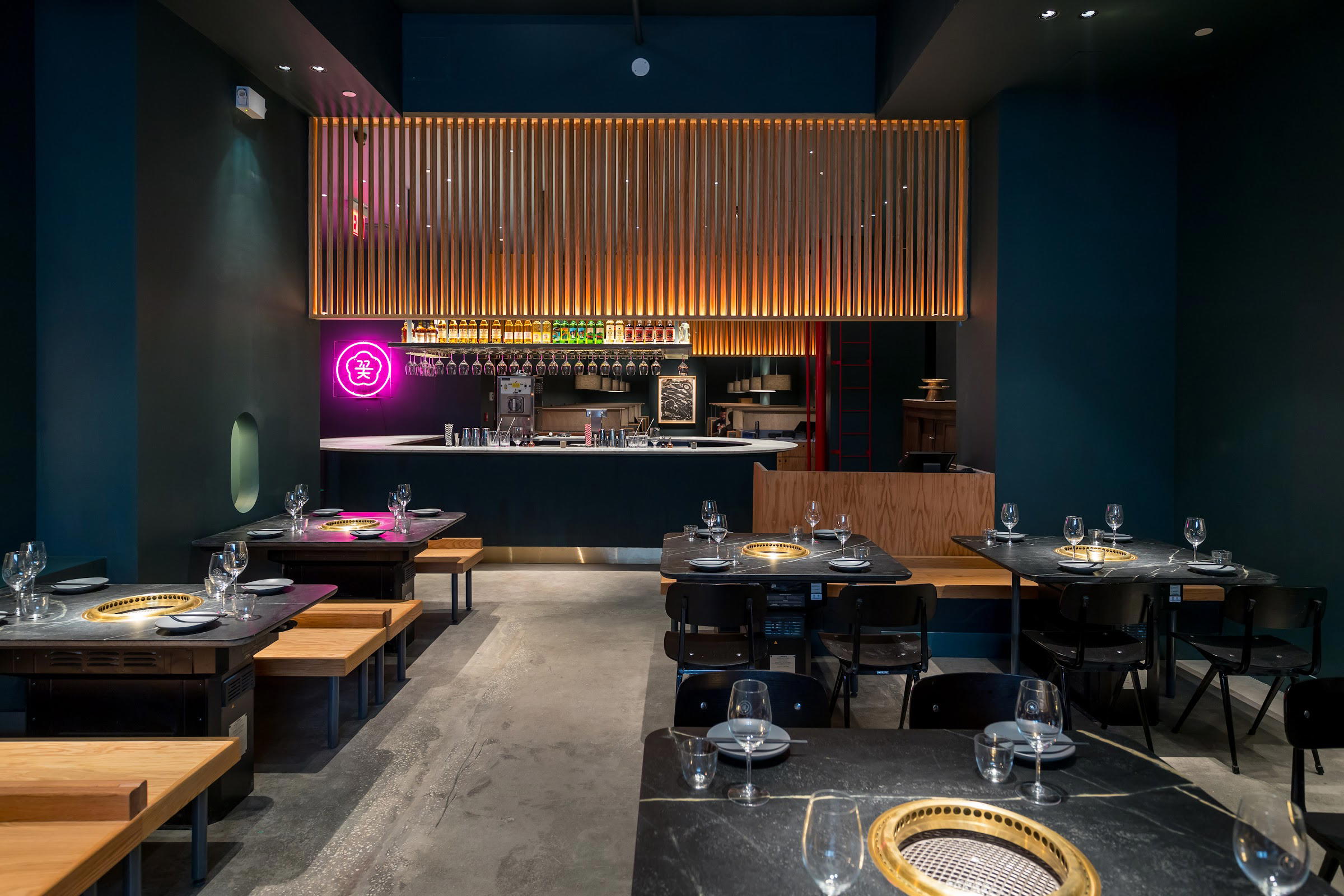
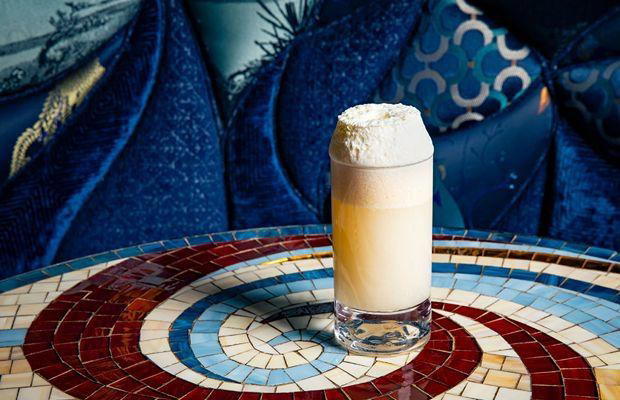
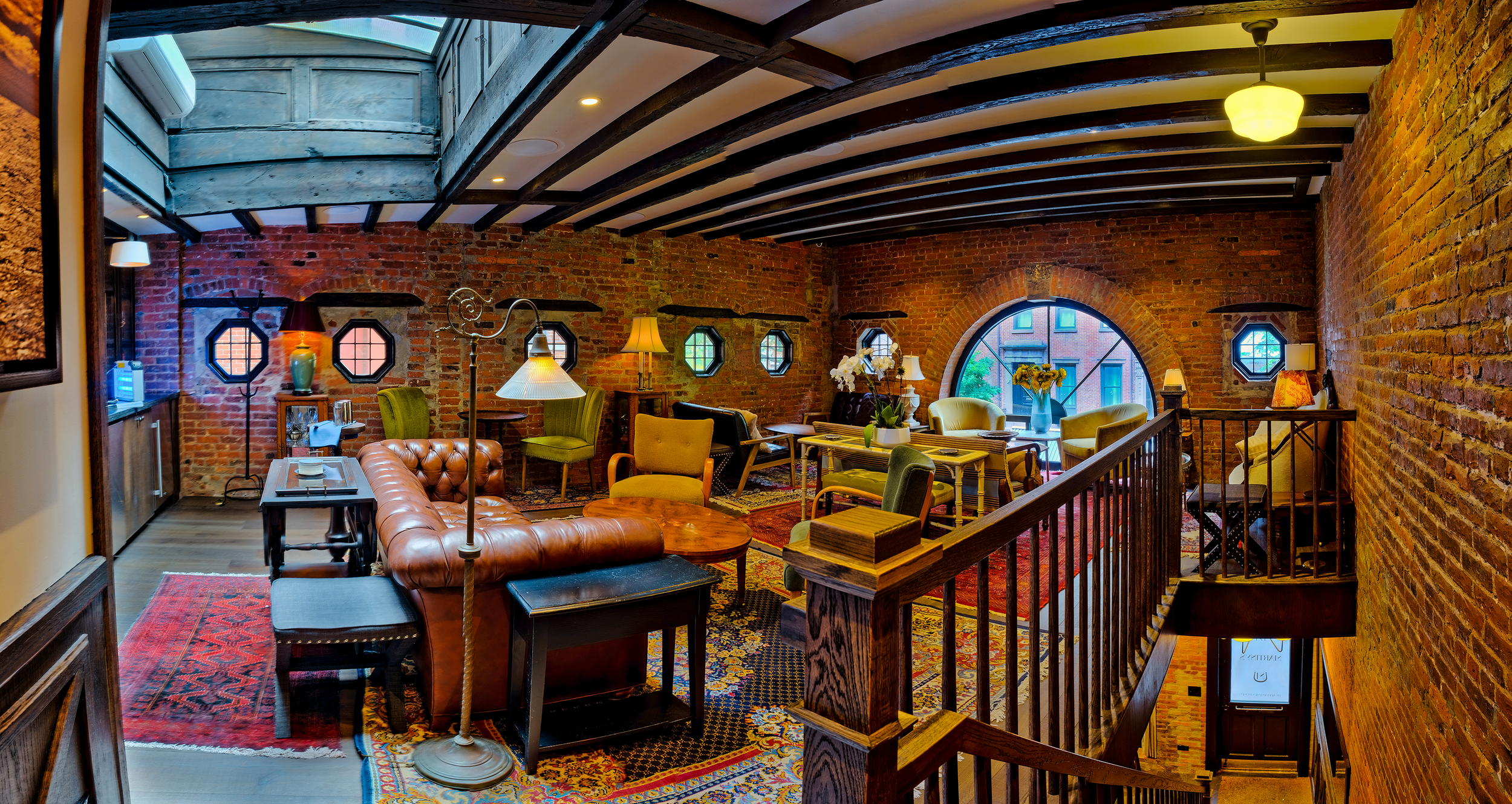
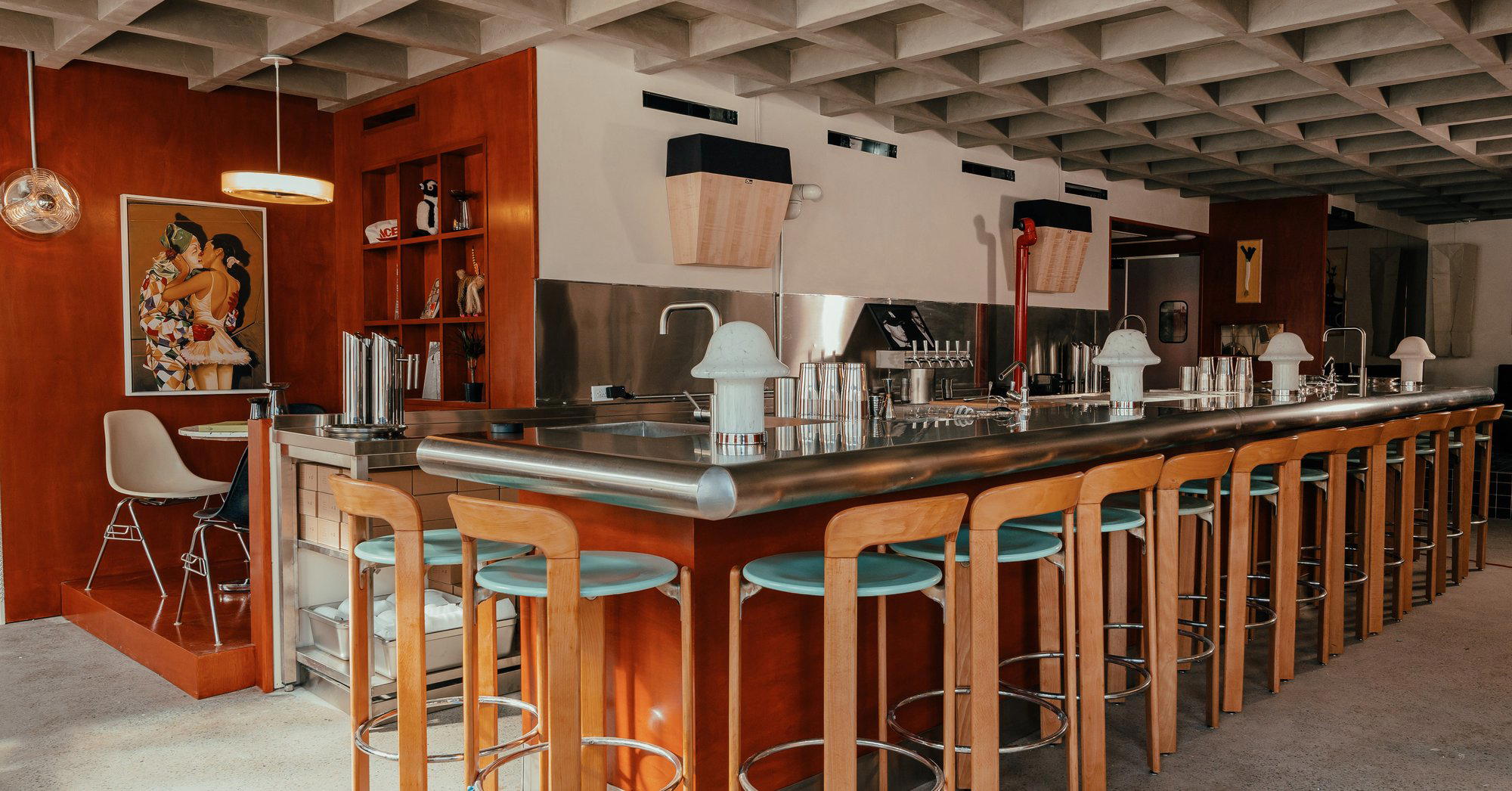
Hotels in New York City
Browse all →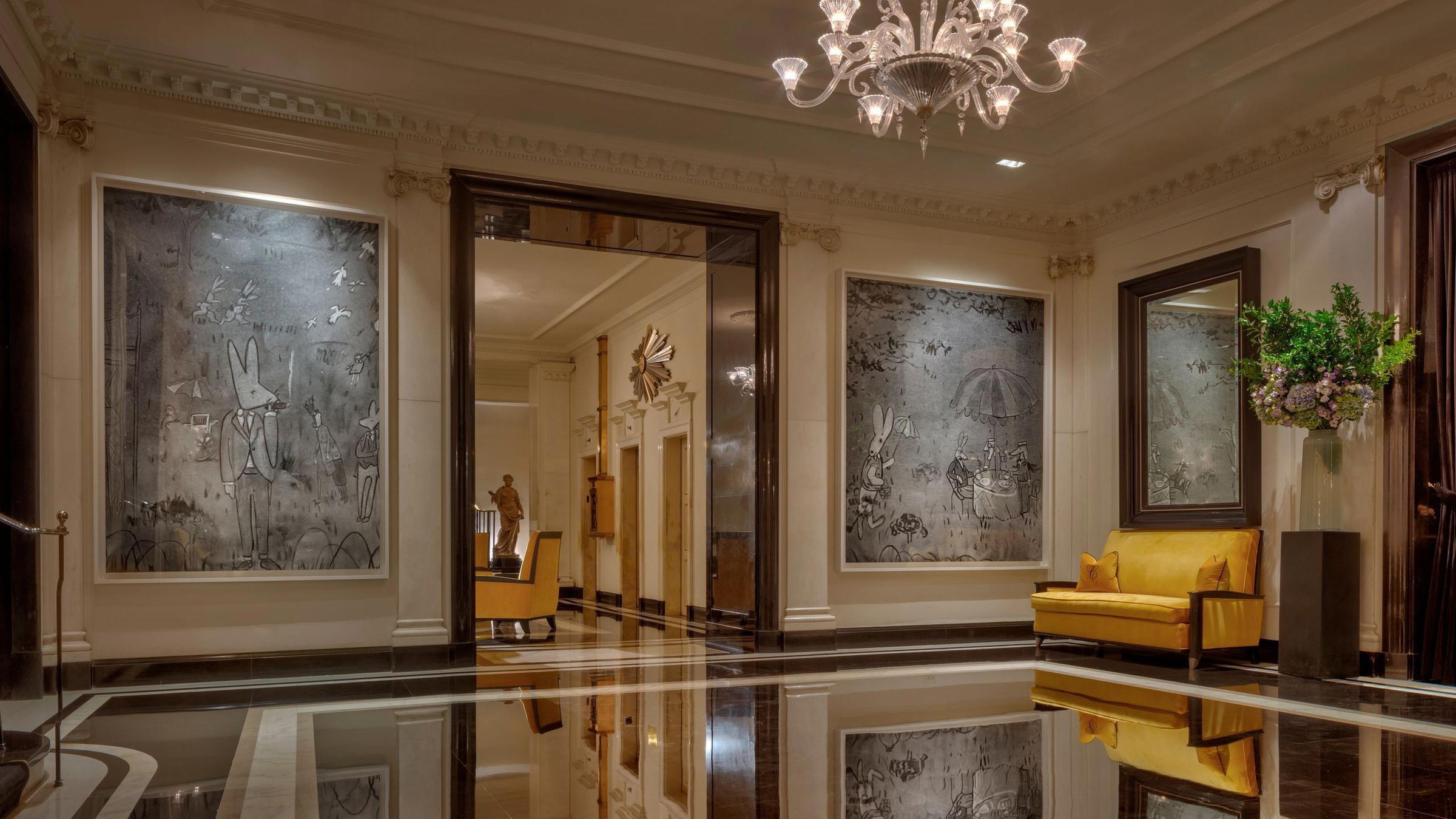





At a Glance
- Modern
- Lively
- Intimate
- Trendy
- Casual Hangout
- Group Dining
- Special Occasion
- Open Kitchen
- Craft Cocktails
Current opening hours
- Monday
- 5–10 PM
- Tuesday
- 5–10 PM
- Wednesday
- 5–10 PM
- Thursday
- 5–10 PM
- Friday
- 5–11 PM
- Saturday
- 11 AM–11 PM
- Sunday
- 11 AM–10 PM
Hours can change for holidays and private events. Last verified .
Charming and bustling with a modern, fresh vibe; open kitchen allows diners to watch pasta being made by hand.