Aulis Cartmel
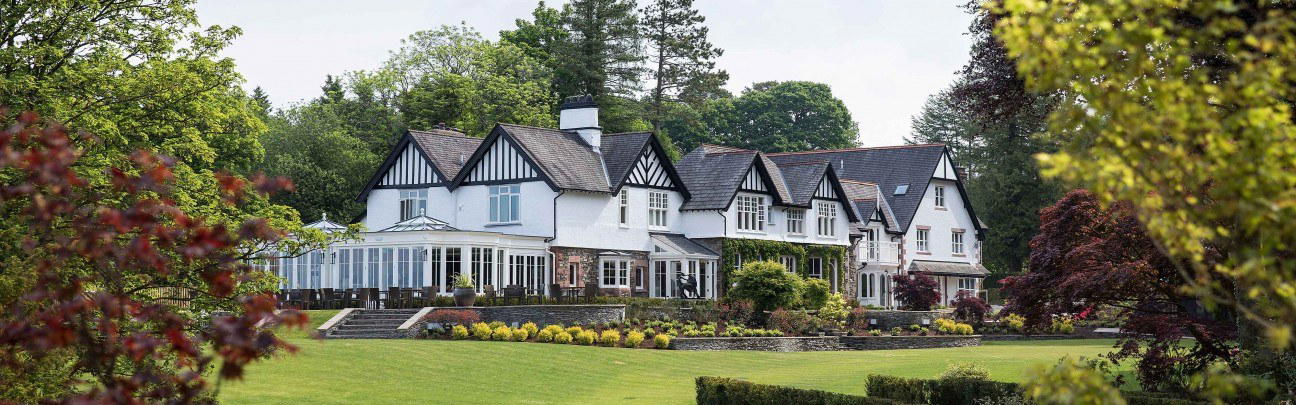
Aulis Cartmel sits in the village of Cartmel, in the Cumbrian countryside that has made this corner of England one of Britain's most closely watched dining destinations. As a chef's table and development kitchen format, it operates at the edge of what the broader L'Enclume ecosystem is thinking about next, with sourcing from the same farming network that has helped define hyper-local fine dining in the north of England.
Pearl is the En Primeur Club membership app — saves, bookings, and concierge access live there. Same editors, same standards.
- Address
- Cavendish St, Cartmel, Grange-over-Sands LA11 6PZ, United Kingdom
- Phone
- +441539536362
- Website
- aulis.co.uk
- Directions
- Get directions
 Saves & bookings on Pearl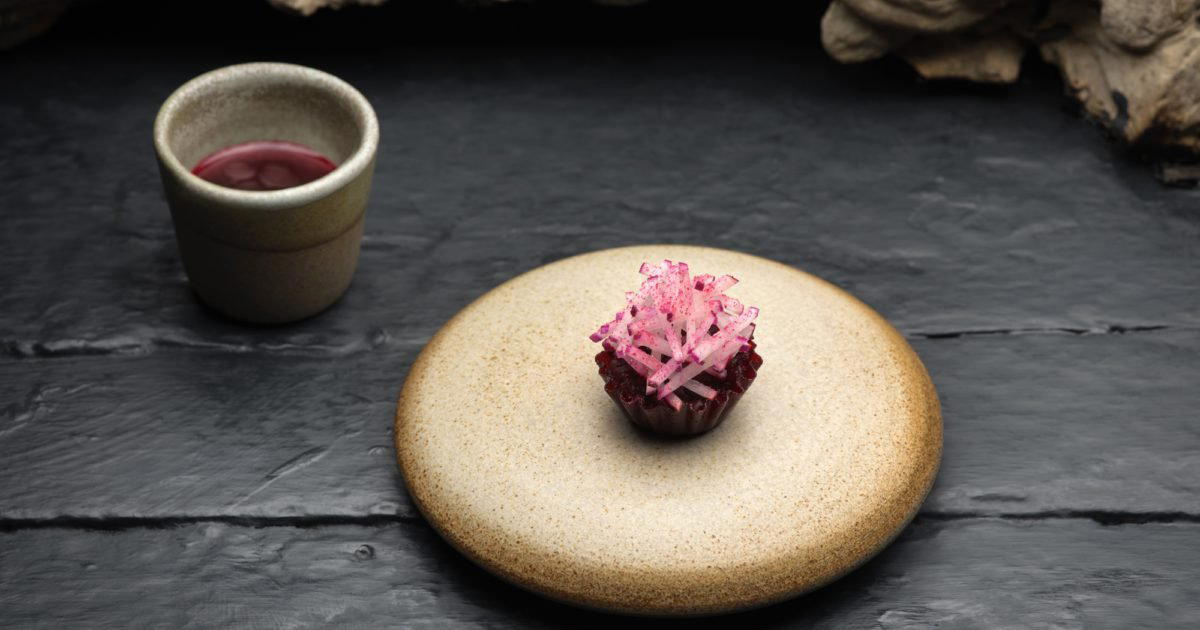
Where Cumbria's Farming Network Meets a Counter-Format Kitchen
Aulis Cartmel is a modern British fine dining restaurant in Cartmel, Cumbria, with a price point around $175 per person. That outcome is not accidental. The agricultural geography of the Cartmel Valley and the surrounding Lake District fells gives serious kitchens here access to produce that would require considerably more logistics if you were working from, say, London or Birmingham. The farms are close, the foragers know the chefs by name, and the supply chain is genuinely short. L'Enclume in Cartmel built much of its national reputation on precisely that premise, and Aulis operates within the same sourcing philosophy.
The format at Aulis is a counter-seat chef's table, the kind of arrangement that has become the preferred structure for ambitious kitchens that want a controlled, high-engagement dining environment. It is a format now found across British fine dining, from chef's table annexes at London operations like CORE by Clare Smyth to rural destination restaurants such as Ynyshir Hall in Machynlleth. At its leading, the counter eliminates the distance between kitchen and guest, making sourcing provenance part of the conversation rather than a paragraph buried in the menu header.
The Provenance Logic Behind Rural Cumbrian Kitchens
The sourcing advantage that Cumbrian kitchens operate with is not simply about proximity. It is about the specificity of what grows and grazes here. Herdwick sheep from the fells produce lamb and mutton with a flavour profile that is shaped by the mineral content of the upland pasture. Coastal foraging along Morecambe Bay yields samphire and sea vegetables that have a saltiness calibrated by tidal estuary conditions. Freshwater fish from the local tarns supplement what would otherwise require supply from distant ports. This kind of ingredient specificity, where the geography of a specific valley is legible in the food on the plate, is what separates hyper-local fine dining from simply buying good produce. The distinction matters when you are comparing this tier of British cooking against peers like Moor Hall in Aughton, which draws on the agricultural richness of Lancashire, or Gidleigh Park in Chagford, which works with Dartmoor producers.
Aulis, as a development kitchen format, sits at a particular position in this ecosystem. Where a flagship dining room is expected to deliver consistent execution of an established menu, a chef's table development space carries a different obligation: it is the place where ideas about those local ingredients are tested, refined, and occasionally retired before they reach the main room. For a diner, this means the counter experience is closer to the kitchen's thinking than almost any other format available. What you encounter at Aulis is, in a meaningful sense, what the kitchen believes right now, not what it confirmed two seasons ago.
The Village Context and What It Requires of a Visitor
Cartmel is not a destination you arrive at by accident. The village sits off the A590, accessible from junction 36 of the M6, but the final approach through country lanes makes clear that this is a journey with intent. Visitors typically base themselves overnight, either in Cartmel itself or in nearby Grange-over-Sands, a short drive south along the Leven estuary. That overnight requirement is a structural feature of destination dining in rural England, one shared by properties like Le Manoir aux Quat' Saisons in Great Milton and Restaurant Andrew Fairlie in Auchterarder, where the journey is considered part of the proposition.
The village itself offers some context for the meal. Cartmel Priory, a twelfth-century Augustinian church that survived the dissolution of the monasteries, dominates the central square. The sticky toffee pudding sold from the village produce store has its own minor cult following. The co-existence of historic agricultural tradition and some of England's most technically considered cooking is not a contradiction; it is what makes Cartmel a coherent place rather than a destination assembled from restaurant press releases. For nearby dining options of a more casual register, Harry's Café in Grange-over-Sands offers an accessible counterpoint.
Counter-Format Dining Across British Fine Dining
Britain's fine dining counter format has matured considerably over the past decade. Early versions leaned on theatre and spectacle, the revelation of a hidden room, the performance of tableside technique. The current generation of serious counter operations, from Restaurant Sat Bains in Nottingham to Midsummer House in Cambridge, have shifted toward quieter technical confidence, where the interest is in the food's internal logic rather than the presentation's drama. The chef's table at a development kitchen sits at the furthest point along that trajectory. There is no main dining room to hide behind; the counter is the whole proposition.
Internationally, the format has precedents in the omakase tradition, where the chef's choice format at a small counter creates an unmediated relationship between the kitchen's current thinking and the diner's experience. In American terms, operations like Lazy Bear in San Francisco have developed a communal counter-adjacent format with similar ambitions. At the highest technical level, the counter's merit rests on whether the kitchen's ideas are strong enough to sustain close scrutiny without the softening effects of a full dining room environment. British operations that hold that scrutiny well include The Glenturret Lalique in Crieff and hide and fox in Saltwood, both of which operate in small-seat, high-engagement formats.
Planning a Visit
Aulis Cartmel is located on Cavendish Street in Cartmel village, LA11 6PZ. Given the rural setting and the format's inherent capacity limits, advance booking is expected. An overnight stay in the area is the practical default; the drive from the M6 is direct but the last stretch is not suited to a late-night return without local knowledge. For those building a broader Lake District food itinerary, the concentration of serious cooking within a thirty-mile radius, including Opheem in Birmingham as a southern anchor for a wider UK food trip, makes Cartmel a logical centrepiece rather than an isolated pilgrimage. Those comparing rural British fine dining at this tier should also consider Hand and Flowers in Marlow and Waterside Inn in Bray as benchmarks in the accessible-but-destination category.
Comparable Venues
Comparable venues nearby, for context on price, style, and recognition.
| Venue | Cuisine | Price | Notes |
|---|---|---|---|
| Aulis CartmelThis venue — the venue you are viewing | Modern British Fine Dining | $$$$ | Not listed |
| Harry's Café | British Café with Local Seasonal Produce | $$ | Low Newton |
| The Forest Side | Modern British Michelin-starred tasting menus | $$$$ | Grasmere |
| Marcus | Contemporary British Fine Dining | $$$$ | Belgravia |
| chefsTABLE at TRUEfoods | Modern British Tasting Menu | $$$$ | Melmerby |
| Davies and Brook | Modern British Fine Dining | $$$$ | Mayfair |
Continue exploring
More in Grange Over Sands
Restaurants in Grange Over Sands
Browse all →
Bars in Grange Over Sands
Browse all →
At a Glance
- Intimate
- Elegant
- Sophisticated
- Special Occasion
- Chefs Counter
- Open Kitchen
- Extensive Wine List
- Local Sourcing
- Organic
Current opening hours
- Monday
- Closed
- Tuesday
- 7–8 PM
- Wednesday
- 12–1:30 PM, 7–8 PM
- Thursday
- 12–1:30 PM, 7–8 PM
- Friday
- 12–1:30 PM, 7–8 PM
- Saturday
- 12–1:30 PM, 7–8 PM
- Sunday
- Closed
Hours can change for holidays and private events. Last verified .
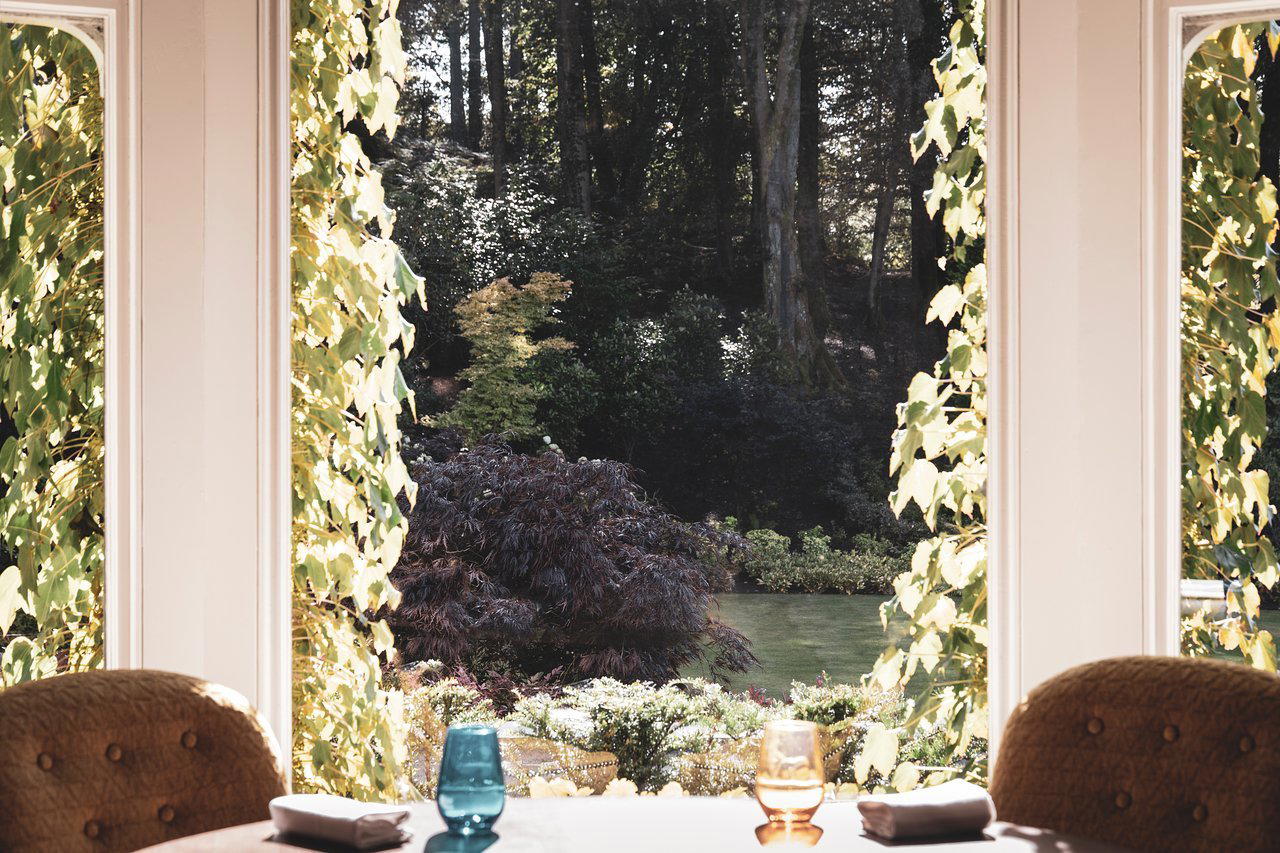
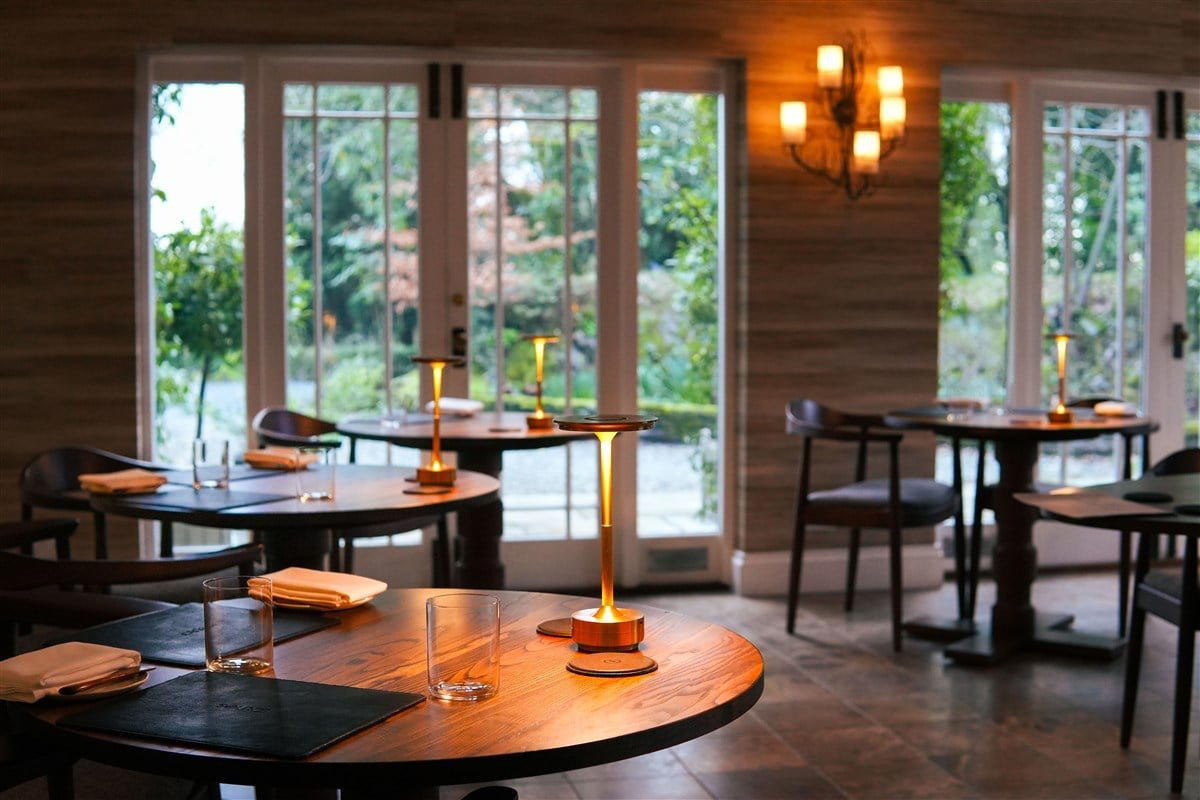
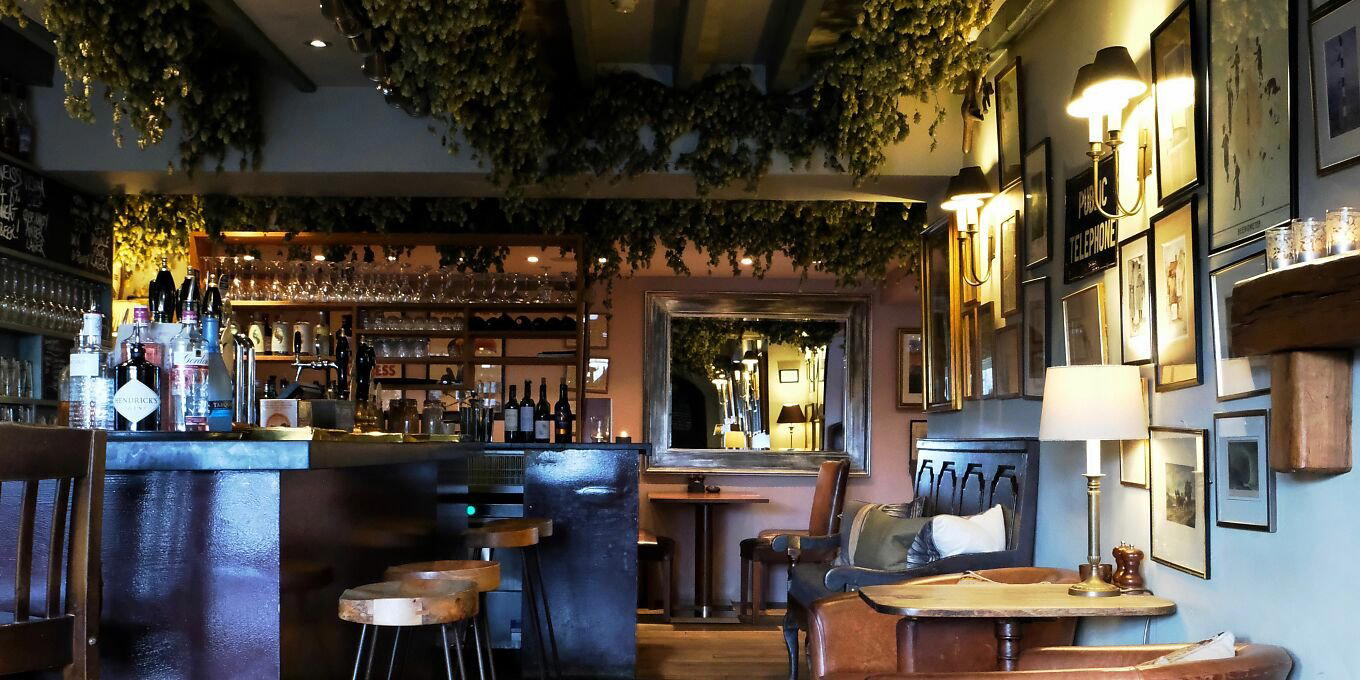
Intimate and interactive atmosphere in a small development kitchen with focus on the chef's craft and natural ingredients.