Our verdict
Auberge de Mens sits at the edge of the Trièves plateau in southeastern France, a region where the Vercors massif and the Dévoluy mountains create the kind of agricultural isolation that tends to produce quietly serious cooking. The auberge format here belongs to a French tradition that prizes proximity to the land over metropolitan gloss, placing it in a different register from the trophy-dining circuit entirely.

Pearl is the En Primeur Club membership app, where members save venues, book tables and use the concierge.
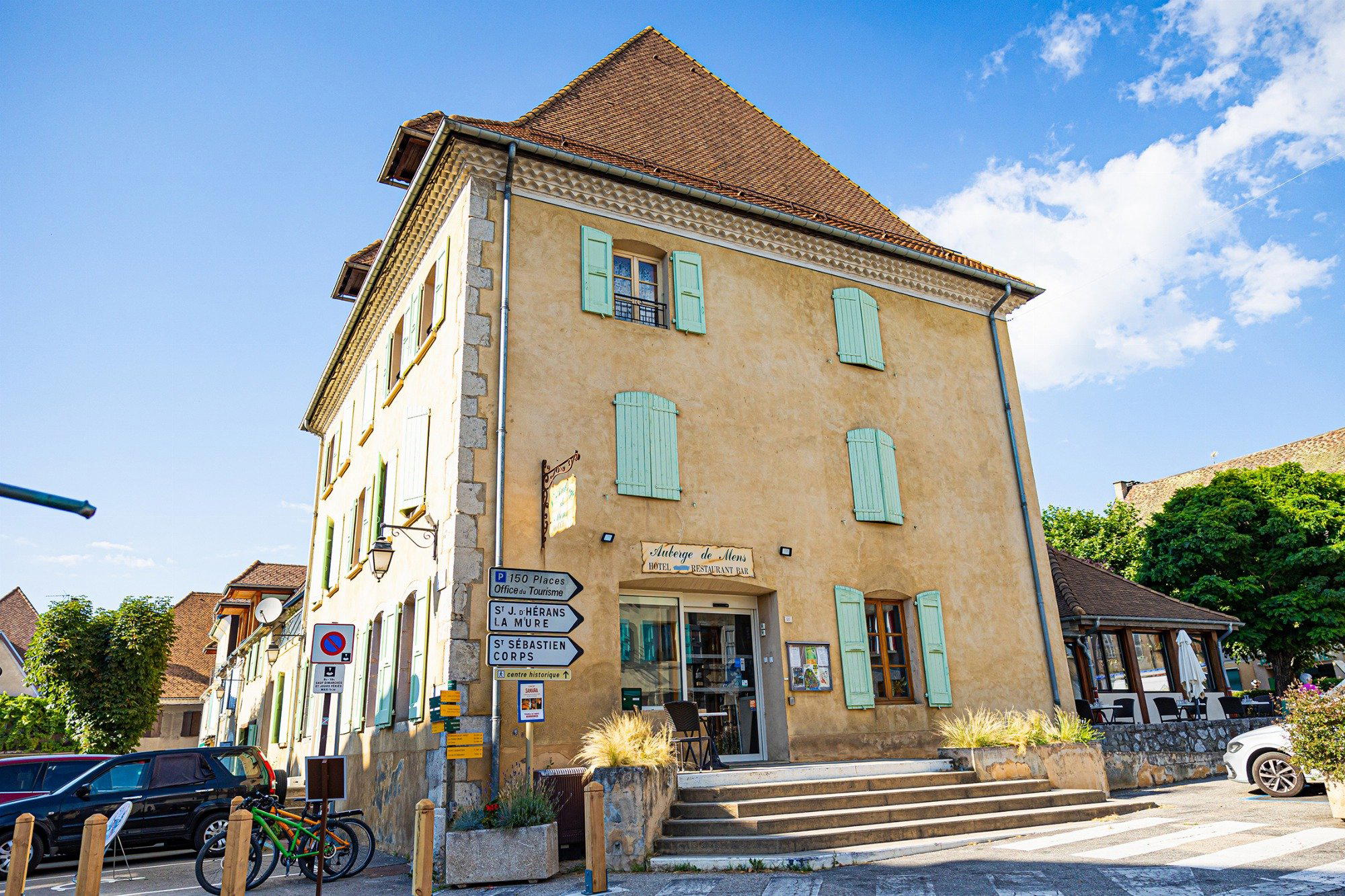
Where the Trièves Plateau Meets the Table
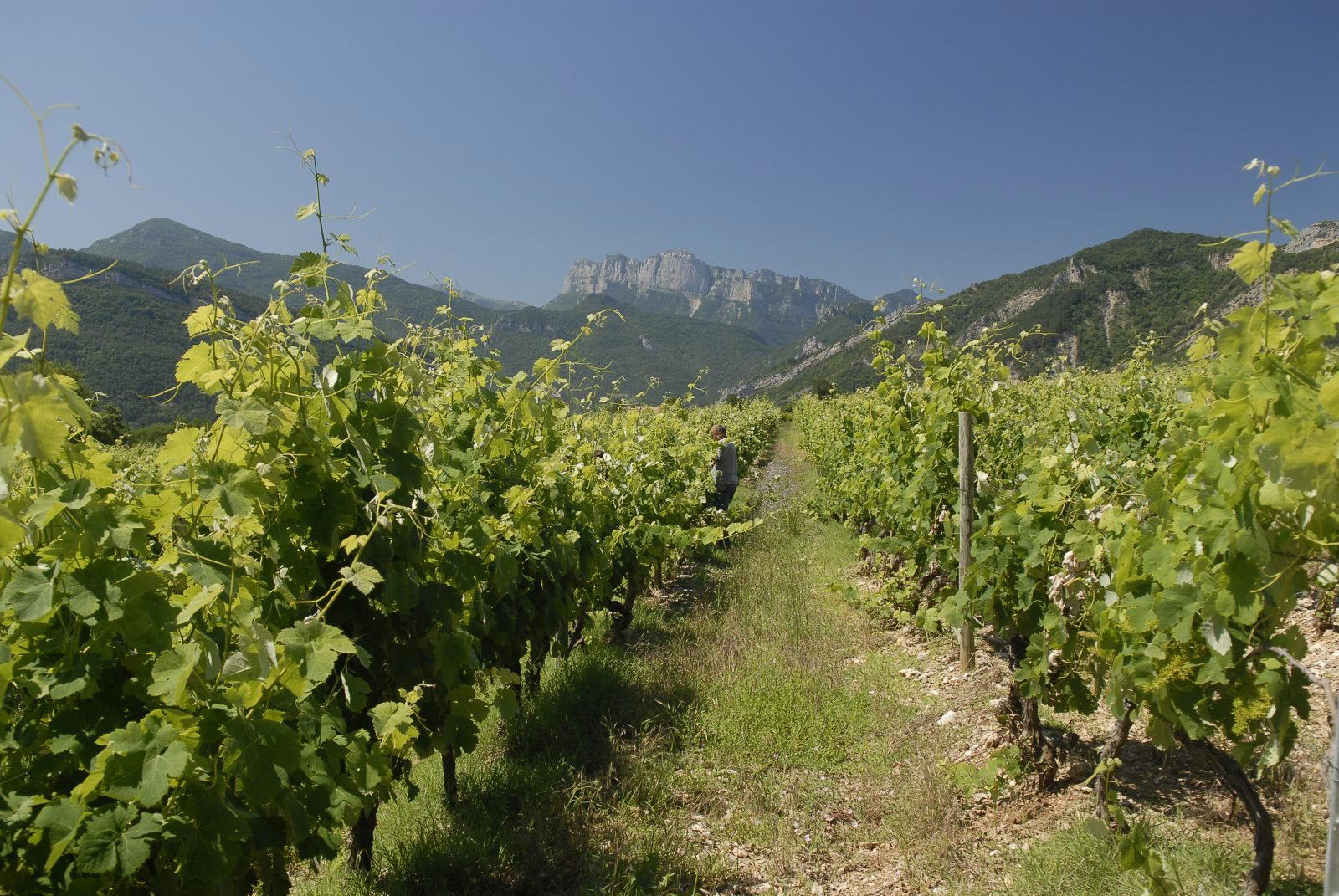
Approach Mens from any direction and the scale of the surrounding landscape recalibrates expectations before you arrive. The town sits at roughly 800 metres on the Trièves plateau, a high agricultural basin enclosed by the Vercors massif to the west, the Dévoluy to the east, and the Obiou peak visible to the south. This is not the France of coastal promenades or Parisian arrondissements. It is farming country, with the kind of altitude and exposure that shapes what grows, what gets raised, and ultimately what ends up on a plate. Auberge de Mens, at 120 Rue du Breuil, occupies that context directly. The auberge format has deep roots in French provincial life: an inn that feeds people, where the sourcing geography is defined by what can reasonably be carried or driven in from the surrounding hills.
The Auberge Tradition and Why It Still Matters
France's dining conversation tends to concentrate on its three-star monuments. Names like Mirazur in Menton, Alléno Paris au Pavillon Ledoyen, and Flocons de Sel in Megève pull most of the critical oxygen. But the auberge, a category sitting well below that tier in price and scale, represents something the starred circuit frequently cannot: genuine rootedness in a single agricultural terroir. Places like Auberge du Vieux Puits in Fontjoncouse and Auberge de l'Ill in Illhaeusern demonstrate that the auberge can carry serious culinary ambition, but the format's foundational premise remains local supply and community hospitality, not destination-dining theatre. In a region as geographically contained as the Trièves, that premise is not marketing language. It is practical reality: the plateau's farms, small producers, and seasonal rhythms form the supply chain by default.
Ingredient Sourcing in an Enclosed Plateau Economy
The Trièves is unusual among French agricultural regions for its combination of altitude, shelter from Mediterranean influence, and relative distance from major distribution networks. That combination pushes kitchens in towns like Mens toward shorter, more local supply lines than would be typical in, say, a Loire Valley market town or an Alpine resort with easy motorway access. Lamb from the plateau's flocks, dairy from small mountain operations, foraged elements from the surrounding forests, and river-sourced proteins are all plausible components of what a serious kitchen in this location would build around. Establishments in comparable French mountain zones, the Aubrac region around Bras in Laguiole, or the Burgundy countryside near Maison Lameloise in Chagny, have long demonstrated that geographic constraint becomes creative advantage when a kitchen leans into it rather than compensating with imported luxury ingredients. The Trièves context suggests a similar operating logic for any serious kitchen working here.
This sourcing specificity matters for a reader deciding whether to make the drive. The Trièves plateau is not on the way to anywhere obvious. Grenoble lies about 65 kilometres north, Gap roughly 80 kilometres southeast. Anyone arriving at Auberge de Mens on the Rue du Breuil has made a deliberate choice rather than a convenient detour. That self-selecting audience tends to reward the kind of cooking that prioritises place-specific ingredients over crowd-pleasing technique borrowed from elsewhere.
Placing Mens in the Broader Provincial Dining Pattern
France's provincial fine-dining tier has undergone a significant shift over the past two decades. The generation of grandes maisons anchored in small towns, Georges Blanc in Vonnas, Les Prés d'Eugénie in Eugénie-les-Bains, Paul Bocuse's Auberge du Pont de Collonges, built reputations over decades through institutional continuity. Below that layer, a different kind of provincial restaurant has emerged: smaller, less formally coded, more directly connected to a specific agricultural geography. Mens, with a population of under 1,500, sits within this second pattern. The town's scale means a dining room here operates with a proximity to local supply that a city restaurant simply cannot replicate through sourcing effort alone. It is a structural advantage that a number of France's most interesting small-town kitchens have learned to articulate as a point of difference from urban peers. For context on how this dynamic plays out at the premium end of the scale internationally, operations like Lazy Bear in San Francisco or Le Bernardin in New York City represent the urban counterpoint: ambitious sourcing programs that compensate through budget and buyer relationships for what they cannot access by geography.
Planning a Visit to Mens
Mens is most practically reached by car. The D1075 from Grenoble through Monestier-de-Clermont is the most direct northern approach, taking roughly 75 to 80 minutes depending on conditions. From the south, the route through Corps and the Drac valley is slower but more scenic. The town does not have a train station; the nearest rail connection is at Clelles-Mens on a regional line, but service is limited and a car remains the functional option for most visitors. Given the remoteness of the Trièves relative to major French cities, building a stay around the region rather than a day trip makes more sense. The plateau offers walking terrain, and the drive itself along the Drac gorge justifies the journey independent of any single meal. For a broader picture of what the area offers in terms of eating and drinking, see our full Mens restaurants guide.
Anyone comparing a visit here against the Provence circuit, L'Oustau de Baumanière in Les Baux, La Table du Castellet, or La Vague d'Or in Saint-Tropez, should expect a different register entirely. The Trièves is cooler, quieter, and lacks the resort infrastructure of those southern destinations. What it offers instead is a more contained, less performative experience of rural France.
Frequently asked questions
Is Auberge de Mens okay with children?
The auberge tradition in France has always been family-oriented by design, and Mens itself is a small market town rather than a destination geared toward adult-only dining scenes. Nothing in the venue's profile suggests a policy against children. That said, confirm directly when booking, as hours and seating arrangements at smaller provincial auberges can vary seasonally.
What's the overall feel of Auberge de Mens?
Mens sits at roughly 800 metres on the Trièves plateau, ringed by the Vercors and Dévoluy massifs, and the town's scale sets the tone before you reach the door. Auberge de Mens operates within the classic French auberge format: a stopping place that is part restaurant, part local institution, oriented toward the rhythm of the surrounding agricultural community rather than the performance of urban fine dining.
Is Auberge de Mens a good base for exploring the Trièves plateau by car?
Mens is the principal market town of the Trièves and sits at roughly 800 metres, making it a practical hub for the plateau's villages, farms, and access routes toward the Vercors and Dévoluy massifs. The D1075 connects it to Grenoble in approximately 75 minutes. Staying or eating at the Auberge at 120 Rue du Breuil places you at the geographic and commercial centre of the region, which is useful if the surrounding terrain is the actual draw.
What do people recommend at Auberge de Mens?
Visitors consistently position it within the broader provincial auberge tradition, where seasonal availability drives what lands on the table. Ask staff what is in from local producers on the day you arrive.
Where exactly is Auberge de Mens?
Auberge de Mens is located at 120 Rue du Breuil, 38710 Mens, France, Mens.
How hard is it to get a table at Auberge de Mens?
Mens is a small town of under 2,000 residents, and the Auberge sits at 120 Rue du Breuil rather than on a tourist circuit with heavy footfall. Advance booking is advisable in summer and during market weekends, when the town draws visitors from Grenoble and the surrounding valleys. Outside peak season, walk-in availability is more likely, though no booking data is publicly documented.
What's the signature at Auberge de Mens?
No single dish has been formally documented as the venue's signature in editorial sources. The Trièves plateau's agricultural character, altitude, shelter from Mediterranean influence, and relative isolation, points toward an approach grounded in local seasonal produce rather than a fixed showpiece preparation. The auberge format itself is arguably the signature: a regional anchor serving its community and occasional travellers, not a menu engineered for critical recognition.
At-a-Glance Comparison
| Venue | Cuisine | Price | Awards | Notes |
|---|---|---|---|---|
| Auberge de MensThis venue (the venue you are viewing) | Local French Bistro with Seasonal Twists | $20–30 | Not listed | Not listed |
| Mirazur | Modern French Fine Dining | $300–500 | 3 Michelin Stars · World's 50 Best #1 | Modern French, Creative |
| Alléno Paris au Pavillon Ledoyen | Modern French Fine Dining | $150–200 | 3 Michelin Stars · World's 50 Best #79 | Creative |
| Kei | Modern French with Japanese Influences | $300–500 | 3 Michelin Stars · World's 50 Best #93 | Contemporary French, Modern Cuisine |
| L'Ambroisie | Classic French Haute Cuisine | $300–500 | 2 Michelin Stars · World's 50 Best #23 | French, Classic Cuisine |
| Le Cinq - Four Seasons Hôtel George V | Modern French Fine Dining | $300–500 | 3 Michelin Stars · World's 50 Best #24 | French, Modern Cuisine |
Continue exploring
More in Mens
Restaurants in Mens
All restaurants in Mens →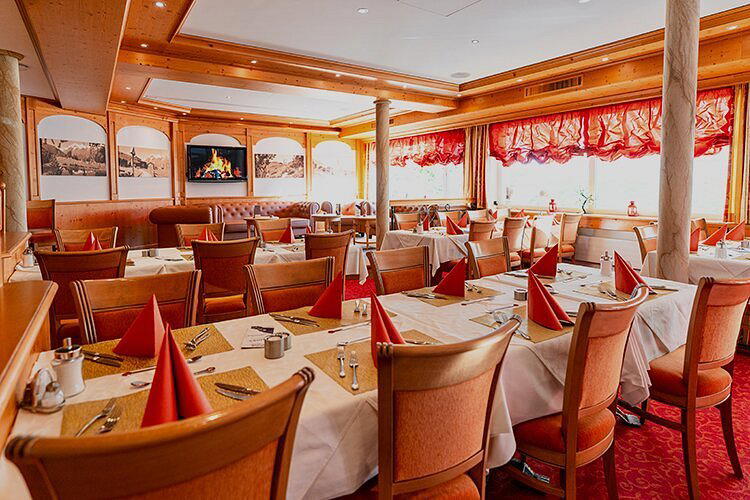

Details
- Rustic
- Cozy
- Classic
- Family
- Casual Hangout
- Terrace
- Hotel Restaurant
- Extensive Wine List
- Local Sourcing
- A La Carte
- Vegetarian Friendly
- Gluten Free Options
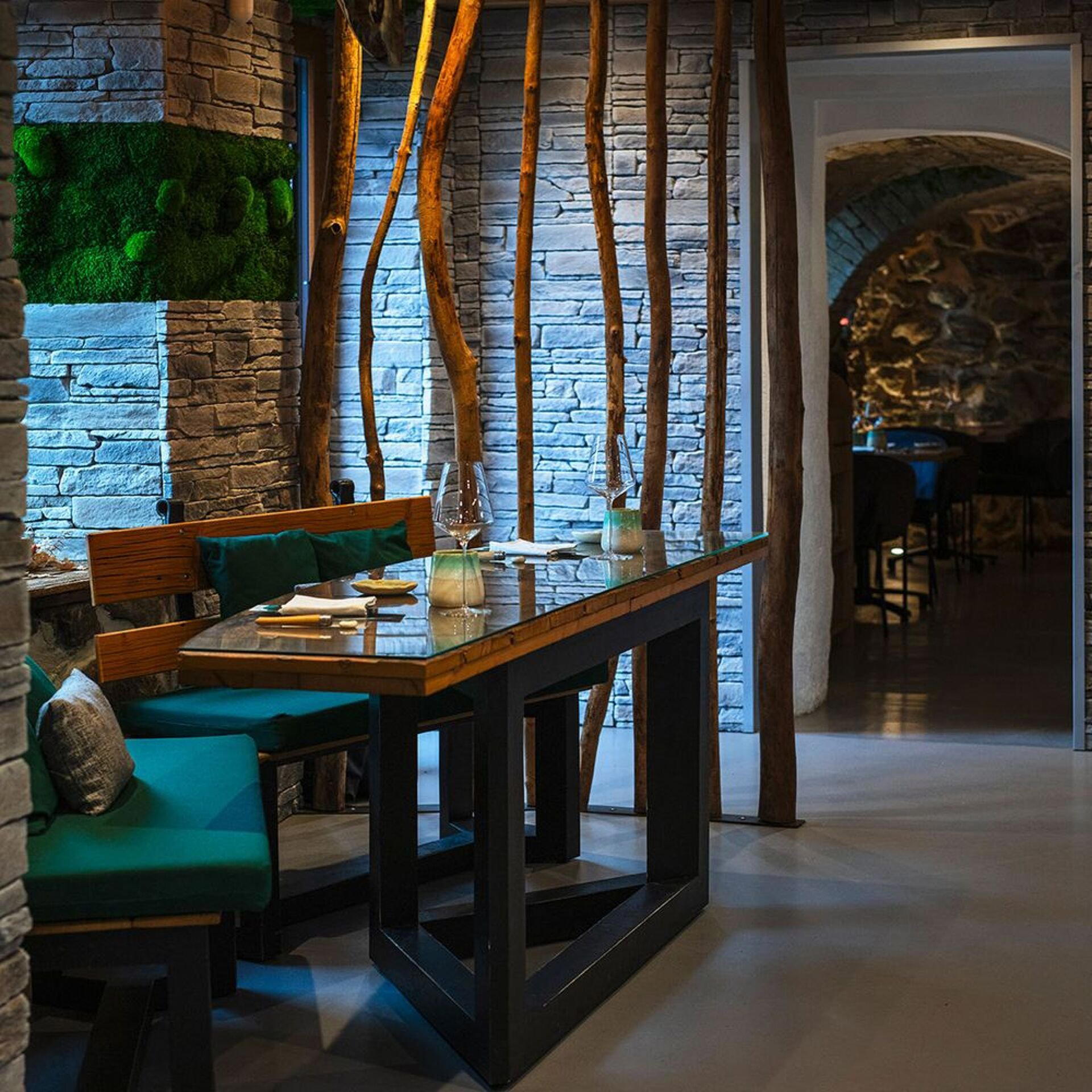
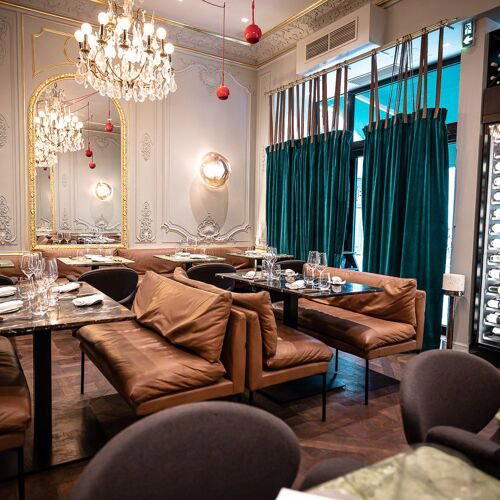
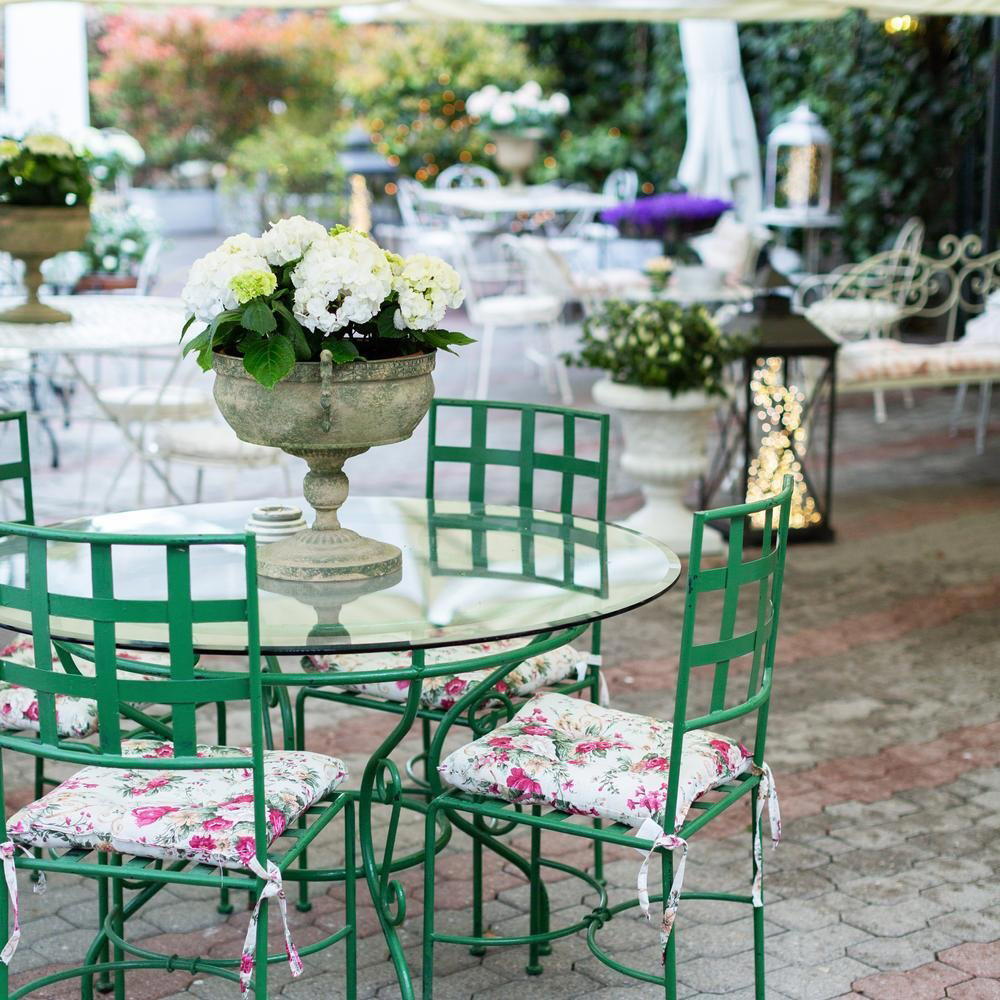
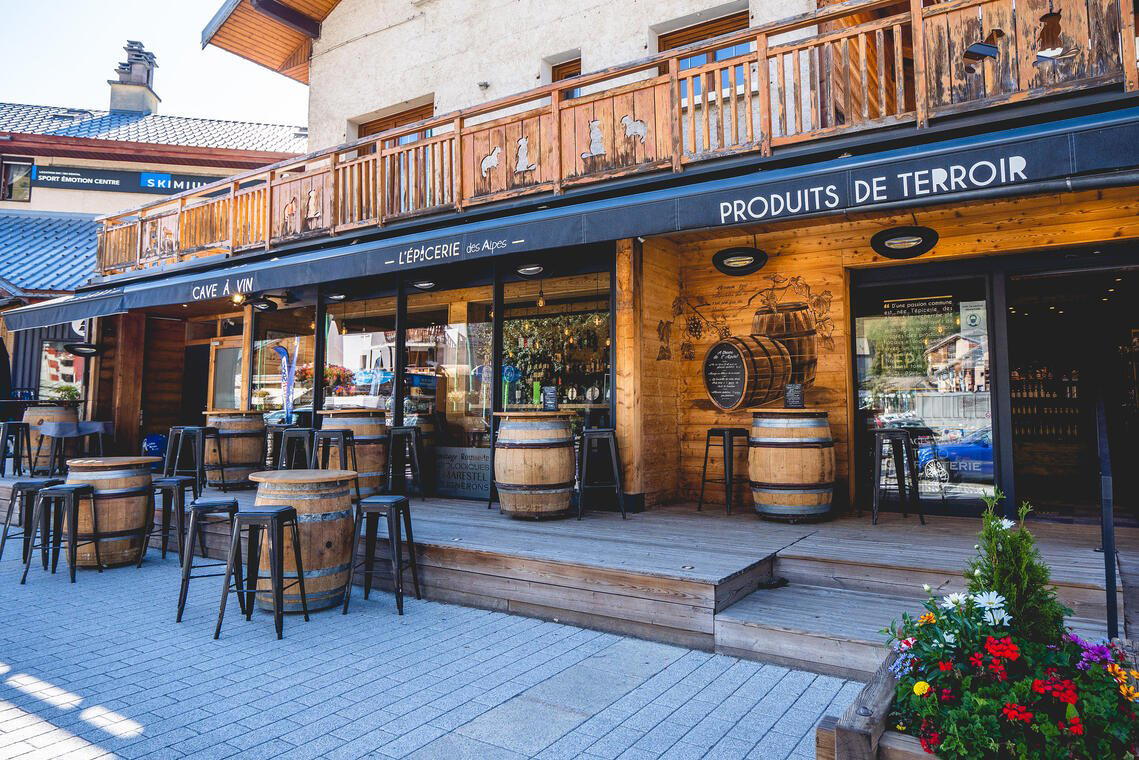
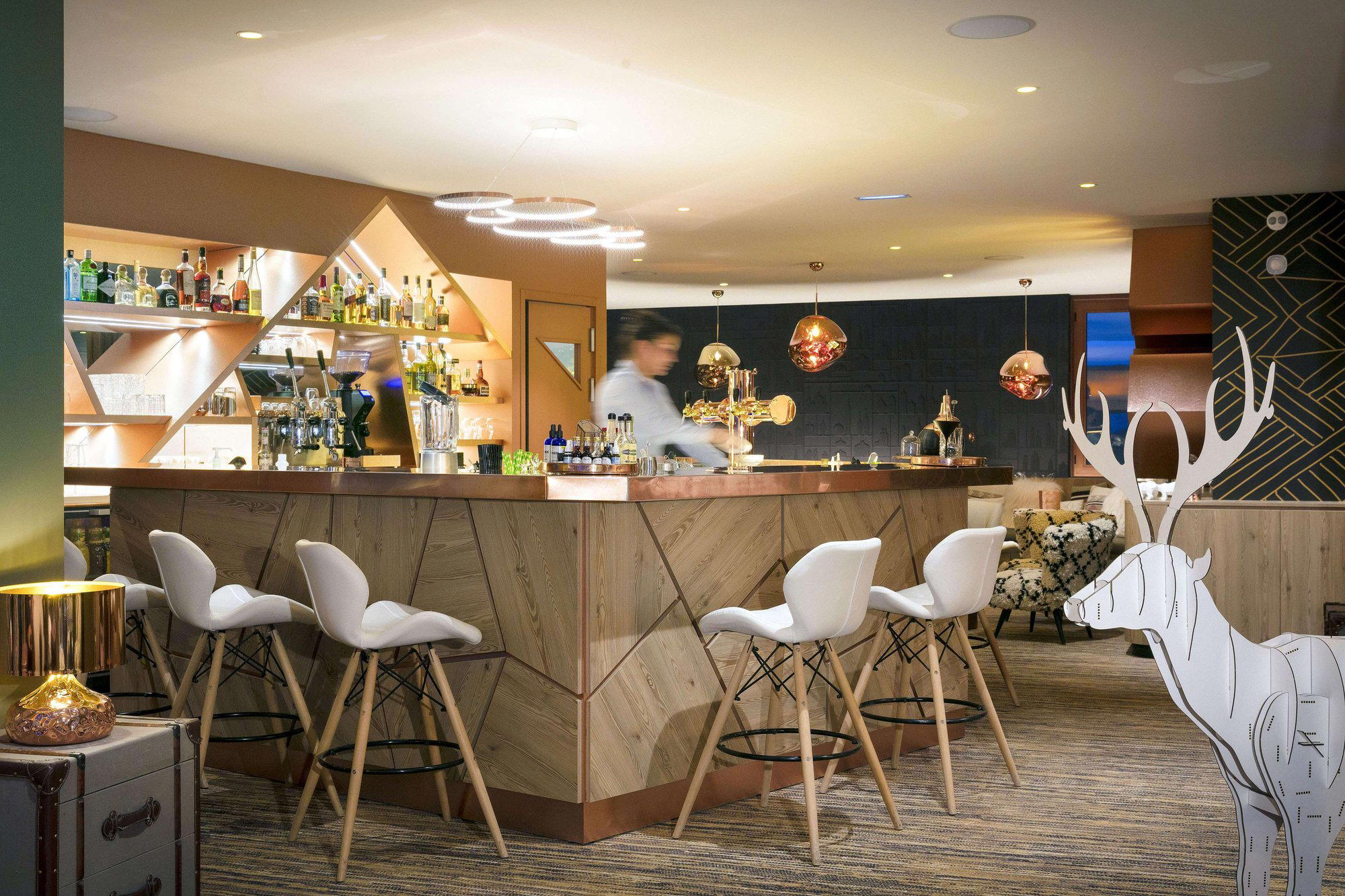
Lumineuse salle with terrace options, offering a relaxed and convivial atmosphere.