On Strada Smârdan in Bucharest's old city, Aubergine operates within a dining neighbourhood that has spent the last decade redefining what Romanian hospitality means at a serious level. The address places it among a small cluster of restaurants where European technique meets local produce, a combination that now defines the city's most considered dining tier.
Pearl is the En Primeur Club membership app — saves, bookings, and concierge access live there. Same editors, same standards.
- Address
- Strada Smârdan 33, 030167 București, Romania
- Phone
- +40213137548
- Website
- aubergine-restaurant.ro
- Directions
- Get directions
 Saves & bookings on Pearl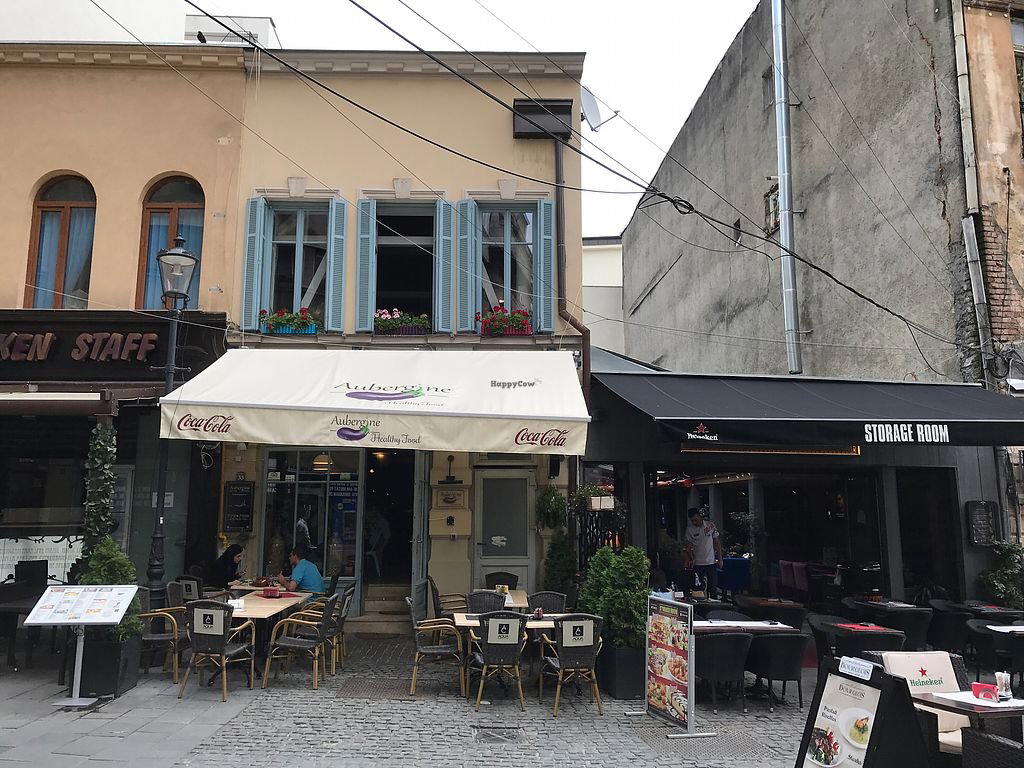
Strada Smârdan and the Architecture of Bucharest's Serious Dining
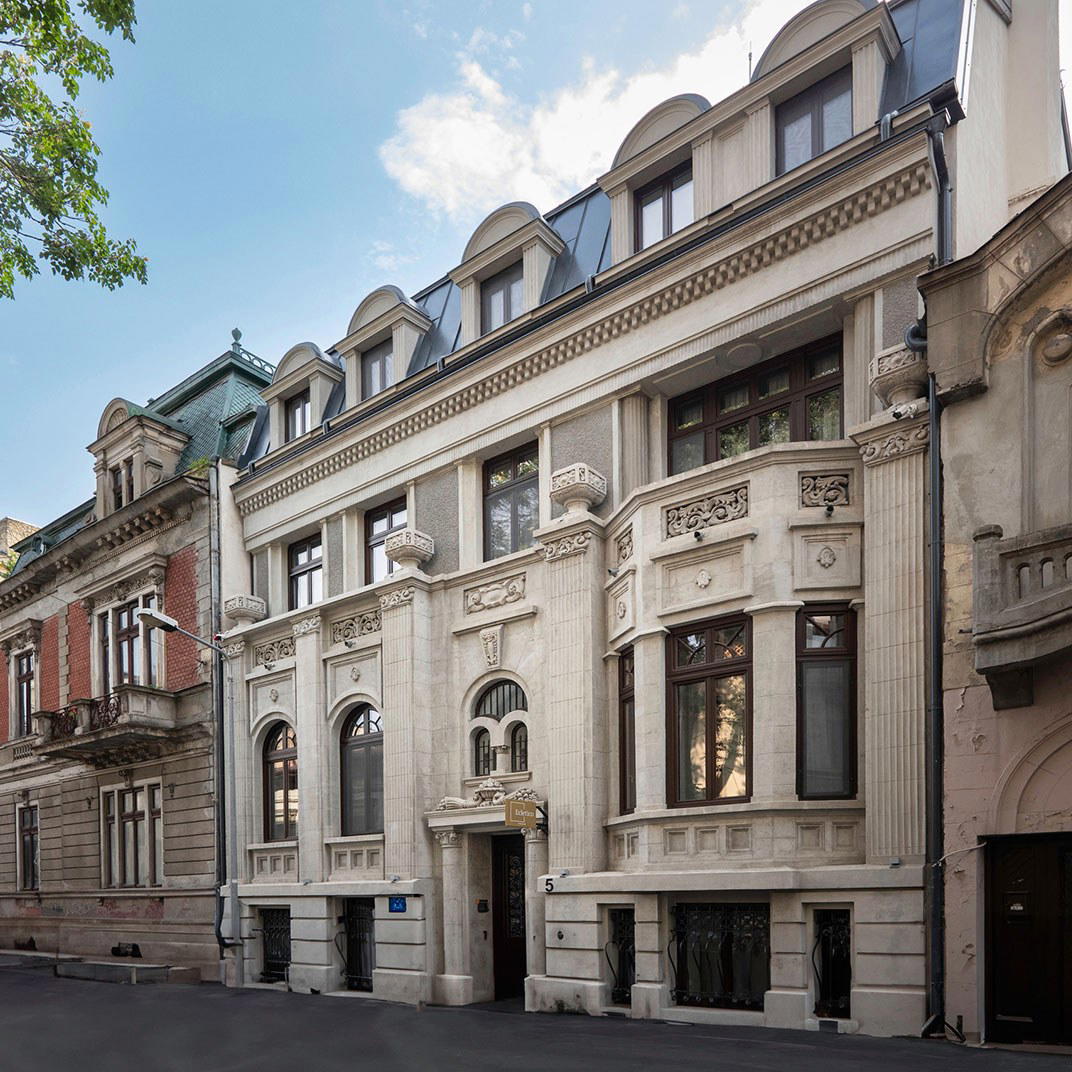
Strada Smârdan runs through the oldest trading quarter of Bucharest, a stretch of low Baroque and neo-classical facades that survived both the Communist-era demolitions and the 1977 earthquake with enough character intact to anchor a neighbourhood worth walking slowly. The street has long attracted the kind of small, deliberate businesses that rely on foot traffic from people who already know where they are going: antiquarians, wine merchants, the occasional gallery. Restaurants that open here are not chasing high-volume tourism. They are betting on an audience that reads addresses carefully.
Aubergine is a restaurant at Strada Smârdan 33 in Bucharest, serving Mediterranean with Israeli and Egyptian influences, and it sits inside that logic. The address alone signals placement within Bucharest's more considered dining tier, a bracket that has expanded meaningfully since roughly 2015 as the city's hospitality infrastructure caught up with the ambitions of a new generation of operators. That shift is not distinctive to Bucharest. Across Central and Eastern European capitals, the post-accession decade produced a wave of restaurants that stopped apologising for local ingredients and started treating them as the argument rather than the footnote. Bucharest arrived at that moment later than Warsaw or Prague, but the arrival has been less tentative.
Where Aubergine Sits in Bucharest's Current Restaurant Tier
To understand Aubergine's position, it helps to map the broader scene on which it competes. Bucharest's upmarket restaurant cohort now splits roughly into three groups. The first is modern Romanian, where kitchens build menus around seasonal domestic produce and regional cooking traditions, sometimes with explicit reference to specific counties or villages. The second is European-technique restaurants that use Romanian raw material as the base but frame output through French or Italian method. The third is international format dining: French bistros, Italian trattorias, and the occasional steakhouse that could operate with minor adjustment in any European capital.
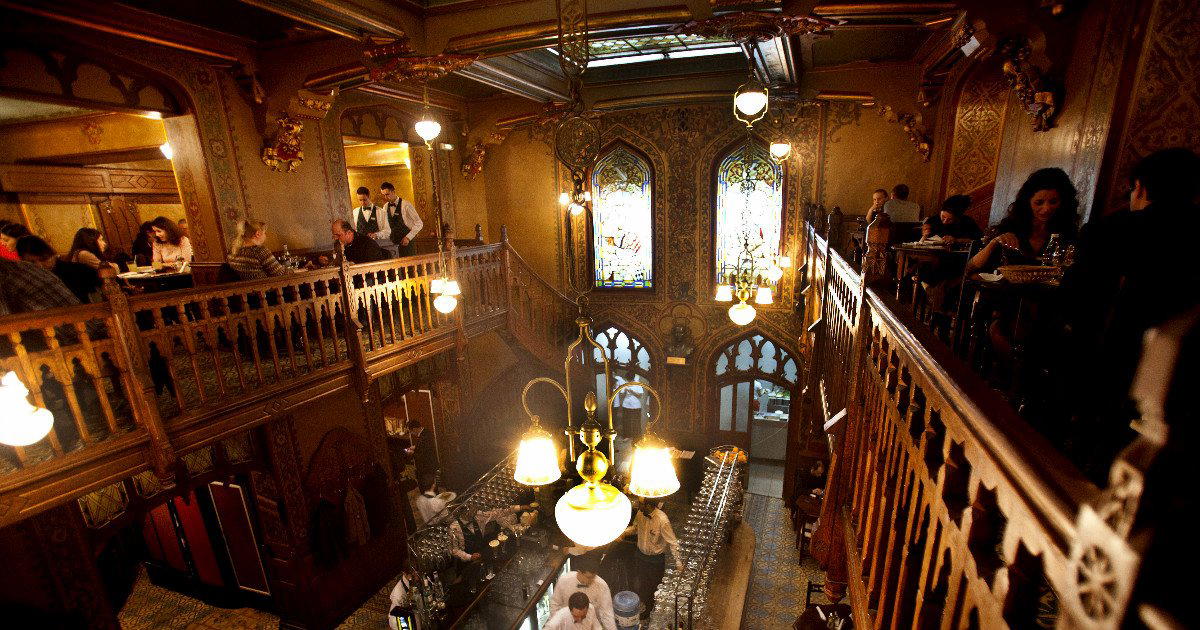
Particularly interesting restaurants in Bucharest tend to blur the line between the first two groups. Places like Alouette and Bogdania Bistro occupy this productive middle ground, where identity is earned through sourcing decisions and kitchen vocabulary rather than declared on a menu header. Casa Doina and Caru' Cu Bere approach Romanian cuisine from a heritage angle, where the room and the history are as much the proposition as the plate. Casa di David represents the Mediterranean-leaning alternative that Bucharest diners have long supported.
Aubergine's name, borrowed from a vegetable that sits at the intersection of Levantine, Mediterranean, and Balkan cooking, carries its own geographic suggestion. The aubergine appears in Romanian cuisine most memorably as salată de vinete, a smoky, olive-oil-dressed purée that functions as both a summer staple and a reminder of how Ottoman and Balkan culinary currents shaped the Wallachian kitchen long before French influence arrived with the Phanariote nobility in the eighteenth century. The name choice is not neutral in a city where food culture is increasingly aware of its own deep history.
The Romanian Table: Cultural Roots Worth Understanding Before You Arrive
Romanian cuisine is poorly represented in Western food media relative to its actual complexity. The country sits at a convergence point: Austro-Hungarian technique in Transylvania, Ottoman-inflected cooking in Wallachia and Dobruja, Slavic preservation traditions across Moldova, and a Jewish urban culinary heritage in cities like Iași and Bucharest that is only now receiving serious documentation. The result is a table that is harder to summarise than, say, French regional cooking, precisely because its influences did not arrive through a single dominant court culture.
Fermentation and preservation feature prominently. Murături, the house-pickled vegetables that appear on almost every traditional table, are not a garnish but a structural element of the meal. Sarmale, cabbage rolls typically filled with pork and rice and slow-cooked in tomato and sauerkraut brine, are the dish most Romanians cite when asked what the cuisine actually is. Mămăligă, the polenta-adjacent cornmeal staple, occupied the role that bread held in Western European peasant kitchens: daily, essential, and capable of significant refinement when a skilled kitchen takes it seriously.
The wine dimension is often overlooked. Romania produces more wine than any country in the region and has a Fetească Neagră grape variety that, in the right hands, produces structured reds with genuine aging potential. The country's wine sector has professionalized substantially since EU accession, and Bucharest's better restaurants have responded with lists that take domestic producers seriously alongside French and Italian imports. For a broader view of how serious dining extends across Romania, the restaurant scene in cities like Cluj-Napoca, tracked by operations such as Kupaj Fine Wines and Gourmet Tapas, and in Iași through venues like Andalu Gastrobar, illustrates that the ambition is not confined to the capital.
Beyond Bucharest, the dining map extends to places like Artegianale in Brașov, STUP in Simon, and Epoca Steakhouse in Craiova, each operating within a different register of the country's emerging dining culture. Smaller towns contribute their own distinct character, from Bistro Caffe Moțu in Baia Sprie to Cartofisserie in Suceava and Cartofisserie in Timișoara, while event-format dining appears through operators like Butterfly Events in Chiscani and community-facing venues such as Cafeneaua Nației in Ploiești. Internationally, the ambition of Bucharest's serious kitchens is leading contextualised by reference points like Le Bernardin in New York City or the collaborative format of Lazy Bear in San Francisco, both of which represent how tightly defined culinary propositions can anchor a restaurant's identity across years.
Planning Your Visit
Strada Smârdan is walkable from Piața Unirii and from the main cluster of old-city hotels, making Aubergine accessible without a car for most visitors staying centrally. The old city is dense and the streets are narrow, so arriving on foot or by taxi is more practical than driving. Bookings are recommended, and the dress code is smart casual.
Pricing, Compared
Comparable venues nearby, for context on price, style, and recognition.
| Venue | Cuisine | Price | Notes |
|---|---|---|---|
| AubergineThis venue — the venue you are viewing | Not listed | $$ | Not listed |
| Restaurant Trattoria Garibaldi - CAROL | Carol, Authentic Italian Trattoria | $$ | Not listed |
| Restaurant Prime Steaks & Seafood | Not listed | $$$ | Sector 1, Calea Victoriei, Premium Steakhouse & Seafood |
| Jeonjuu Korean BBQ | Old Town, Authentic Korean BBQ | $$ | Not listed |
| Alouette | Old Town, Modern European Bistro | $$$ | Not listed |
| Isoletta | Herăstrău, Italian Seafood Fine Dining | $$$ | Not listed |
Continue exploring
More in Bucharest
Restaurants in Bucharest
Browse all →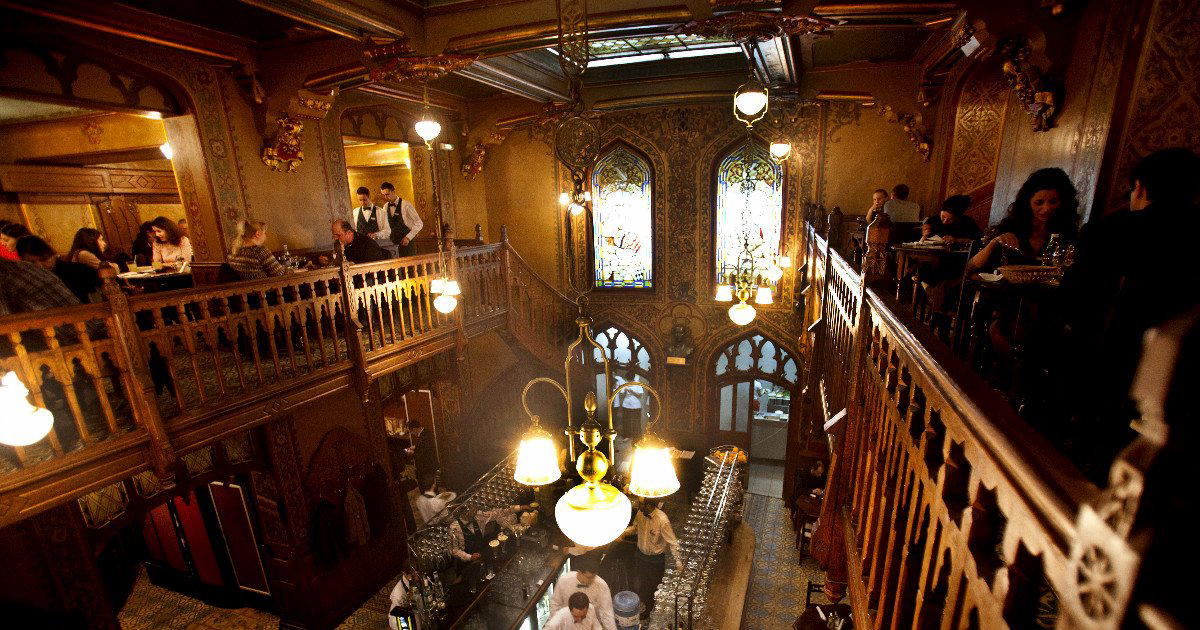
Bars in Bucharest
Browse all →

At a Glance
- Cozy
- Intimate
- Date Night
- Business Dinner
- Historic Building
Current opening hours
- Monday
- 11:30 AM–12 AM
- Tuesday
- 11:30 AM–12 AM
- Wednesday
- 11:30 AM–12 AM
- Thursday
- 11:30 AM–12 AM
- Friday
- 11:30 AM–12 AM
- Saturday
- 11:30 AM–12 AM
- Sunday
- 11:30 AM–12 AM
Hours can change for holidays and private events. Last verified .
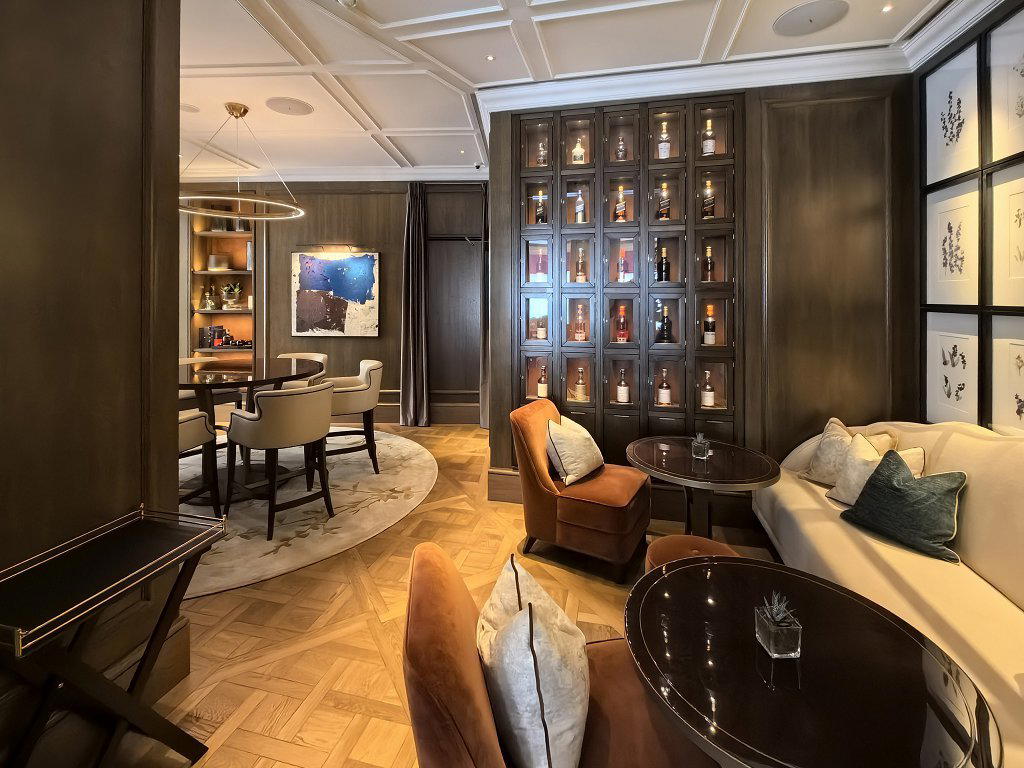
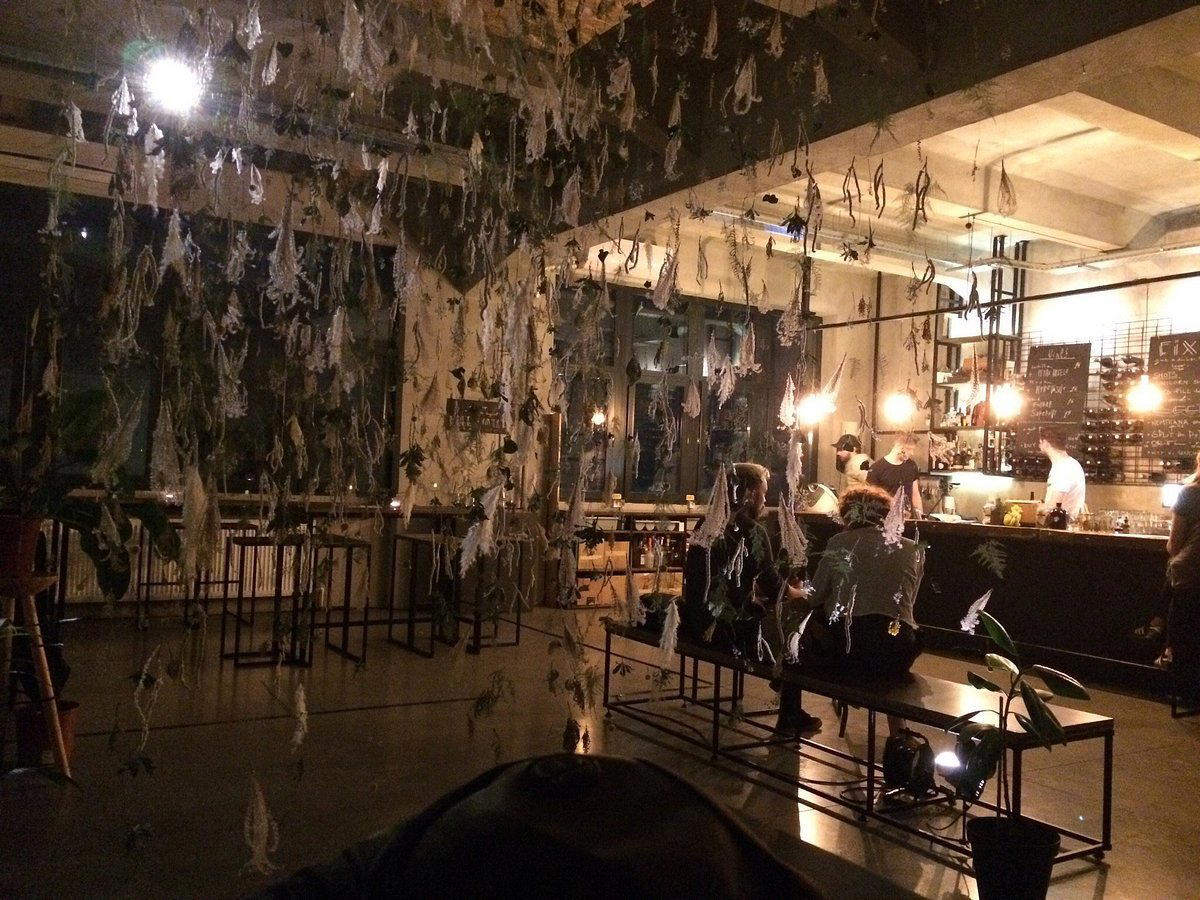
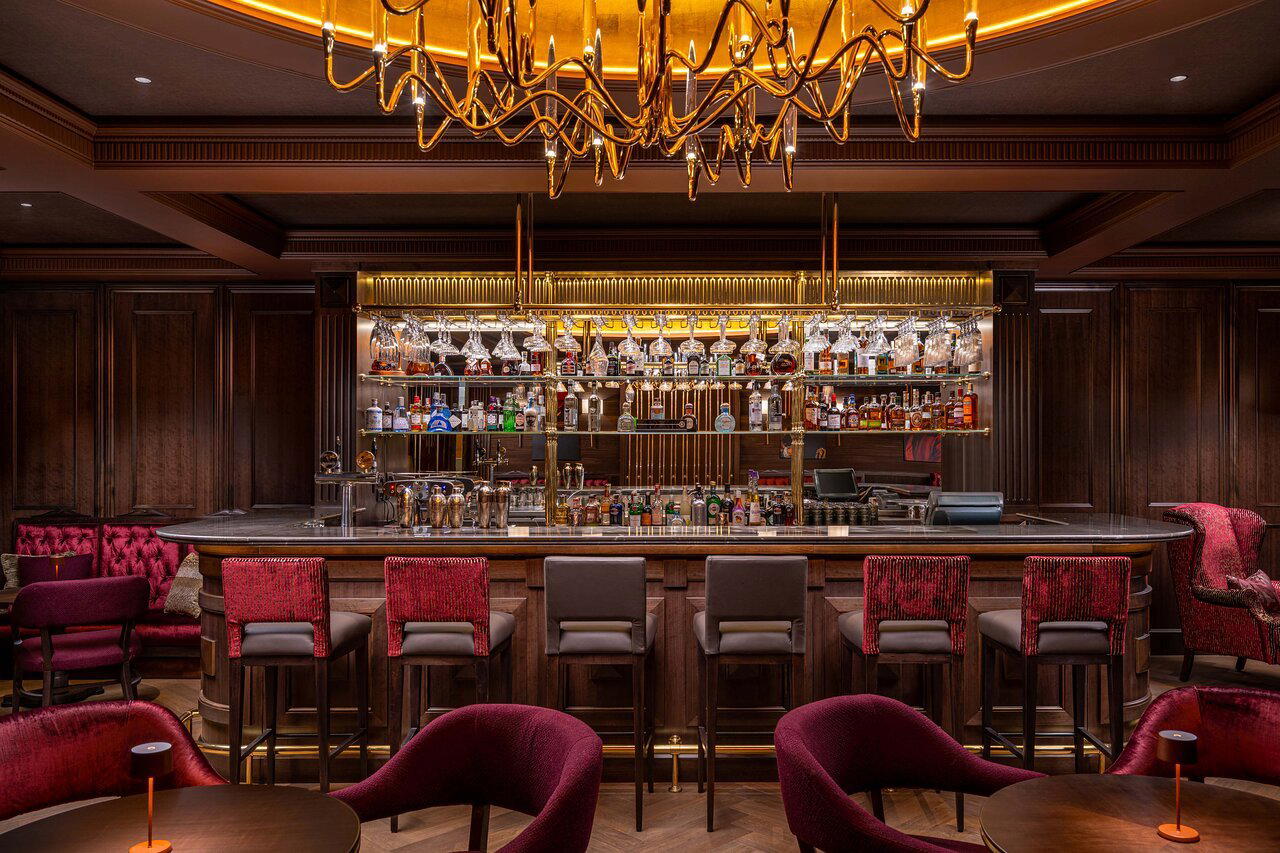
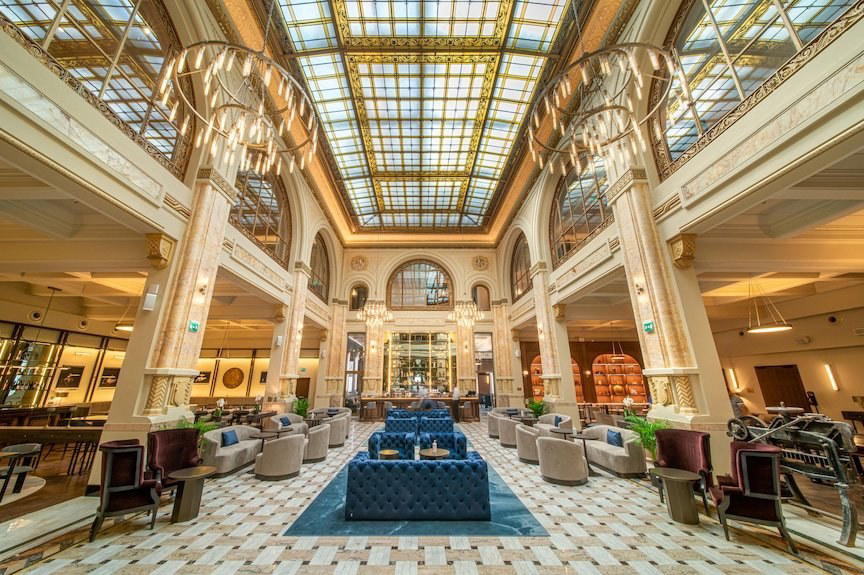
Friendly yet theatrical interior with salvaged historical elements creating a cozy and distinctive atmosphere.