Augora Fermente occupies a quiet corner of Vienna's sixth district, where fermentation-led cooking sits closer to the natural wine bars of Paris's 11th than to the white-tablecloth tradition of the Ringstrasse. The address at Stumpergasse 1A places it in Mariahilf, a neighbourhood that has quietly accumulated some of the city's more adventurous small-format restaurants over the past decade.
Pearl is the En Primeur Club membership app — saves, bookings, and concierge access live there. Same editors, same standards.
- Address
- Stumpergasse 1A, 1060 Wien, Austria
- Phone
- +436609599767
- Website
- augora.at
- Directions
- Get directions
 Saves & bookings on Pearl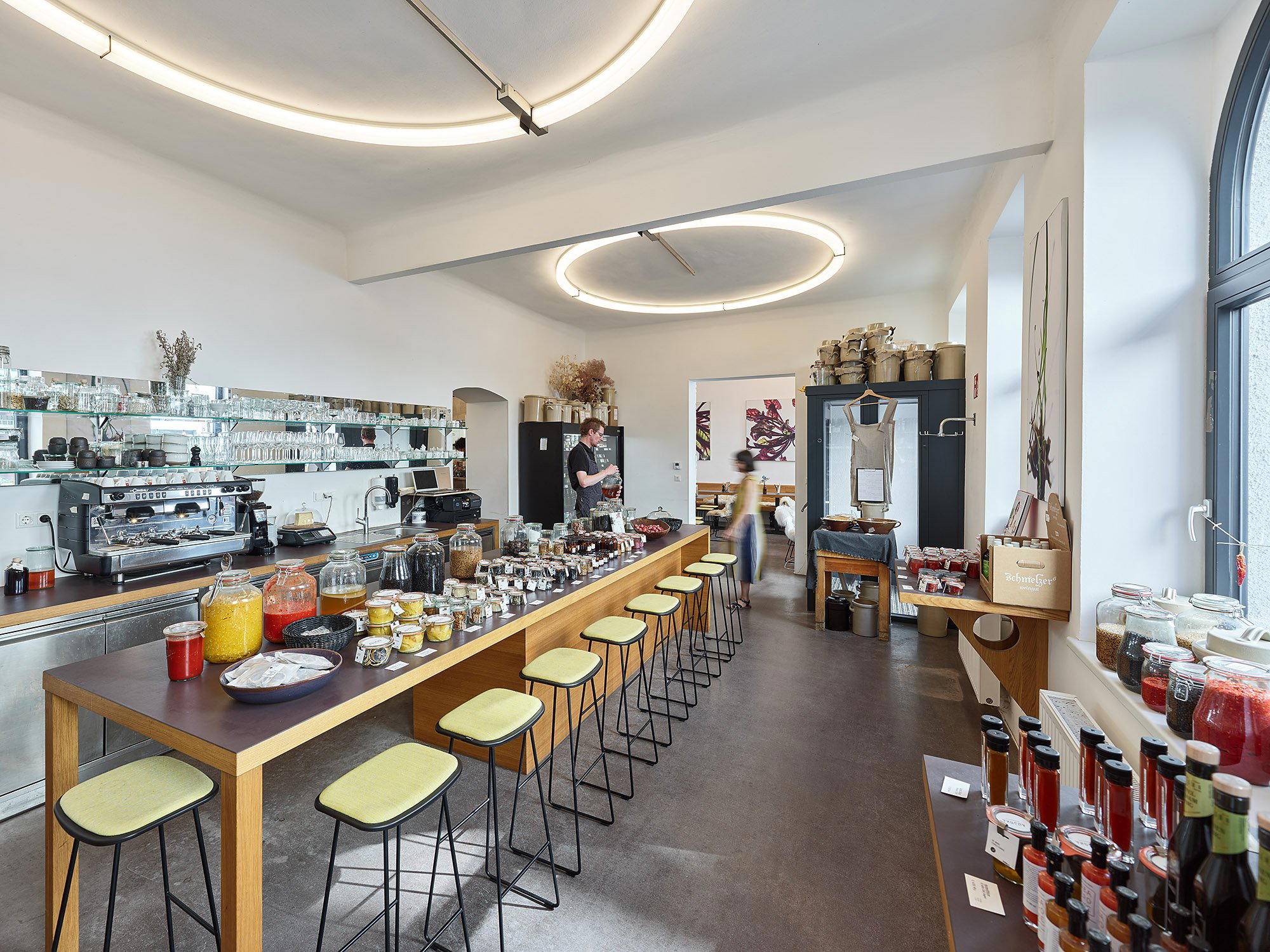
Where Mariahilf Meets the Fermentation Movement
Augora Fermente is a restaurant in Vienna's sixth district at Stumpergasse 1A, 1060 Wien, Austria. Vienna's restaurant scene has long been defined by two gravitational poles: the grand bourgeois tradition of the Ringstrasse hotels and the forward-leaning creative kitchens clustered around places like Steirereck im Stadtpark and Mraz & Sohn. Between those poles, a smaller current has been building for years: low-intervention cooking that prioritises what happens to an ingredient before it reaches the pan. Augora Fermente sits in that current, operating from Stumpergasse 1A in the sixth district, where the streets run quieter than the Naschmarkt corridor a few blocks south but carry a similar density of considered small-format eating.
Mariahilf has become one of the more interesting neighbourhoods for this kind of restaurant precisely because it lacks the symbolic weight of Innere Stadt. Without the pressure of tourist geography, operators here tend to run tighter, more personal formats. The approach at Augora Fermente reflects that positioning: the name signals an allegiance to live-culture cooking.
The Sourcing Logic Behind Fermentation-Driven Cooking
To understand what a restaurant like Augora Fermente is doing, it helps to understand what fermentation demands of its ingredient sourcing. Unlike high-heat cooking, which can mask inconsistency in raw materials, fermentation amplifies it. A lacto-fermented vegetable made from industrial produce will carry that origin forward into the final plate. This is why the kitchens most committed to fermentation work tend to have the tightest supplier relationships in their cities, often working with named farms, fixed seasonal windows, and small volumes that would be impractical at scale.
This places Vienna-based fermentation kitchens in an interesting position relative to Austria's broader agricultural geography. The country's wine regions, particularly the Wachau and the Weinviertel, have long supplied urban restaurants with produce as well as bottles. The tradition of regional sourcing that defines places like Landhaus Bacher in Mautern an der Donau or Taubenkobel in Schützen am Gebirge provides a template that urban kitchens in the sixth district can draw from, even without the rural setting. The difference is that fermentation kitchens have reason to prioritise provenance even more stringently, because the process will make the quality of the source material audible in the final dish.
Further afield, Austria's mountain regions contribute a distinct sourcing register. The alpine dairy tradition that informs kitchens at Obauer in Werfen and Gourmetrestaurant Tannenhof in Sankt Anton am Arlberg, for instance, produces aged cheeses and cultured dairy products that can feed naturally into fermentation-focused menus in the capital.
Vienna's Fermentation Tier and Its comparable set
Globally, the restaurants that have done most to define serious fermentation cooking operate at a considerable distance from Vienna. Lazy Bear in San Francisco built a communal-table format around live-culture preservation, while the tasting-menu tradition that shaped kitchens at Le Bernardin in New York City represents the opposite pole: precision technique applied to pristine sourcing without the deliberate intervention of fermentation. Vienna sits between these reference points, with a culinary culture that values technique and tradition in roughly equal measure.
Within the city, the more decorated creative kitchens, including Amador, Konstantin Filippou, and Doubek, apply fermentation as one tool among many rather than as an organising framework. The restaurant occupies a different position: a smaller-format address where the technique is central rather than incidental. This places it in a comparable set that is harder to map against star ratings or price tiers and is better understood through the lens of intent.
Austria's broader restaurant geography shows that regional specificity and technique-driven cooking are not mutually exclusive. Döllerer in Golling an der Salzach has built a reputation on exactly this combination, as has Kräuterreich by Vitus Winkler in Sankt Veit im Pongau, which frames alpine herbs as a primary ingredient category rather than a garnish. The fermentation approach at the restaurant extends this logic into a different technical register, one where time and microbial activity do work that elsewhere would be done by heat or reduction.
The Sixth District as a Context for Small-Format Dining
Stumpergasse runs through a part of Mariahilf that does not appear in most Vienna dining itineraries, which is itself an indicator of something. The restaurants that accumulate in overlooked streets tend to have lower rents, longer commitments from their operators, and a clientele that found the place through word of mouth rather than a hotel concierge list. This is the mechanism by which certain neighbourhoods develop genuine dining character over a decade rather than simply filling up with restaurant brands.
The broader Mariahilf-Naschmarkt corridor has been accumulating this kind of character since at least the early 2010s, when a cluster of natural wine bars and small kitchens began to establish themselves within walking distance of the market. What distinguishes the northern part of the sixth district, closer to Stumpergasse, is that it has followed a slightly slower trajectory, which means the restaurants operating there now reflect a more settled phase of that development. Less turnover, more considered formats.
For visitors mapping a week in Vienna around serious eating, the sixth district adds a register that the centre cannot provide. The white-tablecloth tradition is well-documented, from Ois in Neufelden and Schwarzer Adler in Hall in Tirol in the broader Austrian context to the Michelin-tracked addresses inside the Ringstrasse. The sixth district offers something different: smaller rooms, fewer covers, and a cooking agenda that is less interested in consensus validation. Regional context further out is covered through profiles like Restaurant 141 by Joachim Jaud in Mieming and Stüva in Ischgl, both of which represent the alpine end of the Austrian creative dining spectrum.
Know Before You Go
- Address: Stumpergasse 1A, 1060 Wien, Austria
- District: Mariahilf (6th), approximately ten minutes on foot from the Naschmarkt
- Phone: Not available
- Website: Not available
- Price range: Not confirmed, contact directly or check current listings
- Hours: Tue to Thu 10:30 AM to 7 PM, Fri 10:30 AM to 7 PM, Sat 10:30 AM to 5 PM
- Booking: Given the small-format nature of fermentation-focused restaurants in this neighbourhood, advance reservation is advisable
At a Glance
Comparable venues nearby, for context on price, style, and recognition.
| Venue | Cuisine | Price | Notes |
|---|---|---|---|
| Augora FermenteThis venue — the venue you are viewing | Not listed | $$ | Not listed |
| Volksgarten club | Hofburg, Club Bar | $$ | Not listed |
| Chelsea | Josefstadt, Pub & Bar | $$ | Not listed |
| Honu Tiki Bowls | Inner City, Hawaiian Poke Bowls | $$ | Not listed |
| Harvest | Not listed | $$ | Praterstern Wien Nord, Vegan Viennese Coffeehouse |
Continue exploring
More in Vienna
Restaurants in Vienna
Browse all →![[aend] restaurant in Vienna](https://cdn.enprimeurclub.com/storage/v1/object/public/images/locations/recsVyRkMfzCxPmp0/hero2.jpg?width=3840&quality=75)
Bars in Vienna
Browse all →

Hotels in Vienna
Browse all →
At a Glance
- Cozy
- Modern
- Casual Hangout
- Open Kitchen
- Natural Wine
- Organic
Current opening hours
- Monday
- Closed
- Tuesday
- 10:30 AM–7 PM
- Wednesday
- 10:30 AM–7 PM
- Thursday
- 10:30 AM–7 PM
- Friday
- 10:30 AM–7 PM
- Saturday
- 10:30 AM–5 PM
- Sunday
- Closed
Hours can change for holidays and private events. Last verified .
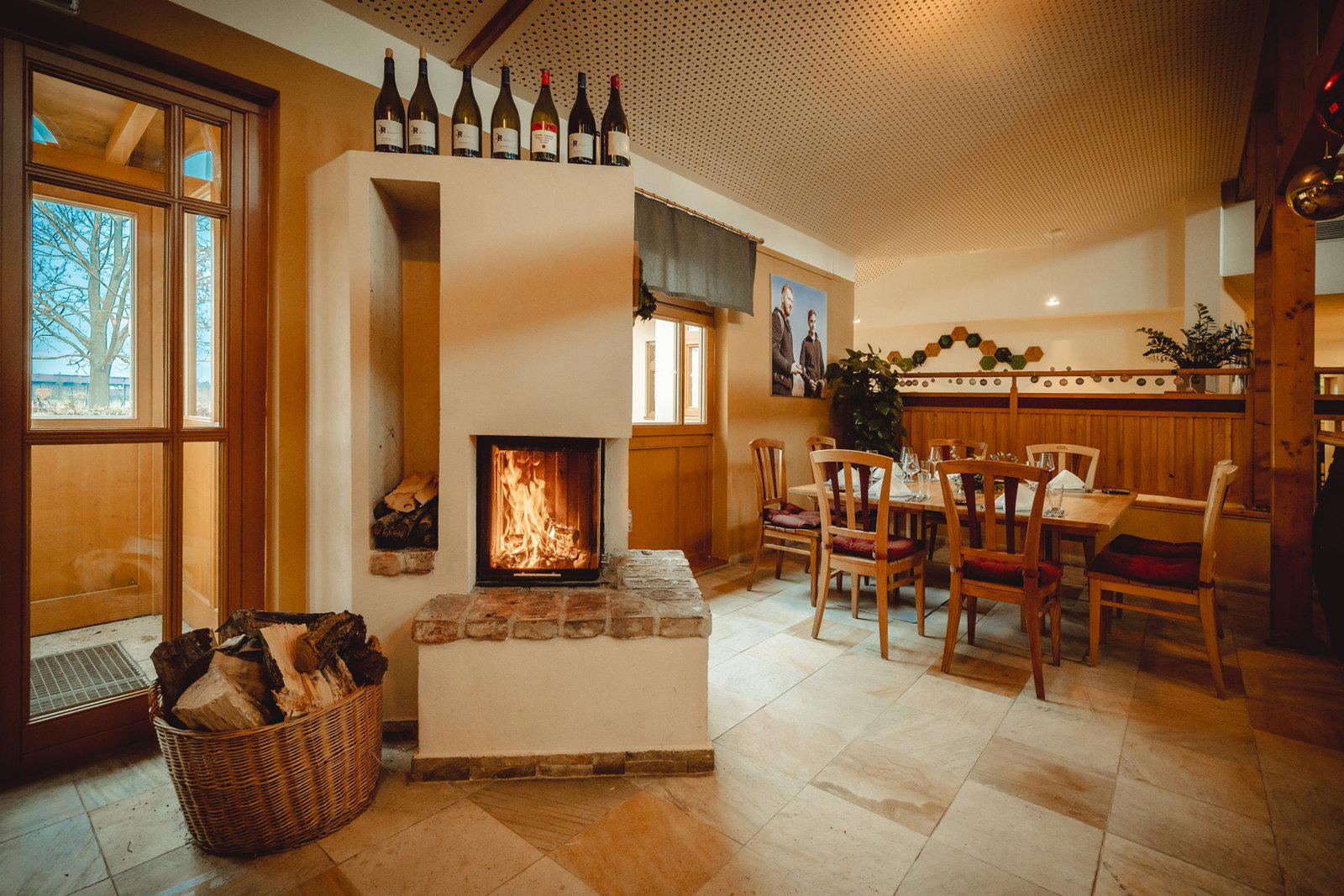
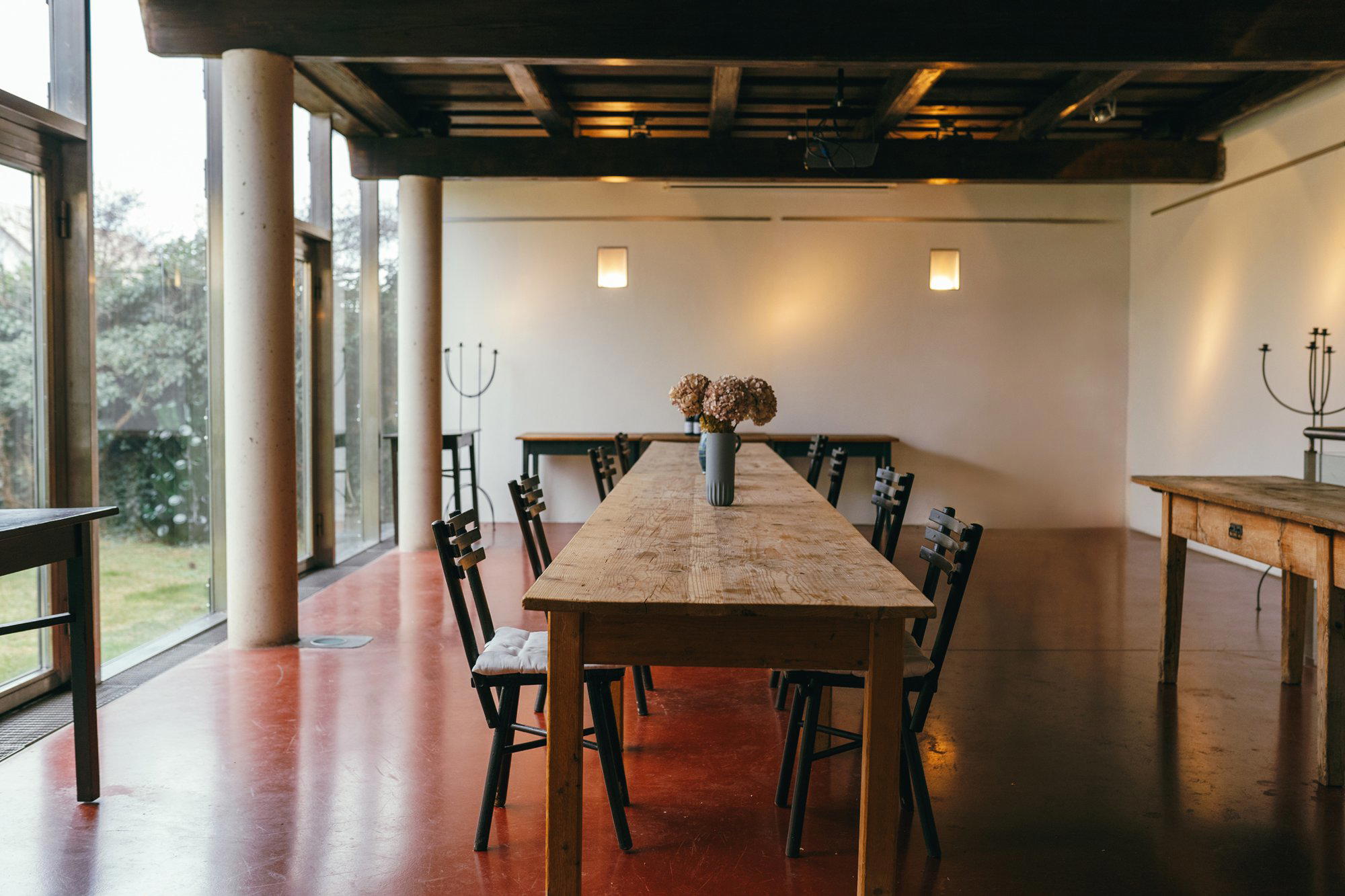
Casual and welcoming deli-style atmosphere focused on healthy, flavorful fermented foods.