On Augustenstraße in Stuttgart's West district, Augustenstüble occupies the kind of address that rewards local knowledge over algorithm-driven searches. The room reads as a traditional Swabian Stüble, compact, warm, with the worn-in quality that no fit-out budget can manufacture. Against Stuttgart's growing tier of creative and modern cuisine restaurants, it represents the quieter, neighbourhood-anchored end of the dining spectrum.
Pearl is the En Primeur Club membership app — saves, bookings, and concierge access live there. Same editors, same standards.
- Address
- Augustenstraße 104, 70197 Stuttgart, Germany
- Phone
- +4949711621248
- Website
- xn--augustenstble-5ob.de
- Directions
- Get directions
 Saves & bookings on Pearl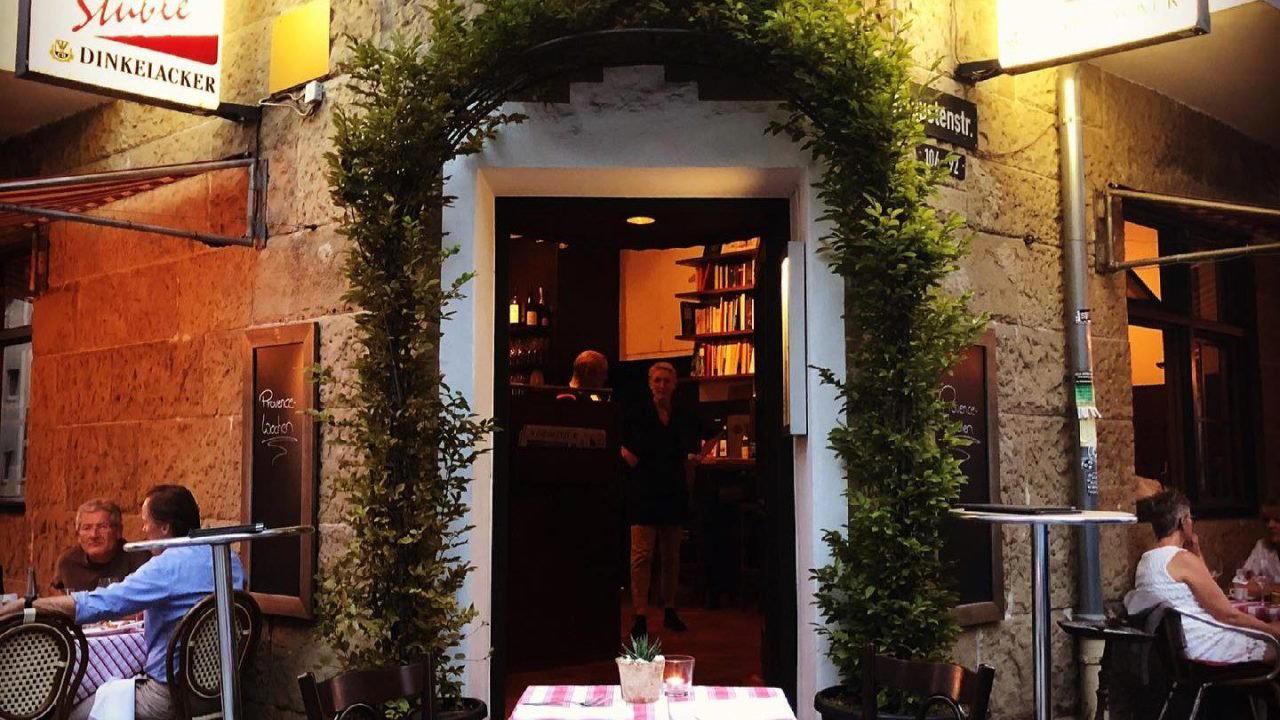
The Room as the Argument
Stuttgart's dining conversation tends to centre on its higher-profile creative and modern cuisine addresses: the theatrical formats of Speisemeisterei, the precise contemporary cooking at 5, the long-running ambition of Der Zauberlehrling. Augustenstüble on Augustenstraße 104 operates in a different register entirely. The name gives it away: a Stüble is not a restaurant in the modern hospitality sense. It is a room, a particular kind of small, close, south-west German room with wooden surfaces and a low ceiling and a sense that the space predates whatever trend is currently circulating in the food media. You come to a Stüble because the room itself is the proposition.
In Baden-Württemberg, the Stüble format carries genuine cultural weight. These are spaces shaped by Swabian domestic logic: nothing added that does not earn its place, materials that age visibly, a seating arrangement that puts tables close enough for conversation to blur between them. The physical container at Augustenstüble on Augustenstraße reads within that tradition. The Weststadt neighbourhood around it, dense with turn-of-the-century apartment blocks and independent businesses, reinforces the impression of a restaurant that belongs to its street rather than to a wider hospitality circuit.
Where This Address Sits in Stuttgart's Dining Map
Stuttgart has developed a layered dining scene across price points and styles. At the leading, venues like Délice and Hegel Eins compete in the modern and creative tiers with tasting menus and strong international reference points. Across Germany more broadly, the fine-dining conversation runs through addresses like Schwarzwaldstube in Baiersbronn, Aqua in Wolfsburg, and Vendôme in Bergisch Gladbach, each anchored by documented Michelin recognition and national critical profiles. Augustenstüble does not compete in that tier, and its value lies precisely in that distance from it.
The neighbourhood restaurant in German-speaking cities has historically been a more durable institution than in many other European contexts. A Gasthaus or Stüble that has established itself on a residential street tends to hold its position for decades, serving a regular clientele that values consistency and spatial familiarity over novelty. Augustenstraße, running through the Weststadt, is the kind of address where that pattern holds. The surrounding blocks are populated by locals who treat their neighbourhood restaurants as infrastructure rather than destination, a different kind of loyalty from the reservation-driven enthusiasm that surrounds the city's creative tier.
The Physical Logic of the Space
Swabian interiors of this type typically follow a legible design grammar: dark wood panelling or at minimum dark-stained furniture, modest lighting, tables without much empty space between them, and a bar or service counter that acts as the room's social spine. The effect is warmth through compression rather than through decorative effort. Where international hotel dining rooms in cities like Stuttgart use space to signal luxury, the Stüble tradition uses its absence of space to signal authenticity, the implication being that if you are here, you are here for the food and the company and not for the architecture.
That spatial logic also shapes the social experience. Counter and small-table formats encourage a particular kind of engagement between guests and staff that larger, more formally arranged rooms do not. In a room of limited capacity, the rhythm of service is visible and the relationship between kitchen and dining room is harder to obscure. This is the context in which venues like JAN in Munich or, at the more experimental end, CODA Dessert Dining in Berlin have made intimate scale a deliberate editorial choice. In Augustenstüble's case, the scale is structural rather than strategic, it is a Stüble, and a Stüble is small by definition.
Regional Cooking and the Swabian Reference Point
Baden-Württemberg has a defined regional cooking tradition that runs from hearty Swabian staples through to the more refined regional interpretations found at places like ES:SENZ in Grassau and Waldhotel Sonnora in Dreis further afield. At the neighbourhood level, that tradition typically means dishes with strong local identity: Maultaschen, Zwiebelrostbraten, Linsen mit Spätzle, preparations where the cooking logic is about depth and familiarity rather than technique for its own sake. A Stüble operating on Augustenstraße is more likely to be in dialogue with that local tradition than with the international reference points that shape Stuttgart's higher-end menus.
That positioning is not a limitation. For a diner who has spent an evening at Restaurant Haerlin in Hamburg or Victor's Fine Dining by Christian Bau in Perl, the appeal of a well-executed regional room is real and specific. The Stüble format offers something those environments cannot: the sense of eating in a place that is genuinely of its neighbourhood, shaped by local habit and local expectation rather than by a kitchen's ambition to communicate to a national or international audience.
Planning Your Visit
Augustenstüble is located at Augustenstraße 104 in Stuttgart's Weststadt, accessible from the city centre by tram with stops along Rotebühlplatz and the wider Augustenstraße corridor. As a neighbourhood address, arriving with some flexibility or telephoning ahead is advisable. The Weststadt also supports a broader evening: the area around Augustenstraße has enough independent bars and cafes to structure a full night without moving far.
At the opposite end of the formality spectrum internationally, Le Bernardin in New York City and Lazy Bear in San Francisco represent the kind of format-conscious dining that Augustenstüble is, by design, not attempting to replicate. That distinction is the point.
Compact Comparison
Comparable venues nearby, for context on price, style, and recognition.
| Venue | Cuisine | Price | Notes |
|---|---|---|---|
| AugustenstübleThis venue — the venue you are viewing | Heslach, French Bistro | $$$ | Not listed |
| La Fenice | Gablenberg, Modern Traditional Italian | $$$ | Not listed |
| Kicho | Gablenberg, Authentic Japanese | $$$ | Not listed |
| Feinkost Böhm Sushi-Ya | Gablenberg, Traditional Japanese Sushi | $$$ | Not listed |
| Schnitzelkönig | Heslach, German Schnitzel House | $$ | Not listed |
| Suzuna | Not listed | $$ | Gablenberg, Traditional Japanese Izakaya & Ramen |
Continue exploring
More in Stuttgart
Restaurants in Stuttgart
Browse all →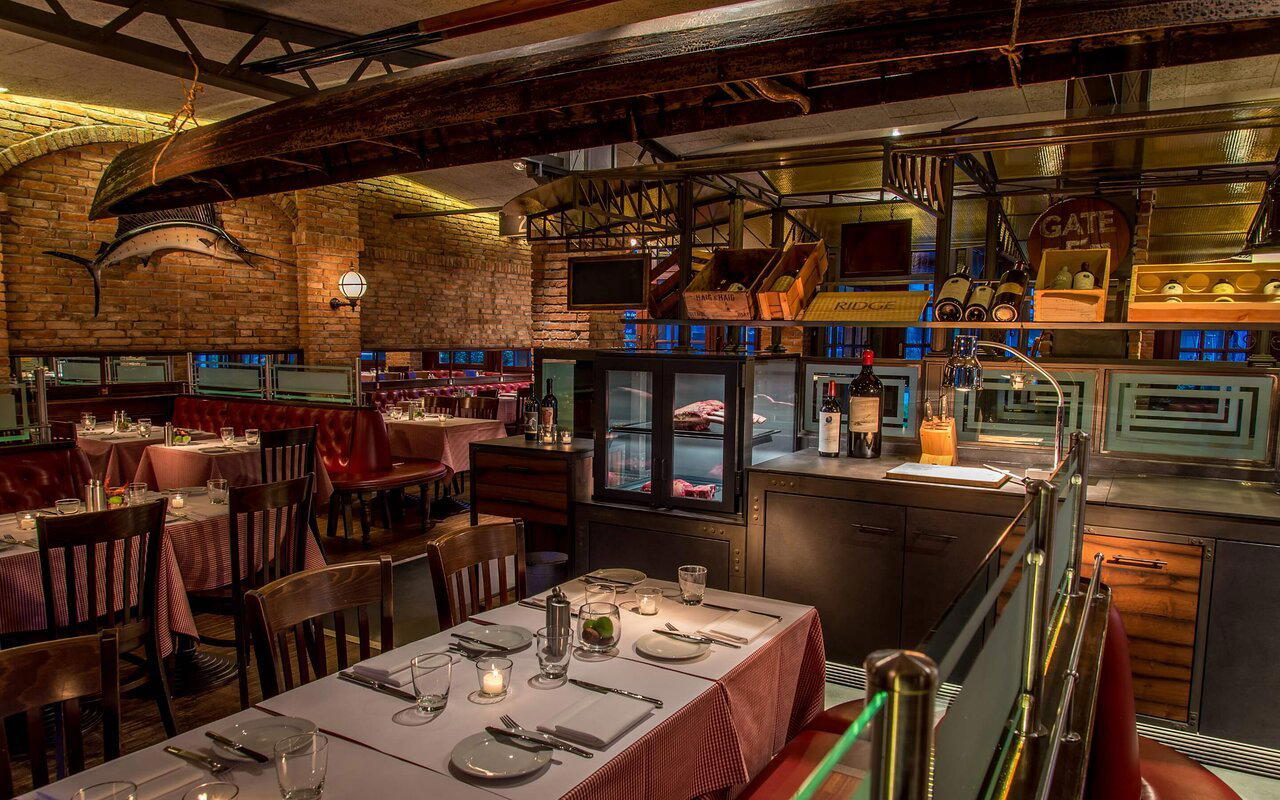
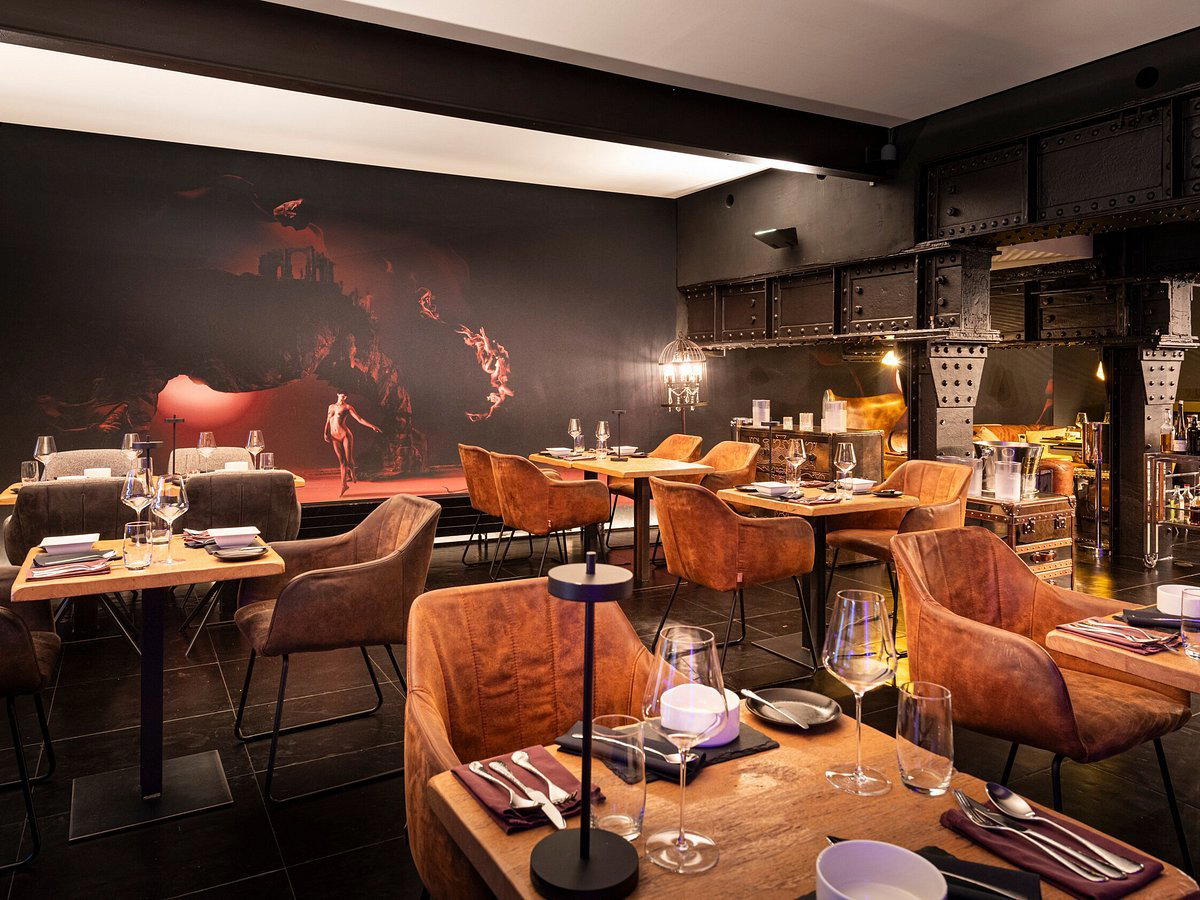
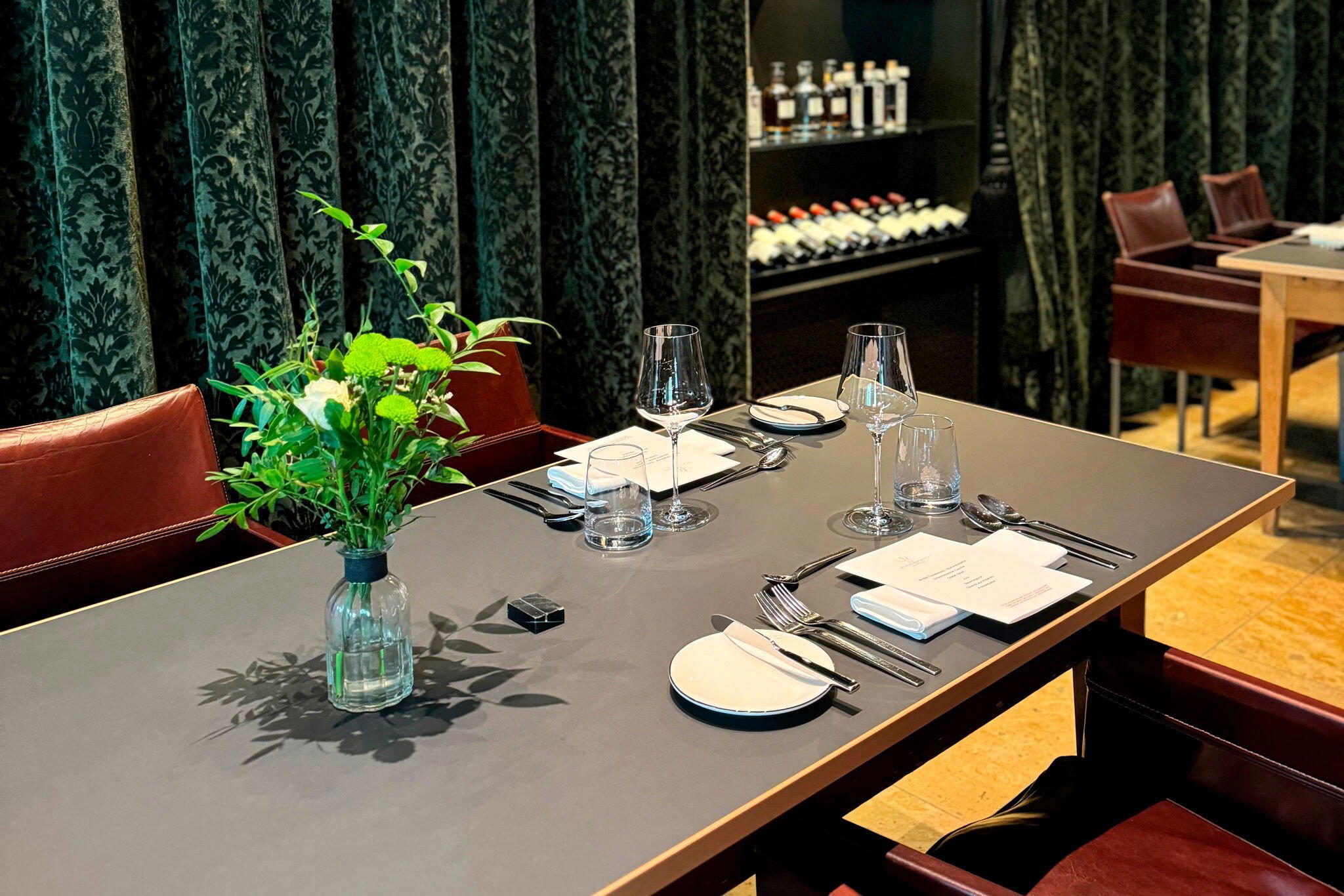
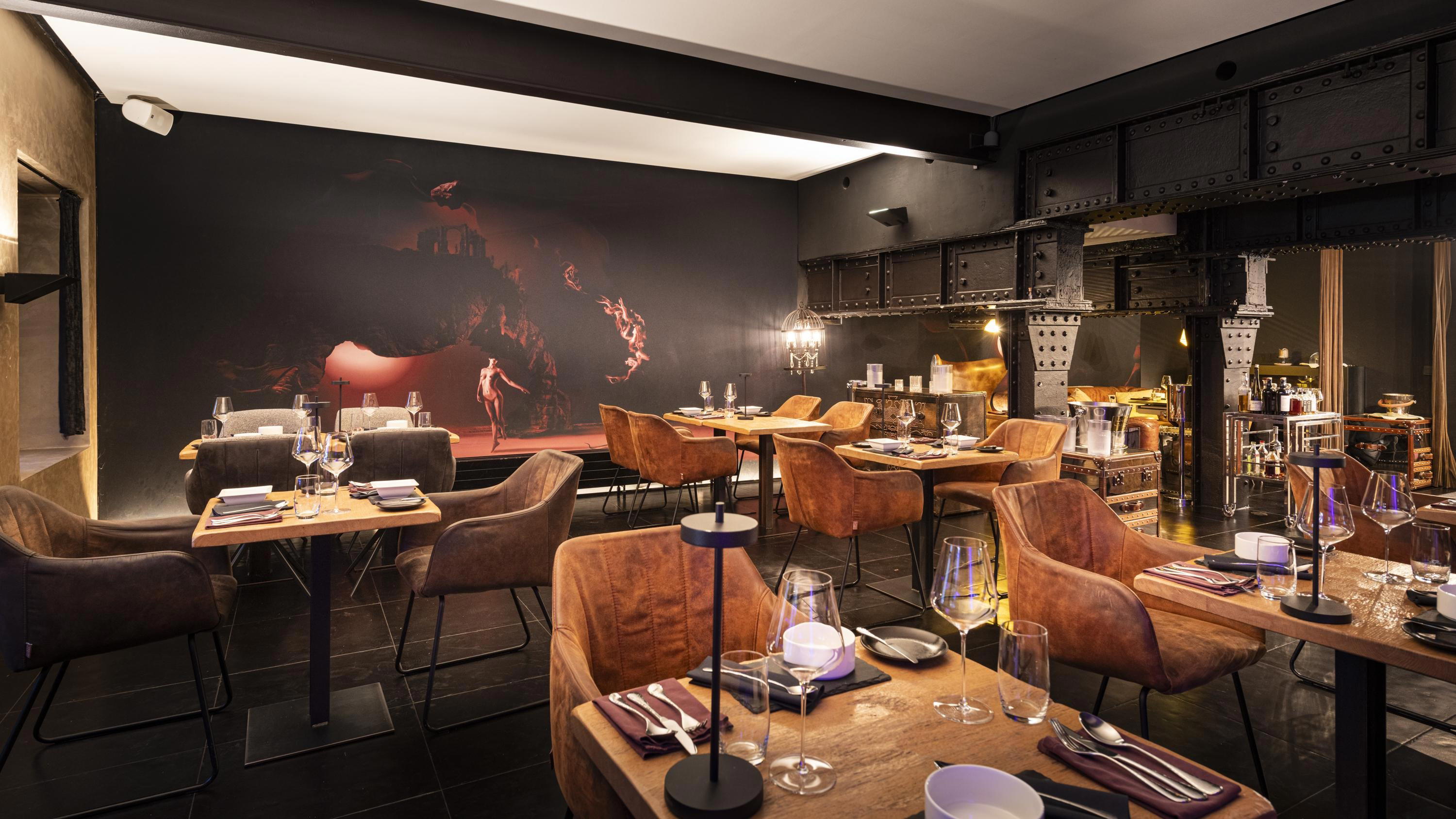
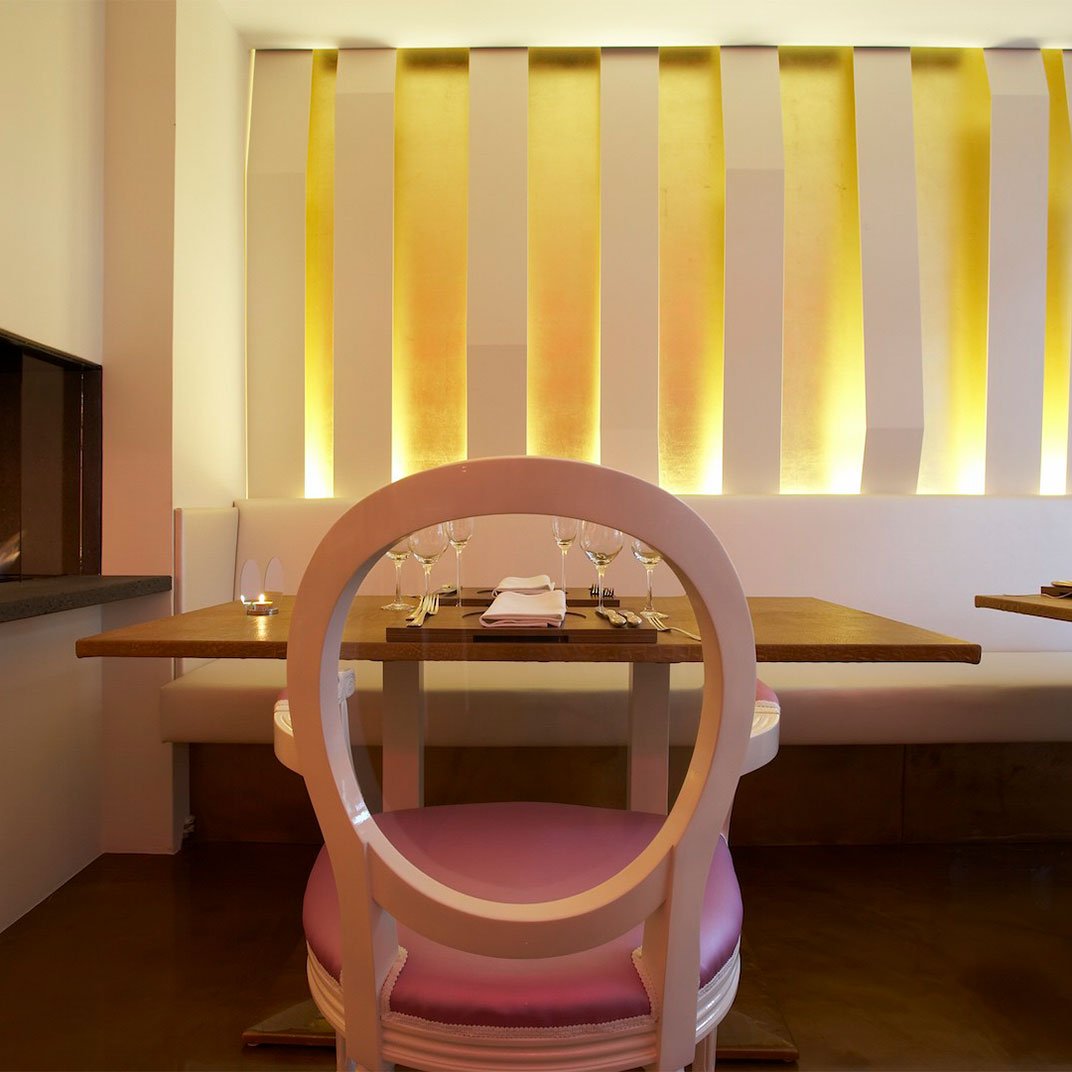
Bars in Stuttgart
Browse all →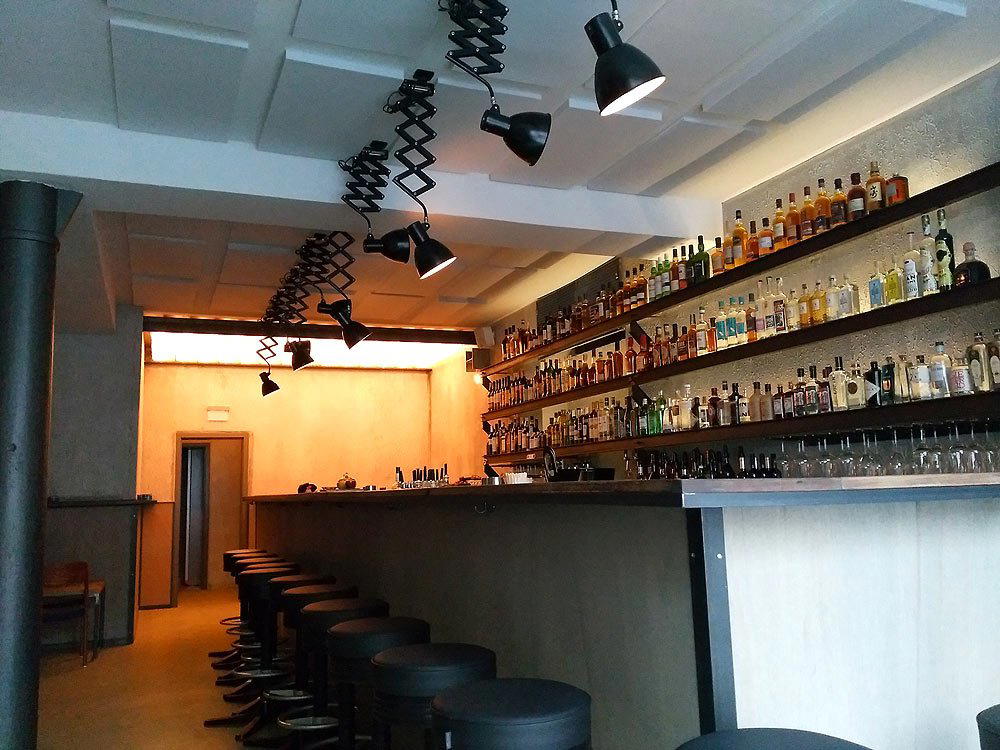

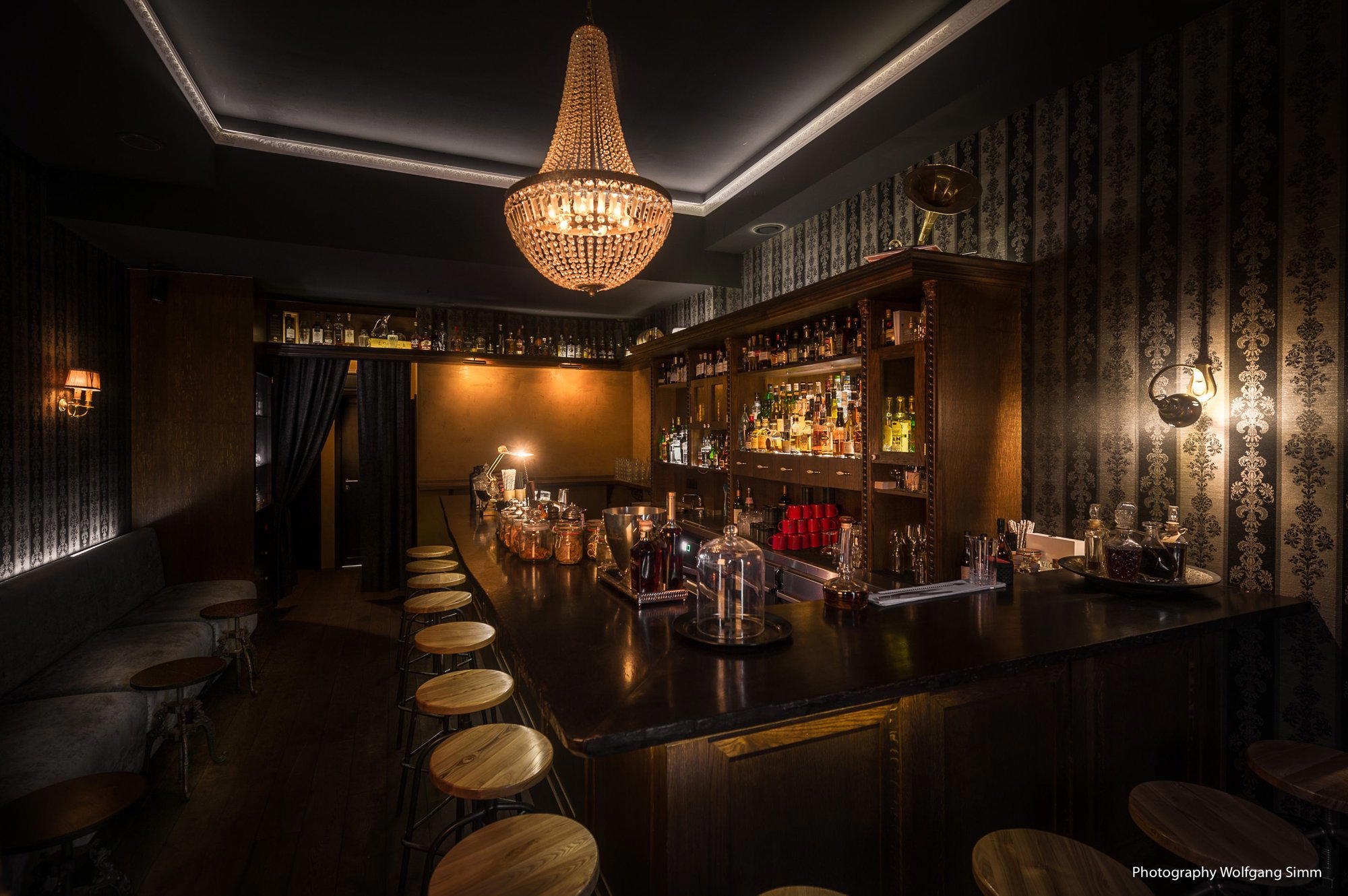
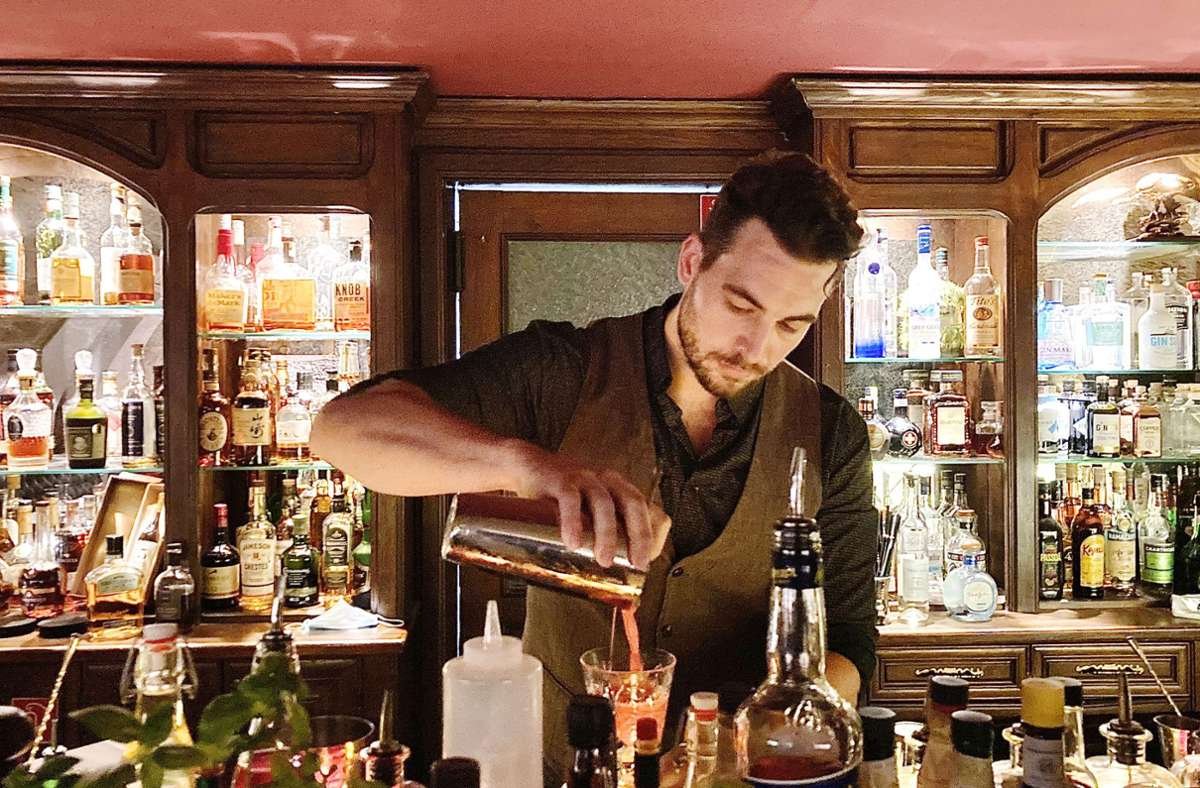
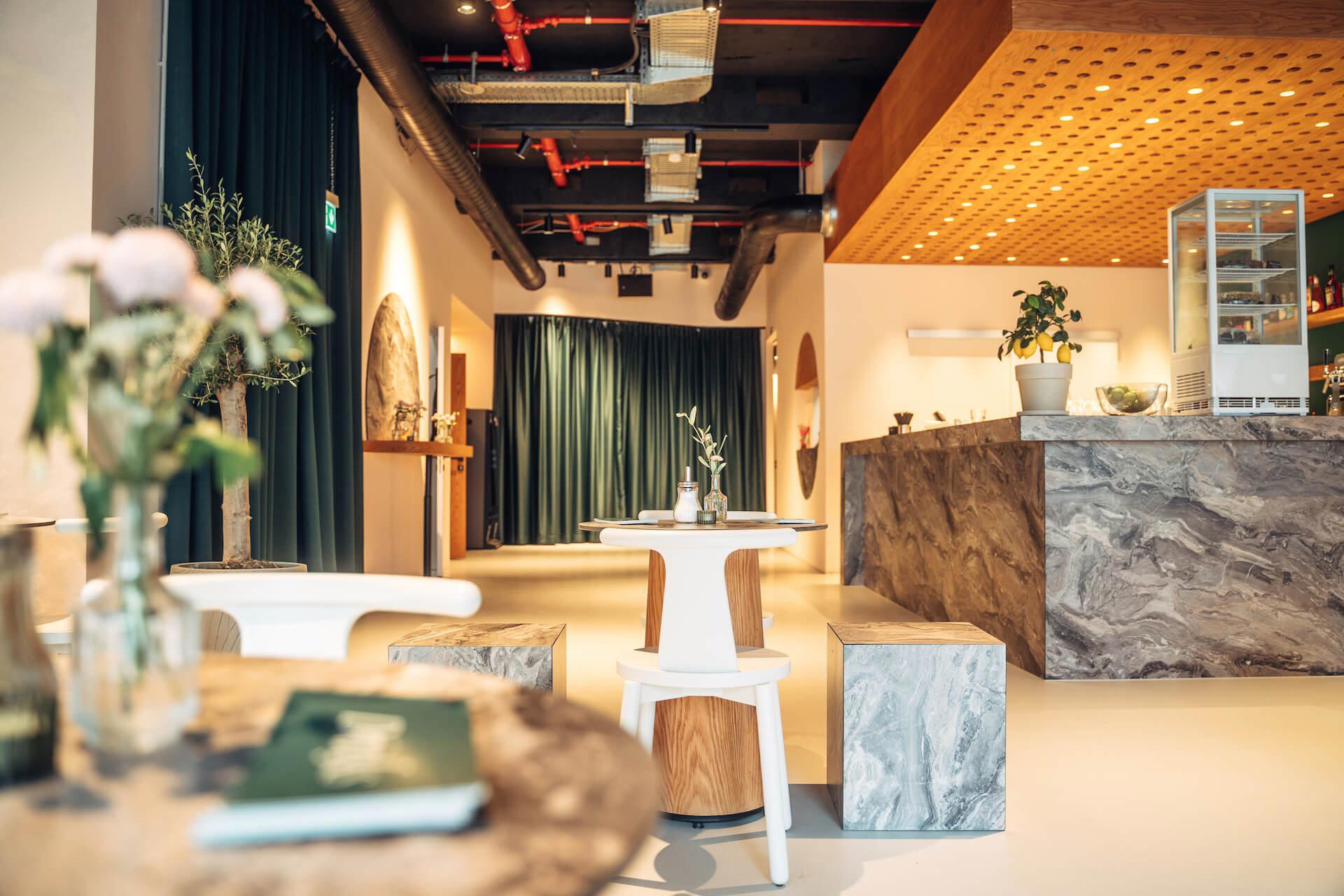
Hotels in Stuttgart
Browse all →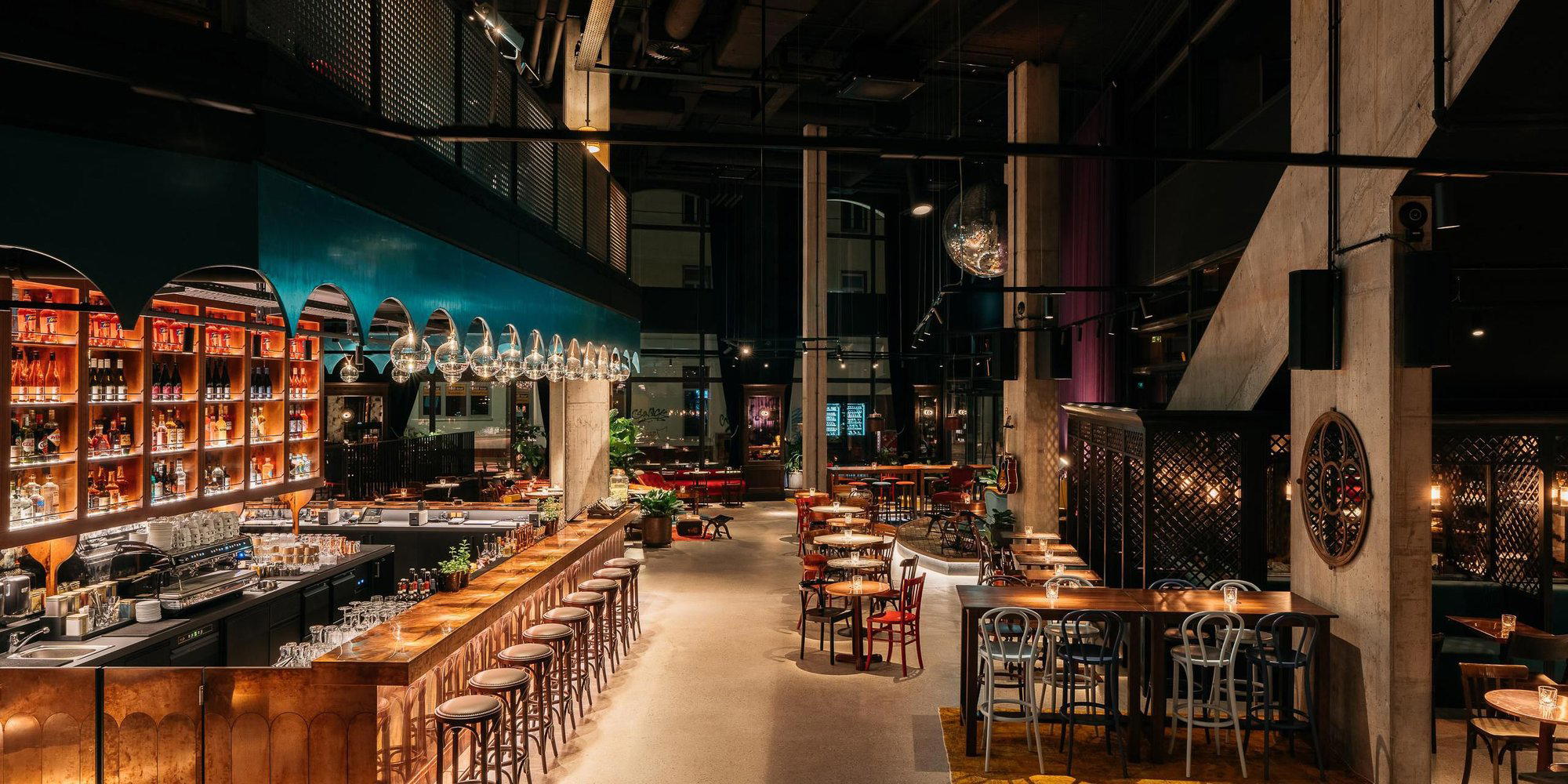
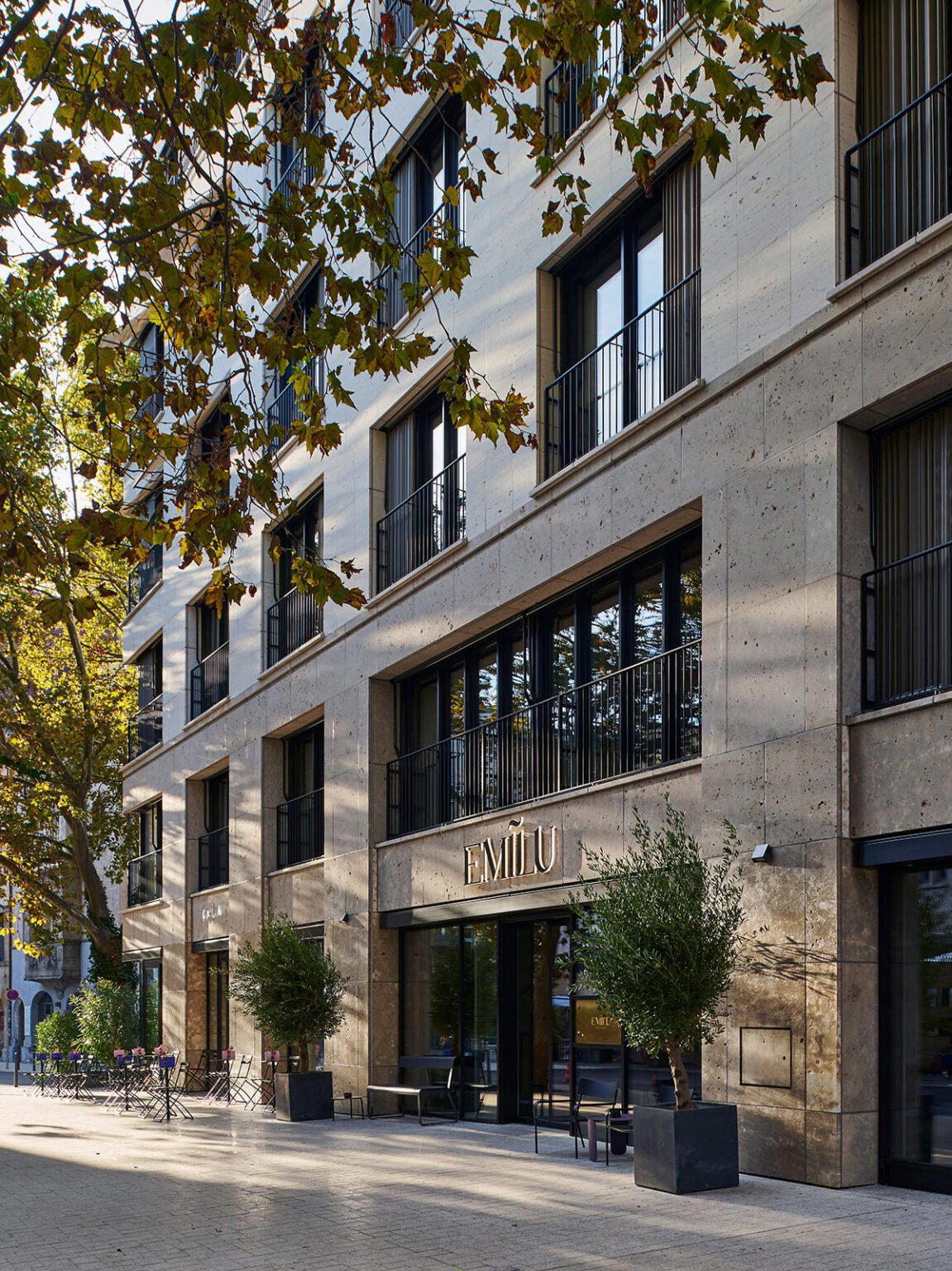

At a Glance
- Cozy
- Rustic
- Classic
- Intimate
- Date Night
- Special Occasion
- Wine Cellar
- Extensive Wine List
Current opening hours
- Monday
- Closed
- Tuesday
- 6 PM–12 AM
- Wednesday
- 6 PM–12 AM
- Thursday
- 6 PM–12 AM
- Friday
- 6 PM–12 AM
- Saturday
- Closed
- Sunday
- Closed
Hours can change for holidays and private events. Last verified .
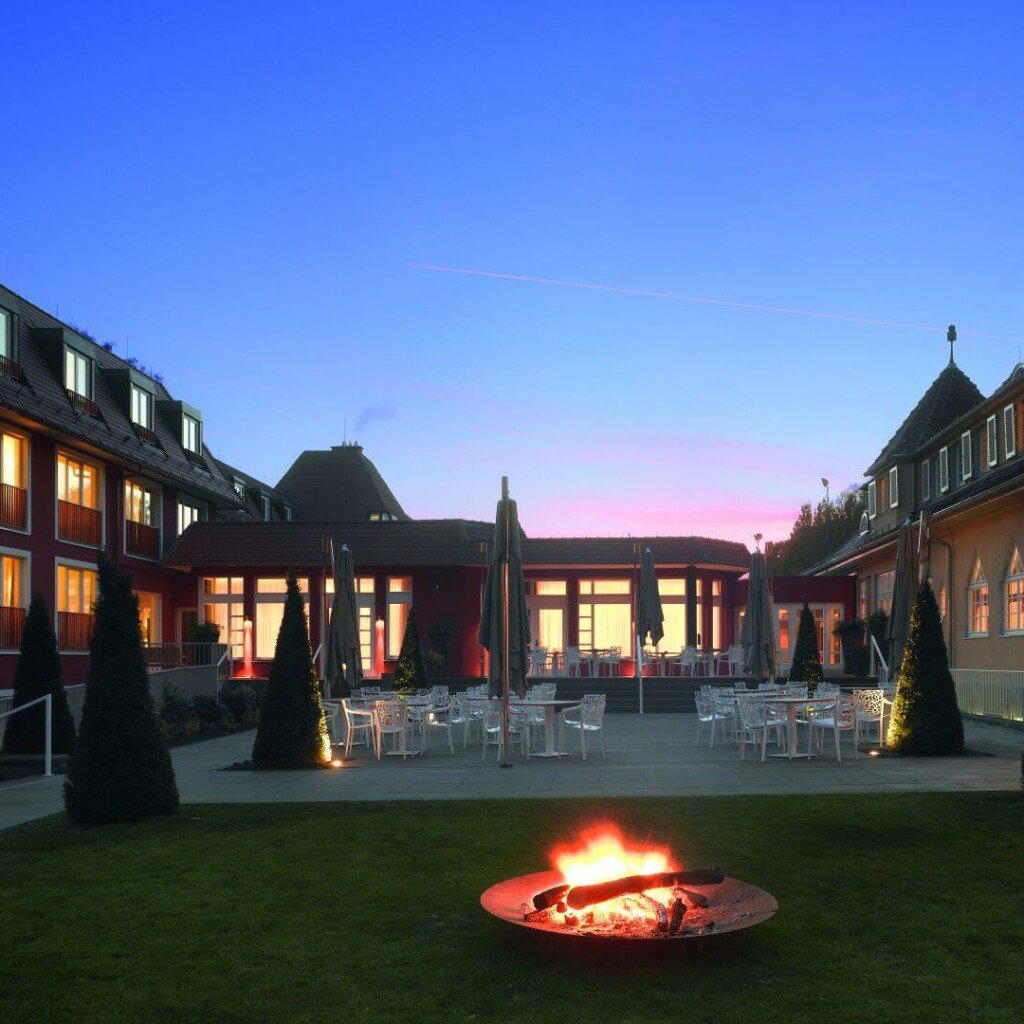
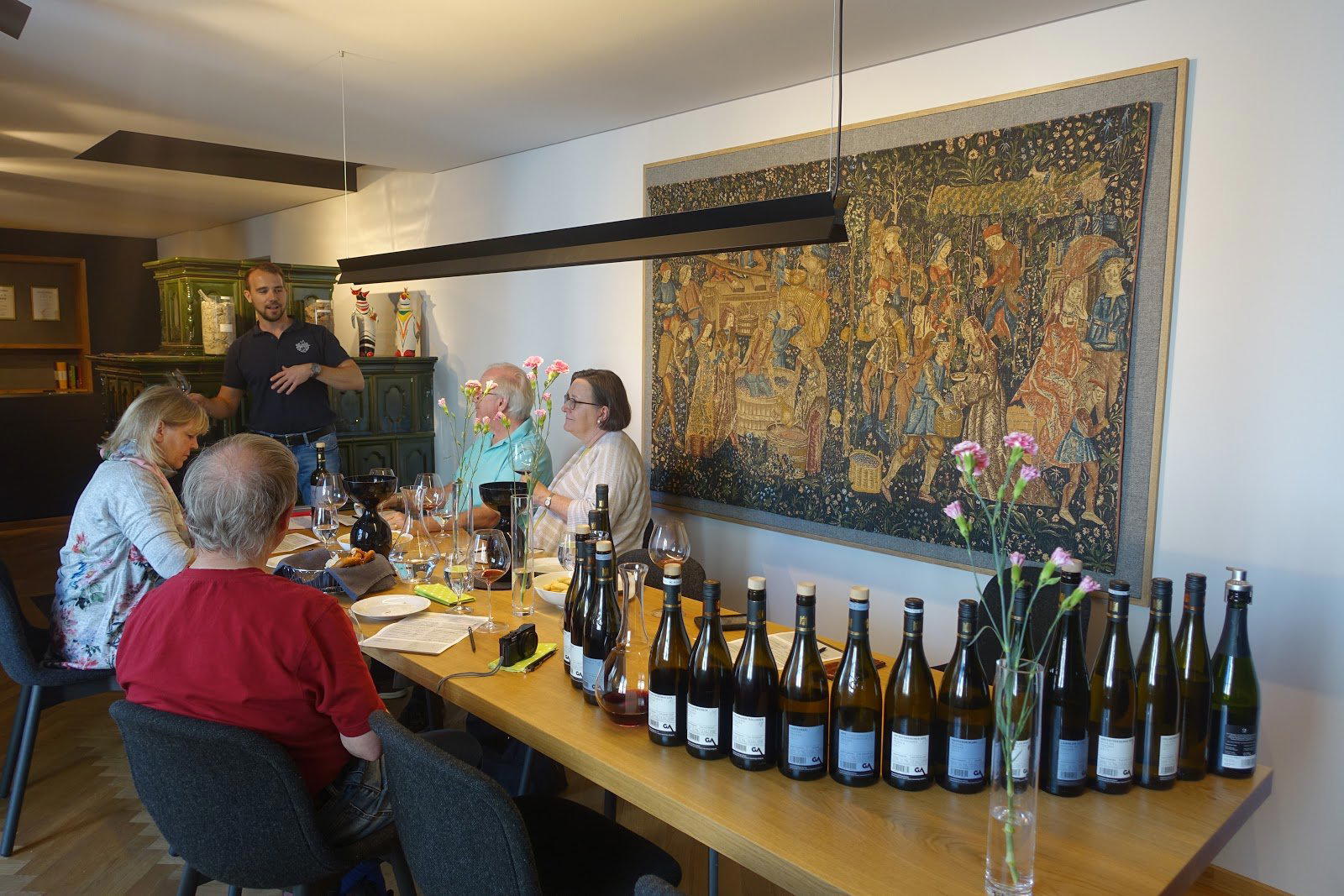
Warm and inviting with rustic decor that creates a welcoming bistro atmosphere.