Auberge de Sigloy sits in the Loire Valley village of Sigloy, a rural address that places it firmly within one of France's most ingredient-driven dining traditions. The auberge format here signals a particular kind of French hospitality: rooted in place, oriented around the land, and less concerned with metropolitan spectacle than with what the surrounding region produces. For travellers willing to seek it out, that orientation is the point.
Pearl is the En Primeur Club membership app — saves, bookings, and concierge access live there. Same editors, same standards.
- Address
- 11 Rte de Châteauneuf, 45110 Sigloy, France
- Phone
- +33245400124
- Website
- aubergedesigloy.com
- Directions
- Get directions
 Saves & bookings on Pearl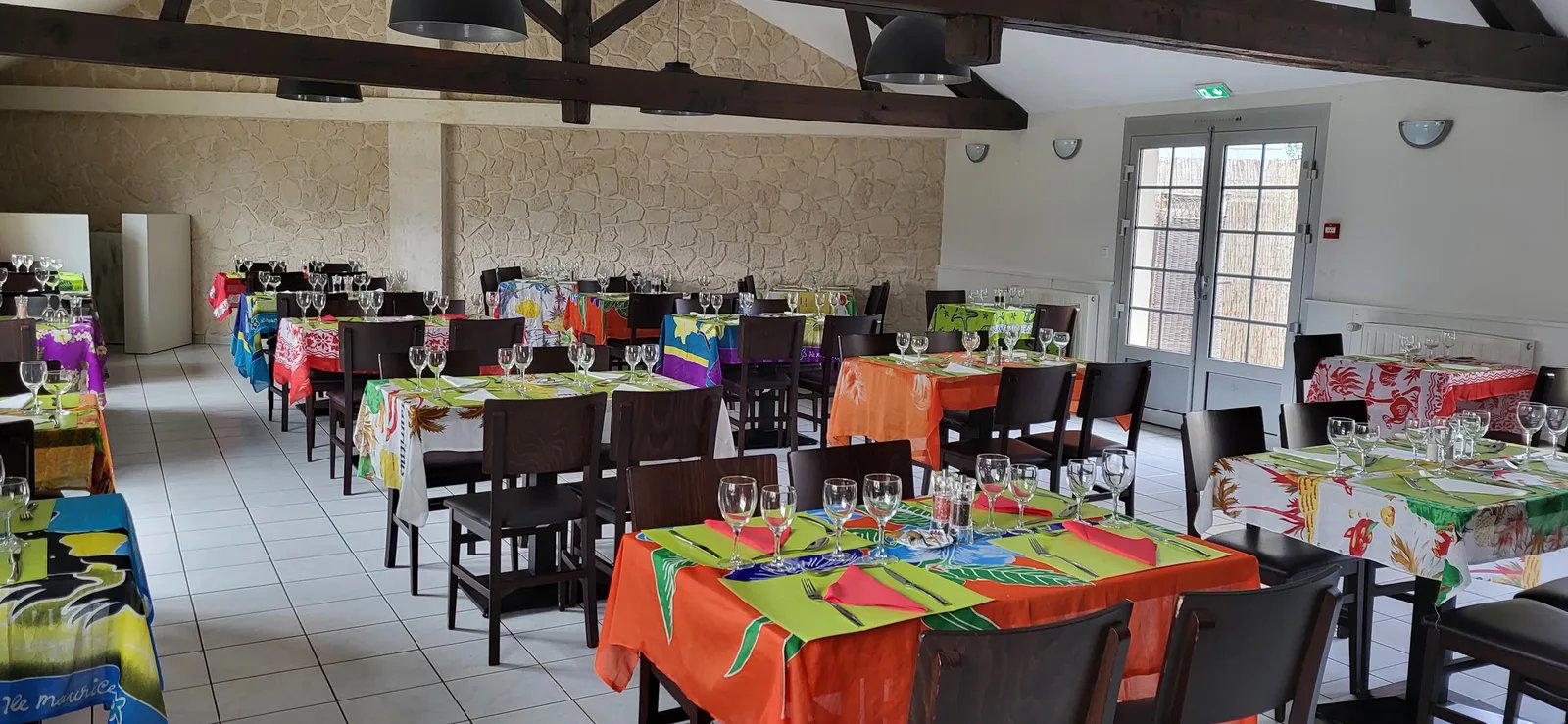
Where the Loire Valley's Auberge Tradition Still Holds
The Loire Valley has a way of making ambitious cooking feel quietly inevitable. The region's density of market gardens, river fisheries, goat dairies, and château vineyards means that a kitchen willing to pay attention to its immediate geography has more raw material at hand than most urban restaurants can source by courier. Auberge de Sigloy, addressed at 11 Route de Châteauneuf in the small commune of Sigloy in the Loiret department, occupies that position: a rural auberge in a region where the land and river have historically set the menu's terms.
The auberge format itself carries meaning in France that the word "restaurant" does not. Historically, auberges were places of lodging and board on rural routes, obligated to feed travellers with whatever the season and the locality provided. That obligation became, over generations, a culinary ethic: the menu reflects the place, not the ambitions of a supply chain. In the Loire Valley, where the river produces pike, perch, and brochet, and where the Sologne forest to the south contributes game in autumn, the auberge format is not nostalgic posturing. It is a direct inheritance.
The Scene Approaching Sigloy
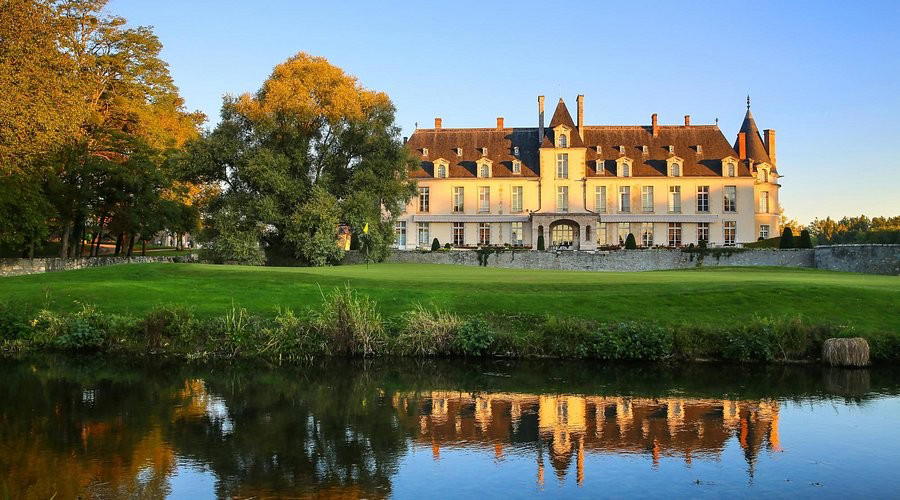
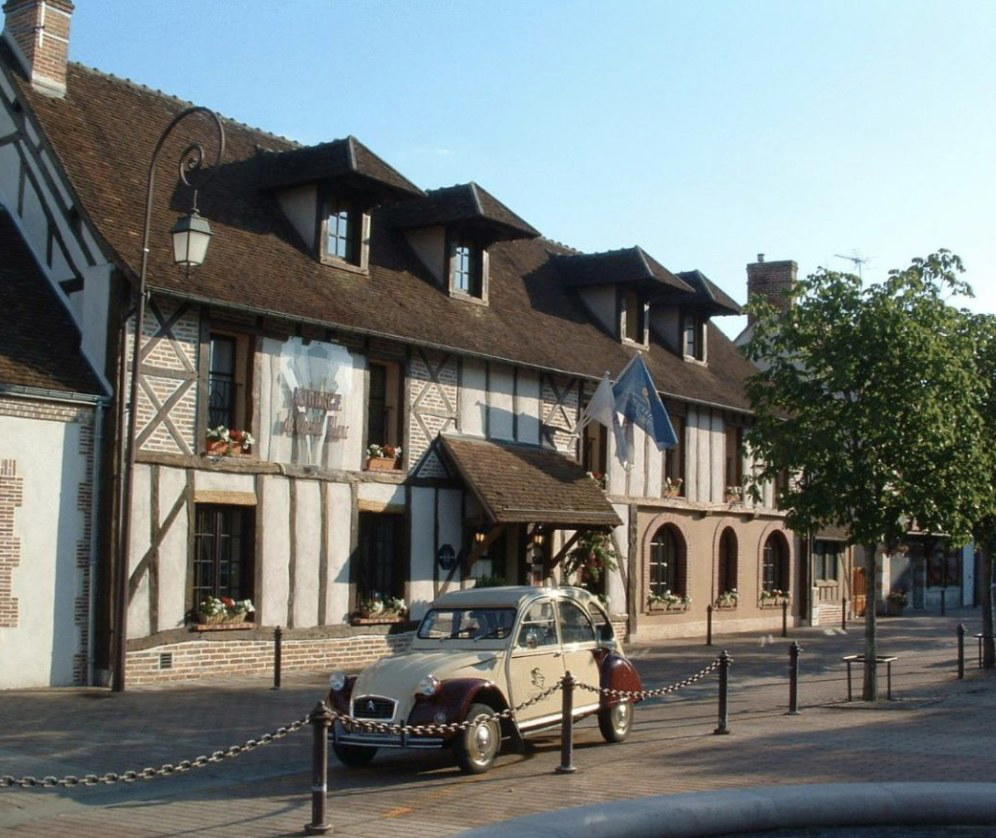
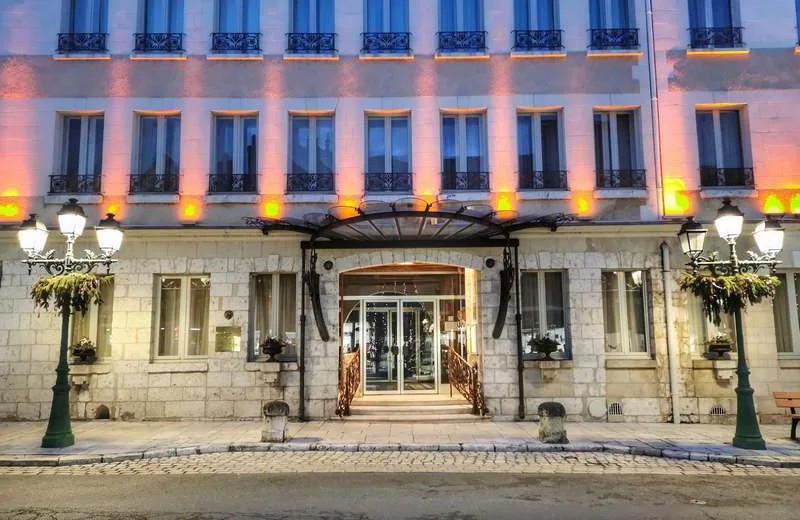
Sigloy sits in the flat agricultural plain between the Loire and the forest edge, the kind of village that reads as a blur from the D-road unless you are specifically looking for it. Arriving by car from Châteauneuf-sur-Loire, the approach is through open fields and river-flanked hedgerows, the landscape low and wide in the way the central Loire tends to be. The auberge itself sits on the route de Châteauneuf, a working road rather than a scenic lane, which is accurate to the format: these are not destinations designed around arrival theatre. The building and surroundings belong to the same register of quiet, functional rural France that has historically produced some of the country's most grounded cooking.
That groundedness is what distinguishes the Loire's auberge tradition from the more performance-oriented end of French fine dining. Compare the address of an auberge in Sigloy with the stage-managed grandeur of Alléno Paris au Pavillon Ledoyen, or with the alpine spectacle built around Flocons de Sel in Megève, and the contrast in culinary register becomes clear. Rural auberge cooking in France has always argued, implicitly, that proximity to source is a form of authority that no city kitchen can fully replicate.
Ingredient Logic in the Loire Valley
The Loire is France's longest river, and its basin covers enough agricultural and ecological variation to function almost as a country within a country. The Loiret specifically, where Sigloy sits, lies at the confluence of several distinct micro-environments: the river itself, the Sologne wetlands and forest to the south, and the cereal plains of the Beauce to the north. Each of these environments contributes a distinct category of ingredient. The river produces freshwater fish that have anchored Loire cooking for centuries; brochet au beurre blanc, pike with butter sauce, remains one of the canonical preparations of the regional repertoire, a dish whose simplicity depends entirely on the quality of the fish and the skill of the sauce. The Sologne contributes venison, wild boar, and game birds in season. The agricultural plain contributes vegetables and grain.
This ingredient logic is not distinctive to any single auberge. It is the condition of cooking in this part of France, and any kitchen that takes the format seriously is working within it. What distinguishes auberges that earn sustained local and regional recognition is not invention within that logic but fidelity to it: sourcing close to home, cooking what the season produces, and resisting the pressure to import prestige ingredients that have no relationship to the place on the plate.
That fidelity to terroir-based sourcing is what connects rural Loire cooking to a broader tradition that also runs through institutions like Bras in Laguiole, where the Aubrac plateau dictates the menu's terms, or Auberge du Vieux Puits in Fontjoncouse, where the garrigue and sea together set the sourcing frame. The format differs across regions; the underlying logic does not.
Where Auberge de Sigloy Sits in the French Auberge Tradition
France's auberge tradition spans an enormous range of ambition and formality. At the leading end, institutions like Auberge de l'Ill in Illhaeusern have held three Michelin stars for decades while retaining the family-run, landscape-rooted character of the format. At the other end, the auberge name covers village dining rooms that function primarily as lunch stops for locals. Auberge de Sigloy, based on its address in a small Loiret commune, sits within the middle and lower-middle range of that spectrum, the tier where French culinary travel most often rewards the traveller who does the research rather than following Michelin's red circles.
That tier is worth understanding on its own terms. The three-star destinations along the Loire corridor, including Troisgros in Ouches, Paul Bocuse in Collonges-au-Mont-d'Or, and Maison Lameloise in Chagny, occupy a different competitive set entirely, one defined by international reputation and corresponding prices. A rural auberge in Sigloy operates under different premises: local clientele, seasonal rhythm, and the kind of cooking that does not need an international audience to justify itself.
For comparison, the coastal luxury register of La Vague d'Or in Saint-Tropez or the alpine hotel dining of Le 1947 in Courchevel represents a mode of French fine dining where the setting and the brand architecture are inseparable from the experience. A rural Loire auberge makes the opposite argument: that the setting is the landscape itself, and the brand is the region's agricultural calendar.
Planning a Visit to Sigloy
Sigloy is most easily reached by car, approximately 25 kilometres east of Orléans along the Loire. The nearest rail hub is Orléans, which connects to Paris Austerlitz in just over an hour, making a day trip from the capital feasible if you are building a broader Loire itinerary. The village is small enough that Auberge de Sigloy on the route de Châteauneuf is easy to locate without navigational difficulty. Given the venue's rural character and the general pattern of French country auberges, visiting for Sunday lunch or a weekday midday meal fits the format more naturally than an evening visit, though the published hours are Wednesday 9 AM to 5 PM, Thursday through Saturday 9 AM to 11 PM, and Sunday 12 to 5 PM. Reservations are recommended.
Travellers interested in the Loire Valley's broader dining and cultural range might also consider Les Prés d'Eugénie in Eugénie-les-Bains or, at the opposite end of the formality register, Mirazur in Menton for a sense of how ingredient sourcing operates at the apex of the French creative restaurant scene. For those building a transatlantic frame of reference, Le Bernardin in New York and Lazy Bear in San Francisco represent how the ingredient-first philosophy translates across the Atlantic, each in its own way. Also worth noting in the context of chef-driven regional French cooking are Georges Blanc in Vonnas, La Table du Castellet, and L'Oustau de Baumanière in Les Baux, all of which share the auberge tradition's preference for regional identity over cosmopolitan neutrality.
How It Stacks Up
Comparable venues nearby, for context on price, style, and recognition.
| Venue | Cuisine | Price | Notes |
|---|---|---|---|
| Auberge de SigloyThis venue — the venue you are viewing | French-Mauritian Fusion Bistro | $$ | Not listed |
| Made In Café | French Brasserie | $$ | central Bourges |
| La Cantine du Troquet | Basque Bistro | $$ | 14th Arrondissement |
| Maison Perchée | French Bistro with Mediterranean Touches | $$ | 5e arrondissement |
| Coutume | Modern French Bakery Cafe with Specialty Coffee | $$ | 7e Arr. - Palais-Bourbon |
| Eggs&Co. | French Egg-Centric Brunch | $$ | 6th Arrondissement (Luxembourg) |
Continue exploring
More in Sigloy
Restaurants in Sigloy
Browse all →
At a Glance
- Cozy
- Rustic
- Intimate
- Elegant
- Date Night
- Group Dining
- Casual Hangout
- Terrace
- Craft Cocktails
- Local Sourcing
Current opening hours
- Monday
- Closed
- Tuesday
- Closed
- Wednesday
- 9 AM–5 PM
- Thursday
- 9 AM–11 PM
- Friday
- 9 AM–11 PM
- Saturday
- 9 AM–11 PM
- Sunday
- 12–5 PM
Hours can change for holidays and private events. Last verified .
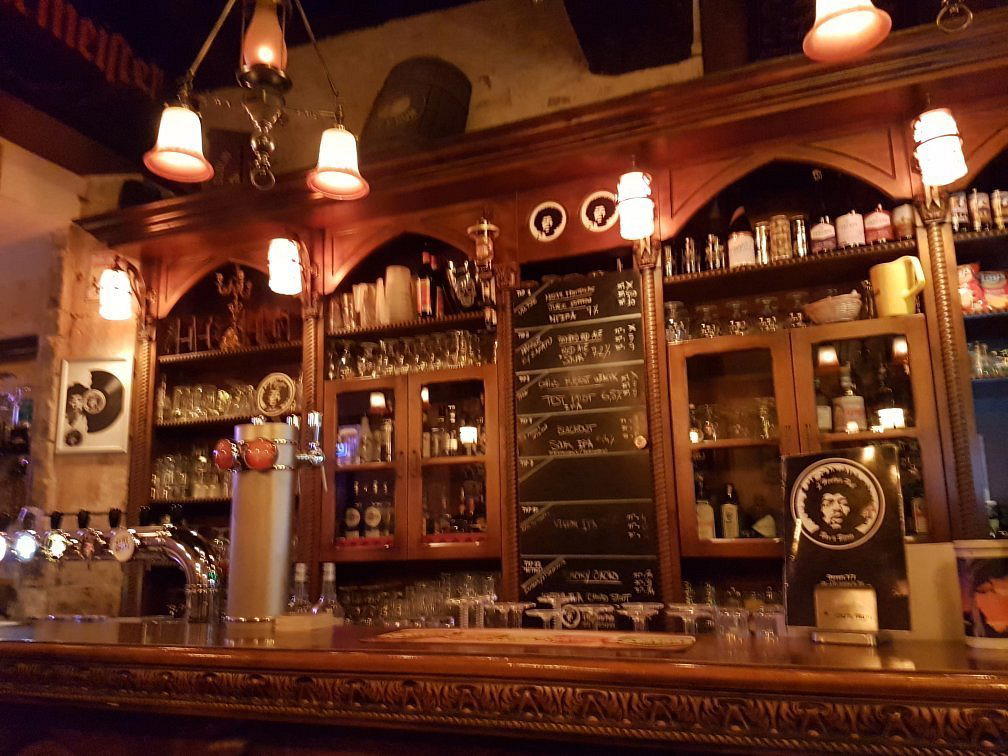
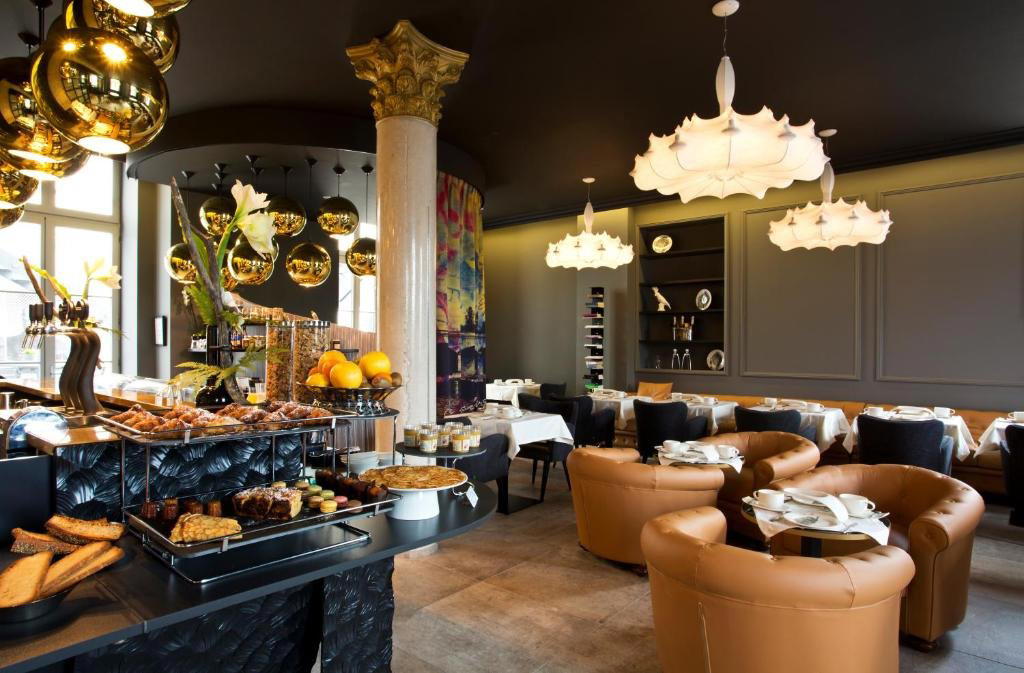
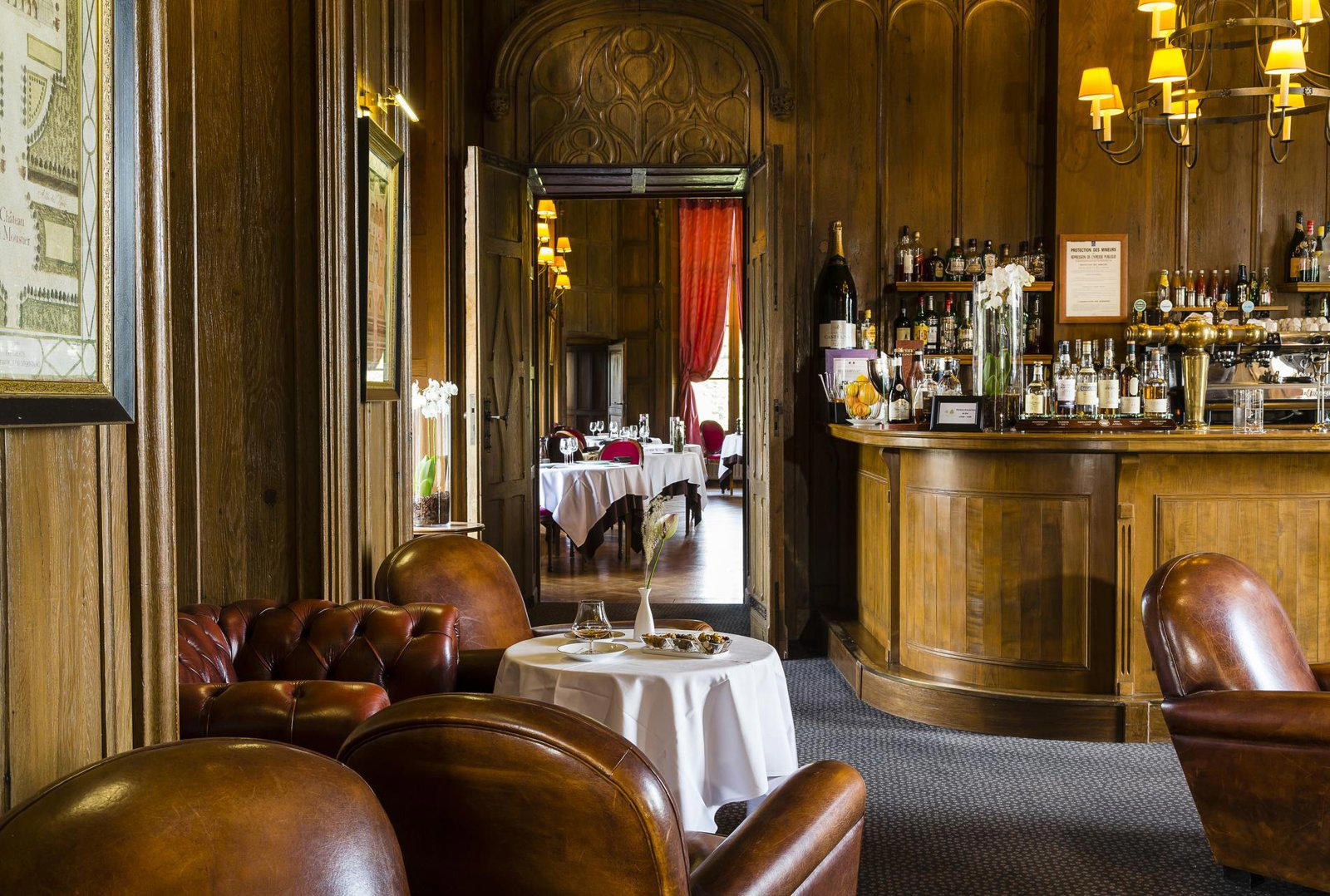
Chaleureuse ambiance with a convivial fireplace in the dining room and a cozy lounge space for aperitifs.