Auberge de Collex-Bossy
Set in the rural commune of Collex, just north of Geneva, Auberge de Collex-Bossy occupies the kind of village setting that rewards the deliberate detour. The auberge format itself signals something about the food: rooted, unhurried, and oriented toward the landscape that surrounds it. For Geneva-based diners seeking a change of register from the city's formal dining rooms, it represents a different kind of seriousness.
Pearl is the En Primeur Club membership app — saves, bookings, and concierge access live there. Same editors, same standards.
- Address
- Rte de Collex 195, 1239 Collex, Switzerland
- Phone
- +41227741515
- Website
- aubergecollex-bossy.com
- Directions
- Get directions
 Saves & bookings on Pearl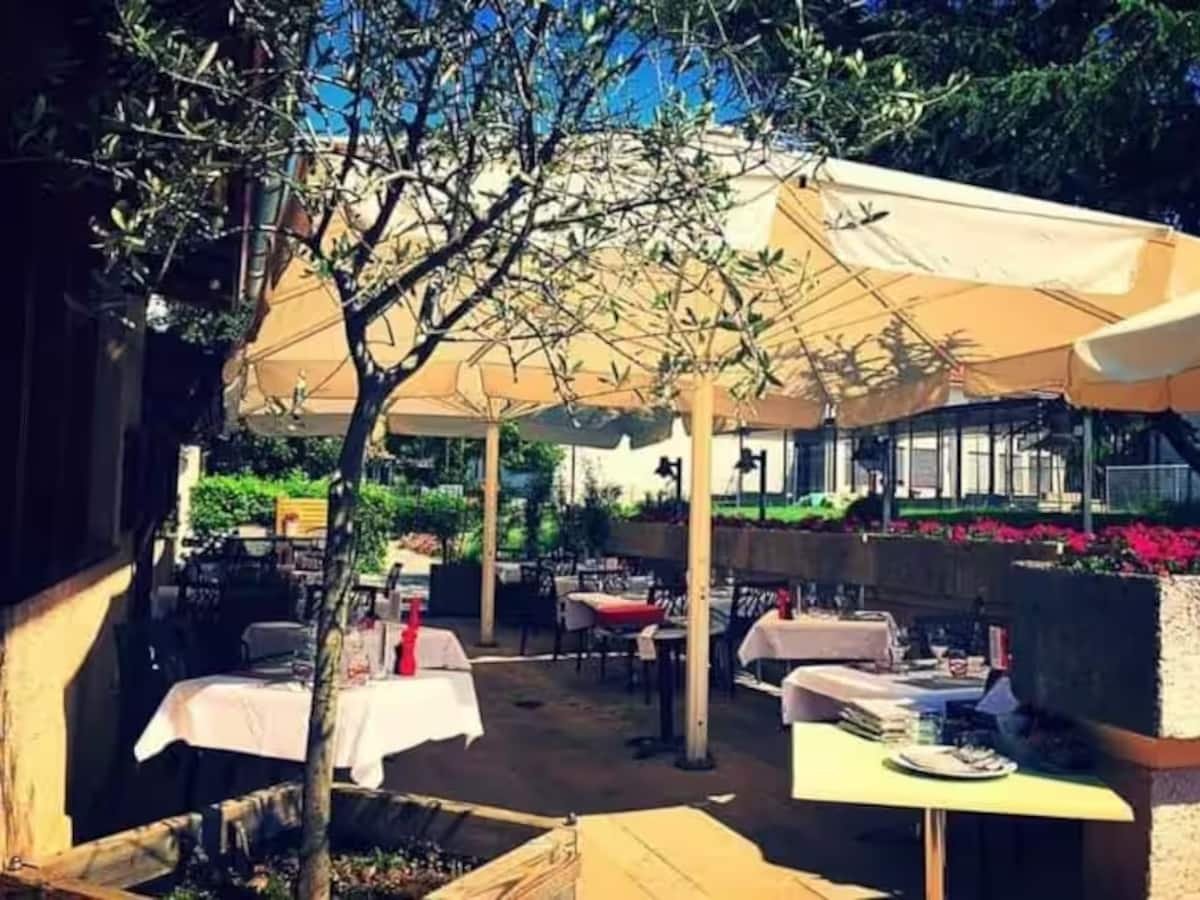
The Village Auberge as a Dining Argument
The Swiss-French border region north of Geneva produces a particular kind of restaurant: the village auberge that functions at a register well above its modest architectural envelope. Collex-Bossy, a rural commune perched above the Rhône plain, is exactly the kind of place where this format thrives. The drive out from Geneva, past market gardens and vine-covered slopes of the canton's northern arc, is itself part of the proposition. Auberge de Collex-Bossy is a French bistro in Collex, Switzerland, with a smart-casual dress code and reservations essential. By the time you arrive at Route de Collex 195, the city's formal dining rooms feel like a different conversation entirely.
Auberge de Collex-Bossy sits within a tradition that has long shaped the way Swiss-French borderland communities eat: the inn-as-restaurant, where the kitchen draws from the surrounding agricultural territory and the room carries the unhurried cadence of a place not competing for passing trade. This is not a format that suits every diner, but for those who understand what it offers, the distance from central Geneva is a feature rather than a friction.
Ingredient Sourcing and the Logic of Place
The auberge format in this part of Switzerland has always been tethered to proximity. The canton of Geneva is small enough that the distance between producer and kitchen is measured in minutes rather than hours. Market gardeners in the Aire valley, dairy operations on the Mandement plateau, and the wine estates of Geneva's own appellation all operate within a tight geographic radius. An auberge that takes its sourcing seriously in this context is not making a philosophical statement so much as following the logic of where it sits.
This matters because it shapes what ends up on the plate in ways that a city restaurant with a broader supply chain cannot replicate. Produce harvested that morning from the Rhône plain's fertile alluvial soils arrives with a structural integrity that refrigerated transport erodes. Seasonal menus in this region shift not by calendar quarter but by what the surrounding land is actually doing week by week. Geneva's short but intense growing season means summer and early autumn represent the kitchen's most productive window, while winter cooking pivots toward root vegetables, aged cheeses from the Jura foothills, and preserved preparations.
Switzerland's premium dining circuit has increasingly embraced this sourcing logic at its most formal end. Venues like Memories in Bad Ragaz and Schloss Schauenstein in Fürstenau have built international reputations partly on the credibility of their regional supply relationships. The village auberge operates the same principle at a different scale and register: less ceremony, tighter geography, more direct connection between the surrounding countryside and the dining room.
Where Collex-Bossy Sits in the Swiss Dining Picture
Switzerland's serious restaurant scene has sorted itself into several distinct formats over the past decade. At one end sit the destination restaurants that compete for international recognition, properties like Hotel de Ville Crissier in Crissier, Cheval Blanc by Peter Knogl in Basel, and Maison Wenger in Le Noirmont, each positioned firmly in the formal tasting-menu category. At the other end, a cohort of creative regional kitchens has grown in confidence, including Magdalena in Schwyz and Taverne zum Schäfli in Wigoltingen, both of which have demonstrated that the inn-and-tavern format can carry serious culinary ambition without the apparatus of a formal fine-dining room.
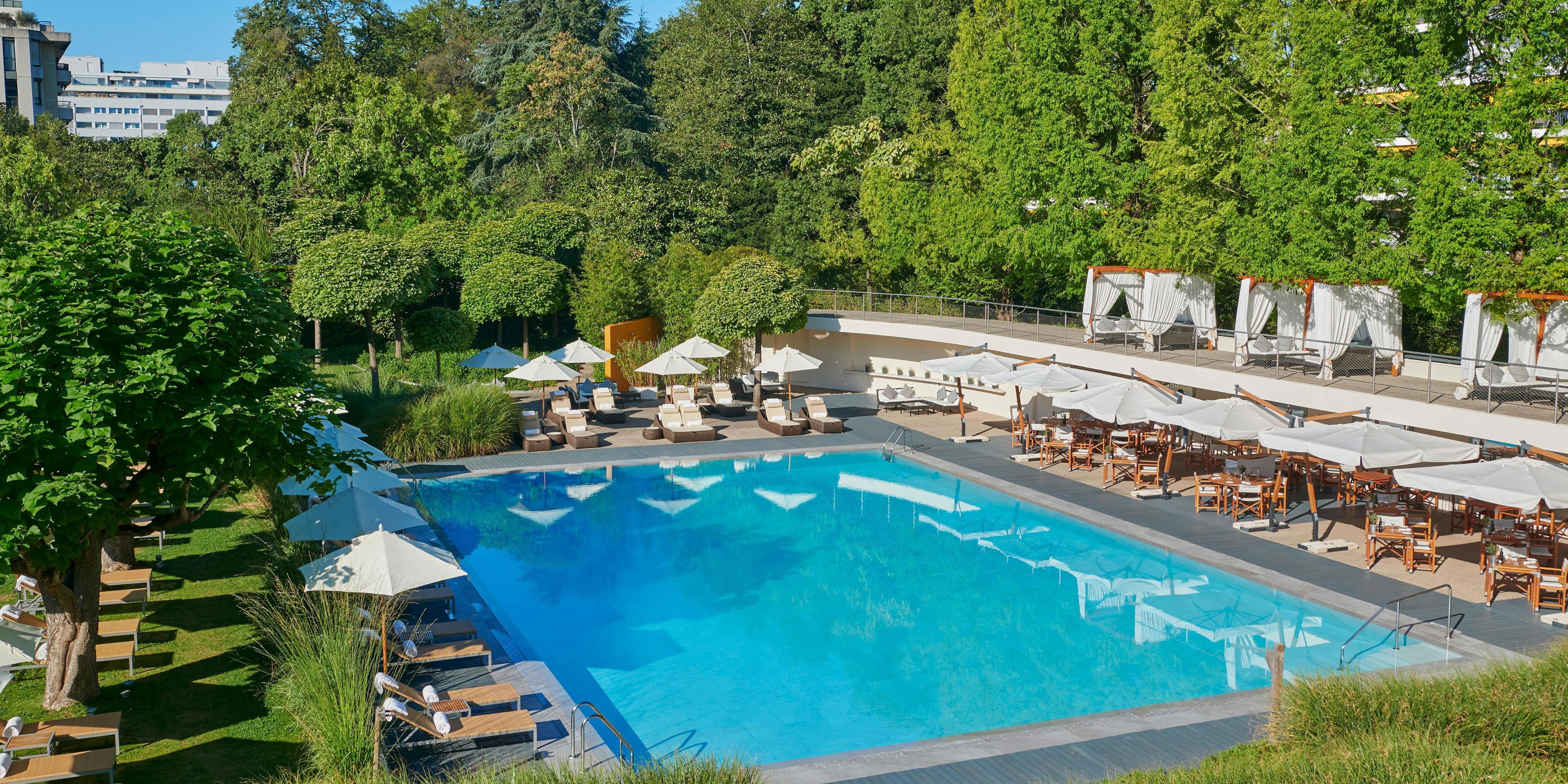
The auberge in Collex occupies a position that shares more with this second cohort than with the destination-restaurant tier. The physical setting communicates something before the food arrives: stone and timber, a terrace oriented toward the agricultural plain, a room that has not been redesigned to signal sophistication. In the Swiss-French tradition, this restraint is itself a signal. The kitchen is the argument; the room simply does not compete with it.
For diners who have oriented their Swiss itinerary around larger productions, the kind of multi-course tasting programs offered by focus ATELIER in Vitznau or Einstein Gourmet in Sankt Gallen, the auberge format asks for a different mode of attention. The pace is slower, the portions more generous, and the relationship between food and place more legible.
The Geneva Region's Agricultural Inheritance
Geneva is one of Switzerland's smallest cantons but one of its most agriculturally diverse. The Mandement wine district to the north produces Chasselas and Gamay under the canton's own AOC designation, and the region's market gardens supply both the city's restaurant trade and the rural auberges that sit at its edges. The Rhône, which passes through Geneva before entering France, irrigates a plain where vegetable cultivation has continued largely uninterrupted for centuries.
This agricultural inheritance gives kitchens in the Collex area a supply base that urban restaurants in Geneva proper must work harder to access. The short supply chain translates directly into what a kitchen can do: preparations that foreground the ingredient rather than transforming it, cooking that would be undermined by produce that had spent three days in a distribution network. This is why the auberge format, when it works, tends to produce food that is harder to replicate in a city context than its apparent simplicity suggests.
Other Swiss kitchens have made similar arguments at higher price points. Mammertsberg in Freidorf and La Table du Valrose in Rougemont both operate with a strong regional sourcing logic, as does La Brezza in Ascona in the canton of Ticino. The principle travels across the country's different linguistic and culinary zones: proximity to the source matters, and restaurants that build their identity around it tend to hold their position more consistently than those chasing technique or trend.
Planning Your Visit
Collex-Bossy is a 15-minute drive north of central Geneva via the Route de Ferney corridor, though the commune sits outside the city's dense urban grid and public transport connections are limited. Driving or arranging a taxi from Geneva is the practical choice, particularly for an evening when the return journey matters. The auberge format typically means a lunch or dinner that runs longer than a city restaurant, with the expectation that the drive itself is part of the rhythm. Reservations made in advance are advisable for weekends; the village setting means the dining room does not absorb walk-in overflow from neighbouring streets. That shift in register is, for many Geneva visitors, exactly the point.
Fast Comparison
Comparable venues nearby, for context on price, style, and recognition.
| Venue | Cuisine | Price | Notes |
|---|---|---|---|
| Auberge de Collex-BossyThis venue — the venue you are viewing | French Bistro with Bison Specialties | $$$ | Not listed |
| La Terrasse | French Seasonal Bistro | $$$ | Place de la Gare |
| Auberge communale | French-Swiss Brasserie & Gastronomic | $$$ | Echandens |
| CaSy | French-Swiss Fusion Bistro | $$$ | Crans-Montana |
| Des Bains | Modern French-Swiss with Seasonal Local Produce | $$$ | eastern Avenches |
| Brasserie l'Odéon Genève | Classic French Brasserie | $$$ | Les Delices |
Continue exploring
More in Collex
Restaurants in Collex
Browse all →
At a Glance
- Romantic
- Classic
- Cozy
- Elegant
- Date Night
- Business Dinner
- Group Dining
- Family
- Special Occasion
- Terrace
- Private Dining
- Standalone
- Extensive Wine List
- Sommelier Led
- Local Sourcing
- Farm To Table
- Vineyard
Current opening hours
- Monday
- Closed
- Tuesday
- 9 AM–10 PM
- Wednesday
- 9 AM–10 PM
- Thursday
- 9 AM–10 PM
- Friday
- 9 AM–10 PM
- Saturday
- 9 AM–10 PM
- Sunday
- Closed
Hours can change for holidays and private events. Last verified .
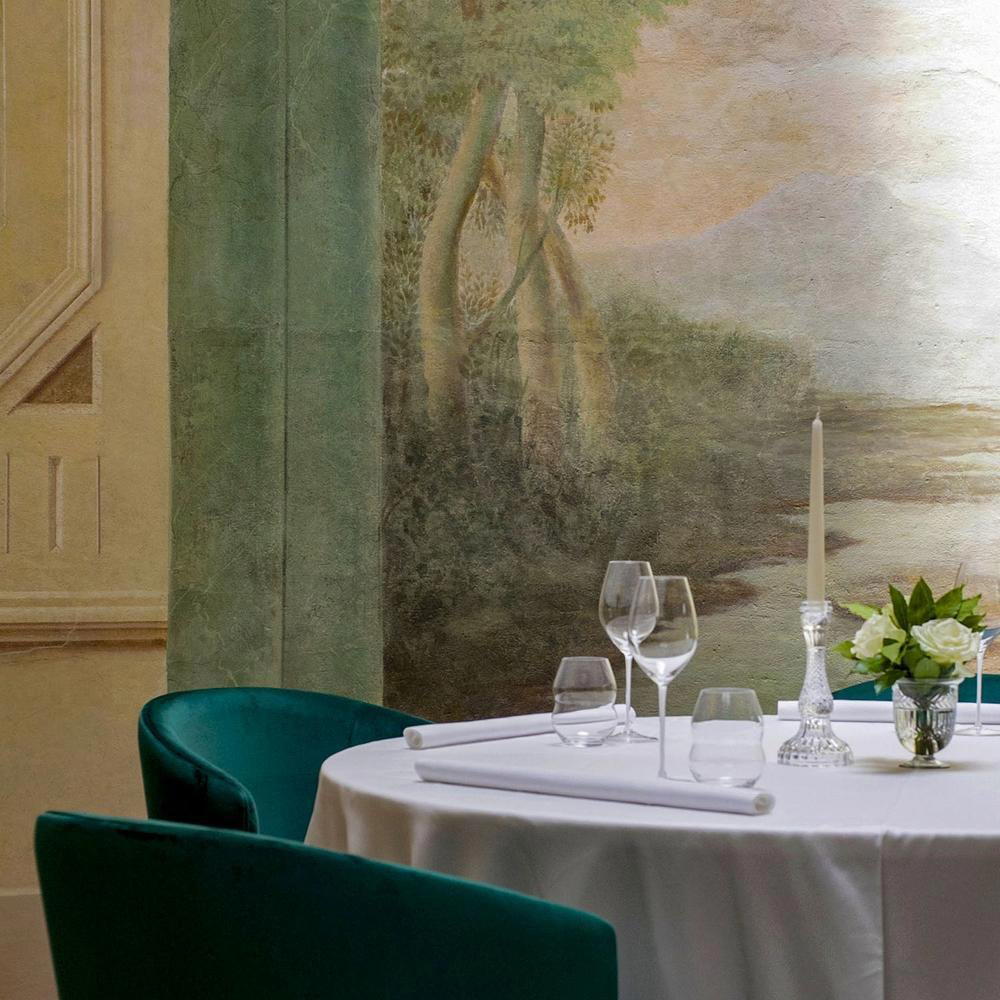
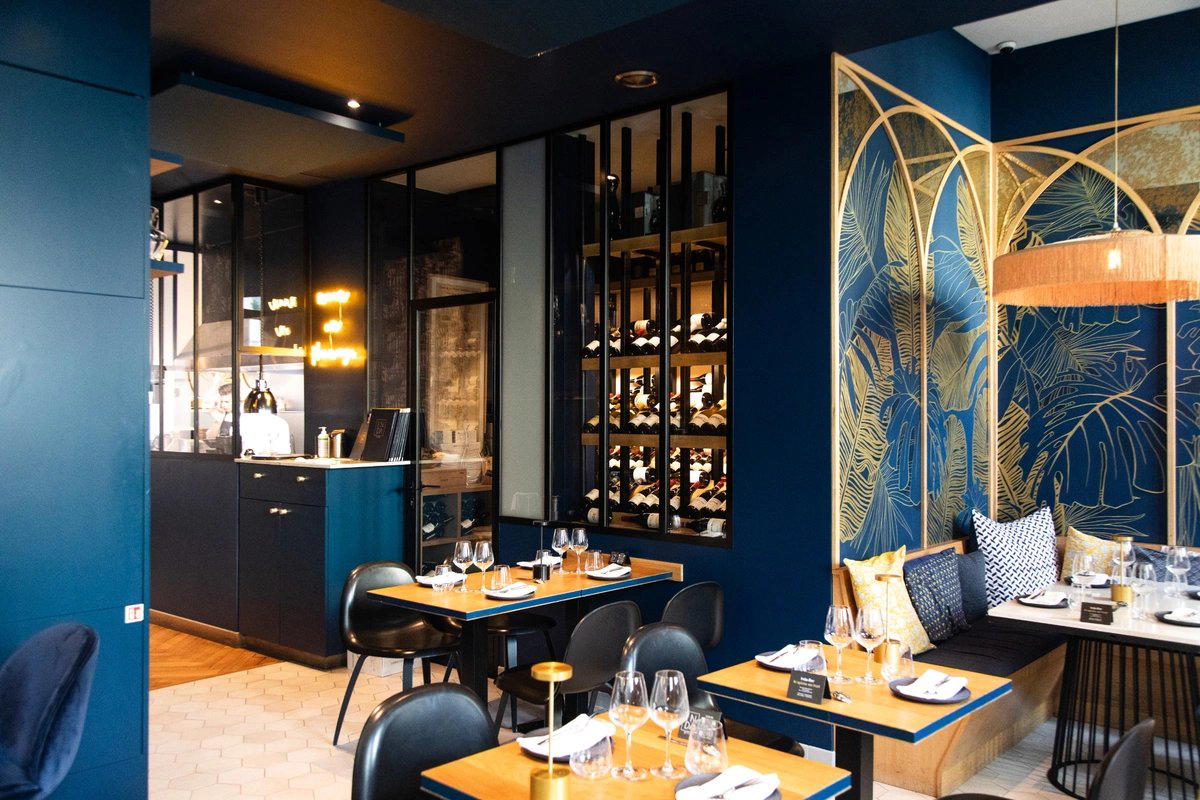
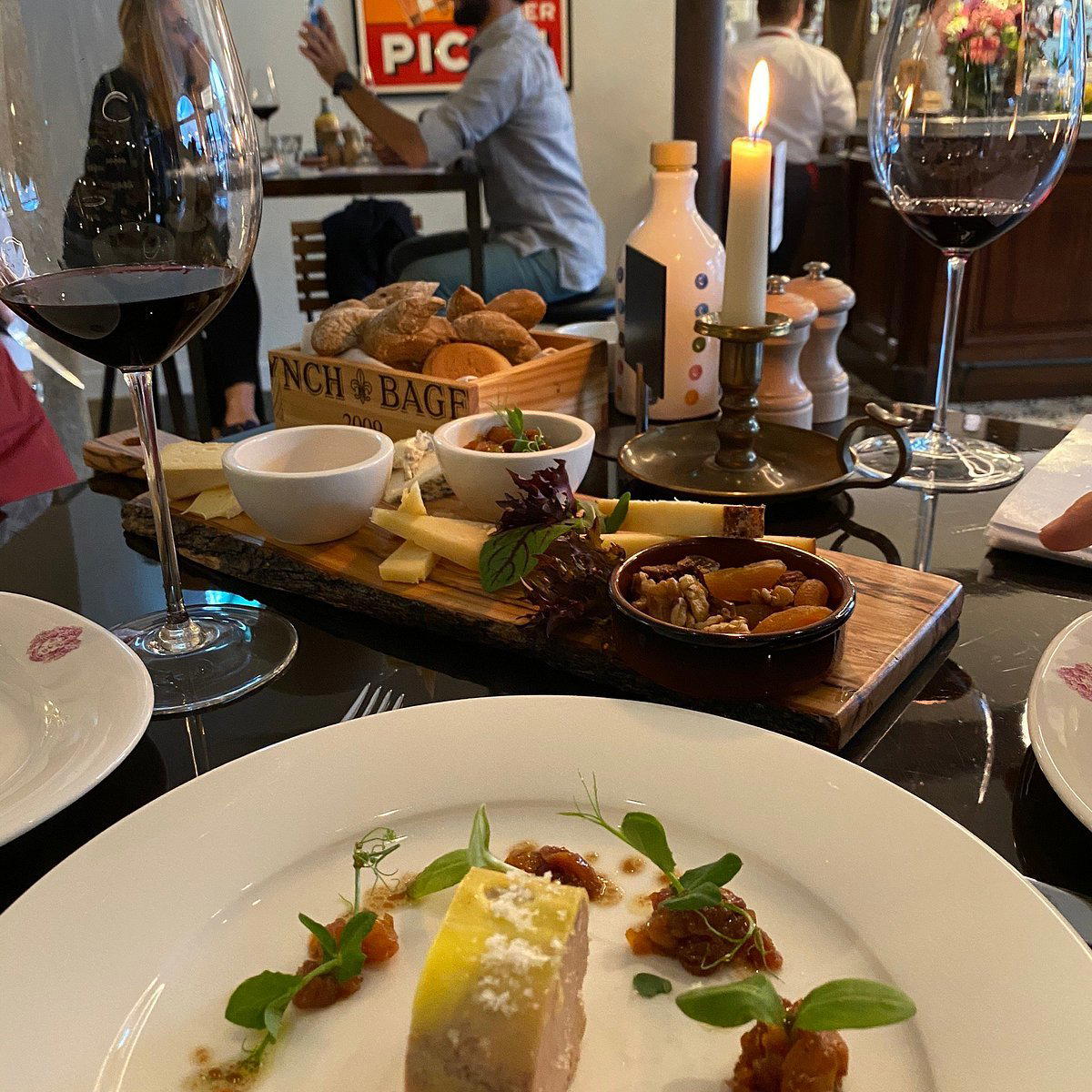
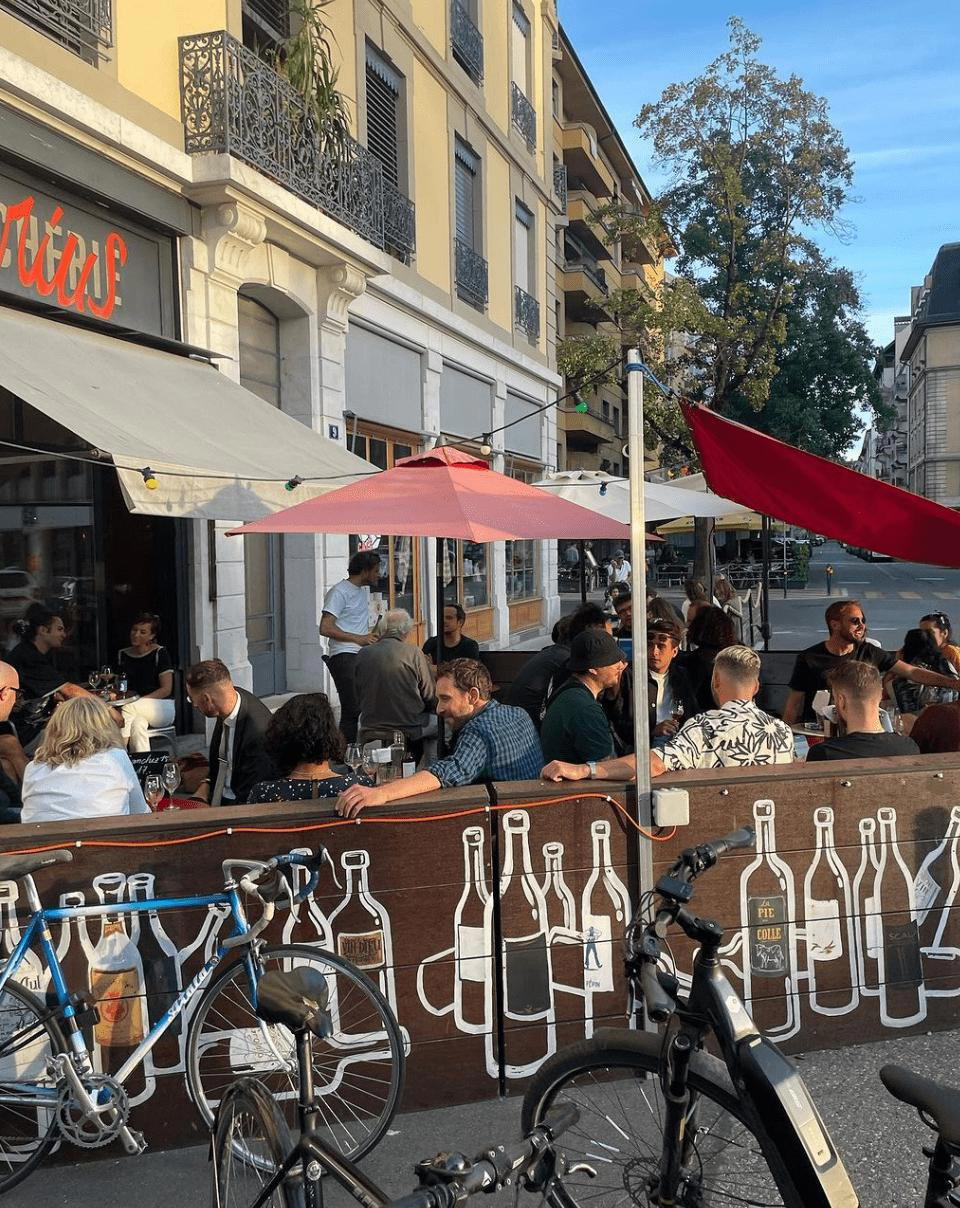
Warm and relaxed atmosphere with charming, unpretentious decor; the building exterior is mundane but interior feels welcoming and intimate, especially on the terrace in season.