Augustin occupies a quiet address on Dagobertstraße in Cologne's city centre, placing it within reach of the Rhine-adjacent dining corridor that has steadily drawn serious restaurant attention over the past decade. The room and kitchen operate at a register that rewards deliberate visits rather than casual walk-ins, positioning Augustin alongside Cologne's growing cohort of considered, format-driven dining addresses.
Pearl is the En Primeur Club membership app — saves, bookings, and concierge access live there. Same editors, same standards.
- Address
- Dagobertstraße 32, 50668 Köln, Germany
- Phone
- +4922157077796
- Website
- augustin-restaurant.com
- Directions
- Get directions
 Saves & bookings on Pearl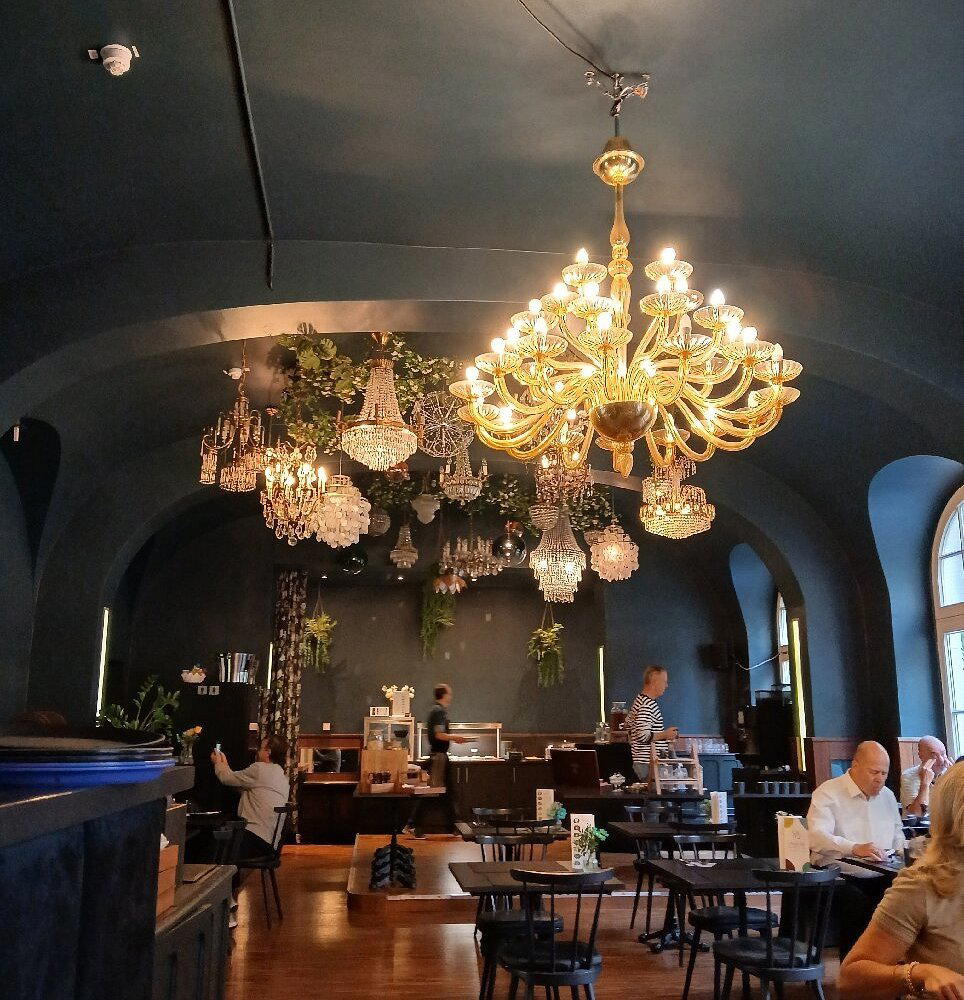
A Cologne Address Worth Reading Carefully
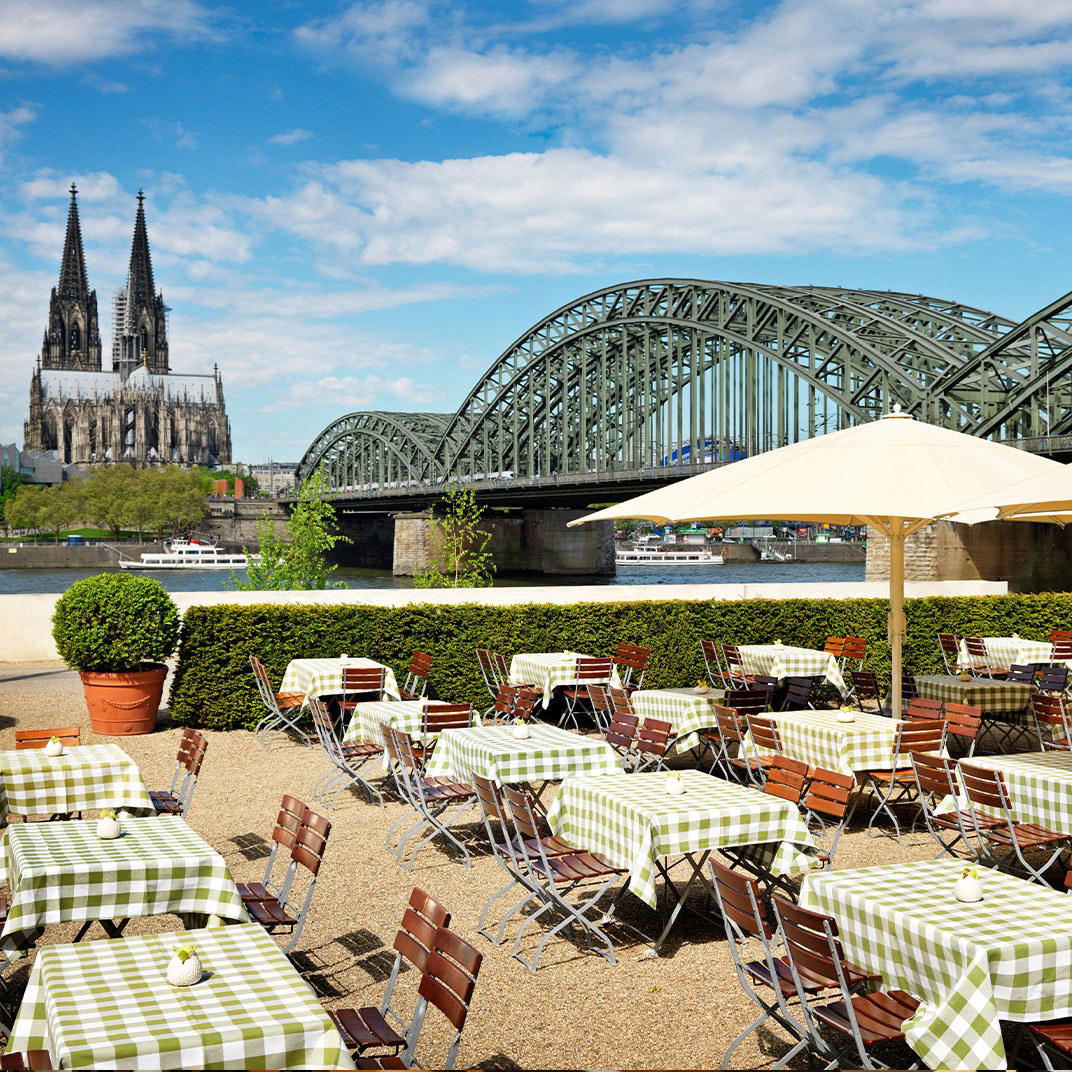
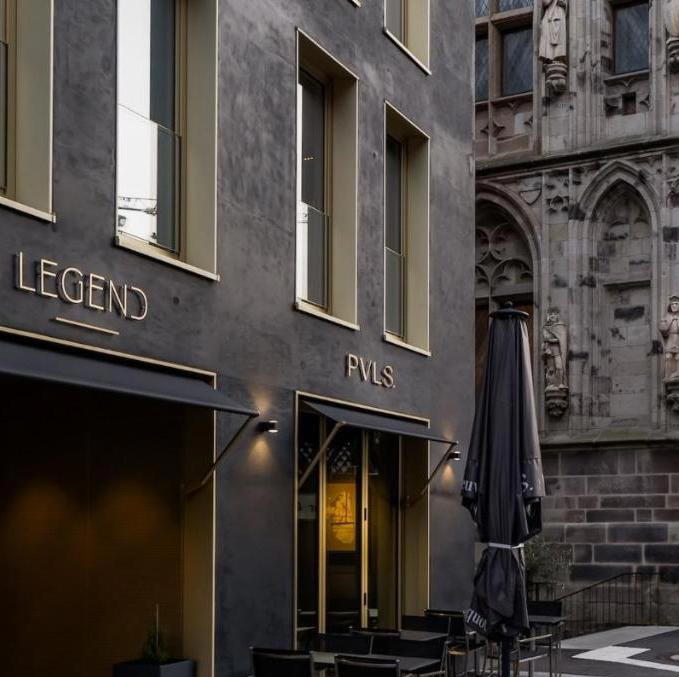
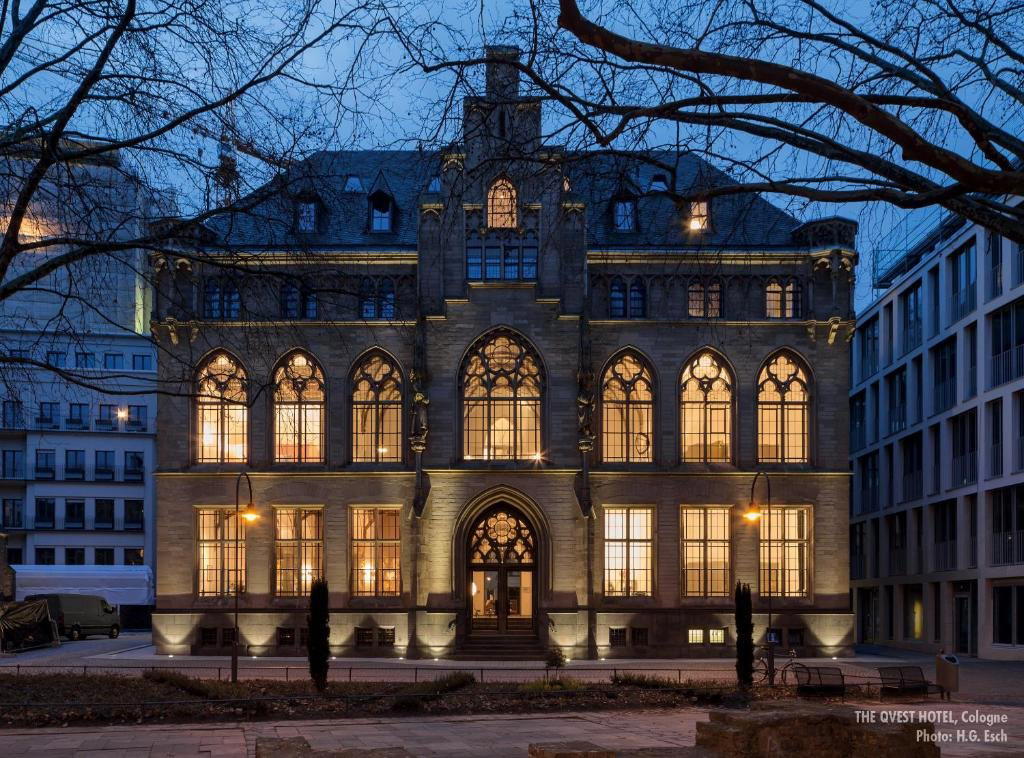
Dagobertstraße sits close enough to the Rhine that the city's riverside energy is present without overwhelming the street itself. It is the kind of location that rewards a deliberate approach: quiet enough to signal intention, central enough to draw from every quarter of Cologne. Restaurants that choose addresses like this tend to be operating with a specific diner in mind rather than relying on foot traffic to fill seats. Augustin is a restaurant in Cologne serving modern German-French brasserie cooking at a price tier around $50 per person.
Cologne's dining scene has matured considerably over the past fifteen years. The city that was once characterised almost entirely by Kölsch-and-Brauhaus culture now carries a restaurant tier that can hold a comparison with Munich or Hamburg without embarrassment. That shift happened unevenly, clustering first in the Belgian Quarter, then spreading toward the Altstadt fringe and the Rhine-adjacent streets where Augustin sits. The neighbourhood now hosts a layered set of dining options, from the sharp modern techniques at Ox & Klee to the French-accented precision of La Cuisine Rademacher, and Augustin adds its own note to that register.
The Room and What It Communicates
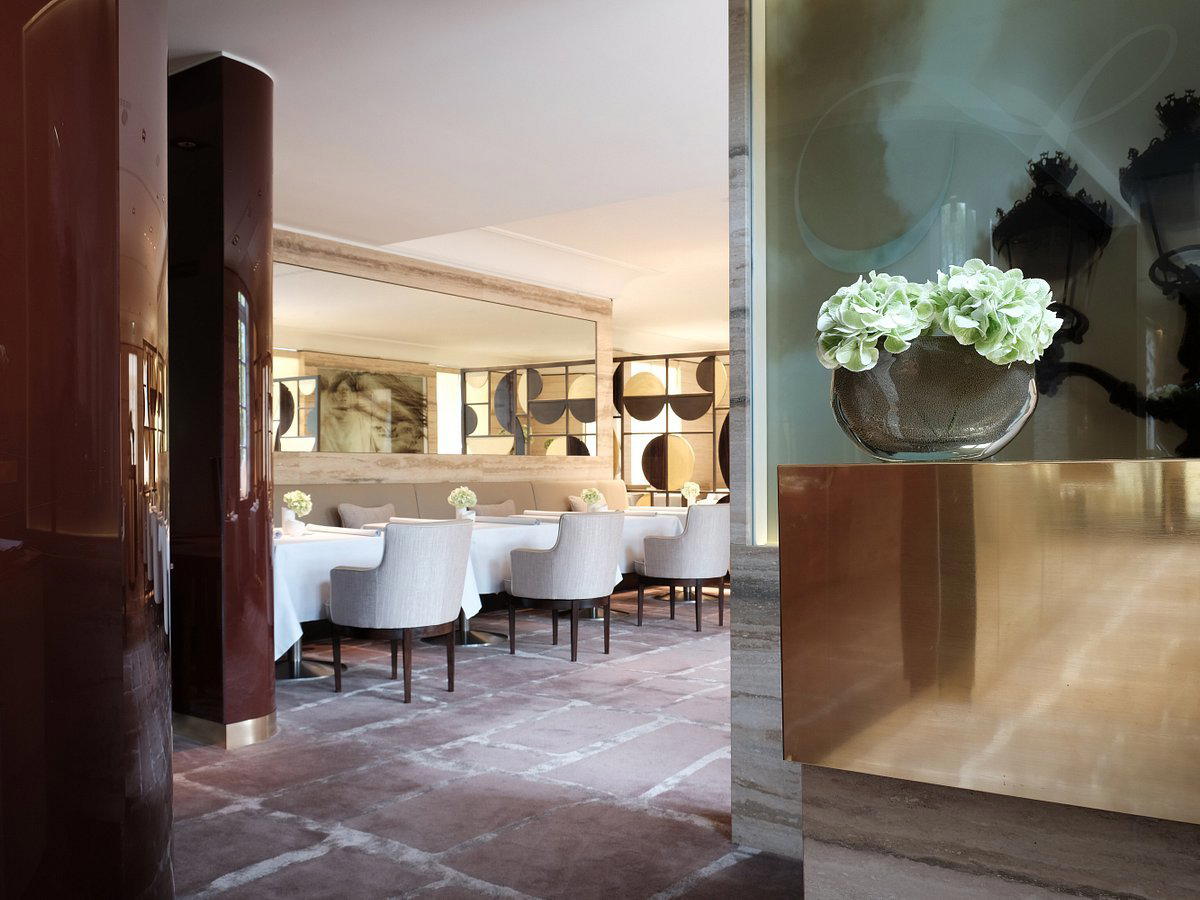
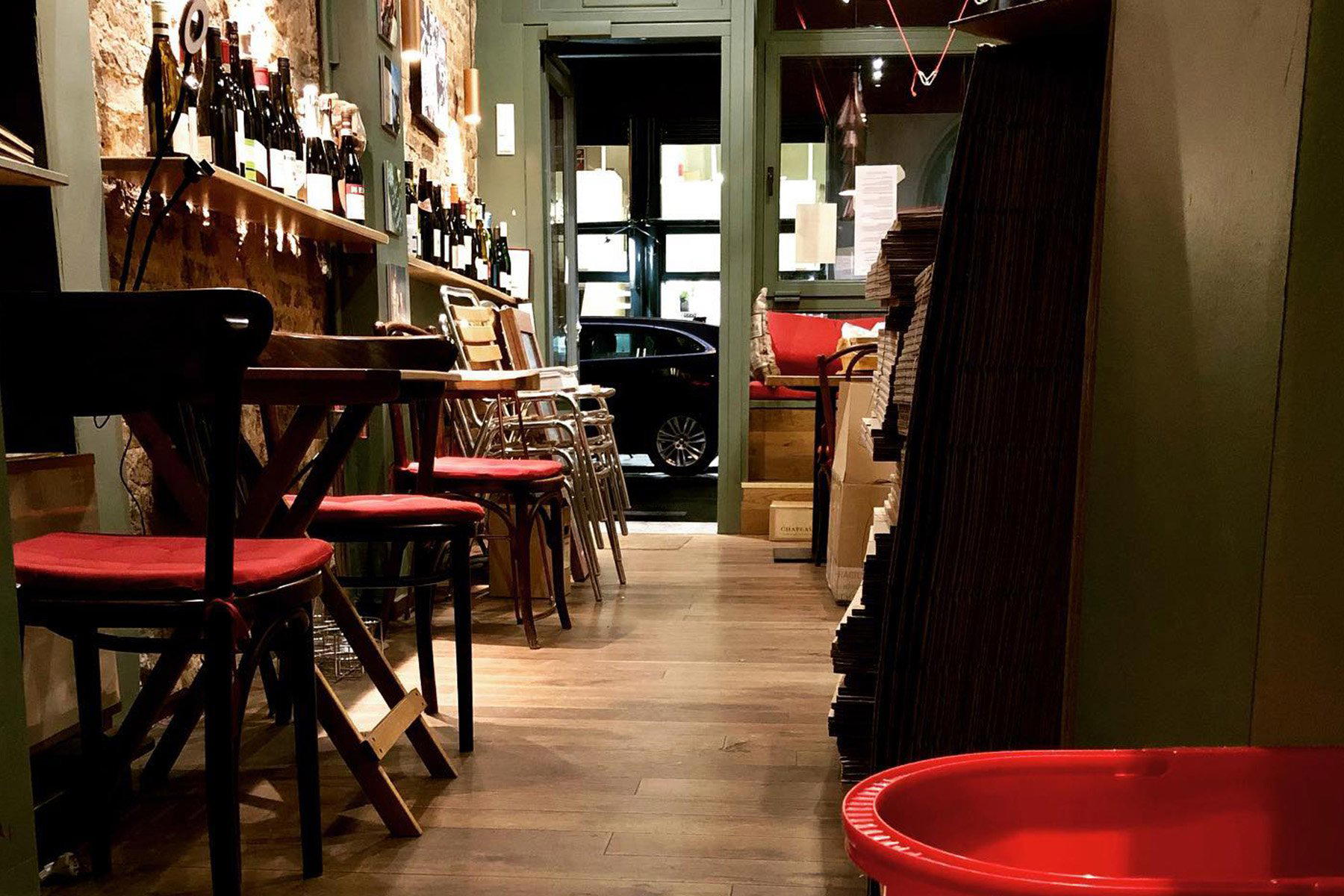
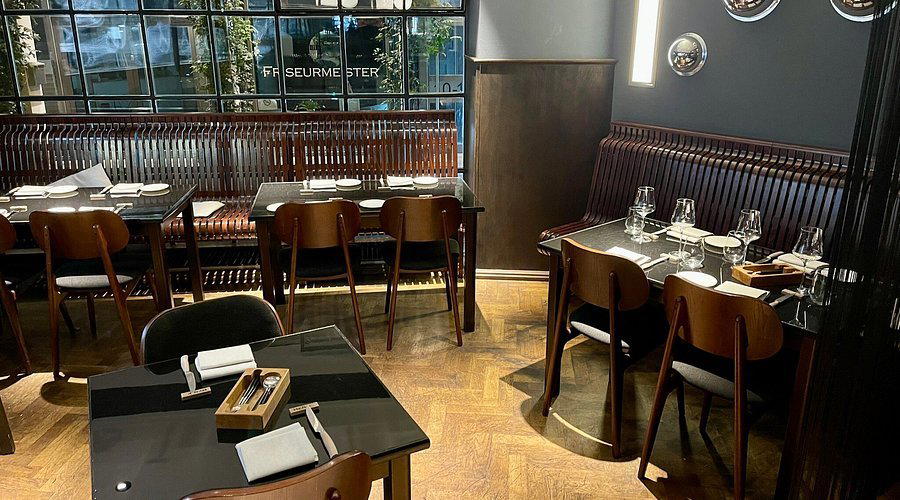
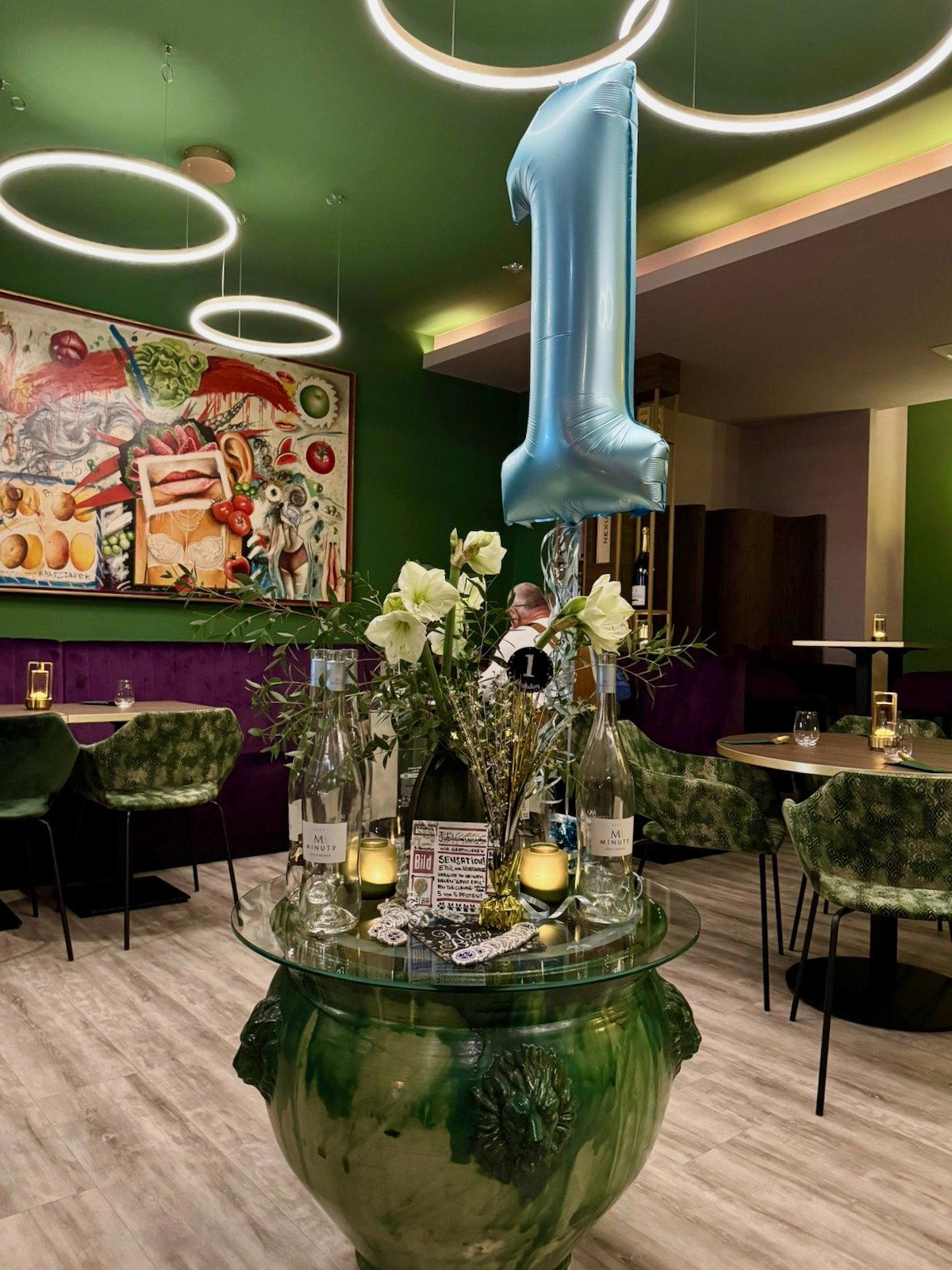
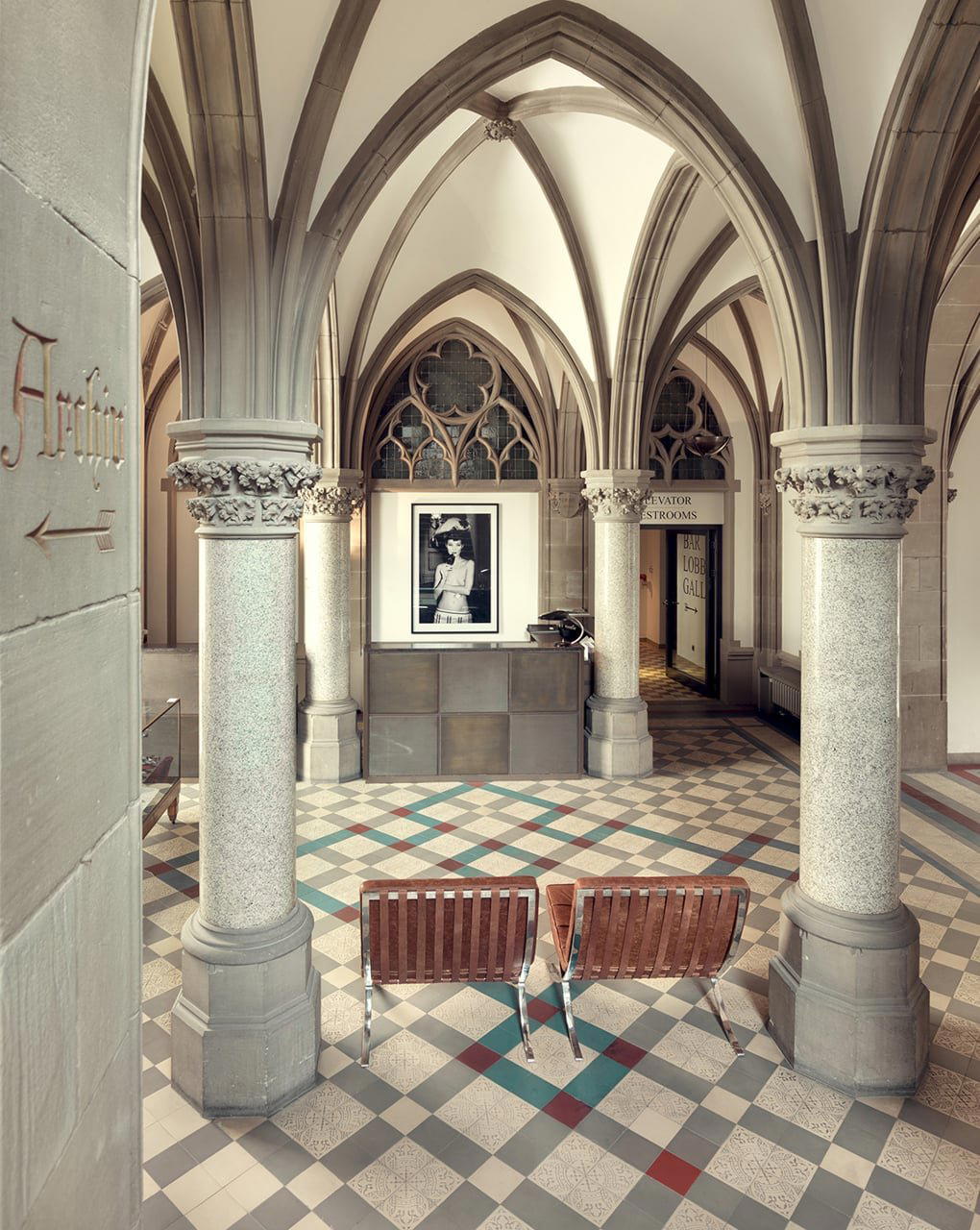
There is a particular grammar to mid-century European dining rooms that Cologne's more considered restaurants have learned to speak fluently. Warm light sources placed low. Materials that absorb sound rather than amplify it. Enough space between tables to permit actual conversation. Whether Augustin operates within that tradition or stakes a different formal position is something a visit resolves, but the address and the operating model both suggest a room that takes its physical environment seriously.
Atmosphere in this price and format tier is not accidental. It is the product of decisions made about ceiling height, surface finish, service choreography, and the pace at which a meal is allowed to unfold. The Rhine-area addresses in Cologne that have lasted more than a few seasons share a tendency toward rooms that feel considered rather than styled, spaces where the light and the sound level serve the food rather than competing with it.
Where Augustin Sits in Cologne's Competitive Set
Cologne's upper dining tier is smaller and more defined than the city's size might suggest. A handful of addresses operate at the level where format, sourcing, and kitchen discipline all visibly align: La Société brings sustained French-modern rigour; Le Moissonnier Bistro carries the authority of its parent house; maiBeck occupies the Rhine-facing position with a menu that reflects both local produce and international technique. Augustin on Dagobertstraße competes for attention within this specific cohort rather than against the broader mid-market.
Germany's wider fine dining geography provides a useful reference frame. The country's most-discussed addresses, among them Schwarzwaldstube in Baiersbronn, Aqua in Wolfsburg, and Vendôme in Bergisch Gladbach, operate in formats where every element of the experience is controlled tightly. Cologne's leading restaurants have absorbed those lessons even when operating at a slightly less rarified level. JAN in Munich and CODA Dessert Dining in Berlin represent how German cities outside the top tier can produce format-driven dining that holds its own in European conversation. Augustin is working within that broader current.
For readers tracking Germany's serious dining addresses more broadly, the southern and western ranges also carry significant weight: Victor's Fine Dining by christian bau in Perl, ES:SENZ in Grassau, Schanz in Piesport, and Waldhotel Sonnora in Dreis each represent the discipline that defines the country's high-water mark. Further north, Restaurant Haerlin in Hamburg demonstrates how a hotel-based dining room can maintain creative independence within a formal framework. Augustin's position within this national conversation becomes clearer when the comparable set is mapped this way.
The Sensory Register of a Deliberate Dinner
Dining at this level in a mid-sized European city carries a particular texture. The rhythm of service is slower and more purposeful than at a neighbourhood restaurant; the pauses between courses are part of the design rather than a logistical gap. Sound levels tend toward the conversational. Glassware is chosen to make wine visible as well as functional. These are not small details. They accumulate into an experience where the diner's attention is directed toward the food and the person across the table rather than the room's performance of itself.
Cologne rewards this kind of eating. It is a city that has historically underplayed its dining culture in national conversation, despite carrying producers, growers, and wine access that would support serious kitchens. The Rhineland's proximity to both Burgundy and the Mosel means the wine component of any serious dinner here carries depth. Addresses like Augustin benefit from that geography in ways that are not always visible on the menu but are present in the cellar decisions and the sourcing relationships that underpin the kitchen's work.
International reference points help calibrate expectations. Le Bernardin in New York City and Lazy Bear in San Francisco both demonstrate how a clearly defined format and consistent kitchen discipline can establish a restaurant's authority over time, independent of awards cycles. The principle applies in Cologne: restaurants that operate with formal clarity tend to hold their audience more durably than those chasing trends.
Planning a Visit
Augustin is located at Dagobertstraße 32 in 50668 Cologne, a central address that connects straightforwardly to the city's main transport network. Cologne's compact centre means most hotels place guests within fifteen to twenty minutes on foot or a short tram ride from this part of the city. Given the restaurant's position in Cologne's more considered dining tier, advance planning is advisable: tables at addresses in this bracket are not typically available on the night. Checking availability several weeks ahead is standard practice across the comparable set.
For a fuller picture of what the city's restaurant scene looks like at this level, our full Cologne restaurants guide maps the key addresses across formats and price points, providing the context to build a complete itinerary rather than a single-stop visit.
Reputation Context
Comparable venues nearby, for context on price, style, and recognition.
| Venue | Cuisine | Price | Notes |
|---|---|---|---|
| AugustinThis venue — the venue you are viewing | Modern German-French Brasserie | $$$ | Not listed |
| Bei Oma Kleinmann | Traditional German Schnitzel House | $$ | Neustadt/Süd |
| Markthalle Körnerstraße | German Market Hall Bistro with Turkish Döner | $$ | Ehrenfeld |
| Reibekuchen Heinz | Traditional German Potato Pancakes | $ | Brück |
| Hase | Modern European Bistro | $$$ | Altstadt/Nord |
| Vunky | Modern Plant-Based Vegetarian | $$$ | Neustadt/Nord |
Continue exploring
More in Cologne
Restaurants in Cologne
Browse all →
Bars in Cologne
Browse all →
Hotels in Cologne
Browse all →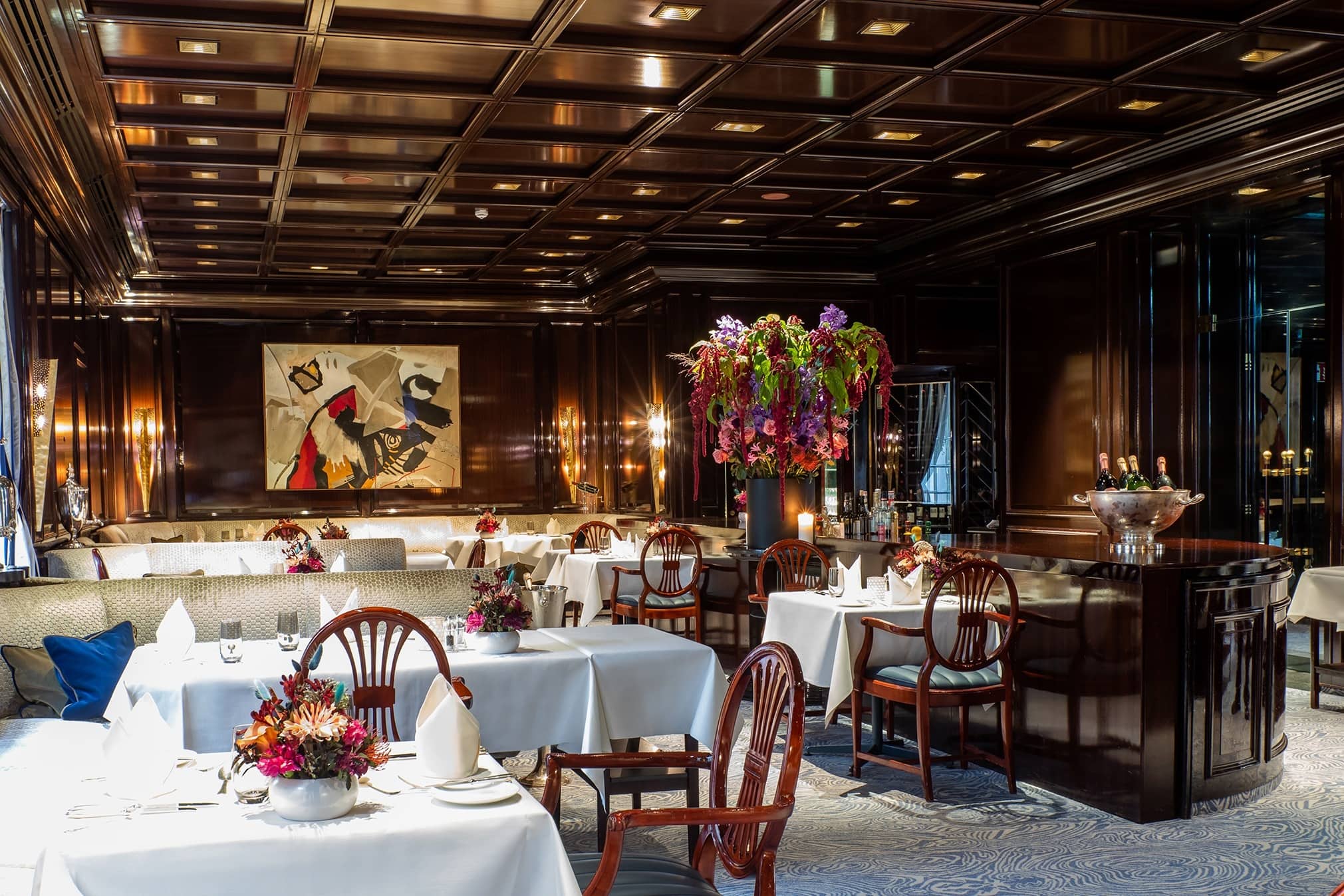
At a Glance
- Cozy
- Elegant
- Intimate
- Date Night
- Business Dinner
- Special Occasion
- Open Kitchen
- Courtyard
- Local Sourcing
- Garden
- Street Scene
Current opening hours
- Monday
- 7–10 AM
- Tuesday
- 7–10 AM, 6–10 PM
- Wednesday
- 7–10 AM, 6–10 PM
- Thursday
- 7–10 AM, 6–10 PM
- Friday
- 6–10 PM
- Saturday
- 7–10:30 AM, 6–10 PM
- Sunday
- 6–9 PM
Hours can change for holidays and private events. Last verified .
Cozy atmosphere with unusual ceiling of numerous chandeliers and beautiful inner courtyard garden.