Auberge du Froehn
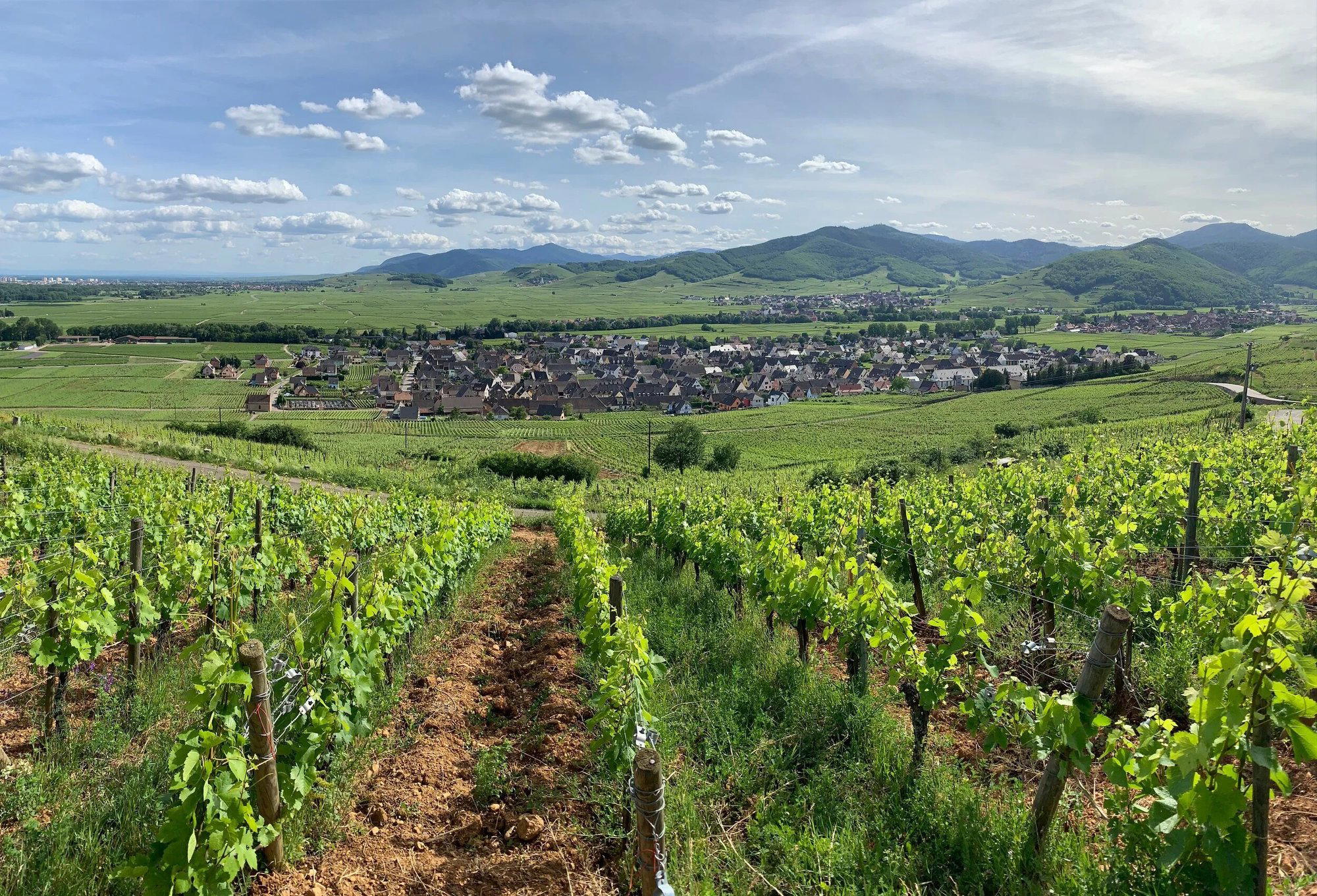
Set in the hilltop village of Zellenberg on Alsace's Route des Vins, Auberge du Froehn occupies a position where the vineyards of the Froehn Grand Cru slope away on three sides. The kitchen draws on the deep larder of the Haut-Rhin, local producers, regional wine, and the Alsatian tradition of cooking that refuses to separate the table from the land around it.
Pearl is the En Primeur Club membership app — saves, bookings, and concierge access live there. Same editors, same standards.
- Address
- 5 Rte d'Ostheim, 68340 Zellenberg, France
- Phone
- +33389478157
- Directions
- Get directions
 Saves & bookings on Pearl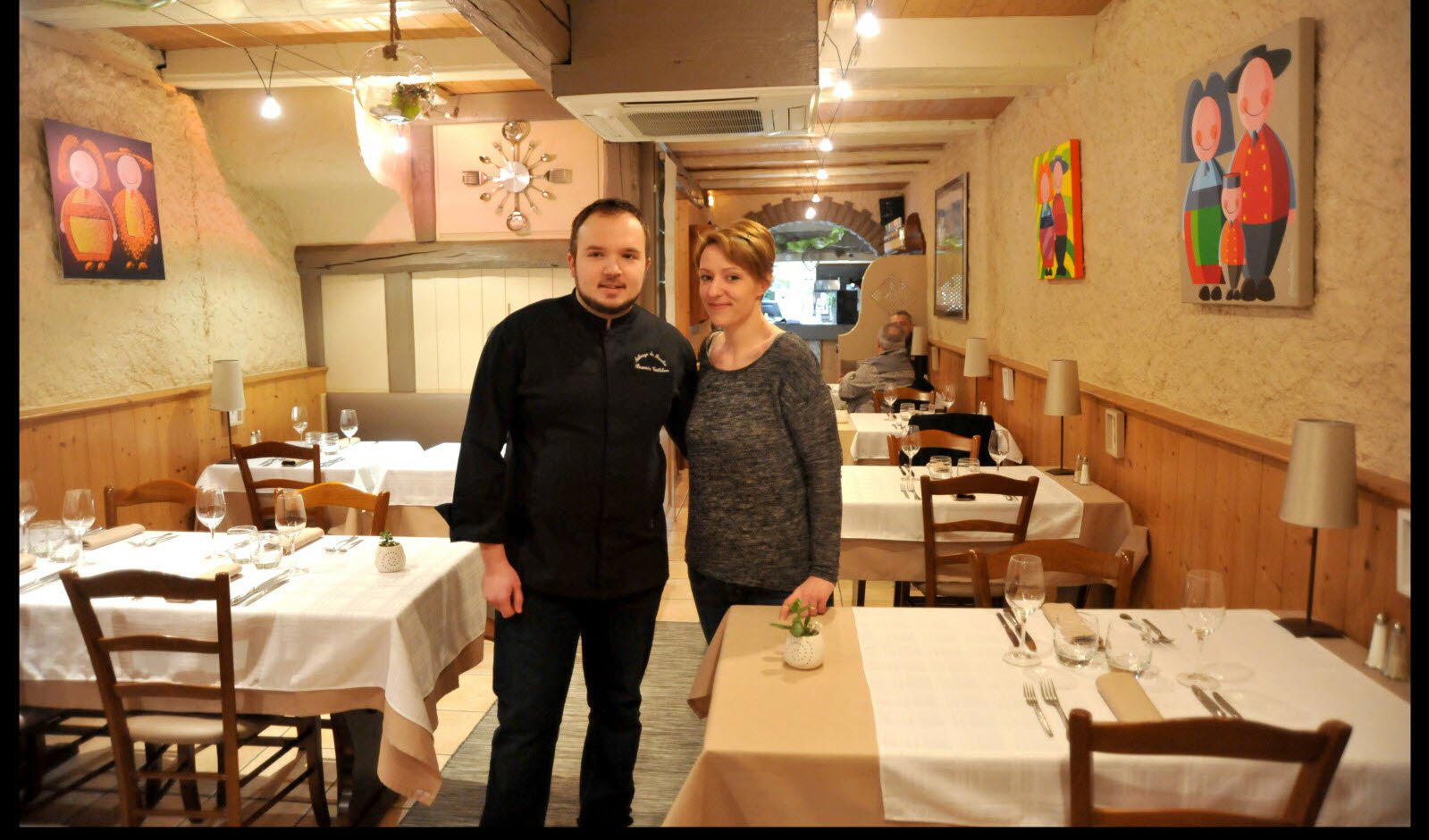
Where the Vineyard Meets the Kitchen
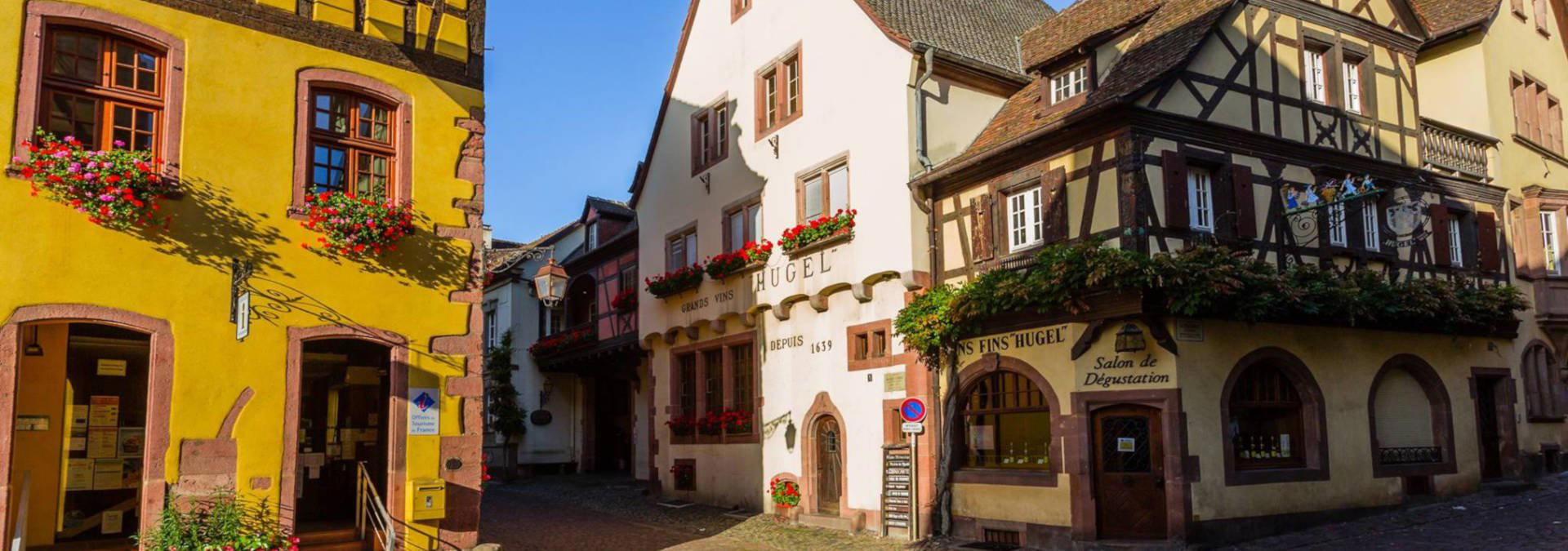
Zellenberg sits on a promontory above the Alsatian plain, a village small enough that the vines press right up to the back walls of its buildings. The Froehn Grand Cru, one of Alsace's 51 classified vineyard sites, wraps around the hill on three sides, and the auberge that takes its name from that cru sits at the centre of this topography in a literal sense. Arriving here, you understand immediately that the sourcing philosophy of any kitchen in this location is a geographical fact. The produce, the wine, and the cooking tradition are all products of the same compressed landscape.
This part of the Haut-Rhin has long supported a style of cooking that is neither purely French nor straightforwardly Germanic, but something assembled from centuries of border-crossing influence. The Alsatian kitchen at its most considered works with fermented cabbage and fresh river fish in the same service, uses Riesling as a cooking medium as naturally as a Burgundian would reach for Chardonnay, and treats the foie gras, game, and freshwater catch of its immediate region as the foundation rather than the garnish. For a small-village auberge in the Ribeauvillé corridor, that tradition is the operating context, not a stylistic choice.
The Alsatian Larder and Why It Matters Here
The Route des Vins corridor between Colmar and Ribeauvillé is among the more agriculturally coherent stretches of eastern France. Within a short radius of Zellenberg, you have Grand Cru vineyards producing Riesling, Gewurztraminer, Pinot Gris, and Muscat; farms supplying Munster and other regional cheeses; producers of charcuterie built on the centuries-old Alsatian tradition of pork preservation; and the rivers and streams of the Vosges foothills feeding the region's freshwater fish supply. An auberge in this setting has access to a larder that larger urban kitchens pay a premium to import.
This ingredient proximity matters beyond the obvious freshness argument. It shapes the menu structure. Alsatian cooking at the village level has historically been seasonal not by ideology but by necessity, what was available was what was cooked. Contemporary kitchens in the region that maintain this relationship with local supply tend to produce menus that shift more responsively with the calendar than those organised around a fixed concept. The autumn game season, the spring asparagus harvest from the Rhine plain, the summer berry and stone-fruit window, these are the actual menu drivers in a kitchen anchored to its terroir.
The wine pairing dimension compounds this. Alsace produces some of France's most food-specific whites, and matching regional cooking with Froehn or neighbouring Grand Cru bottlings is a form of argument that the wine and the food share the same soil. That argument is easier to make convincingly in Zellenberg than almost anywhere else in France. For context on how other French regional kitchens operate within their local terroir, Bras in Laguiole and Auberge du Vieux Puits in Fontjoncouse both demonstrate comparable site-to-plate coherence in their respective regions.
Village Auberges and the Question of Scale
France's fine-dining conversation concentrates heavily on Paris and a handful of marquee regional addresses, the three-Michelin-star establishments that draw international reservation queues. Venues like Alléno Paris au Pavillon Ledoyen, Mirazur in Menton, and Flocons de Sel in Megève operate at a register of ambition and infrastructure that requires serious advance planning and, in some cases, significant per-head expenditure. The village auberge operates in a different register entirely, closer in spirit to the French tradition of the ferme-auberge or the maison de pays, where the owner's relationship with local supply is personal and the scale of operation is human.
This is not a lesser category. Some of France's most memorable meals happen at tables with paper placemats and a wine list written on a chalkboard, because the ingredient quality and the cook's command of regional technique are the whole story. The village auberge format in Alsace has a long tradition of serious cooking that sits outside the award infrastructure: think of how Auberge de l'Ill in Illhaeusern, just south of here, built its multi-generational reputation on exactly this model before accumulating three Michelin stars. The starting point was always place, produce, and family technique, not ambition directed at any external recognition.
For travellers who spend significant energy on the marquee addresses, Paul Bocuse in Collonges-au-Mont-d'Or, Maison Lameloise in Chagny, Les Prés d'Eugénie in Eugénie-les-Bains, Troisgros in Ouches, a meal at a well-run village auberge in Zellenberg can be one grounding experience of a French food trip, precisely because it operates without that apparatus.
Planning a Visit
Zellenberg is positioned along the Route des Vins roughly between Ribeauvillé to the north and Riquewihr to the south, making it a logical stop on any wine-route itinerary through the Haut-Rhin. The village is small and the road through it narrow; arriving by car from Colmar takes under 30 minutes, and the hilltop setting means there is genuine payoff in approaching on foot from the valley road if time allows. The auberge sits at the Route d'Ostheim address and is reachable without pre-knowledge of the village given its compact scale.
As with most serious small-village restaurants in Alsace, visiting mid-week outside the peak summer tourist corridor, roughly July through mid-August, gives you a more considered experience. The autumn months, when the grape harvest activity fills the surrounding vineyards and local game appears on regional menus, represent a particularly coherent time to eat in this part of France.
For those extending to other French regions, L'Oustau de Baumanière in Les Baux, La Table du Castellet, Georges Blanc in Vonnas, Le 1947 in Courchevel, and La Vague d'Or in Saint-Tropez represent the full range of what French regional fine dining offers at the higher end of the market. For international comparison on sourcing-led cooking, Lazy Bear in San Francisco and Le Bernardin in New York City show how two different cities have built ingredient-first reputations at opposite ends of the formality scale.
At-a-Glance Comparison
Comparable venues nearby, for context on price, style, and recognition.
| Venue | Cuisine | Price | Notes |
|---|---|---|---|
| Auberge du FroehnThis venue — the venue you are viewing | Traditional Alsatian Semi-Gastronomique | $$ | Not listed |
| Au Cruchon | Traditional Alsatian Winstub | $$ | Centre |
| Les Innocents | Modern French Bistronomic | $$ | Tribunal-Gare-Porte De Schirmeck |
| Flamme & Co | Modern Alsatian Flammenkuchen | $$ | Kaysersberg Vignoble |
| Wistub de la Petite Venise | Traditional Alsatian | $$ | Petite Venise |
| Fink Stuebel | Traditional Alsatian Winstub | $$ | Centre |
Continue exploring
More in Zellenberg
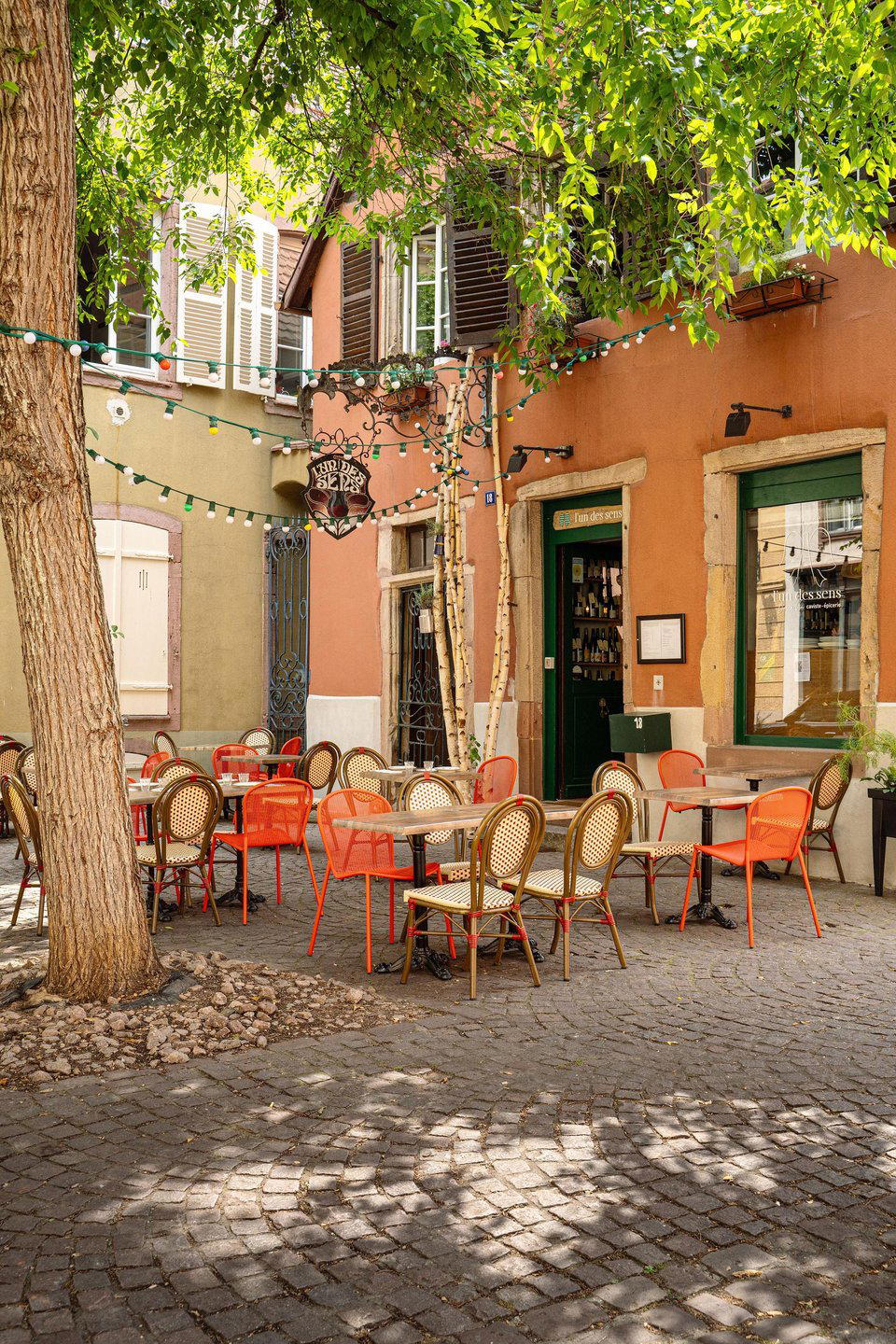
Restaurants in Zellenberg
Browse all →
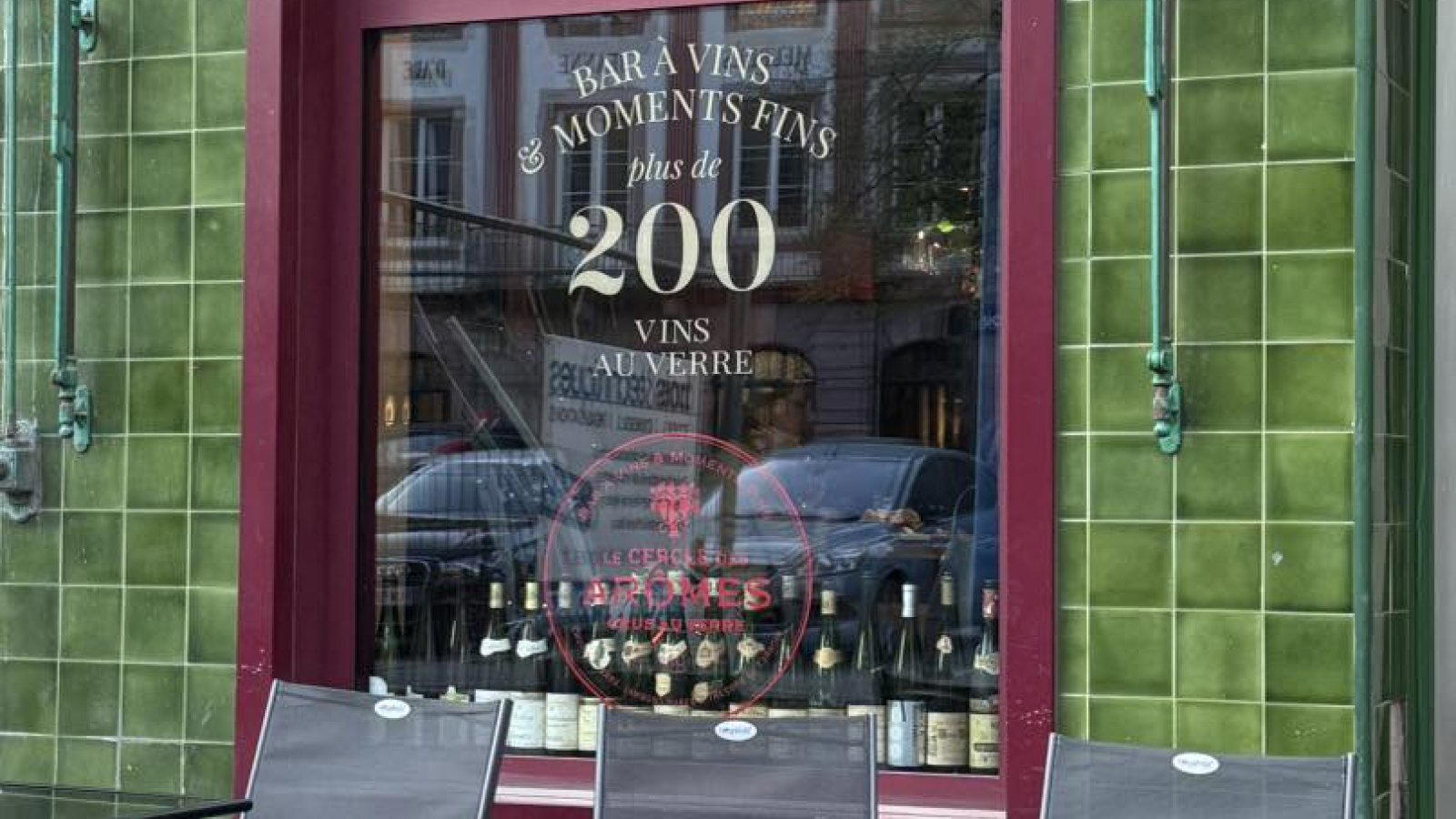
Bars in Zellenberg
Browse all →
Hotels in Zellenberg
Browse all →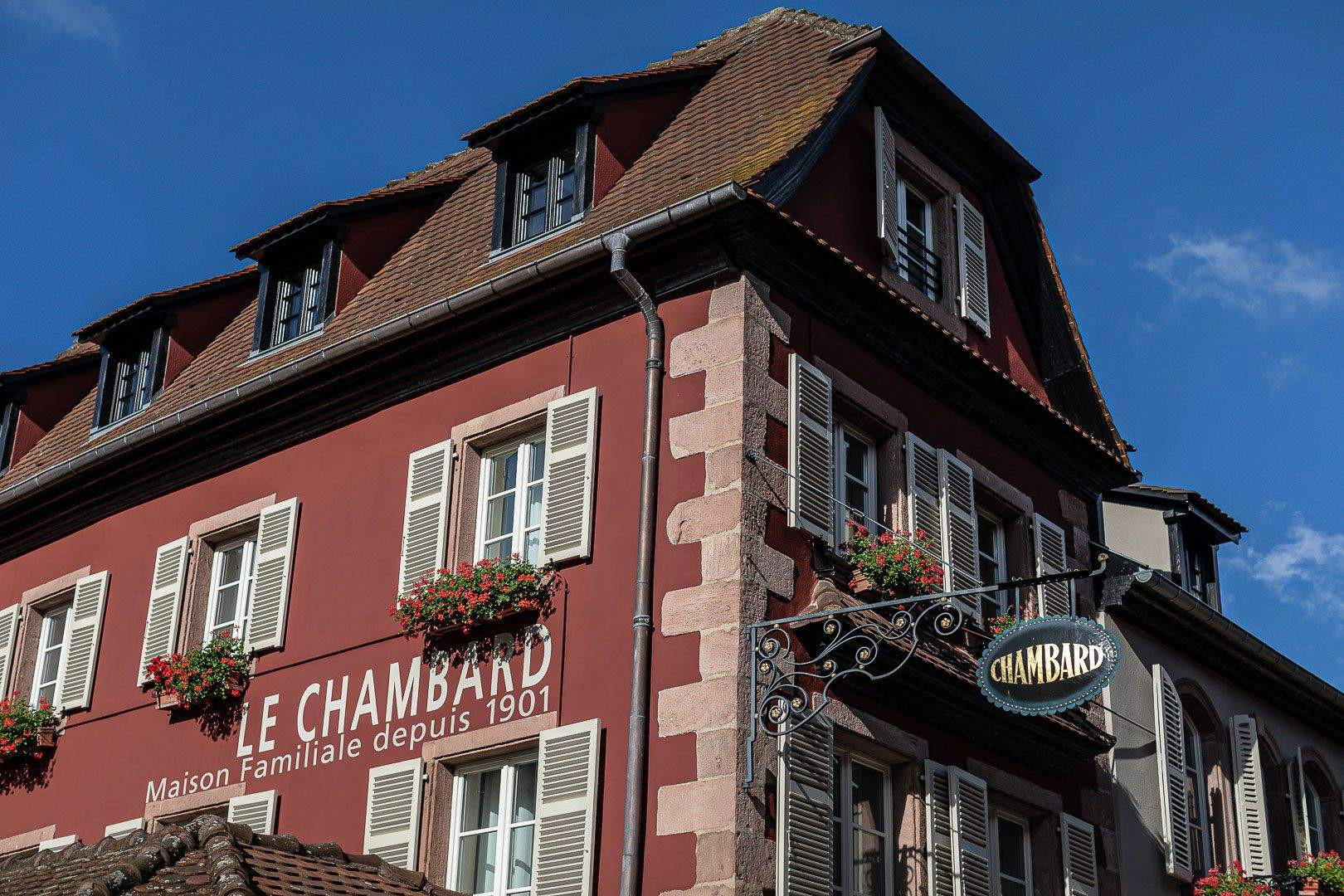
At a Glance
- Cozy
- Intimate
- Rustic
- Elegant
- Date Night
- Special Occasion
- Historic Building
- Extensive Wine List
- Local Sourcing
- Vineyard
Current opening hours
- Monday
- Closed
- Tuesday
- Closed
- Wednesday
- Closed
- Thursday
- Closed
- Friday
- 12–1 PM, 7–8 PM
- Saturday
- 12–1 PM, 7–8 PM
- Sunday
- 12–1 PM
Hours can change for holidays and private events. Last verified .
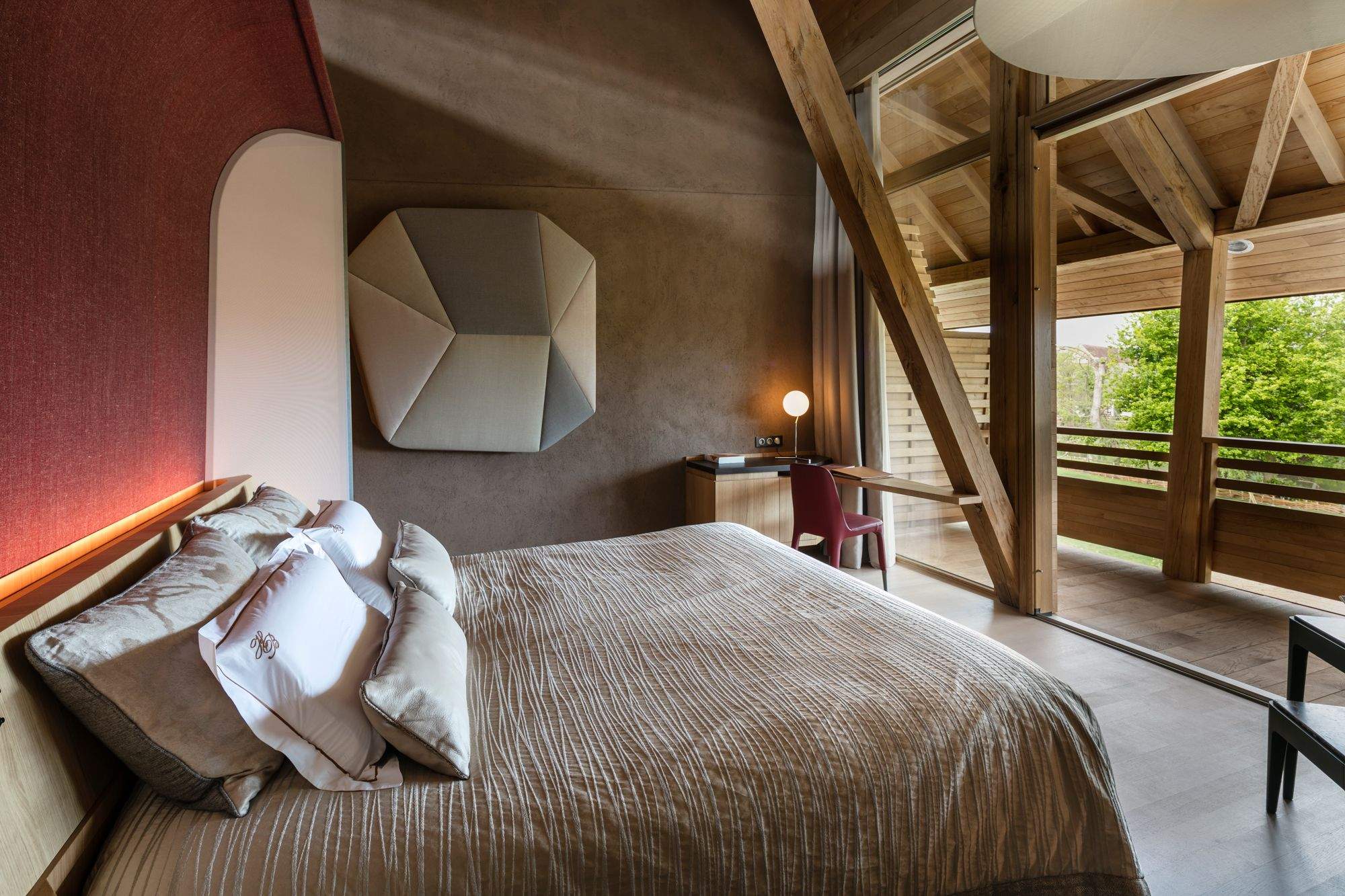
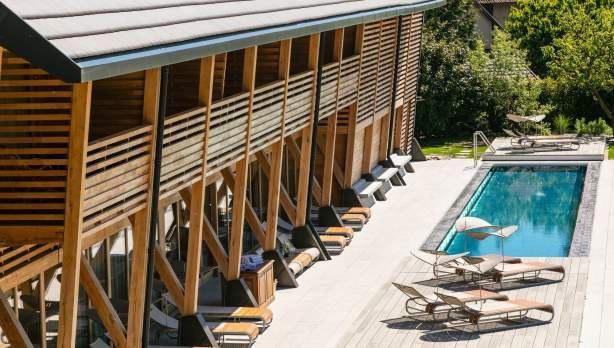
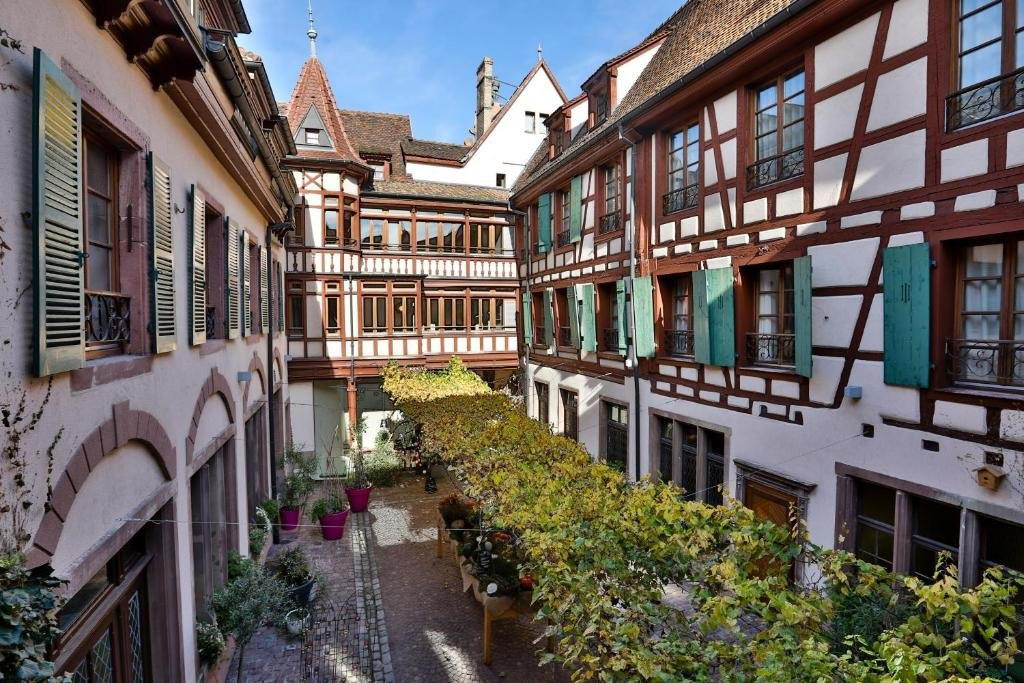
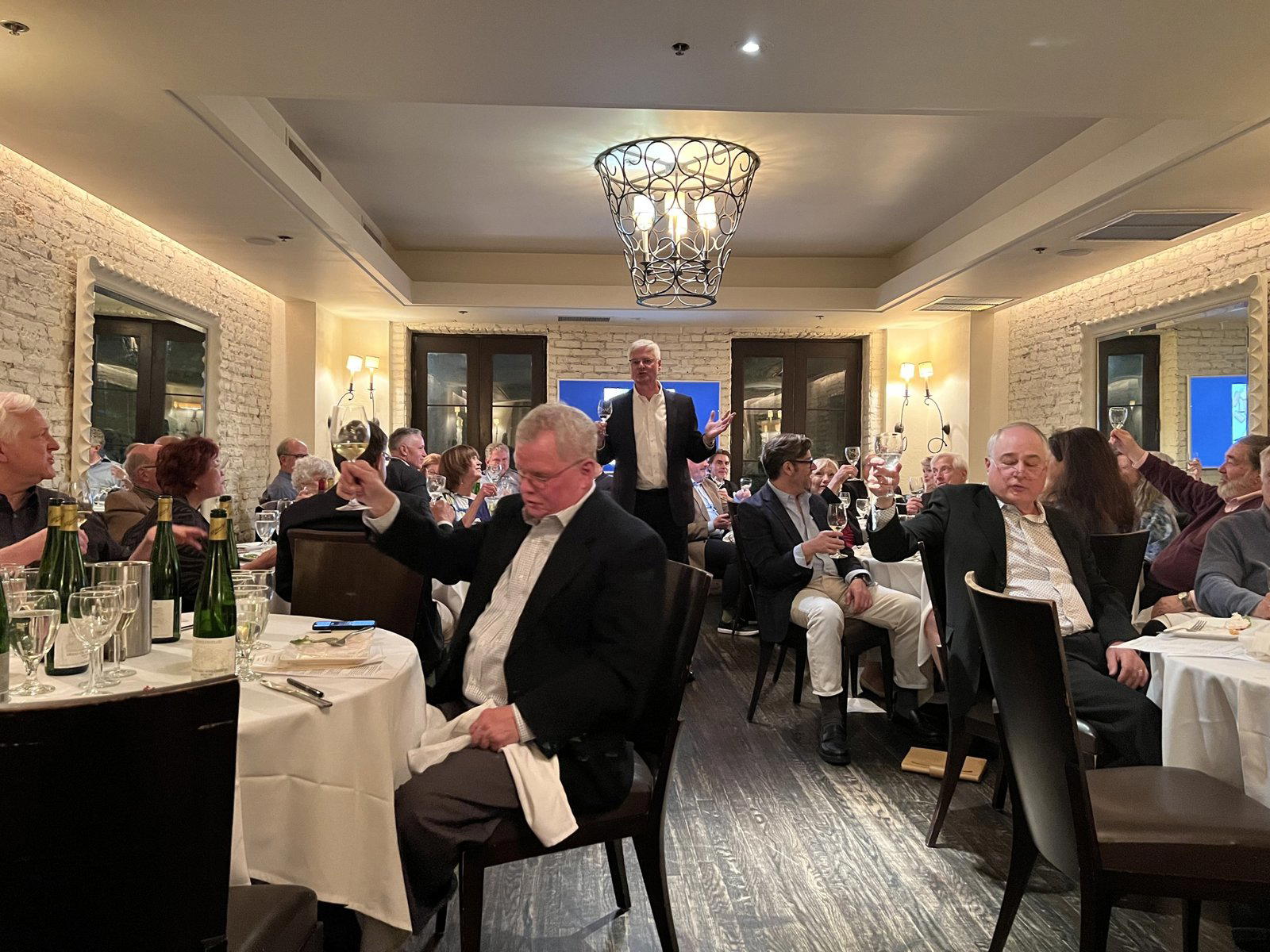
Cozy atmosphere with exposed beams, raw wood, soft lighting, and intimate setting.