Our verdict
Auberge les Myrtilles sits at the Col des Marrous pass in the Ariège Pyrenees, where altitude and isolation define what ends up on the plate. The kitchen draws from one of France's least-trafficked highland terroirs, making it a reference point for anyone tracing the link between mountain foraging culture and the auberge tradition in the French southwest. See our full Le Bosc guide for context on the surrounding area.

Pearl is the En Primeur Club membership app — saves, bookings, and concierge access live there. Same editors, same standards.
- Address
- Col des Marrous, 09000 Le Bosc, France
- Phone
- +33561651646
- Website
- auberge-les-myrtilles.com
- Directions
- Get directions
- Booking
- Book on the venue's website
The menu
What to order
- Cassoulet au confit de canard
- Azinat
- Tarte aux myrtilles
Where the Road Ends and the Pantry Begins
The Col des Marrous is not a destination most French dining guides reach. The Ariège department sits in the fold between the Pyrenees and the broader Occitanie region, bypassed by the routes that carry visitors toward Toulouse or down into Spain. That geographic remove is not incidental to what Auberge les Myrtilles represents. In the auberge tradition that runs through rural France, the most compelling examples are almost always the ones where the kitchen has no choice but to source locally — not as a marketing position, but as a practical reality imposed by altitude, road conditions, and proximity to producers. Auberge les Myrtilles, positioned at the mountain pass itself, operates within those constraints, and the food reflects them.
For context on the broader Le Bosc dining scene, our full Le Bosc restaurants guide maps the area's options alongside regional character notes.
The Ariège Terroir and Why It Matters
The ingredient story in the French Pyrenees is distinct from what you find in the better-documented alpine terroirs further east. In Savoie, restaurants like Flocons de Sel in Megève operate within a culinary tradition long shaped by ski tourism and its associated budget levels. The Ariège has no equivalent ski economy to calibrate against. What it has instead is one of the highest proportions of certified organic farmland in France, a functioning culture of small-scale livestock rearing on high-altitude pastures, and a foraging calendar that runs from early spring mushrooms through to late-autumn bilberries — the myrtilles of the auberge's name.
Bilberries in this part of the Pyrenees are not a garnish. They grow at altitude on acidic moorland soils, picked in late summer before the first frosts, and have been preserved, cooked with game, and served with aged cheeses in this region for generations. The name Auberge les Myrtilles is a geographic and seasonal declaration: this is a kitchen rooted in a specific hillside, in a specific moment of the year, using ingredients that cannot be shipped in from elsewhere without losing what makes them worth using.
That contrasts instructively with how sourcing functions at the higher-profile end of French fine dining. Places like Mirazur in Menton or Alléno Paris au Pavillon Ledoyen operate with the infrastructure and budget to source across borders and seasons. A mountain pass auberge in Ariège operates on a different principle entirely: the terroir is the constraint, and the constraint is the point.
The Auberge Format in France's Rural Southwest
The auberge as a dining format carries specific expectations in France. It implies shelter, sustenance, and a menu shaped by what is available rather than what is fashionable. The great rural auberges in French dining history, Auberge du Vieux Puits in Fontjoncouse, which holds three Michelin stars despite its position in an almost unknown Aude village, or Auberge de l'Ill in Illhaeusern, which has held three stars for decades from its Alsatian riverside setting, demonstrate that the format is not inherently modest. What those examples share with Auberge les Myrtilles is the logic of place: the building exists because of the road, the road passes through particular farmland and forest, and the menu follows from that geography.
This is a different lineage from the Paris-anchored gastronomic tradition represented by Paul Bocuse's Auberge du Pont de Collonges or the institutional grandeur of Georges Blanc in Vonnas. It is also distinct from the spa-resort model that defines Les Prés d'Eugénie in Eugénie-les-Bains. The mountain auberge, at its most coherent, is about the transaction between traveller and landscape, mediated by a kitchen that knows its immediate surroundings in granular detail.
Where Auberge les Myrtilles Sits in the Regional Tier
Within the Ariège and the broader Pyrenean restaurant map, Auberge les Myrtilles occupies a local-anchored position rather than the destination-dining tier represented by, say, Bras in Laguiole, which, while also rurally situated, operates at three-star level with an international reservation list. The Col des Marrous address places this auberge at a remove even from Le Bosc's own small cluster of dining options; La Réserve offers a point of local comparison for visitors weighing the area's options.
For travellers whose reference points are resort-adjacent fine dining, the kind found at Le 1947 à Cheval Blanc in Courchevel or La Table du Castellet in Le Castellet, the Ariège mountain pass context will read as a significant shift in register. That shift is not a downgrade; it is a different value proposition, one where the interest lies in what grows on the hillside above the building rather than in a hotel group's sourcing network or a brigade operating at competition level.
International comparisons are instructive. The community-anchored, terrain-first dining format that Auberge les Myrtilles represents in the French southwest finds loose parallels in places like Lazy Bear in San Francisco, where a communal format and foraged ingredients define the experience, or the product-driven seriousness of Le Bernardin in New York City, though the latter operates at a price point and media profile that has almost no overlap with a Pyrenean mountain pass auberge. The comparison is about the primacy of sourcing as a governing principle, not about price or prestige.
Also worth contextualising against: Maison Lameloise in Chagny and L'Oustau de Baumanière in Les Baux both demonstrate how French regional cooking can sustain Michelin recognition across decades when it is genuinely rooted in its geography. And Troisgros in Ouches remains the defining example of how a family kitchen, relocated to the countryside, can reshape its sourcing logic around the surrounding terroir rather than a city supply chain.
Planning a Visit
The Col des Marrous is accessible by road from Foix, the Ariège prefecture, which itself connects to Toulouse by rail in under an hour and a half. The pass sits at altitude, which means road conditions can shift significantly between November and March, and summer visits in July and August align most closely with the bilberry and mountain herb foraging season that gives the auberge its clearest seasonal identity. Given the rural location and limited local accommodation options, visitors typically plan around a half-day excursion from Foix or incorporate the stop into a broader Ariège itinerary. Specific hours, booking requirements, and current pricing are best confirmed directly with the venue before travel.
Frequently asked questions
Is Auberge les Myrtilles good for families?
The auberge format at Col des Marrous, Le Bosc is oriented around straightforward, terrain-driven hospitality rather than formal dining, which tends to suit mixed-age groups. Mountain auberges in the French Pyrenees typically operate at a pace and register that is more relaxed than urban restaurants, making them practical for families willing to make the drive up to the col. Confirming the specific family facilities directly with the venue before visiting is advisable, as details on seating or children's options are not centrally documented.
What should I expect atmosphere-wise at Auberge les Myrtilles?
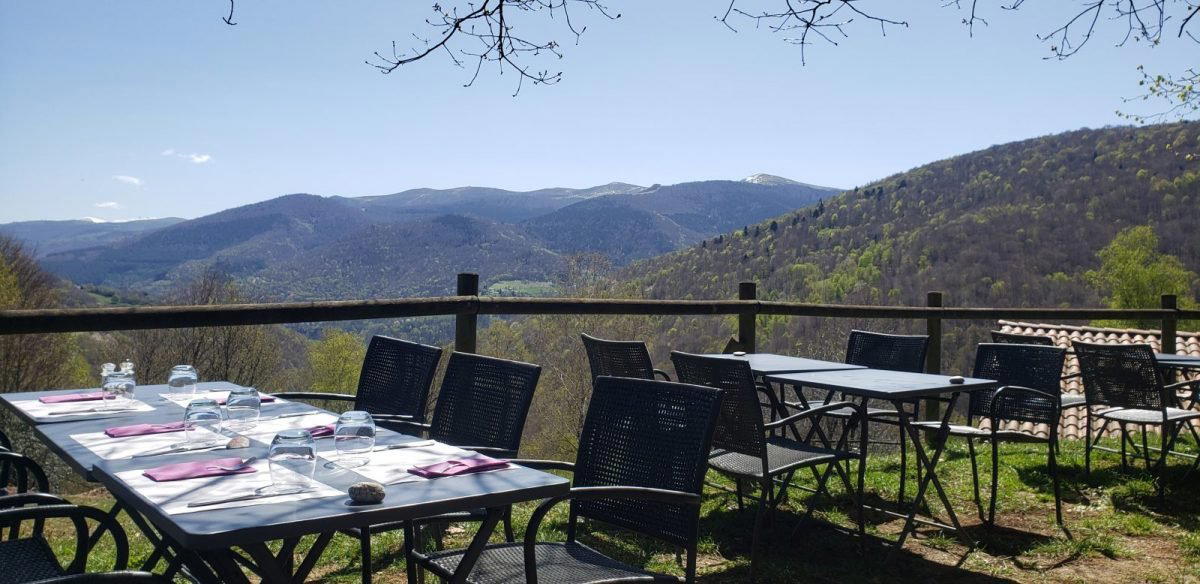
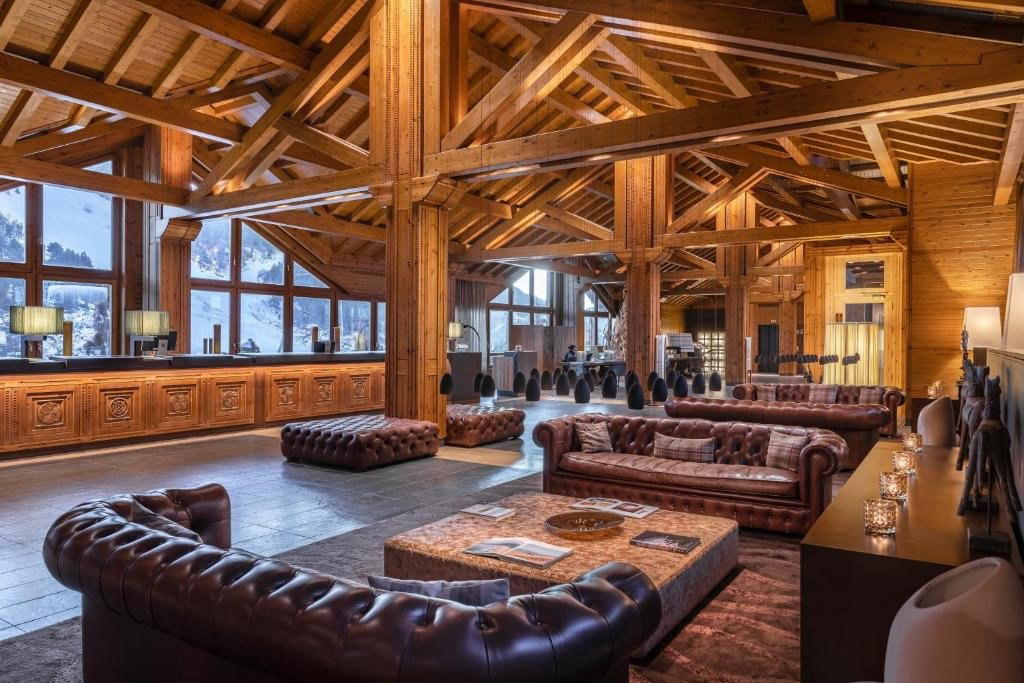
Positioned at the Col des Marrous in the Ariège Pyrenees, this is a working mountain auberge rather than a polished dining room. Expect a setting shaped by the altitude and surroundings: functional, unhurried, and tied to the rhythm of the surrounding terrain. The atmosphere is closer to refuge-style hospitality than restaurant theatre, which is precisely what the format implies in rural southwest France.
How do you reach Auberge les Myrtilles at Col des Marrous from Toulouse or Foix?
Auberge les Myrtilles is located at Col des Marrous, 09000 Le Bosc, in the Ariège department of southwest France. Foix, the Ariège prefecture, is the nearest significant town and connects to Toulouse by rail; from Foix, the col is accessible by road into the Pyrenean foothills. The route is mountain-road driving rather than motorway, so travel time from Foix should be factored accordingly, and seasonal road conditions at altitude in the Ariège are worth checking before departure.
What dish is Auberge les Myrtilles famous for?
The venue's name references myrtilles — bilberries — a wild fruit common to Pyrenean slopes, which signals the kind of foraged, place-specific pantry that shapes cooking at mountain auberges in the Ariège. Menus at this category of venue in the French Pyrenees typically reflect seasonal availability from the surrounding landscape rather than fixed house specialities.
Where is Auberge les Myrtilles in Le Bosc?
Auberge les Myrtilles is located at Col des Marrous, 09000 Le Bosc, France, Le Bosc.
Do I need a reservation for Auberge les Myrtilles?
No booking contact details are currently published through central records for Auberge les Myrtilles at Col des Marrous. Mountain auberges in the Ariège tend to operate with limited covers and are accessible by a single road route, meaning walk-in availability can be unpredictable, particularly in summer hiking season. Arriving without a confirmed booking carries risk; reaching the venue directly before making the drive from Foix or beyond is the practical approach.
What's the defining dish or idea at Auberge les Myrtilles?
The defining idea is the auberge's position at Col des Marrous — a mountain pass in the Ariège that sits outside the well-mapped circuits of French food media. The cooking logic here, as with other Pyrenean mountain auberges, is shaped by what the terrain provides rather than by imported ingredients or chef-driven concepts. That proximity to foraged and locally sourced produce from the Ariège, a department less visited than Savoie or the Basque Country, is the structural proposition.
In Context: Similar Options
| Venue | Cuisine | Price | Awards | Notes |
|---|---|---|---|---|
| Auberge les MyrtillesThis venue — the venue you are viewing | Traditional Ariégeoise French | $20–30 | Not listed | Not listed |
| Mirazur | Modern French Fine Dining | $300–500 | 3 Michelin Stars · World's 50 Best #1 | Modern French, Creative |
| Alléno Paris au Pavillon Ledoyen | Modern French Fine Dining | $150–200 | 3 Michelin Stars · World's 50 Best #79 | Creative |
| Kei | Modern French with Japanese Influences | $300–500 | 3 Michelin Stars · World's 50 Best #93 | Contemporary French, Modern Cuisine |
| L'Ambroisie | Classic French Haute Cuisine | $300–500 | 2 Michelin Stars · World's 50 Best #23 | French, Classic Cuisine |
| Le Cinq - Four Seasons Hôtel George V | Modern French Fine Dining | $300–500 | 3 Michelin Stars · World's 50 Best #24 | French, Modern Cuisine |
Details
- Rustic
- Cozy
- Scenic
- Family
- Special Occasion
- Terrace
- Hotel Restaurant
- Local Sourcing
- Mountain
- A La Carte
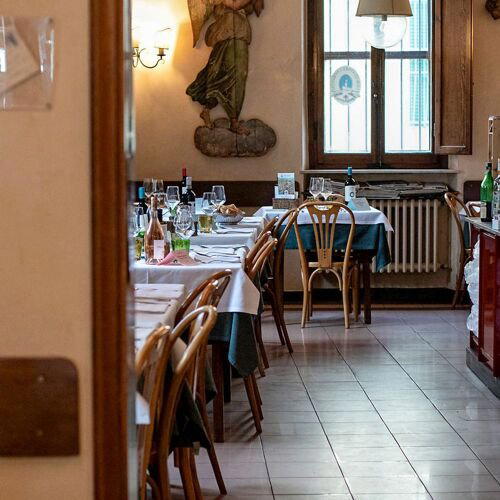
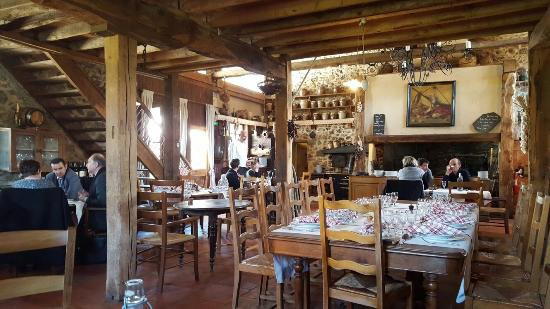
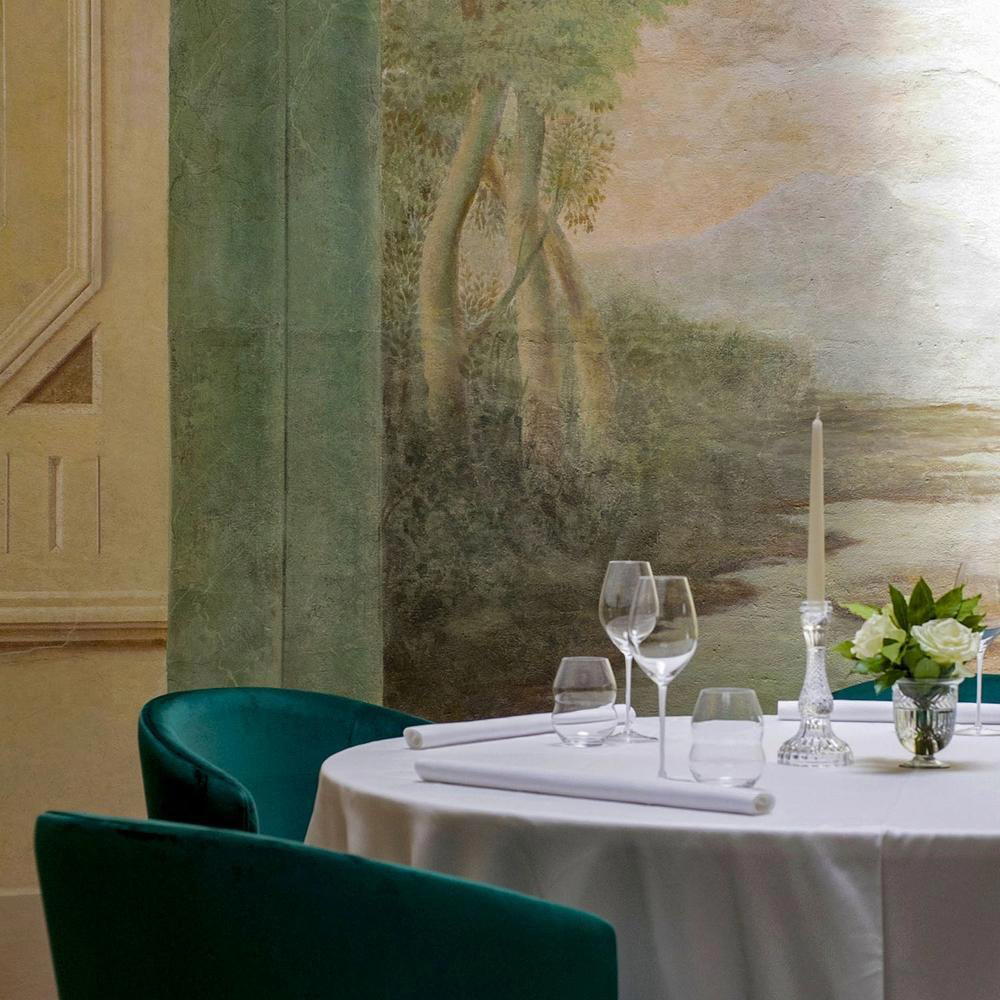
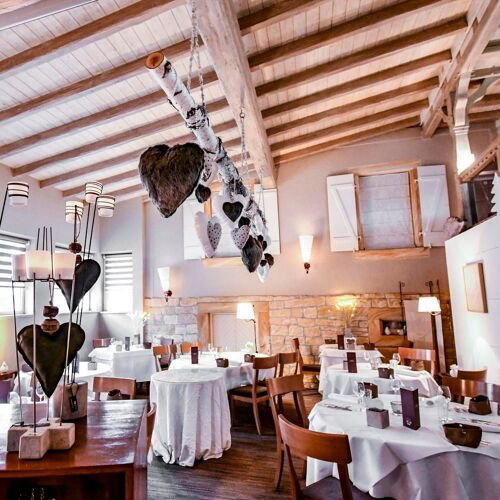
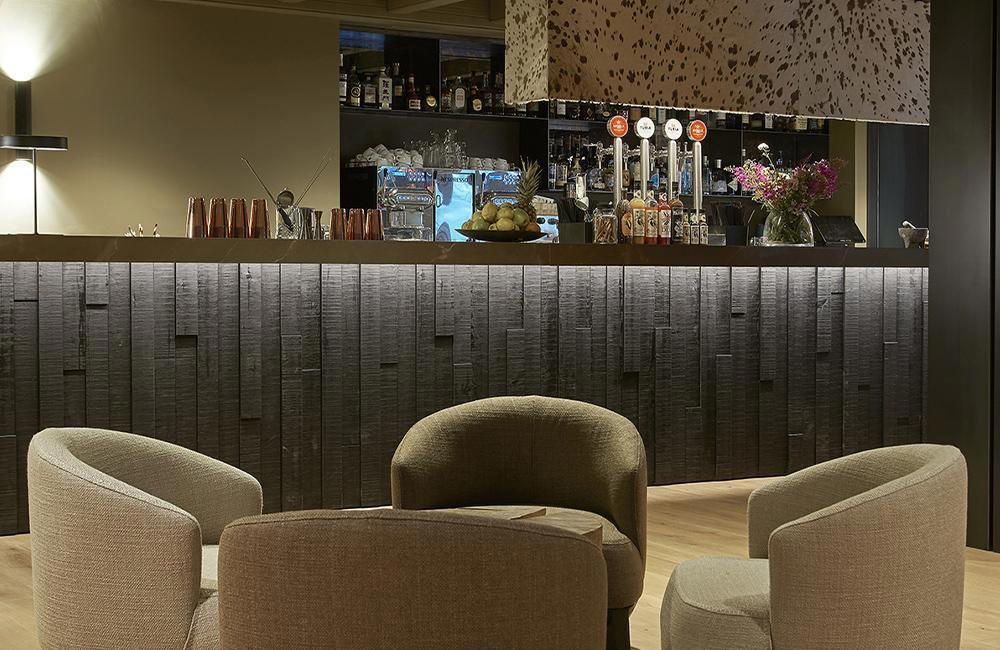
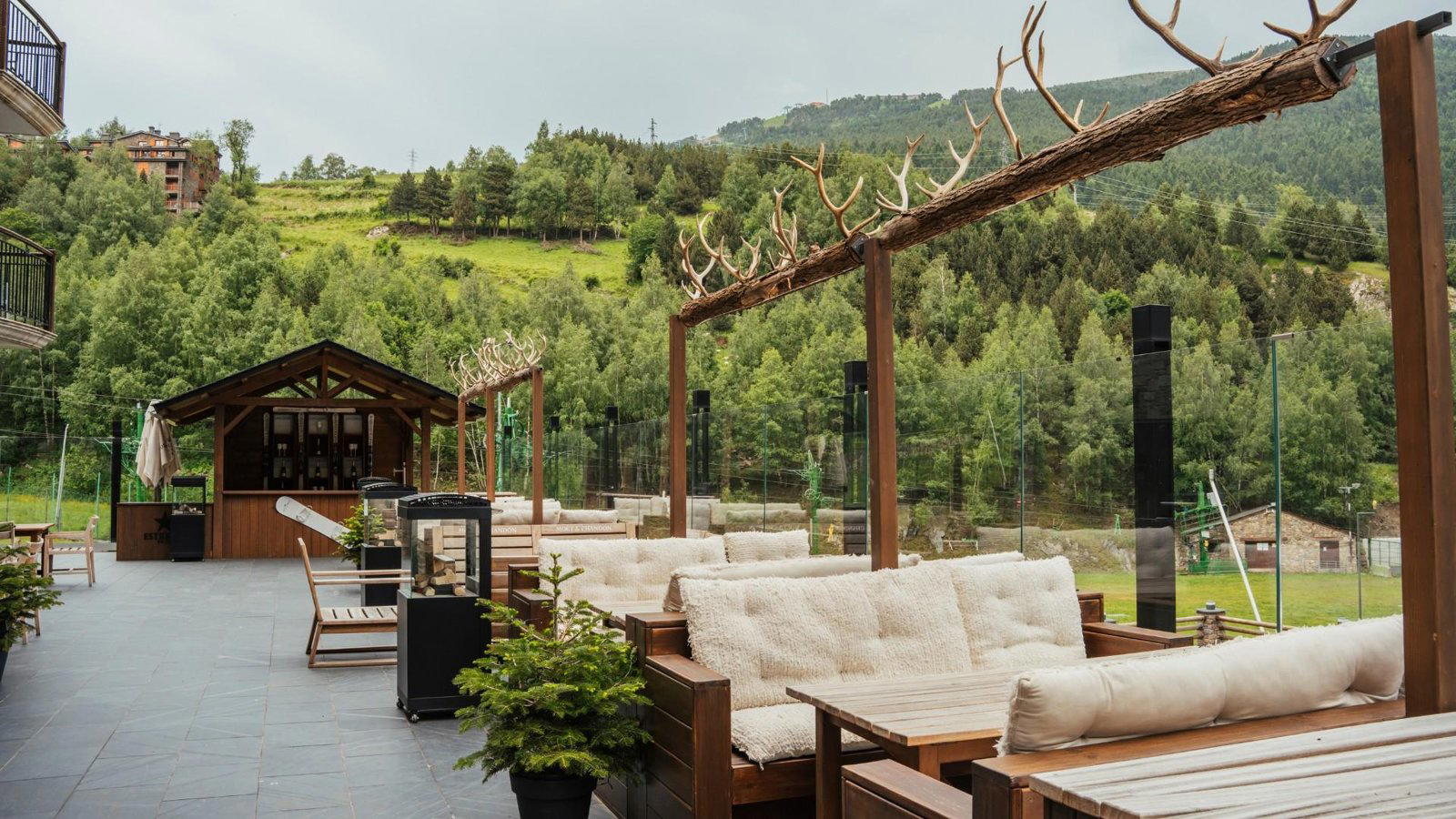
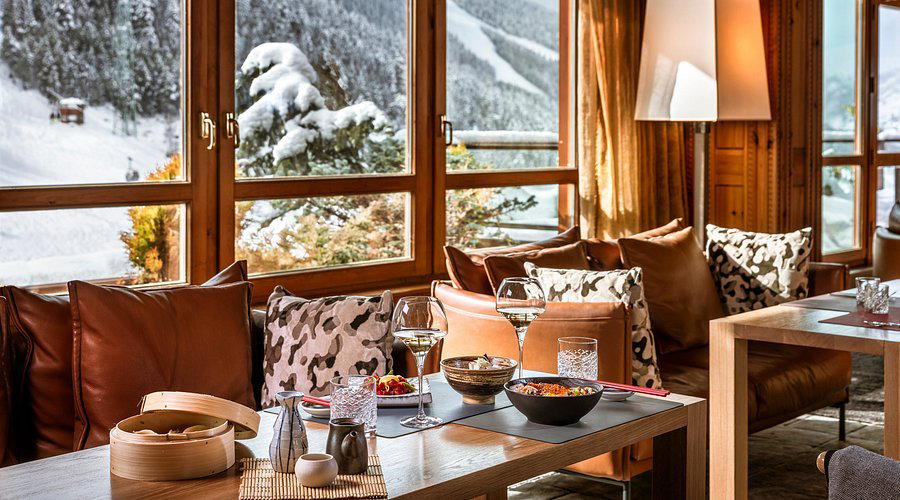
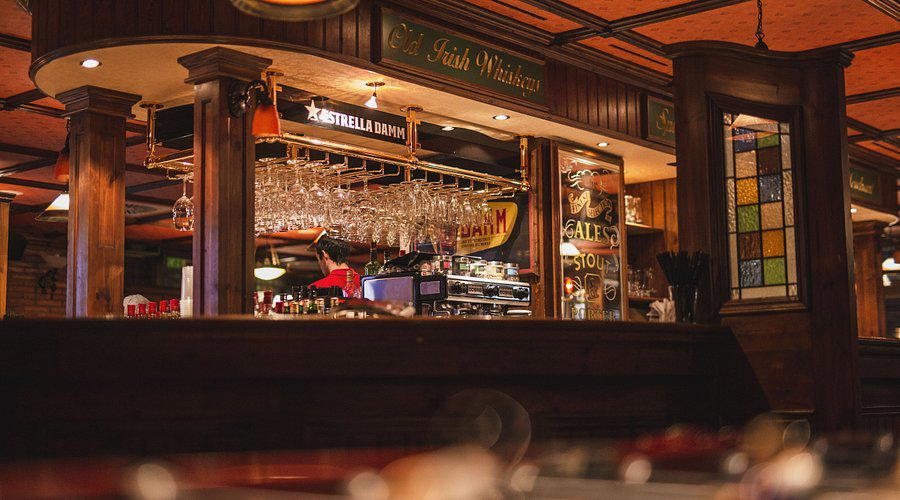
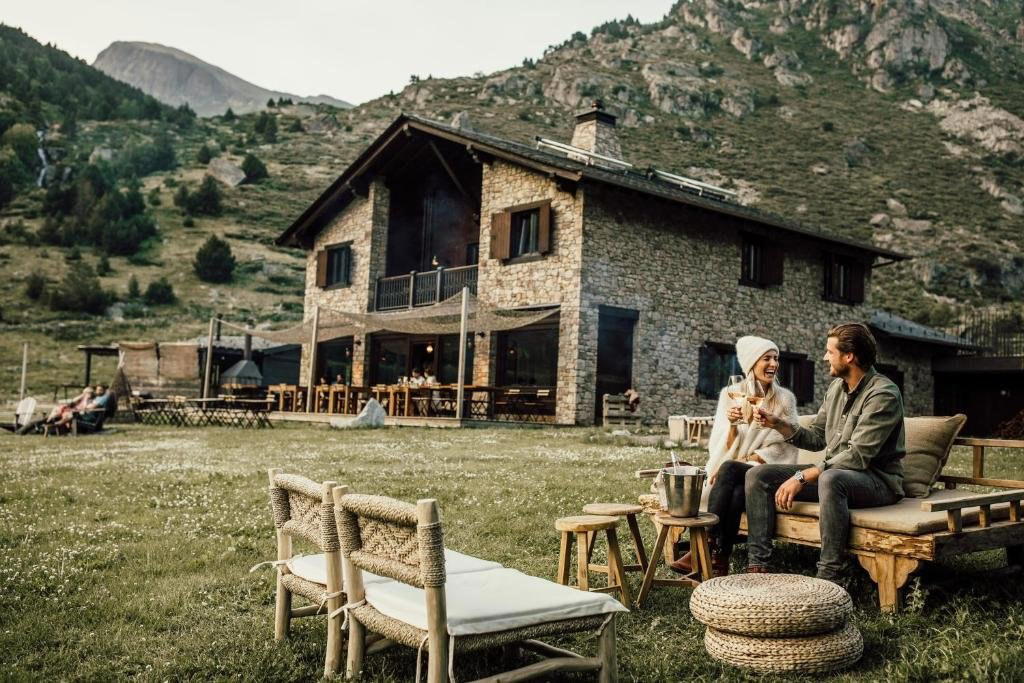
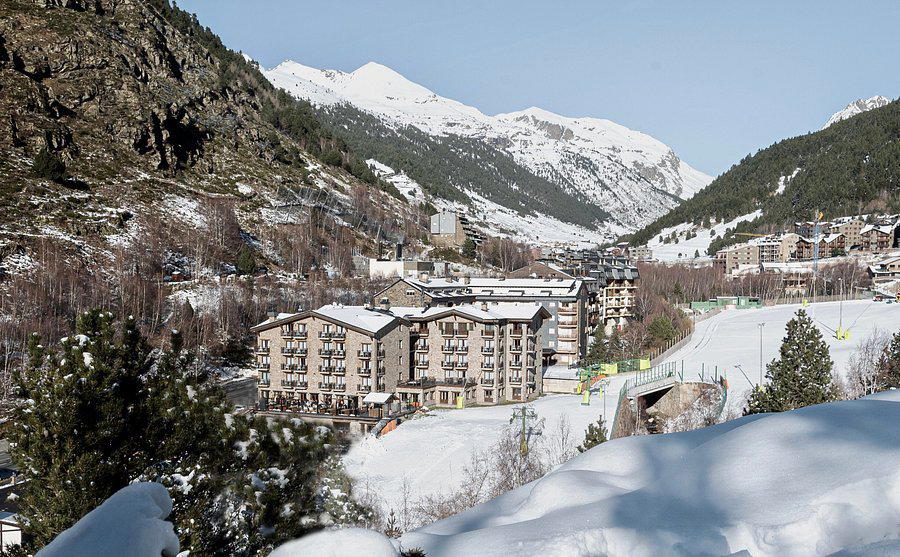
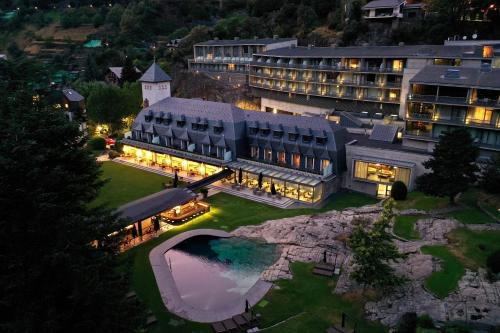
Raffiné yet simple mountain chalet atmosphere with fireplace, cozy seating, and terrace overlooking the Pyrenees.