Augustine Restaurant & Garden
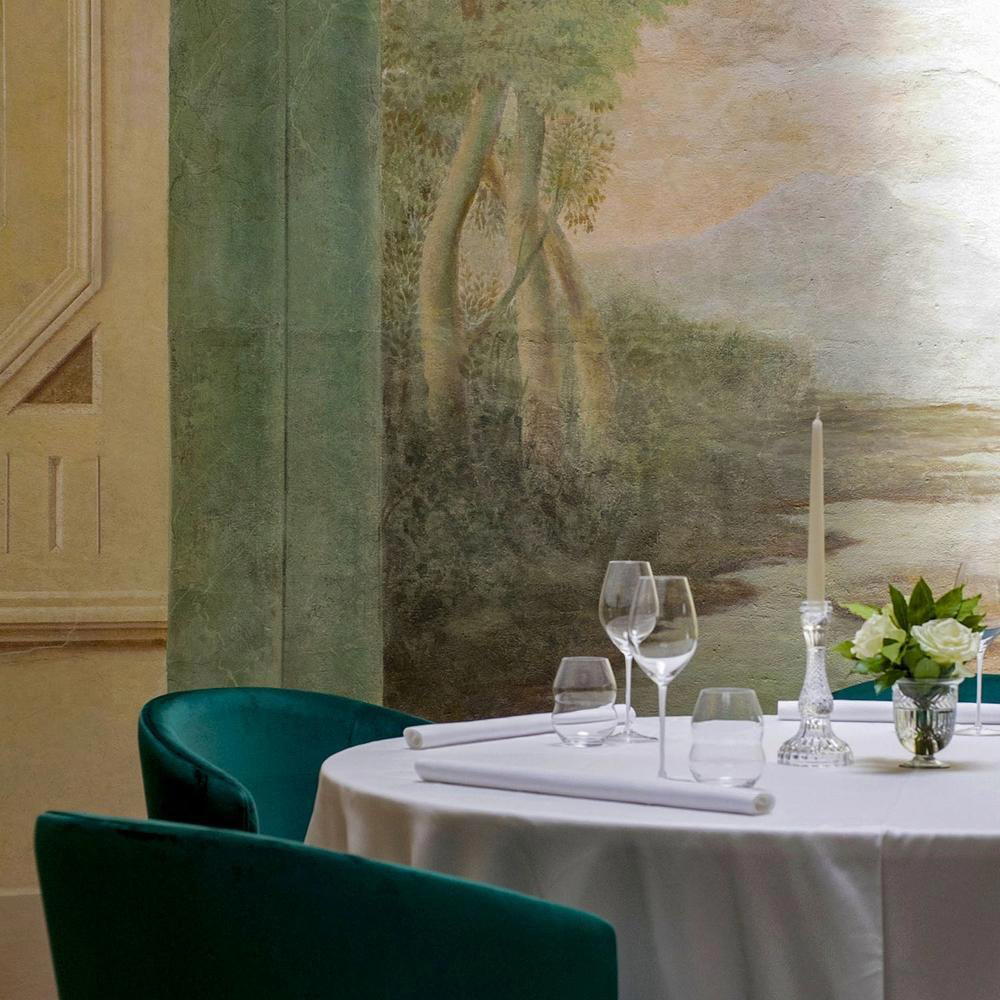
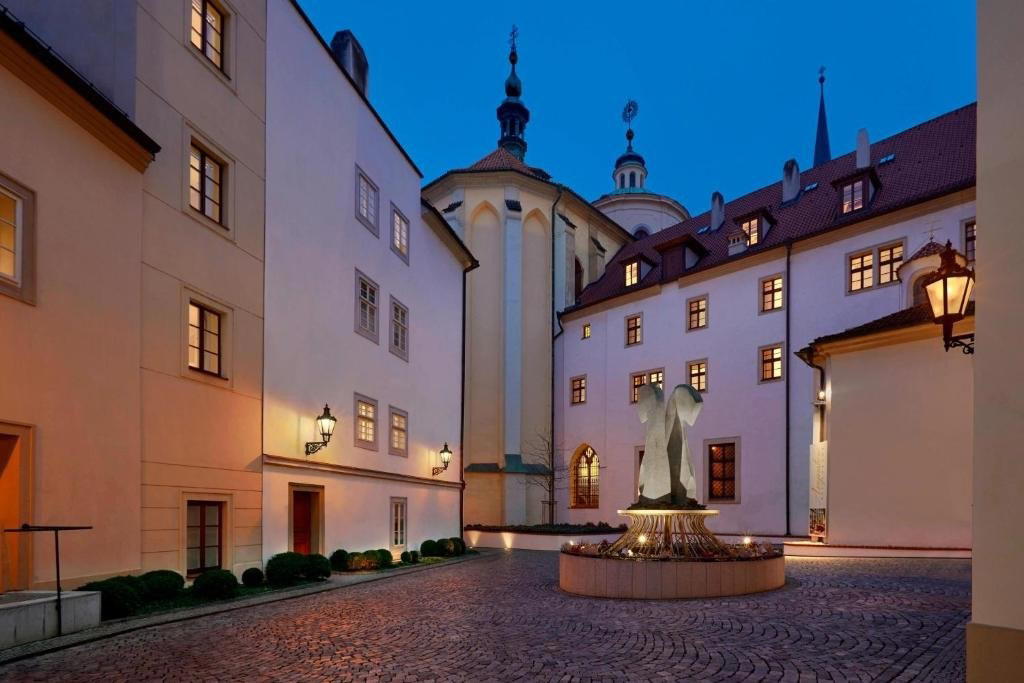
Augustine Restaurant & Garden occupies a converted monastery in Malá Strana, one of Prague's most architecturally layered quarters. The setting shapes everything: vaulted ceilings, a walled garden courtyard, and a menu that reads as a structured argument for Central European ingredients treated with contemporary precision. It sits in a price tier and register that places it alongside Prague's most considered dining rooms.
Pearl is the En Primeur Club membership app — saves, bookings, and concierge access live there. Same editors, same standards.
- Address
- 12, Letenská 33, Malá Strana, 118 00 Malá Strana, Czechia
- Phone
- +420266112282
- Website
- augustinehotelprague.com
- Directions
- Get directions
 Saves & bookings on Pearl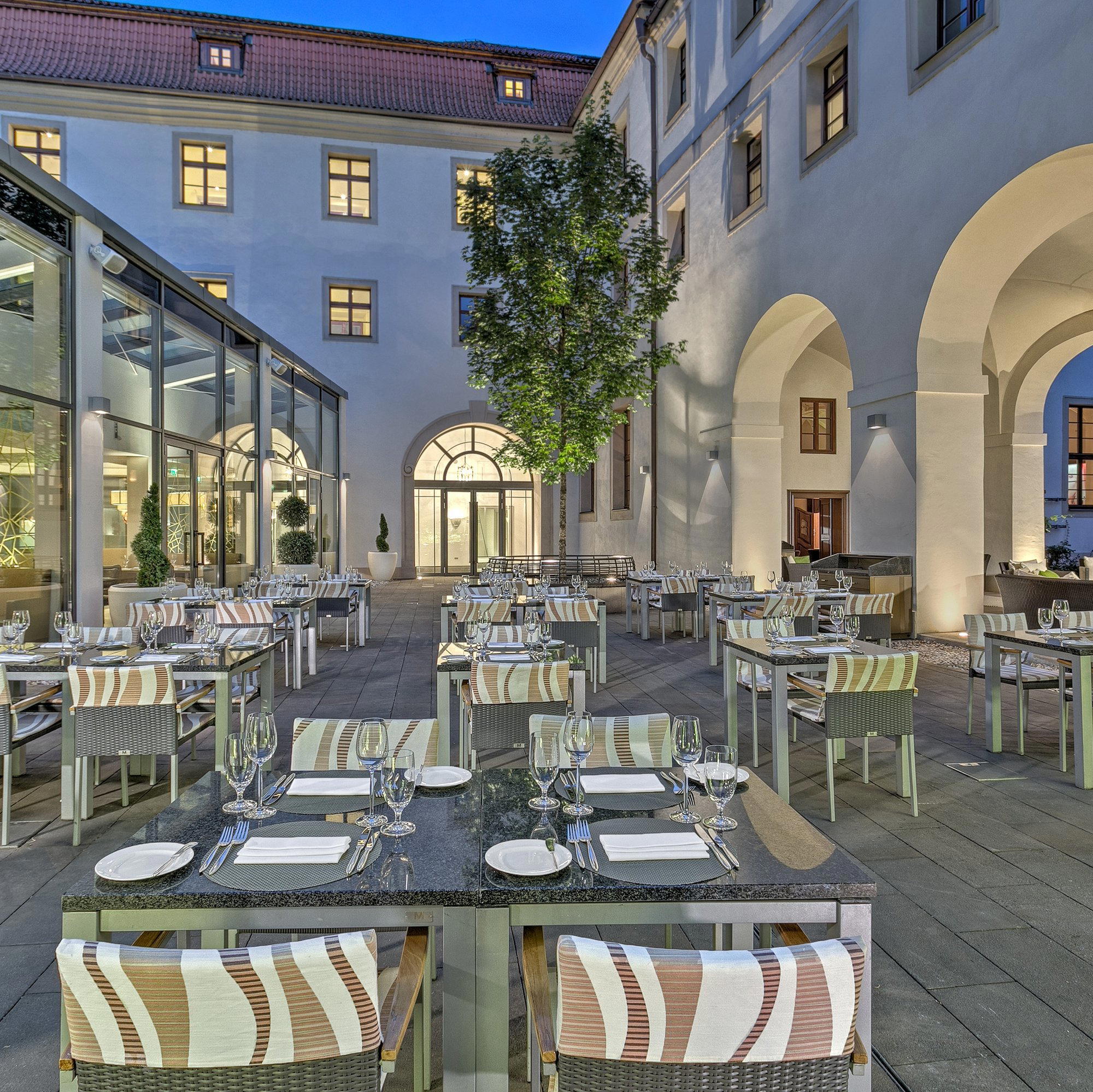
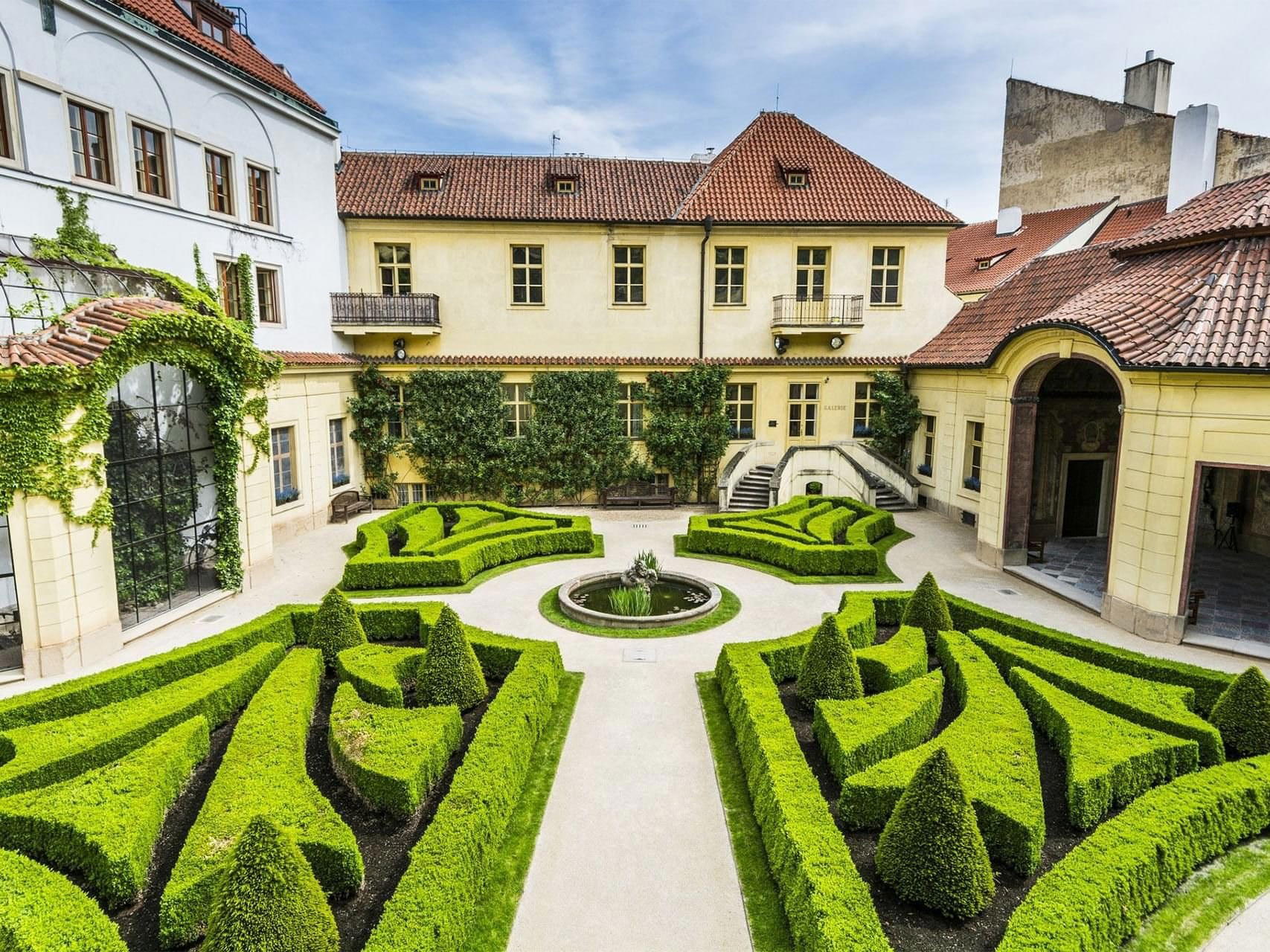
A Garden Behind Monastery Walls
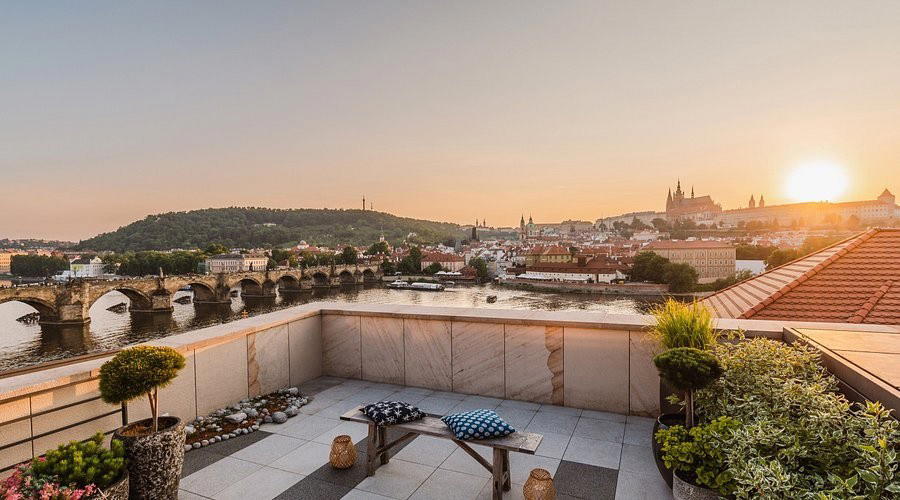
Malá Strana has always attracted a particular kind of attention. The district sits below Prague Castle on the western bank of the Vltava, its streets dense with Baroque architecture and embassies. Within that neighbourhood, a converted Augustinian monastery provides the physical container for Augustine Restaurant & Garden, a dining room where the building itself does significant editorial work before a single plate arrives.
The garden courtyard changes the rhythm of a meal, especially in the warmer months.
How the Menu Is Built, and What It Signals
The clearest way to read a restaurant is through the architecture of its menu. At Augustine, the menu structure reflects a Central European kitchen working with regional produce as its primary vocabulary, not as a locavore statement, but as a structural commitment. French technique and international reference points have long dominated the city's premium dining tier. Restaurants like La Degustation Bohême Bourgeoise and Alcron represent that dominant tendency. Augustine positions itself differently: the monastery setting and garden courtyard suggest a grounding in place that extends into the kitchen's sourcing logic.
Menu architecture at this level typically signals intent through proportion and sequencing. Where a kitchen places its vegetable courses relative to protein, how it handles fermentation or preservation, whether it builds toward a single showpiece or distributes weight evenly across courses, these decisions reveal what the kitchen is actually trying to argue. The garden adjacency at Augustine is not incidental to this reading. Kitchens with direct access to or proximity to growing space tend to structure menus around availability and season with more granularity than those working purely through supplier relationships.
Prague's upper tier offers a more varied approach than the tasting-menu dominance seen in some major dining capitals.
Placing Augustine in Prague's Premium Tier
Prague's fine dining has developed unevenly over the past two decades. The city attracted significant international investment in hospitality after EU accession, and the hotel restaurant became an important vehicle for premium dining in a market that lacked the density of standalone fine dining rooms. Augustine's monastery setting connects it to the hotel-restaurant tradition, a format that carries specific expectations around service register and wine programme depth.
The competitive comparison set is worth mapping. Alma and Amano represent the city's appetite for more casual premium formats. 420 Restaurant occupies a different register again. Augustine, by contrast, operates in the full-service, setting-led tier where the physical environment is part of the value proposition, a category that draws comparisons with restaurants in similarly architecturally significant buildings across Central Europe.
That comparison extends beyond Prague. Within the Czech Republic, serious kitchens have emerged well outside the capital: Cattaleya in Čeladná, Pavillon Steak House in Brno, and Dvůr Perlová voda in Budyně nad Ohří all demonstrate that the country's dining geography has diversified. Seen against that national picture, Prague's Malá Strana rooms occupy a specific urban-luxury tier with a visitor base that skews international and expectations shaped by comparable rooms in Vienna, Budapest, or Warsaw.
The Garden as Structural Element
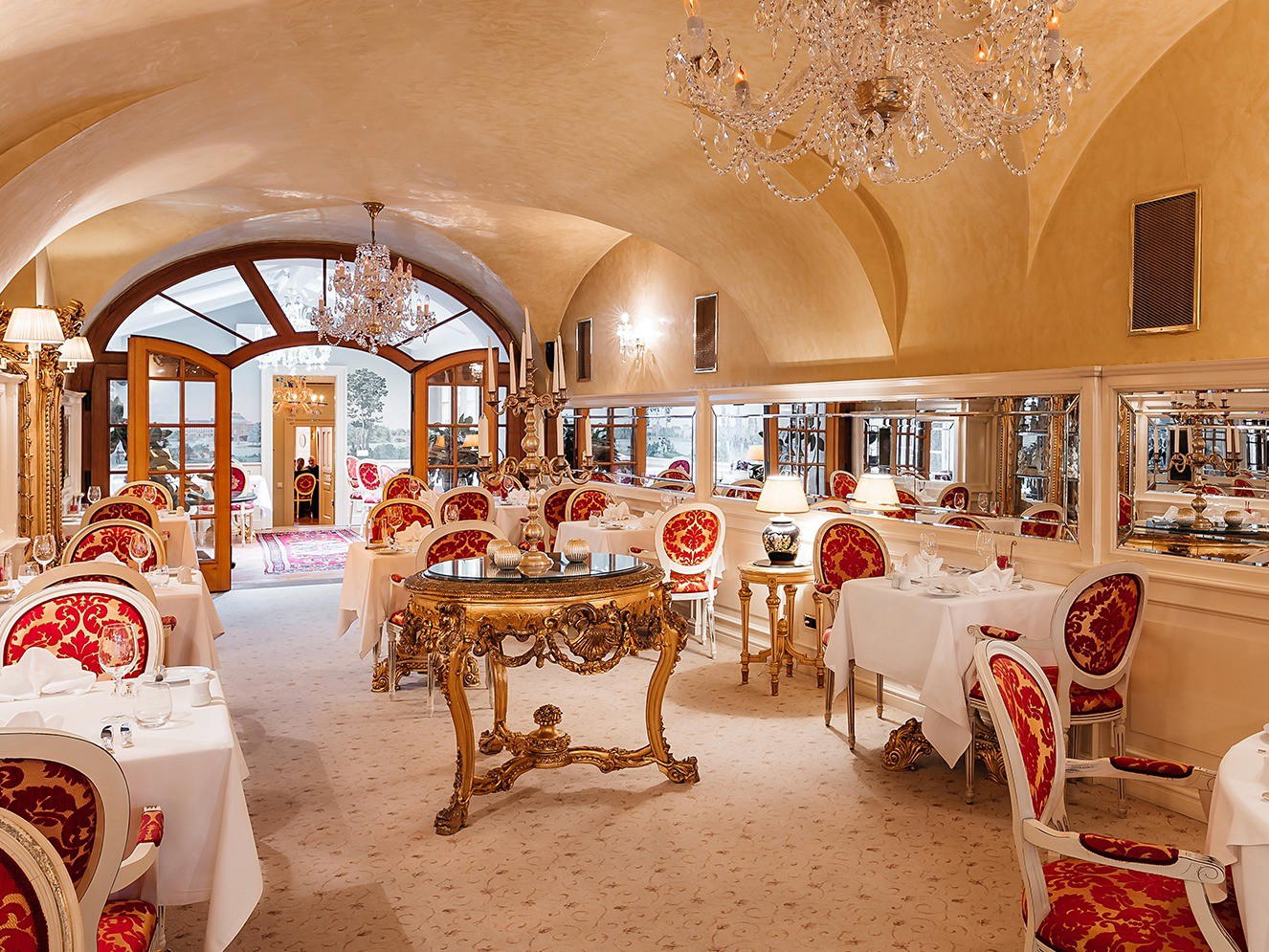
It is worth separating the garden from the broader monastery setting, because the two function differently in the dining experience. The monastery architecture, vaulted ceilings, stone passages, the accumulated weight of a building with genuine historical depth, provides a backdrop that no amount of interior design budget can replicate. This is common to Prague's most atmospheric rooms, where the building pre-dates the restaurant by centuries.
The garden is a different kind of asset. In a city centre, a walled outdoor dining space with genuine greenery is logistically difficult to maintain and relatively rare at the premium tier. It changes seasonal strategy, creates a second distinct dining environment within a single address, and attracts a different booking pattern from the interior room. For late spring through early autumn visits, the garden courtyard is the more appealing choice.
Travellers arriving in Prague specifically for dining who want to extend their itinerary beyond the capital will find useful reference points in the EP Club's coverage of regional Czech tables, from Long Story Short Eatery & Bakery in Olomouc to Chapelle in Písek and Perk Restaurant in Šumperk. For those using Prague as a base and day-tripping west, Na Spilce in Pilsen sits within range and offers a different register. Further afield, Tlustá Kachna in Chrudim, V Bezovém Údolí in Kryštofovo Údolí, and ARRIGŌ in Děčín map a country whose serious kitchens are distributed more widely than most international visitors realise.
Planning Your Visit
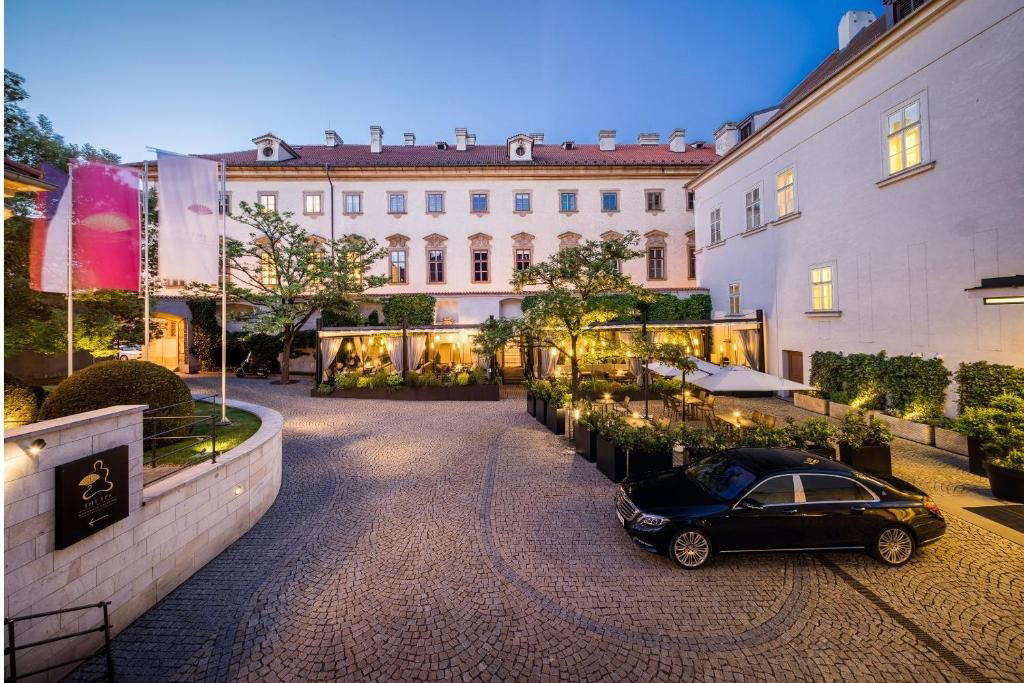
Augustine Restaurant & Garden is located at Letenská 33 in Malá Strana, a short walk from Malostranské náměstí and accessible from the Old Town via the Charles Bridge on foot in under fifteen minutes. The Malá Strana district is quieter in the evenings than the tourist-concentrated areas north of the river, which affects the approach: streets are calm, service at the door tends to be less pressured, and the monastery entrance sequence itself sets a particular pace before any table is reached. For internationally travelling diners with a single evening in Prague, this spatial separation from the Old Town's noise is itself a reason to weight Malá Strana rooms more heavily than proximity to landmarks might otherwise suggest.
For the full picture of Prague's dining options across all price points and formats, the Prague restaurants guide covers the city's key rooms. Readers comparing Augustine against international benchmarks may find useful context in our coverage of Le Bernardin in New York City and Lazy Bear in San Francisco, both of which represent the kind of setting-and-format discipline that Augustine's monastery proposition invites comparison with at a different price tier.
Where the Accolades Land
Comparable venues nearby, for context on price, style, and recognition.
| Venue | Cuisine | Price | Notes |
|---|---|---|---|
| Augustine Restaurant & GardenThis venue — the venue you are viewing | Creative French Fine Dining with International Influences | $$$ | Not listed |
| Zvonice | Traditional Czech in Historic Belfry | $$$ | Praha 1 |
| Krystal Bistro | Traditional Czech with French Charm | $$ | Karlin |
| BON | Authentic Japanese Ramen & Soba | $$ | Vinohrady |
| Numaru | Korean Fusion | $$ | Nové Město |
| mEating point | Czech Brasserie | $$$ | Josefov |
At a Glance
- Elegant
- Sophisticated
- Quiet
- Classic
- Romantic
- Brunch
- Business Dinner
- Date Night
- Family
- Celebration
- Private Event
- Garden
- Terrace
- Historic Building
- Hotel Restaurant
- Live Music
- Private Dining
- Extensive Wine List
- Beer Program
- Local Sourcing
- Sustainable
- Garden
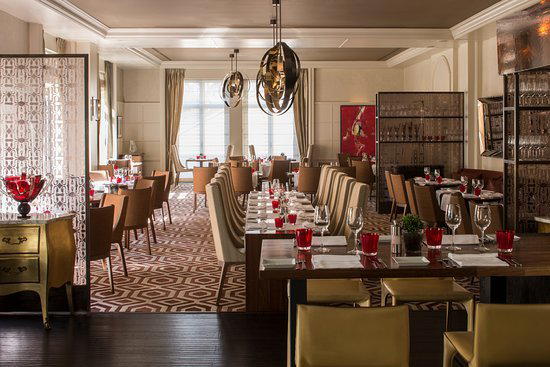
Understated elegance in a historic former monastery, with a calm, tranquil atmosphere and a serene outdoor terrace/garden setting.