Our verdict
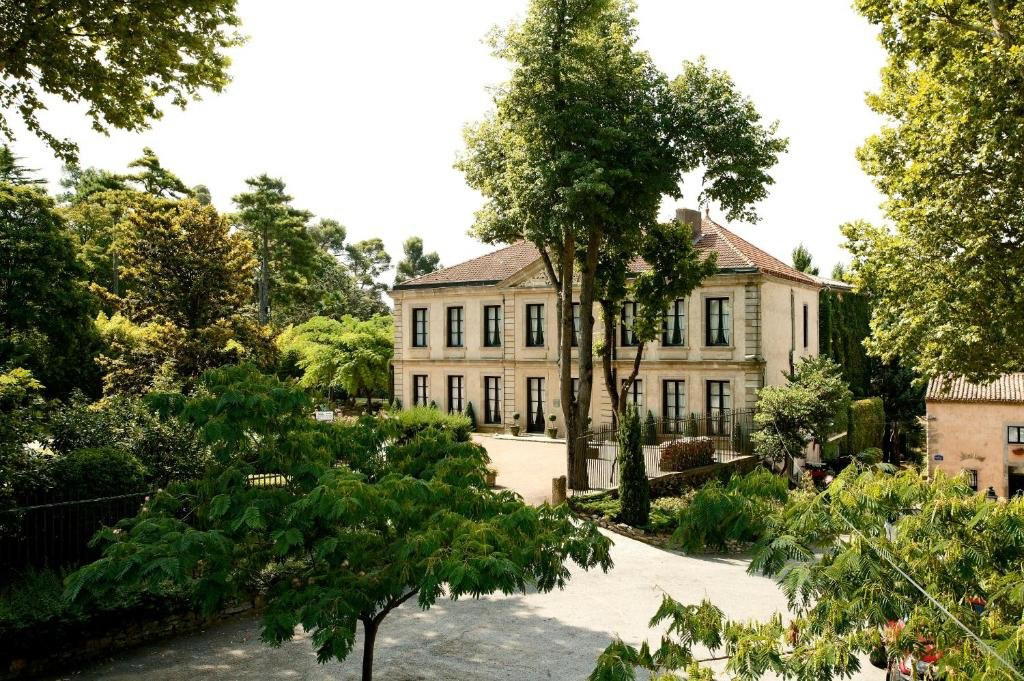
Set within a château in the village of Cavanac, just south of Carcassonne, Auberge du Château occupies a category that southern French hospitality does well: serious cooking anchored to a specific landscape. The address places it squarely in the agricultural hinterland of Languedoc, where proximity to Mediterranean produce, regional wines, and centuries-old farming traditions shapes what arrives on the plate.

Pearl is the En Primeur Club membership app — saves, bookings, and concierge access live there. Same editors, same standards.
- Address
- Le château, 11570 Cavanac, France
- Phone
- +33468796104
- Hours
- Mon ClosedTue–Sat 8 PM–1 AMSun 12–5 PM
- Directions
- Get directions
- Booking
- Book on the venue's website
The menu
What to order
- Cassoulet au confit de canard
- Demi-homard sur lit de verdure
- Filet de bar sauce beurre blanc citronnée
- Cochon de lait au miel
- Escargots à la carcassonnaise
- Foie gras poêlé à la figue
Stone Walls and the Languedoc Table
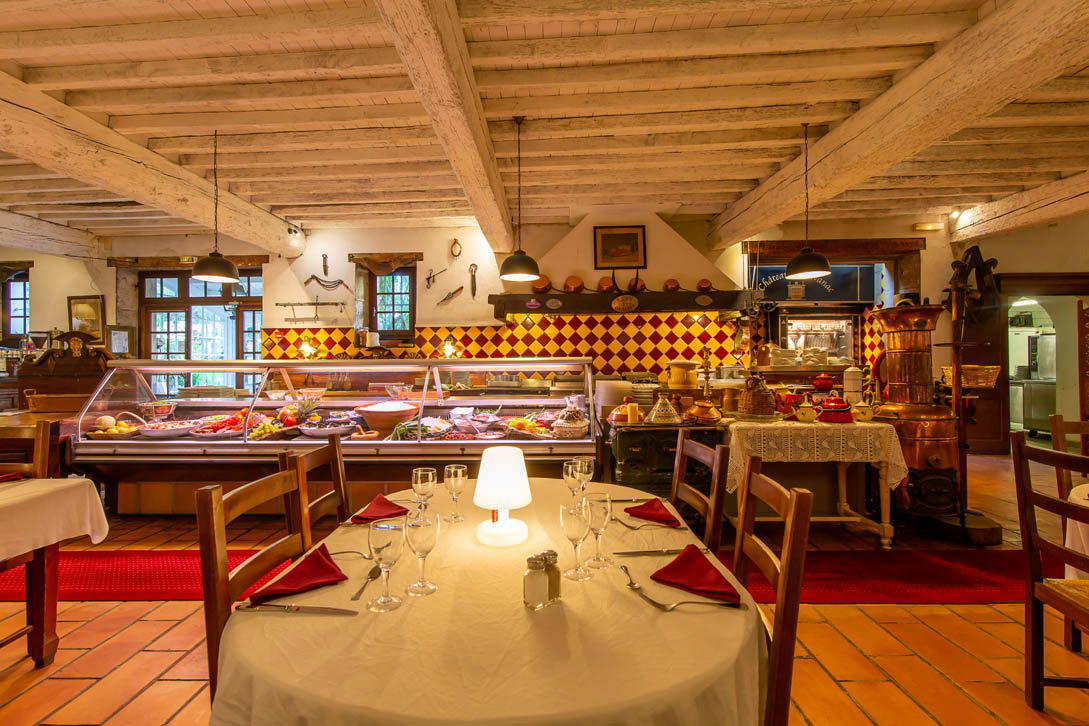
The road into Cavanac runs south from Carcassonne through a landscape that flattens and then gently folds into vineyards and scrubland. By the time the village appears, you are already inside the terroir that defines the cooking in this part of France. Auberge du Château occupies the château at the heart of Cavanac, a structure whose stone and age immediately frame the experience: this is not a city restaurant that happens to have a countryside address, but a table that belongs to its geography in the way that the better auberge tradition in France has always intended.
That tradition matters here. The auberge format, distinct from the urban gastronomic restaurant, carries an expectation of rootedness: the kitchen draws from what grows and is raised nearby, the cellar reflects the region, and the setting does not try to compete with what is happening in Paris or Lyon. For a sense of how the auberge model plays out at its most refined elsewhere in France, the contrast with places like Auberge de l'Ill in Illhaeusern or Auberge du Vieux Puits in Fontjoncouse is instructive. Fontjoncouse, in particular, is a useful reference point: it sits in the same Aude department, similarly removed from any metropolitan center, and has built its reputation almost entirely on the argument that deep rural sourcing is a form of culinary authority, not a compromise.
Sourcing as Editorial Argument
In Languedoc, the case for local sourcing makes itself. The region produces olive oil, lamb from the garrigue, river fish, wild herbs, charcuterie from the Black Mountain foothills, and a volume of vegetables and fruit that the local markets in Carcassonne reflect every Saturday morning. A kitchen at this address has immediate access to a supply chain that chefs further north spend considerable effort and money trying to replicate. The question for any serious table in this zone is not whether to source locally, but how faithfully and how specifically the kitchen translates that access into the menu.
This is also where the Languedoc table diverges from both the haute cuisine of Paris and the more internationally inflected cooking that has come to define places like Mirazur in Menton or Alléno Paris au Pavillon Ledoyen. Those kitchens operate with global sourcing ambitions and a technical vocabulary that is self-consciously international. The better rural tables of the south work from a narrower, more territorial brief, and the cooking is legible in a different way: the ingredients carry the argument, not the technique deployed on them.
For context on how this philosophy plays out in other rural French settings with serious culinary reputations, see Bras in Laguiole, where the Aubrac plateau has shaped every aspect of the menu for decades, and Les Prés d'Eugénie in Eugénie-les-Bains, where the thermal range of the Landes has been both subject and source material for the kitchen over a long institutional history.
The Château Setting and What It Signals
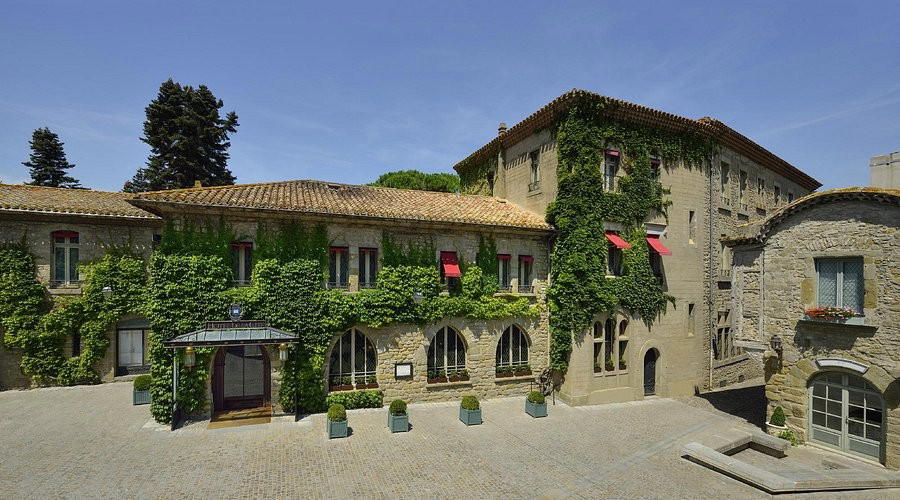
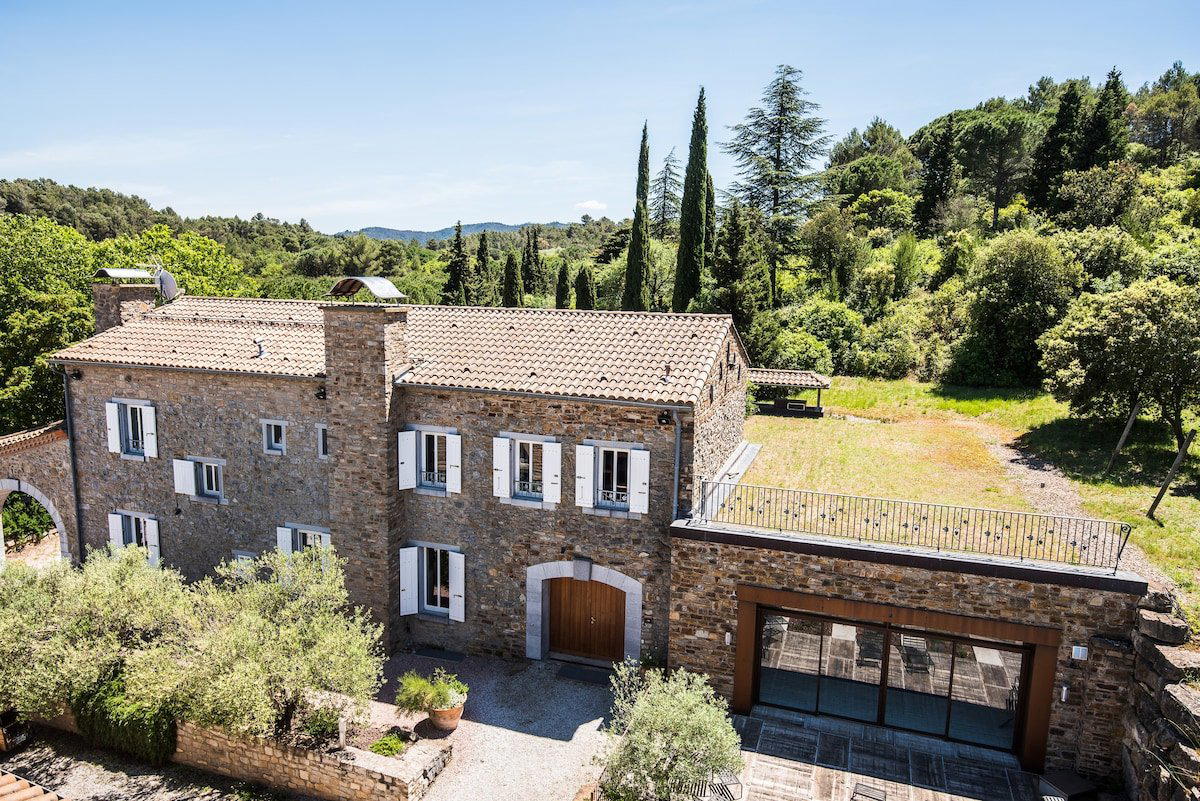
A château address in a village the size of Cavanac carries specific implications for the kind of meal on offer. These are not the grand wine-producing châteaux of Bordeaux or the Loire; they are working rural estates that have, in many cases, been repurposed as hospitality addresses over the past several decades. The physical environment, typically stone-built, with garden space and views that open onto agricultural land, shapes how a meal feels in a way that a purpose-built restaurant cannot easily replicate. Diners arrive with a different set of expectations, and the kitchen is asked to meet them not just through the plate but through the whole register of the experience.
This kind of setting also places the restaurant in a specific competitive peer group within French regional dining: not the palace-hotel restaurants of Courchevel or Saint-Tropez, such as Le 1947 à Cheval Blanc or La Vague d'Or, and not the multi-generational urban institution like Maison Lameloise in Chagny or Paul Bocuse's Auberge du Pont de Collonges, but the category of serious rural French table where the address is inseparable from the proposition. Georges Blanc in Vonnas and Troisgros in Ouches are larger, more decorated examples of the same instinct: cook from where you are, and the place itself becomes part of the story.
Carcassonne as Context
Cavanac sits roughly four kilometers south of Carcassonne, the medieval fortified city that draws significant tourist volume to this part of the Aude. That proximity is relevant for visitors planning an itinerary: a meal at Auberge du Château works logically as a counterpoint to the density of the Cité, offering a register that is quieter, more agricultural, and less oriented toward the international visitor market that the fortified city attracts. The village itself is small, which means the restaurant is the destination rather than part of a broader dining neighborhood. Arriving by car is the practical reality for most visitors. For a broader view of the dining options in the area, our full Cavanac restaurants guide maps the context.
For those approaching from further afield, the Languedoc-Roussillon region has become a more considered stop on the southern France circuit, partly because of the density of serious wine producers in the Corbières, Minervois, and Fitou appellations nearby, and partly because addresses like La Table du Castellet and Flocons de Sel have demonstrated that serious cooking outside the major French cities now commands a dedicated travel audience. For international points of reference on what destination dining outside a major city can achieve, Le Bernardin in New York and Lazy Bear in San Francisco show how strong locational identity and sourcing discipline translate into a coherent restaurant argument regardless of geography.
Planning a Visit
Cavanac is a short drive from Carcassonne, making it accessible as a lunch or dinner destination from the city without requiring an overnight stay, though the château setting makes an extended visit worth considering. Given the limited information publicly available about current booking methods, hours, and pricing, contacting the property directly before planning around it is the sensible approach. As with many rural French addresses of this type, seasonal availability and kitchen schedules tend to vary, and confirming in advance avoids the specific frustration of arriving at a closed gate.
Frequently asked questions
Is Auberge du Château a family-friendly restaurant?
The château setting in Cavanac, a village of fewer than a thousand residents, suggests a quieter, more traditional dining room than a purpose-built family venue in a city. That context typically favours table-service meals at a considered pace. Families with older children who can manage a formal sitting are likely better suited than those with young children looking for a relaxed, informal atmosphere.
What kind of setting is Auberge du Château?
The address — Le château, 11570 Cavanac — places it within a château structure in a small Aude village surrounded by Languedoc vineyards and scrubland. This is not a grand wine-estate château open for tastings, but a smaller, village-scale property where the stone architecture frames the dining experience rather than competing with a wine brand. The setting reads as intimate and regional rather than grand and ceremonial.
How far is Auberge du Château from Carcassonne, and is it worth the drive?
Cavanac sits approximately four kilometres south of Carcassonne, making Auberge du Château a short drive from the medieval city — close enough to work as a lunch or dinner destination without an overnight stay. For visitors already in Carcassonne, it offers a different register entirely: village scale, château surroundings, and a kitchen working within the Languedoc's regional larder rather than the tourist-facing dining economy of the old city.
What's the must-try dish at Auberge du Château?
What the Languedoc region consistently produces at this kind of table is lamb raised on garrigue scrubland, wild herbs, and locally sourced charcuterie — these are the ingredients that define serious cooking in the Aude. Any dish built around those components reflects both the kitchen's sourcing integrity and the season.
What's Auberge du Château's location?
Auberge du Château is located at Le château, 11570 Cavanac, France, Cavanac.
Do they take walk-ins at Auberge du Château?
For a château-set restaurant in a village this small, walk-in availability depends heavily on day of week and season — Carcassonne draws considerable tourist volume nearby, which can affect covers at restaurants in the surrounding area. Arriving without a reservation on a summer weekend or during the Carcassonne festival period carries real risk.
Comparison Snapshot
Comparable venues nearby, for context on price, style, and recognition.
| Venue | Cuisine | Price | Notes |
|---|---|---|---|
| Auberge du ChâteauThis venue — the venue you are viewing | Traditional French Bistro | $50–100 | Not listed |
| Bloc G | French Bistro with Mediterranean Influences | Not listed | La Trivalle |
| Le Signal 2108 | Bistronomic French with Regional Alpine Specialties | $30–50 | Signal Mountain |
| Vertigo | Traditional French and Ariège Cuisine | $30–50 | historic center |
| Lou sicret | Languedoc Regional Bistro | $20–30 | Albi city center |
| Idea | Modern French Inventive | $30–50 | Place De La Republique |

Details
- Rustic
- Cozy
- Classic
- Romantic
- Date Night
- Special Occasion
- Group Dining
- Celebration
- Terrace
- Historic Building
- Hotel Restaurant
- Local Sourcing
- Farm To Table
- A La Carte
- Prix Fixe
- Wine
Current opening hours
- Monday
- Closed
- Tuesday
- 8 PM–1 AM
- Wednesday
- 8 PM–1 AM
- Thursday
- 8 PM–1 AM
- Friday
- 8 PM–1 AM
- Saturday
- 8 PM–1 AM
- Sunday
- 12–5 PM
Hours can change for holidays and private events. Last verified .
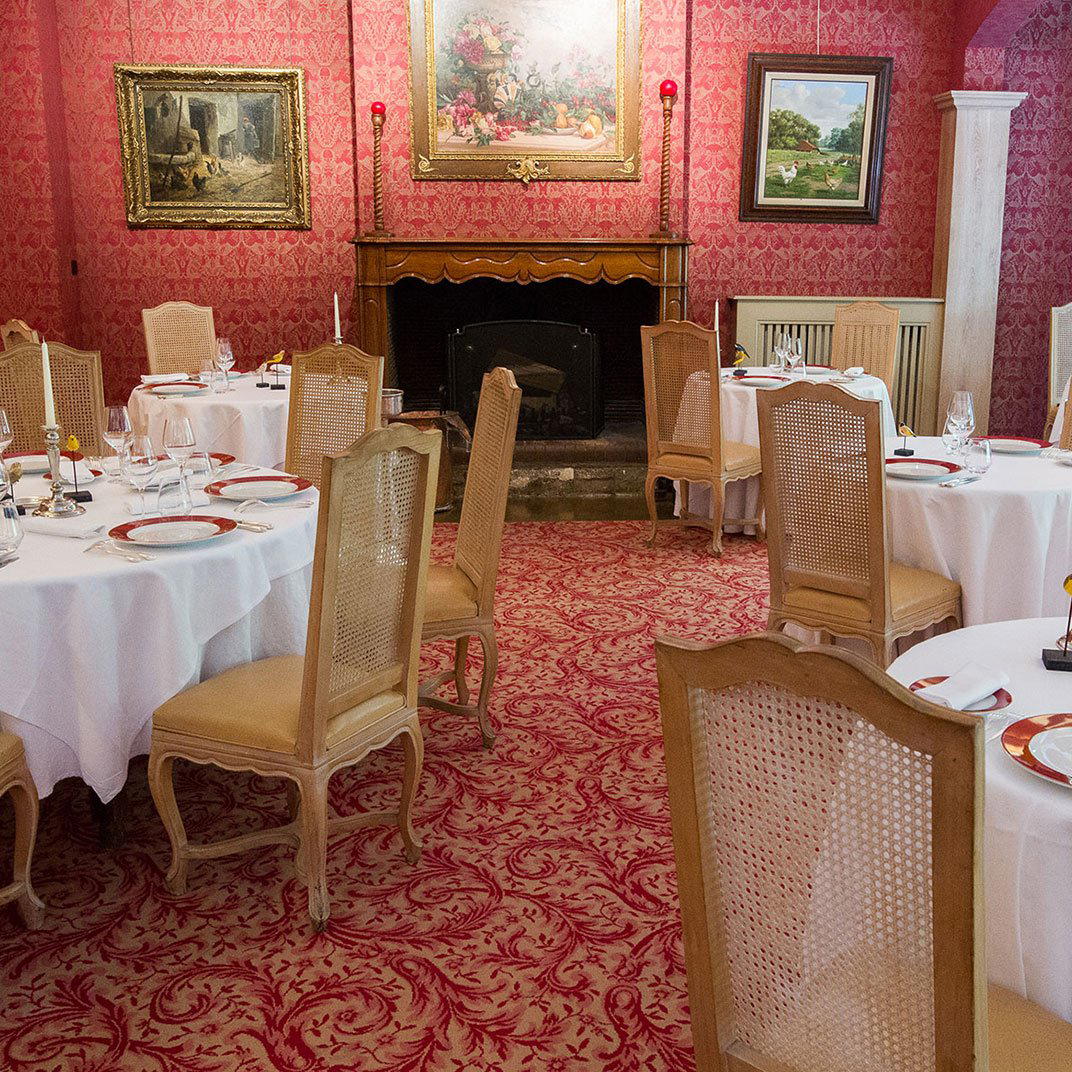
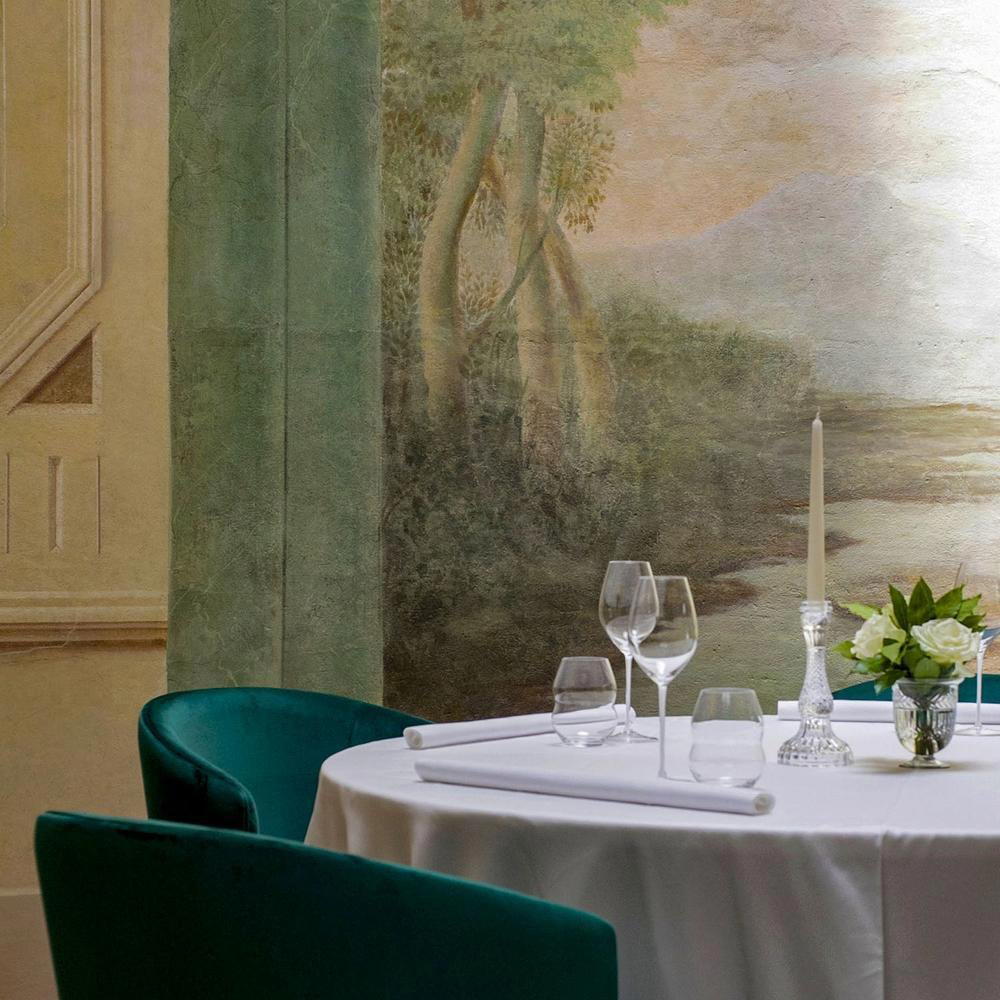
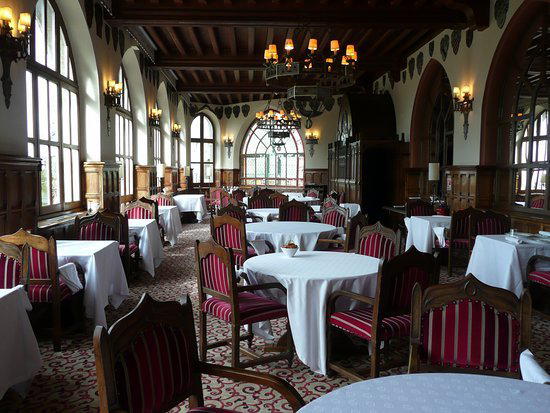
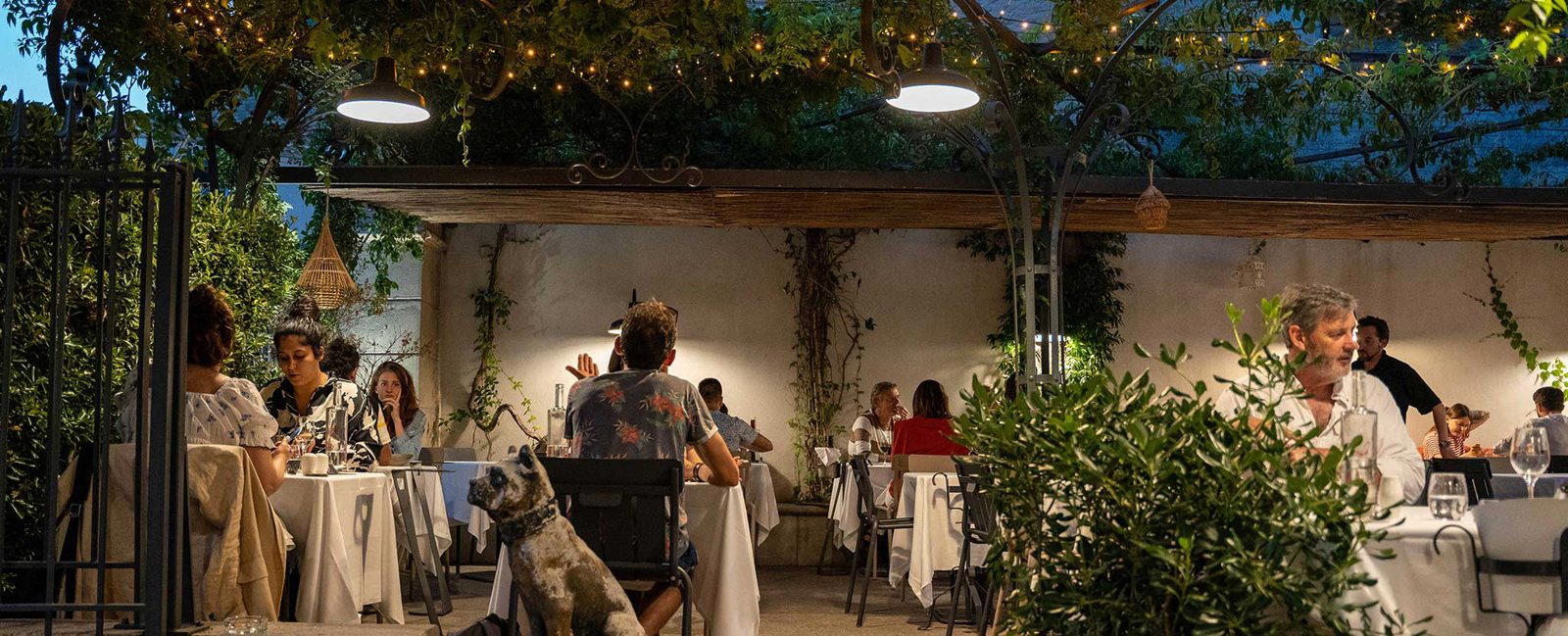
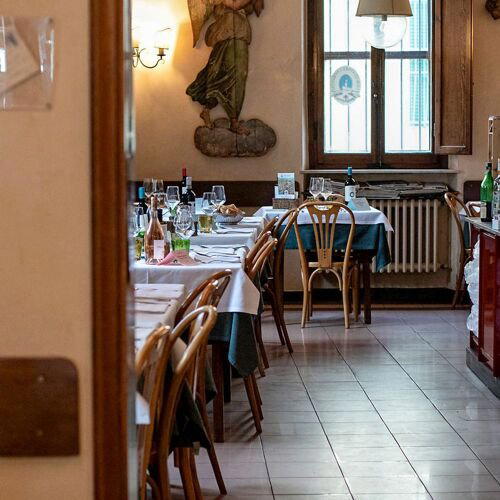
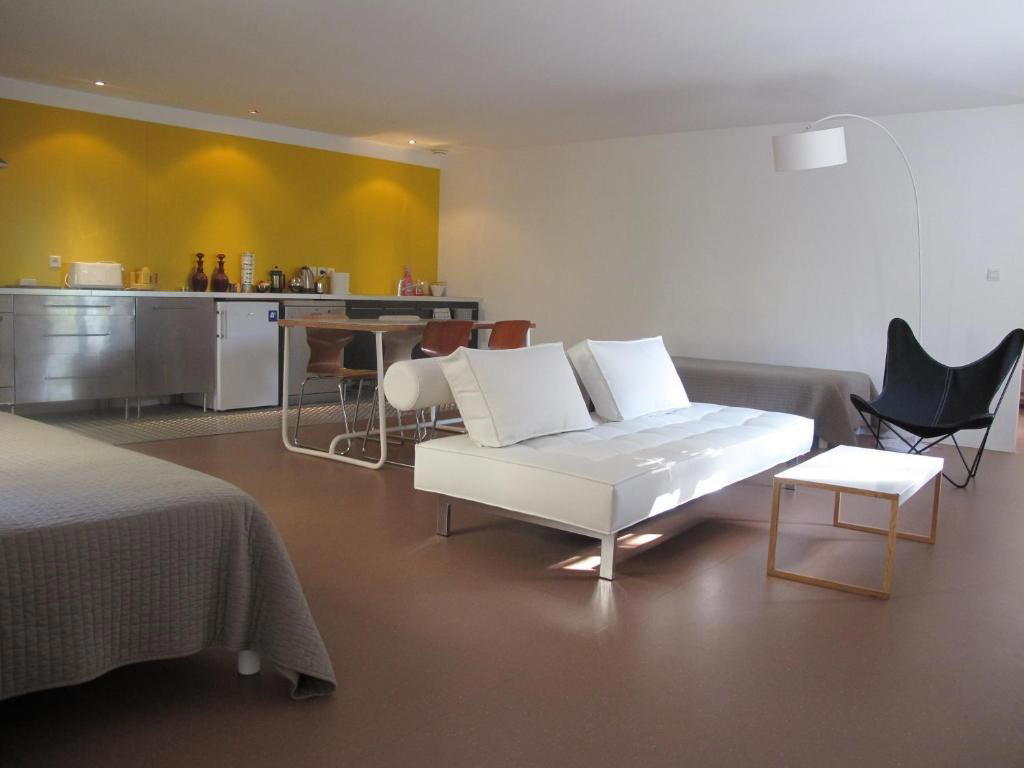
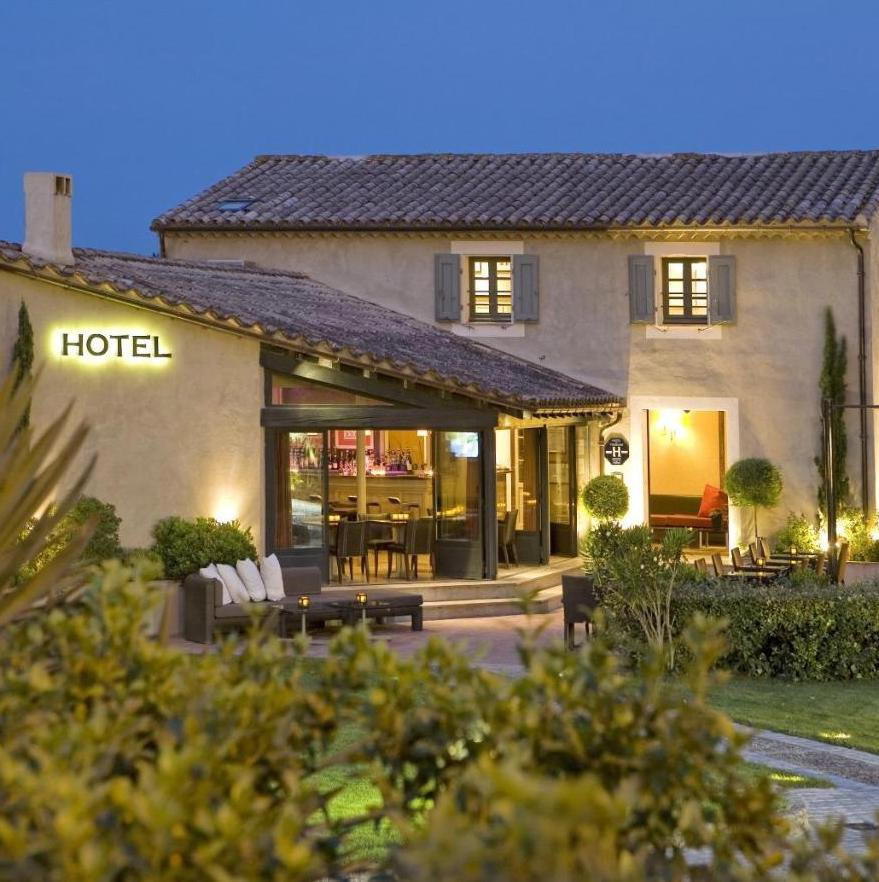
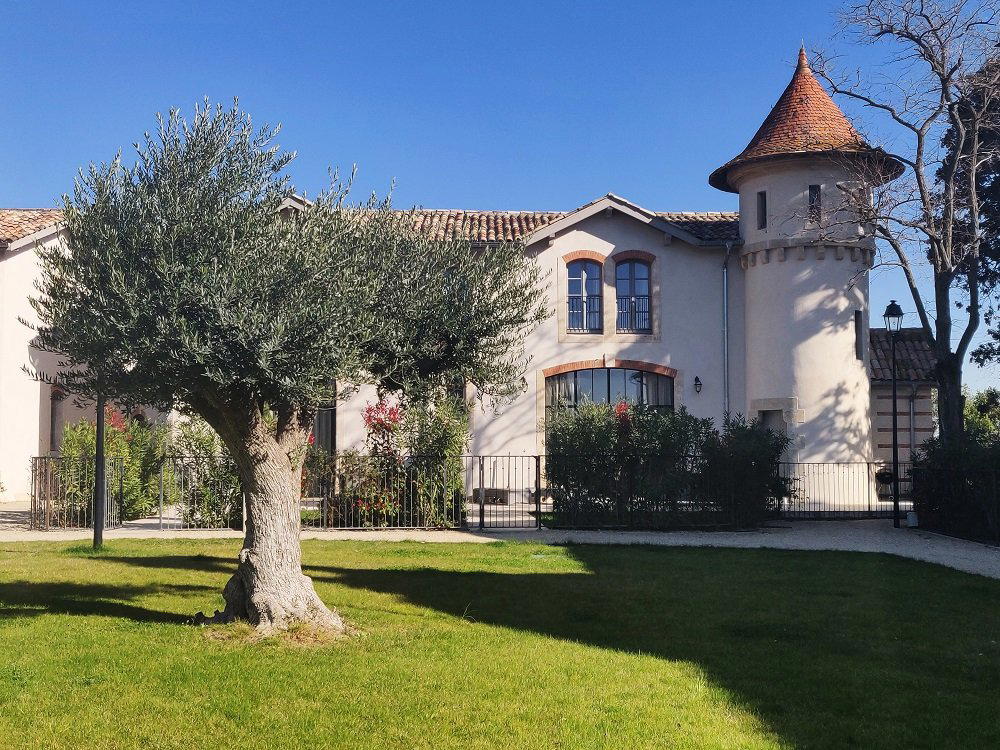
Warm and charming atmosphere in historic stone stables with rustic architectural details; shaded terrace with spring garden scents.