Auberge communale
Our verdict
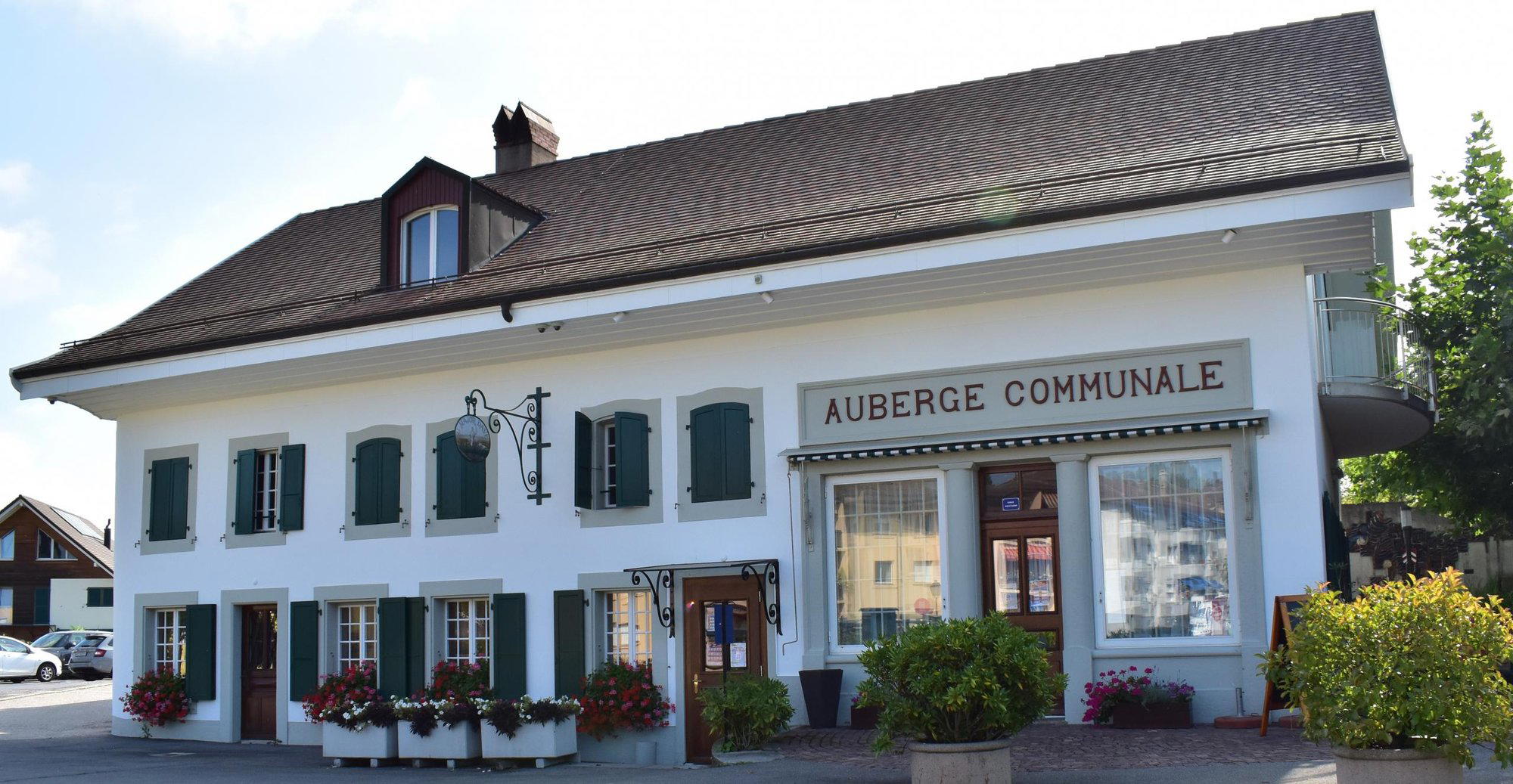
Auberge communale occupies a quiet square in Echandens, a small Vaud village between Lausanne and Morges where the tradition of the village inn has historically anchored local food culture. As part of Switzerland's deeply rooted auberge tradition, it sits in a dining category defined by seasonal sourcing, community connection, and regional produce rather than spectacle or scale.

Pearl is the En Primeur Club membership app — saves, bookings, and concierge access live there. Same editors, same standards.
- Address
- Pl. du Saugey 8, 1026 Echandens, Switzerland
- Phone
- +41217023070
- Hours
- Daily Closed
- Website
- auberge-echandens.ch
- Directions
- Get directions
The menu
What to order
- Filets de perches meunière
- Steak tartare
- Escalope de foie gras de canard
- Queue de cigale de mer rôtie
A Village Square in Vaud's Agricultural Heartland
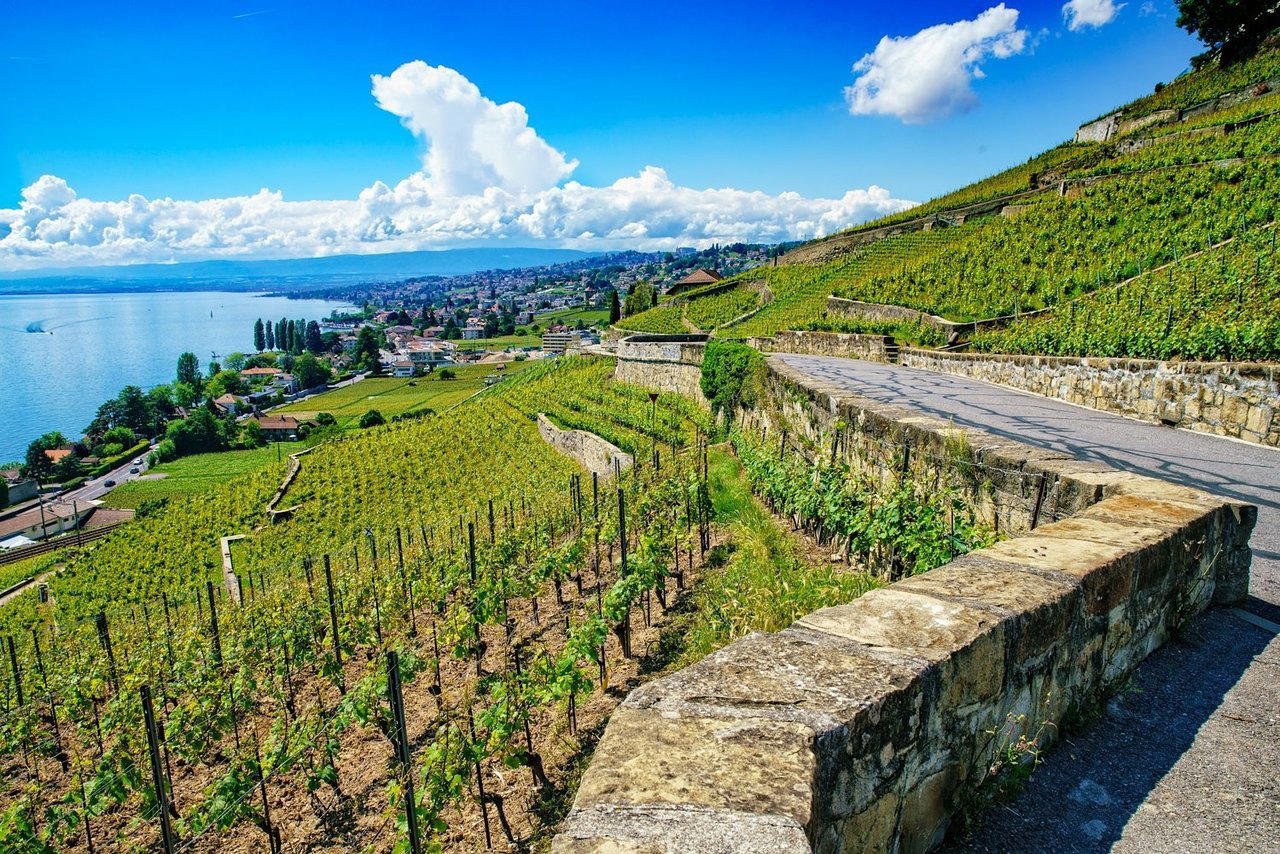
The canton of Vaud has long sustained a pattern of dining that larger Swiss cities rarely replicate: the village auberge, placed at the geographic and social centre of a community, drawing its logic from what grows and is raised nearby rather than from imported trends. Echandens, situated in the agricultural corridor between Lausanne and Morges, sits inside one of the most productive farming zones in the Swiss Romande. The land here produces wines from the Morges appellation, market garden crops, and dairy that feeds the broader Lausanne table. Place du Saugey, where Auberge communale is addressed, is the kind of square that tells you something about how Swiss village life organises itself: compact, unpretentious, built around continuity rather than reinvention.
The auberge as a format has defined Swiss rural hospitality for centuries. These are not hotel restaurants that happen to serve locals, nor are they destination venues built to attract weekend visitors from the city. They are, at their core, community infrastructure, places where the sourcing question is answered by geography as much as by intention. In Vaud specifically, the communal auberge occupies a formal civic role in many villages, often operating in premises owned or historically supported by the municipality. That context shapes what you find on the table.
Sourcing as Structural Logic, Not Marketing Language
In a region like the Lausanne-Morges corridor, the case for local sourcing is almost self-evident. Within a short radius of Echandens, wine producers along the Lac Léman shore, market farmers in the Gros-de-Vaud, and dairy operations in the pre-alpine foothills supply a chain of ingredients that define what Vaud cooking has traditionally looked like: freshwater fish from the lake, potato and root vegetable preparations that carry through the colder months, aged cheeses from nearby cooperatives, and seasonal game in autumn. The auberge format at its most functional treats this supply chain not as a curatorial choice but as the default operating condition.
This is the structural difference between a village auberge and the kind of ingredient-sourcing narrative now common in destination restaurants across Switzerland. Venues such as Schloss Schauenstein in Fürstenau or Memories in Bad Ragaz build sophisticated supply networks as a deliberate creative position, often at price points in the €€€€ tier. The village auberge in Vaud works from a different premise: proximity and regularity over curation and exclusivity. These are not competing philosophies so much as different points on the spectrum of how Swiss restaurants relate to their agricultural surroundings.
Switzerland's broader fine dining picture, which includes Cheval Blanc by Peter Knogl in Basel, Maison Wenger in Le Noirmont, and Einstein Gourmet in Sankt Gallen, is organised around refined tasting formats and Michelin recognition. The communal auberge occupies an entirely different register, one where the measure of quality is consistency and rootedness rather than technical ambition. Both registers are legitimate expressions of Swiss food culture; they simply answer different questions about what a meal should accomplish.
The Echandens Context
Echandens is a small municipality of a few thousand residents in the district of Morges. It is close enough to Lausanne, roughly ten kilometres west, that it functions partly as a residential suburb, but it retains its own civic character and agricultural edges. The village does not appear in Swiss restaurant guides the way the Lausanne lakefront does, and it does not attract the cross-border traffic that draws visitors to the Vaud wine villages along the Route des Vins. That relative quietness is precisely what gives a place like Auberge communale its operational logic: it serves the people who live there and the surrounding commune, and it does so on terms set by local supply and local appetite.
For travellers arriving from Lausanne, the drive or local train connection makes Echandens an accessible extension of a Vaud itinerary. Those building a table-focused trip through the canton might anchor their visit at the internationally recognised Hotel de Ville Crissier in Crissier, itself just minutes away and carrying one of the most significant culinary histories in Francophone Switzerland. Auberge communale and Hotel de Ville Crissier represent two entirely different expressions of Vaud hospitality, which is part of what makes the region interesting as a dining destination: the same agricultural base feeds radically different formats.
Placing Auberge Communale in the Wider Swiss Scene
Switzerland's mid-range and casual dining culture does not receive the same international attention as its Michelin-starred tier. Venues like focus ATELIER in Vitznau, Magdalena in Schwyz, and Taverne zum Schäfli in Wigoltingen operate in the creative and contemporary Swiss register, drawing from regional traditions while applying modern kitchen thinking. The communal auberge sits apart from this creative tier, not because it lacks quality but because its mandate is different. It is a civic institution as much as a commercial restaurant, and that distinction affects everything from its pricing logic to its relationship with the local supply chain.
Elsewhere in Switzerland, analogous formats operate in Italian-speaking Ticino, in the Graubünden valleys, and across the German-speaking cantons, each adapted to local dialect and local agriculture. In Ticino, the grotto serves a similar function. In Graubünden, the alpine inn. In Vaud, the auberge communale. What connects these formats across regional boundaries is a shared assumption: that the table should reflect the land within reach, and that a meal in a village square should be a different experience from a meal in a city hotel dining room.
Planning Your Visit
Auberge communale is addressed at Place du Saugey 8, 1026 Echandens, Switzerland. Echandens is accessible by regional train from Lausanne, with a short walk into the village centre from the station. Those driving from Lausanne will find the journey direct along the A1 corridor toward Morges. Given that communal auberges in Switzerland commonly operate on schedules tied to local demand, with closures on certain days or during seasonal gaps, confirming current opening hours directly before visiting is advisable. The format is not reservation-heavy in the way destination restaurants are, but a call ahead is always sensible in a village setting of this size.
Travellers with a broader Switzerland itinerary might pair an Echandens stop with La Table du Valrose in Rougemont, Mammertsberg in Freidorf, or further afield at Skin's in Lenzburg and Da Vittorio in St. Moritz, depending on the direction of travel. For context on how the Swiss communal dining tradition compares internationally, community-anchored tasting formats like Lazy Bear in San Francisco and precision-sourcing operations such as Le Bernardin in New York City show how different cultures resolve the same question about where food should come from and who it should serve.
For a broader overview of where Auberge communale sits within the local dining picture, see our full Echandens restaurants guide. The La Brezza in Ascona and The Japanese Restaurant in Andermatt offer additional contrast points for understanding how Switzerland's diverse culinary identities express themselves across its linguistic and geographic regions.
Frequently asked questions
Would Auberge communale be comfortable with kids?
Village auberges in Vaud are built around the community they serve, which means they routinely seat families, working locals, and older residents at the same hour. Auberge Communale at Place du Saugey 8 sits in the centre of Echandens, a small municipality of a few thousand people, and that local character tends to translate into an inclusive, unpretentious atmosphere.
What kind of setting is Auberge communale?
The address is Place du Saugey 8 in Echandens, a village square position in the Morges district of Vaud, roughly ten kilometres west of Lausanne. That placement is characteristic of the auberge communale format: the dining room anchors the public life of the village rather than occupying a commercial strip or hotel precinct. Expect a setting oriented toward local regulars rather than passing tourist traffic.
How does Auberge Communale in Echandens relate to the broader Swiss auberge communale tradition?
The auberge communale format is one of the oldest institutional dining structures in Swiss village life, historically providing a public table for residents who lacked the means or occasion to cook formally at home. In Vaud specifically, these venues predate the canton's internationally recognised fine dining tier and continue to operate on a parallel track, serving the everyday rather than the occasion. Echandens, as a small Morges district municipality between Lausanne and Morges, is precisely the context in which this format remains functional rather than nostalgic.
What should I eat at Auberge communale?
No menu data is confirmed so specific dish recommendations cannot be made. In the broader Vaud village cooking tradition, auberges at this scale typically offer seasonal, regionally grounded plates drawing on the agricultural production of the Lausanne-Morges corridor, which includes wine from nearby Vaud appellations and produce from surrounding farms. Arrive with that regional frame in mind rather than expecting a set tasting format.
What's the address for Auberge communale?
Auberge communale is located at Pl. du Saugey 8, 1026 Echandens, Switzerland, Echandens.
Is Auberge communale reservation-only?
Swiss village auberges of this type and scale generally accept walk-ins, though tables can fill at lunch when the local working crowd arrives. Contacting the venue directly before visiting is the practical approach, particularly on weekday middays or market days in the Morges district.
Comparable Venues
Comparable venues nearby, for context on price, style, and recognition.
| Venue | Cuisine | Price | Awards | Notes |
|---|---|---|---|---|
| Auberge communaleThis venue — the venue you are viewing | French-Swiss Brasserie & Gastronomic | $50–100 | Not listed | Not listed |
| Brasserie Lipp | Classic French Brasserie | $50–100 | Not listed | Saint-Gervais |
| Le Café du Tramway | French Bistronomy | $50–100 | Not listed | Pontaise |
| La Maison du Prussien | French-Swiss Gastronomic | $50–100 | Not listed | Au Gor du Vausseyon |
| Le Vieux Lausanne | Classic Swiss-French Bistro with Nordic Touches | $50–100 | Star Wine List | City Quarter |
| Le Maguet | Modern Swiss Fine Dining with Local Ingredients | $100–150 | Not listed | Les Evouettes |
Continue exploring
More in Echandens
Restaurants in Echandens
Browse all →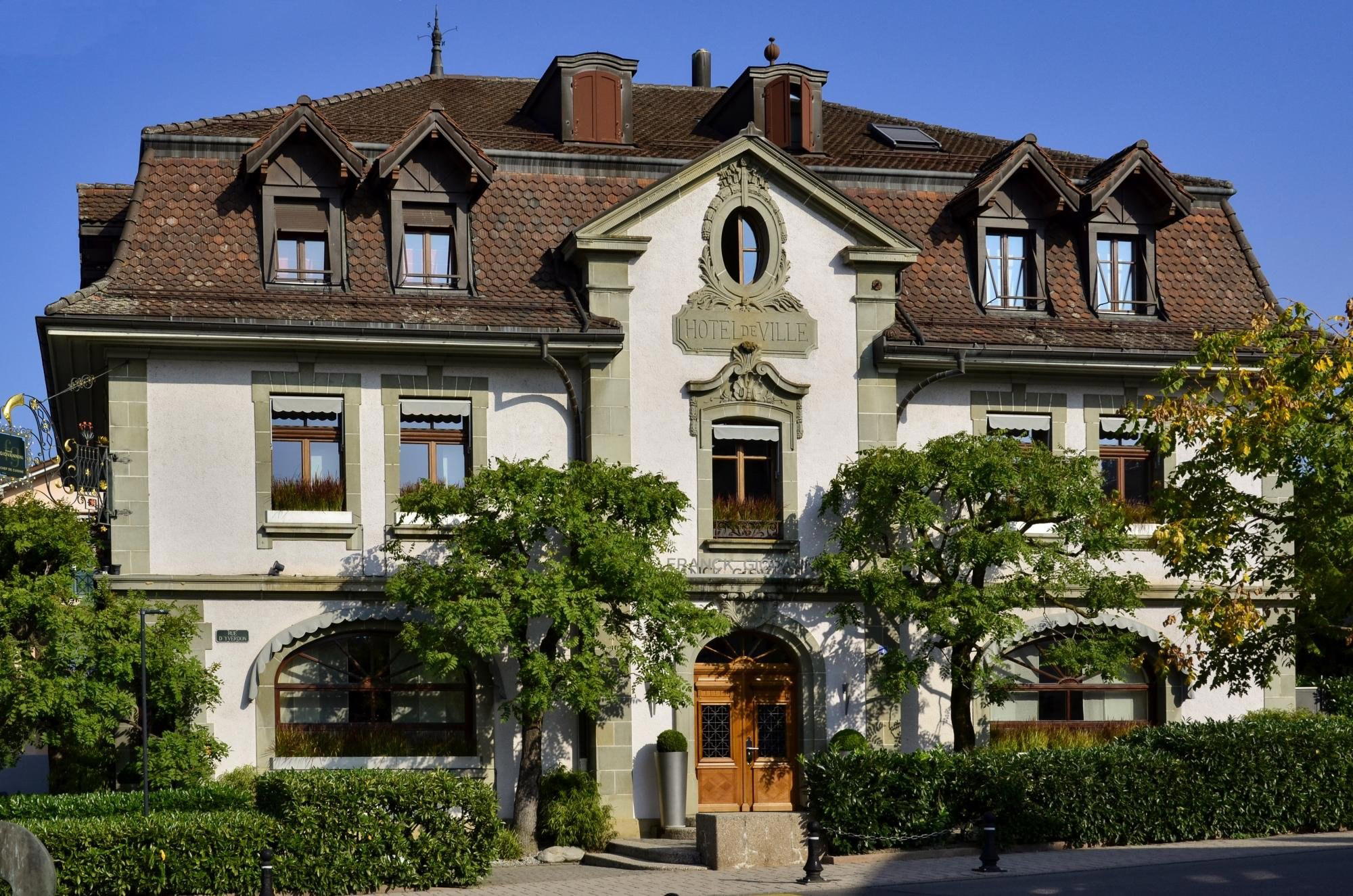
Bars in Echandens
Browse all →
Hotels in Echandens
Browse all →

Auberge communale
The wine
- Wine program
- Curated wine list
- Extensive wine list
- Sommelier-led
Details
- Classic
- Cozy
- Elegant
- Romantic
- Date Night
- Business Dinner
- Special Occasion
- Terrace
- Standalone
- Extensive Wine List
- Sommelier Led
- Local Sourcing
- A La Carte
- Set Menu
- Wine
Current opening hours
- Monday
- Closed
- Tuesday
- Closed
- Wednesday
- Closed
- Thursday
- Closed
- Friday
- Closed
- Saturday
- Closed
- Sunday
- Closed
Hours can change for holidays and private events. Last verified .
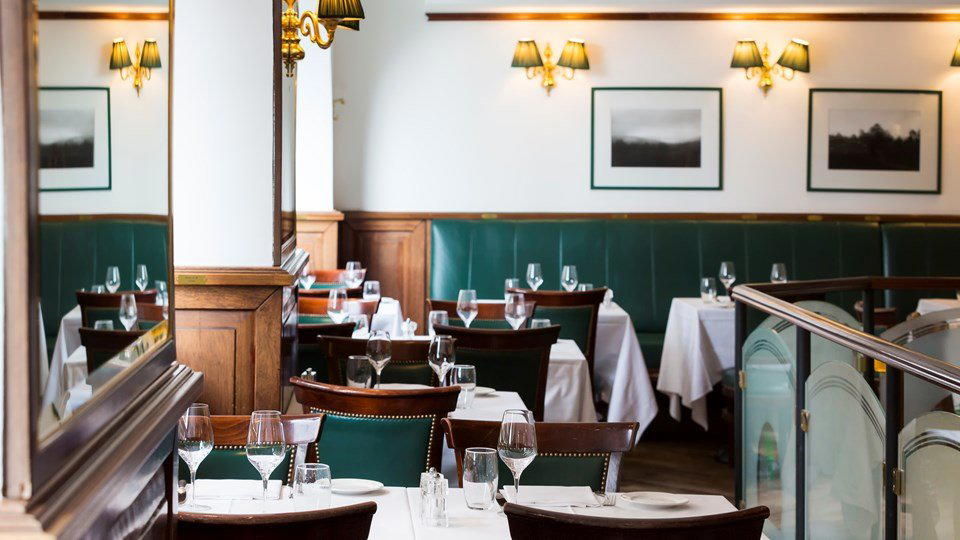
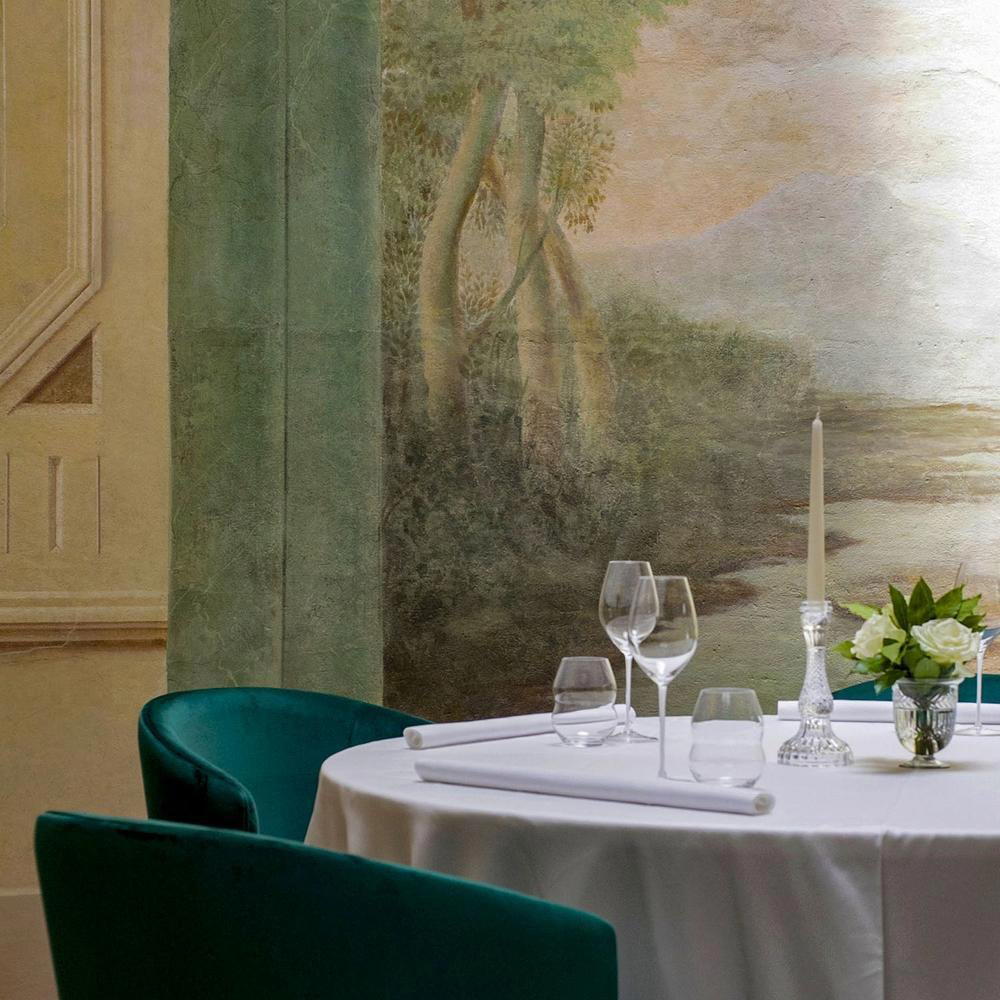
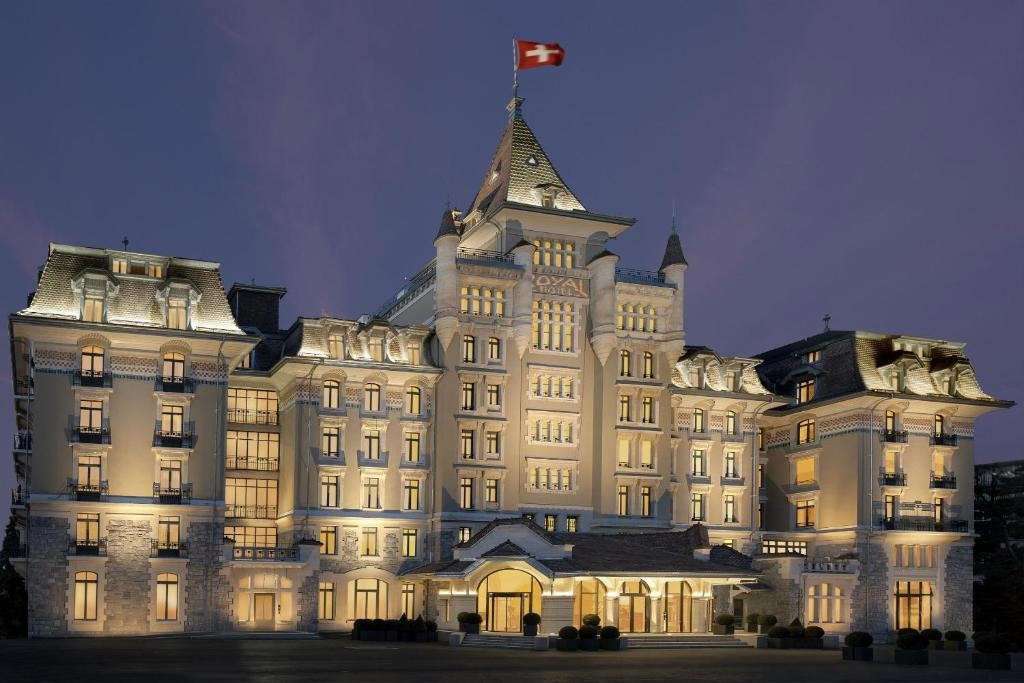
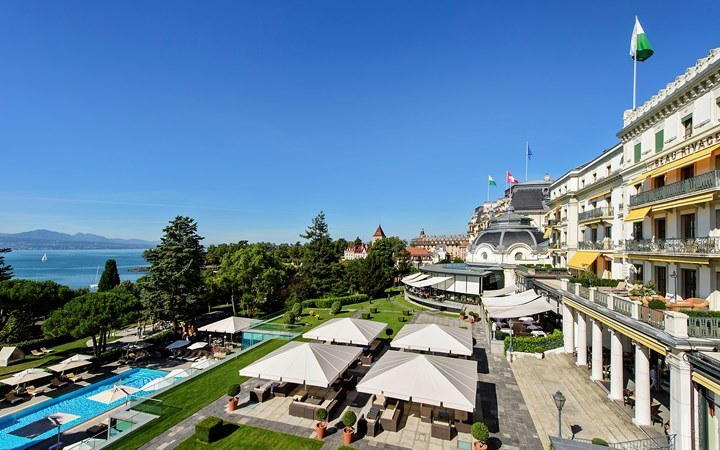
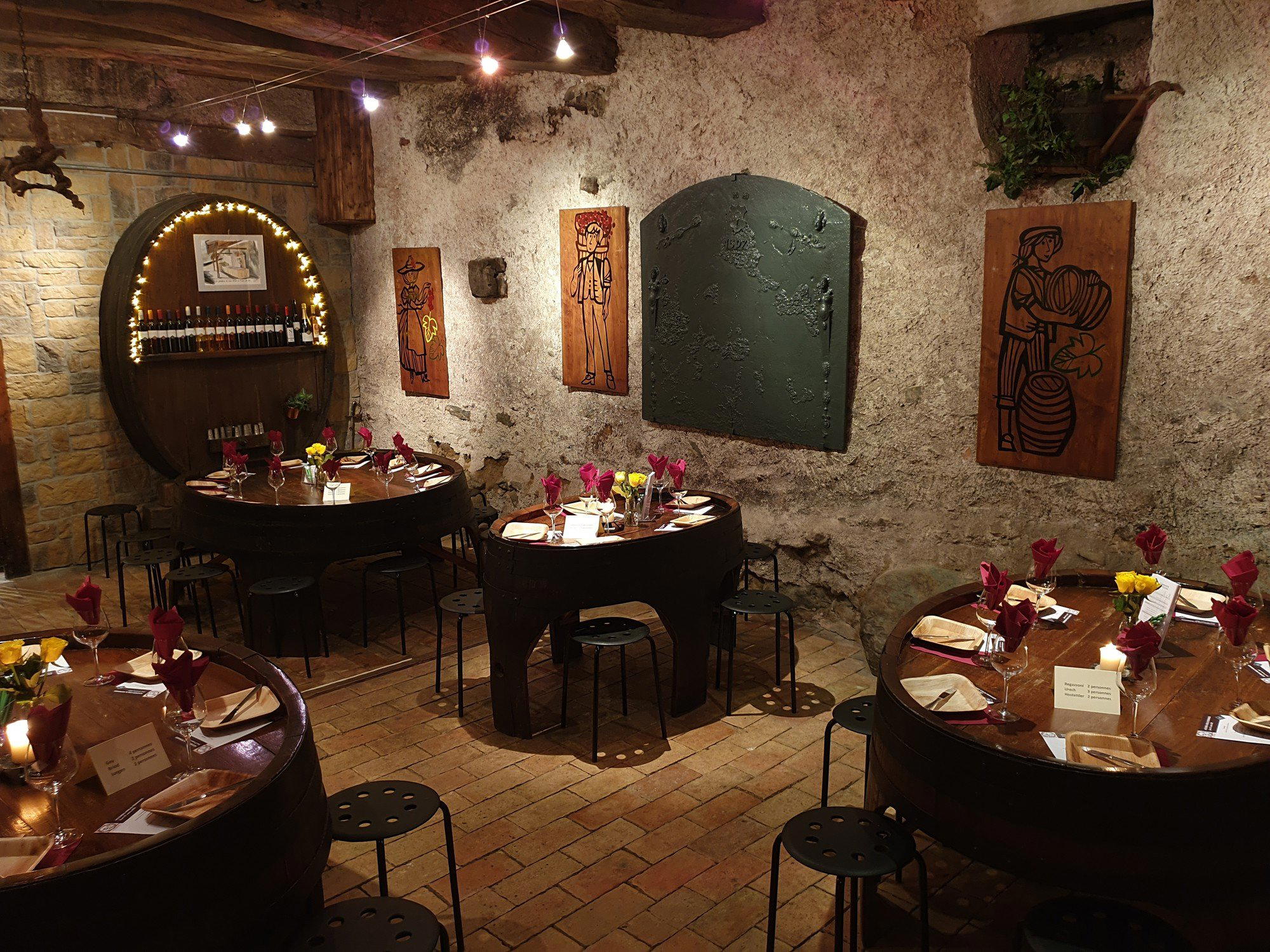
Warm and inviting with wood-paneled café seating on one side and white-tablecloth fine dining on the other; shaded terrace available in summer months.