Auberge de la Distillerie
In the Haut-Doubs plateau country of the French Jura, Auberge de la Distillerie occupies the kind of address that still defines the French auberge tradition: a working village, a building with history, and a kitchen that draws its logic from the land immediately outside. For travellers making the circuit of France's great regional tables, this is where the alpine interior begins to shape what ends up on the plate.
Pearl is the En Primeur Club membership app — saves, bookings, and concierge access live there. Same editors, same standards.
- Address
- Chez Michel, 25240 Chapelle-des-Bois, France
- Phone
- +33381692164
- Website
- auberge-distillerie-25.fr
- Directions
- Get directions
 Saves & bookings on Pearl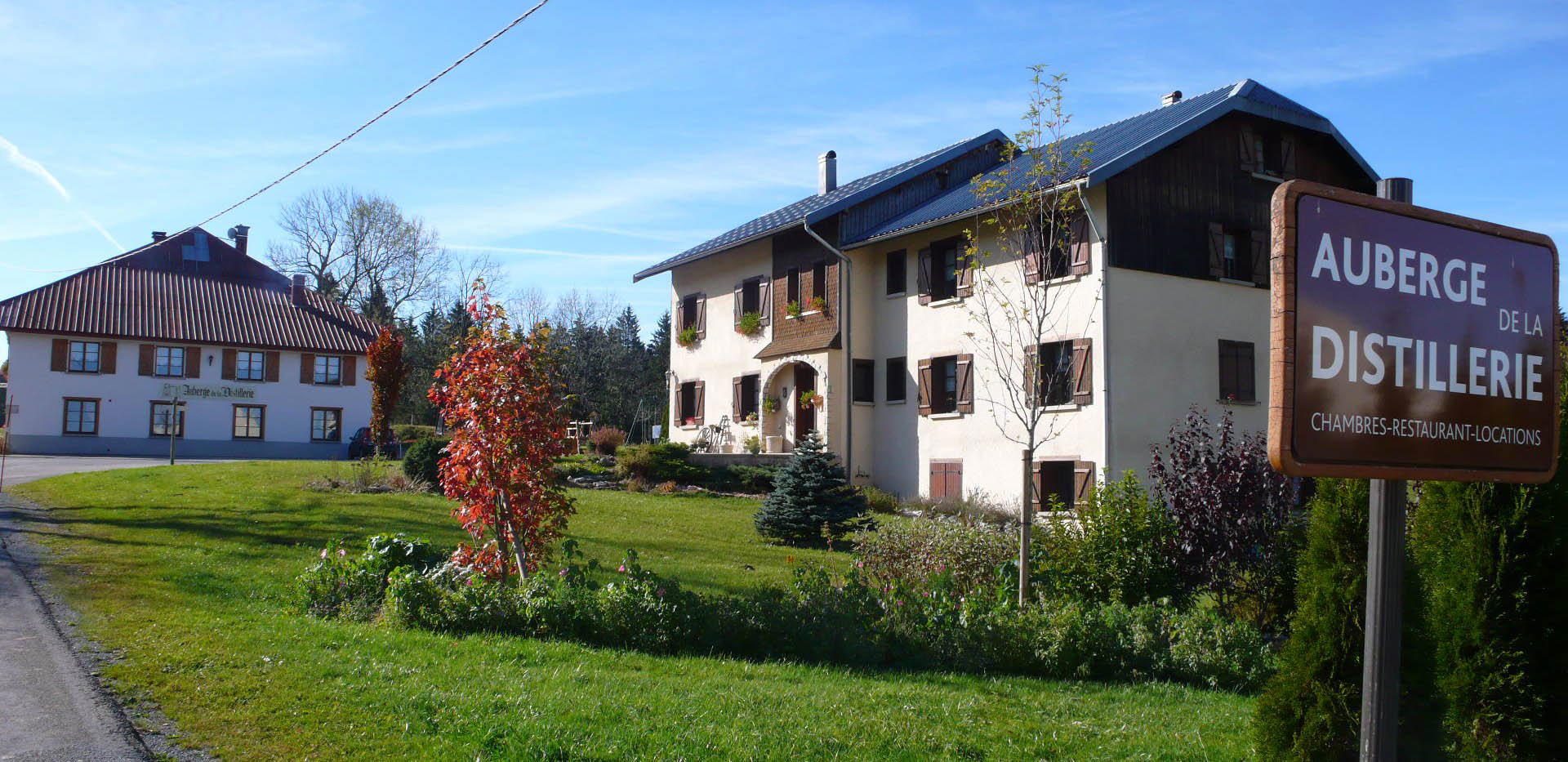
Where the Jura Plateau Shapes the Plate
Chapelle-des-Bois sits at roughly 1,100 metres on the Haut-Doubs plateau, a stretch of the French Jura defined by conifer forests, cattle pastures, and winters that run long and hard. It is not a destination that announces itself. The village has no rail connection and no motorway exit bearing its name, which means arriving here requires a deliberate drive through the plateau's back roads, where the treeline opens occasionally to reveal meadows still carrying snow into late spring. That physical remove is not incidental to the experience. In French alpine auberge culture, isolation is often the first ingredient.
The auberge tradition in this part of France predates modern restaurant categories. Historically, these were buildings where the logic of hospitality was inseparable from the logic of the surrounding agriculture: what the land produced in a given season was what ended up at the table. The distillery reference embedded in the name points to a regional history of spirits production in the Doubs, where local farmers and smallholders once distilled surplus fruit harvests into eaux-de-vie. That particular strand of agricultural industry has largely receded, but the underlying principle, that a place makes use of what its terrain offers, remains the operating assumption for kitchens working in this tradition.
Ingredient Sourcing as Editorial Argument
The Haut-Doubs plateau is one of the more concentrated zones of protected agricultural production in eastern France. Comté cheese, made from the milk of Montbéliarde and French Simmental cattle grazed on these specific pastures, carries an AOC designation that prescribes both the geography and the method. Morteau sausage, smoked over pine and sawdust in local smokehouses, holds an IGP. The region's streams produce trout; its forests produce mushrooms, wild garlic, and bilberries depending on the month. A kitchen operating in Chapelle-des-Bois has access to a sourcing infrastructure that is, in practical terms, already drawn on a map by geography and designation.
This is the context in which ingredient sourcing becomes an argument rather than a marketing posture. When alpine auberge kitchens in the Jura and the neighbouring Franche-Comté region reference local suppliers, the claim rests on a network of producers whose methods are documented by designation authorities. The distinction matters when comparing this tier of French regional cooking against the urban fine dining circuits, where provenance claims often travel further and carry less regulatory specificity. The contrast with destination restaurants like Alléno Paris au Pavillon Ledoyen or Mirazur in Menton is instructive: those kitchens source globally and at a high level of quality, but the relationship between place and plate operates differently when the kitchen sits inside the producing region itself.
France's longer tradition of auberges embedded in agricultural communities includes houses like Bras in Laguiole, where the Aubrac plateau shapes the menu with similar specificity, or Auberge du Vieux Puits in Fontjoncouse, where Languedoc terroir performs an analogous function. The model is consistent: the kitchen's geographic position is not decorative but operational, determining what can be sourced at peak condition and at what point in the calendar.
The French Alpine Auberge in Its Competitive Context
France's regional auberges occupy a specific tier in the country's dining hierarchy, distinct from the grand hotel restaurants of the Alps and from urban institutions. Houses like Flocons de Sel in Megève or Le 1947 à Cheval Blanc in Courchevel represent alpine fine dining at its most architectural and hotel-anchored, with price points and production values calibrated to an international luxury clientele. The auberge format that Chapelle-des-Bois represents sits in a different register: more locally oriented, less stage-managed, and more directly tied to the seasonal calendar of the plateau rather than to the ski season's commercial rhythms.
That positioning connects to a longer lineage. The French auberge de province produced some of the country's most durable dining institutions: Auberge de l'Ill in Illhaeusern has operated continuously in Alsace since the nineteenth century. Paul Bocuse's Auberge du Pont de Collonges in Collonges-au-Mont-d'Or became the reference point for what a committed provincial kitchen could achieve over decades. Maison Lameloise in Chagny and Georges Blanc in Vonnas both demonstrate that auberge-rooted formats and Michelin recognition are not incompatible, provided the kitchen sustains its regional identity rather than migrating toward generic fine dining conventions. Les Prés d'Eugénie by Michel Guérard and Troisgros in Ouches represent further points on the same arc. What connects them is a model where the kitchen's identity is inseparable from a specific piece of French geography.
Planning a Visit to Chapelle-des-Bois
Reaching Chapelle-des-Bois from the nearest significant rail hub, Pontarlier or Mouthe, requires a car; the plateau has no public transport connection worth factoring into an itinerary. The region rewards a slower approach: the D46 and connecting plateau roads make arrival feel measured. Winter months bring cross-country skiing access across the plateau's groomed trails, which is when the auberge model is at its most coherent, a warm interior after cold air, food built from stored and cured products alongside whatever the season's end supplies. Late spring and summer shift the sourcing calendar toward fresh pasture milk, forest mushrooms, and the plateau's stone fruit, though the Comté and Morteau traditions run year-round by designation necessity. Visitors combining this stop with broader regional table explorations might note that La Table du Castellet and L'Oustau de Baumanière in Les Baux represent the southern end of France's auberge-anchored fine dining range, each tethered to a different regional terroir with its own seasonal logic. The comparison underlines how much the Jura model depends on proximity: the ingredient and the kitchen occupying the same geography, with the shortest possible distance between field and plate.
At-a-Glance Comparison
Comparable venues nearby, for context on price, style, and recognition.
| Venue | Cuisine | Price | Notes |
|---|---|---|---|
| Auberge de la DistillerieThis venue — the venue you are viewing | Traditional Jura Regional Cuisine | $$ | Not listed |
| Chalet Regain | Traditional Jura French | $$ | Les Rousses |
| Rita&Albert | French-Spanish Fusion | $$ | Sergy |
| Le Sérac | Traditional Savoyard & French Alpine | $$ | Chamonix Centre |
| Au Caveau Belfort | Traditional Alsatian Brasserie | $$ | Grande Rue, Belfort |
| La Femme du Boulanger | French Bistro with Local Creative Cuisine | $$ | centre-ville |
Continue exploring
More in Chapelle Des Bois
Restaurants in Chapelle Des Bois
Browse all →
Bars in Chapelle Des Bois
Browse all →
Hotels in Chapelle Des Bois
Browse all →

At a Glance
- Rustic
- Cozy
- Scenic
- Classic
- Family
- Group Dining
- Casual Hangout
- Hotel Restaurant
- Historic Building
- Extensive Wine List
- Local Sourcing
- Mountain
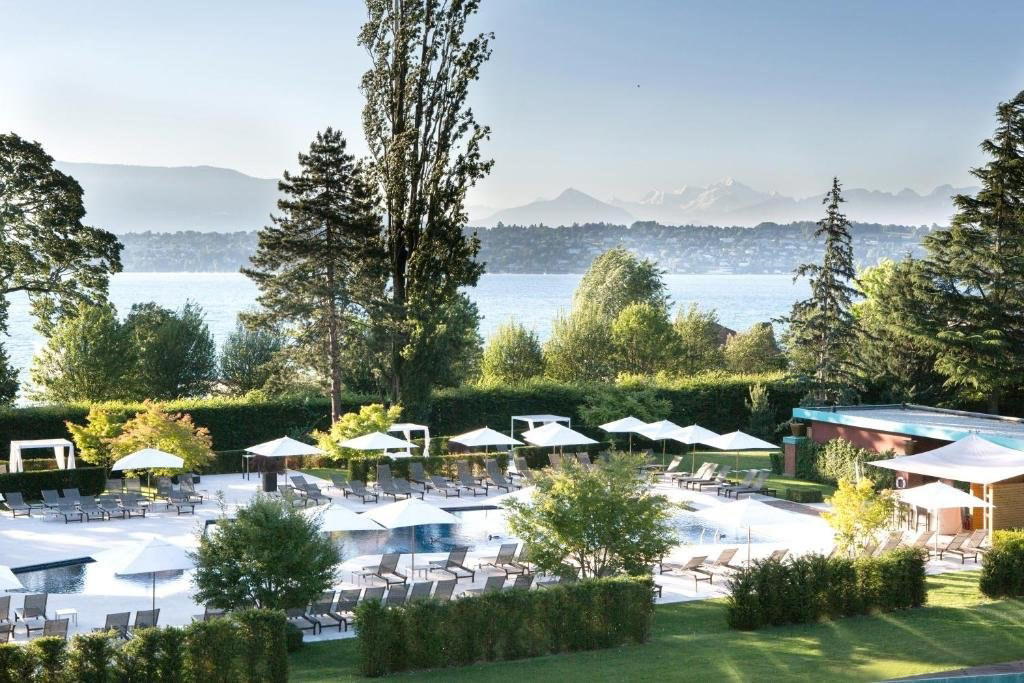
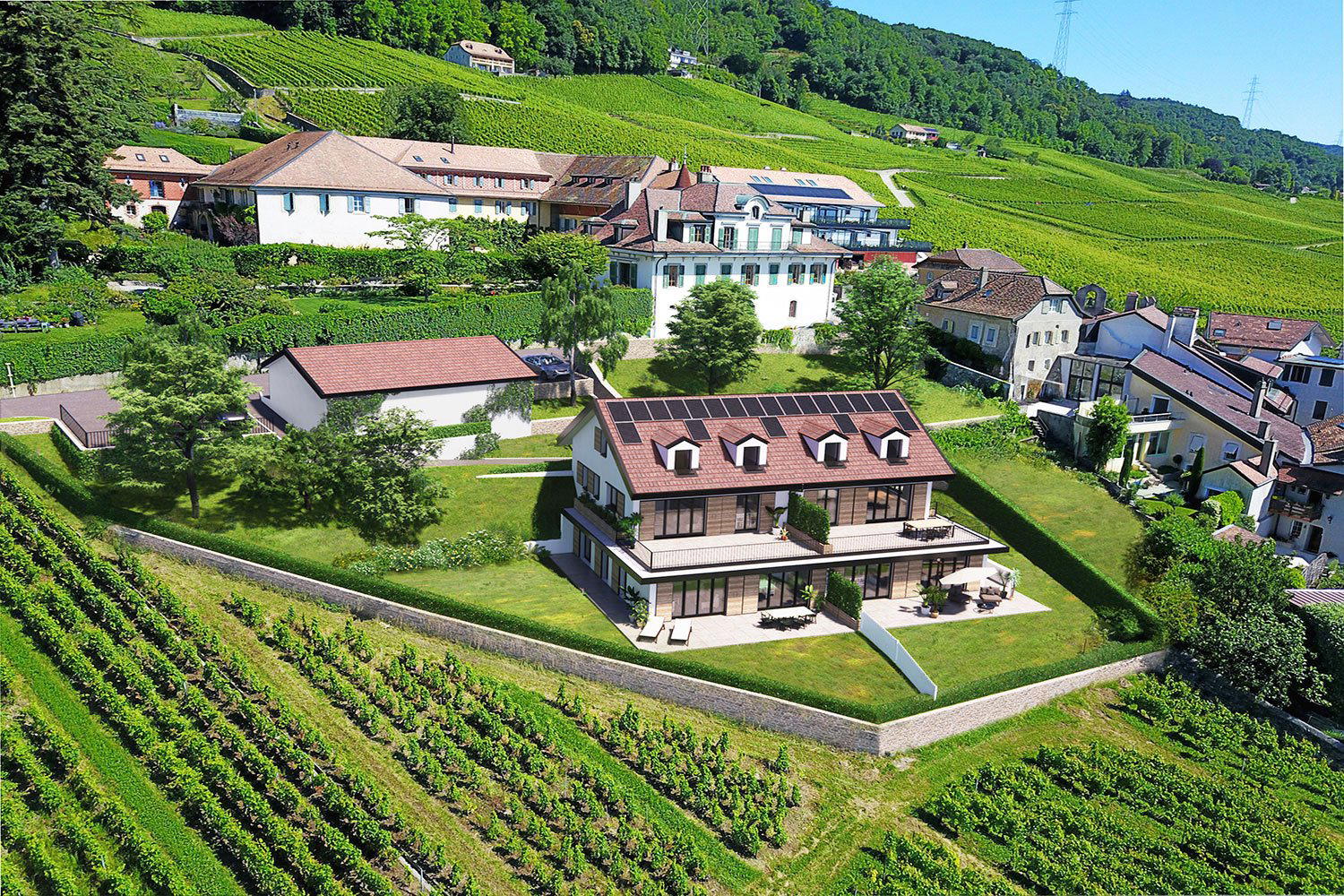
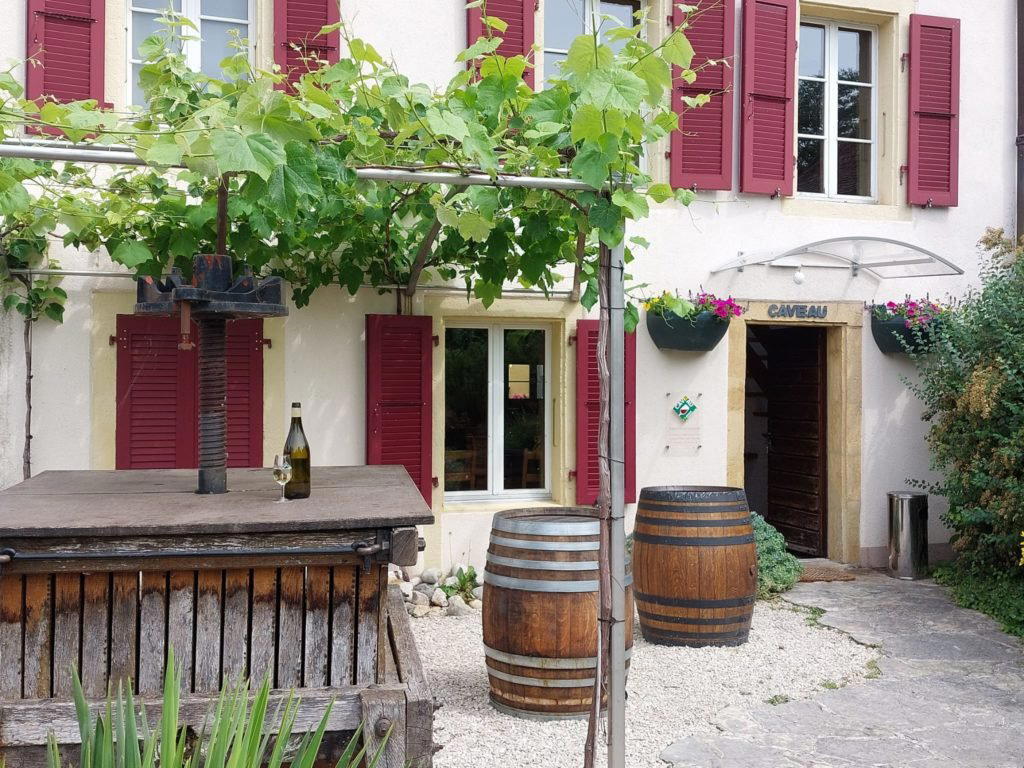
Warm, rustic, and convivial, with a fireplace, a mountain-inn feel, and a scenic alpine setting in the Haut-Jura.