Auberge de Bogis-Bossey
Set along the Chemin de la Pinte in the quiet Franco-Swiss village of Bogis-Bossey, Auberge de Bogis-Bossey occupies the kind of unhurried rural address that Geneva's restaurant circuit rarely replicates. The auberge format places it in a tradition of inn-style dining where sourcing and regionality carry the editorial weight, making it a counterpoint to the polished urban tables across the border.
Pearl is the En Primeur Club membership app — saves, bookings, and concierge access live there. Same editors, same standards.
- Address
- Chem. de la Pinte, 1279 Bogis-Bossey, Switzerland
- Phone
- +41227766326
- Website
- auberge-bogis-bossey.com
- Directions
- Get directions
 Saves & bookings on Pearl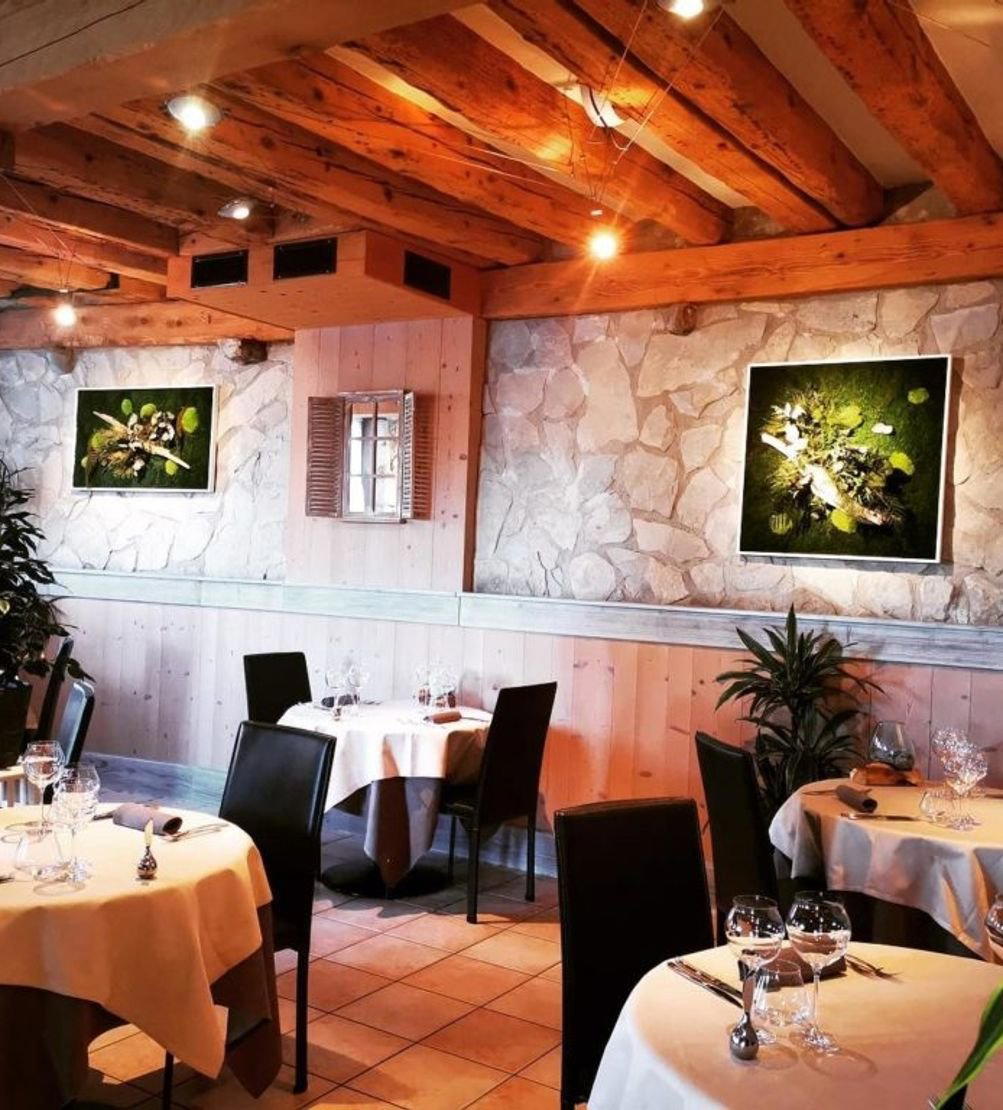
A Village Address in a Cross-Border Dining Region
Between Geneva's urban restaurant density and the lakeside formality of Nyon lies a quieter register of Swiss-French dining, one anchored in the auberge tradition rather than the grand hotel or the modern tasting-menu counter. Bogis-Bossey sits in the Canton of Vaud, close enough to the French border that its culinary pull runs in both directions: toward the brasserie culture of the Pays de Gex and toward the more structured Swiss-French table that defines this stretch of the arc lémanique. Auberge de Bogis-Bossey, addressed on the Chemin de la Pinte, belongs to that auberge category where the building and the village are inseparable from what arrives at the table.
The auberge format is worth understanding on its own terms. Unlike a Michelin-starred urban counter or a destination hotel restaurant, the auberge historically earned its authority from rootedness: an address that a local community returned to across seasons, where the sourcing of ingredients was an expression of geography rather than a curatorial statement. Switzerland's Vaud region sustains this tradition with some persistence. The farms of the Gros-de-Vaud plateau, the market gardens of the lake plain, and the viticultural slopes between Nyon and Morges provide the raw material for a style of cooking that does not need to import its identity.
Sourcing as Structure: What the Vaud Region Puts on the Table
The ingredient story of this part of Switzerland is more layered than its modest international profile suggests. The Canton of Vaud holds one of Switzerland's most productive agricultural corridors, running from the Jura foothills to the lakeshore. Cheeses from the pre-Alps, freshwater fish from Lac Léman, wines from the Lavaux and La Côte appellations, and seasonal produce from the lake plain collectively form a sourcing palette that an auberge in this location can draw on without reaching far. That proximity matters: a kitchen working with lake-caught perch or féra from Léman is operating in a centuries-old supply relationship that no amount of importing can replicate.
Broader Swiss fine-dining conversation has increasingly foregrounded sourcing as a quality signal. At venues like Memories in Bad Ragaz and focus ATELIER in Vitznau, regional ingredient selection is a deliberate editorial position that shapes menu architecture. The auberge tradition represents an earlier, less theorised version of the same instinct: cook what is here, cook it in season, and let the geography speak. In the Vaud context, that means a kitchen that should move between the freshwater richness of the lake, the earthier products of the plateau, and the dairy depth of the pre-Alpine hinterland as the calendar turns.
Across Switzerland's premium restaurant tier, this emphasis on territory has sharpened considerably over the past decade. Places like Taverne zum Schäfli in Wigoltingen and Magdalena in Schwyz have shown that a regional address is not a limitation but a productive constraint that focuses creative energy. The auberge in Bogis-Bossey occupies an analogous position on the western Swiss arc, where the French-inflected cooking tradition and the Vaud sourcing geography together create a framework that urban competitors cannot simply replicate.
Setting and Approach to the Room
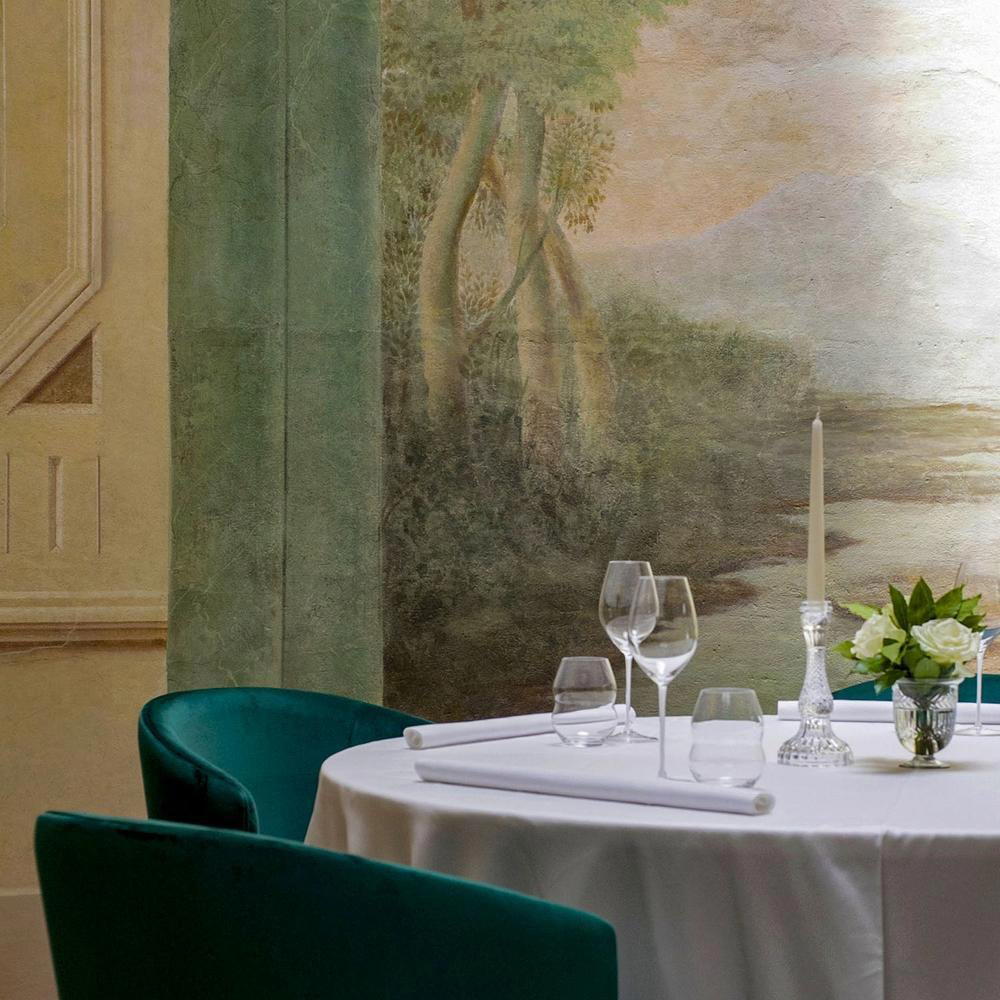
Arriving along the Chemin de la Pinte in Bogis-Bossey places you in a village scale that contrasts sharply with Geneva's restaurant corridor, twenty minutes to the south. The address is rural without being remote, the kind of Swiss-French countryside where the rhythm of the meal is expected to be unhurried and the room is more likely to feel like a dining room than a designed hospitality space. That distinction is consequential: the auberge setting signals a particular contract with the guest, one where the food carries the weight rather than the architecture or the theatre of service.
This part of the arc lémanique has a long history of cross-border dining traffic. Geneva's population has always moved between Swiss and French addresses with ease, and the villages of the Gessien and Vaud countryside have sustained inn-style dining partly on that mobility. Bogis-Bossey is well-positioned within that pattern, close to the motorway corridor between Geneva and Lausanne, which means the logistical argument for an evening here is direct for anyone based in either city or travelling the lake axis. For those arriving from further afield, the Nyon rail connection on the Geneva-Lausanne line provides a practical anchor, with the village accessible from the station by road.
Placing Auberge de Bogis-Bossey in the Swiss-French Dining Conversation
Switzerland's western French-speaking arc contains some of the country's most respected restaurant addresses. At the structured end, Hotel de Ville Crissier in Crissier has long represented the formal French-Swiss tradition at its most codified. Further afield, destinations like Schloss Schauenstein in Fürstenau and Cheval Blanc by Peter Knogl in Basel position themselves within a pan-Swiss premium conversation that is self-consciously international. The auberge format in Bogis-Bossey operates at a different register, one where the local and the seasonal are the primary coordinates rather than the international or the avant-garde.
That positioning has value precisely because it is not trying to compete with the destination-dining circuit. The reader planning a meal here is not choosing between this address and Le Bernardin in New York City or Lazy Bear in San Francisco. They are choosing between the auberge tradition and the brasserie, between the village room and the city counter. Within that framing, an address rooted in Vaud's agricultural geography and the French-Swiss inn culture occupies a coherent and defensible position.
Elsewhere in Switzerland's broader dining network, venues that have committed to a strong regional identity include Maison Wenger in Le Noirmont, La Table du Valrose in Rougemont, and Mammertsberg in Freidorf, each of which demonstrates that a rural Swiss address can function as a statement of intent rather than a geographical concession. The Bogis-Bossey auberge belongs in that conversation, even if its profile within the wider dining media remains quieter than its proximity to Geneva might suggest.
Planning a Visit
Bogis-Bossey sits in the Canton of Vaud between Nyon and the French border, roughly equidistant between Geneva and Lausanne along the lake axis. Visitors travelling by train to Nyon and then by taxi or local transport will find the journey manageable; those driving from Geneva should allow around twenty to twenty-five minutes depending on border traffic. The auberge is recommended for reservations, and the address is Chem. de la Pinte, 1279 Bogis-Bossey, Switzerland. The village setting and the auberge format together suggest a lunch or dinner pace rather than a quick urban stop, so building time into the visit rewards the format rather than working against it.
Side-by-Side Snapshot
Comparable venues nearby, for context on price, style, and recognition.
| Venue | Cuisine | Price | Notes |
|---|---|---|---|
| Auberge de Bogis-BosseyThis venue — the venue you are viewing | Modern French Fine Dining | $$$$ | Not listed |
| Café du Mont-Blanc | Classic French Fine Dining | $$$$ | Lonay |
| Le Lexique | Modern French Bistro | $$$ | Les Delices |
| Brasserie du Molard | Swiss Brasserie with Craft Beer | $$$ | Cite |
| L'Epicure | French Alpine Fine Dining | $$$$ | Zermatt |
| Restaurant Veranda | Alpine French Fine Dining | $$$$ | Zermatt |
Continue exploring
More in Bogis Bossey
Restaurants in Bogis Bossey
Browse all →
Bars in Bogis Bossey
Browse all →
At a Glance
- Elegant
- Cozy
- Intimate
- Sophisticated
- Special Occasion
- Date Night
- Standalone
- Extensive Wine List
- Local Sourcing
Current opening hours
- Monday
- Closed
- Tuesday
- 9 AM–3 PM, 5:30 PM–12 AM
- Wednesday
- 9 AM–3 PM, 5:30 PM–12 AM
- Thursday
- 9 AM–3 PM, 5:30 PM–12 AM
- Friday
- 9 AM–3 PM, 5:30 PM–12 AM
- Saturday
- 11 AM–3 PM, 5:30 PM–12 AM
- Sunday
- Closed
Hours can change for holidays and private events. Last verified .
Chaleureux et convivial with warm, family-like hospitality and refined gastronomic setting.