On the southern edge of Munich, the Augustiner Gutshof Menterschwaige occupies a historic estate that has anchored Isar valley leisure culture for generations. It belongs to the Augustiner brewery group, grounding it firmly in the tradition of Bavarian Wirtshauskultur where provenance, season, and locale define what ends up on the table. For visitors and locals seeking a counterpoint to the city's Michelin-circuit formality, it offers something rarer: weight, rootedness, and a sense that the setting itself is the point.
Pearl is the En Primeur Club membership app — saves, bookings, and concierge access live there. Same editors, same standards.
- Address
- Menterschwaigstraße 4, 81545 München, Germany
- Phone
- +498924881180
- Website
- augustinermenterschwaige.de
- Directions
- Get directions
 Saves & bookings on Pearl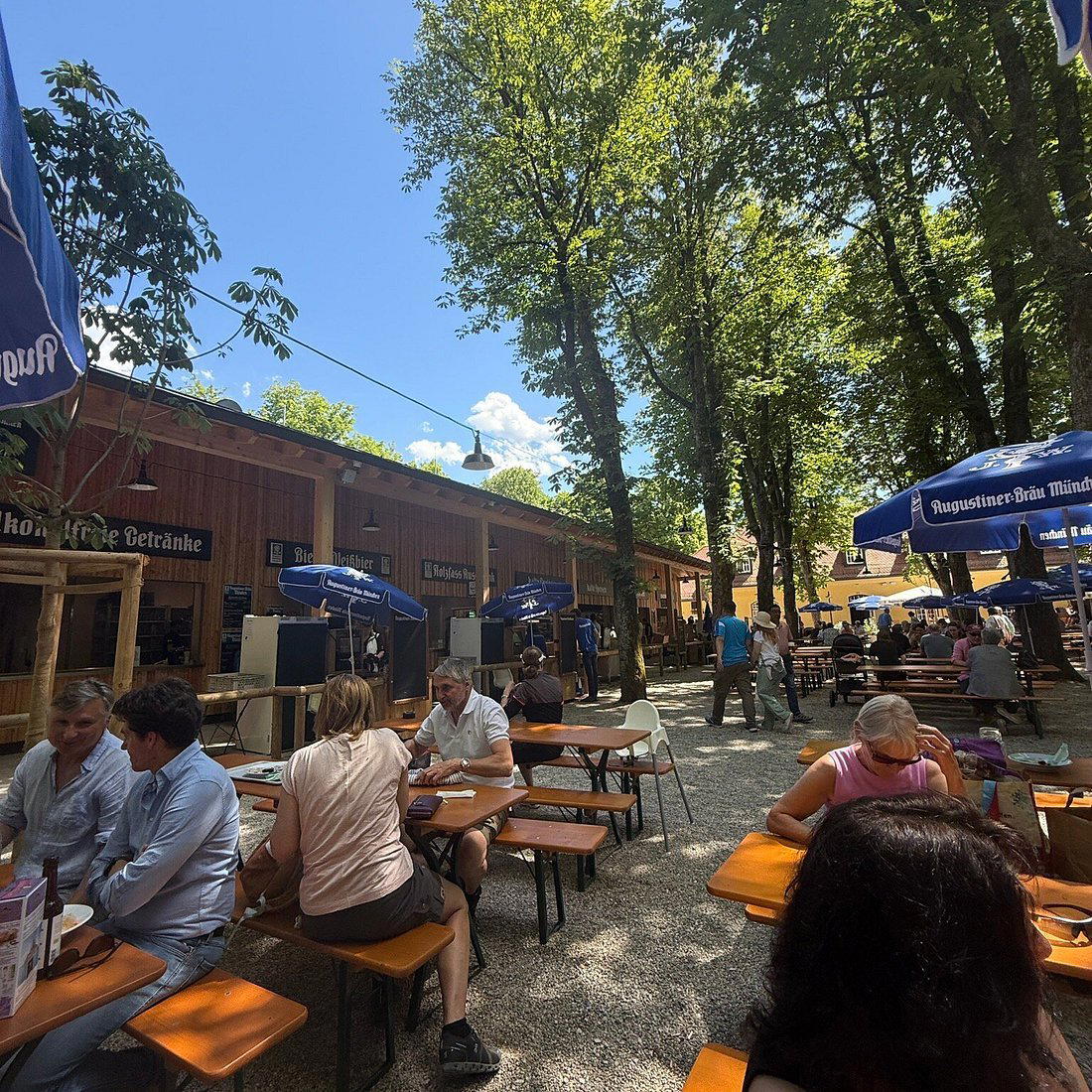
Where the Isar Valley Shapes the Table
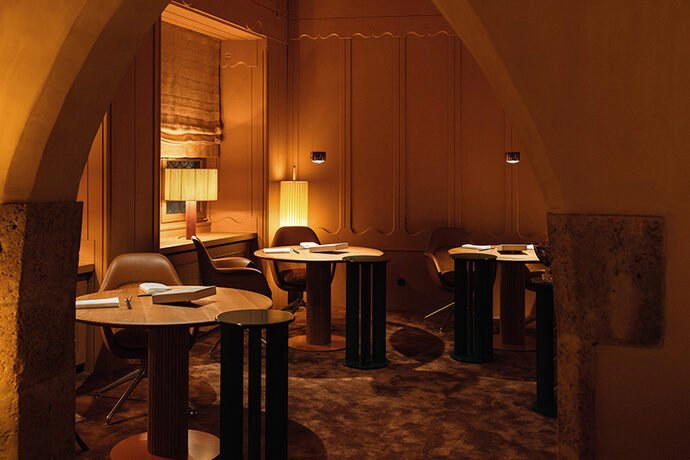
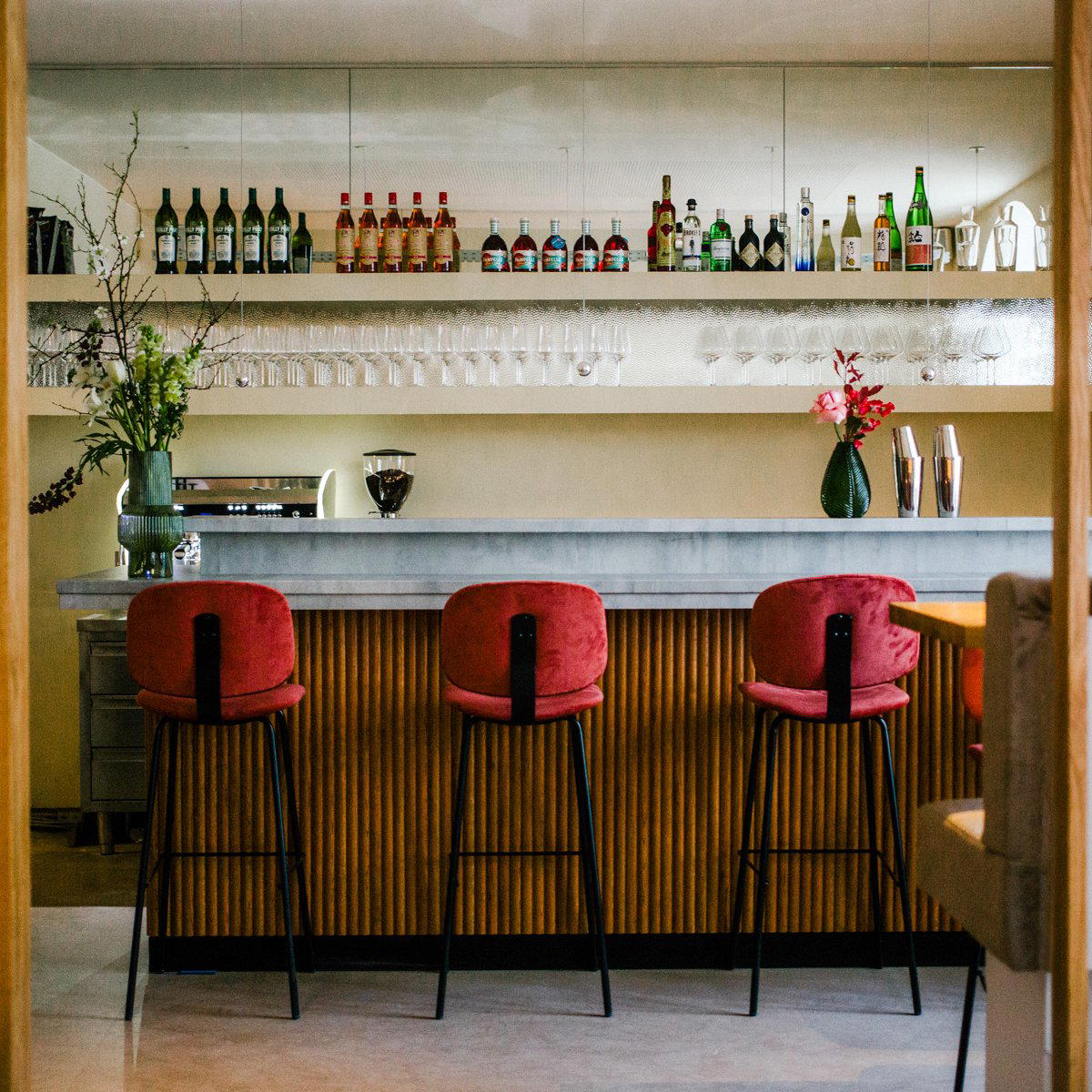
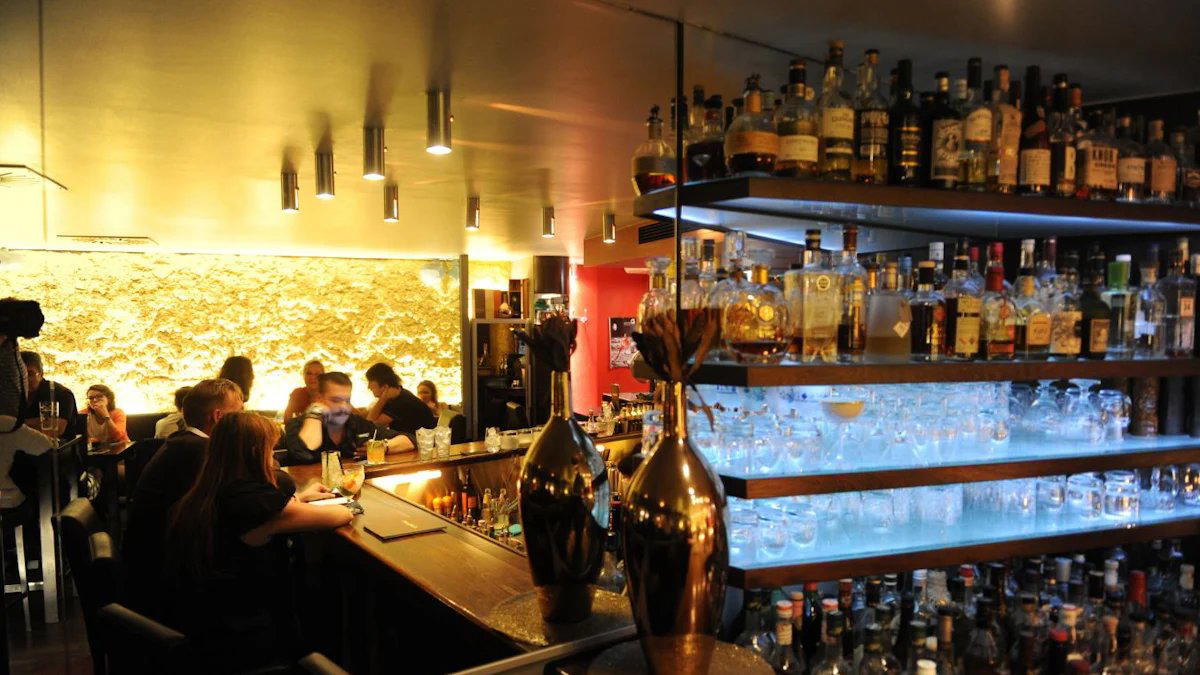
Augustiner Gutshof Menterschwaige is a traditional Bavarian Gasthausbrauerei in Munich, at Menterschwaigstraße 4, 81545 München, Germany, with a casual dress code and recommended reservations. Arriving at Menterschwaige on a clear afternoon, the city recedes faster than the distance warrants. The estate sits at the southern end of Munich along the Isar valley corridor, a stretch of riverine green that Munichs have used as a recreational escape since the nineteenth century. The main building carries that history visibly: whitewashed facade, deep-set windows, and a garden that spreads toward the water in a way that feels like old land rather than landscaped design. Before anything has been ordered, the setting has already made an argument about what kind of place this is.
That argument is a Bavarian one. The Gutshof model, a brewery-owned estate inn drawing its beer and much of its food logic from a single anchoring source, represents a specific strand of German hospitality that sits apart from both the metropolitan fine dining circuit and the generic beer-hall format. Augustiner Gutshof Menterschwaige belongs to Augustiner-Bräu, Munich's oldest independent brewery, which gives the venue a supply-chain coherence that most hospitality operations have to construct artificially. The beer arrives fresh from a house with unbroken local ownership. That fact is not decorative; it shapes everything from glassware choices to the rhythm of service.
The Bavarian Wirtshauskultur Tradition and Why It Still Matters
German dining culture has, over the past two decades, bifurcated sharply. At one end sit the technically sophisticated rooms: places like Tantris, JAN, and Atelier, where the kitchen's intellectual project is the primary subject. At the other end, the traditional Wirtshauskultur survives in venues that resist the pressure to modernise their core proposition. Menterschwaige sits in this second category, and the distinction matters for how you frame a visit. You are not coming to watch technique; you are coming to a format that places locality, conviviality, and seasonal produce at the centre.
That format has its own ethical logic, one that aligns with what sustainability-minded dining looks like when it predates the term. The short supply chain from Augustiner's Munich brewery and the seasonal grounding of Bavarian cuisine point toward a model of restraint by tradition rather than restraint by ideology. Across Germany, a number of high-profile rooms have self-consciously constructed sustainable sourcing frameworks. Menterschwaige operates within a pre-existing one, inherited rather than engineered. For comparison, purpose-built sustainability-led formats at places like CODA Dessert Dining in Berlin or the estate-rooted approach at Waldhotel Sonnora in Dreis show how different German kitchens have approached the same problem from different starting points.
Seasonal Grounding and What Ends Up on the Plate
Bavarian cuisine follows an agricultural calendar more faithfully than most Central European traditions. Spring brings white asparagus, which dominates menus across the region from late April through June with a commitment that visitors from outside Germany sometimes find startling. Summer opens toward freshwater fish from Bavarian lakes, game preparations begin arriving in autumn, and winter kitchens lean on root vegetables, braised meats, and preserved elements. At an estate venue like Menterschwaige, that calendar is not a marketing device but a structural feature of how the kitchen operates.
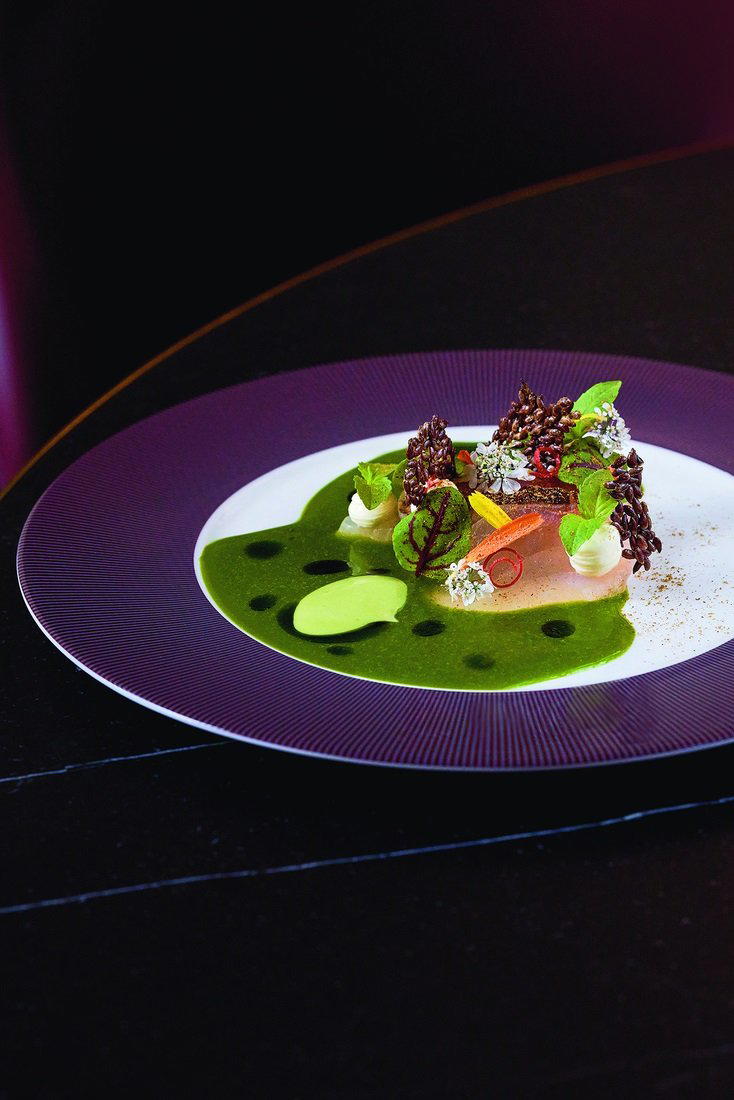
This places it in a different peer conversation from Munich's tasting-menu establishments. Where Tohru in der Schreiberei draws on German-Japanese synthesis at the highest technical level, and where Alois - Dallmayr Fine Dining applies creative fine dining logic to the city-centre luxury register, Menterschwaige's kitchen answers to a different set of criteria. Freshness, portion weight, and the fit between food and beer are the primary measures. Dishes that pair with Augustiner Helles or Dunkel are not a compromise position; they are the appropriate ambition for this format.
Across the broader German dining scene, some of the country's most respected kitchens, including Schwarzwaldstube in Baiersbronn, Aqua in Wolfsburg, and Vendôme in Bergisch Gladbach, have built their reputations on technical precision within a defined regional or philosophical framework. Menterschwaige's framework is older and less codified, but no less coherent for that.
The Garden, the Beer, and the Case for Outdoor Dining in Munich
Munich's beer garden culture operates under specific legal traditions dating to the early nineteenth century, when breweries were permitted to sell beer directly to the public from their cellars and surrounding grounds. That history is not background noise at Menterschwaige; it is the operating logic. The outdoor seating area along the Isar is the primary draw for warm-weather visits, and the combination of direct sun, old trees, and the proximity to moving water produces a version of Munich leisure that the city's urban centre cannot replicate.
Visiting between late spring and early autumn captures the garden at full capacity. The self-service beer garden format, common across Bavaria, allows guests to bring their own food to the unlicensed tables while purchasing beer directly, a tradition that reflects a genuinely democratic hospitality model with roots in public health legislation rather than commercial innovation. The licensed restaurant section operates on a different basis, with table service and the full kitchen program. Understanding which format you are sitting in determines what the visit will cost and how long you should plan to stay.
Planning a Visit
Menterschwaige sits in the Harlaching district of Munich's southern residential edge, accessible from the city centre by public transport along the Isar. The venue functions seasonally in its outdoor identity; winter visits shift the weight indoors, where the traditional interior absorbs the energy differently. For context against Munich's broader dining offer, from neighbourhood trattorie to rooms like those listed in our full Munich restaurants guide, Menterschwaige occupies a specific and non-interchangeable position: it is not competing with JAN or Tantris any more than a Napa estate winery competes with Le Bernardin in New York City. The reference class is different, and matching the venue to the right appetite is the central planning decision.
Booking ahead for restaurant seating is advisable, particularly in summer when the garden draws significant weekend traffic. The beer garden's unlicensed section operates on a walk-in basis by tradition. The Augustiner group gives the venue a form of institutional trust that few hospitality operations achieve.
What It’s Closest To
Comparable venues nearby, for context on price, style, and recognition.
| Venue | Cuisine | Price | Notes |
|---|---|---|---|
| Augustiner Gutshof MenterschwaigeThis venue — the venue you are viewing | Traditional Bavarian Gasthausbrauerei | $$ | Not listed |
| Restaurant Central Café | Traditional Bavarian | $$ | Theresienwiese |
| ZAR Gaststätten GmbH | Bavarian & International Gastropub | $$ | Rammersdorf |
| Café Münchner Freiheit | Traditional German Bakery Café | $$ | Schwabing |
| Catwalk | German Cafe with Breakfast All Day | $$ | Schwabing |
| Conti Restaurant | Traditional German & International Bistro | $$ | Lehel |
At a Glance
- Rustic
- Cozy
- Scenic
- Classic
- Family
- Group Dining
- Celebration
- Casual Hangout
- Historic Building
- Garden
- Terrace
- Beer Program
- Local Sourcing
- Garden
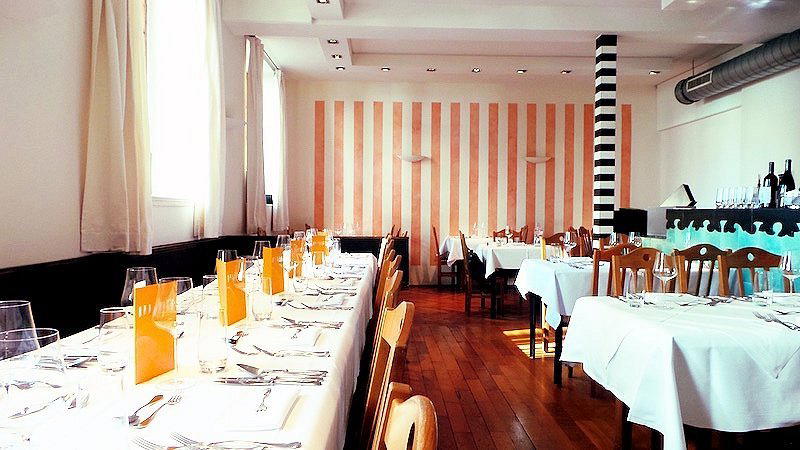
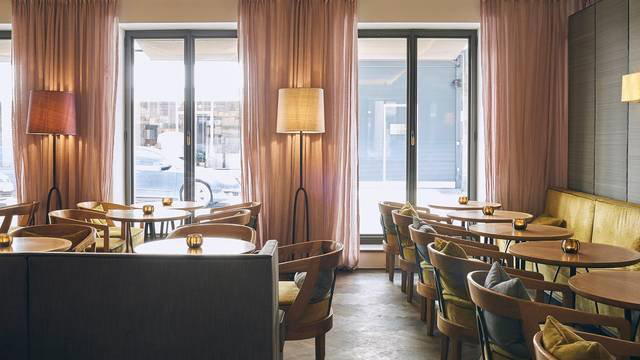
Bavarian gemütlichkeit with cozy restaurant interiors and shaded outdoor seating in a picturesque riverside setting.