Our verdict
Tucked into the medieval street grid of Dinan's old town, Auberge du Pélican occupies a position where Breton ingredient traditions and classic French auberge cooking converge. The address at 3 Rue Haute Voie places it within walking distance of the ramparts and the Thursday market that defines much of the region's food culture. For visitors approaching Dinan's dining scene from outside, it represents a grounded entry point into the town's mid-range restaurant circuit.

Pearl is the En Primeur Club membership app, where members save venues, book tables and use the concierge.

Where Brittany's Larder Meets the Auberge Tradition
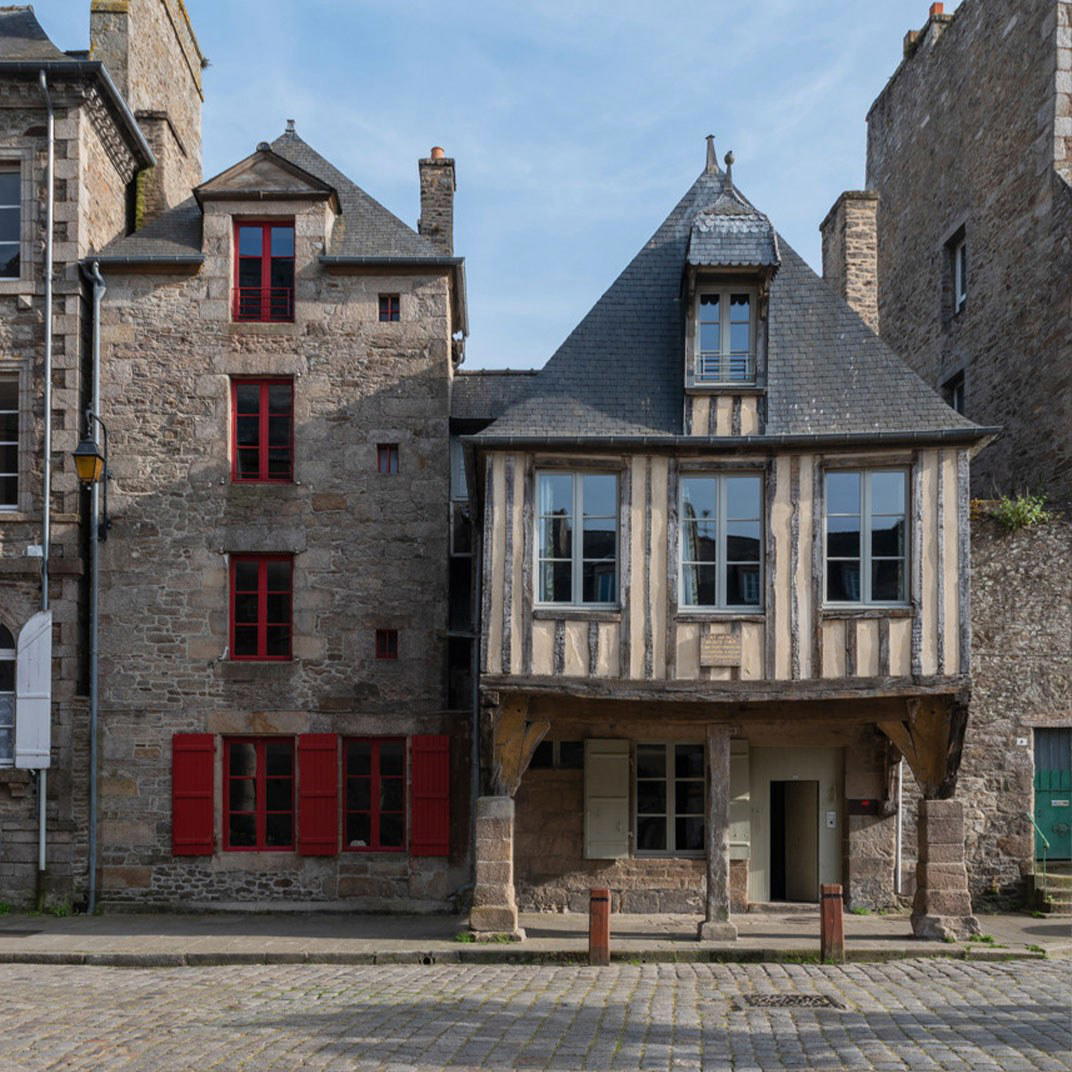
Dinan's old town does not ease you in gradually. The cobblestones begin immediately at the city gates, the half-timbered facades lean over narrow lanes at angles that suggest centuries of gradual settling, and the smell of the Rance estuary carries inland on most afternoons. It is a town whose physical environment makes an argument before any restaurant opens its door: that proximity to raw material, to coast and bocage and market garden, has always been the engine of Breton cooking. Auberge du Pélican, at 3 Rue Haute Voie, sits inside that argument rather than apart from it.
The auberge format itself is worth locating historically before considering any individual address. Across provincial France, the auberge represents a specific contract with the traveller: seasonal cooking, honest portions, a menu tied to what the region produces rather than what a culinary trend demands. That model has been under pressure for decades, squeezed between casual crêperies on one side and destination-restaurant ambition on the other. In Brittany, where the crêperie tradition runs deep and where the coastal ingredient story is strong enough to anchor a different kind of dining entirely, the mid-register auberge occupies contested ground. Understanding where Auberge du Pélican sits within Dinan's dining circuit requires understanding that tension.
The Breton Ingredient Case
Brittany's position in French gastronomy has always rested on raw material rather than technique. The oysters from the Cancale beds, the artichokes and cauliflower from the Ceinture Dorée around Saint-Malo, the lamb from the salt meadows of the Mont-Saint-Michel bay, the butter from Isigny and its Breton counterparts: these are the ingredients that have made chefs from Paris, Lyon, and further afield pay attention to the region. Dinan sits roughly equidistant between Saint-Malo to the north and Rennes to the south, placing it within easy reach of the coastal shellfish supply while remaining connected to the interior's vegetable and dairy production.
For an address framed around the auberge model, this geography is the core proposition. The Thursday market in Dinan draws producers from across the Côtes-d'Armor department, and the weekly rhythm it establishes for local kitchens is the practical mechanism through which ingredient sourcing shapes menus. Restaurants that work with that cycle cook differently from those that do not. The seasonal compression matters: Breton winters are mild enough to extend the growing season, but the summer influx of visitors creates its own pressures on supply. Kitchens that track the market rather than a static menu tend to reflect those shifts more honestly. For the broader Dinan dining scene, this is covered further in our full Dinan restaurants guide.
Dinan's Dining Circuit and Where the Auberge Fits
Dinan is not a large restaurant town by the standards of Rennes or Saint-Malo, but it has a varied circuit within a compact geography. Colibri (Modern Cuisine) operates at the contemporary end of the local range, with a €€ price point and a modern-cuisine orientation that places it in a different competitive tier. Crêperie Ahna anchors the casual Breton tradition that any visitor to the town will encounter in some form. Chez la Mere Pourcel, Le Be New, and Le Cantorbery each occupy different registers across the old town.
Within that circuit, the auberge format occupies middle ground that is neither the cheapest nor the most technically ambitious option in the room. Its value to the traveller is a different kind: the sense that a meal is connected to place through ingredient and tradition rather than through concept. That connection is easier to sustain in a town like Dinan, where the supply infrastructure exists, than in cities where the auberge label has become largely decorative.
For context on what serious regional French cooking looks like when it draws from similarly grounded sourcing traditions, the comparison set is instructive. Bras in Laguiole built its reputation on the Aubrac plateau's wild herbs and local dairy in a way that permanently altered how critics read regional French cooking. Auberge de l'Ill in Illhaeusern has maintained three Michelin stars across generations partly through rigorous sourcing from the Alsatian plain. Les Prés d'Eugénie in Eugénie-les-Bains anchored its cuisine minceur proposition in the specific produce of the Landes. These are not peer addresses for a Dinan auberge, but they demonstrate how seriously the ingredient-sourcing argument can be pressed when the raw material and the kitchen ambition align.
At a more accessible end of the spectrum, the connections to Brittany's coastal ingredient story echo in French kitchens far beyond the region. Le Bernardin in New York City, with its longstanding commitment to fish cookery informed in part by the French Atlantic tradition, shows how transferable the Breton seafood inheritance has become. Mirazur in Menton takes its own garden-sourcing discipline to a different coastal geography. The through-line is that kitchens which take ingredient origin seriously tend to produce food that reads as coherent rather than assembled.
Planning a Visit to Auberge du Pélican
The address at 3 Rue Haute Voie places the auberge inside Dinan's walled old town, accessible on foot from the main car parks outside the ramparts and from the Dinan train station via a ten-to-fifteen minute walk up from the port quarter. For visitors arriving by car, parking at the Champ Clos square is the standard approach, putting the restaurant within a short walk. Dinan is manageable as a day trip from Saint-Malo, roughly thirty minutes by road, but the old town rewards an overnight stay, particularly in the summer months when the light on the ramparts holds late into the evening and the streets quiet considerably after the tour groups depart. As with most small French restaurants in a tourist town, visiting mid-week during shoulder season, specifically May through June or September, tends to produce a more settled experience than the July and August peak.
Frequently asked questions
What's Auberge du Pélican's location?
Auberge du Pélican is located at 3 Rue Haute Voie, 22100 Dinan, France, Dinan.
Is Auberge du Pélican a good option for a traditional French meal inside Dinan's medieval old town?
For travellers specifically looking for an auberge-format meal within the walled city rather than a drive to Rennes or Saint-Malo, Auberge du Pélican at 3 Rue Haute Voie is among the few addresses that combines a historic old-town position with cooking grounded in Breton regional produce. The auberge tradition in this part of Brittany has always prioritised ingredient sourcing, oysters, artichokes, coastal fish, over elaborate plating, and the Pélican operates within that framework. It is a practical and locally consistent choice rather than a destination in the fine-dining sense.
What do people recommend at Auberge du Pélican?
Auberge du Pélican sits at 3 Rue Haute Voie in Dinan's old town, a setting that frames the kind of regional Breton cooking built around local larder: shellfish from Cancale, Breton artichokes, and produce tied closely to the Brittany coast. Visitors consistently point to dishes rooted in that tradition rather than to elaborate contemporary technique. The auberge format here rewards ordering straightforwardly through the menu rather than seeking off-list customisation.
How far ahead should I plan for Auberge du Pélican?
Dinan draws significant summer footfall given its position as one of Brittany's best-preserved medieval towns, and restaurants inside the walled quarter fill quickly between June and August. Booking at least one to two weeks ahead is a practical baseline for that period; shoulder season visits in spring or autumn allow more flexibility. The address at 3 Rue Haute Voie is walkable from the main car parks outside the ramparts, so arrival logistics are simple once a table is confirmed.
What do critics highlight about Auberge du Pélican?
Auberge du Pélican does not carry a Michelin star or documented major award, which places it in Dinan's mid-tier dining circuit alongside other neighbourhood addresses rather than in the destination-restaurant category. Within that context, commentary tends to focus on the coherence of the auberge format itself: a fixed address inside the historic core, cooking anchored in Breton ingredient sourcing, and a room that matches the half-timbered character of the surrounding quarter. That consistency, rather than innovation, appears to be the recurring point of reference.
A Quick Peer Check
Comparable venues nearby, for context on price, style, and recognition.
| Venue | Cuisine | Price | Awards | Notes |
|---|---|---|---|---|
| Auberge du PélicanThis venue (the venue you are viewing) | Traditional French Seafood Brasserie | $30–50 | Not listed | Not listed |
| Le Cantorbery | Modern French Bistronomie | $50–100 | Not listed | Historic Center (Vieille Ville) |
| Chez la Mere Pourcel | Breton French Bistro | Not listed | Not listed | centre-ville |
| Colibri | Modern French Bistro | $50–100 | Michelin Plate | Medieval Dinan |
| Restaurant Nao | Inventive French Fusion with Breton Terroir | $50–100 | Not listed | historic heart |
| Crêperie Ahna | Breton Crêperie | $10–20 | Not listed | centre-ville |
Continue exploring
More in Dinan
Restaurants in Dinan
All restaurants in Dinan →
Bars in Dinan
Browse all →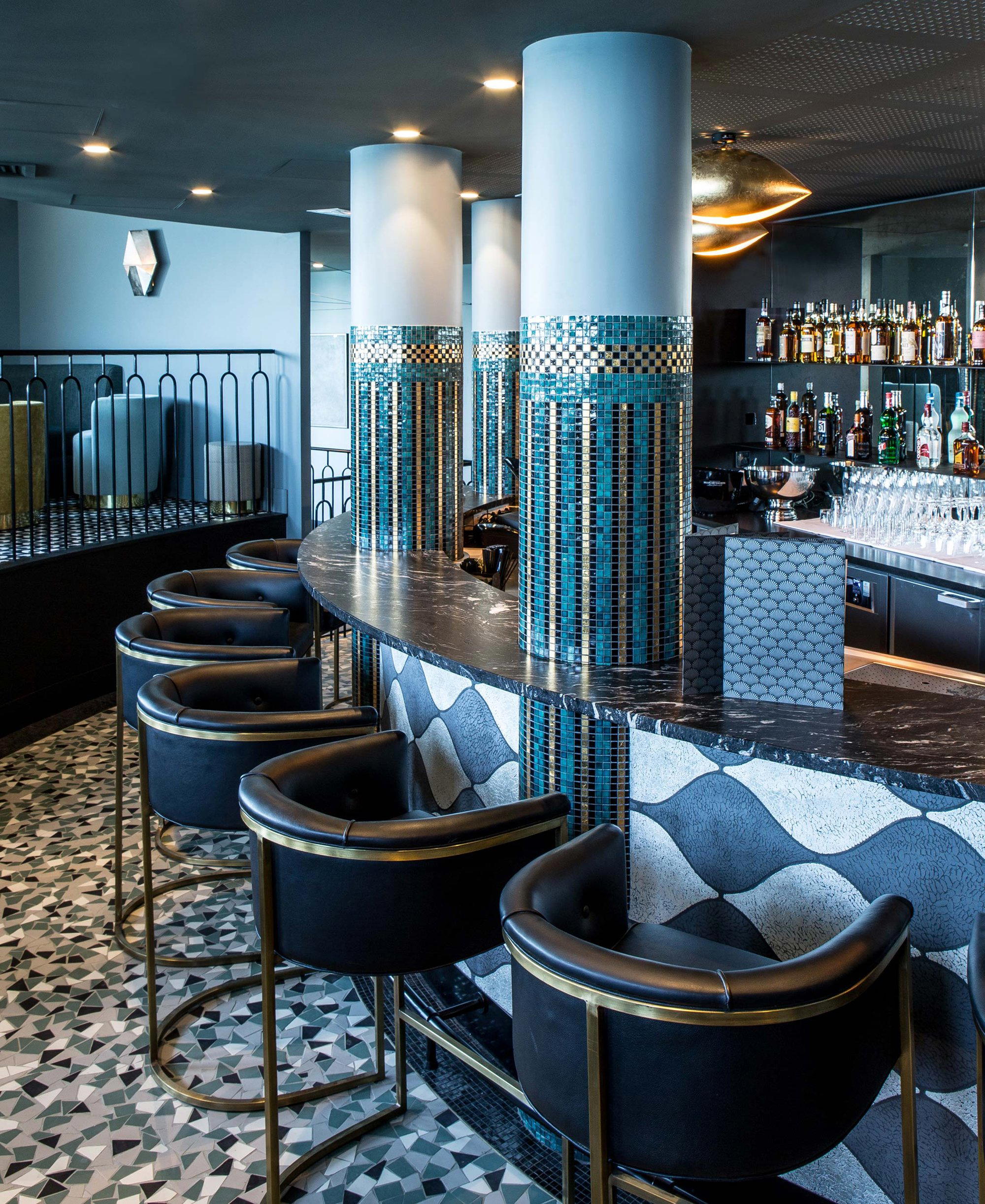
Details
- Cozy
- Classic
- Intimate
- Family
- Date Night
- Historic Building
- Terrace
- Local Sourcing
- A La Carte
Current opening hours
- Monday
- Closed
- Tuesday
- 12–1:30 PM, 7–9 PM
- Wednesday
- 12–1:30 PM, 7–9 PM
- Thursday
- 12–1:30 PM
- Friday
- 12–1:30 PM, 7–9 PM
- Saturday
- 12–2 PM, 7–9 PM
- Sunday
- 12–1:30 PM
Hours can change for holidays and private events. Hours as of .
Cozy and convivial atmosphere with nice, quiet setting and attentive service.