Auberge du Trieux
Auberge du Trieux serves Creative French Terroir Bistro cooking with local sourcing, terrace seating, and a leisurely, quiet pace that suits lunch or dinner.
Pearl is the En Primeur Club membership app — saves, bookings, and concierge access live there. Same editors, same standards.
- Address
- 1 Imp. du Four Neuf, 22740 Lézardrieux, France
- Phone
- +33296201070
- Website
- auberge-du-trieux.com
- Directions
- Get directions
 Saves & bookings on Pearl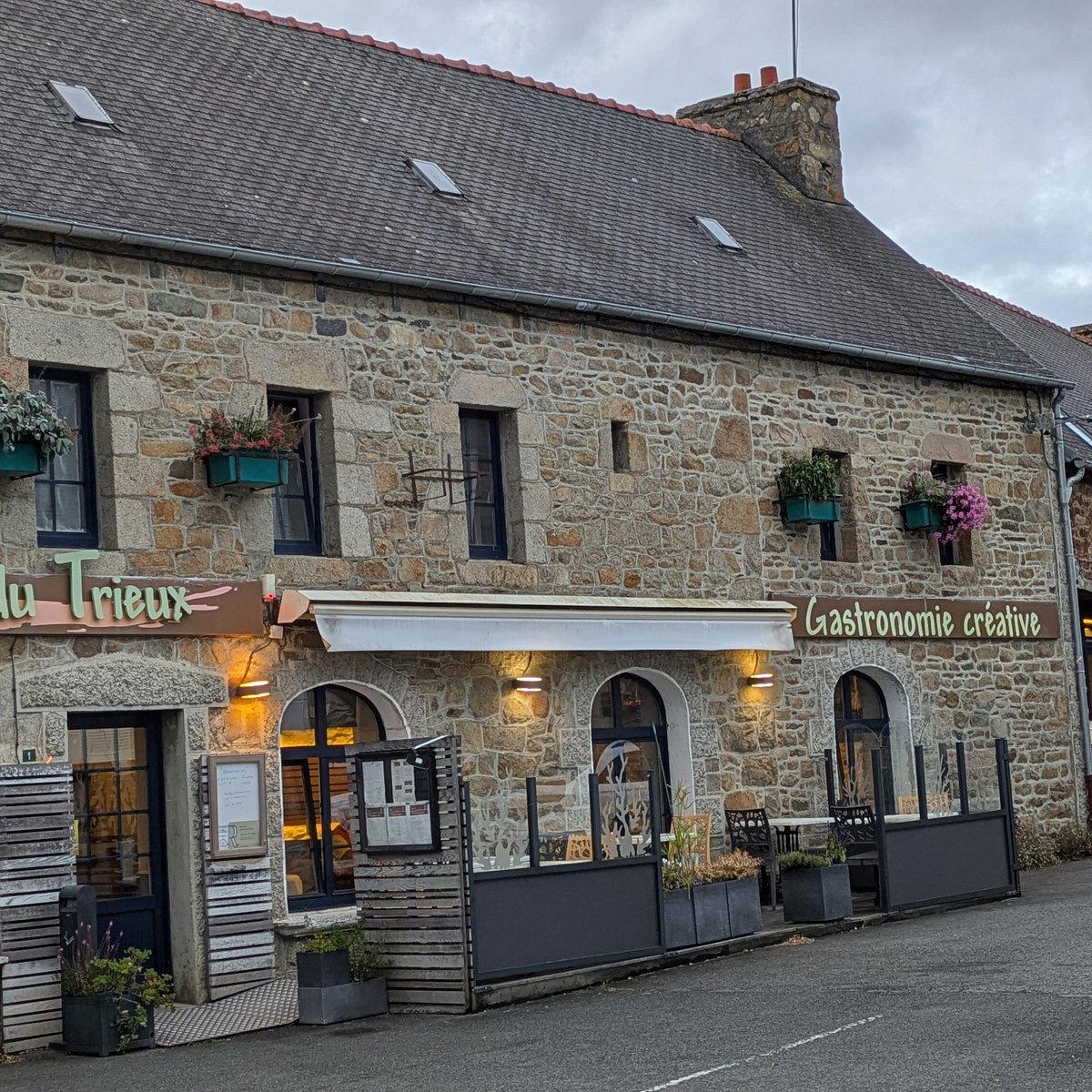
Where the Trieux Estuary Sets the Table
Lézardrieux sits at the point where the Trieux River opens toward the Jaudy and the sea closes in from the north. The village is small enough that the tide schedule matters more than the train timetable, and the agricultural and maritime rhythms of the Côtes-d'Armor are not background detail here, they are the dominant logic shaping what ends up on a plate. Auberge du Trieux, at 1 Impasse du Four Neuf, occupies that context directly. The address itself, tucked off a lane in a village that most French dining travelers pass through rather than stop in, signals the category: a rural auberge rooted in its immediate territory rather than performing regionality from a distance.
The Ingredient Logic of the Breton Coast
Brittany's ingredient advantage is one of the more defensible claims in French regional cooking. The peninsula's cold-water coastline produces shellfish, oysters from the Tréguier basin, langoustines from the Paimpol grounds, spider crab from further offshore, with a salinity and texture that chefs in Paris pay a premium to source. Inland from Lézardrieux, the bocage provides lamb, pork, and dairy with a provenance that requires less curation than in regions where agriculture has been more industrialized. For a village auberge in this position, the question is never whether the ingredients are available; it is whether the kitchen is willing to let them lead.
The French auberge tradition, at its most grounded, is exactly that: a format where the cook works with what the land and water provide in a given week rather than engineering a menu around a fixed concept. This places auberges like Trieux in a different register from the three-star destination restaurants, Mirazur in Menton, Flocons de Sel in Megève, Alléno Paris au Pavillon Ledoyen in Paris, where the cooking is the destination and the sourcing is one element of a larger technical project. Here, sourcing is the architecture rather than the decoration.
Auberge as a French Dining Category
The word auberge carries a specific set of expectations in France that distinguish it from restaurant or bistro. An auberge historically offered lodging as well as meals, and the cooking was tied to the immediate geography in a way that urban restaurants were not. That tradition persists most legibly in rural France, where the auberge remains a format for hospitality that is embedded in its village rather than independent of it. Auberge de l'Ill in Illhaeusern, Auberge du Vieux Puits in Fontjoncouse, and Les Prés d'Eugénie in Eugénie-les-Bains represent the high end of that category, where the auberge format has been refined to a point of national recognition. Auberge du Trieux operates in a quieter register, in a village that does not attract the destination-dining circuits that flow toward Brittany's larger towns.
That quieter register is not a criticism. The result, at its leading, is a directness that destination restaurants can approximate but rarely replicate. Bras in Laguiole, Georges Blanc in Vonnas, and Troisgros in Ouches each began from a version of this local rootedness before accumulating the recognition that brought outside visitors to them.
Brittany's Seasonal Rhythms and What They Mean at the Table
The Côtes-d'Armor calendar shapes what is available and when. Langoustine season peaks in late spring and early summer. The oyster beds around the Tréguier estuary are at their most productive in the colder months, when lower water temperatures concentrate flavor. Local vegetables, artichokes from the Leon, cauliflower from further along the north coast, arrive in windows that a kitchen working with direct supply will reflect on the menu rather than paper over with imports. Spring and early summer represent the moment when coastal Brittany's ingredient offer is at its broadest, with the cold-water shellfish of winter giving way to warmer-weather produce from inland farms. Visiting in shoulder season, from late September through November, tends to reward a different set of flavors, centered on the shellfish that the region's reputation was built on. For a restaurant in our full Lézardrieux restaurants guide, timing a visit around the seasonal rhythm makes more sense than treating any single month as the obvious window.
Where Auberge du Trieux Sits in Its comparable set
Lézardrieux does not sit on the circuits that generate Michelin attention in Brittany. The region's recognized kitchens tend to cluster around the coast further south, near Saint-Brieuc and the larger tourist infrastructure. This places Auberge du Trieux in the category of rural tables that operate without formal award recognition but within a culinary tradition that France has historically valued at least as much as its starred kitchens. The comparison set here is not Le 1947 à Cheval Blanc in Courchevel or La Vague d'Or in Saint-Tropez or Paul Bocuse in Collonges-au-Mont-d'Or. The comparison set is the category of locally embedded auberges that feed their communities first and visiting travelers when they arrive.
For travelers arriving from outside the region, the practical reality is that Lézardrieux requires deliberate routing. The nearest rail access is at Paimpol, roughly eight kilometers south, and the village itself is not served by regular public transport. Visitors driving from Saint-Brieuc are looking at just under an hour. That degree of intentionality in the journey is, in its own way, a quality signal for the experience at the other end: a restaurant this far off the main routes does not survive on passing trade.
Planning a Visit
Given the absence of confirmed booking details in publicly available records, contacting the restaurant directly before traveling is advisable, particularly during peak summer months when the Côtes-d'Armor receives significant seasonal traffic. The physical address at 1 Impasse du Four Neuf places the auberge within walking distance of the village center and the river. Lézardrieux's small scale means accommodation options in the village itself are limited; Paimpol, eight kilometers south, offers a broader range and is a reasonable base for exploring the Trieux estuary by boat as well as by road. Maison Lameloise in Chagny and L'Oustau de Baumanière in Les Baux are examples of the integrated auberge-and-lodging model at a different price tier; Auberge du Trieux occupies a more accessible position, without the appended hotel infrastructure that destination auberges typically carry. For comparable coastal French cooking at a different register, La Table du Castellet in Le Castellet offers a useful point of contrast in the south.
Comparison Snapshot
Comparable venues nearby, for context on price, style, and recognition.
| Venue | Cuisine | Price | Notes |
|---|---|---|---|
| Auberge du TrieuxThis venue — the venue you are viewing | Creative French Terroir Bistro | $$$ | Not listed |
| Le Petit Canard | Traditional French Duck Bistro | $$$ | 9th arrondissement |
| Comptoir De Vie | Modern French Tasting Counter-Bar | $$$ | 2nd Arrondissement |
| Auberge du Pélican | Traditional French Seafood Brasserie | $$$ | Historic Center |
| Le Jardin des Saveurs | Modern French Local | $$$ | Landerneau |
| Ti Al Lannec | French Coastal Cuisine | $$$$ | Trebeurden |
Continue exploring
More in Lezardrieux
Restaurants in Lezardrieux
Browse all →
At a Glance
- Rustic
- Elegant
- Cozy
- Date Night
- Special Occasion
- Terrace
- Local Sourcing
Current opening hours
- Monday
- 12–1:30 PM, 7–9 PM
- Tuesday
- 12–1:30 PM, 7–9 PM
- Wednesday
- Closed
- Thursday
- Closed
- Friday
- 12–1:30 PM, 7–9 PM
- Saturday
- 7–9 PM
- Sunday
- 12–1:30 PM, 7–9 PM
Hours can change for holidays and private events. Last verified .
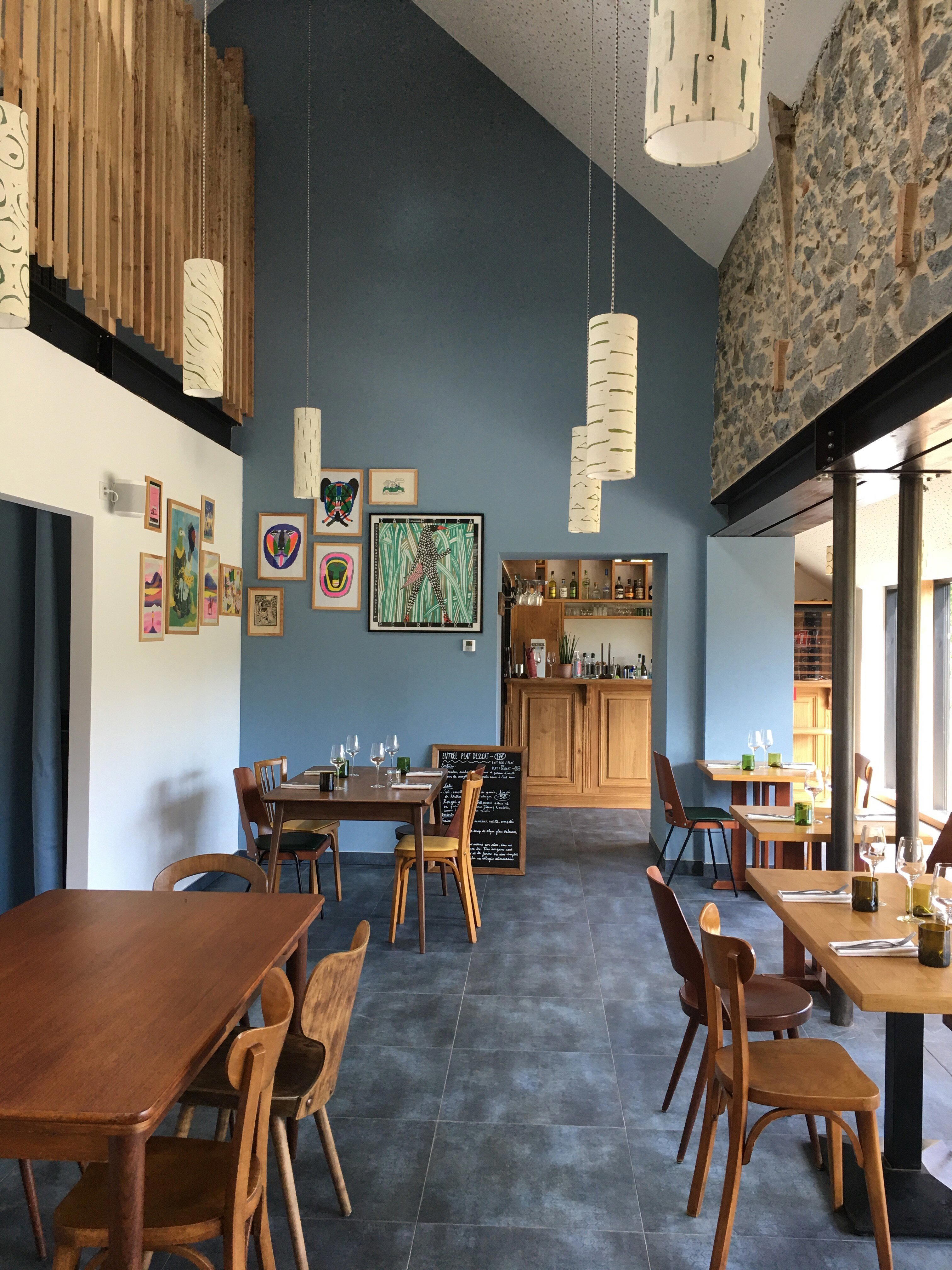
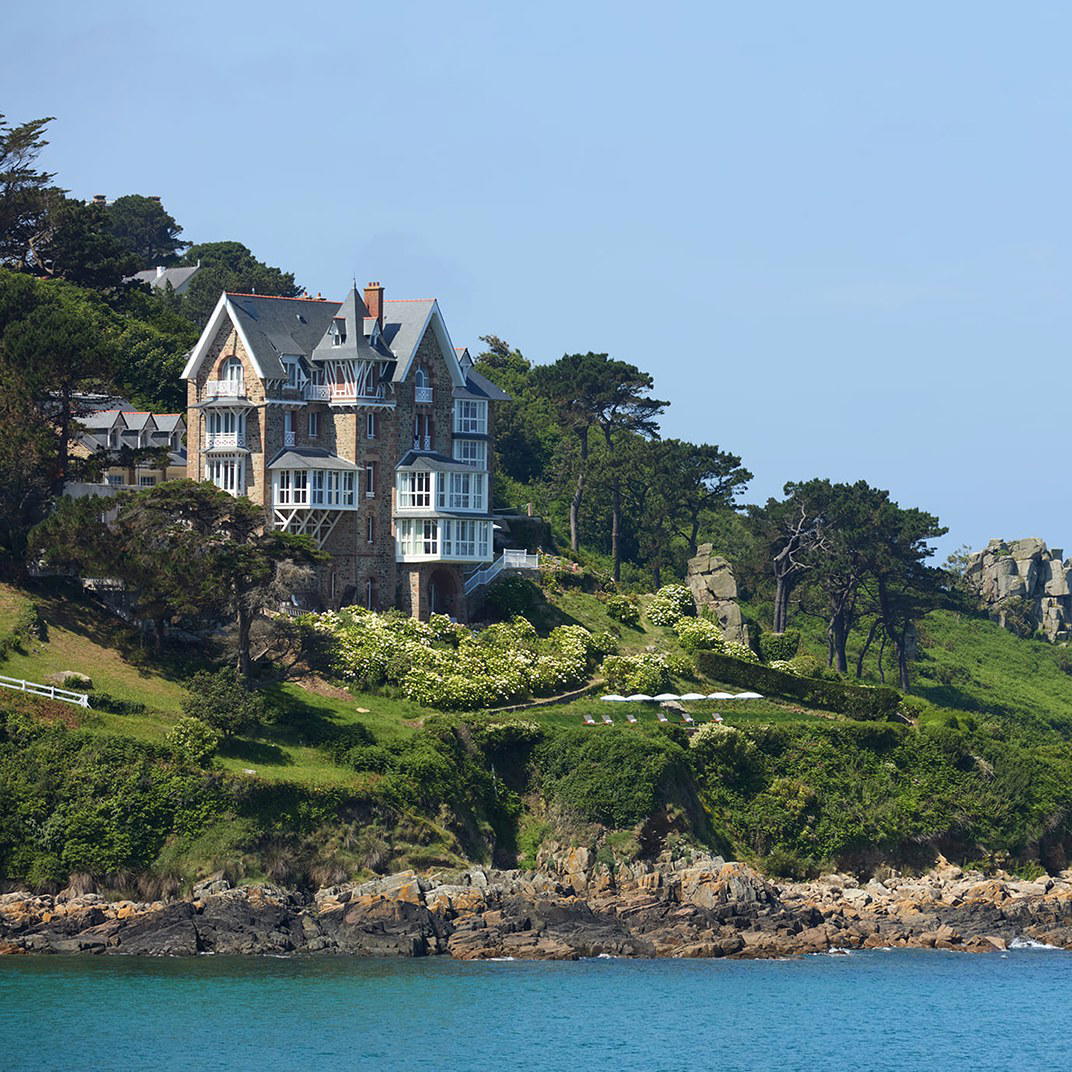
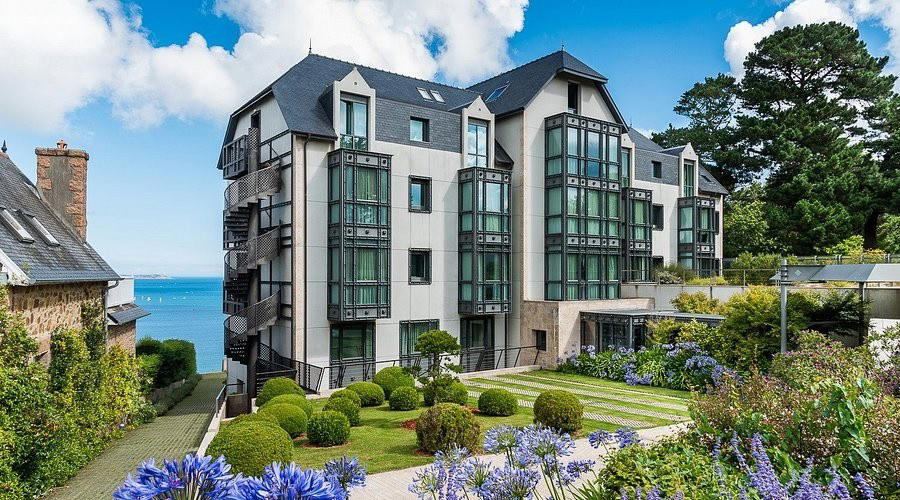
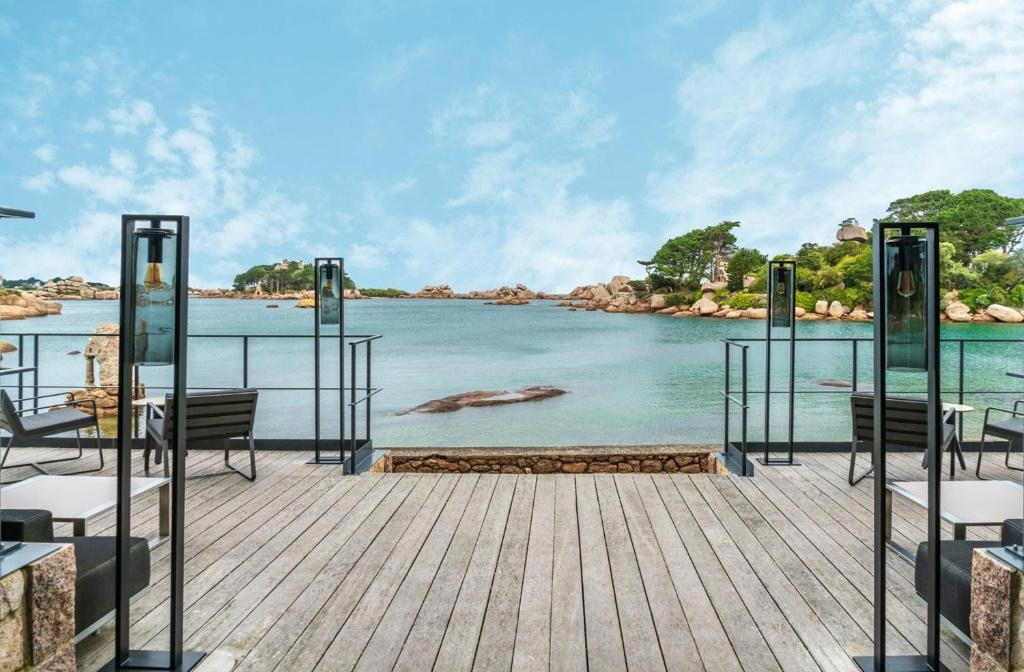
Charming rustic longère with exposed stones paired with contemporary light furniture, creating an elegant and cozy atmosphere.