Our verdict
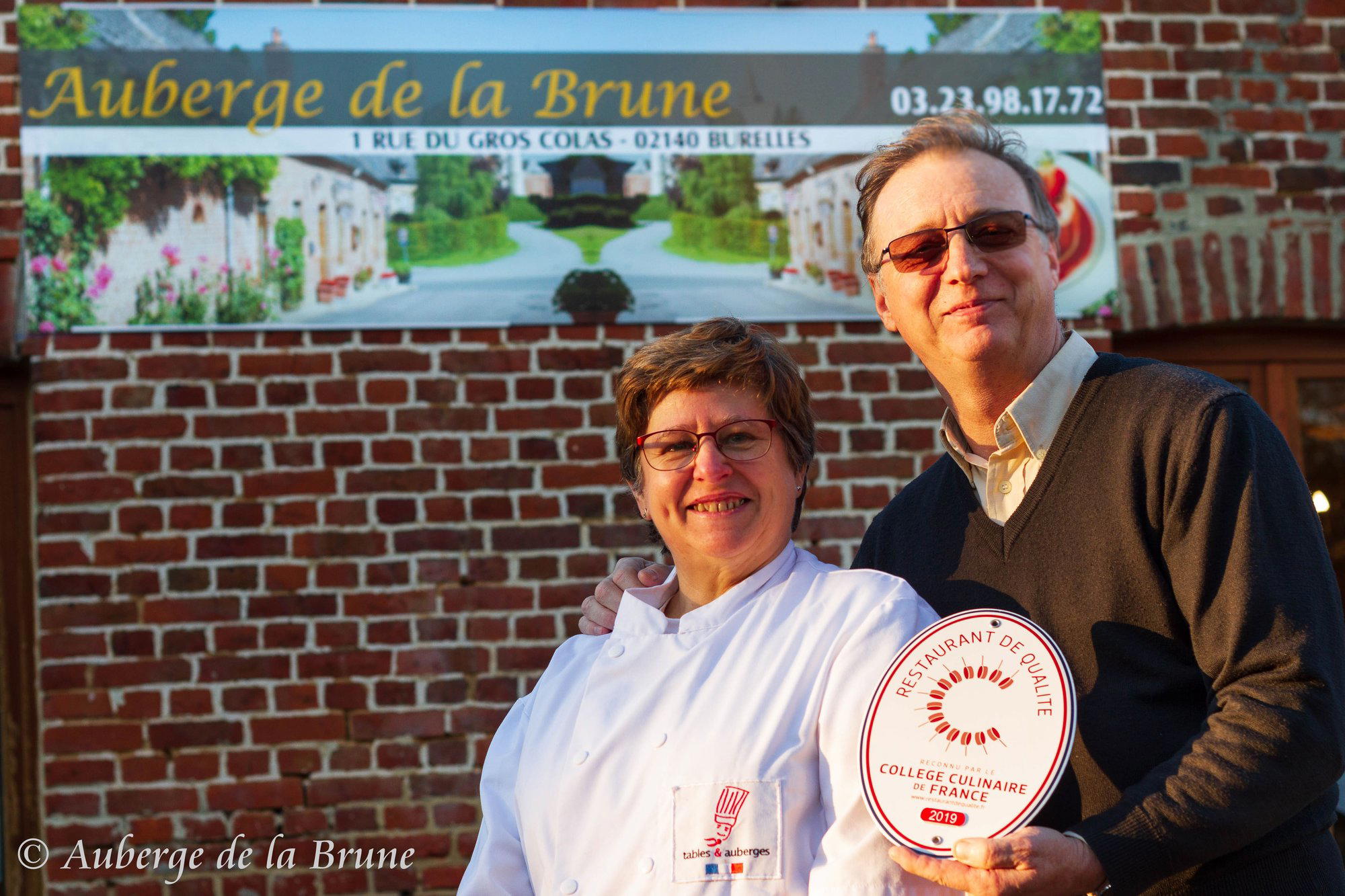
Auberge de la Brune sits in the village of Burelles in the Thiérache region of Picardy, a corner of northern France defined by bocage farmland, brick-and-stone architecture, and a deep agricultural calendar. The address at 1 Rue du Gros Colas places it within a rural tradition of auberge cooking where the proximity of the kitchen to the land is not a marketing claim but a structural reality.

Pearl is the En Primeur Club membership app, where members save venues, book tables and use the concierge.
Where the Thiérache Countryside Meets the Table
Approach Burelles from any direction and the landscape tells you something about what you will eat. The Thiérache is one of northern France's most intact agricultural zones: a region of dense hedgerows, dairy pastures, and fortified churches that has resisted the homogenising pull of agro-industry more successfully than most of its neighbours. Villages here are small, distances between them are short, and the supply chains that feed a kitchen like Auberge de la Brune's are correspondingly local in a way that differs structurally from urban restaurants that retrofit a sourcing story onto an existing menu. Here, the sourcing is the foundation.
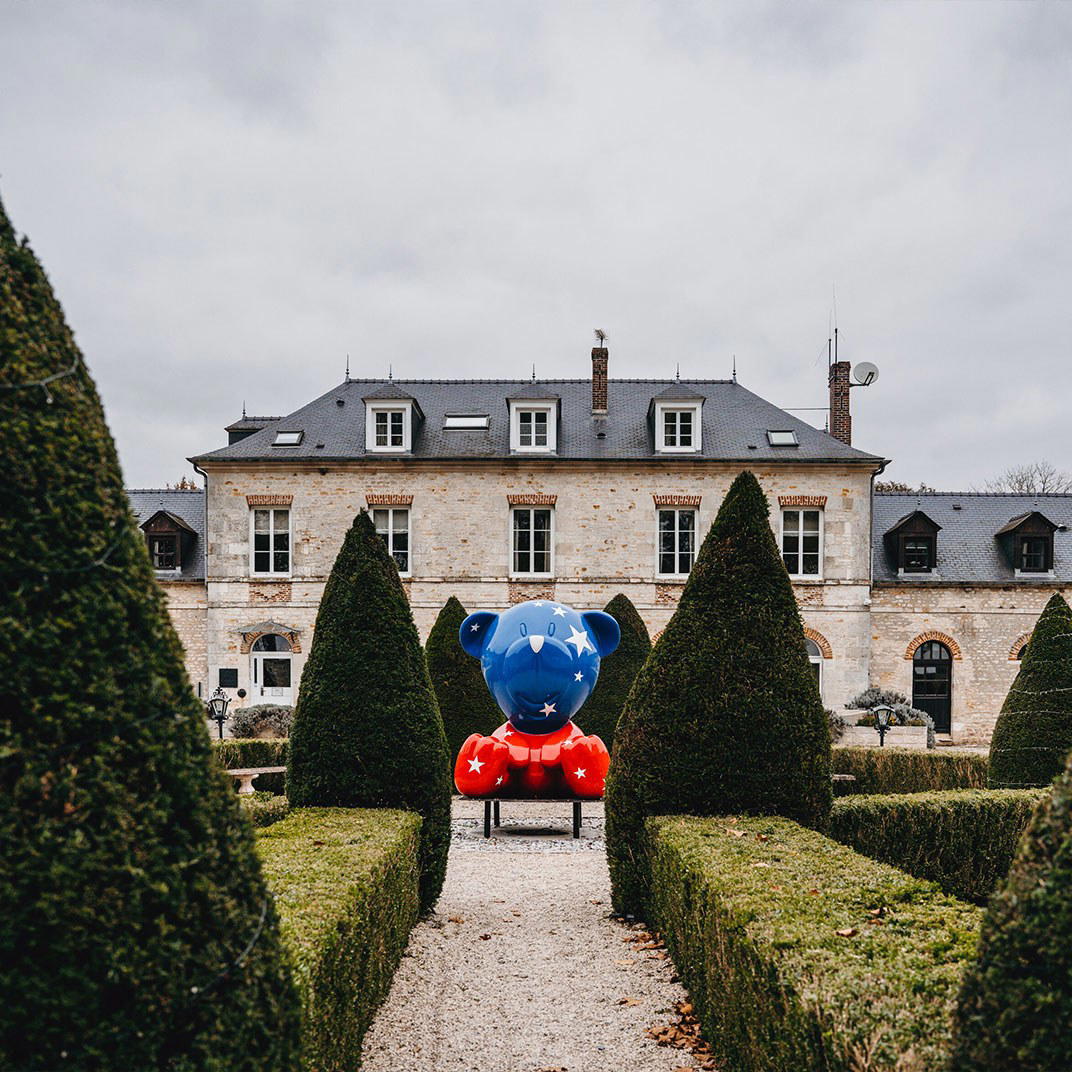
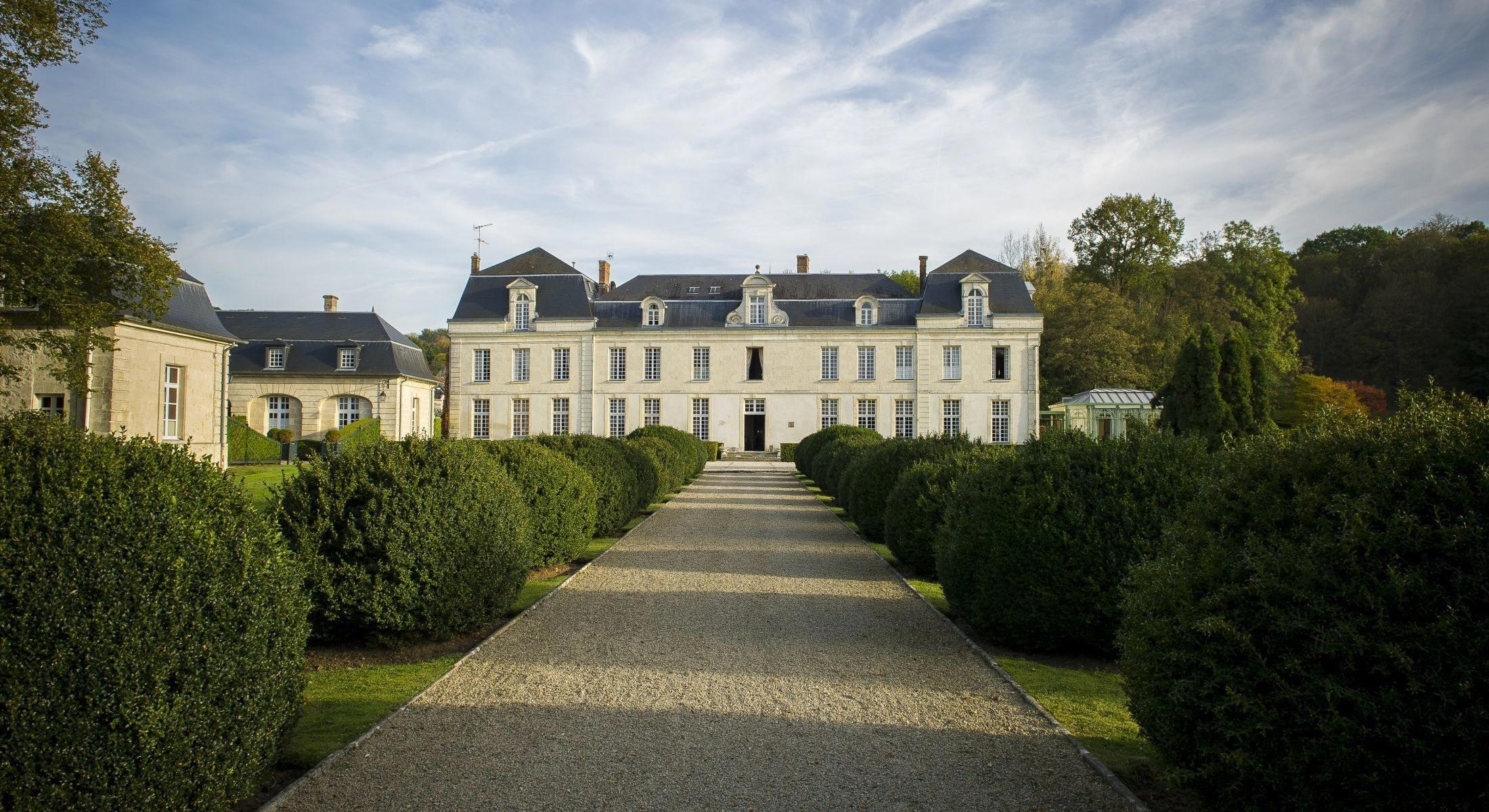
The auberge sits at 1 Rue du Gros Colas in the centre of Burelles, a village of a few hundred residents in the Aisne department. The building follows the regional vernacular: brick and rendered stone, low-slung, built against the weather rather than for spectacle. Walking in from the village street, the transition from the open farmland light of the Thiérache to the interior is the first editorial statement the place makes. This is a northern French auberge in the older, pre-commercial sense of the word, a place where the architecture and the food belong to the same tradition.
The Ingredient Logic of the Thiérache
France's most discussed fine-dining addresses, Mirazur in Menton, Flocons de Sel in Megève, Bras in Laguiole, each draw part of their identity from a specific terroir, a specific ecology that shapes what arrives on the plate. The Thiérache offers its own version of that logic, and it is worth understanding what that means in practice.
Dairy is the region's dominant agricultural output. The Maroilles cheese, produced in the area since at least the tenth century, is the most documented product, but the broader dairy economy means that cream, butter, and fresh cheese are hyperlocal ingredients in a sense that proteins sourced from further afield are not. Beyond dairy, the bocage system of hedgerow-enclosed fields supports a mixed farming culture: pork, poultry, vegetables, and foraged material from the woodland edges that border the pastures. For a kitchen working within that geography, the seasonal menu is less a creative choice than a practical consequence of what is available, fresh, and worth using at any given moment in the agricultural year.
This is the broader pattern that distinguishes auberge cooking in provincial France from the sourcing claims of urban fine-dining. At Auberge du Vieux Puits in Fontjoncouse, Georges Blanc in Vonnas, and Auberge de l'Ill in Illhaeusern, the kitchen's relationship to its surrounding region is structural rather than decorative. Auberge de la Brune operates within the same framework, though at a smaller scale and in a less-trafficked corner of the country.
Situating Burelles in the Broader French Auberge Tradition
The French auberge is a category that covers enormous range, from three-Michelin-starred destinations that happen to use the word to genuinely modest village restaurants that have fed local farming families for generations. Understanding where Auberge de la Brune sits in that spectrum matters for setting the right expectations before arrival.
Compared with the destination auberges that draw international travellers, Maison Lameloise in Chagny, Les Prés d'Eugénie - Michel Guérard in Eugénie-les-Bains, or L'Oustau de Baumanière in Les Baux, Burelles is not a recognised gastronomic pilgrimage point. It does not carry Michelin stars or placement on the Grandes Tables de France. What it represents instead is something that has become genuinely harder to find as provincial France consolidates its restaurant economy: a village-scale auberge in an agricultural region, operating within a local ingredient logic that predates the contemporary sourcing movement by several decades.
For readers accustomed to the high-production addresses of the French Atlantic coast or the Rhône Valley, the comparison set here is closer to the quieter, regionally specific houses: La Table du Castellet in Le Castellet in terms of regional rootedness, or the deliberate provincialism of Paul Bocuse - L'Auberge du Pont de Collonges in Collonges-au-Mont-d'Or in its insistence on staying put rather than migrating to a more visible market. The difference is that Auberge de la Brune operates without the accumulated brand weight of those addresses, which either makes it more or less interesting depending on what you are looking for.
Getting There and Planning Your Visit
Burelles is not served by rail or major road infrastructure in any meaningful way. The village sits north of Laon, the closest city of any size, and access is effectively by car. Driving from Paris, the journey runs roughly two hours via the A26 motorway toward Saint-Quentin, then secondary roads into the Thiérache. The route itself is part of the experience: the final kilometres pass through the bocage landscape that supplies the region's kitchens, and arriving by road is the more honest way to understand the auberge's geographic position. Those combining a visit with broader regional exploration should note that our full Burelles restaurants guide covers the wider area's options. Booking directly with the auberge is the standard approach for a kitchen at this scale; no aggregator platform data is available, and contact should be made well in advance, particularly for weekend visits in the warmer months when the Thiérache attracts visitors from the Île-de-France.
Frequently asked questions
Is Auberge de la Brune good for families?
The French auberge format, which Auberge de la Brune represents in the village of Burelles, has historically accommodated multi-generational dining rather than positioning itself as an exclusively adult destination. Rural auberges in the Thiérache tend toward unhurried, table-sharing meals that suit family groups.
How would you describe the vibe at Auberge de la Brune?
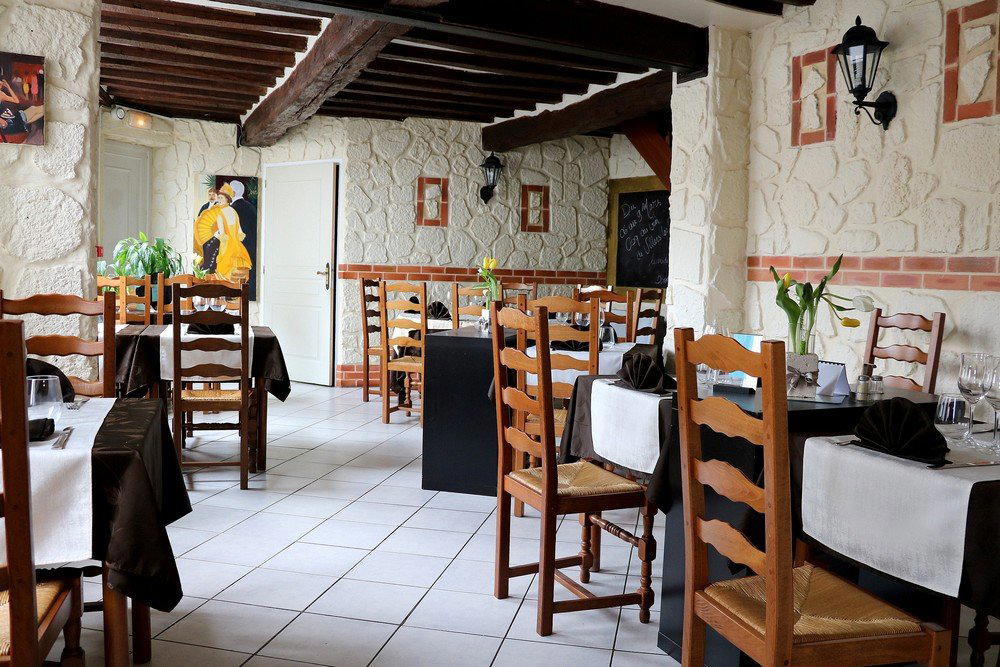
Burelles is a small agricultural village north of Laon in the Aisne, and the setting shapes the tone at a place like Auberge de la Brune: expect the unpretentious, unhurried rhythm of the French countryside rather than urban formality. The Thiérache is dairy and bocage country, and auberges in this region typically reflect that plainspoken character, stone walls, local produce, long lunches. It is a working-week lunch and Sunday-table atmosphere, not a destination tasting-menu room.
What makes Auberge de la Brune worth the drive from Laon?
Burelles sits roughly 30 kilometres north of Laon, accessible only by car through the bocage roads of the Thiérache, a region that produces Maroilles cheese and has one of the highest concentrations of fortified Romanesque churches in France. For travellers already exploring the Aisne department, Auberge de la Brune represents a fixed point in a part of northern France that has no major fine-dining circuit and few flagged stops of any kind. Its address at 1 Rue du Gros Colas places it at the centre of village life in Burelles, which itself functions as a reason to visit rather than simply a location detail.
What dish is Auberge de la Brune famous for?
What is well established is that the Thiérache region, where Burelles sits, is defined by its raw-milk cheeses, Maroilles foremost among them, and its pastoral dairy tradition. Any kitchen operating in this area and drawing on local ingredients would logically engage with that larder, though confirmed menu details require direct inquiry with the venue.
Side-by-Side Snapshot
Comparable venues nearby, for context on price, style, and recognition.
| Venue | Cuisine | Price | Notes |
|---|---|---|---|
| Auberge de la BruneThis venue (the venue you are viewing) | Regional French Thiérache Cuisine | $30–50 | Not listed |
| Le Tadorne | Traditional French Bistro | Not listed | Piney |
| La Table de François | Contemporary French Gastronomique | $30–50 | Bouchon troyen (Old Town Troyes) |
| La Fleur de Lille | Creative French Bistro | $30–50 | Vieux Lille 2 |
| La Signature | Modern French Brasserie | $50–100 | Centre-ville |
| Les 3 Toqués | French Bistro with Seasonal Local Cuisine | $30–50 | Sainghin-en-Weppes |
Continue exploring
More in Burelles
Restaurants in Burelles
All restaurants in Burelles →

Wineries in Burelles
Browse all →
Details
- Rustic
- Cozy
- Intimate
- Classic
- Family
- Special Occasion
- Terrace
- Historic Building
- Extensive Wine List
- Local Sourcing
- A La Carte
Current opening hours
- Monday
- Closed
- Tuesday
- 12–1:30 PM
- Wednesday
- 12–1:30 PM
- Thursday
- 12–1:30 PM
- Friday
- 12–1:30 PM, 7:30–9 PM
- Saturday
- 7:30–9 PM
- Sunday
- 12–1:30 PM
Hours can change for holidays and private events. Hours as of .
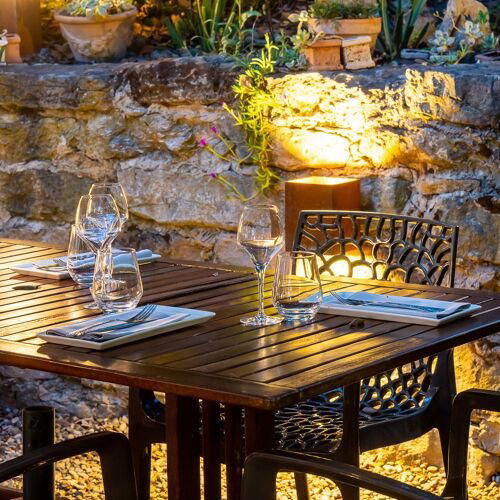
Warm, convivial family atmosphere in a charming rustic farmhouse setting.