Auguri Kosher Trattoria
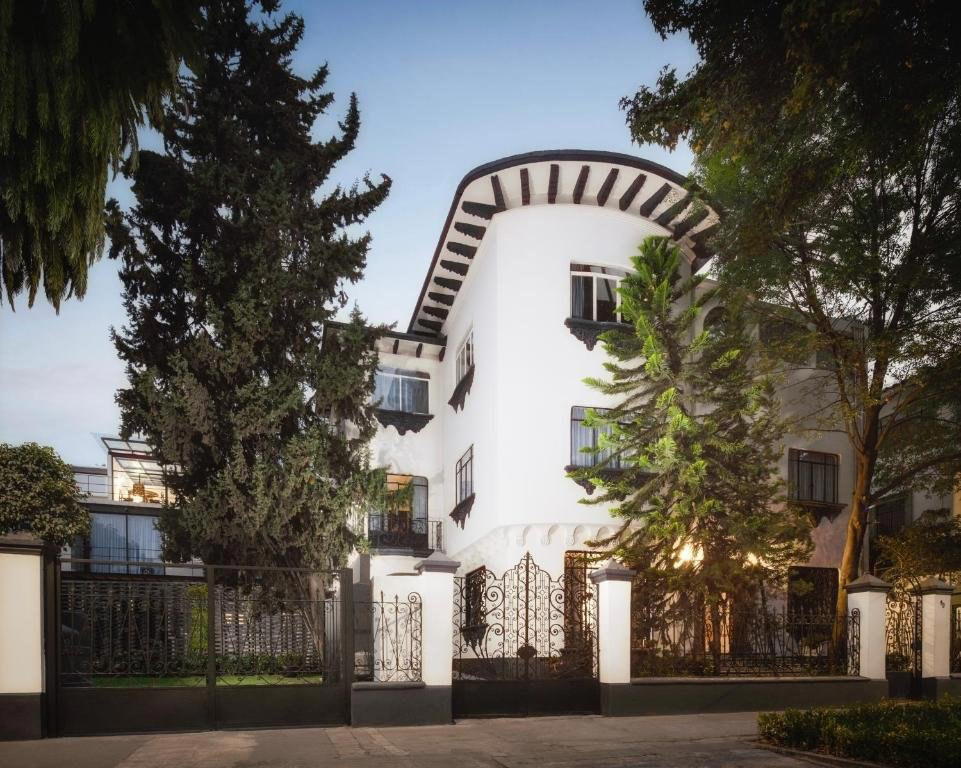
A kosher Italian trattoria in the residential enclave of Lomas de Chapultepec, Auguri sits at a specific intersection that few Mexico City restaurants occupy: Italian technique applied within the constraints and traditions of kosher law. The address places it squarely in the capital's most established Jewish community, making it as much a neighbourhood institution as a dining destination.
Pearl is the En Primeur Club membership app — saves, bookings, and concierge access live there. Same editors, same standards.
- Address
- Av Cordillera de Los Andes 375, Lomas - Virreyes, Lomas de Chapultepec, Miguel Hidalgo, 11000 Ciudad de México, CDMX, Mexico
- Phone
- +525555400500
- Website
- opentable.com.mx
- Directions
- Get directions
 Saves & bookings on Pearl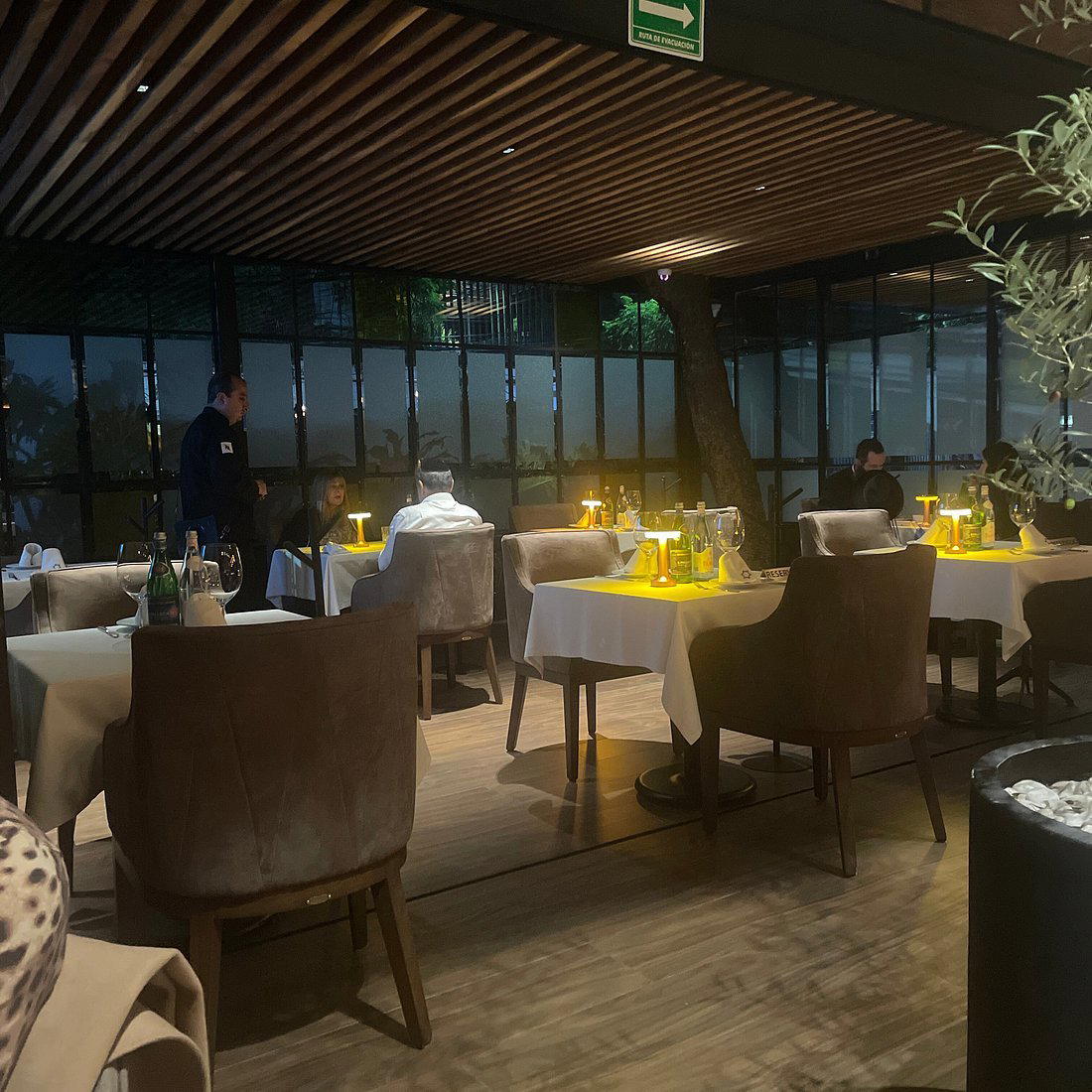
Where Lomas Meets the Trattoria Counter
Lomas de Chapultepec operates on a different frequency from the restaurant-dense corridors of Polanco and Roma Norte. The neighbourhood is residential, established, and home to one of Mexico City's most concentrated Jewish communities. Dining here tends toward the personal and the purposeful: restaurants serve a specific constituency rather than the city-wide audience that draws crowds to Pujol or Quintonil. Auguri Kosher Trattoria, on Avenida Cordillera de Los Andes, is a product of that neighbourhood logic.
The trattoria format itself carries meaning here. In Italy, a trattoria is not a fine-dining proposition but a room built around regulars: fixed menus, familiar technique, a certain informality that signals trust rather than occasion. That model translates with reasonable fidelity to Lomas, where the surrounding community provides exactly that base of returning diners. The question of how Italian kitchen tradition and kosher certification coexist — and what each one asks the other to give up — is the defining tension that makes this address interesting beyond its immediate neighbourhood.
Italian Technique Inside Kosher Parameters
Kosher certification imposes structural constraints on a kitchen that are, in many ways, more demanding than those of a standard dietary preference. The prohibition on mixing meat and dairy eliminates entire categories of classical Italian construction: no cream sauces on meat dishes, no Parmigiano on a Bolognese, no butter-finished pan sauce alongside a protein. What remains is a different kind of discipline, one that pushes a kitchen toward olive oil-based cooking, herb-forward flavour, and acid rather than fat for richness. In practice, this often produces food that reads closer to southern Italian tradition than to the northern, dairy-heavy canon.
That constraint-as-creativity framing is visible across a broader pattern in Mexican dining. Restaurants operating within specific dietary frameworks, whether kosher, halal, or plant-based, have increasingly moved toward technique as their differentiating factor. The approach echoes what Rosetta does with Italian-influenced cooking in Colonia Roma: letting the integrity of ingredients and the discipline of method carry the plate without relying on excess. At Auguri, the intersection of imported Italian technique and kosher law produces a kitchen logic that is neither purely one nor the other.
Mexico's own pantry adds another layer. The capital sits within reach of highland chiles, diverse squashes, fresh herbs with no direct Italian equivalent, and stone-ground corn products that would confuse any Milanese. How much of that local material enters the kitchen, whether Mexican ingredients appear as direct substitutions or as quiet inflections, shapes whether this reads as an Italian restaurant in Mexico or something genuinely hybrid. That distinction matters, and it places Auguri in a conversation that Sud 777 and Em are having from the other direction: Mexican kitchens absorbing global technique, rather than imported kitchens absorbing Mexican product.
The Kosher Dining Scene in Mexico City
Mexico City's Jewish community numbers somewhere around 40,000 people, with a significant concentration in the western suburbs running through Polanco, Lomas, and the Pedregal corridor. That community has supported a range of kosher-certified restaurants, bakeries, and delis for decades, creating a dining infrastructure that functions largely independently of the city's broader restaurant conversation. Most of those establishments serve the community first and are rarely reviewed in national food media.
What distinguishes a kosher trattoria from a kosher deli or a kosher buffet is the degree of culinary ambition built into the format. The trattoria model implies courses, a wine program (or at least a curated beverage list), and a kitchen trained in specific regional traditions rather than general output. It positions the meal as an event rather than a refuelling stop. In a city where the conversation about serious dining tends to centre on Mexico City's top-end tasting menus and farm-to-table narratives, a neighbourhood trattoria operating under kosher certification occupies a niche that is genuinely underrepresented in critical coverage.
Mexico City is at an earlier stage of that trajectory. Auguri sits toward the more serious end of what the city's kosher market currently offers.
Context Across Mexico's Dining Scene
The broader Mexican restaurant conversation has expanded well beyond the capital. The wine-country informality of Animalón in Valle de Guadalupe and the coastal precision of Le Chique in Puerto Morelos represent a country-wide maturation of dining ambition. In the north, KOLI Cocina de Origen in Monterrey and Pangea in San Pedro Garza Garcia anchor a serious dining culture that rivals anything in the capital. In Oaxaca, Levadura de Olla has deepened the region's own tradition. Further afield, Lunario in El Porvenir, HA' in Playa del Carmen, Olivea Farm to Table in Ensenada, Arca in Tulum, and Alcalde in Guadalajara collectively map a country where regional identity and global technique are no longer in tension but in active dialogue. Auguri participates in that conversation at a neighbourhood scale, through a specific dietary and cultural frame that none of those others share.
Internationally, the technical ambition at play in Italian-trained kosher kitchens finds parallels at very different price points. Le Bernardin in New York City and Lazy Bear in San Francisco represent the outer edge of what technique-led, format-conscious dining looks like when resources and critical attention converge. The comparison isn't to suggest equivalence, but to frame the question: what does it mean to pursue that level of craft discipline within the additional constraints of religious certification?
Know Before You Go
Address: Av Cordillera de Los Andes 375, Lomas - Virreyes, Lomas de Chapultepec, Miguel Hidalgo, 11000 Ciudad de México
Neighbourhood: Lomas de Chapultepec, a residential western district with a significant Jewish community and lower restaurant density than Polanco or Roma Norte
Certification: Kosher, no mixing of meat and dairy; verify certification status and current supervision directly with the restaurant
Getting There: Lomas de Chapultepec is leading reached by car or taxi; public transport connections to this residential area are limited
Continue exploring
More in Mexico City
Restaurants in Mexico City
Browse all →
Bars in Mexico City
Browse all →


At a Glance
- Warm
- Elegant
- Date Night
- Family
- Group Dining
- Special Occasion
- Open Kitchen
- Craft Cocktails
Current opening hours
- Monday
- 2–5 PM, 6:30–10:30 PM
- Tuesday
- 2–5 PM, 6:30–10:30 PM
- Wednesday
- 2–5 PM, 6:30–10:30 PM
- Thursday
- 2–5 PM, 6:30–10:30 PM
- Friday
- Closed
- Saturday
- 9–11 PM
- Sunday
- 2–9:30 PM
Hours can change for holidays and private events. Last verified .
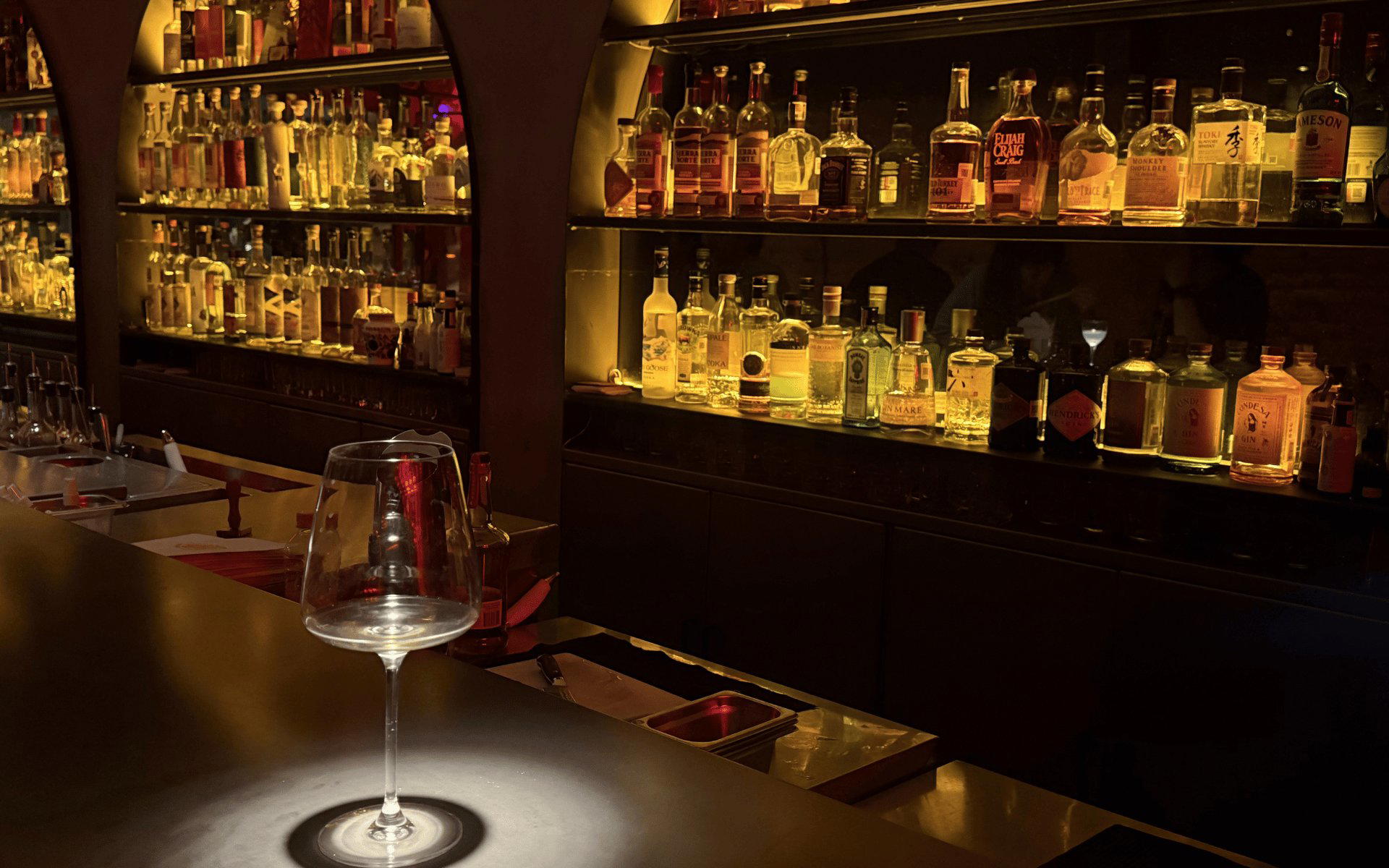
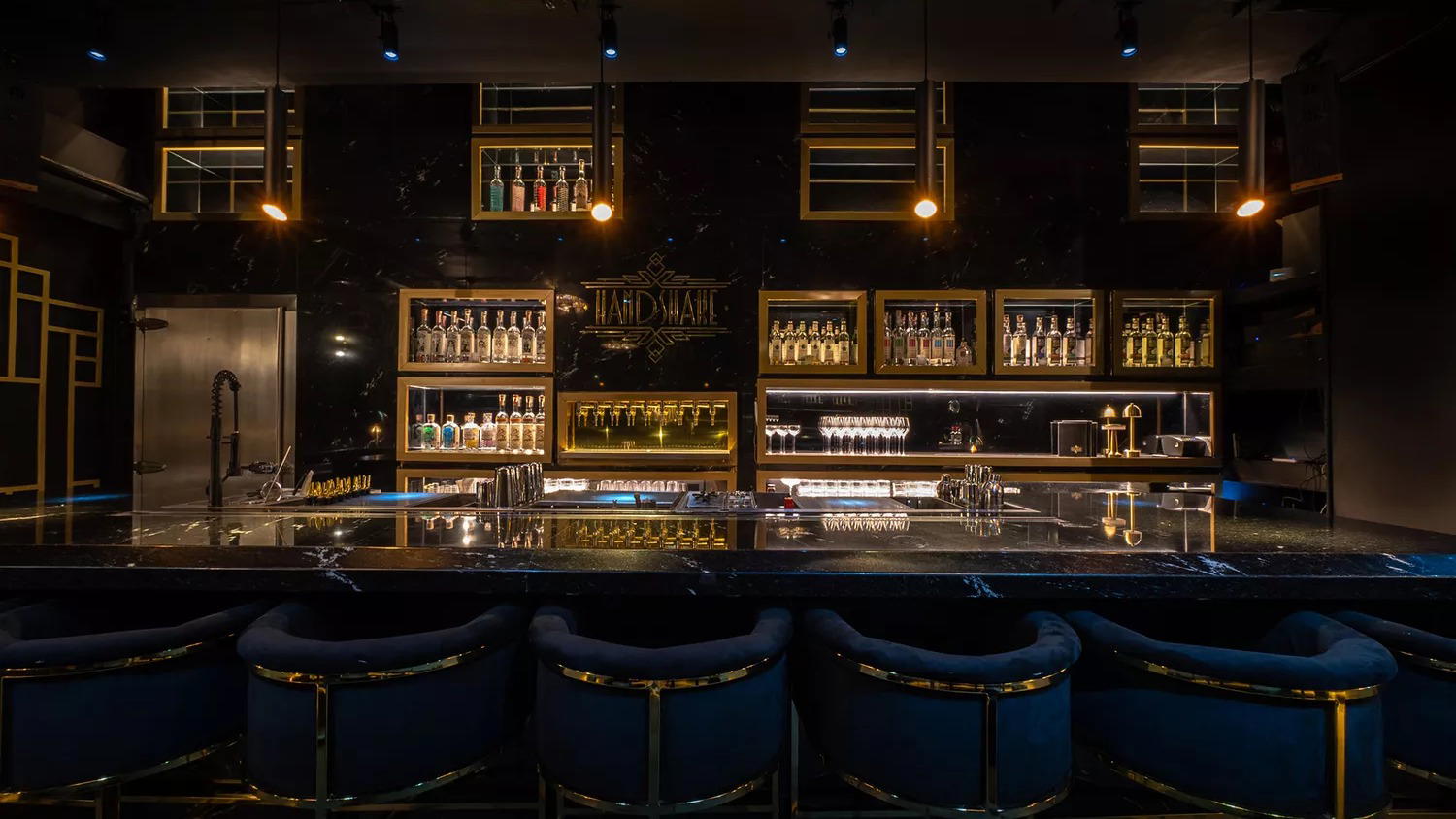
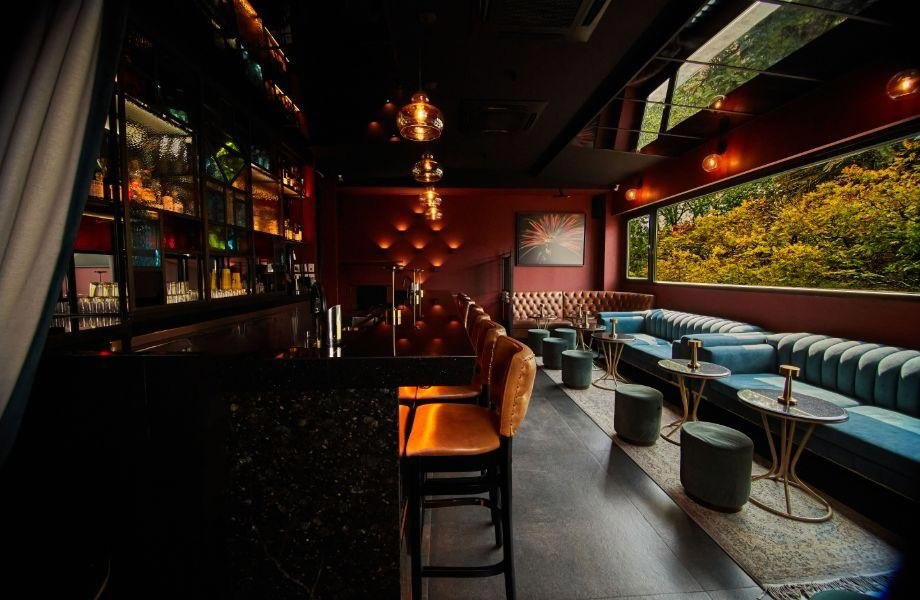
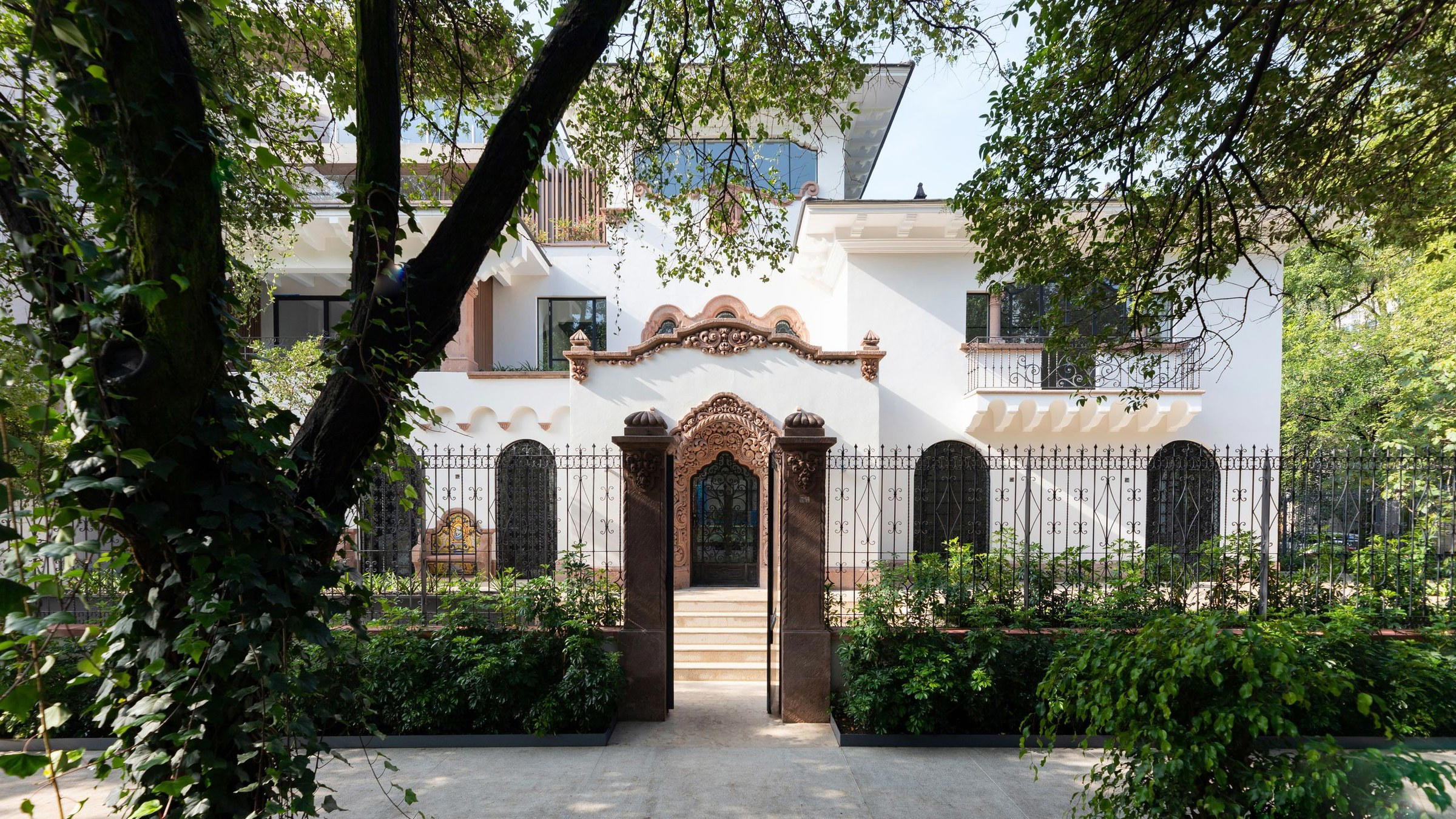
Warm and welcoming atmosphere with white tablecloths, excellent service, and a pleasant elegant dining environment praised by guests.
Know Before You Go
- Getting there
- Av Cordillera de Los Andes 375, Lomas - Virreyes, Lomas de Chapultepec, Miguel Hidalgo, 11000 Ciudad de México, CDMX, Mexico