Auberge aux deux clefs
A steady fixture in a quiet village with grace.
Pearl is the En Primeur Club membership app — saves, bookings, and concierge access live there. Same editors, same standards.
- Address
- 21 Rue de Bitche, 67580 Mertzwiller, France
- Phone
- +33388901320
- Website
- auberge-auxdeuxclefs.fr
 Saves & bookings on Pearl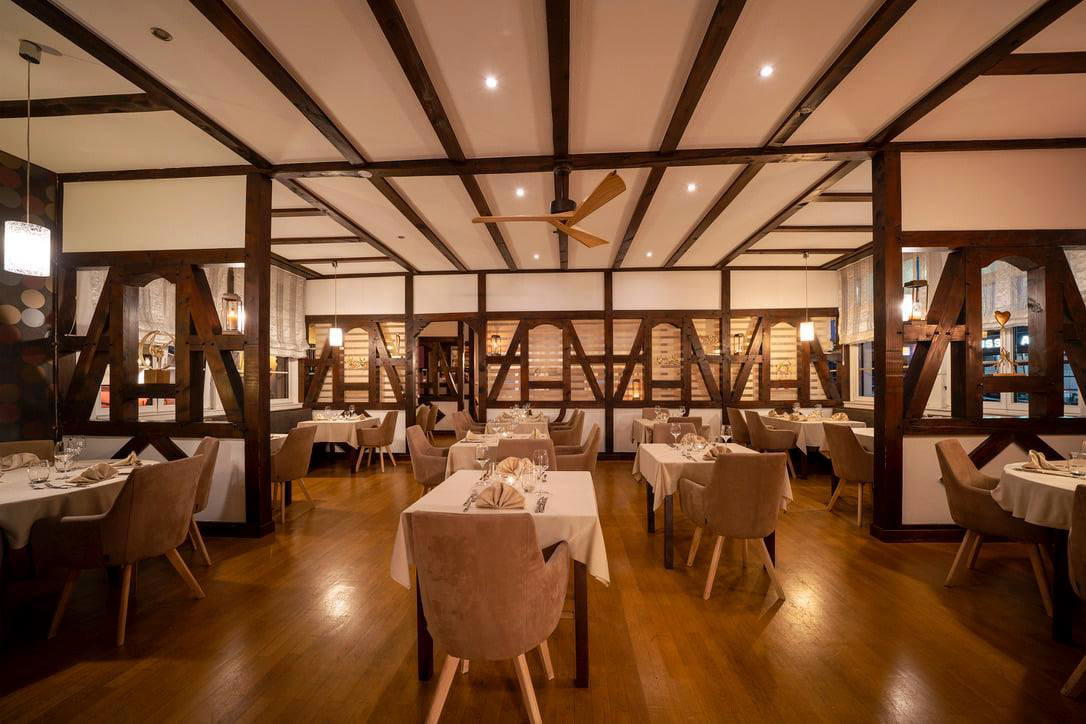
Where Alsace Puts Its Roots on the Table
The drive into Mertzwiller from Haguenau passes through a corridor of half-timbered farmhouses and flat agricultural fields that tell you, before you arrive, what kind of cooking to expect. This is northern Alsace at its most unadorned: a landscape defined by hop gardens, forest game, freshwater streams, and a culinary tradition that draws a hard line between the produce of its own terroir and anything arriving from further afield. Auberge aux deux clefs, at 21 Rue de Bitche, sits inside that tradition rather than commenting on it from a distance.
The auberge format is itself a statement of intent. Across France, the word has always carried a specific promise: local produce, a fixed address in a specific community, and cooking that answers to the seasons rather than to trend cycles in Paris or Lyon. In the Alsace-Lorraine region, that promise intersects with a culinary identity that blends Germanic precision in charcuterie, pickling, and fermentation with French technique in sauce work and plating. The result is a table that tends to say more about a fifty-kilometre radius than any tasting menu designed for international reach.
The Ingredient Logic of Northern Alsace
What makes Mertzwiller and its surrounding Outre-Forêt sub-region worth attention is the density of primary producers within close range. The Outre-Forêt, the strip of Alsace running north toward the German border, has historically supplied game from the Forêt de Haguenau, freshwater fish from the Moder and its tributaries, and agricultural smallholdings that have remained in the same family lines for generations. For a village auberge working at the scale of Auberge aux deux clefs, that proximity is operational, not ornamental. Sourcing at this level is about relationships measured in kilometres, not supply chains managed across regions.
This matters in the context of how French regional cooking has evolved since the 1990s. The high-end end of that evolution is visible in houses like Bras in Laguiole, where Michel Bras built an entire philosophy around Aubrac terroir, or Auberge de l'Ill in Illhaeusern, which has anchored its identity to the Ill River valley and Alsatian produce at three-Michelin-star level for decades. The auberge tier below those houses operates differently: less celebrated, more embedded, with cooking that doesn't require validation from a Michelin inspector to make sense to the people eating it. That tier represents the majority of serious regional cooking in France, and Mertzwiller belongs to it.
The Room and the Approach
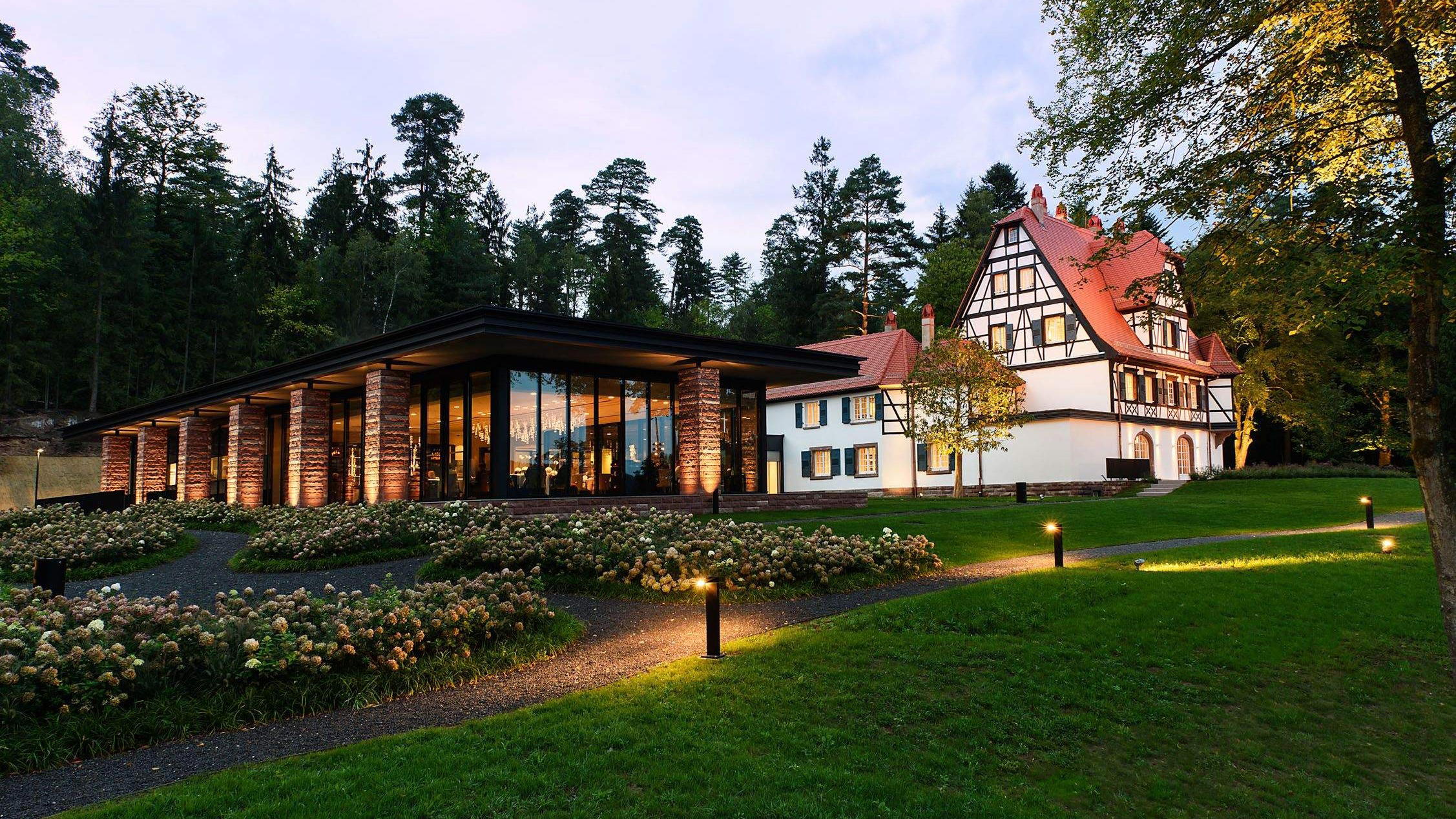
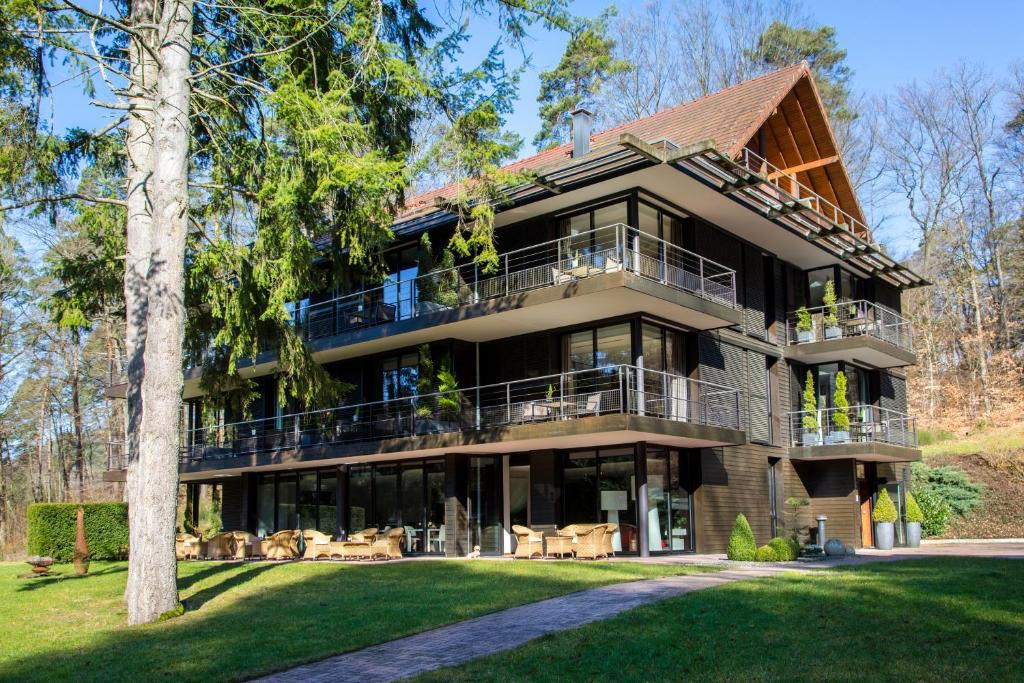
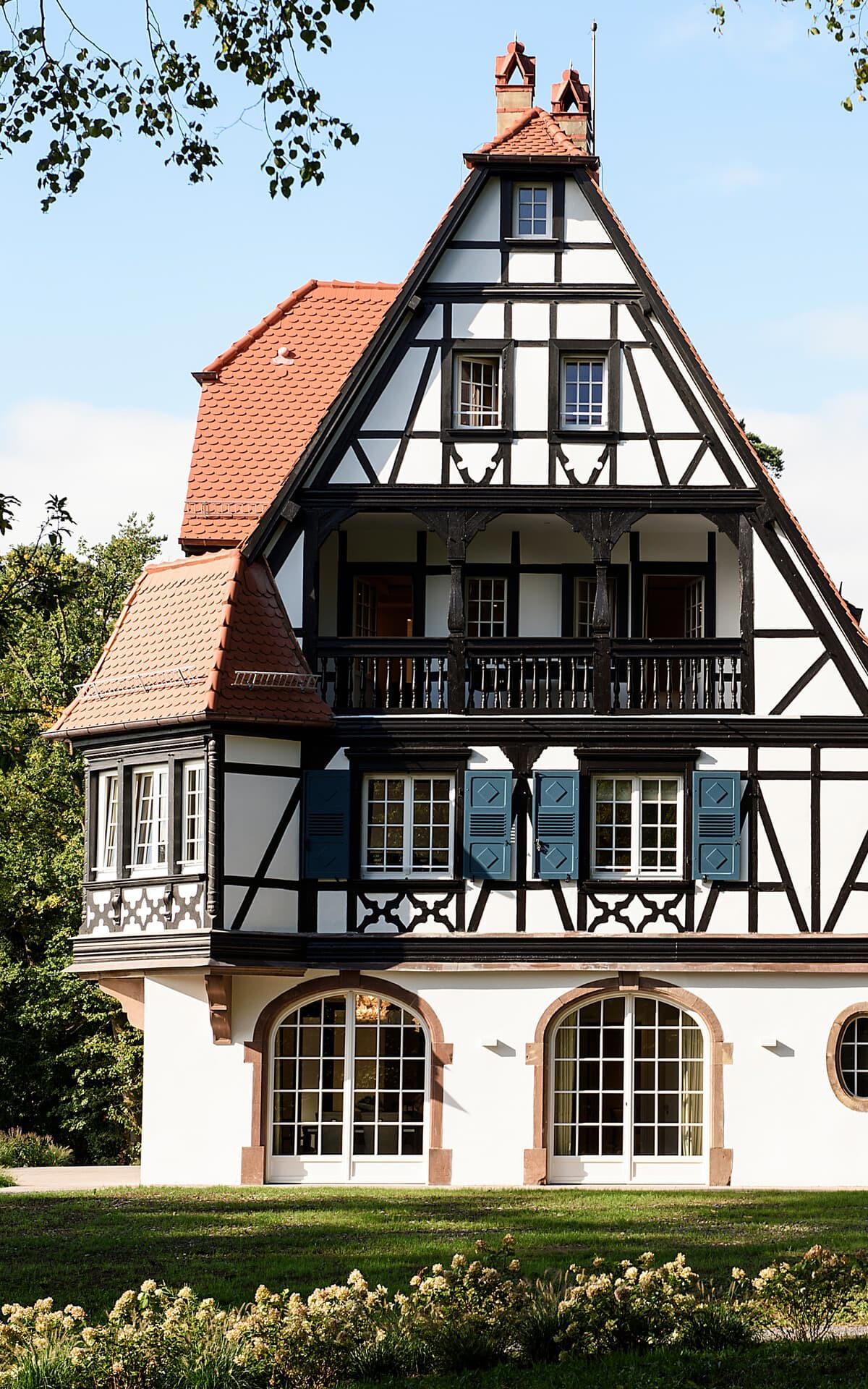
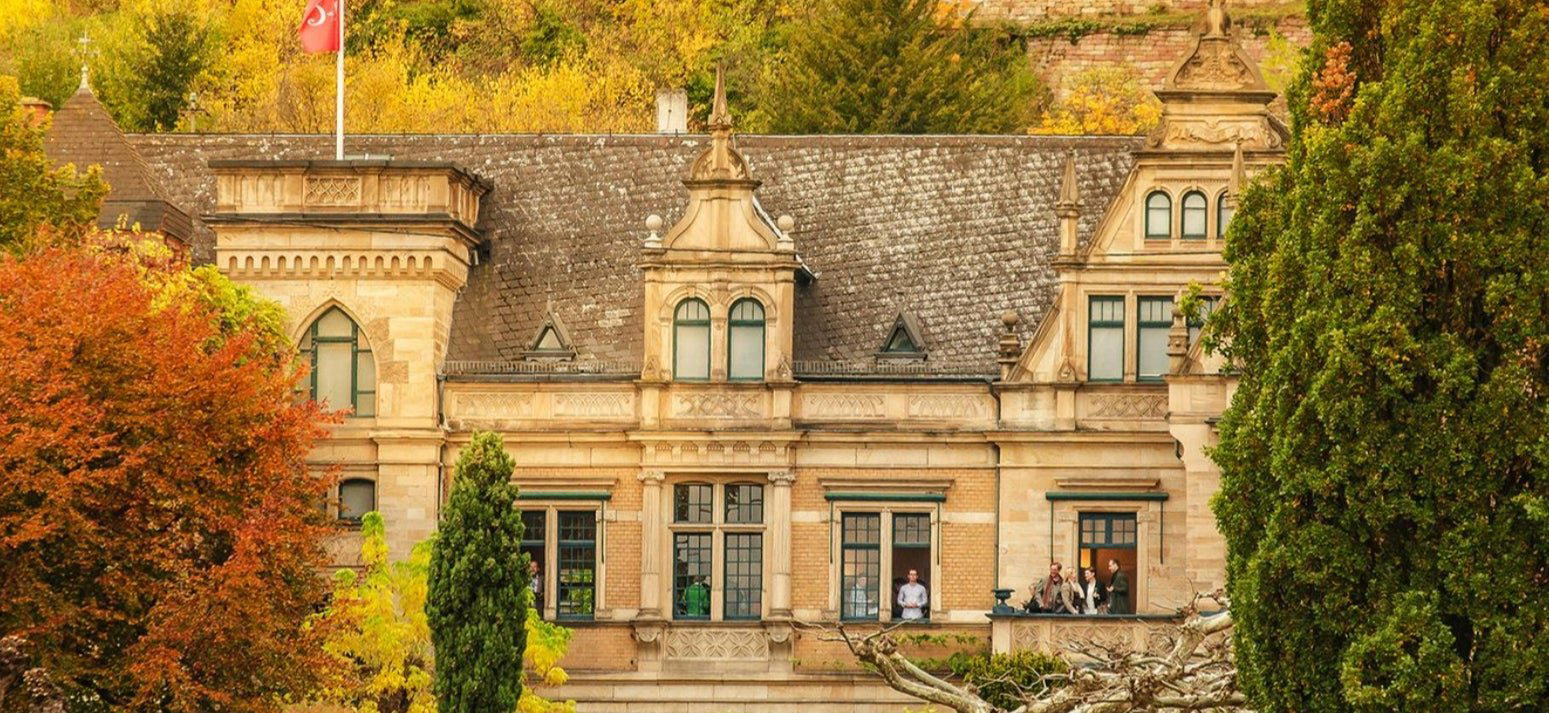
Village auberges in this part of Alsace typically occupy buildings with low ceilings, heavy timber framing, and dining rooms that feel more like an extension of a domestic interior than a purpose-built restaurant space. The social contract at places like Auberge aux deux clefs is different from urban restaurant dining: service is more personal, the pace is set by the kitchen rather than by a turn cycle, and the assumption is that guests have come specifically to eat rather than to be processed through a commercial operation.
That format has a clear precedent in Alsace. The region has a longer tradition than most of French provinces of maintaining serious cooking inside village settings without migrating toward urban markets. The contrast with, say, Alléno Paris au Pavillon Ledoyen or the formal grandeur of Mirazur in Menton is instructive: those houses operate in environments where the dining room itself is part of the proposition. In a village auberge, the room recedes, and what remains is the plate and the producer behind it.
For comparison within the broader French auberge tradition, Auberge du Vieux Puits in Fontjoncouse demonstrates how far a village auberge can travel in terms of recognition without losing its fundamental character. Les Prés d'Eugénie in Eugénie-les-Bains represents a different trajectory, where the village format expanded into a destination property. Auberge aux deux clefs sits in a quieter register than either, consistent with Mertzwiller's position as a working village rather than a gastronomic destination.
How to Place This in the French Dining Hierarchy
France's fine dining infrastructure runs from three-star destination houses, which function more like cultural institutions than restaurants, down through a second tier of serious regional tables operating without major awards, through to village cooking that sustains local communities. The middle and lower tiers of that hierarchy rarely receive coverage proportionate to their role in French culinary culture. Houses like Maison Lameloise in Chagny, Georges Blanc in Vonnas, and Paul Bocuse's Auberge du Pont de Collonges became reference points precisely because they represented regional cooking at a documented, sustained level. The tier below them, where Auberge aux deux clefs operates, is less legible to international visitors but no less real to the communities it serves.
Alsace specifically has a density of serious village cooking that exceeds most French regions, a product of its cross-border culinary identity and the economic self-sufficiency that defined the region's agricultural history. Visitors arriving from further afield, whether from Paris or from internationally-known restaurants like Flocons de Sel in Megève or Le 1947 à Cheval Blanc in Courchevel, will find that the frame of reference shifts substantially when you're eating in a village of fewer than 2,000 people in the northern Bas-Rhin.
Planning a Visit
Mertzwiller sits approximately 40 kilometres north of Strasbourg, accessible by road via the D919 or by regional rail to nearby Niederbronn-les-Bains. The village has limited accommodation options beyond the auberge itself, so guests arriving from Strasbourg or Haguenau typically plan a single meal rather than an overnight stay, though the surrounding Outre-Forêt region warrants more time if you're moving through northern Alsace systematically. Booking directly with the auberge in advance is advisable, particularly on weekends, as capacity in this format is small and local demand is consistent. The auberge is at 21 Rue de Bitche, Mertzwiller, 67580.
Comparison Snapshot
Comparable venues nearby, for context on price, style, and recognition.
| Venue | Cuisine | Price | Awards | Notes |
|---|---|---|---|---|
| Auberge aux deux clefsThis venue — the venue you are viewing | Fine French Seafood Bistro | $$ | , | |
| Meiselocker | Traditional Alsatian Cuisine | $$ | , | Centre |
| Winstub Le Freiberg | Traditional Alsatian Winstub | $$ | , | town center |
| Le 1961 | Contemporary French Seasonal Cuisine | $$ | , | Epfig |
| La Vignette | French Bistro | $$ | , | Robertsau |
| La Grange Gourmande | Traditional Alsatian French | $$ | , | Morschwiller |
Continue exploring
More in Mertzwiller
Restaurants in Mertzwiller
Browse all →
Bars in Mertzwiller
Browse all →
Hotels in Mertzwiller
Browse all →
At a Glance
- Elegant
- Cozy
- Rustic
- Date Night
- Special Occasion
- Family
- Terrace
- Private Dining
- Local Sourcing
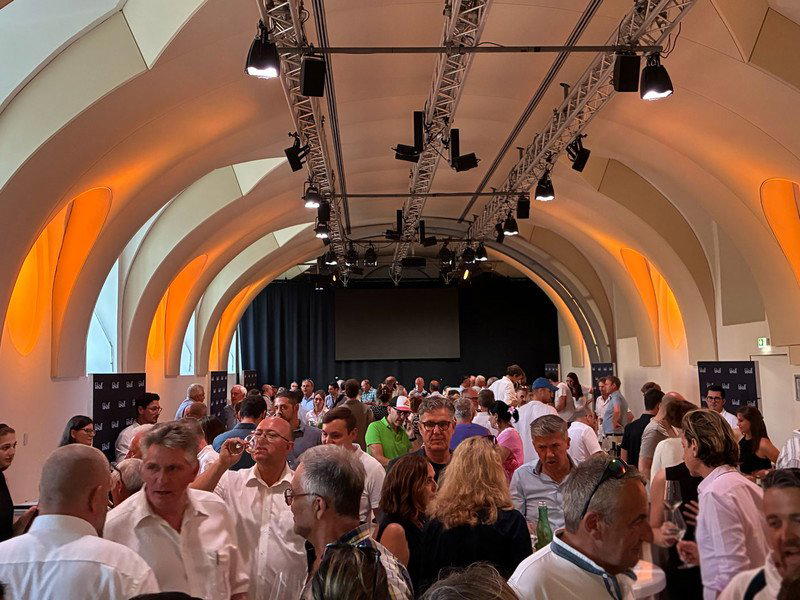
Refined and elegant atmosphere with beautiful furnishings, perfect pacing of courses, and exquisite plate presentations that delight both eyes and palate.