Auberge de la Plaine
Our verdict
Auberge de la Plaine sits on Route de la Plaine in La Rothière, a village in the Aube département of the Champagne region, where the French tradition of the rural auberge, rooted in local produce and honest cooking, remains the governing logic. For travellers who approach French cuisine through its provincial origins rather than its Parisian towers, this is the kind of address that repays the detour. See our full La Rothière guide for broader context.

Pearl is the En Primeur Club membership app, where members save venues, book tables and use the concierge.
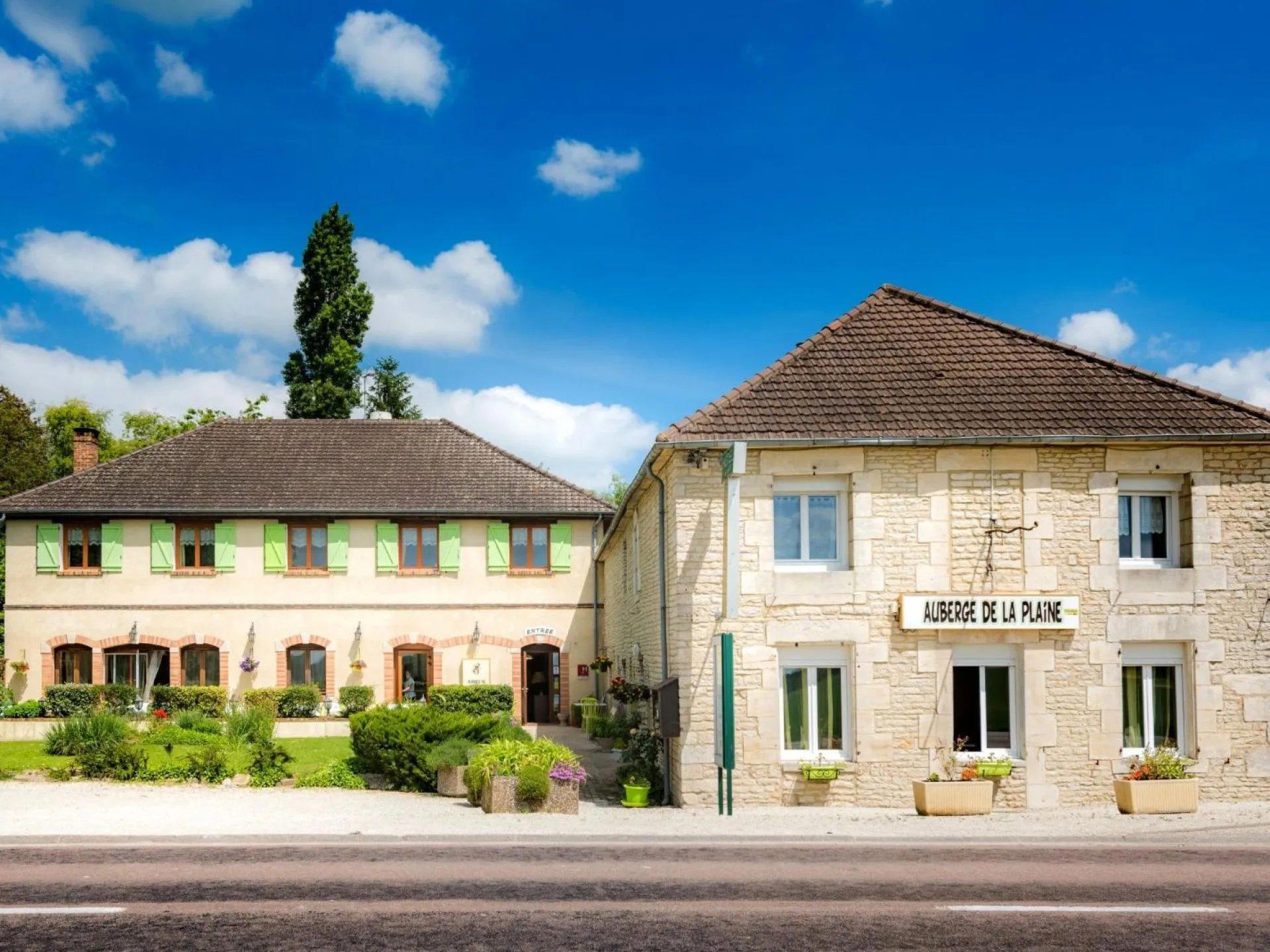
Where Champagne Country's Table Still Connects to the Field
The villages of the Aube sit in a stretch of eastern France that most travellers pass through on their way to somewhere else. That oversight is, in some ways, the point. The Champagne region built its international reputation on what comes out of the bottle, but the food traditions of its rural interior follow a different logic entirely: slow-braised cuts, root vegetables pulled from chalk-heavy soils, freshwater fish from the Seine tributaries, and the kind of cooking that measures itself against the seasons rather than a restaurant trend cycle. In this context, the French country auberge is not a nostalgic format, it is the appropriate response to the place. Our full La Rothiere restaurants guide maps the wider options in the area for those planning a longer stay.
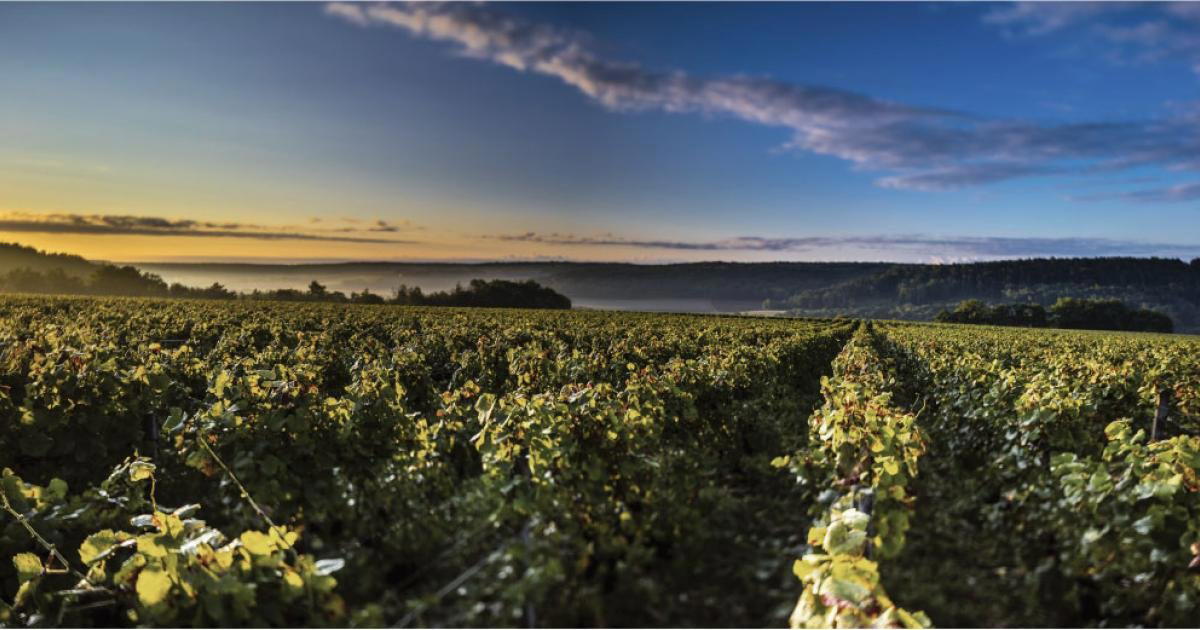
Auberge de la Plaine, addressed at 13-15 Route de la Plaine in La Rothière, occupies exactly this tradition. La Rothière is a small commune in the Aube, leading known historically as the site of an 1814 Napoleonic battle, and the landscape it sits within, open plains, managed woodland, modest rivers, defines the ingredient logic of regional cooking more directly than any menu description could. Rural auberges in this part of France have historically drawn from what surrounds them: game in autumn, wild mushrooms at the margins of harvest season, dairy from nearby farms, and the preserved and fermented preparations that carry a kitchen through leaner months.
The Logic of Place-Based Sourcing in the Aube
Across France's provincial dining tradition, the auberge format has always functioned as a kind of clearinghouse for local agriculture. Unlike the Parisian restaurant, which can source from anywhere and often does, the rural auberge earns its credibility through proximity. Chefs at this level work with a shorter supply radius by necessity and, at their leading, by conviction. The Aube's agricultural output, cereals, beet, livestock, and the freshwater catch of rivers draining the Plateau de Langres, provides a larder that rewards cooking without elaboration.
This is the tradition that separates France's rural table from its more theatrical urban counterpart. Compare the approach at places like Auberge du Vieux Puits in Fontjoncouse or Bras in Laguiole, both of which built their reputations on an intimate relationship with their surrounding terroir, and the principle becomes clear: place-sourced cooking in rural France is not a marketing position. It is a structural feature of how these kitchens have always operated. The same logic governs the established provincial auberges of Alsace, where Auberge de l'Ill in Illhaeusern has demonstrated for decades how regional produce can anchor cooking at the highest level.
For diners accustomed to the chef-driven tasting menus of Paris's leading tables, from Alléno Paris au Pavillon Ledoyen to Mirazur in Menton, this kind of address represents a different value proposition. The appeal is not the pedigree of the chef or the density of the technique; it is the directness of the relationship between what grows nearby and what arrives at the table.
Arriving in La Rothière
La Rothière sits roughly 25 kilometres south of Troyes, a city with its own significant medieval food and textile heritage, and accessible from Paris in under two hours by car via the A5 autoroute. The village is small enough that arrival on Route de la Plaine feels immediate: the plain of the name is not a metaphor. The landscape opens onto agricultural flatland, and the auberge's address on that road places it directly within the working countryside rather than at a scenic remove from it. This is not the manicured Burgundy village tableau familiar from weekend-supplement photography, it is a working agricultural commune, and the dining context reflects that honestly.
For context on what the auberge format looks like when it reaches for Michelin-level ambition, the broader French record is instructive. Maison Lameloise in Chagny, Georges Blanc in Vonnas, and Les Prés d'Eugénie in Eugénie-les-Bains all began as family inns grounded in their regions before accumulating stars over generations. The pattern illustrates how the auberge tradition scales: not through conceptual reinvention, but through accumulated precision applied to local materials. Paul Bocuse's Auberge du Pont de Collonges remains the most cited example of that trajectory in the public record.
Planning a Visit
Travellers planning a visit to La Rothière should confirm directly via the venue's physical address at 13-15 Route de la Plaine, 10500 La Rothière, or through local tourism resources for the Aube département, which maintain up-to-date listings for the area's restaurants. Given the commune's size, advance planning is advisable regardless of format, rural auberges in this region frequently operate on reduced service schedules outside summer and autumn peak periods, and weekend lunch, which remains the primary dining occasion in French provincial culture, may book ahead during those seasons.
For those building a longer itinerary through the region's higher-profile addresses, the comparison set spans a wide range. Mountain auberge cooking in the French Alps peaks at places like Flocons de Sel in Megève and Le 1947 à Cheval Blanc in Courchevel. Further south, the Provence table reads through addresses like L'Oustau de Baumanière in Les Baux, La Vague d'Or in Saint-Tropez, and La Table du Castellet. International extensions of French technique appear across different formats entirely, from Le Bernardin in New York City to the community-driven model at Lazy Bear in San Francisco. The Aube and its table occupy a quieter register than any of these, which is precisely the reason to seek it out. Troisgros in Ouches offers a further reference point for how provincial France has managed the transition between generational cooking and contemporary ambition.
Frequently asked questions
Is Auberge de la Plaine good for families?
The auberge format in rural French villages like La Rothière has historically served as a gathering point for local communities, which tends to make these spaces accommodating across age groups. The address at 13-15 Route de la Plaine places it within a quiet village setting rather than a formal urban dining room. For current seating arrangements or children's options, check the venue's official channels ahead of your visit.
What is the atmosphere like at Auberge de la Plaine?
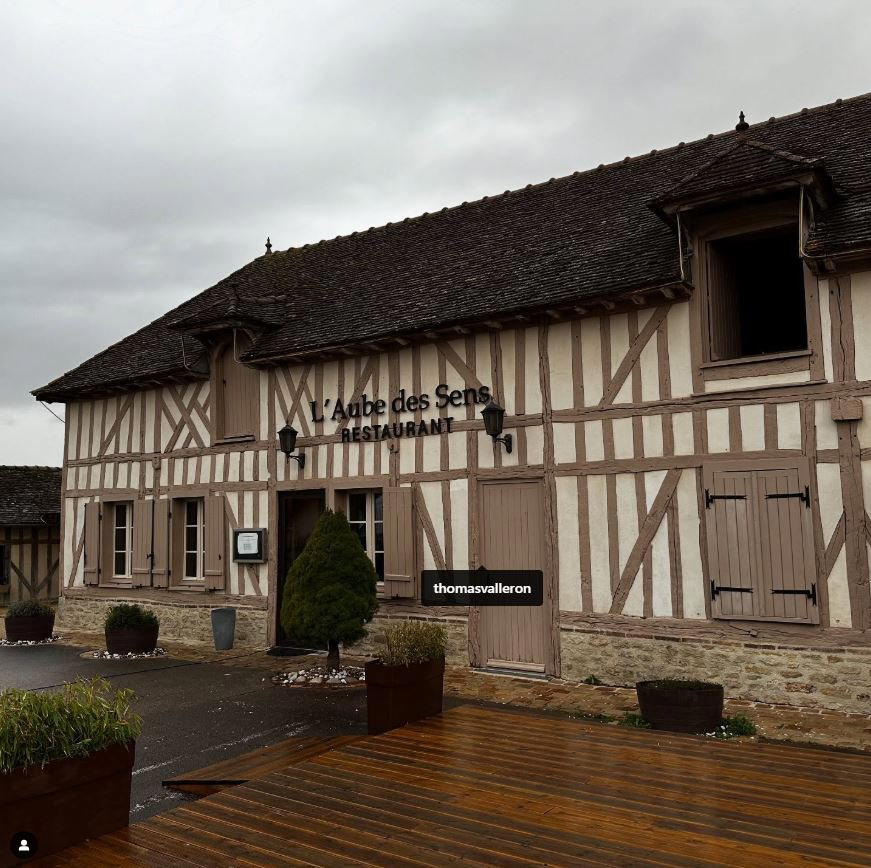
La Rothière sits roughly 25 kilometres south of Troyes in the Aube département, a stretch of eastern France defined by open agricultural land and Champagne-producing villages. An auberge in this context reads as a working country inn rather than a destination restaurant, expect a room that reflects the surrounding landscape rather than performing it. The pace is provincial and unhurried, consistent with the tradition of the format across rural France.
How does Auberge de la Plaine fit into the broader dining tradition of Champagne country's Aube villages?
The Aube sits outside the Marne's more celebrated Champagne corridor, which means its village auberges have developed largely under the radar of major food guides, no awards are currently recorded for Auberge de la Plaine in EP Club's database. Historically, auberges in this part of France function as clearinghouses for local agriculture, with kitchens shaped by what the surrounding farms and producers supply each season. That connection to place-based sourcing is the defining characteristic of the format here, distinct from the chef-driven destination restaurants that draw visitors to Troyes or Reims.
Where do I go for Auberge de la Plaine?
Auberge de la Plaine is located at 13-15 Rte de la Plaine, 10500 La Rothière, France, La Rothiere.
Do I need a reservation for Auberge de la Plaine?
Given La Rothière's small village scale and the limited seating typical of a rural French auberge, booking ahead is sensible rather than optional. Verified phone and online contact details are not currently held in EP Club's database, so travellers should search current local directories or contact the venue through regional tourism resources for the Aube. Arriving without a reservation in a village of this size carries real risk of a closed door.
What makes Auberge de la Plaine worth seeking out?
The Aube is one of the stretches of Champagne country that most travellers cross without stopping, which keeps places like Auberge de la Plaine operating for a local audience rather than a tourist circuit. That distinction matters: an auberge sustained by regional custom rather than visitor footfall tends to reflect the actual food culture of its area more accurately than equivalents in higher-profile destinations. La Rothière's position 25 kilometres south of Troyes makes it a credible stop for anyone moving through eastern France with time to detour off the main axis.
Comparison Snapshot
| Venue | Cuisine | Price | Awards | Notes |
|---|---|---|---|---|
| Auberge de la PlaineThis venue (the venue you are viewing) | Traditional French Countryside Bistro | $20–30 | Not listed | Not listed |
| Mirazur | Modern French Fine Dining | $300–500 | 3 Michelin Stars · World's 50 Best #1 | Modern French, Creative |
| Alléno Paris au Pavillon Ledoyen | Modern French Fine Dining | $150–200 | 3 Michelin Stars · World's 50 Best #79 | Creative |
| Kei | Modern French with Japanese Influences | $300–500 | 3 Michelin Stars · World's 50 Best #93 | Contemporary French, Modern Cuisine |
| L'Ambroisie | Classic French Haute Cuisine | $300–500 | 2 Michelin Stars · World's 50 Best #23 | French, Classic Cuisine |
| Le Cinq - Four Seasons Hôtel George V | Modern French Fine Dining | $300–500 | 3 Michelin Stars · World's 50 Best #24 | French, Modern Cuisine |
Continue exploring
More in La Rothiere
Restaurants in La Rothiere
All restaurants in La Rothiere →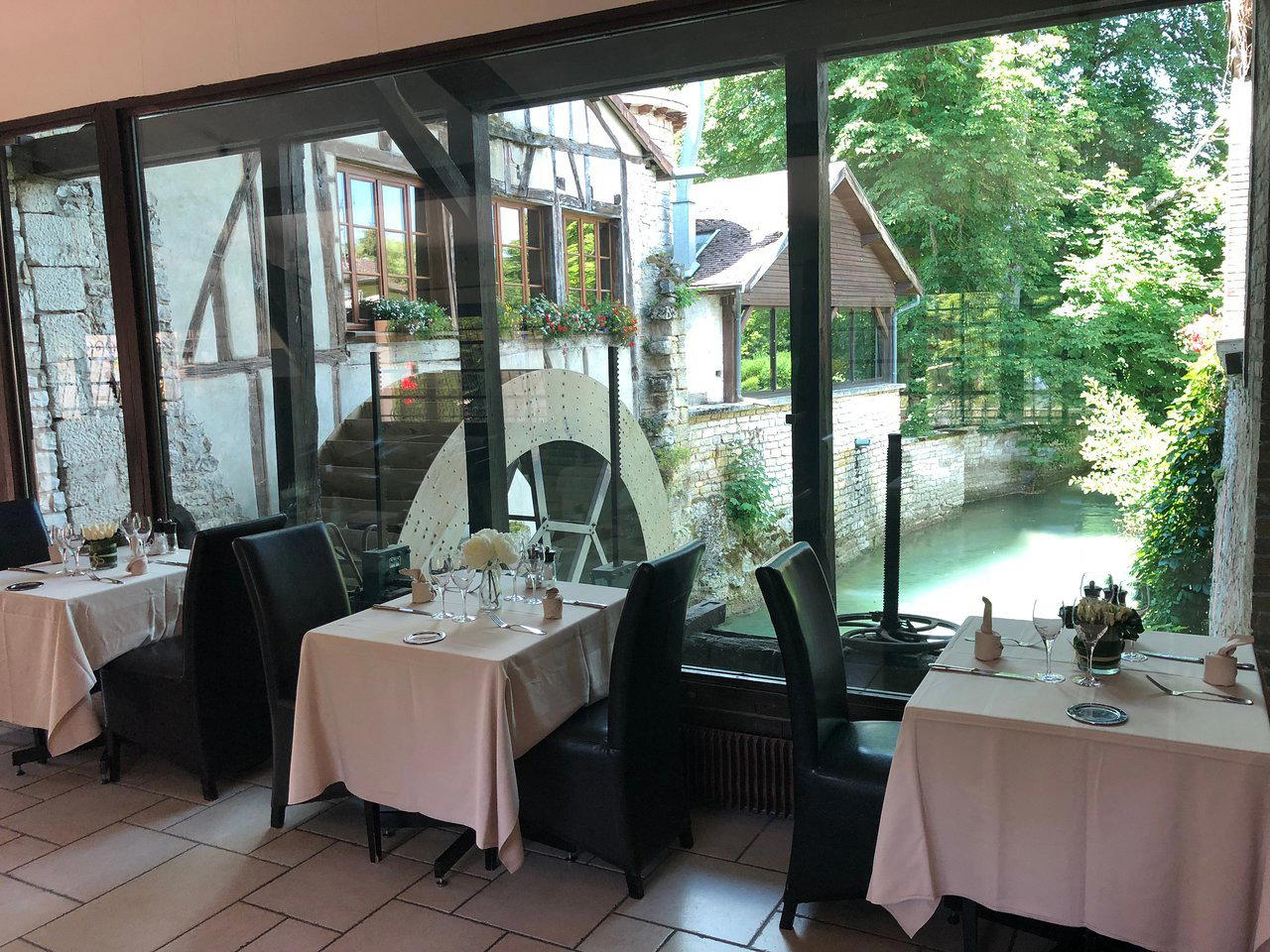
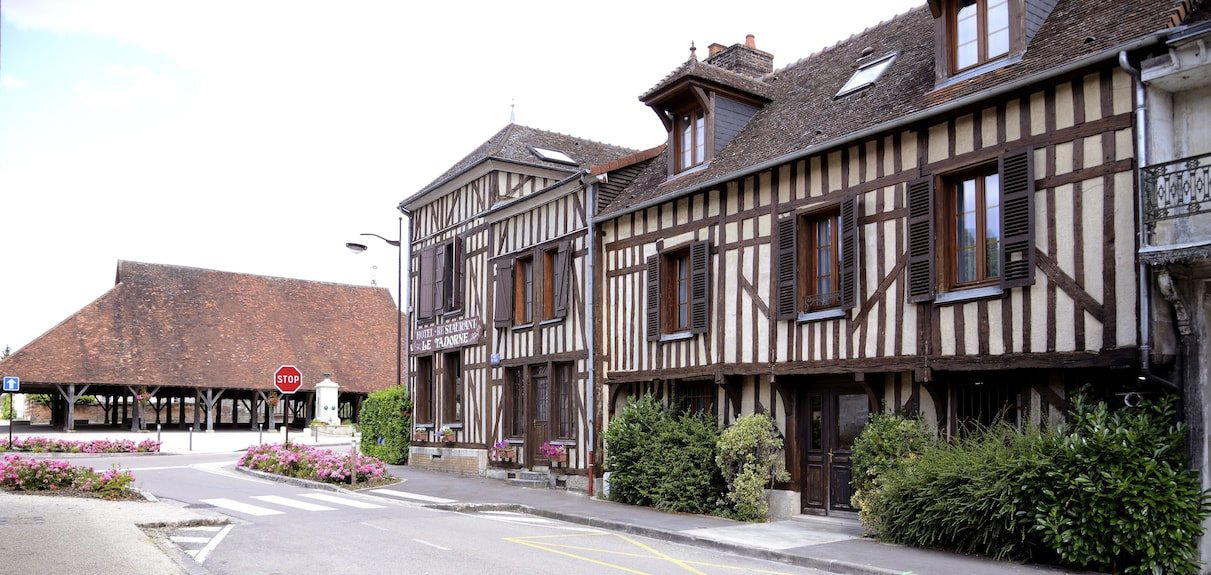
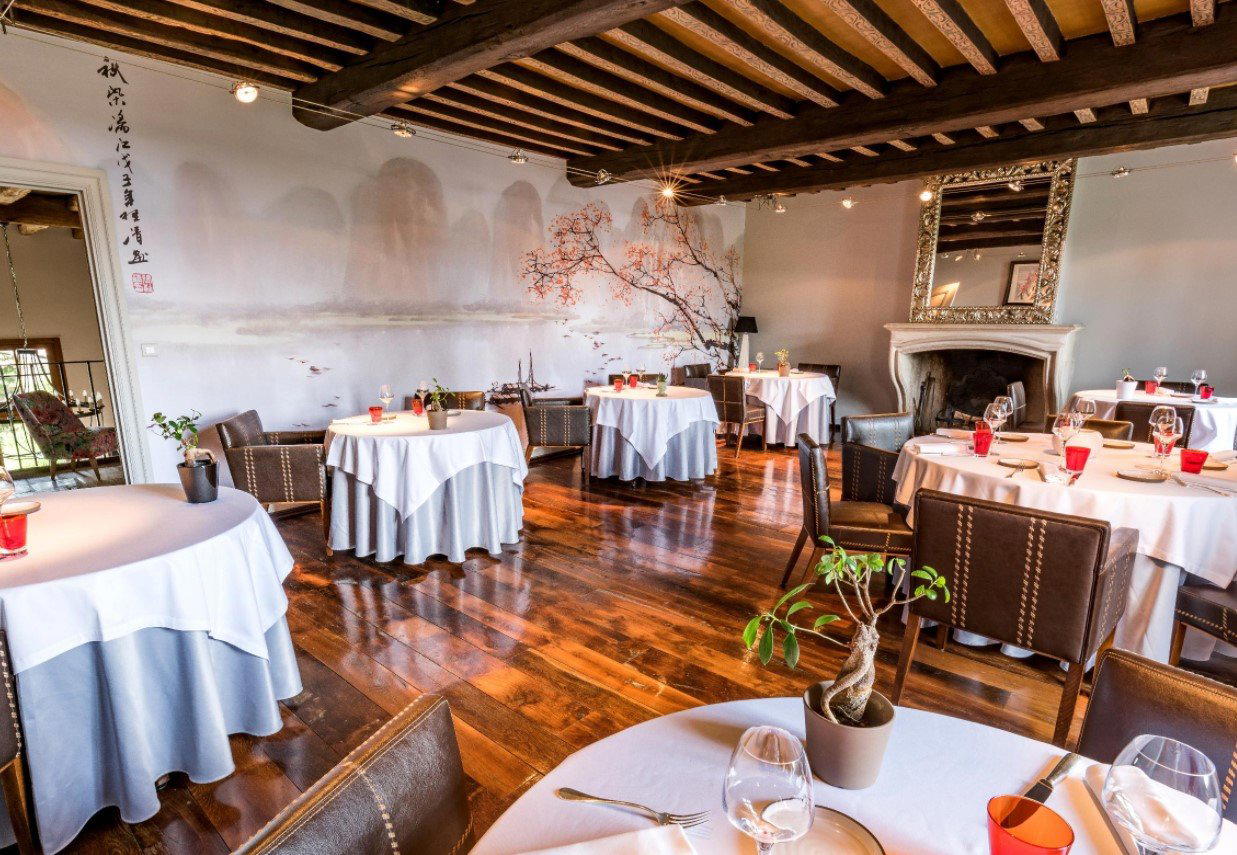
Hotels in La Rothiere
Browse all →


Details
- Rustic
- Cozy
- Classic
- Quiet
- Family
- Group Dining
- Casual Hangout
- Special Occasion
- Terrace
- Garden
- Hotel Restaurant
- Local Sourcing
- Farm To Table
- Garden
- A La Carte
- Set Menu
- Vegetarian Friendly
- Allergy Accommodating
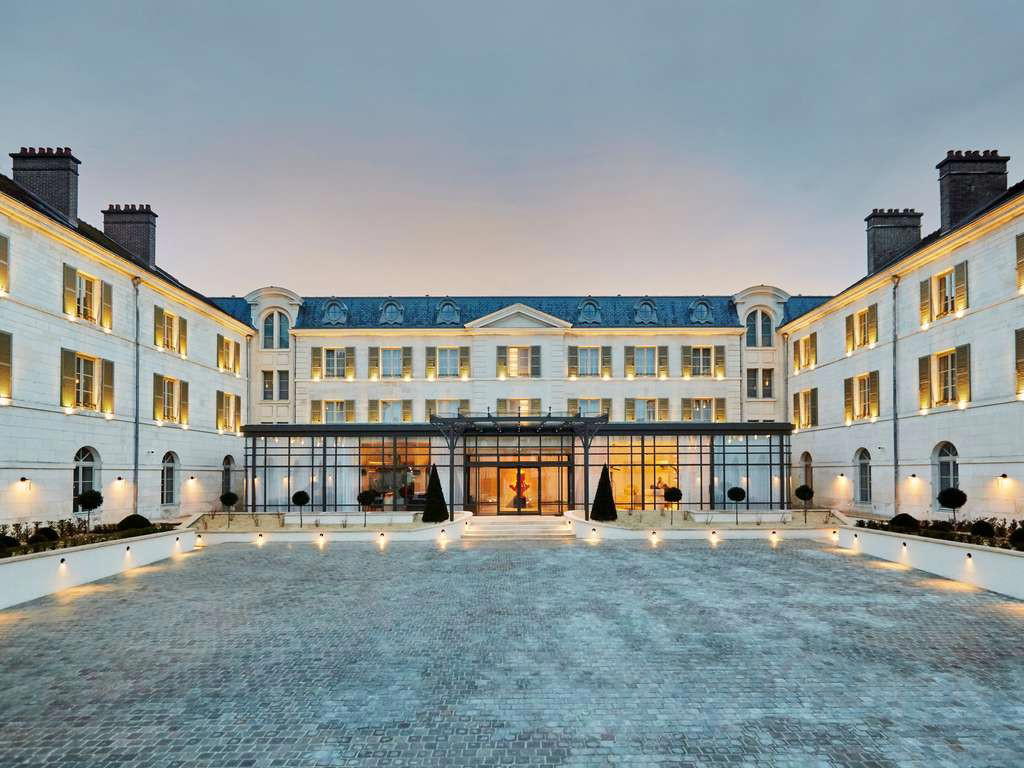
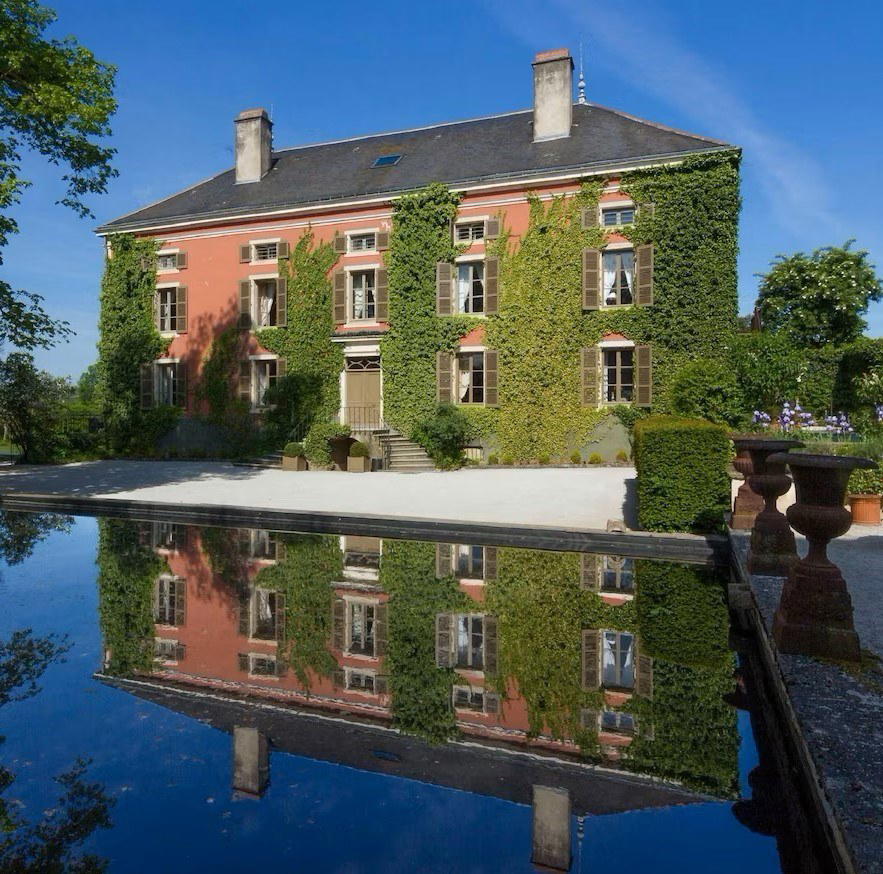
Warm and authentic setting with a charming, family-run atmosphere; guests describe it as peaceful and welcoming with beautiful natural surroundings.