Augustiner Stammhaus on Neuhauser Strasse is Munich's most historically grounded beer hall, operating from the same central address for generations and serving Augustiner's own unfiltered lager directly from wooden barrels. Where Munich's fine-dining tier runs toward tasting menus and international technique, the Stammhaus holds a different position: the city's institutional benchmark for traditional Bavarian hospitality at volume and without pretension.
Pearl is the En Primeur Club membership app — saves, bookings, and concierge access live there. Same editors, same standards.
- Address
- Neuhauser Str. 27, 80331 München, Germany
- Phone
- +49 89 23183257
- Website
- augustiner-restaurant.com
- Directions
- Get directions
 Saves & bookings on Pearl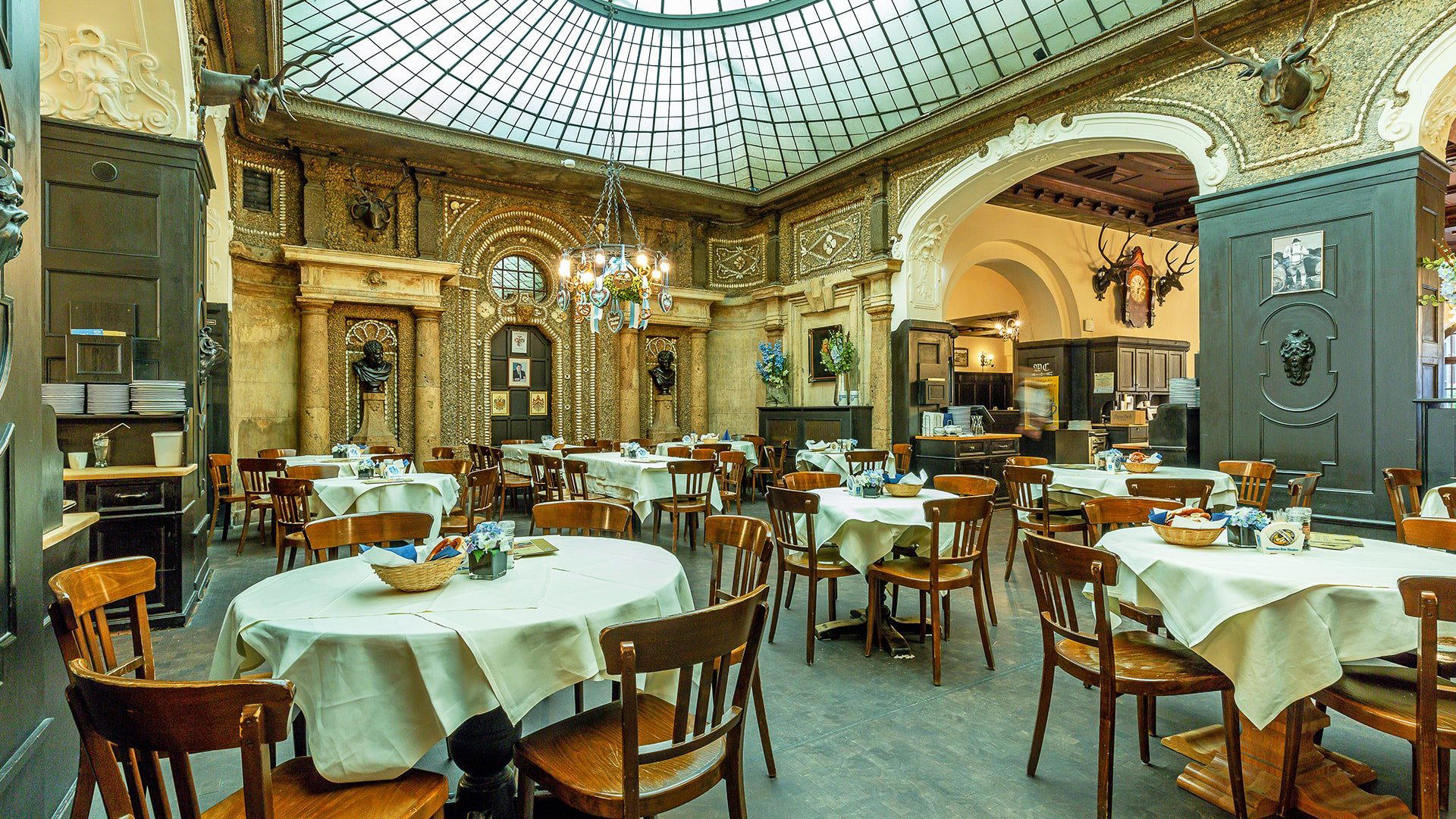
The Weight of a Central Address
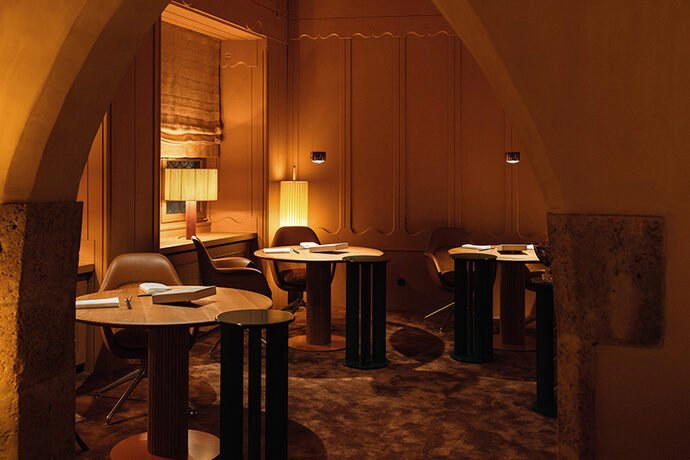
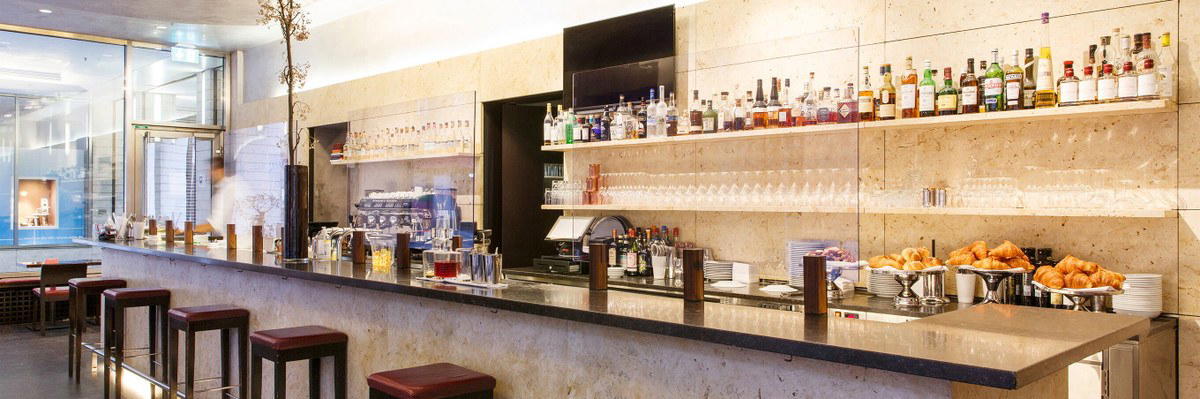
Neuhauser Strasse is Munich's pedestrian spine, a corridor that connects the Stachus to Marienplatz through a steady press of locals, commuters, and visitors. Most of the street's commercial life belongs to chain retail and fast food. Augustiner Stammhaus at number 27 is the exception: a multi-storey building with a facade that signals age in a way its neighbours do not, and an interior that moves between a ground-floor restaurant, a vaulted cellar, and an upper hall, each operating at a different register of noise and formality. Walking in off the street, the shift is immediate. The ceiling height, the wood panelling, the long communal tables, and the particular amber quality of the light all belong to a specific vernacular of Bavarian civic dining that was established before anyone now living first visited.
How the Stammhaus Has Changed, and What Has Not
The evolution of Munich's drinking and dining culture over the past three decades has been considerable. Tantris, which shaped the city's appetite for formal French technique, to newer wave operators like Tohru in der Schreiberei and JAN, whose creative menus reflect a generation of chefs trained across Europe and Asia. At the other pole, the Stammhaus has not chased that trajectory. Its identity is tied to continuity rather than reinvention, and that positioning has itself become more legible over time as the contrast with the fine-dining tier has grown sharper.
What has shifted at the Stammhaus is more atmospheric than structural. The hall that was once primarily the domain of Münchners going about ordinary life now draws a substantial international audience, partly because the address sits directly on a major tourist corridor. The guest mix has changed; the format has not. Augustiner's own beer, drawn from wooden barrels rather than metal kegs in the ground-floor Fassanstich area, remains the organising logic of the operation. The brewery and the Stammhaus share ownership, which means the beer served here has a direct-source relationship that the city's other central beer halls cannot replicate.
Schwarzwaldstube in Baiersbronn, Aqua in Wolfsburg, and Vendôme in Bergisch Gladbach operate at a level of technical ambition that has little to do with the Stammhaus's reference points. Even within Munich, Alois - Dallmayr Fine Dining and Atelier represent a category of restaurant whose menus and pricing structures occupy a different economy entirely. The Stammhaus's staying power is not about competing in that space. It is about remaining legible as the thing the fine-dining tier is not: walk-in, communal, priced for regular use, and organised around a single brewery's product.
The Beer Hall Format in Context
Bavaria's beer hall tradition is sometimes reduced to Oktoberfest shorthand, which obscures how genuinely functional the format has been in Munich's social life. The Stammhaus model, specifically, predates the tourist economy that now surrounds it. Multiple rooms allow different intensities of visit: the cellar works for groups wanting a degree of separation from the street-level crowd; the main hall functions as the civic room that beer halls historically served, where seating is not reserved and tables are shared as a matter of course. That layout is not a design choice made for atmosphere. It is the operational form the institution has carried across its history.
CODA Dessert Dining in Berlin and ES:SENZ in Grassau represent the direction German dining has moved in terms of format innovation and tasting-menu architecture. Schanz in Piesport, Waldhotel Sonnora in Dreis, and Restaurant Haerlin in Hamburg each run on pre-booked covers, set-menu logic, and a degree of formality that requires planning. The Stammhaus operates on none of those terms. Visiting requires no advance decision beyond showing up and finding a seat, which at peak hours in summer can take patience but is not structurally blocked the way a reserved fine-dining room is.
What to Order and What to Expect
The kitchen at the Stammhaus runs Bavarian standards: roast pork, pretzels, white sausages with sweet mustard, and the category of cold-cut and cheese plates that have served as beer hall accompaniments for as long as the format has existed. These dishes are not ambitious in the way that the menus at Victor's Fine Dining by Christian Bau in Perl or Bagatelle in Trier are ambitious. They are calibrated for volume, for pairing with a one-litre Maß of lager, and for the particular satisfaction of food that is exactly what it presents itself to be. The wooden-barrel service of Augustiner Edelstoff lager is the item that draws particularly consistent comment from visitors familiar with the brewery's output in other contexts. Unfiltered beer drawn from wood rather than metal has a different mouthfeel and a shorter shelf life, which makes the Stammhaus one of the few Munich addresses where the beer is structurally different from what you would receive from a standard keg.
For dietary adjustments, the kitchen's format is not well-suited to extensive modification. The menu is traditional, ingredient lists are largely fixed, and the volume of service in the main hall does not create conditions for detailed customisation. Guests with specific dietary requirements are better served by contacting the restaurant directly before visiting; the address at Neuhauser Strasse 27 is the starting point for any such inquiry, and approaching the host or service staff on arrival is the practical route.
Planning Your Visit
The Stammhaus sits within walking distance of central Munich's main S-Bahn stops, making it accessible without a taxi or rideshare from most central neighbourhoods. Walk-in access is standard, though the main hall operates on shared tables and the cellar may have capacity limits during busy periods, particularly in summer and during major events. Arriving before the main lunch or dinner surge is a reliable way to secure a seat without a wait.
The Short List
Comparable venues nearby, for context on price, style, and recognition.
| Venue | Cuisine | Price | Notes |
|---|---|---|---|
| Augustiner StammhausThis venue — the venue you are viewing | Not listed | $$ | Not listed |
| Schneider Weisse Bräuhaus | Not listed | $$ | Zamdorf, Traditional Bavarian Brewery Tavern |
| Deutsche Eiche | Isarvorstadt, Modern Bavarian | $$ | Not listed |
| Augustiner-Keller | Not listed | $$ | Neuhausen, Traditional Bavarian Beer Garden |
| Wirtshaus in der Au | Not listed | $$ | Au, Traditional Bavarian with Innovative Dumplings |
| Haxengrill | Lehel, Traditional Bavarian Grill | $$ | Not listed |
At a Glance
- Classic
- Rustic
- Well Known
- Cozy
- Group Dining
- Casual Hangout
- After Work
- Late Night
- Historic Building
- Open Kitchen
- Courtyard
- Beer Program
- Local Sourcing
- Garden
- Street Scene
Current opening hours
- Monday
- 10 AM–12 AM
- Tuesday
- 10 AM–12 AM
- Wednesday
- 10 AM–12 AM
- Thursday
- 10 AM–12 AM
- Friday
- 10 AM–12 AM
- Saturday
- 10 AM–12 AM
- Sunday
- 11 AM–10 PM
Hours can change for holidays and private events. Last verified .
Hearty and traditional atmosphere in a bustling beer hall with a calm courtyard garden oasis hidden from the pedestrian zone.