August West Wine
August West Wine operates out of San Francisco's Bayview-Hunters Point corridor, occupying a warehouse-style address on Barneveld Avenue that signals its position firmly within the city's producer-direct wine scene. The operation sits at some distance from the Michelin-dense corridors of SoMa and the Financial District, placing it in a tier of SF wine destinations defined by access and intention rather than foot traffic or marquee recognition.
Pearl is the En Primeur Club membership app — saves, bookings, and concierge access live there. Same editors, same standards.
- Address
- 540 Barneveld Ave ste k, San Francisco, CA 94124
- Phone
- +14152252891
- Website
- augustwestwine.com
- Directions
- Get directions
 Saves & bookings on Pearl
Getting to August West Wine: What the Address Tells You Before You Arrive
August West Wine is a wine bar for small plates in San Francisco, with a typical spend of about $50 per person. San Francisco's wine culture has fractured productively over the past decade. At the leading end, restaurants like Saison and Benu carry lists curated by full-time sommeliers working against $$$$ tasting menus, where the wine program functions as a counterpart to the kitchen. A separate, smaller tier has grown alongside that: producer-focused operations occupying industrial space, removing the restaurant intermediary, and pricing closer to wholesale reality. August West Wine, at 540 Barneveld Ave in San Francisco's Bayview-Hunters Point district, belongs to that second category.
The Barneveld Avenue address is the first piece of planning intelligence any visitor needs. This is not a walk-in destination on the way between neighborhoods. Bayview-Hunters Point sits southeast of the better-trafficked dining corridors, and the suite-and-warehouse format of the block means the experience begins with a deliberate journey rather than a spontaneous detour. That deliberateness is, in part, the point: operations like this one attract visitors who have done homework, not passersby drawn in by a restaurant-row window display.
The Broader Context: SF's Industrial Wine Corridor
Cities with strong winemaking traditions in their surrounding regions often develop industrial-zone wine clusters inside city limits, where producers can maintain a tasting presence without the overhead of a traditional retail or restaurant setup. San Francisco has seen this pattern develop in Dogpatch, the Portola, and along the southeastern industrial corridors. These spaces allow small producers to bypass the three-tier distribution model, sell direct, and maintain a connection to the urban consumer base that sustains California's wine economy.
For comparison, the restaurant-attached wine experience at a place like Quince or Atelier Crenn is built on a fundamentally different premise: wine serves the meal, and the program is curated accordingly. At producer-direct operations, the wine is the event. That shift in premise changes how you plan a visit, what you expect when you arrive, and how you evaluate the experience afterward.
Further afield, the wine-as-destination model has been refined at operations like SingleThread Farm in Healdsburg, where the wine program is deeply integrated into the restaurant experience, or at Frasca Food & Wine in Boulder, where the wine identity anchors the room's entire editorial point of view. The restaurant operates without that restaurant scaffold, which means the wine carries the full weight of the visit on its own terms.
Planning a Visit: The Booking Angle
The restaurant is open Thursday through Sunday from 10 AM to 5 PM.
The editorial angle here is not distinctive to the restaurant. Across the American urban winery scene, from SoMa to Brooklyn's Red Hook to Chicago's Fulton Market, producer-direct tasting operations have moved toward appointment or pre-registration models to manage foot traffic and give serious visitors the attention the format requires. San Francisco visitors who have planned tasting appointments at Napa producers, or who have navigated allocation lists for wines at restaurants like The French Laundry, will recognize the pattern: access is earned through planning, not assumed on arrival.
If you are building a wider SF wine and dining itinerary around this visit, the city's concentration of serious programs at places like Lazy Bear means you can pair an afternoon in Bayview with an evening in a different part of the city without difficulty, provided you plan transit time. The Barneveld Avenue location is accessible by car; parking availability in the light-industrial block is typically easier than in denser neighborhoods, which is a practical advantage for multi-stop itineraries.
August West Wine in the San Francisco Wine Scene
San Francisco's position as a wine city derives almost entirely from proximity: proximity to Napa, Sonoma, the Santa Cruz Mountains, and the Sta. Rita Hills. The city itself produces no grapes, but it functions as a tasting capital because producers across all those appellations maintain urban footholds here. The result is a wine scene that rewards exploration beyond the obvious restaurant lists. For the visitor willing to travel to Bayview or Dogpatch, the city's industrial wine corridor offers access to producers at price points and with directness that the restaurant channel cannot replicate.
Within that context, the restaurant represents a format that has become increasingly common in cities with high wine literacy and proximity to producing regions. It competes less with the $$$$ restaurant programs at Benu than with other urban producer-direct operations, and for the visitor whose primary goal is the wine itself, rather than wine-as-accompaniment-to-cuisine, that distinction matters significantly. Operations in comparable positions in other cities include the kind of chef-driven wine destinations found at Blue Hill at Stone Barns or Providence in Los Angeles, though both of those embed wine within ambitious restaurant formats rather than presenting it standalone.
Practical Planning
| Venue | Type | Price Tier | Booking Complexity | Location Zone |
|---|---|---|---|---|
| The restaurant | Producer-direct wine | Not confirmed | Confirm access before visiting | Bayview-Hunters Point |
| Saison | Progressive American | $$$$ | Reserve well in advance | SoMa |
| Lazy Bear | Progressive American | $$$$ | Ticket-based, books ahead | Mission |
| Atelier Crenn | Modern French | $$$$ | Reserve well in advance | Cow Hollow |
| Quince | Italian, Contemporary | $$$$ | Reserve well in advance | Jackson Square |
A Quick Peer Check
Comparable venues nearby, for context on price, style, and recognition.
| Venue | Cuisine | Price | Notes |
|---|---|---|---|
| August West WineThis venue — the venue you are viewing | Wine Bar Small Plates | $$$ | Not listed |
| Paulie's Pickling | Cali-Jewish Deli & Pickles | $$ | Bernal Heights |
| Leopold's | Authentic Austrian Gasthaus | $$$ | Russian Hill |
| Tselogs | Filipino Silogs | $$ | Tenderloin |
| Sforno | Neapolitan Pizzeria | $$$ | Hayes Valley |
| Presidio Social Club | California Comfort Cuisine | $$$ | Presidio |
Continue exploring
More in San Francisco
Restaurants in San Francisco
Browse all →
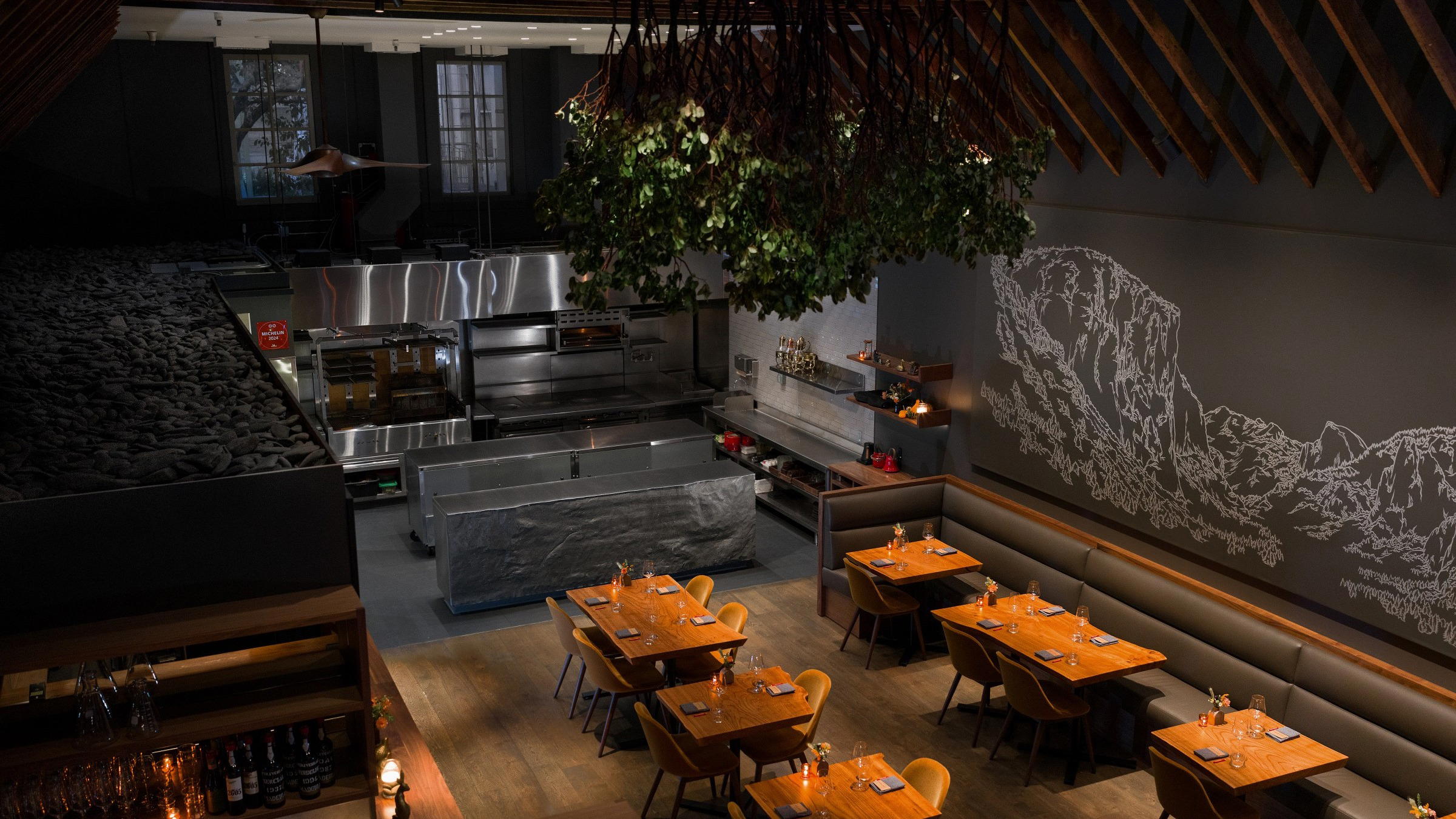
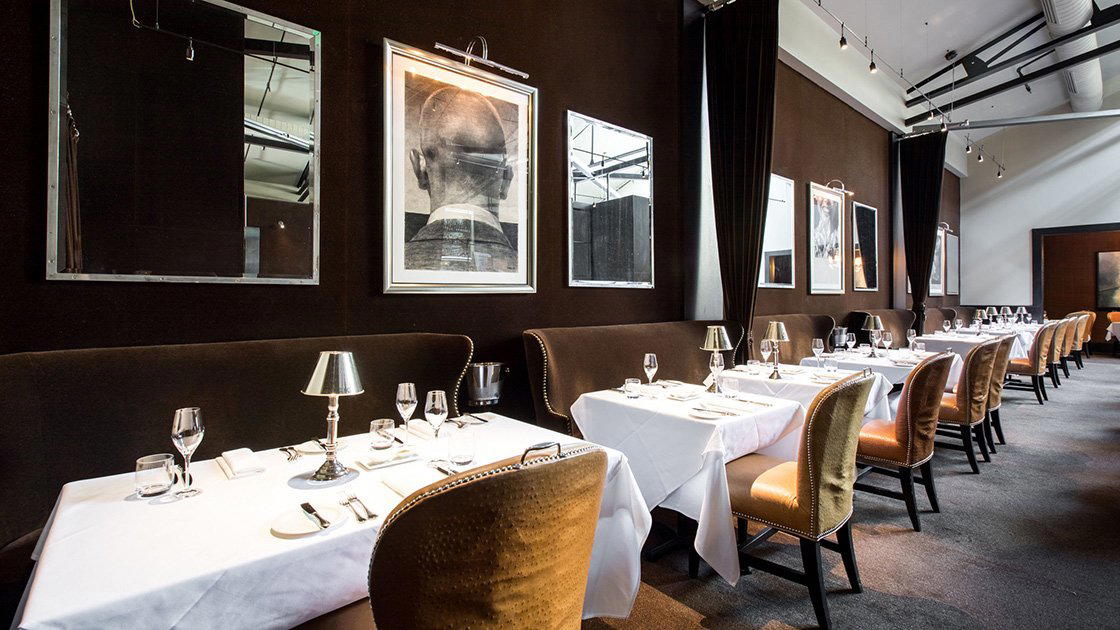
Bars in San Francisco
Browse all →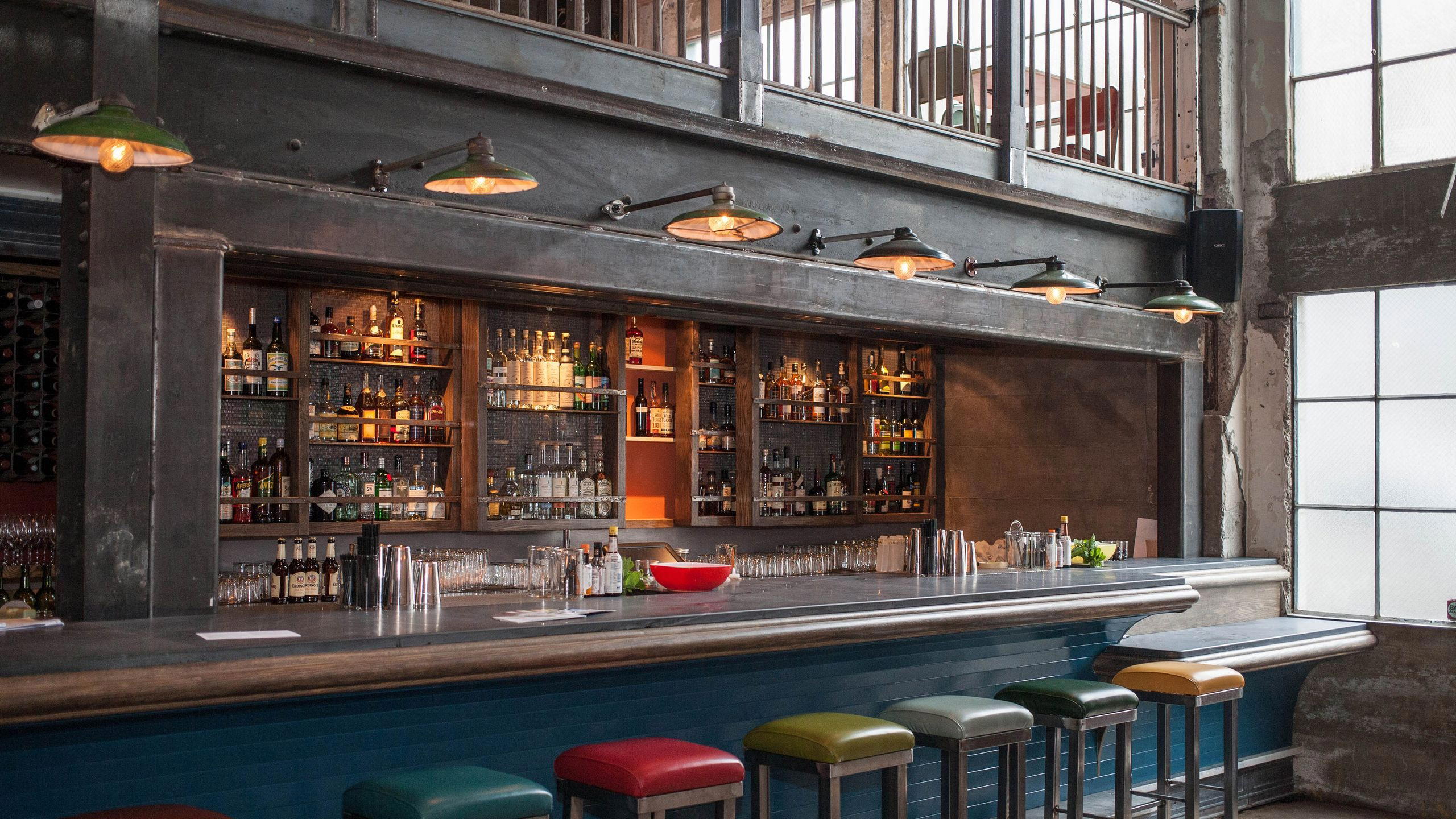
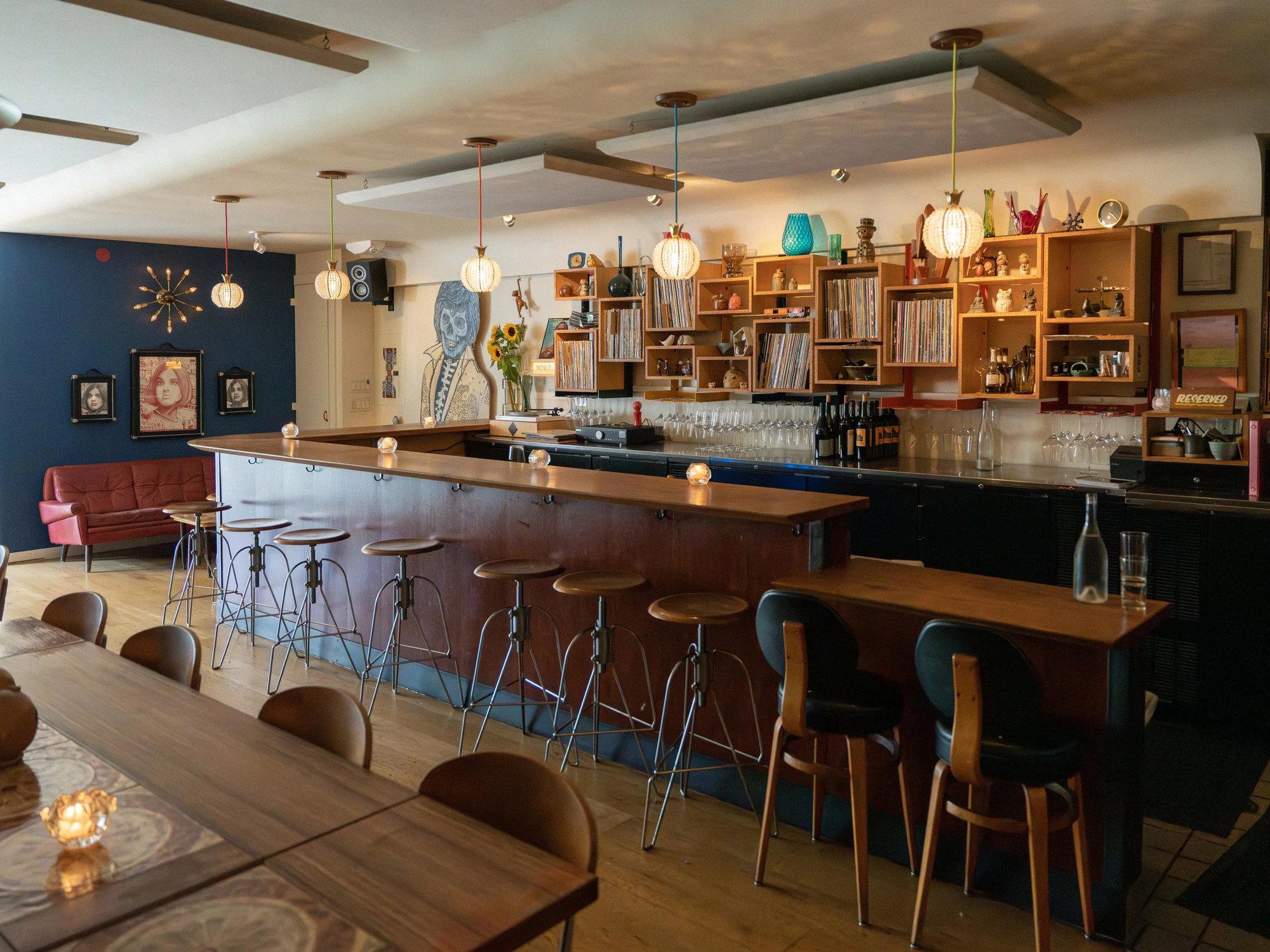
Hotels in San Francisco
Browse all →
At a Glance
- Cozy
- Intimate
- Elegant
- Date Night
- Casual Hangout
- Wine Cellar
- Extensive Wine List
- Local Sourcing
Current opening hours
- Monday
- Closed
- Tuesday
- Closed
- Wednesday
- Closed
- Thursday
- 10 AM–5 PM
- Friday
- 10 AM–5 PM
- Saturday
- 10 AM–5 PM
- Sunday
- 10 AM–5 PM
Hours can change for holidays and private events. Last verified .
Cozy and relaxed atmosphere ideal for unwinding with high-quality wines and seasonal small plates.