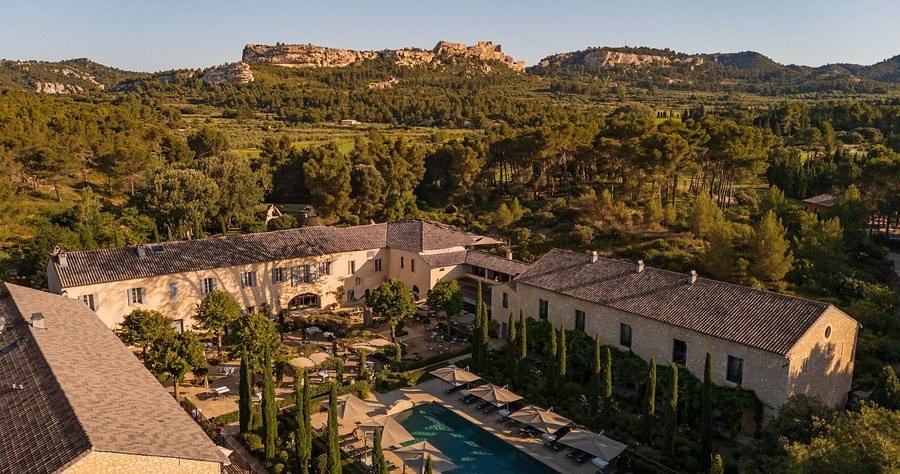
Set along the D28 route outside the village of Noves in the Alpilles corridor, Auberge de Noves occupies the kind of Provençal country house that defines a certain tradition of French destination dining: removed from city circuits, anchored to its landscape, and more interested in what grows nearby than what trends elsewhere. For travellers already considering the region's serious restaurant table, it belongs in the same planning conversation as L'Oustau de Baumanière.
Pearl is the En Primeur Club membership app — saves, bookings, and concierge access live there. Same editors, same standards.
- Address
- Route de Châteaurenard, D28, 13550 Noves, France
- Phone
- +33490242828
- Website
- aubergedenoves.com
- Directions
- Get directions
 Saves & bookings on Pearl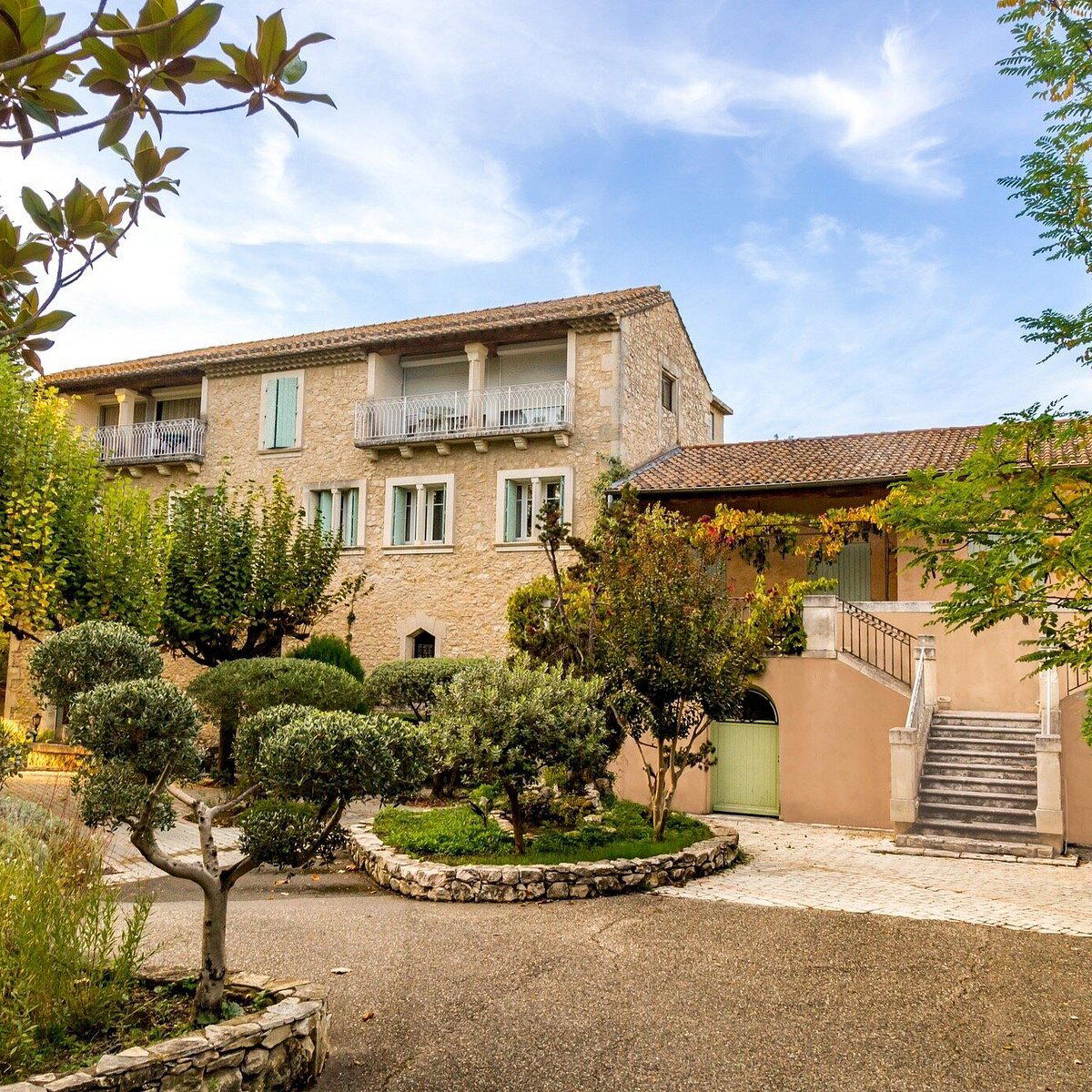
The Provençal Auberge Tradition and Where Noves Fits
There is a specific type of French dining address that exists outside the urban Michelin circuit: the country auberge, positioned along a departmental road, surrounded by agricultural land, and built around the premise that proximity to good produce is itself a form of cuisine. The Alpilles and Luberon corridors of Provence have sustained several such addresses across decades, and Auberge de Noves, reached via the D28 route near Châteaurenard in the Bouches-du-Rhône, belongs to that tradition. It is the kind of place where the setting does real argumentative work before any plate arrives.
The broader context matters for understanding the address. Provence's serious restaurant table has historically split between the higher-profile Baux-de-Provence axis, anchored by L'Oustau de Baumanière in Les Baux, and quieter, less-trafficked spots that attract a more deliberate clientele. Noves sits firmly in the latter camp: a small Alpilles village with no particular tourist infrastructure, which means the dining room at Auberge de Noves draws people who have specifically sought it out rather than wandered in from a nearby attraction. That self-selection tends to shape a certain kind of room.
Arriving on the D28: What the Setting Signals
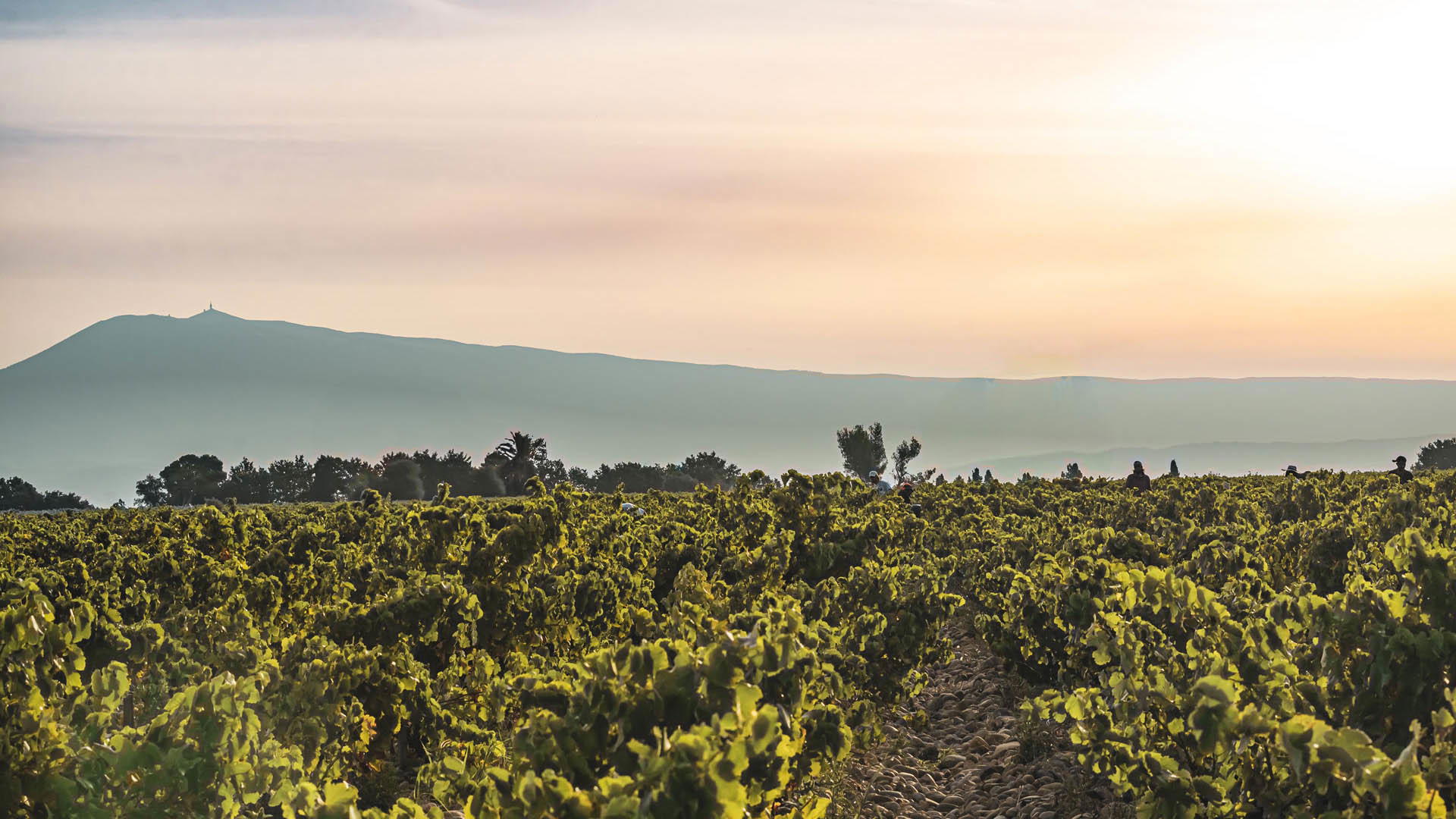
The approach along the Route de Châteaurenard through flat agricultural terrain, garrigue scrub, and orchards is itself a form of editorial statement. This is the productive interior of Provence, where the Alpilles meet the plains of the Durance valley, and where market gardening, olive cultivation, and small-scale farming remain economically active rather than decorative. Arriving at an auberge set into this kind of working countryside primes expectations in a particular direction: the sourcing story writes itself before the menu appears.
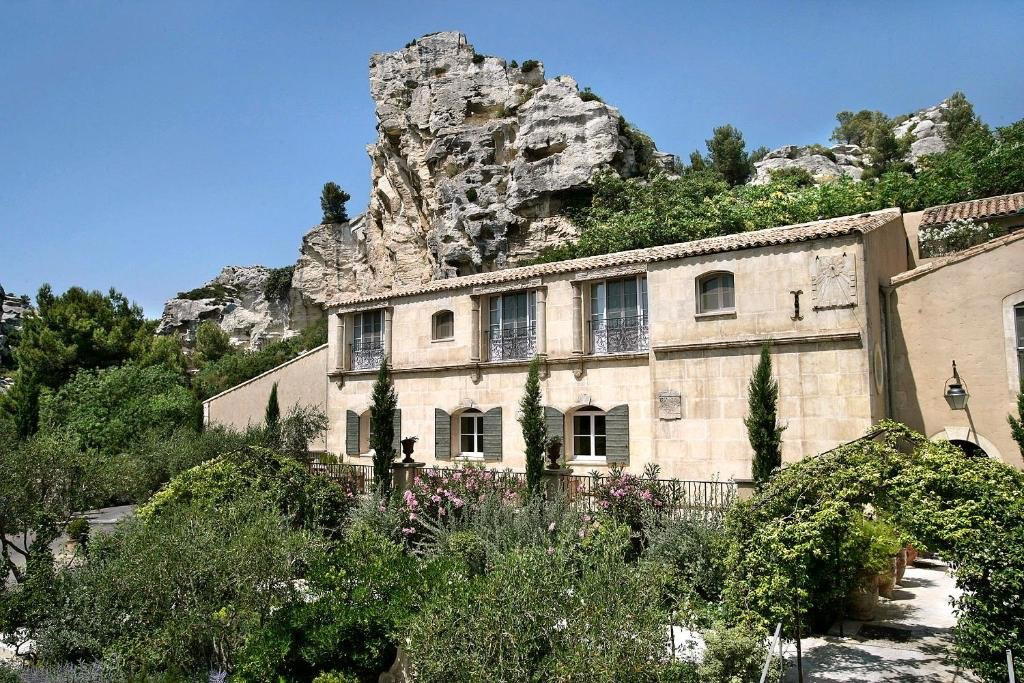
French country houses converted into destination restaurants typically occupy a different emotional register than their urban counterparts. Where a Paris address like Alléno Paris au Pavillon Ledoyen operates on institutional grandeur, or a mountain property like Flocons de Sel in Megève leans into alpine drama, a Provençal auberge works with stone walls, lavender-adjacent calm, and the particular stillness of lunch in the countryside. The sensory register is quieter and the pacing slower, which means the food carries more weight as the primary event.
Ingredient Sourcing as the Central Argument
The Alpilles corridor, and the broader zone between Noves, Saint-Rémy-de-Provence, and the Durance plain, is among the more agriculturally productive micro-regions in southern France. The flat alluvial soils between the Alpilles limestone ridges and the river support market gardening operations that supply not only local markets but the Lyon and Paris wholesale trade. For a restaurant positioned in this environment, direct sourcing from nearby producers is less a marketing strategy than a logistical inevitability: the supply exists at close range, and any serious kitchen takes advantage of it.
This is the model that distinguishes Provençal country cooking from its urban interpretations. The distance between a field of early-season asparagus or a small olive press and a kitchen table can be measured in kilometres rather than supply chain days. Across the broader French auberge tradition, from Auberge du Vieux Puits in Fontjoncouse in the Corbières to the long-established country houses of Burgundy like Maison Lameloise in Chagny, the defining characteristic is the relationship between address and agricultural context. Noves makes that relationship particularly direct.
Provençal cuisine at its most considered is not a cuisine of complexity for its own sake. The discipline comes from restraint: from allowing a Cavaillon melon, a Ventoux lamb, or an olive oil pressed from Aglandau olives to do most of the argumentative work. The technique is present but subordinated to the ingredient, which is the inverse of how high-technique urban kitchens often operate. Restaurants in the same regional tradition, such as La Maison at Domaine de Bournissac also in Noves, work within similar parameters, suggesting that the village itself has developed a small but coherent identity around this kind of sourcing-led approach.
Placing Auberge de Noves in the French Destination Dining Map
France's destination-restaurant geography rewards advance planning, and the southwest and southeast quadrants have different competitive characters. The Loire and Burgundy axes tend to attract wine-driven itineraries. The Alps draw winter and summer visitors with different energy. Provence, particularly the interior rather than the coast, sustains a category of address defined by agricultural abundance and the slow-travel logic of spending multiple days in one area rather than moving between cities. For that kind of itinerary, the relevant comparison set includes not just nearby addresses but the broader tradition of French auberges that have built reputations away from metropolitan circuits: places like Bras in Laguiole, Les Prés d'Eugénie in Eugénie-les-Bains, and Auberge de l'Ill in Illhaeusern. Each of those addresses demonstrates what a country auberge can sustain when it commits to place rather than trend.
For travellers building a Provence itinerary, the question is not whether to include addresses like Auberge de Noves but how to sequence them. full Noves restaurants guide covers the village's dining options in more detail. For those extending north or west, La Table du Castellet in Le Castellet offers a different register of southern French cooking, while Georges Blanc in Vonnas represents the Bresse corridor alternative for those moving toward Lyon.
Planning Your Visit
Noves is accessible by car from Avignon in under twenty minutes, and from Marseille in approximately an hour, which makes it a practical lunch or dinner destination for visitors based in either city. Troisgros in Ouches and Paul Bocuse in Collonges-au-Mont-d'Or, both of which operate on similar country-house logic outside major cities.
How It Stacks Up
Comparable venues nearby, for context on price, style, and recognition.
| Venue | Cuisine | Price | Notes |
|---|---|---|---|
| Auberge de NovesThis venue — the venue you are viewing | Traditional Provençal French | $$$$ | Not listed |
| La Maison - Domaine de Bournissac | Provençal French Fine Dining | $$$$ | Paluds-de-Noves |
| Château de Collias | Modern French Fine Dining | $$$$ | Collias |
| LA TABLE DU PIGONNET | Modern Provençal Fine Dining | $$$$ | Pont De L'Arc |
| Baumanière Hôtel & Spa | Modern Provençal Fine Dining | $$$$ | Les Baux-de-Provence |
| L'Enclos des Lauriers Roses | Traditional French Regional | $$$ | Cabrieres |
At a Glance
- Romantic
- Elegant
- Rustic
- Classic
- Intimate
- Date Night
- Special Occasion
- Celebration
- Hotel Restaurant
- Terrace
- Garden
- Historic Building
- Extensive Wine List
- Sommelier Led
- Local Sourcing
- Garden
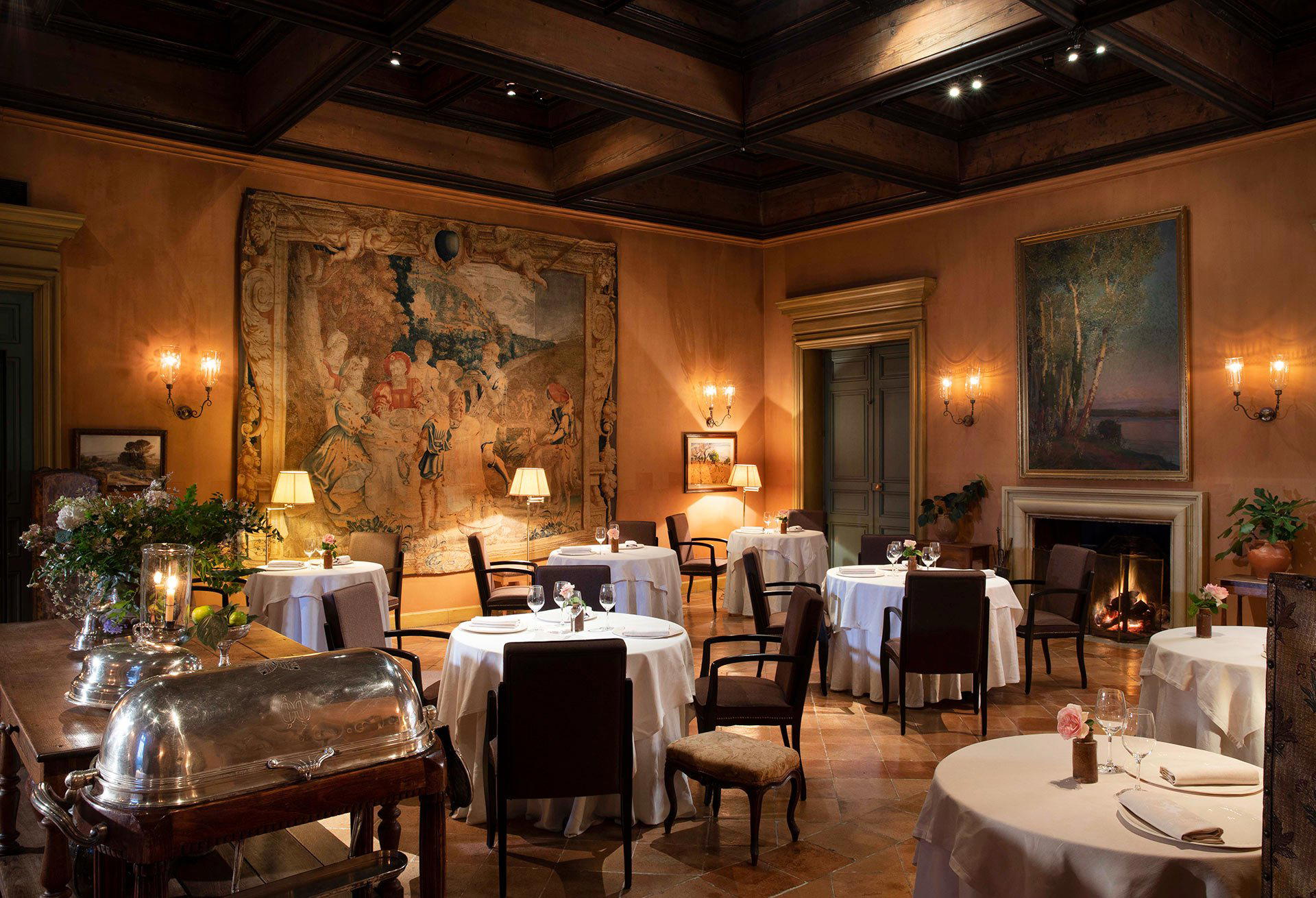
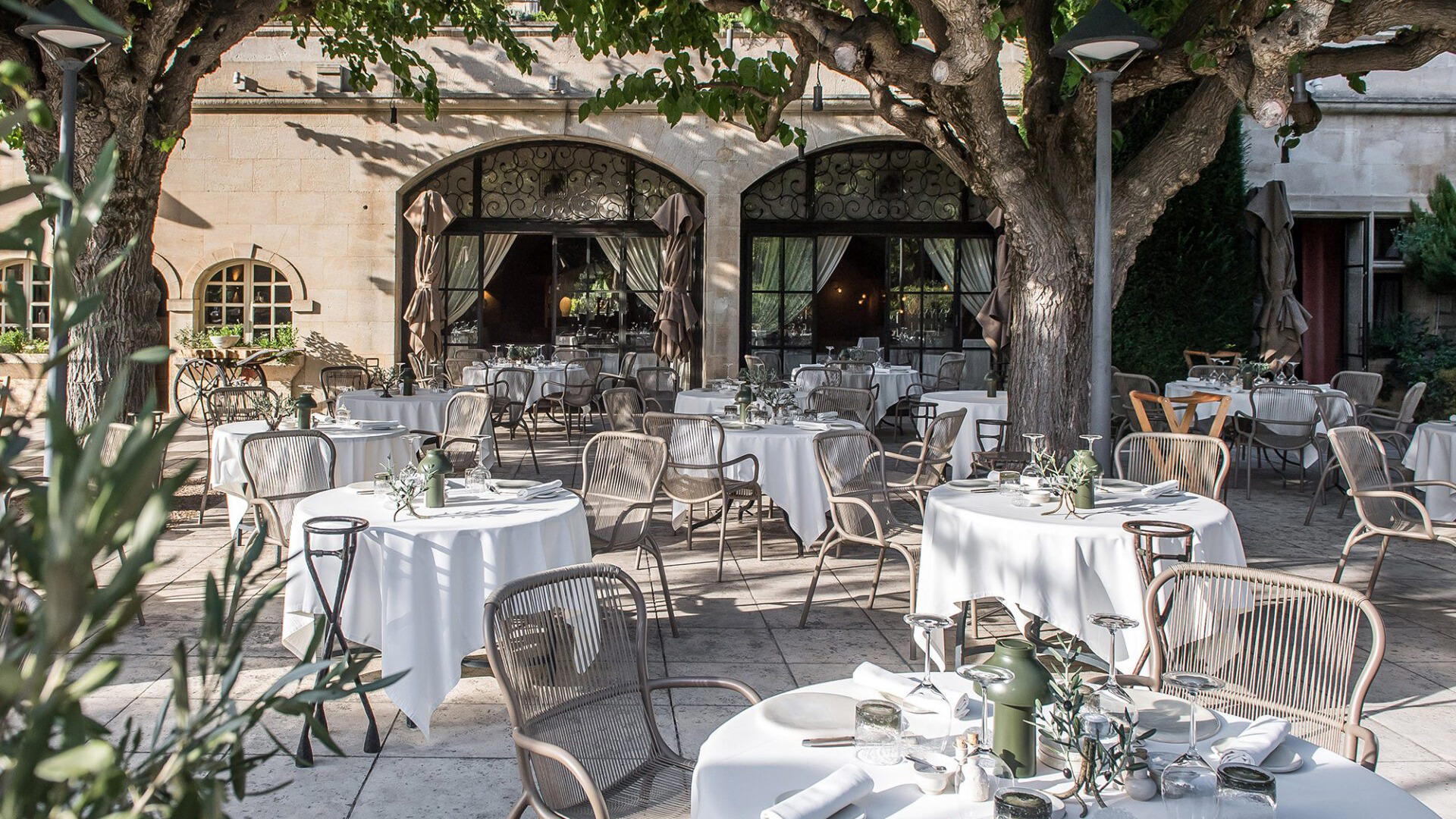
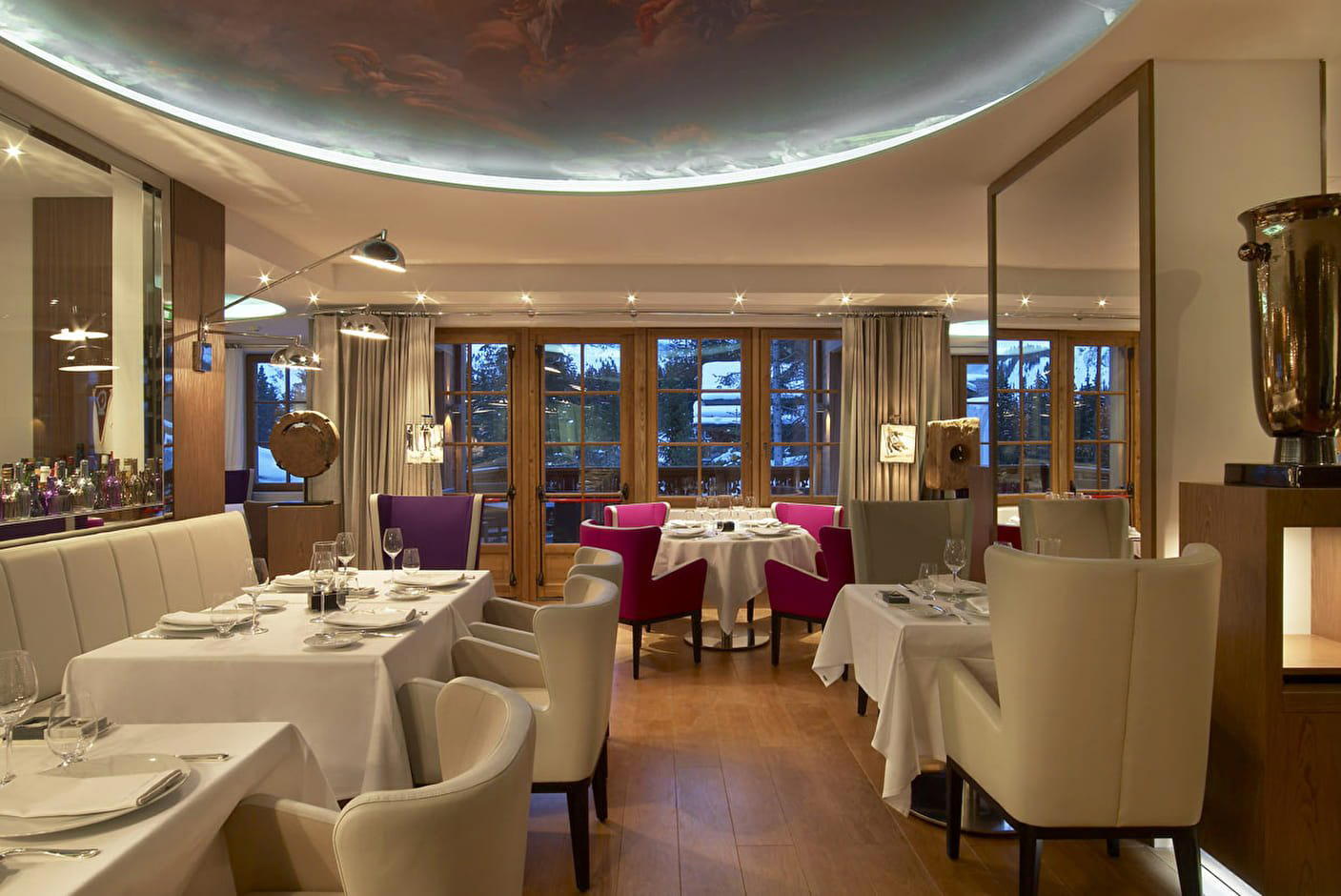
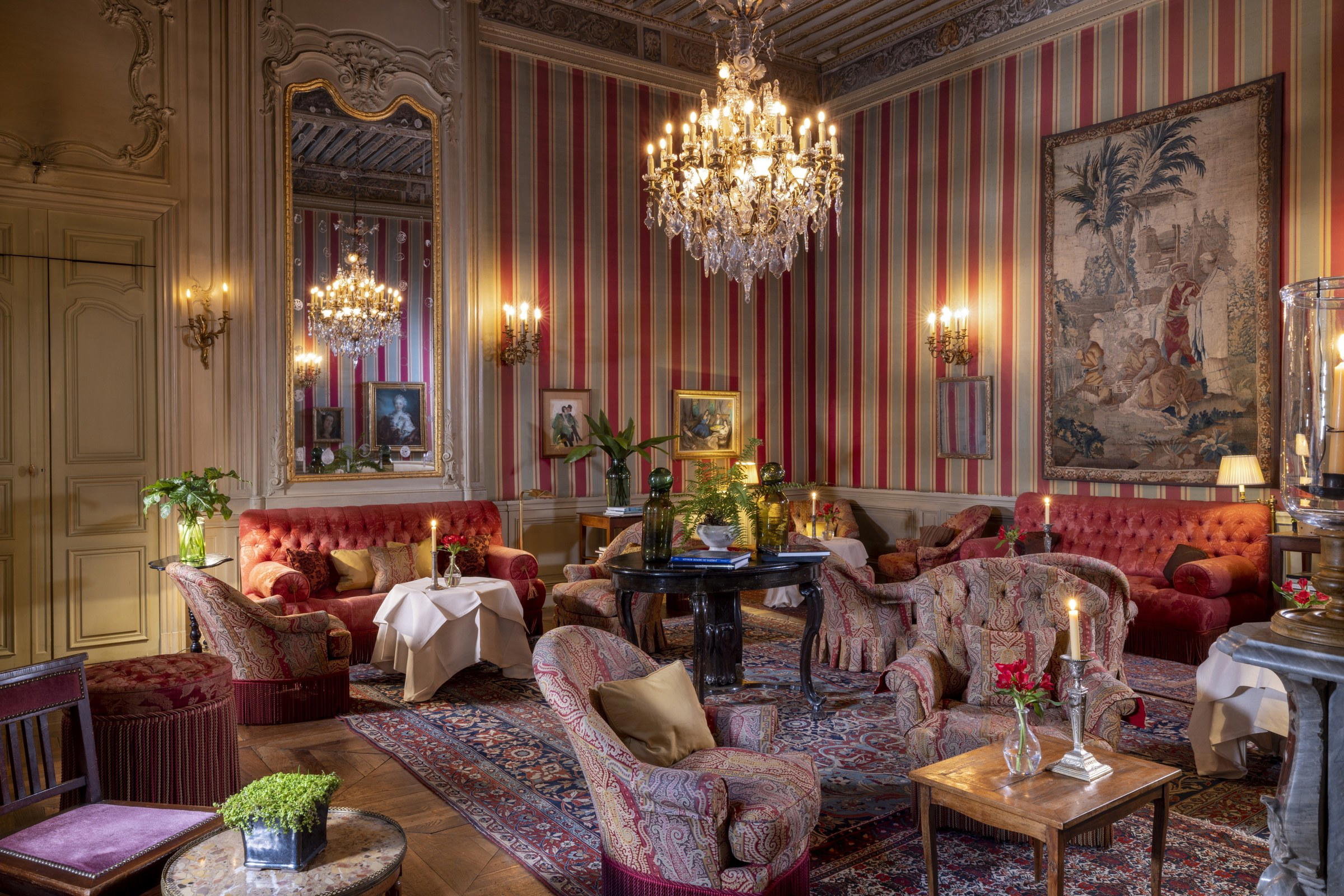
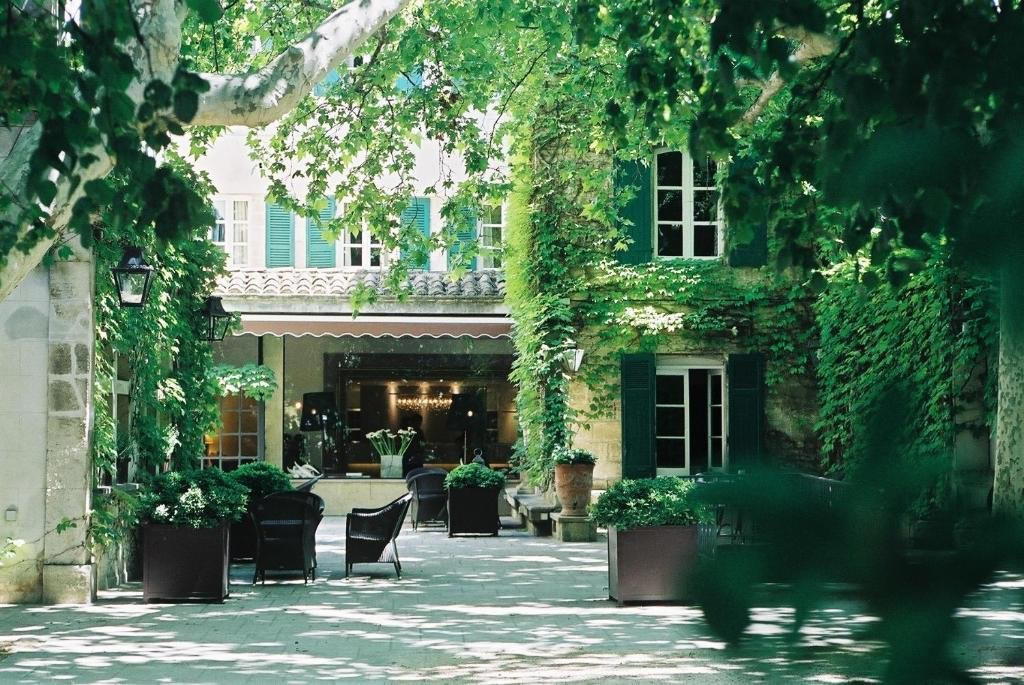
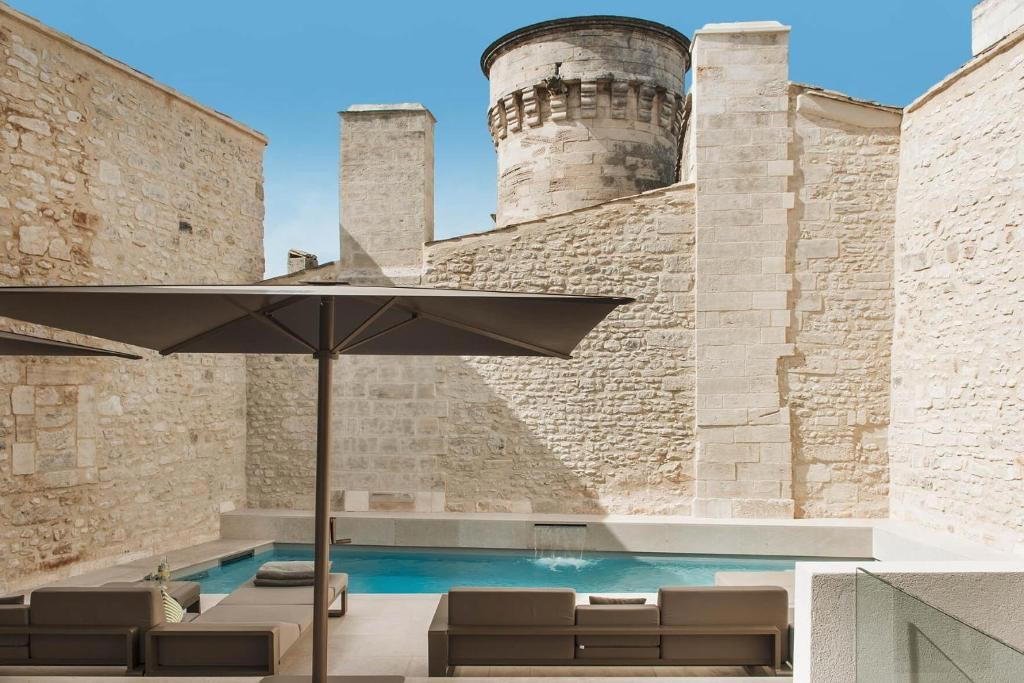
Serene and elegant Provençal atmosphere with warm lighting in a spacious dining room featuring a fireplace or shaded terrace dining amid gardens.