A Country Road in the Seine-Maritime, and What Grows Along It
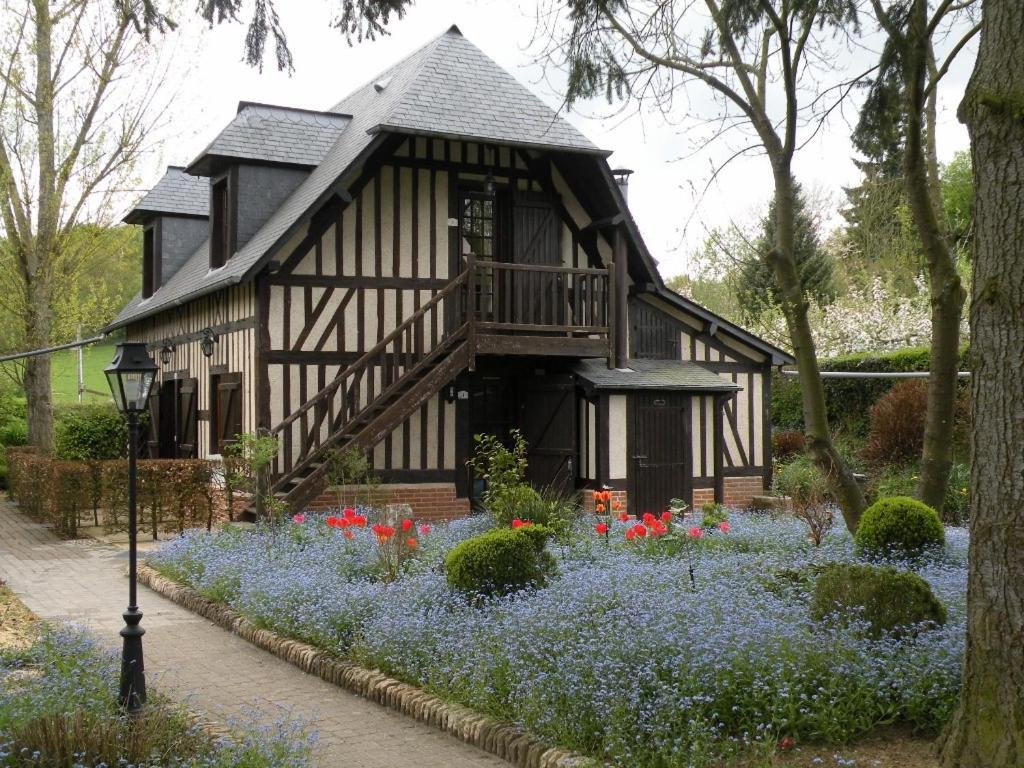
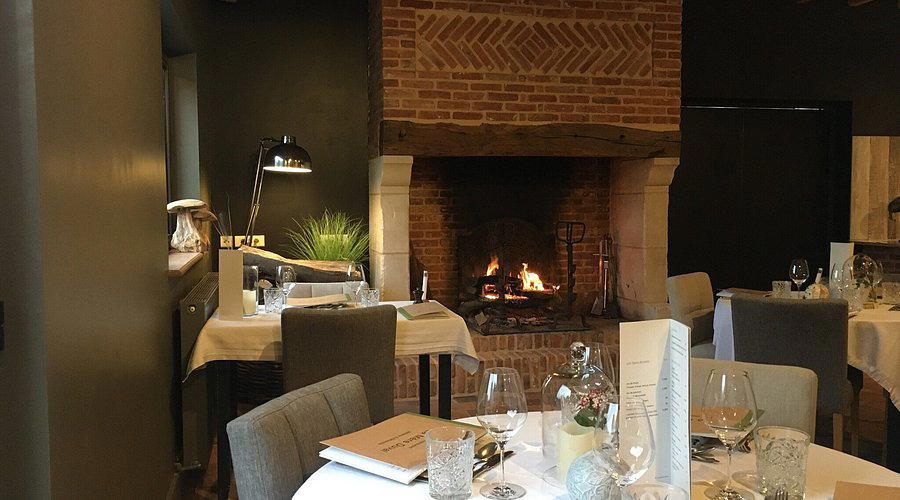
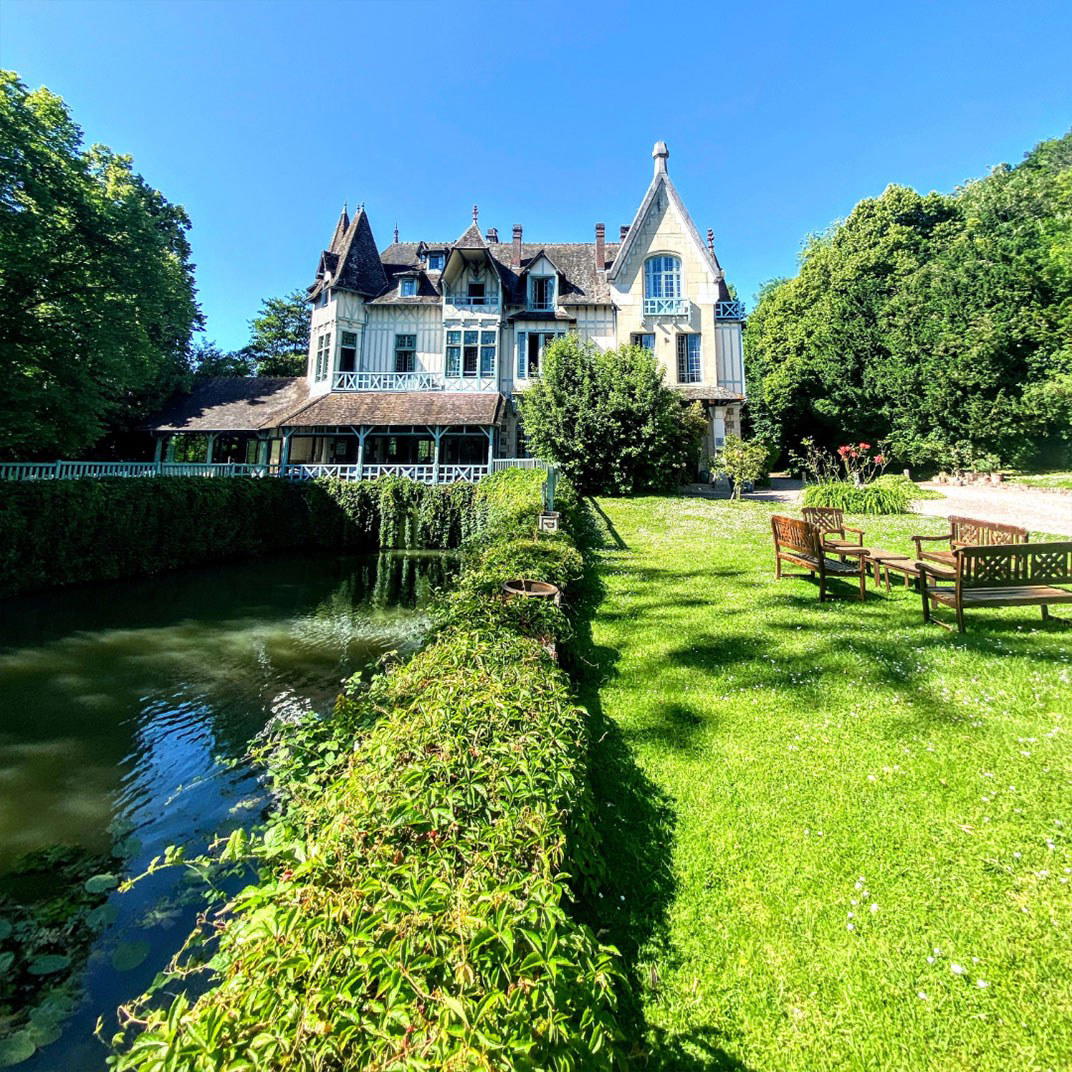
The Seine-Maritime department sits in a part of Normandy that most international visitors pass through rather than stop in. The motorway toward Rouen or Le Havre pulls traffic away from the departmental roads, leaving the D5 corridor and the villages along it to a quieter, more local rhythm. Croix-Mare is one of those villages: agricultural, unhurried, surrounded by the bocage hedgerows and apple orchards that have defined Norman land use for centuries. Auberge du Val au Cesne occupies this context physically and gastronomically. The building sits at address 140 D5, the kind of roadside position that, in France, has historically meant something: the relais, the staging inn, the place where a journey pauses and a region feeds you.
What Norman Sourcing Actually Means at the Table
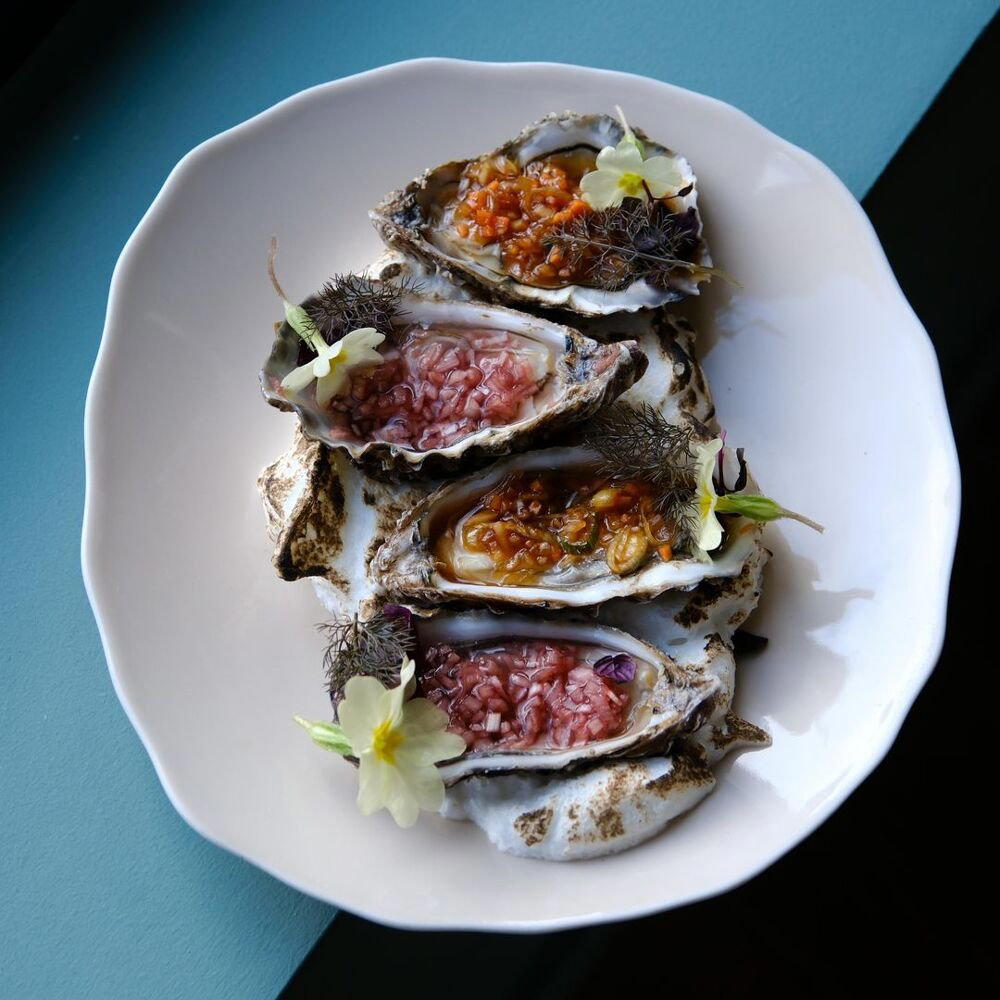
Ingredient provenance is central to provincial Norman dining, and Normandy offers one of France's most legible sourcing stories. The Seine-Maritime's bocage produces some of the country's most referenced dairy: cream with a fat content and grassy depth that differs measurably from the cream arriving in Paris kitchens. Apple orchards supply both culinary fruit and the cider and calvados that function as cooking liquids and digestifs in ways that wine cannot replicate in this climate. Coastal proximity, with the English Channel less than forty kilometres to the north-west, means seafood from Fécamp and Dieppe markets is available on short supply chains. A kitchen in Croix-Mare that takes these inputs seriously is working with genuinely regional material, not performing a sourcing narrative assembled from elsewhere.
This is the key distinction between a Norman auberge operating at its leading and the generic French country restaurant: the former cooks from the surrounding fields and coast because that is what the tradition demands, not because farm-to-table has become marketing shorthand. The difference shows in the calendar. Norman cream, apples, and dairy follow agricultural seasons that metropolitan menus rarely track with precision. A dish built around calvados-braised poultry or a cream reduction from local herds carries a specificity that is geographic before it is culinary.
For comparison, consider how French destination restaurants in other regions have built their reputations on a similar logic of place-rooted sourcing: Bras in Laguiole made the Aubrac plateau's herbs and minerals the structural argument of its cooking, while Auberge du Vieux Puits in Fontjoncouse built its identity around the Corbières garrigue. In Normandy, the equivalent raw material is dairy, apple, and channel seafood, and a village auberge like the one at Croix-Mare is, at minimum, positioned to work with exactly that.
The Auberge Format in Rural France
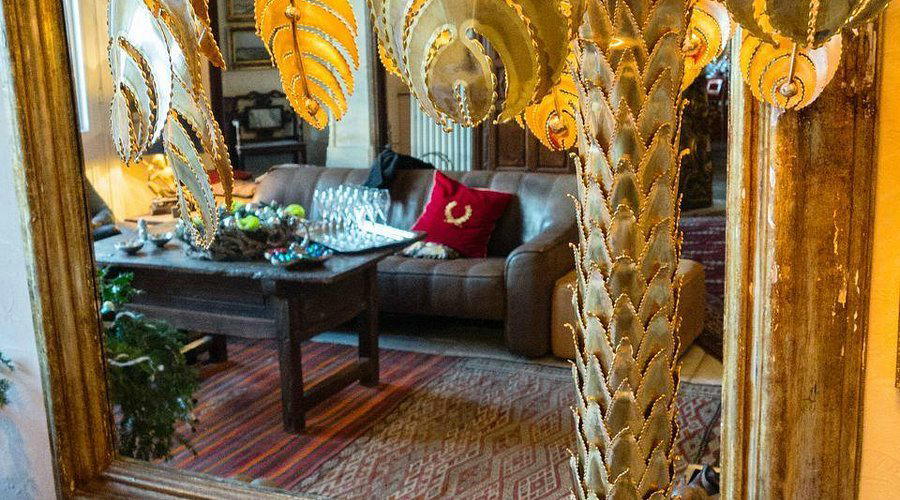
The word auberge carries specific expectations in French dining culture. It does not mean hotel-restaurant in the anodyne sense. The auberge tradition implies a kitchen that feeds a local community and passing travellers with cooking grounded in what the surrounding land produces. At the celebrated end of the spectrum, this format has produced some of France's most durable institutions: Auberge de l'Ill in Illhaeusern has held three Michelin stars for decades, and Les Prés d'Eugénie - Michel Guérard in Eugénie-les-Bains transformed a Gascon village address into a reference point for French cuisine. At the more accessible end, the village auberge functions as a local institution: a place where Sunday lunch is a weekly ritual, where the menu changes by season rather than by marketing cycle, and where the physical environment retains the character of the building rather than being designed into something neutral.
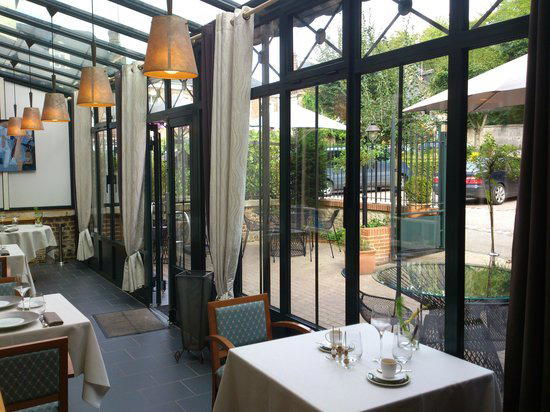
Auberge du Val au Cesne fits this latter register. The Seine-Maritime's rural dining scene is not oriented toward destination-restaurant pilgrimage in the way that, say, the routes connecting Maison Lameloise in Chagny or Georges Blanc in Vonnas are for Burgundian diners. What the area offers is something different: the texture of a genuinely local meal in a region that has not been extensively documented for international audiences. That is a different kind of value, and for a particular kind of traveller, a more compelling one.
How This Fits Within the Broader French Provincial Scene
France's provincial dining map has two distinct tiers. The first contains the celebrated rural addresses that attract international pilgrimage: Flocons de Sel in Megève, Paul Bocuse - L'Auberge du Pont de Collonges in Collonges-au-Mont-d'Or, and Troisgros - Le Bois sans Feuilles in Ouches are all built on decades of recorded history, star tallies, and international press. The second tier contains the working auberges, the brasseries de pays, and the family-run tables d'hôtes that sustain local food culture without seeking that kind of profile. Croix-Mare's auberge belongs to the second tier, and that classification is not a demotion. The French dining tradition has always depended on both registers operating simultaneously.
For context on what high-end French provincial cooking looks like at its most decorated, L'Oustau de Baumanière in Les Baux and La Table du Castellet in Le Castellet represent Provence's formal end of that spectrum. Mirazur in Menton and Alléno Paris au Pavillon Ledoyen in Paris operate at the creative summit of French cooking altogether. The Val au Cesne does not compete in that space and, by format, is not trying to. Its comparable set is the network of Norman country tables that serve the region's own population first.
Planning a Visit
Croix-Mare sits in the Seine-Maritime interior, roughly equidistant between Rouen (approximately 30 kilometres east) and the coast around Fécamp. The venue's address on the D5 makes it accessible by car from either direction, and the surrounding route through Norman bocage countryside is part of the experience of arriving. Confirm current opening hours and reservation requirements before travelling. The auberge format in rural Normandy typically operates on a lunch-centred schedule, with Sunday service drawing the heaviest local attendance. Travellers combining this stop with broader Normandy itineraries, particularly those routing through the Seine valley or along the Alabaster Coast, will find it sits naturally within a two- or three-day regional circuit.