Aunty brings Brisbane’s Modern Asian dining thread into focus through produce-led cooking rather than spectacle. With no public chef, awards, price, or booking details attached, the smarter read is category-based: treat it as a city restaurant shaped by Queensland ingredients, Asian technique, and the casual confidence now common across Brisbane’s dining rooms.

Pearl is the En Primeur Club membership app — saves, bookings, and concierge access live there. Same editors, same standards.
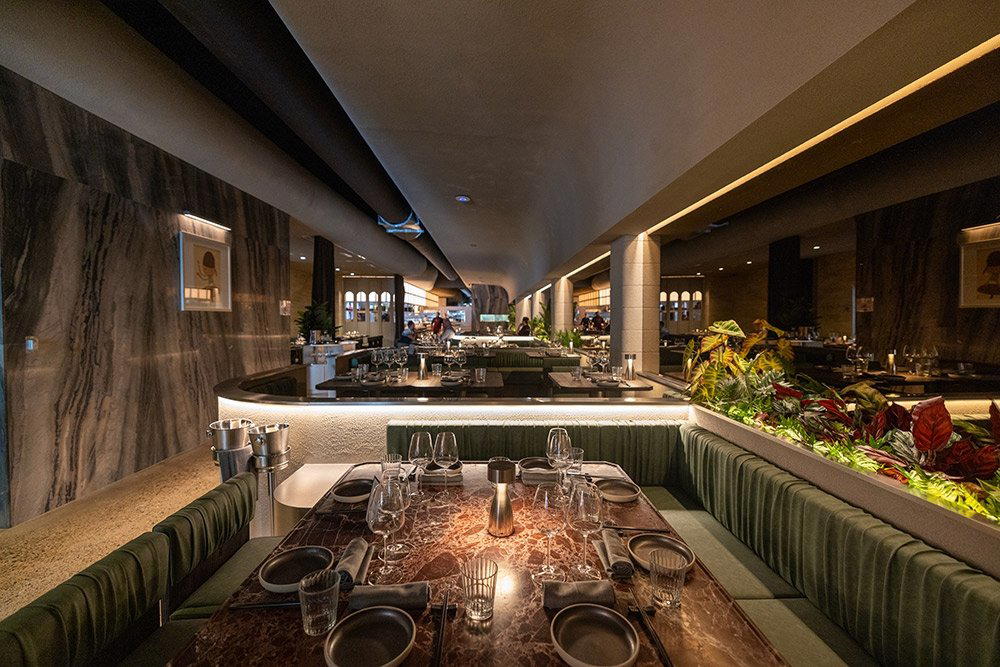
Brisbane dining has changed by learning to relax without lowering its ambitions. The city’s stronger rooms now tend to feel less ceremonial than their southern counterparts, with the climate doing some of the work: lighter clothes, earlier evenings, open-air habits, and menus that make sense in heat rather than fighting it. Aunty belongs in that current. Its Modern Asian label matters less as a genre tag than as a clue to how the kitchen can move between brightness, salt, smoke, herbs, fermentation, and local produce without being locked to a single national tradition.
That ingredient angle is the useful way to read the room. In Brisbane, a diner base comfortable with Southeast and East Asian flavours gives Modern Asian cooking a different centre of gravity from the same category in colder cities. The better versions do not simply add chilli, citrus, or soy to a Western template. They build dishes around freshness, contrast, and rhythm: raw against charred, sweet against sour, richness cut with herbs, and shareable plates that suit groups as much as couples.
Modern Asian cooking in Brisbane now depends on produce, not novelty
The phrase Modern Asian can be vague when it is used as a catch-all. In Brisbane, it becomes more specific when the kitchen treats local supply as the starting point. The city’s dining culture is sensitive to climate: heavy, butter-led cooking has to earn its place, while acidity, texture, and aromatic lift make immediate sense. Aunty sits inside that pattern, where the point is not strict regional authenticity but a contemporary Australian reading of Asian technique and seasoning.
That position gives the restaurant a clearer role in the city than a narrow cuisine label would. Brisbane already supports a broad range of serious dining styles; a Modern Asian address has to justify itself through balance rather than costume. For readers mapping the city more broadly, other Brisbane dining rooms show how wide the local spectrum has become, from elemental cooking and counter-style focus to polished formality. Aunty’s lane is more elastic: sophisticated modern-Asian cooking with Cantonese-inspired dim sum, premium duck, and a moody tea-house feeling built for a city that prefers direct pleasure over stiff ceremony.
This is where sourcing becomes more than a virtue signal. Modern Asian cooking relies on perishable detail: herbs need snap, seafood needs clean handling, vegetables need texture, and sauces need enough restraint to avoid flattening the plate. A restaurant in this category lives or dies by those everyday decisions. Without a public chef figure attached in the available information, the fair assessment is not to invent a house mythology. The stronger editorial point is that Aunty enters a Brisbane category where ingredient discipline is the difference between a flexible menu and a confused one.
The useful context is Brisbane's casual-confidence dining style
Brisbane’s dining identity has moved away from apology. It no longer needs to mimic other Australian dining capitals to be taken seriously. The city is better when it sounds like itself: warm, direct, social, and less interested in making guests decode the room before dinner begins. Aunty reads as part of that mood. The name itself suggests familiarity, while the tea-house mood gives it atmosphere, allowing the kitchen to work across dim sum, duck, spice, citrus, grilled elements, and textural contrast without becoming theme-park pan-Asian.
For travellers building a Brisbane itinerary, the distinction matters. A Modern Asian restaurant can serve as the flexible dinner in a schedule otherwise filled with more formal or comfort-driven meals. It is also the category that often handles mixed groups well, because spice levels, vegetable-led plates, seafood, meat, and rice or noodle-based formats can usually coexist without forcing everyone into the same tempo. That does not guarantee child-friendliness, vegetarian range, or booking ease at Aunty specifically; those details should be checked through current channels before committing a group.
The available recognition frames Aunty as part of Brisbane’s new-opening energy rather than as old trophy dining. It is better understood as a Brisbane Modern Asian address whose value rests on execution, sourcing, atmosphere, and fit within the evening. In cities with heavy guide coverage, diners often let medals do the sorting. Brisbane still rewards a more practical filter: Does the food style suit the weather, the group, and the night’s pace? On that basis, Aunty’s category has a natural advantage.
How to place it in a Brisbane food weekend
Aunty makes sense as part of a wider Brisbane restaurant plan rather than as a stand-alone pilgrimage. Use the city’s variety to create contrast: Modern Asian for freshness and shared energy, comfort-led dining for longer-form ease, more precise counter-style meals for focus, and fire-led cooking for Brisbane’s more elemental side. Other Brisbane dining rooms can add those reference points, while a full Brisbane restaurants guide is the better starting point for building a complete dining run.
The same planning logic extends beyond dinner. Brisbane works well when restaurants are matched with the rest of the city rather than treated as isolated bookings. Pair restaurant choices with a full Brisbane hotels guide, late-evening options from a full Brisbane bars guide, regional drinking context from a full Brisbane wineries guide, and daytime structure from our full Brisbane experiences guide. For a national lens on how Australian dining categories travel, compare the broader editorial map through unnamed dining rooms in other Australian cities and coastal destinations. Internationally, Modern Asian also takes different shapes from city to city, which underlines the point: the category only becomes convincing when it responds to its own place.
Comparable venues nearby, for context on price, style, and recognition.
| Venue | Cuisine | Price | Notes |
|---|---|---|---|
| AuntyThis venue — the venue you are viewing | Modern Asian | $$$ | Not listed |
| Supernormal Brisbane | Modern Pan-Asian Fusion | $$$ | CBD |
| Bar Alto | Modern Italian | $$$ | New Farm |
| Rosmarino Ristorante & Wine Bar | Modern Italian | $$$ | Fortitude Valley |
| Bacchus | Modern Australian Fine Dining | $$$ | South Brisbane |
| 1889 Enoteca | Traditional Roman Enoteca | $$$ | Woolloongabba |
At a Glance
- Modern
- Elegant
- Lively
- Sophisticated
- Energetic
- Group Dining
- Celebration
- Special Occasion
- Casual Hangout
- Date Night
- After Work
- Open Kitchen
- Design Destination
- Standalone
- Extensive Wine List
- Craft Cocktails
- Street Scene
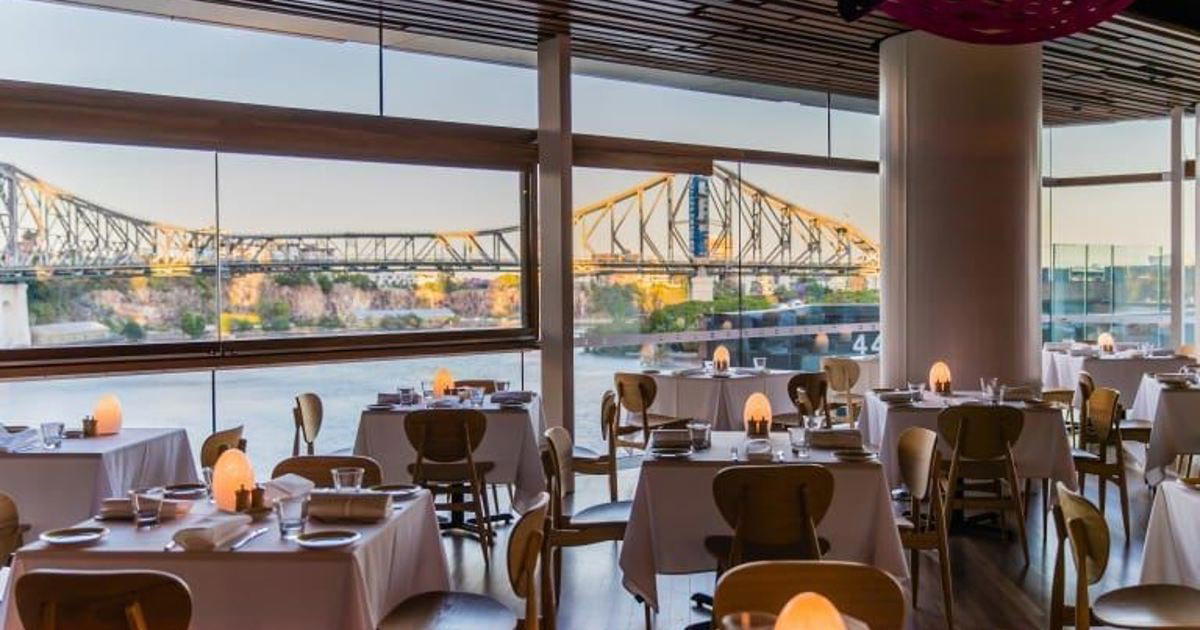
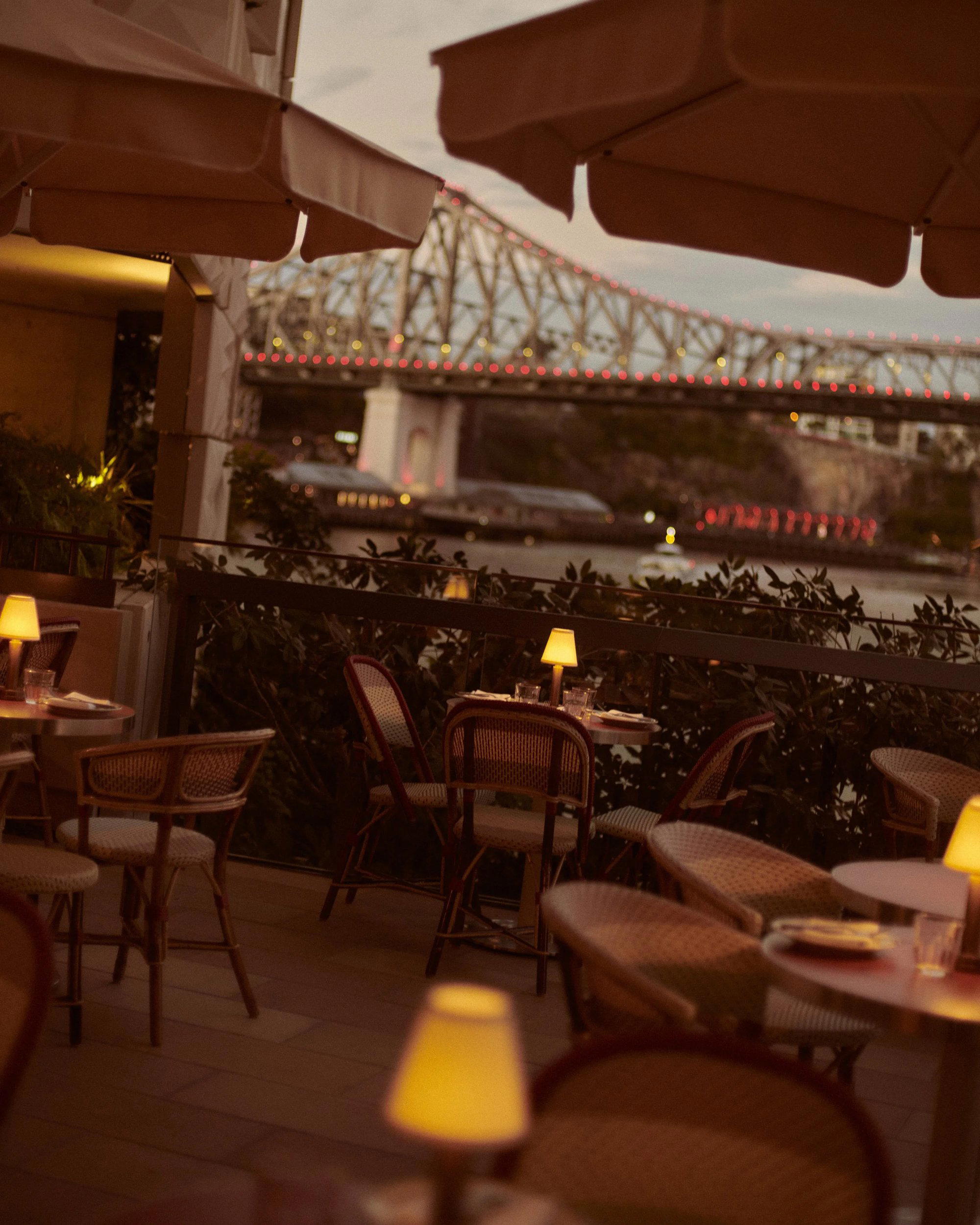
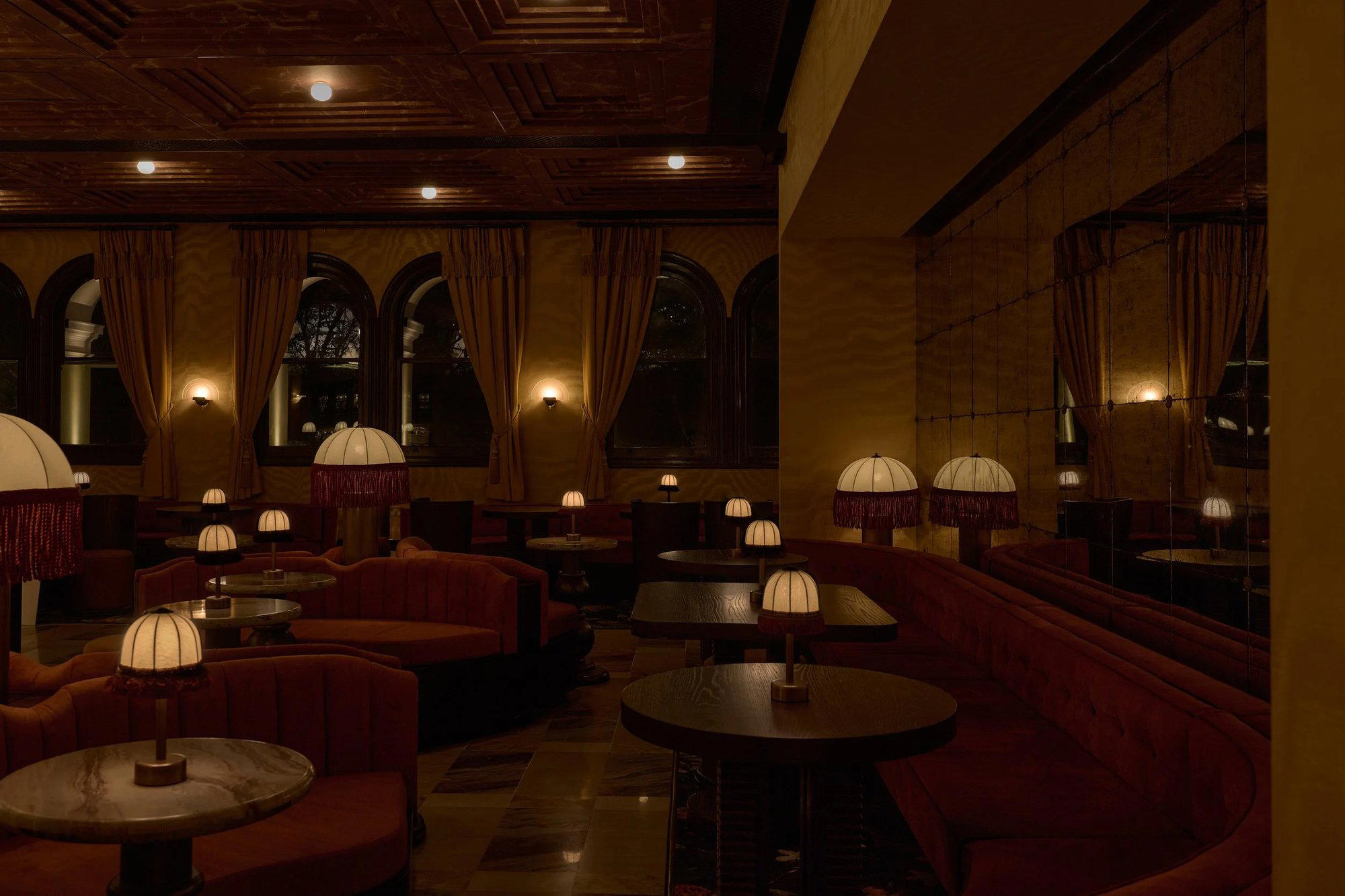
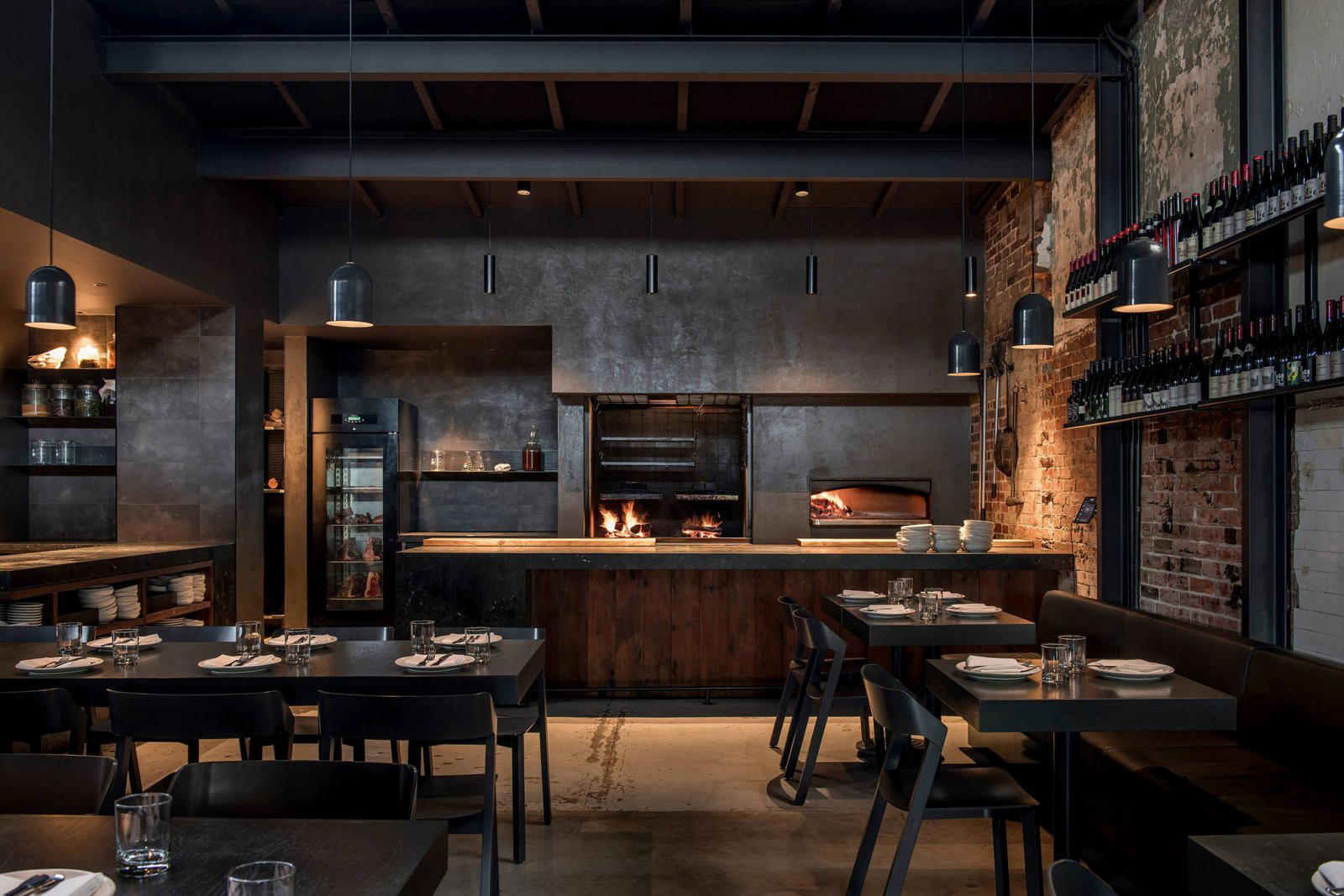
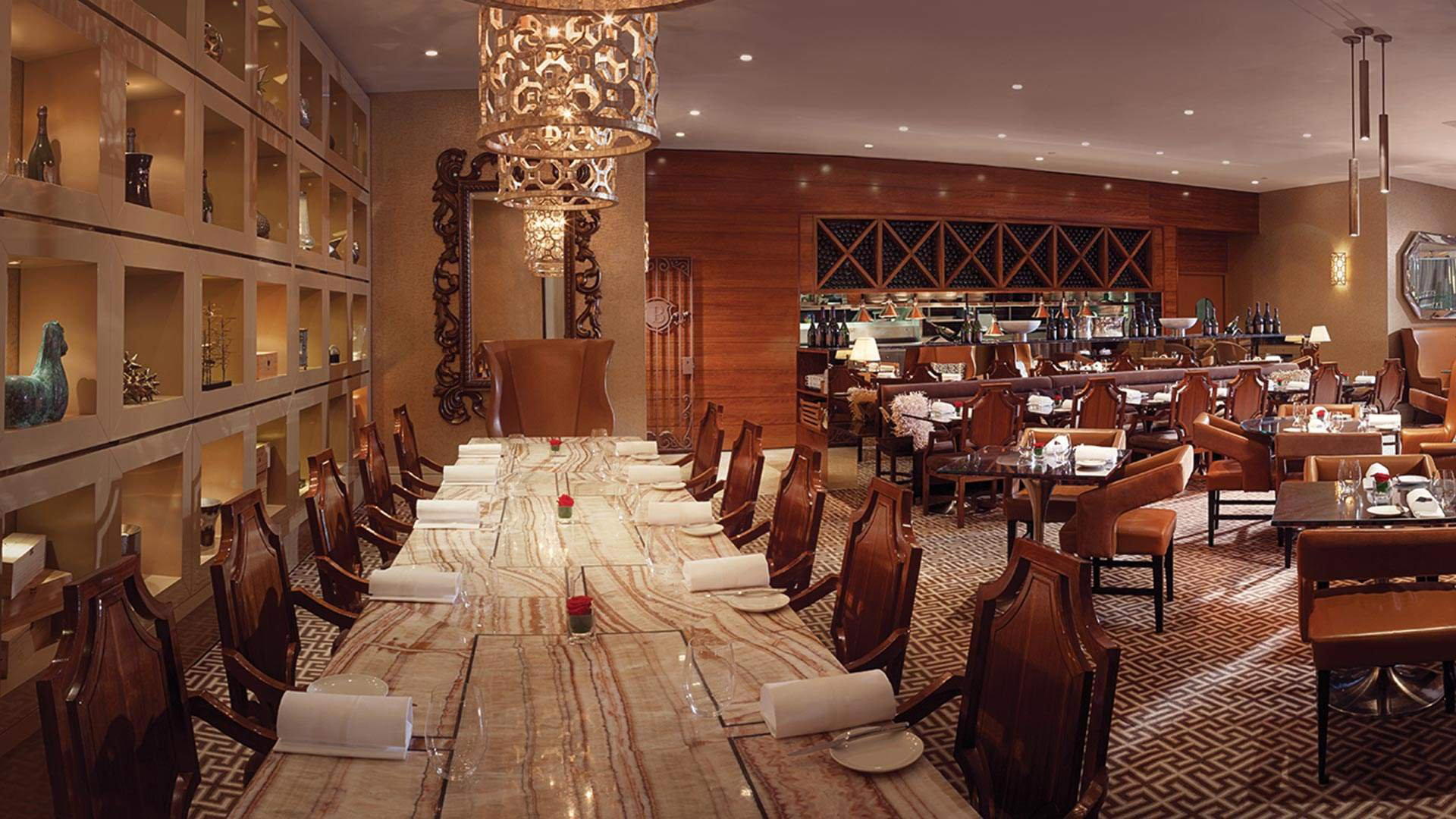
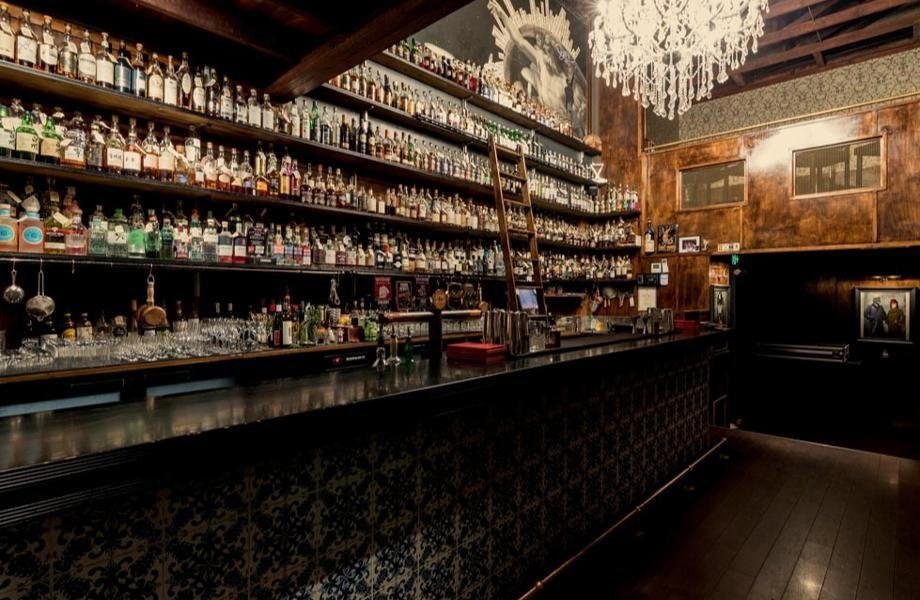
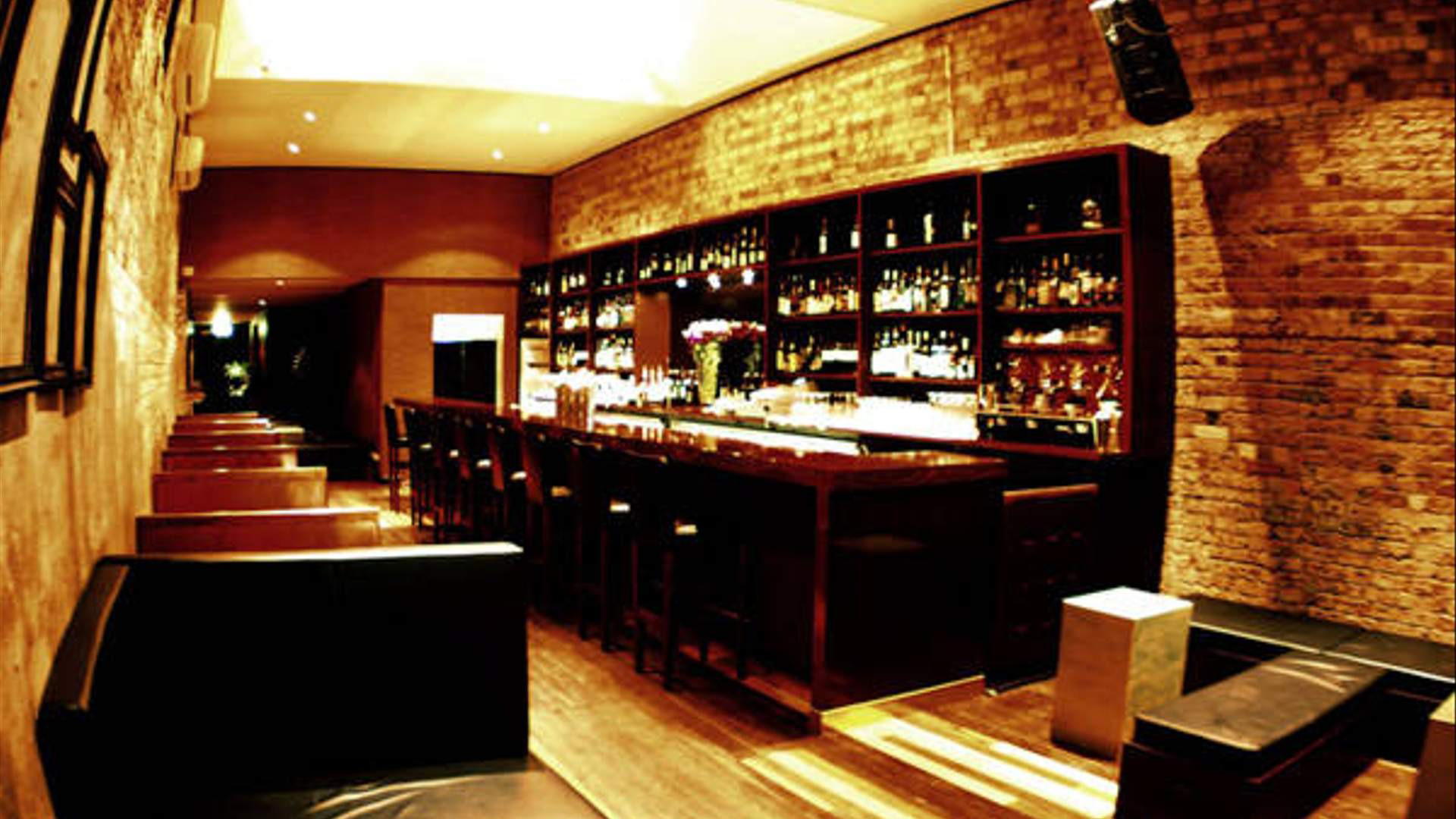
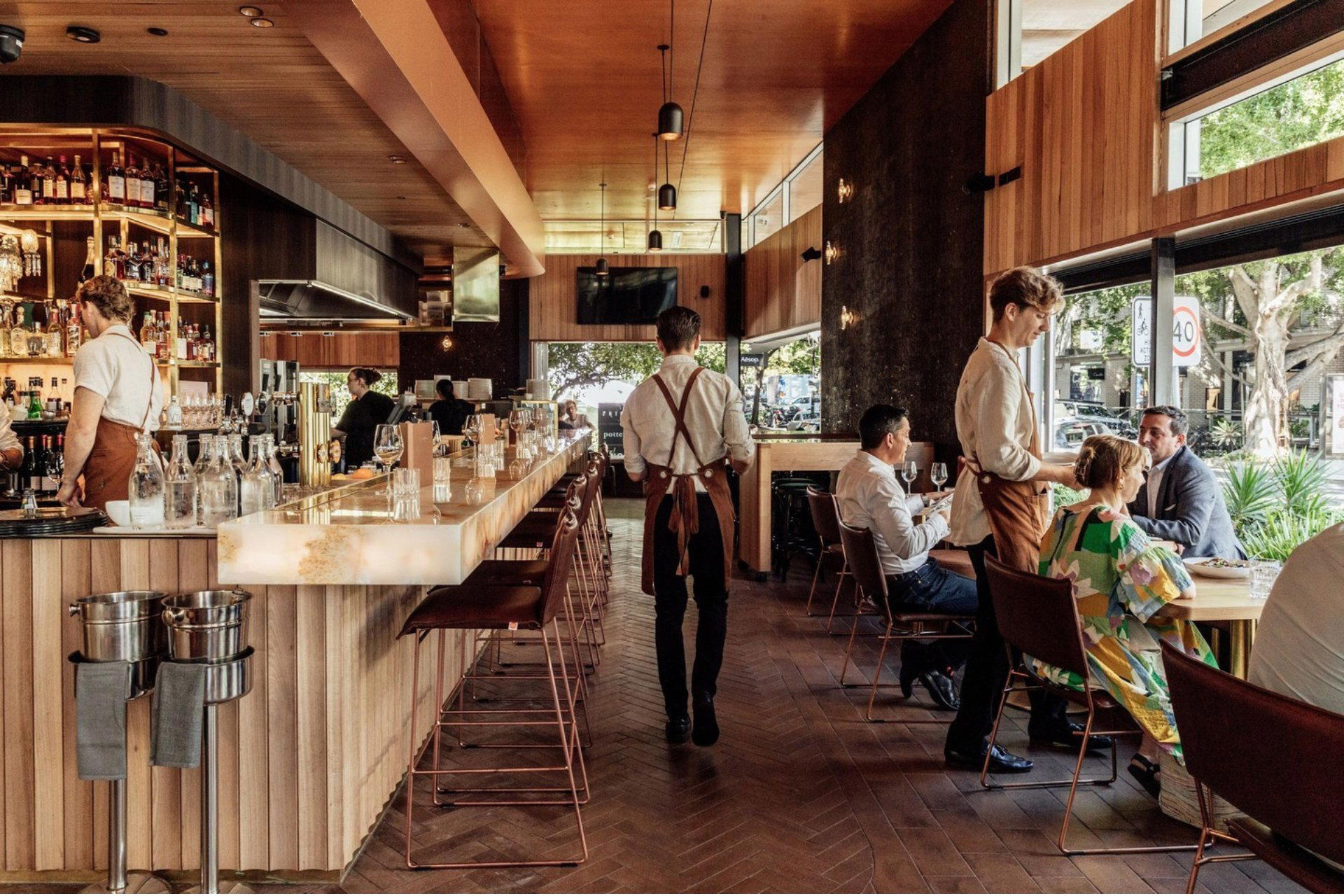
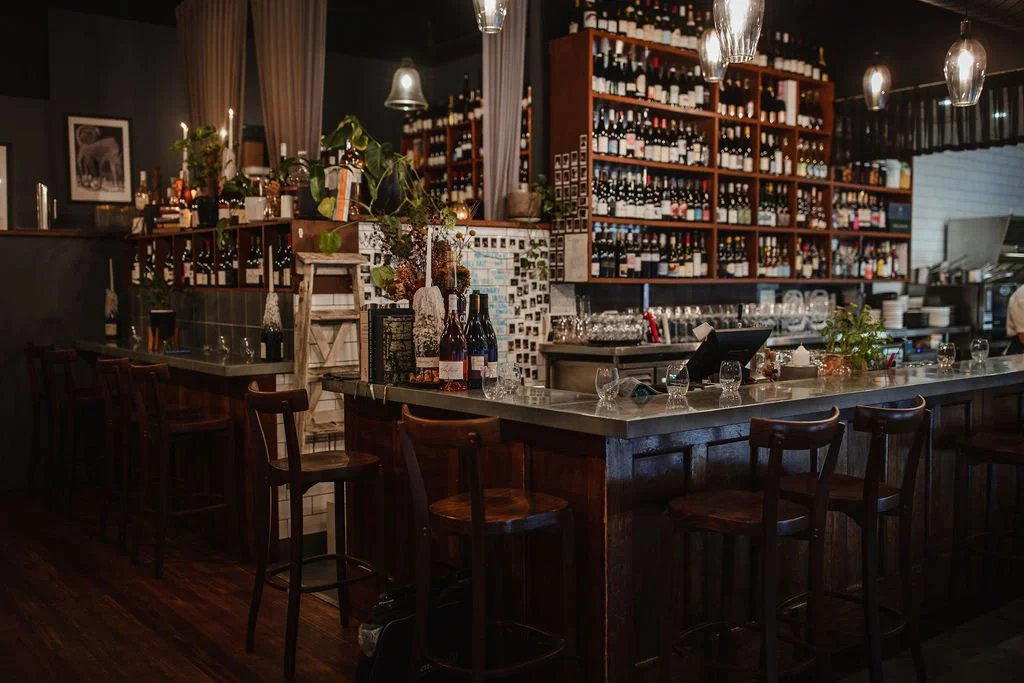
Elegant and considered, with a lively, welcoming atmosphere and a warehouse-style setting that feels polished rather than precious.
Know Before You Go
- Reservations
- Recommended
- Dress code
- Smart casual