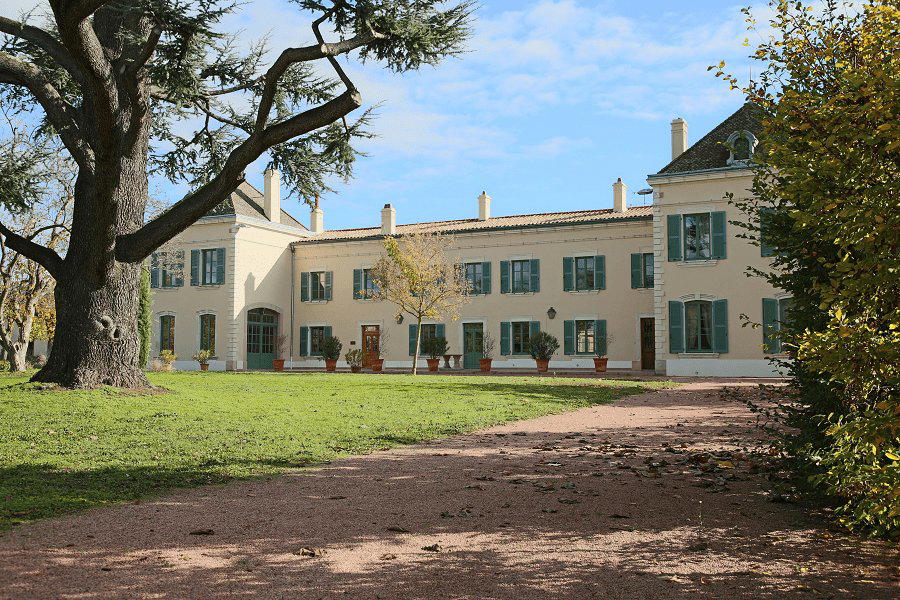
In the Beaujolais cru village of Émeringes, Auberge des Vignerons sits among the vines that define this corner of the Mâconnais border. The kitchen draws from the agricultural reality of its surroundings — a tradition shared by the great French provincial auberges — making it a reference point for anyone tracing the sourcing-led dining that the region quietly practises at table.
Pearl is the En Primeur Club membership app — saves, bookings, and concierge access live there. Same editors, same standards.
- Address
- 330 Les Chavannes, 69840 Émeringes, France
- Phone
- +33474044572
- Website
- facebook.com
- Directions
- Get directions
 Saves & bookings on Pearl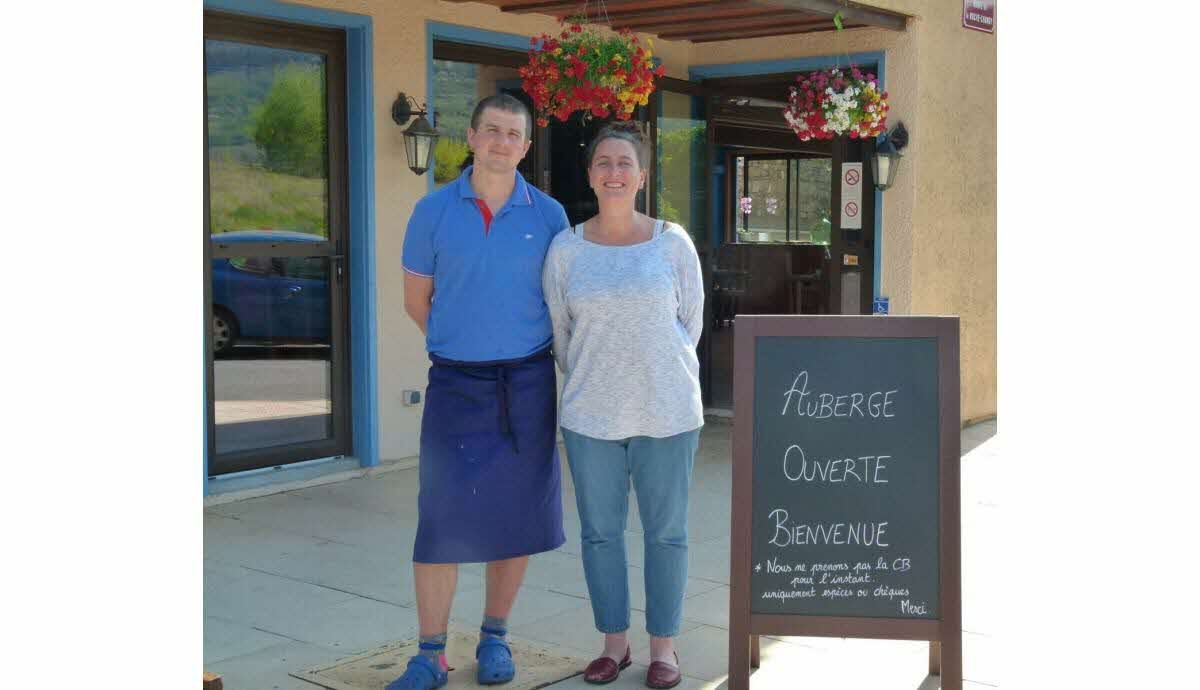
Where the Vine Row Ends and the Table Begins
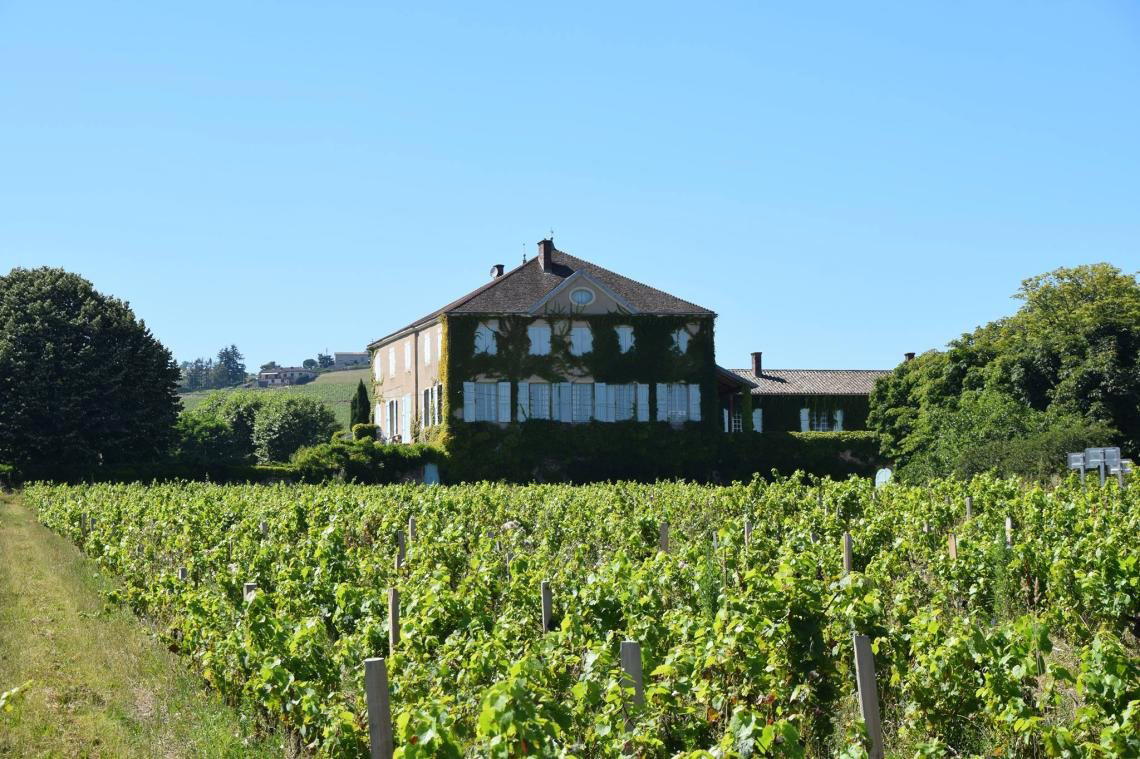
Beaujolais is not a region that announces itself loudly. The northern crus — Moulin-à-Vent, Chénas, Juliénas, and the smaller Émeringes — sit on granite and schist slopes that produce wines with more structure and longevity than the region's broader reputation suggests. The villages attached to these appellations are quiet, agricultural, and largely unbothered by tourism of the organised kind. It is in this context that Auberge des Vignerons occupies its address at 330 Les Chavannes: a provincial dining room whose logic is inseparable from the landscape that frames it.
The auberge format, inn-with-kitchen, rooted in a specific place, cooking from what that place produces, is one of France's most durable hospitality models. At its strongest, it functions as a direct expression of local agriculture: the wine from the domaine down the road, the charcuterie from the village butcher, the vegetables from the kitchen garden or the nearby farm. This is the tradition that houses like Auberge de l'Ill in Illhaeusern and Auberge du Vieux Puits in Fontjoncouse have carried into the upper tiers of French dining, each anchored to a specific terroir and a specific community of producers.
The Sourcing Logic of a Beaujolais Table
The ingredient-sourcing argument for a restaurant like this one is structural rather than philosophical. Émeringes is surrounded by vineyards producing Beaujolais-Villages and cru Beaujolais fruit, and the farms of the Mâconnais and the Saône-et-Loire begin within a short drive. In this part of eastern France, the supply chain is compressed in ways that the urban restaurant economy cannot replicate: the provenance of what arrives in the kitchen is legible, traceable, and often personal.
French provincial cooking in the Beaujolais and southern Burgundy zones has long been grounded in this kind of short-chain sourcing. The Bresse chicken, protected by its own AOC and produced within reach of this area, is the paradigm case: a bird raised to a specific standard in a specific zone, and available to kitchens in this region in a form that urban restaurants pay a premium to access. The same logic applies to the freshwater fish of the Saône, the charcuterie traditions of Lyon, and the cheeses that move north from the Rhône corridor. A kitchen in Émeringes is positioned to draw from all of this without the logistics that separate city restaurants from their sources.
Larger-scale reference points, Georges Blanc in Vonnas, Maison Lameloise in Chagny, and Troisgros in Ouches, have each built Michelin-level reputations from this same regional larder, albeit at a scale and formality that places them in a different competitive tier. Auberge des Vignerons operates closer to the original auberge model: smaller, more local, less mediated by the apparatus of fine dining.
The Atmosphere of a Vine-Country Auberge
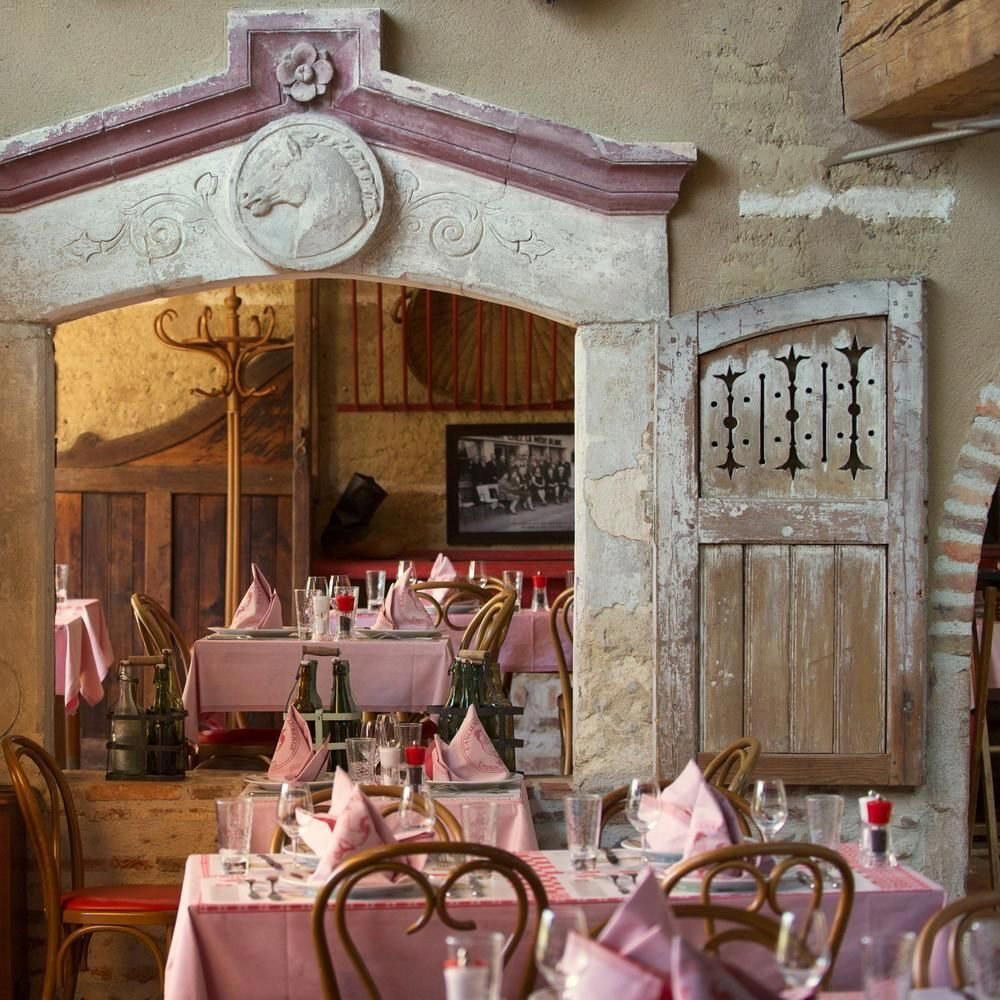
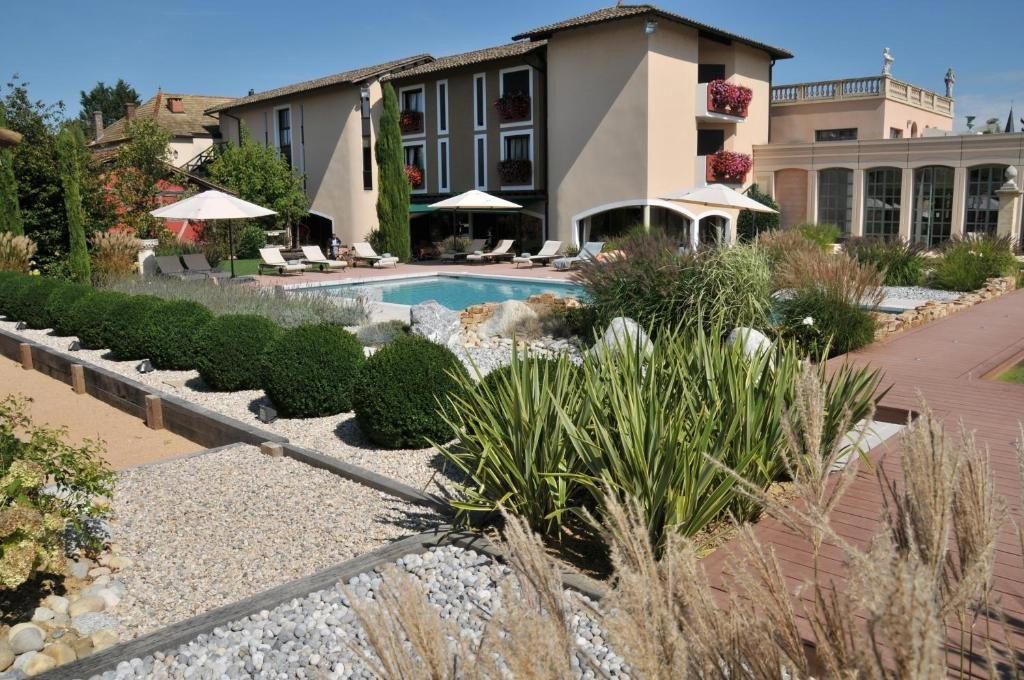
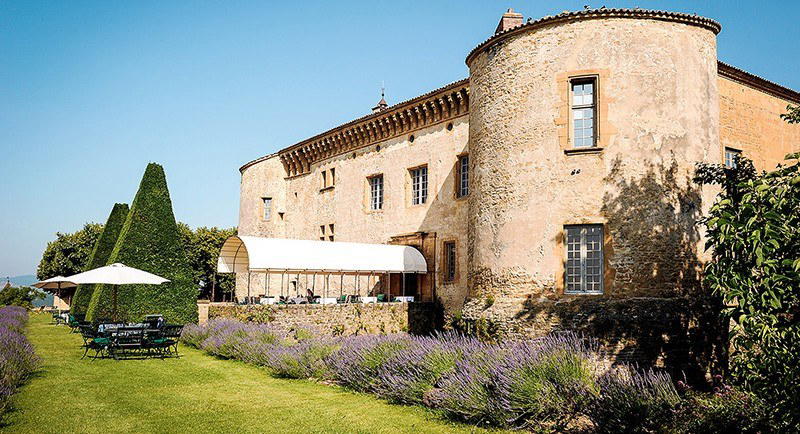
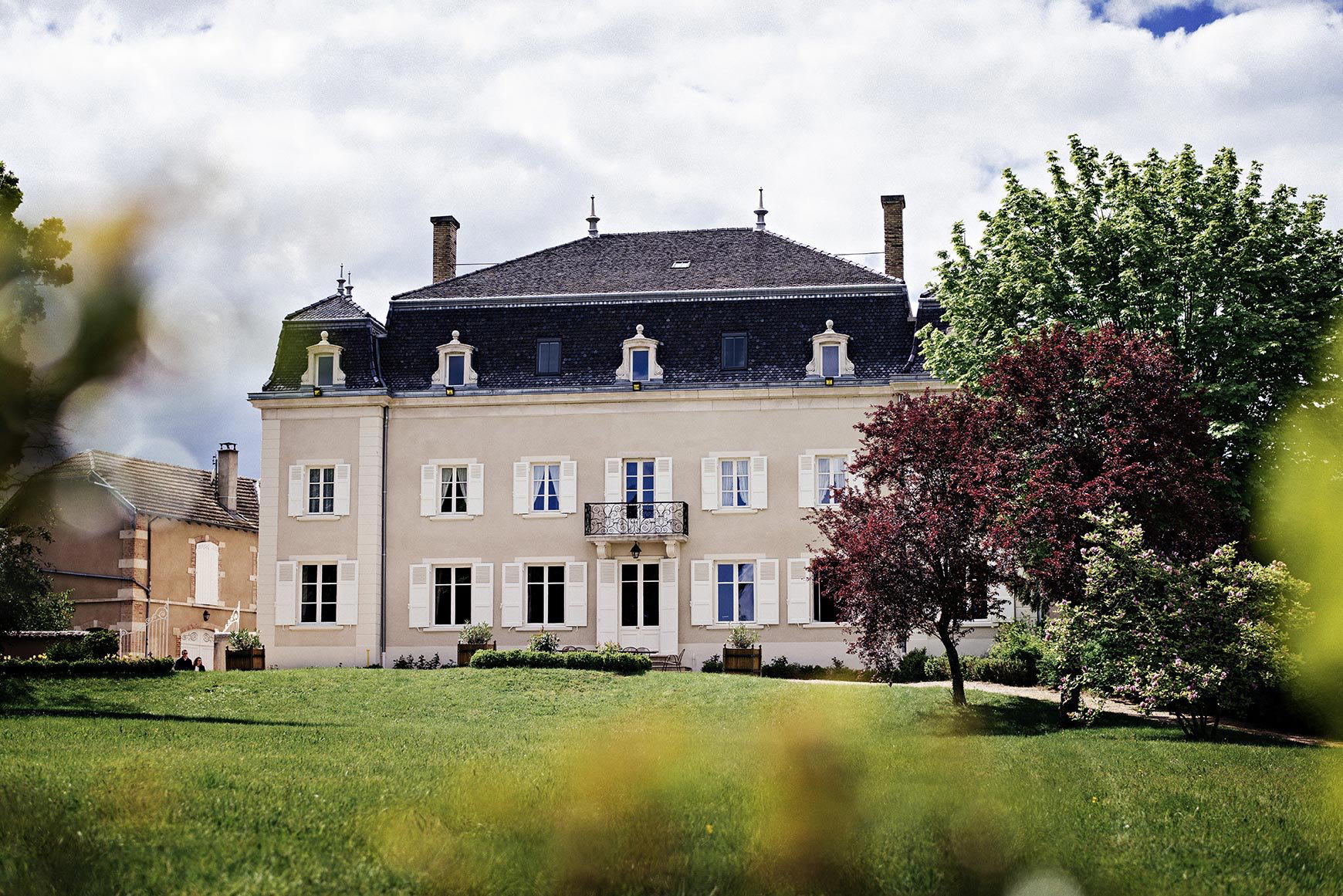
Arriving at an address like Les Chavannes in late autumn, with the vines stripped and the granite hills turning grey, sets the register immediately. This is not a destination packaged for external consumption. The visual grammar of the Beaujolais cru villages, stone walls, barrel stores, small squares with a church and a cooperative, shapes the expectation of the meal before you reach the door. Inside, the auberge format typically means low ceilings, wooden furniture, a wine list built around local producers, and a menu that changes with what the region is producing at that moment of the year.
That seasonal attunement is the practical expression of sourcing-led cooking: the menu is constrained by and responsive to what is actually available. This is a different operating logic from the urban restaurant, where global supply chains smooth out seasonal gaps. For the reader planning a visit, this means that the experience in spring, asparagus, new-season vegetables, lighter preparations, will differ materially from a winter meal built around root vegetables, game, and the rich sauces that Lyonnaise cooking brought into the French canon.
Planning a Visit to Émeringes
Émeringes sits in the northern Beaujolais, roughly between Mâcon to the north and Villefranche-sur-Saône to the south, in an area leading reached by car. The village is small, and the surrounding cru appellations, Juliénas and Chénas are immediate neighbours, make it a natural stop on any itinerary through the Beaujolais crus. For travellers building a broader circuit of French regional dining, the area connects logically to Lyon (under an hour south) and to the southern Burgundy appellations of Pouilly-Fuissé and Mâcon-Villages to the north. Grander reference points further afield include Flocons de Sel in Megève and Bras in Laguiole, both of which anchor the sourcing-led, terroir-expressive tradition at a higher price point. Booking ahead is advisable for any Beaujolais auberge during the autumn harvest period, when the region draws a concentration of visitors timing their visit to the Beaujolais Nouveau release in November.
For context on what France's most ambitious regional tables look like at the other end of the investment curve, Mirazur in Menton, Alléno Paris au Pavillon Ledoyen, Paul Bocuse in Collonges-au-Mont-d'Or, Les Prés d'Eugénie in Eugénie-les-Bains, La Table du Castellet, L'Oustau de Baumanière in Les Baux, La Vague d'Or in Saint-Tropez, Le 1947 à Cheval Blanc in Courchevel, Le Bernardin in New York, and Lazy Bear in San Francisco all represent the outer boundary of what the format can achieve. The Beaujolais auberge sits at the other pole: less expensive, less mediated, and more directly connected to the agricultural community around it. Our full Émeringes restaurants guide covers the broader dining options in the village and surrounding crus.
How Auberge des Vignerons compares with similar nearby venues.
| Venue | Cuisine | Price |
|---|---|---|
| Auberge du Cep | Modern Cuisine | €€€ |
| Auberge du Paradis | Creative | €€ |
Continue exploring
More in Emeringes
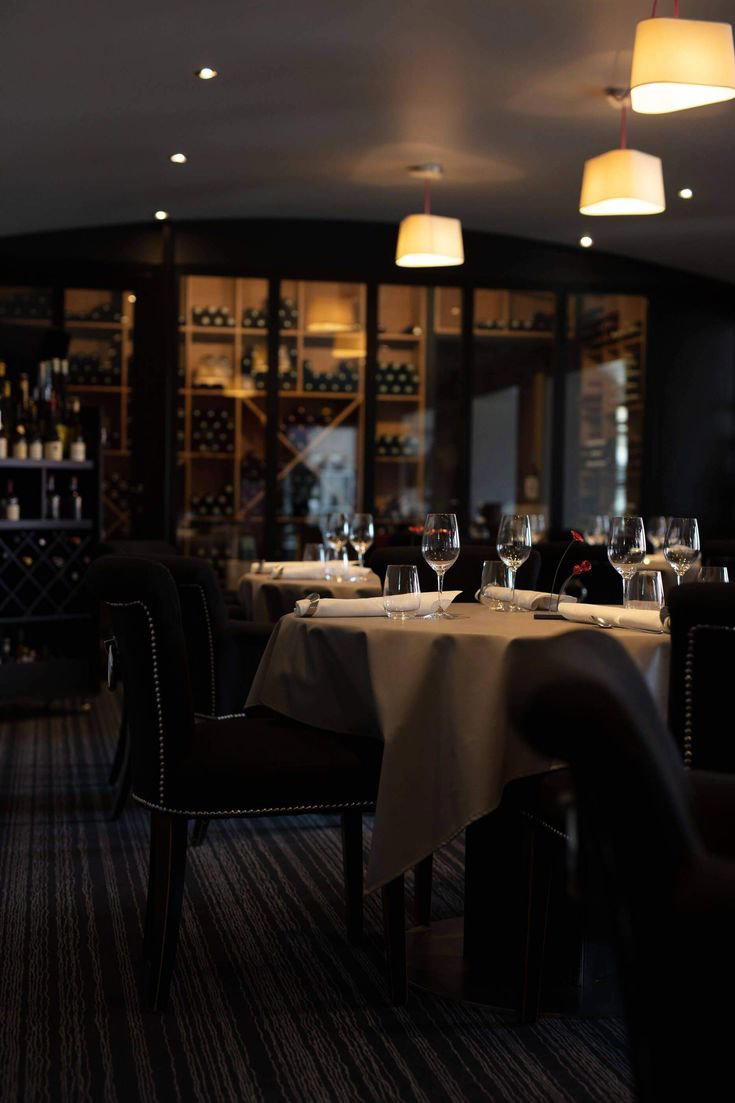
Restaurants in Emeringes
Browse all →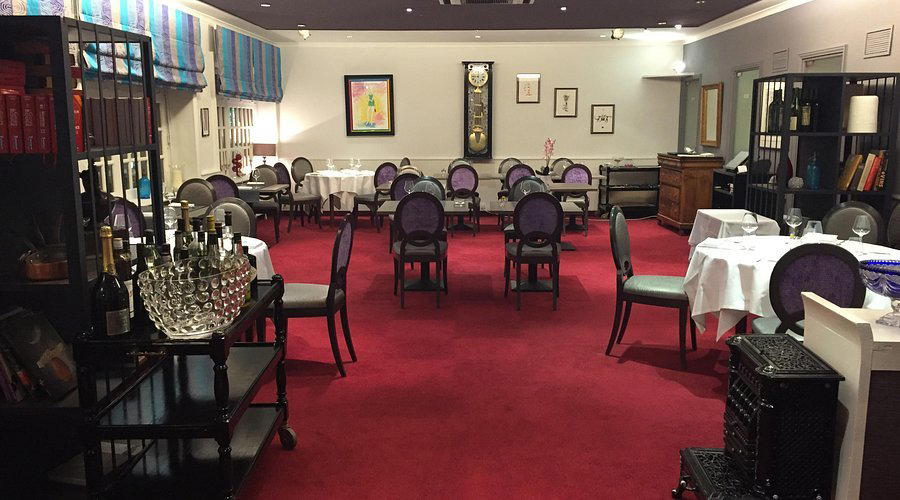
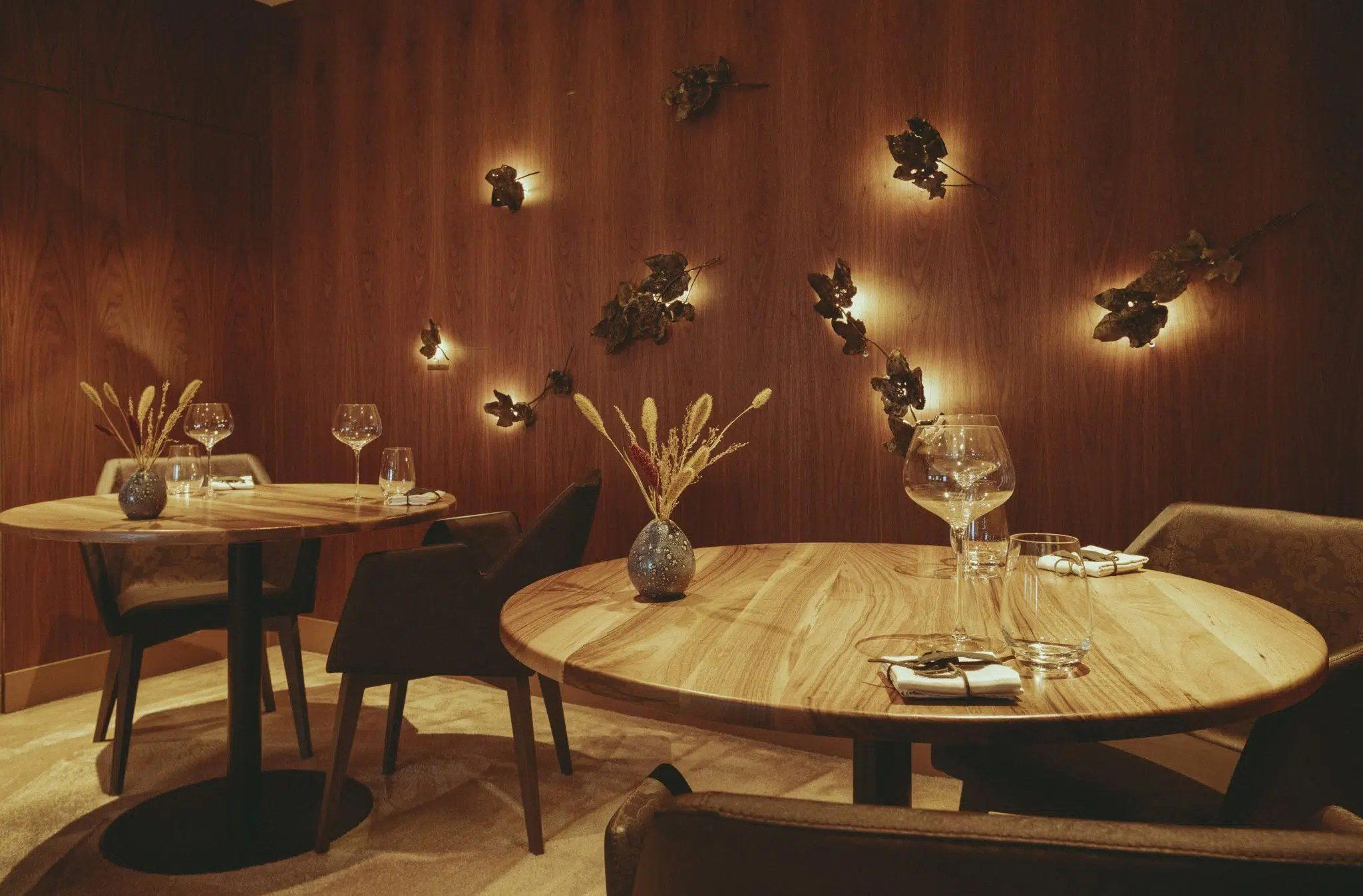
Bars in Emeringes
Browse all →
Hotels in Emeringes
Browse all →
At a Glance
- Rustic
- Cozy
- Intimate
- Family
- Casual Hangout
- Standalone
- Extensive Wine List
- Local Sourcing
- Vineyard
Current opening hours
- Monday
- 8 AM–4 PM
- Tuesday
- 8 AM–4 PM
- Wednesday
- Closed
- Thursday
- 8 AM–4 PM
- Friday
- 8 AM–3:30 PM, 7–10:30 PM
- Saturday
- 8 AM–3:30 PM, 7–10:30 PM
- Sunday
- 8 AM–3:30 PM, 7–10:30 PM
Hours can change for holidays and private events. Last verified .
Paisible and convivial atmosphere in a welcoming rural setting with friendly service.
Know Before You Go
- Getting there
- 330 Les Chavannes, 69840 Émeringes, France