Our verdict
Auersgarden occupies a quiet address in Vienna's 8th district, where the city's appetite for considered, evolution-driven dining has found a home outside the Innere Stadt circuit. The address at Trautsongasse places it among a cohort of Vienna restaurants rethinking what neighbourhood dining means at a serious level, less theatrical than the Michelin-heavy flagships, but no less deliberate in its intent.

Pearl is the En Primeur Club membership app, where members save venues, book tables and use the concierge.

The 8th District and the Shift Away from the Centre
Vienna's serious dining scene spent much of the late twentieth century anchored inside or immediately around the Innere Stadt. The grand coffeehouses, the hotel restaurants, the Beisl institutions, all gravitating toward the tourist and business corridors. What has changed over the past decade is the gradual dispersal of serious culinary ambition into the inner Vorstädte, the ring of districts just outside the old city walls. The 7th, 8th, and 9th districts have accumulated a quiet density of restaurants that ask more of their guests than the city-centre circuit typically does. Auersgarden, at Trautsongasse 1B in the 8th district (Josefstadt), sits within this broader redistribution.
Josefstadt is one of Vienna's smallest districts, low-rise, residential, with a higher-than-average concentration of lawyers, architects, and academics living in Gründerzeit apartment blocks. It has never been a dining destination in the conventional sense, which is precisely why a restaurant there signals something about its intended audience. It is not fishing for passing trade. The guests who find Trautsongasse are looking for it.
How Vienna's Neighbourhood Dining Has Evolved
The trajectory of Vienna's neighbourhood restaurant is instructive context for understanding what Auersgarden represents. Through the 1990s and into the 2000s, the dominant model outside the centre was the traditional Beisl: Wiener Schnitzel, Tafelspitz, Beuschl, served in panelled rooms with little editorial curation. Quality varied enormously, and the format was essentially static. The Michelin-starred tier, Steirereck im Stadtpark, Mraz & Sohn, Konstantin Filippou, Amador, operated in a separate register, priced and formatted for special occasions.
The interesting development of the last several years has been the emergence of a middle tier: restaurants with clear creative ambition, operating at neighbourhood scale, without the full apparatus of tasting menus and sommelier teams that define the top-end flagships. This is the tier where serious cooking happens without the ceremony that sometimes distances diners from the food. Auersgarden's position in the 8th district, on a street that carries no culinary reputation of its own, places it squarely in this evolving category.
Across Austria more broadly, the same dispersal has occurred at the regional level. Destinations like Döllerer in Golling an der Salzach, Obauer in Werfen, and Landhaus Bacher in Mautern an der Donau have long demonstrated that the most considered Austrian cooking does not require a capital city address. That principle has now inverted into Vienna itself, with serious cooking migrating away from the prestige postcodes.
The Approach at Trautsongasse
That absence is itself a signal. Restaurants at this stage of development, in this kind of neighbourhood, often resist the profiling machinery of awards bodies and aggregator platforms, at least initially. The dining public in Vienna's inner districts tends to find these places through word of mouth, through the city's compact professional networks, and through the kind of low-profile reputation that rarely produces press releases.
What the address and the Josefstadt context suggest is a room designed for repeat visitors rather than first-timers on a itinerary. The streets around Trautsongasse are quiet in the evenings, this is not the Naschmarkt corridor, not the 7th district's gallery-and-wine-bar strip. Arriving here requires a decision. That self-selection shapes the room before a single dish appears.
Vienna's serious restaurant tier has consolidated significantly since the mid-2010s. At the formal end, Steirereck and Amador operate as international reference points, drawing guests from across Europe. Doubek represents a different kind of Vienna ambition, tight, focused, not seeking scale. The pressure on mid-tier operators in the city has increased as ingredient costs have risen and the guest base for serious cooking has, if anything, concentrated toward the very leading and the very casual ends of the market.
The parallel internationally is instructive. In New York, Le Bernardin operates as a formal anchor while neighbourhood-scale operators handle the creative middle ground. In San Francisco, Lazy Bear has demonstrated how a non-traditional format can command serious pricing and serious attention without replicating fine-dining conventions. Vienna's evolution is following a similar pattern, the most interesting conversation is no longer only at the leading.
For Austrian regional context, the spread of serious cooking into smaller towns and mountain settings, Gourmetrestaurant Tannenhof in Sankt Anton am Arlberg, Stüva in Ischgl, Kräuterreich by Vitus Winkler in Sankt Veit im Pongau, Taubenkobel in Schützen am Gebirge, Schwarzer Adler in Hall in Tirol, Restaurant 141 by Joachim Jaud in Mieming, and Ois in Neufelden, signals a national culture in which the capital no longer holds a monopoly on serious intent. Auersgarden, operating in the 8th district rather than the 1st, is the Vienna expression of that same principle.
Planning a Visit
Trautsongasse 1B is a ten-minute walk from the Rathaus U-Bahn station (U2 line), and the 8th district is well-served by tram routes along Josefstädter Strasse. Given the absence of confirmed hours, booking method, and current format in the public record, contacting the venue directly before planning a visit is advisable, the restaurant does not appear to operate through major online reservation platforms at this stage. The Josefstadt neighbourhood rewards a broader evening: the district has a cluster of wine bars and cafes along Lange Gasse and Florianigasse that work well before or after a dinner reservation.
For a broader orientation to Vienna's dining scene, including confirmed details on the city's Michelin-starred and award-recognised restaurants, our full Vienna restaurants guide covers the current landscape in detail.
Frequently asked questions
What should I eat at Auersgarden?
What the 8th district context and the restaurant's positioning suggest is a kitchen working in the register of considered, produce-led cooking rather than classical Viennese Beisl cuisine. For confirmed menus at Vienna's creative end, Steirereck im Stadtpark, Mraz & Sohn, and Konstantin Filippou each publish their current formats openly.
Do I need a reservation for Auersgarden?
Given Auersgarden's neighbourhood location in Josefstadt, a district without significant passing foot traffic, walk-in availability is difficult to predict and reservations are the safer approach. The restaurant's booking method is not confirmed through major platforms, so direct contact via the address at Trautsongasse 1B is the recommended starting point. Vienna's serious dining tier, even below the Michelin-starred level, tends to fill on Thursday through Saturday evenings several weeks in advance.
Is Auersgarden connected to a wider Austrian culinary tradition or movement?
Auersgarden's address in the 8th district places it within a broader shift in Vienna toward serious cooking in residential neighbourhoods, away from the prestige-postcode concentration of the city's formal dining tier. This mirrors a wider Austrian pattern, visible in the sustained reputations of destination restaurants across the country's regions, where culinary ambition has consistently operated outside capital-city settings.
Cuisine Context
Comparable venues nearby, for context on price, style, and recognition.
| Venue | Cuisine | Price | Awards | Notes |
|---|---|---|---|---|
| AuersgardenThis venue (the venue you are viewing) | Garden Bistro with Regional Focus | $20–30 | Not listed | Not listed |
| Downstairs | Cocktail Lounge & Billiards Bar | Not listed | Not listed | Hofburg |
| Erbsenzählerei | Organic Vegetarian Café | $10–20 | Not listed | Margareten |
| Topf & Deckel | Healthy Seasonal Cantina | $10–20 | Not listed | Stephansdom |
| The Sign | Craft Cocktail Lounge | $10–20 | Falstaff Bar - 95 Falstaff Points | Franz Josefs Bahnhof |
| Tatarie Marie | Raw Tartare Street Food | $10–20 | Not listed | Innere Stadt |
Continue exploring
More in Vienna
Restaurants in Vienna
All restaurants in Vienna →
Bars in Vienna
All bars in Vienna →
Hotels in Vienna
All hotels in Vienna →
Details
- Scenic
- Cozy
- Lively
- Casual Hangout
- After Work
- Group Dining
- Garden
- Terrace
- Historic Building
- Craft Cocktails
- Local Sourcing
- Garden
- A La Carte
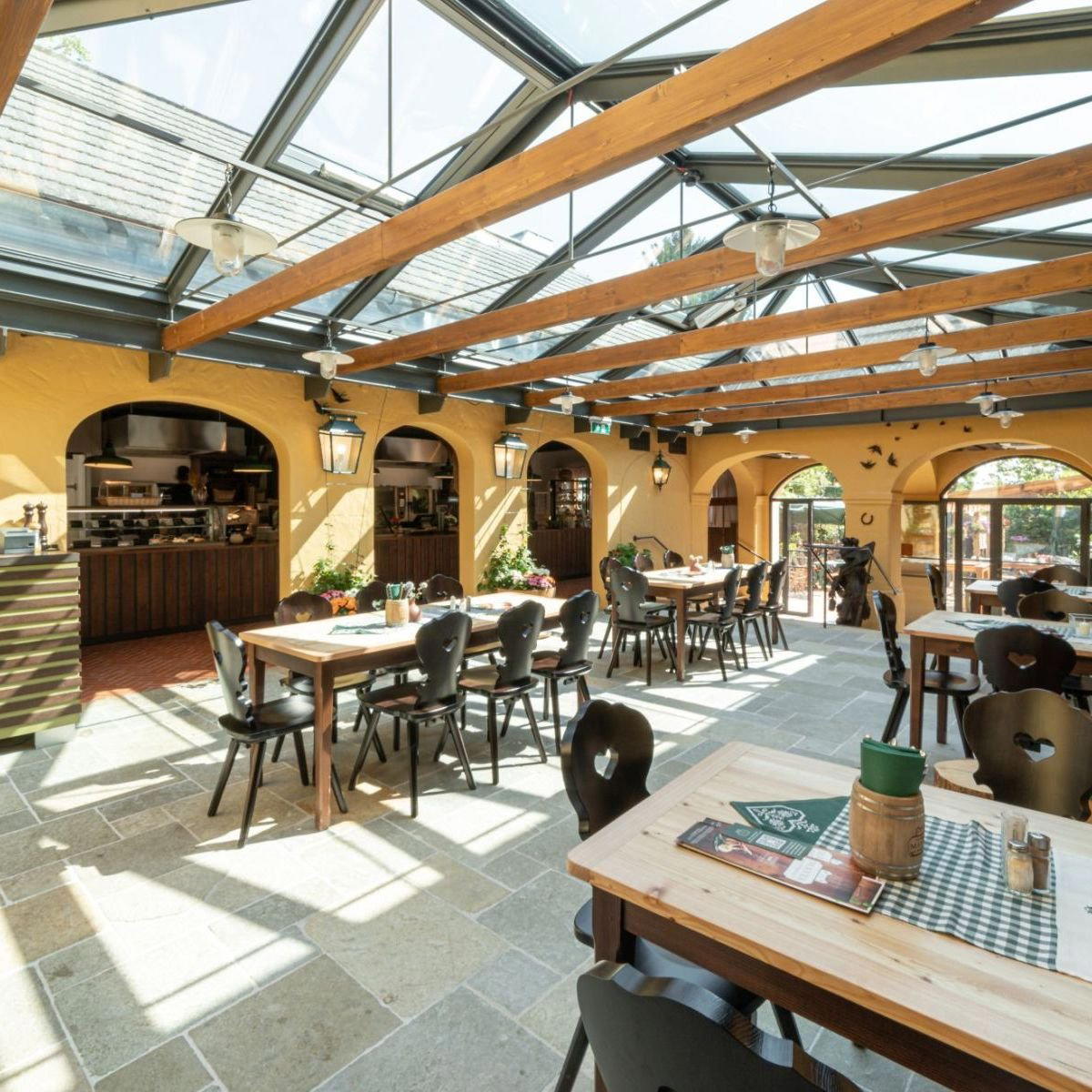
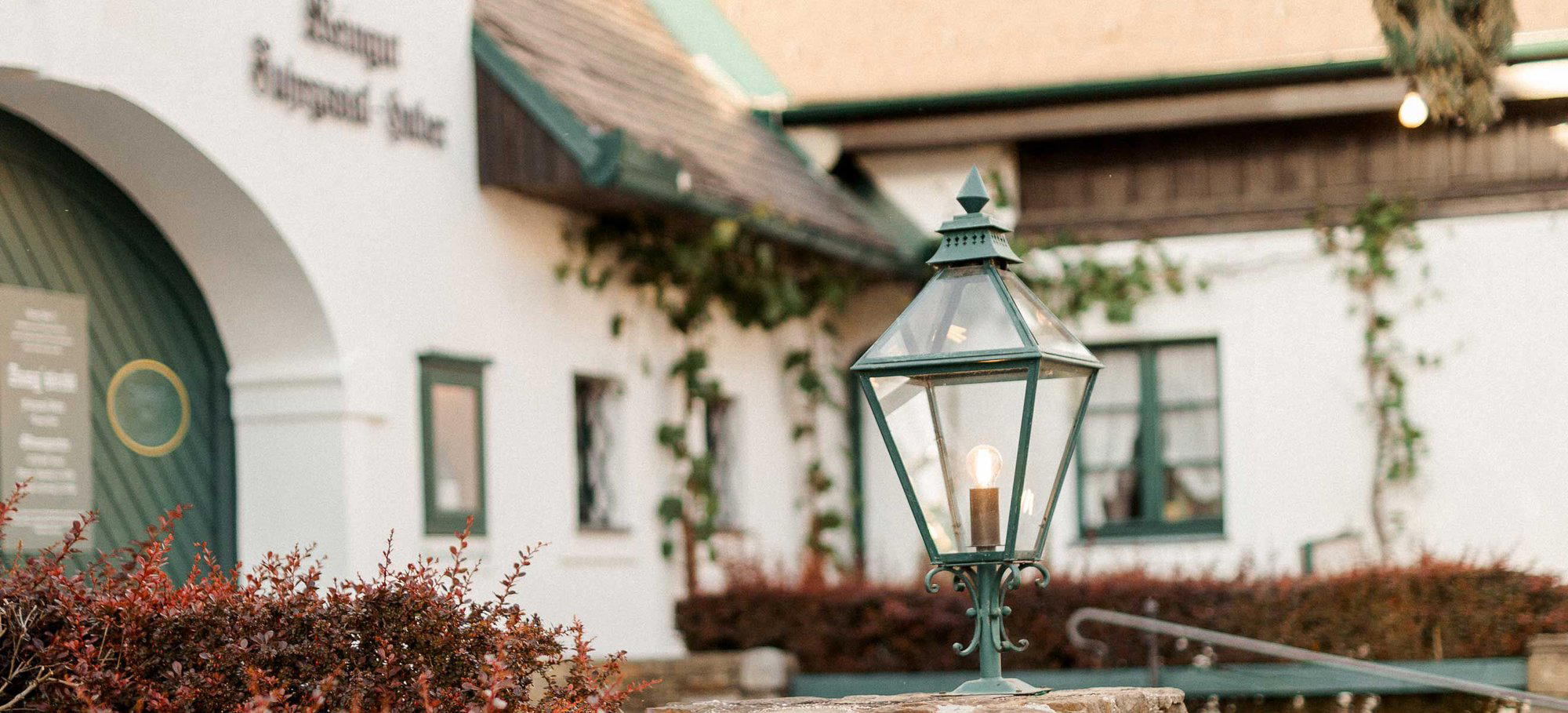
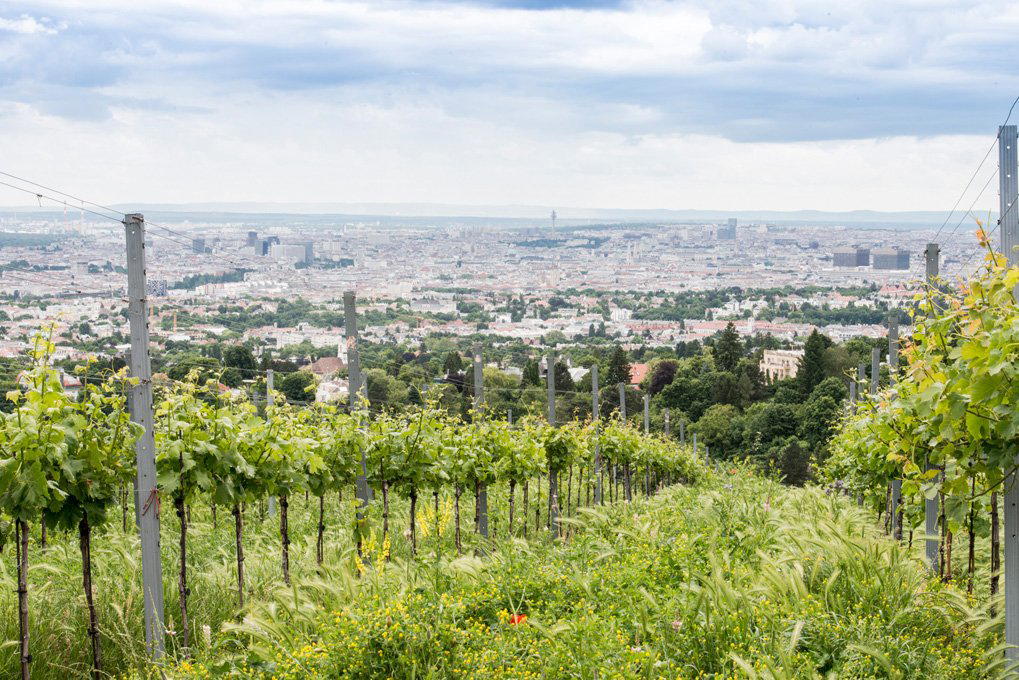
Relaxed and inviting garden atmosphere well-suited for chilling out with drinks and regional cuisine.