Auberge de Moresnet
Set in the village of Plombières near the Belgian-German border, Auberge de Moresnet occupies the kind of address where the surrounding countryside does as much work as the kitchen. The auberge format, rooted in regional hospitality tradition, positions it within a distinct tier of Belgian dining that sits apart from the urban fine-dining circuit. For those crossing the Liège hinterland, it warrants serious attention.
Pearl is the En Primeur Club membership app — saves, bookings, and concierge access live there. Same editors, same standards.
- Address
- Rue du Village 75, 4850 Plombières, Belgium
- Phone
- +32 87 78 66 57
- Website
- aubergedemoresnet.be
- Directions
- Get directions
 Saves & bookings on Pearl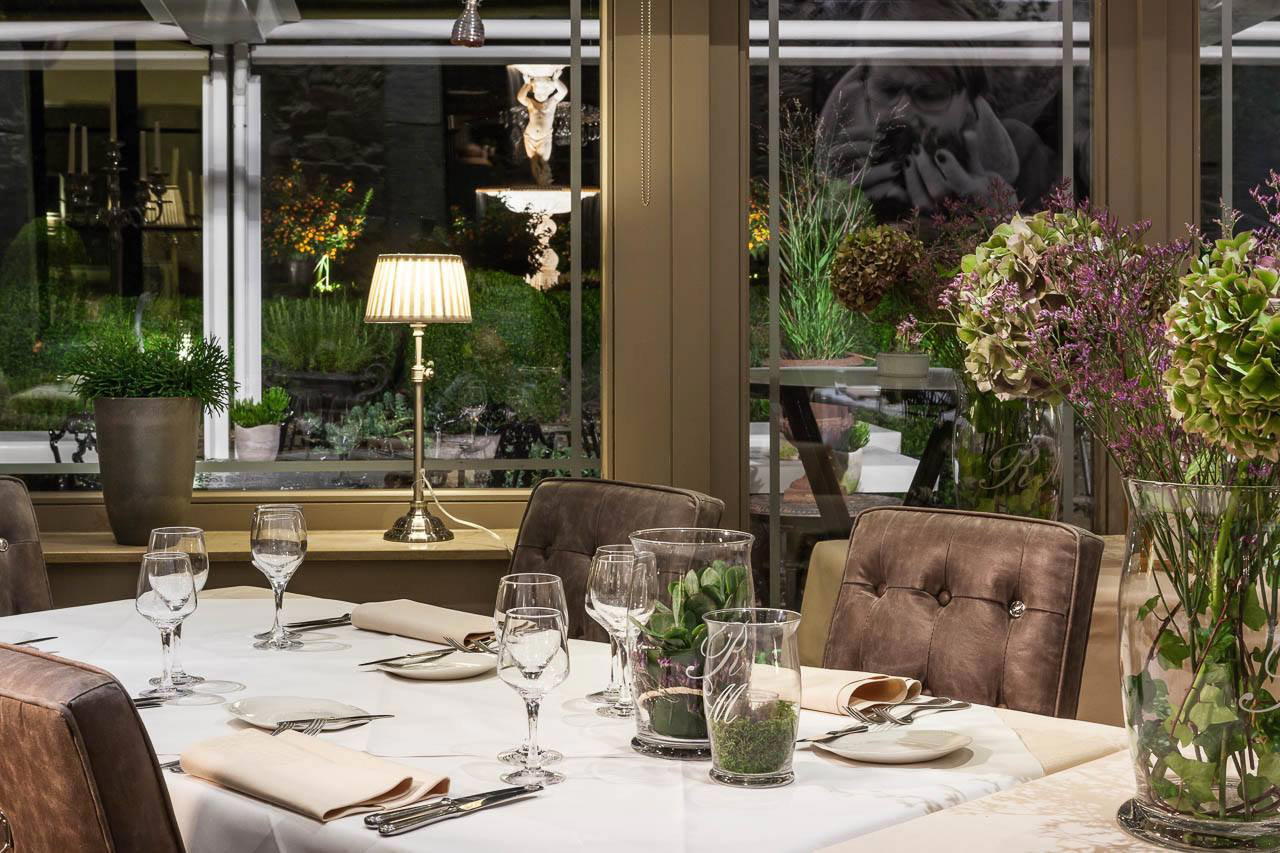
Where the Ardennes Edge Meets the Auberge Tradition
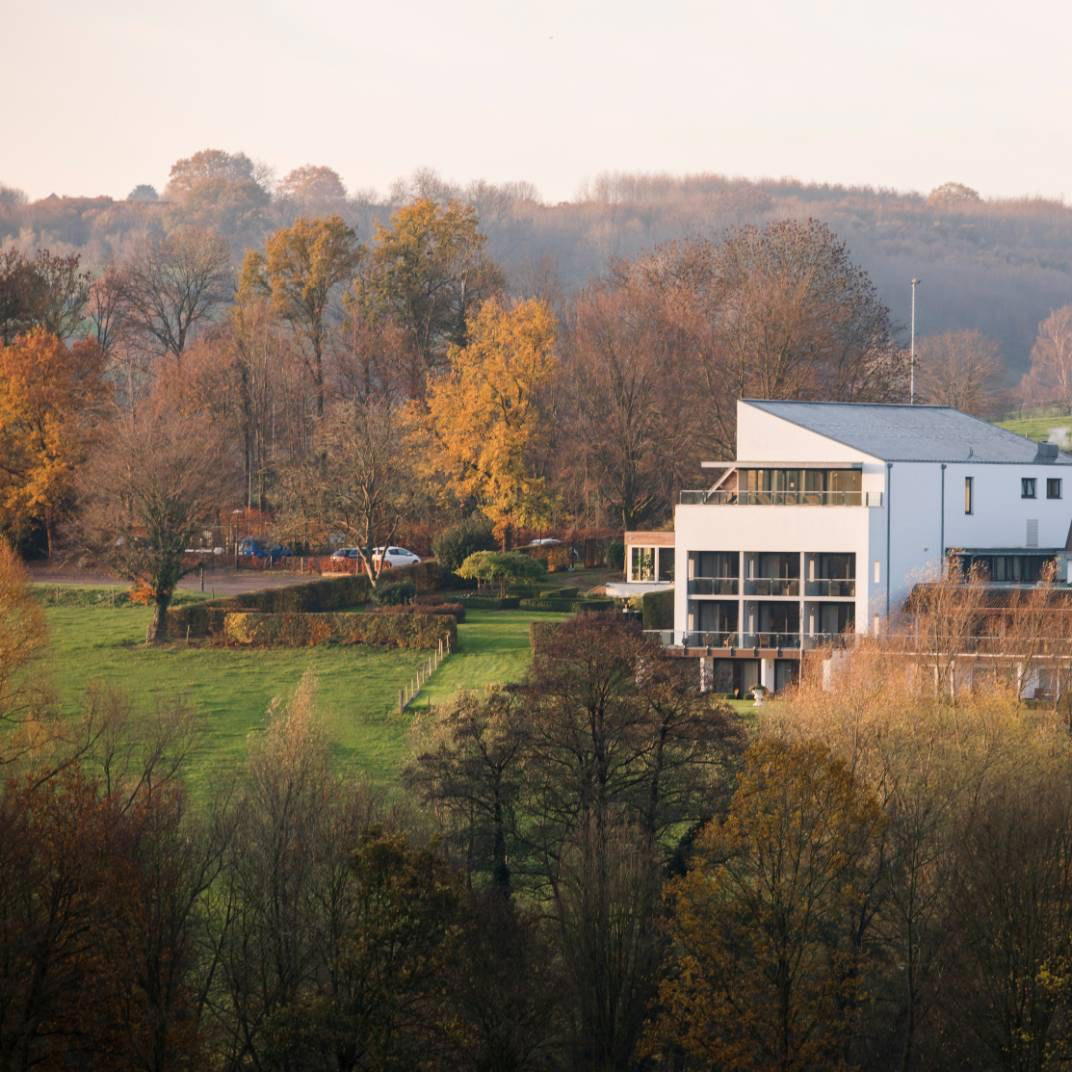
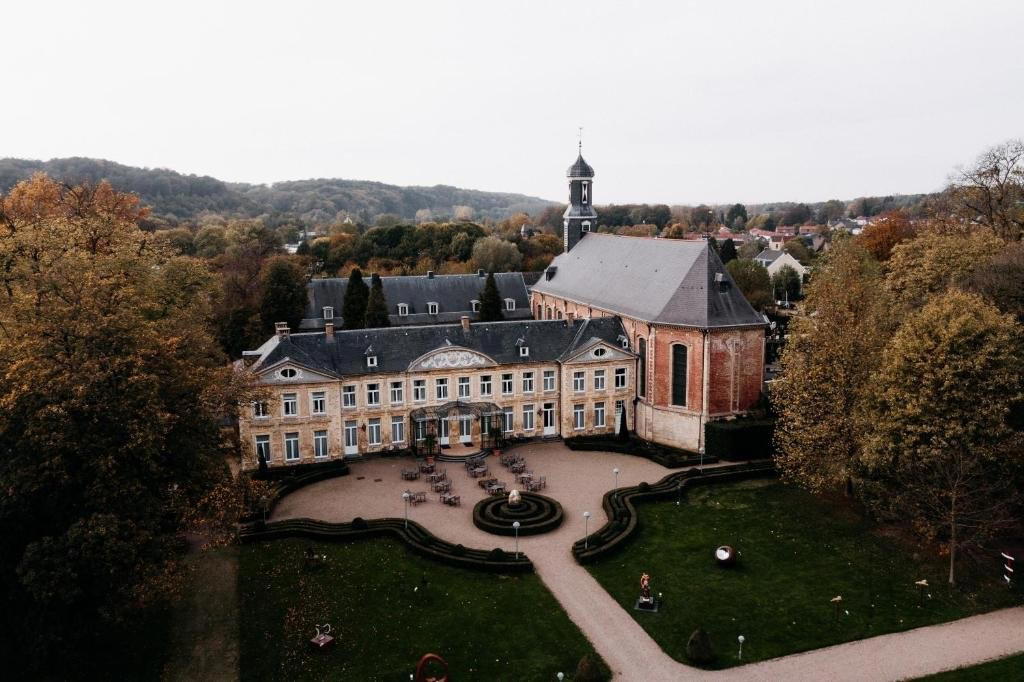
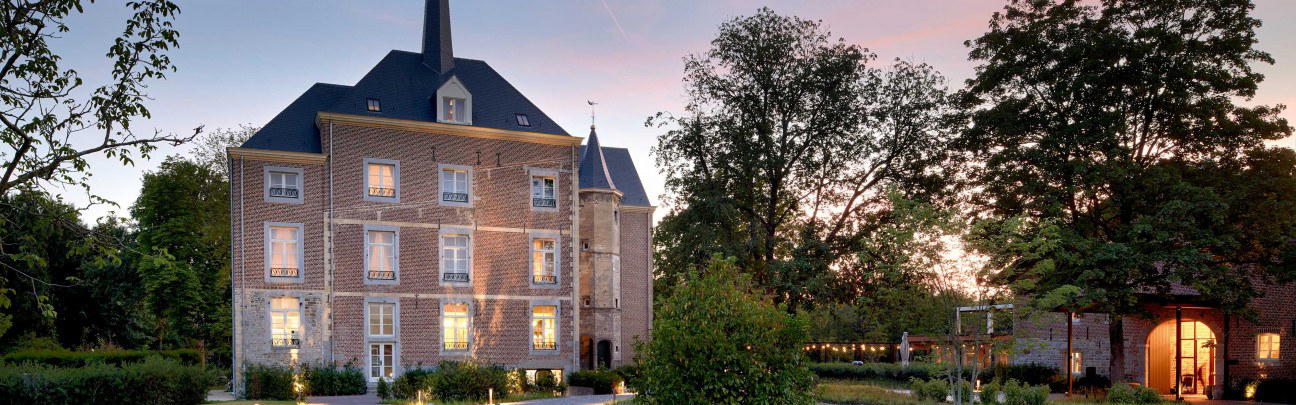
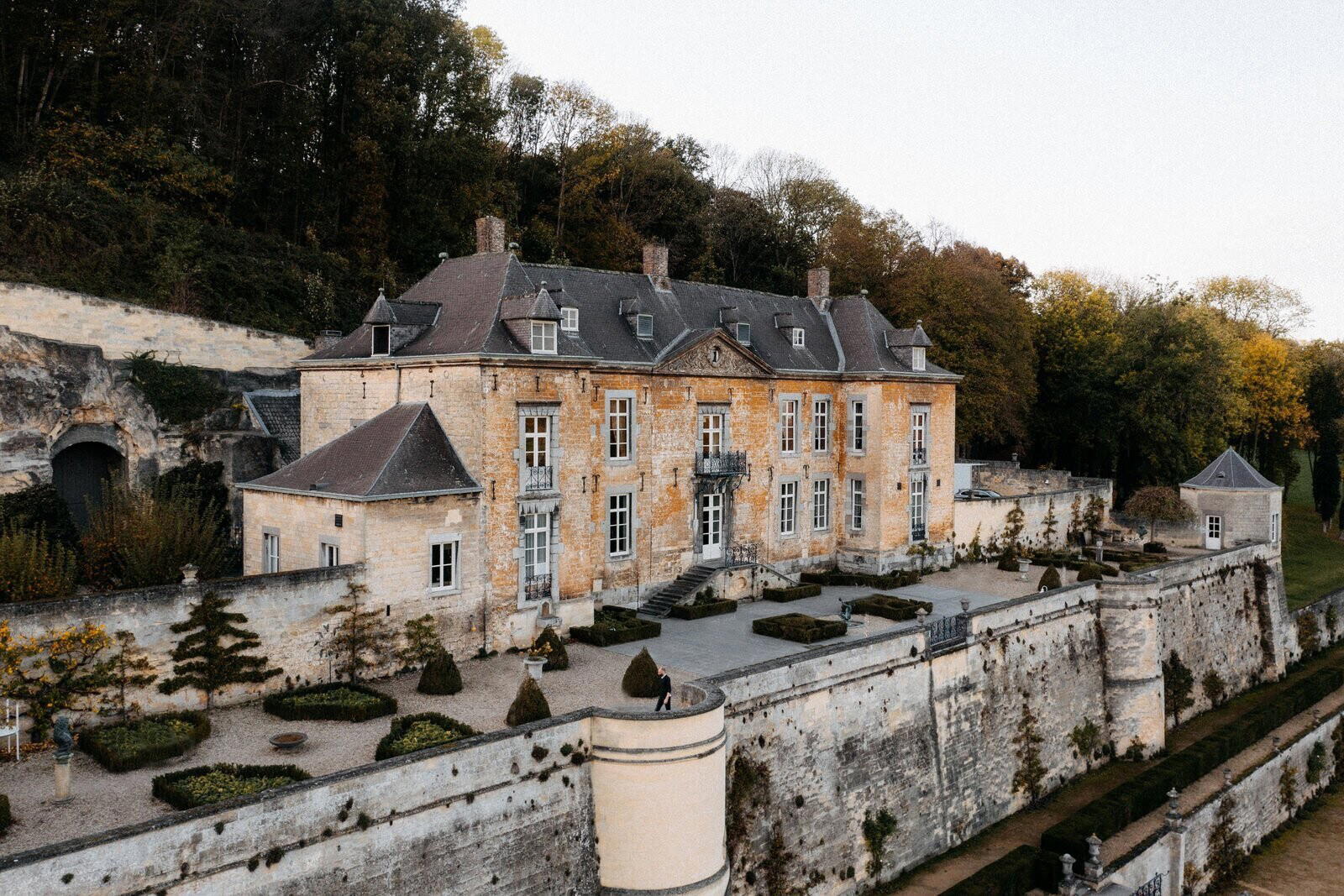
The village of Plombières sits in the easternmost fold of the Belgian province of Liège, close to the point where Belgium, the Netherlands, and Germany converge. The terrain here is rolling and agricultural, the kind of landscape that has historically shaped what ends up on regional tables: game from the forests, dairy from the pastures, root vegetables pulled from heavy clay soils. Auberge de Moresnet, at Rue du Village 75, occupies a setting defined by that geography. The auberge format is not incidental to the experience, it is structurally different from urban restaurant dining. You arrive by car, through countryside rather than city streets, and the building itself signals something slower and more deliberate than a metropolitan reservation.
That sense of deliberateness is worth examining as a category trait. Belgium's rural dining addresses, from Ralf Berendsen in Neerharen to La Table de Maxime in Our, have historically drawn credibility from their proximity to primary ingredients. Cooking in these settings cannot lean on urban theatre or neighbourhood reputation; it earns its standing through what arrives at the table and where that product originates.
Ingredient Geography: Why Provenance Matters Here
The Liège borderland is one of Belgium's more quietly productive food regions. The proximity to the High Fens (Hautes Fagnes) means access to game, particularly venison and wild boar, during autumn and winter seasons. The German border region of Aachen lies nearby, and the broader Ardennes corridor connects south toward Luxembourg's artisan producers. For a kitchen operating in this geography, sourcing is less a philosophical choice than a structural advantage: the ingredients that define regional character are close at hand.
This matters because Belgium's most discussed restaurants often articulate sourcing as a core part of their identity. Willem Hiele in Oudenburg has built its reputation on coastal-regional sourcing with near-total discipline. Hof van Cleve in Kruishoutem, three Michelin stars, demonstrates that Flemish country cooking, grounded in local product, can reach the highest international tier. The auberge in Plombières operates within a Walloon parallel of that tradition: a cuisine shaped by what the forest, farm, and pasture immediately surrounding it can provide.
For the reader visiting from outside the region, this framing carries practical weight. Dishes at addresses like Auberge de Moresnet are likely to reflect the season with more fidelity than their urban counterparts, because the supply chain is shorter and the pressure to source exotically is lower.
The Belgian Rural Dining Tier: Context and Comparison
Belgium's fine-dining conversation is dominated by its urban anchors: Zilte in Antwerp, Bozar Restaurant in Brussels, Boury in Roeselare. These are city-format restaurants with city-format expectations: tasting menus, wine pairings, formal service theatre, and reservation windows measured in months. The rural auberge operates under a different set of social contracts. The room is more likely to contain multigenerational tables, and the pacing reflects an evening-length commitment. The cooking, at its leading, is less performative and more grounded in what the French tradition would call cuisine du terroir, food that tastes specifically of its place.
Within Belgium's broader dining geography, addresses like Vrijmoed in Gent, La Durée in Izegem, and Cuchara in Lommel each occupy the creative-modern tier at €€€€ price points. Auberge de Moresnet, by contrast, sits in a category where classical technique and regional product are more likely to drive the editorial, a different ambition, and one that warrants its own evaluation framework rather than direct comparison with progressive urban tasting menus.
For context on how rural European dining addresses position themselves internationally, Lazy Bear in San Francisco and Le Bernardin in New York City both demonstrate that format-specific discipline, rather than menu ambition alone, determines a restaurant's lasting credibility. The auberge format requires a similar commitment to format integrity.
Planning a Visit: What to Know Before You Go
Plombières is accessible by car from Liège in approximately 30 minutes, and from Aachen across the German border in a comparable drive. Public transport to the village is limited, making a car effectively necessary for most visitors. The address at Rue du Village 75 places the auberge within the village core rather than in an isolated rural setting, which eases arrival. For those visiting d'Eugénie à Emilie in Baudour, Le Chalet de la Forêt in Uccle, or Castor in Beveren on the same Belgian trip, factoring the eastern Liège region into a broader restaurant itinerary adds meaningful variety across dining formats and regional traditions.
Booking is recommended, and the opening pattern is Thursday through Sunday, 12 to 10 PM. De Jonkman in Sint-Kruis and La Paix in Anderlecht offer useful reference points for understanding the range of Belgian dining formats and price tiers if you are building a broader itinerary.
Comparable Venues
Comparable venues nearby, for context on price, style, and recognition.
| Venue | Cuisine | Price | Notes |
|---|---|---|---|
| Auberge de MoresnetThis venue — the venue you are viewing | French-Belgian Bistro | $$$ | Not listed |
| Bistrôt Le Ciel | Franco-Belgian Bistro with Global Influences | $$$ | Neerharen |
| Le Chat Volant | Bistronomique | $$$ | Place du Marché |
| Bruur | French Gastro-Bistro | $$$ | Zuivelmarkt |
| La Plage d'Amée | French-Belgian Fine Dining | $$$ | Jambes |
| Corneille | Belgian & French Grande Cuisine | $$$ | Genk |
Continue exploring
More in Plombieres
Restaurants in Plombieres
Browse all →
Bars in Plombieres
Browse all →
At a Glance
- Cozy
- Elegant
- Intimate
- Classic
- Date Night
- Special Occasion
- Standalone
- Local Sourcing
Current opening hours
- Monday
- Closed
- Tuesday
- Closed
- Wednesday
- Closed
- Thursday
- 12–10 PM
- Friday
- 12–10 PM
- Saturday
- 12–10 PM
- Sunday
- 12–10 PM
Hours can change for holidays and private events. Last verified .
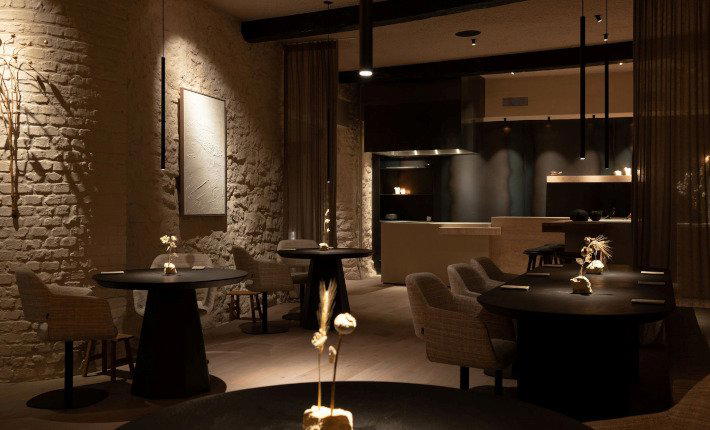
Hushed and soothing atmosphere with beautiful table settings, spacious tables for privacy, and a cozy, elegant interior.