Our verdict
Auberge de Bellevie sits in Grozon, a quiet village in the Jura département where the French countryside habit of cooking close to the land remains a practical reality rather than a marketing posture. The address places it within reach of some of France's most characterful agricultural territory, where farmhouse cheeses, river fish, and forest-foraged produce define the regional table. It occupies the auberge tradition: unhurried, rooted in place, and oriented toward the local rather than the cosmopolitan.

Pearl is the En Primeur Club membership app, where members save venues, book tables and use the concierge.

The menu
What to order
- Oysters with raw cream, apple and crunchy celery
- Comté cheese beignets
- Flatbread with mussels and smoked ham
- Mackerel with Satsuma yogurt
- Trout with fennel and almond purée
- Agastache ice cream with toasted hazelnuts
A Jura Village, a French Auberge Tradition
The French auberge format is older than most restaurant categories Europeans take for granted. Before the star-chasing circuits of Lyon, Paris, or the Côte d'Azur consolidated fine dining into a recognisable high-table culture, the auberge was the dominant format for serious rural eating: a building on a village road, a kitchen tied to whatever the surrounding land produced that week, and a dining room that served the community before it served travellers. Grozon, a small commune in the Jura département of eastern France, sits inside that tradition by geography and by temperament. The region's food identity has never required the validation of metropolitan attention. Comté, vin jaune, Bresse poultry from the neighbouring département, morilles foraged from the limestone plateau above the Bresse plain, these are the currencies of the Jura table, and they predate any guidebook interest in the area.
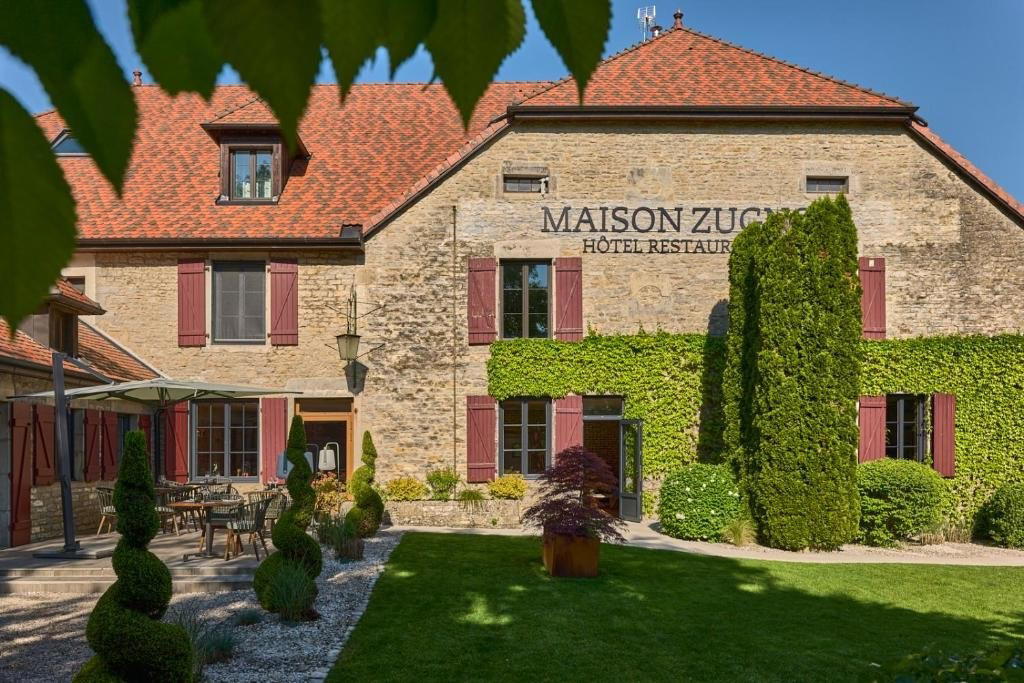
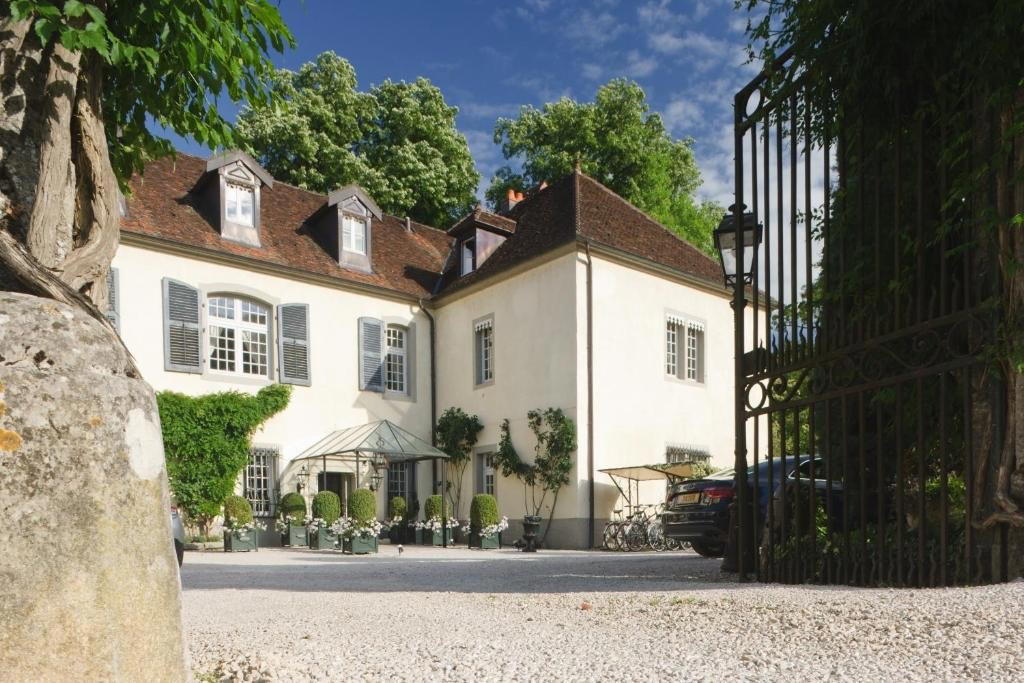
Auberge de Bellevie, at 14 Rue du Bourg-Bas, occupies that village-auberge position. The approach from the road gives you the physical grammar of the format immediately: stone, a modest façade, the kind of building that announces function rather than spectacle. France's most credentialled rural addresses Auberge de l'Ill in Illhaeusern, Auberge du Vieux Puits in Fontjoncouse, share this characteristic: the building resists ostentation even when what happens inside is serious cooking. Bellevie is operating in the same vernacular tradition, within a département that has produced some of France's most singular flavours without ever becoming a dining tourism headline.
Where the Jura Countryside Meets the Plate
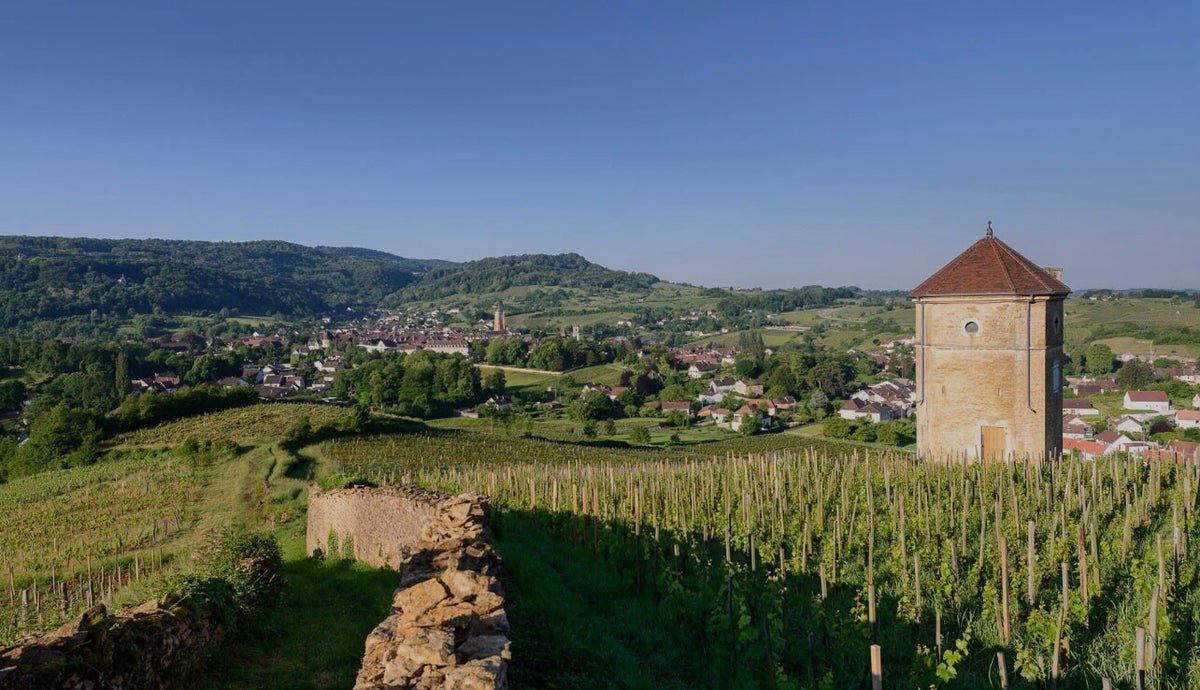
The editorial argument for Ingredient sourcing as the lens for understanding Jura cooking is not rhetorical. The Jura sits at a productive tension point between mountain and plain. The Bresse, immediately to the west, produces France's most celebrated poultry under AOC protection, Bresse chickens carry geographic appellation status the way Champagne or Roquefort do, a regulatory signal of how seriously France treats provenance in this zone. To the east, the Jura plateau yields morilles, comté aged in affinage cellars that rival Burgundy's cave culture for complexity, and a tradition of vin jaune production from Savagnin grapes that has no direct counterpart elsewhere in French viticulture.
A kitchen in Grozon does not need to import character. The sourcing challenge is instead one of discipline: knowing what to leave alone and what to apply technique to. The broader arc of French regional cooking over the past two decades has moved toward shorter supply chains and seasonal specificity, not as ideology but as competitive differentiation from urban restaurants that can source globally but struggle to source with the same granularity as a village kitchen with established supplier relationships. Addresses like Bras in Laguiole and Les Prés d'Eugénie in Eugénie-les-Bains have built their reputations partly on this logic: the remoteness of the address is inseparable from the specificity of the ingredients. The Jura operates in that same register.
The Auberge Format in France's Rural Fine Dining Hierarchy
France's rural fine dining addresses occupy a different position in the national hierarchy than their urban counterparts. At the top of that hierarchy sit multi-generational houses: Troisgros in Ouches, Maison Lameloise in Chagny, Georges Blanc in Vonnas, addresses that have compounded decades of recognition into something close to institutional status. Below that tier, the auberge format functions as the backbone of provincial French food culture: smaller, less ceremony-dependent, and more directly connected to the agricultural reality of its surrounding territory.
The Jura has historically been underrepresented in the Michelin geography of eastern France compared to Burgundy to the north and the Rhône corridor to the south. That relative quietness is, arguably, part of what makes addresses within it worth attention. Rooms like Flocons de Sel in Megève or Le 1947 à Cheval Blanc in Courchevel operate in Alpine-adjacent territory with substantial international tourist infrastructure. The Jura does not have that infrastructure, which means kitchens there are cooking to a more local rhythm. For certain travellers, that is exactly the point.
The comparison set for Auberge de Bellevie is not the starred metropolitan addresses, the Alléno Paris au Pavillon Ledoyen tier, or the coastal ambition of Mirazur in Menton. It is the quieter network of French rural auberges where the local agricultural calendar drives the menu more than any chef's personal creative programme. That is a different kind of seriousness, and one that the French provincial tradition has sustained for longer than the Michelin system has existed to document it.
Planning a Visit to Grozon
Grozon sits in the Jura département, roughly between Dole and Lons-le-Saunier on the eastern edge of the Bresse plain. The nearest rail access of scale is Dole, which sits on the TGV line connecting Dijon to Besançon and Lyon, journey time from Paris Gare de Lyon to Dole is approximately two hours. From Dole, Grozon is a short drive east. The Jura is not a region built for public transport at the village level, so a hire car is the practical approach for anyone exploring the area beyond the main towns. The surrounding territory rewards this: the wine route through Arbois, Pupillin, and Château-Chalon is one of the more distinctive vineyard drives in France, and the landscape between the Bresse plain and the Jura plateau shifts character within short distances.
Given the limited publicly available data on Auberge de Bellevie's current hours, booking availability, and seasonal schedule, the standard approach for rural French auberges applies: contact directly before making travel arrangements, and plan around the kitchen's rhythm rather than assuming urban-format hours or year-round service. Village auberges in France frequently close one or two days mid-week and may adjust opening periods seasonally. For the broader Grozon dining context, see our full Grozon restaurants guide.
Frequently asked questions
Is Auberge de Bellevie formal or casual?
Rural Jura auberges sit in a middle register of French dining, grounded in regional produce and traditional cooking rather than the ceremonial service codes of a grand maison. Auberge de Bellevie, positioned in the village of Grozon, follows that format: expect a setting closer to convivial than white-glove, though dress code specifics are not documented.
What makes Auberge de Bellevie worth a detour from Dole or Lons-le-Saunier?
Grozon sits between Dole and Lons-le-Saunier in the Jura département, a corridor where the Bresse plain meets the foothills that produce some of France's most distinctive wines and cheeses. Auberge de Bellevie at 14 Rue du Bourg-Bas occupies that geography in the classic French auberge tradition, which has historically made such village addresses worth the distance precisely because they remain embedded in local supply chains unavailable to city restaurants. For travellers routing through eastern France rather than destination-dining in Lyon, this is the kind of address the format was built around.
What should I order at Auberge de Bellevie?
Specific menu details are not available for Auberge de Bellevie, but Jura village auberges in the Grozon area draw heavily on the region's defining larder: Comté, Morbier, vin jaune, and Bresse poultry are the reference points that anchor serious cooking throughout the département. Dishes built around these ingredients represent the editorial logic of the region and are worth seeking wherever the kitchen leads.
What's the address for Auberge de Bellevie?
Auberge de Bellevie is located at 14 Rue du Bourg-Bas, 39800 Grozon, France, Grozon.
Quick Comparison
| Venue | Cuisine | Price | Awards | Notes |
|---|---|---|---|---|
| Auberge de BellevieThis venue (the venue you are viewing) | French Seasonal Bistro with Natural Wines | $30–50 | Not listed | Not listed |
| Mirazur | Modern French Fine Dining | $300–500 | 3 Michelin Stars · World's 50 Best #1 | Modern French, Creative |
| Alléno Paris au Pavillon Ledoyen | Modern French Fine Dining | $150–200 | 3 Michelin Stars · World's 50 Best #79 | Creative |
| Kei | Modern French with Japanese Influences | $300–500 | 3 Michelin Stars · World's 50 Best #93 | Contemporary French, Modern Cuisine |
| L'Ambroisie | Classic French Haute Cuisine | $300–500 | 2 Michelin Stars · World's 50 Best #23 | French, Classic Cuisine |
| Le Cinq - Four Seasons Hôtel George V | Modern French Fine Dining | $300–500 | 3 Michelin Stars · World's 50 Best #24 | French, Modern Cuisine |
Continue exploring
More in Grozon
Restaurants in Grozon
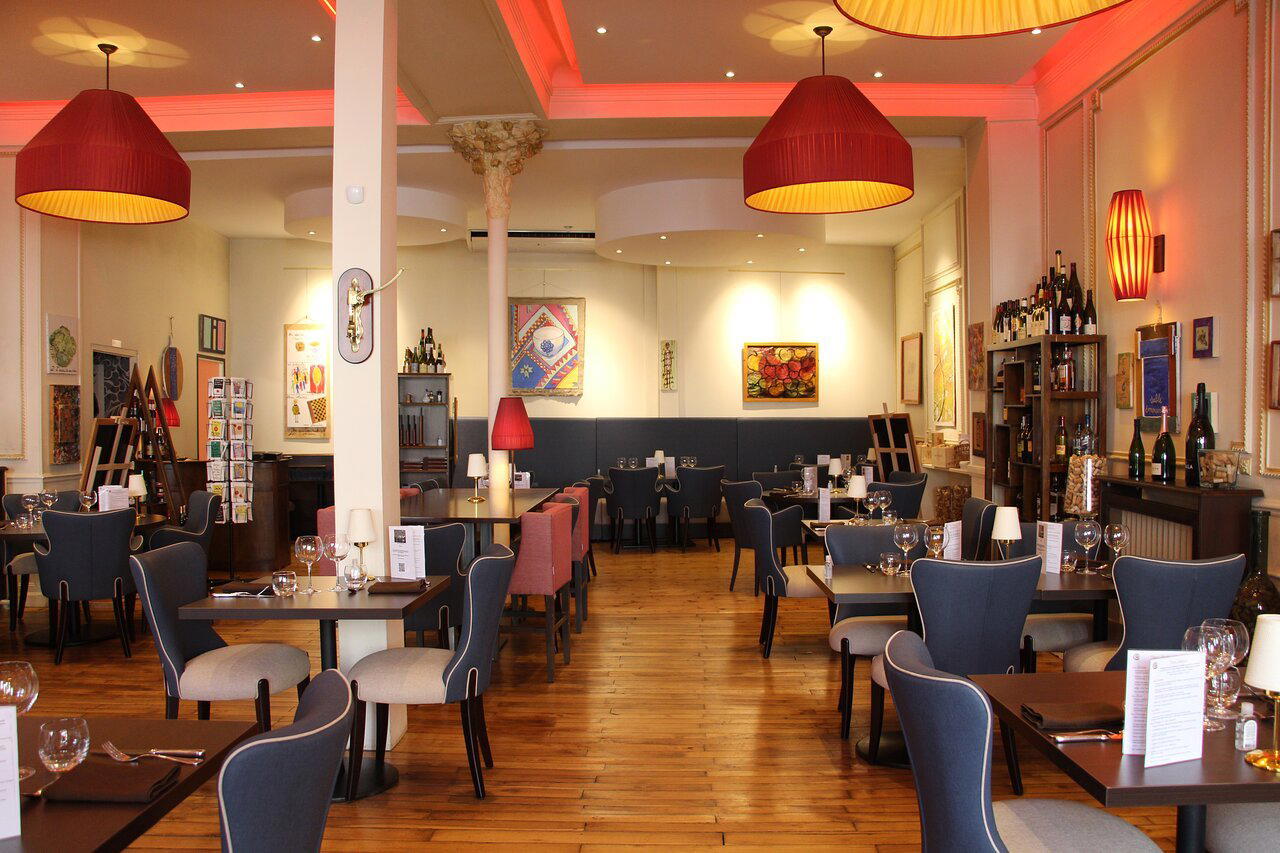
All restaurants in Grozon →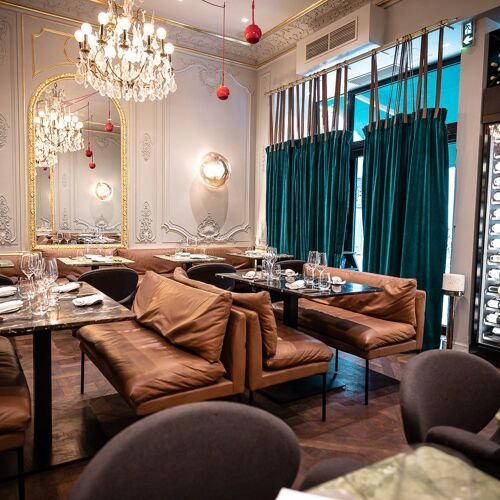
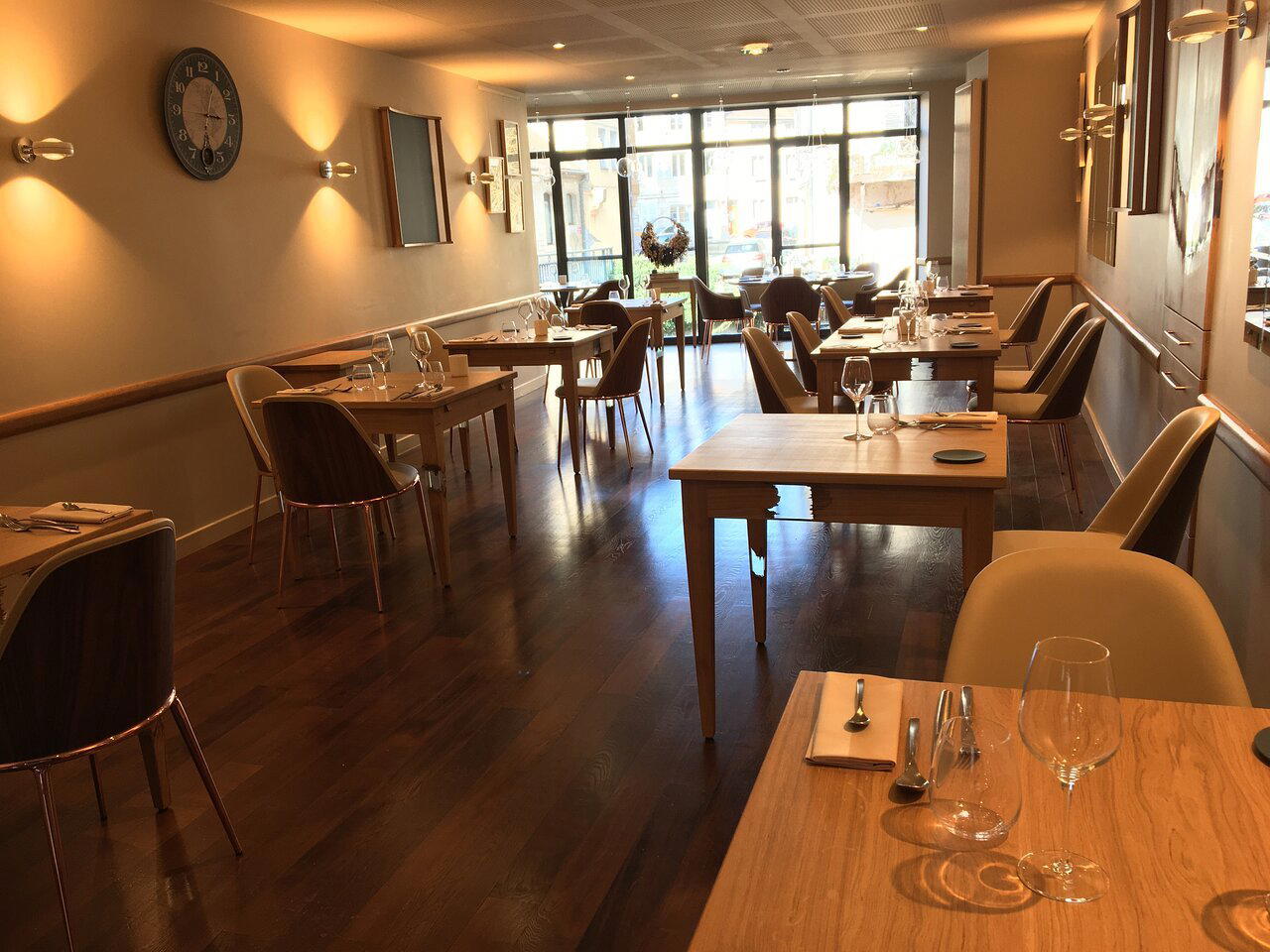
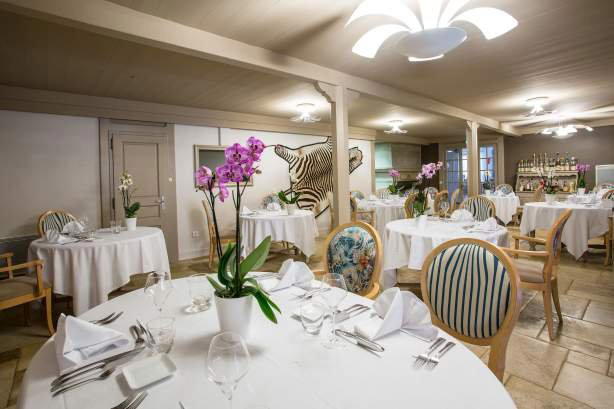
Hotels in Grozon
Browse all →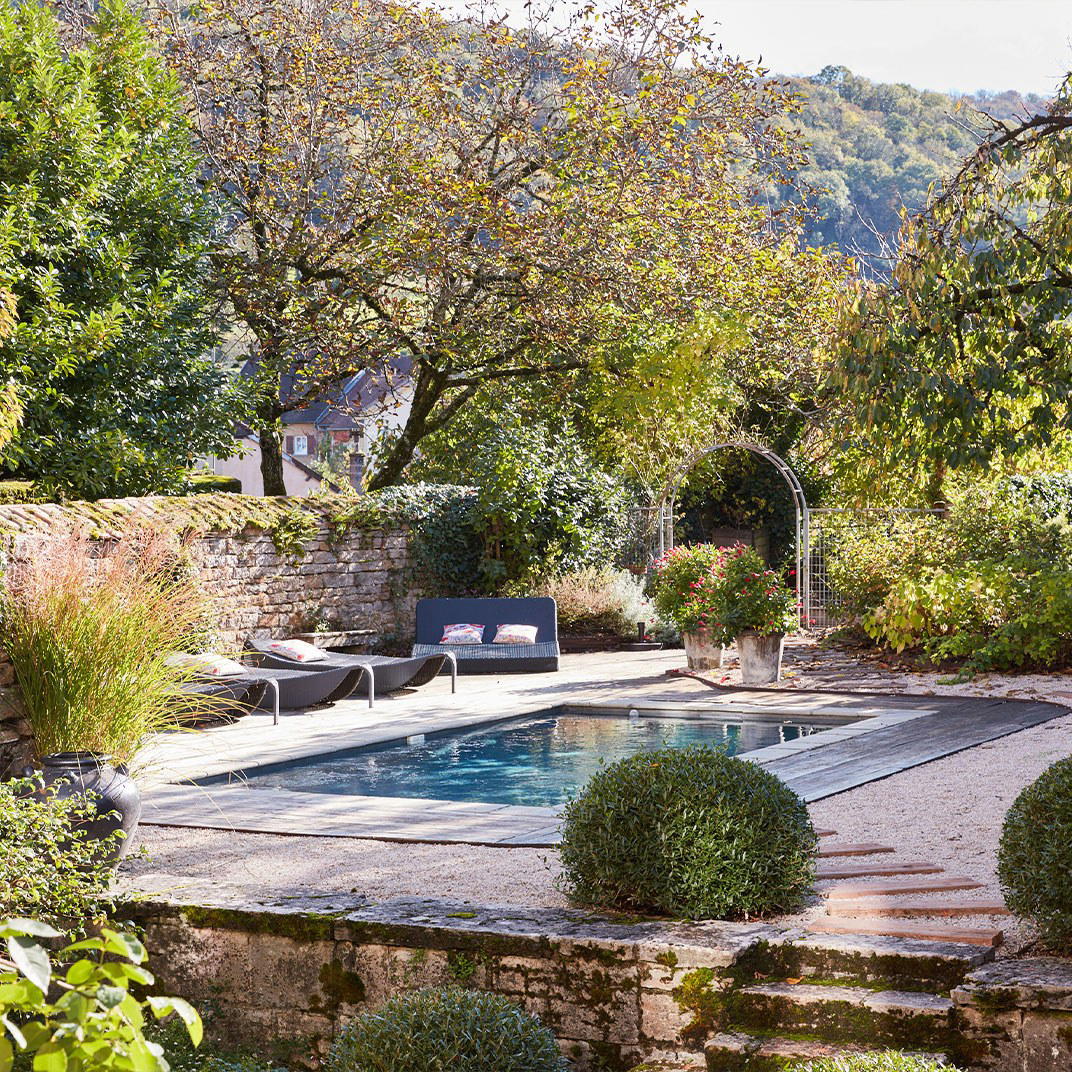
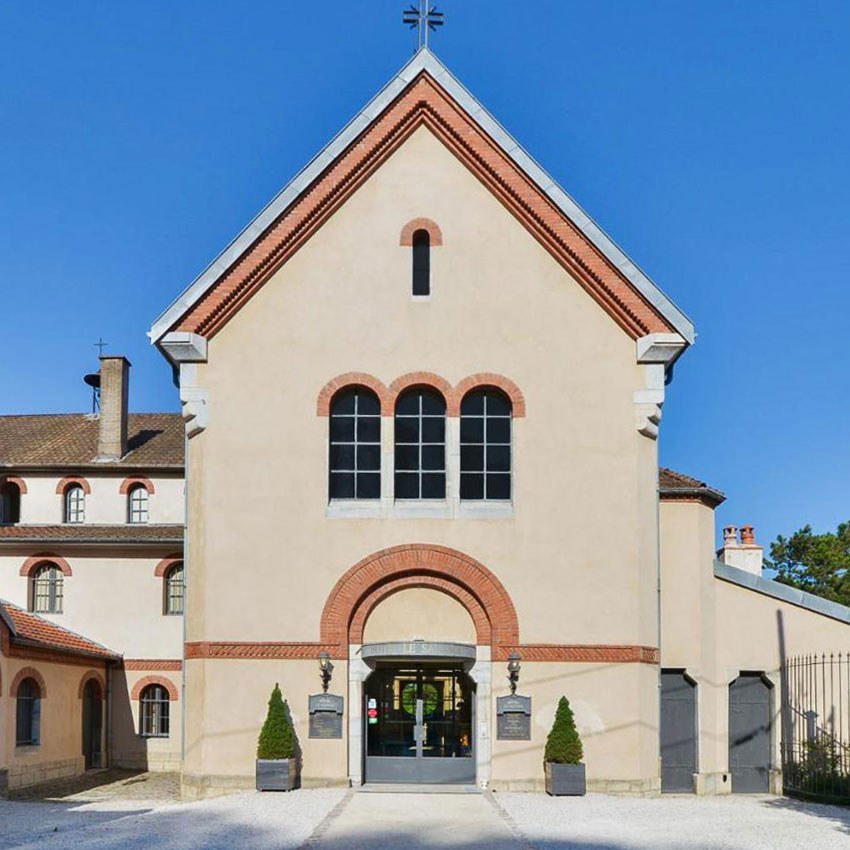

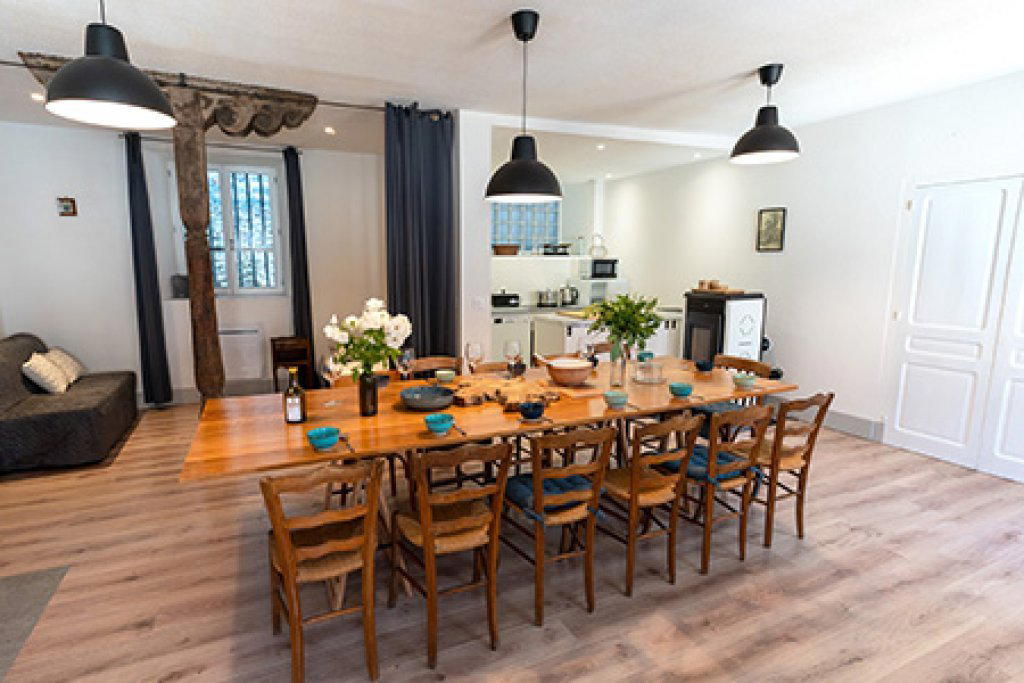
Auberge de Bellevie
The wine
- Wine program
- Deep wine list
- Sommelier-led
- Natural wine
Details
- Rustic
- Cozy
- Bohemian
- Energetic
- Casual Hangout
- Date Night
- Family
- Group Dining
- Garden
- Terrace
- Standalone
- Historic Building
- Natural Wine
- Sommelier Led
- Farm To Table
- Organic
- Natural Wine
- Local Sourcing
- Garden
- Prix Fixe
- A La Carte
- Small Plates
- Natural Wine
- Local Jura Wines
- Vegetarian Friendly
- Organic Focus
- Allergy Accommodating
Current opening hours
- Monday
- 12–2:30 PM, 7–9:30 PM
- Tuesday
- Closed
- Wednesday
- Closed
- Thursday
- 7–9:30 PM
- Friday
- 7–9:30 PM
- Saturday
- 7–9:30 PM
- Sunday
- 12–2:30 PM, 7–9:30 PM
Hours can change for holidays and private events. Hours as of .
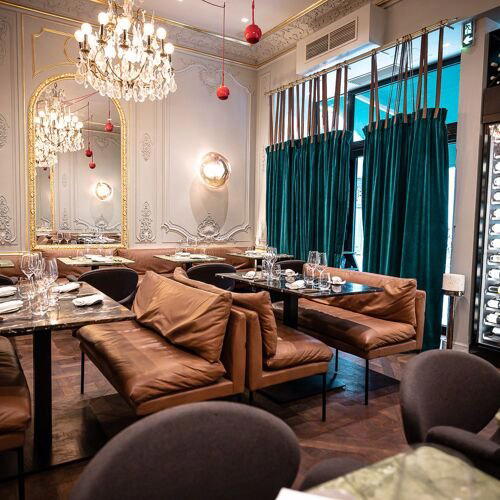
Warmly lit countryside inn with vintage furnishings, mirrored countertops, antique tableware and linens, and a welcoming owner-driven atmosphere.