Our verdict
Auberge du Vigneron sits in the ancient village of Cucugnan, in the Corbières country of the Languedoc, where the table is shaped by the land rather than imported ambition. The kitchen draws on regional sourcing traditions that define this stretch of southern France: wild hillside herbs, local producers, and a wine culture rooted in Cathar country viticulture. For a village of barely 100 residents, this address carries genuine weight.

Pearl is the En Primeur Club membership app — saves, bookings, and concierge access live there. Same editors, same standards.
- Address
- 2 Rue A Mir, 11350 Cucugnan, France
- Phone
- +33468450300
- Website
- logishotels.com
- Directions
- Get directions
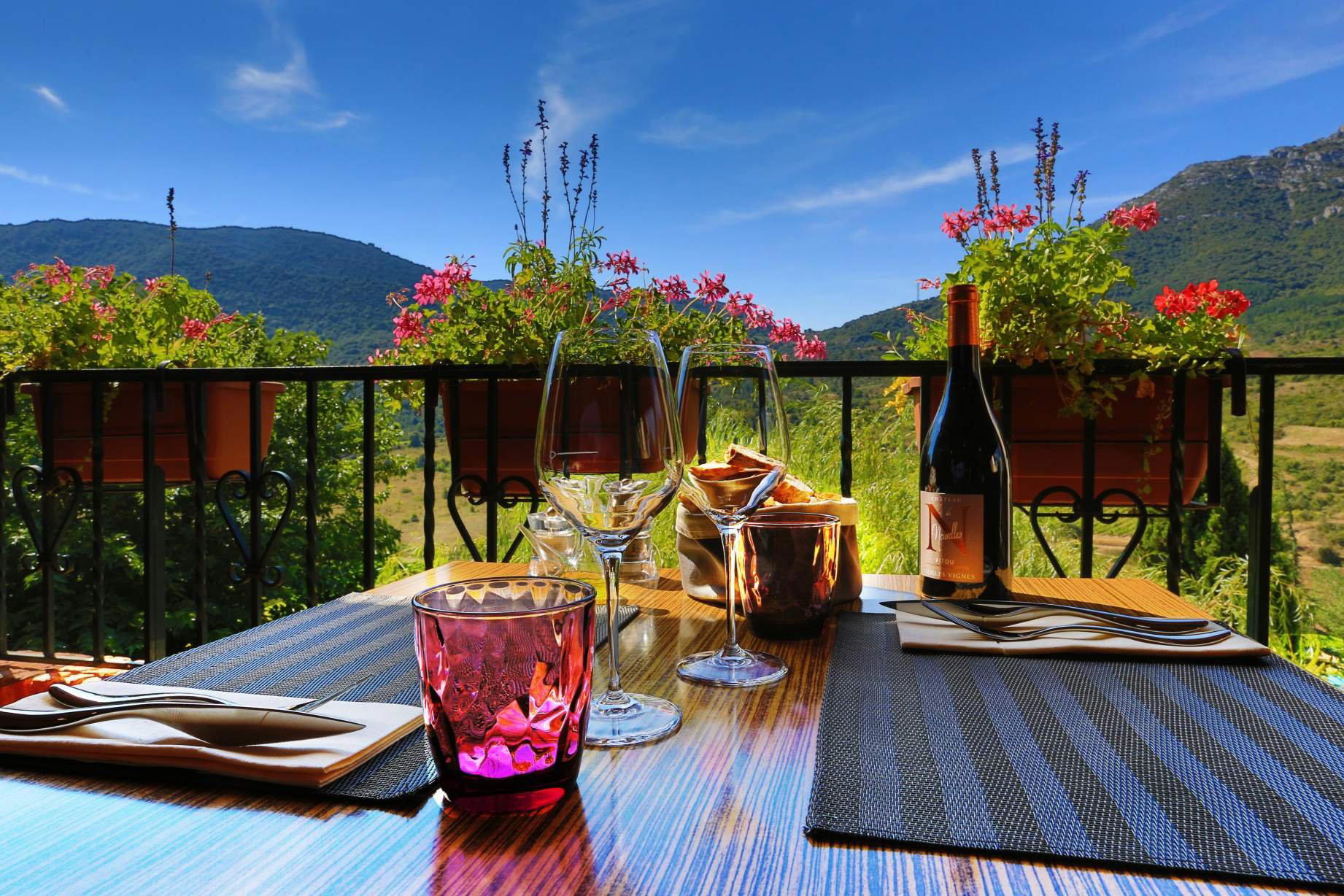
The menu
What to order
- Joues de porc confites au rancio
- Soupe glacée de tomates
- Millefeuille de légumes confits
Where the Corbières Shapes the Table
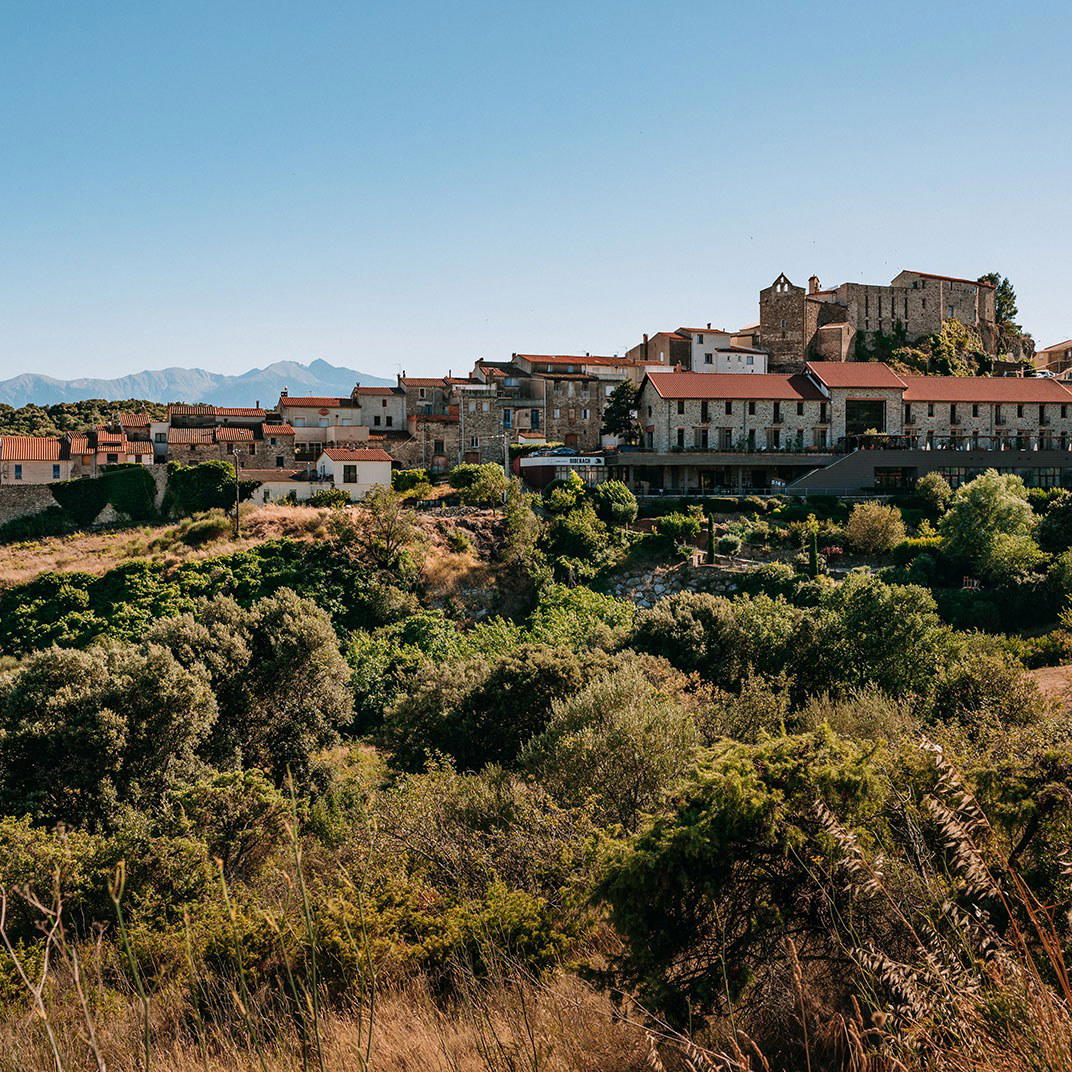
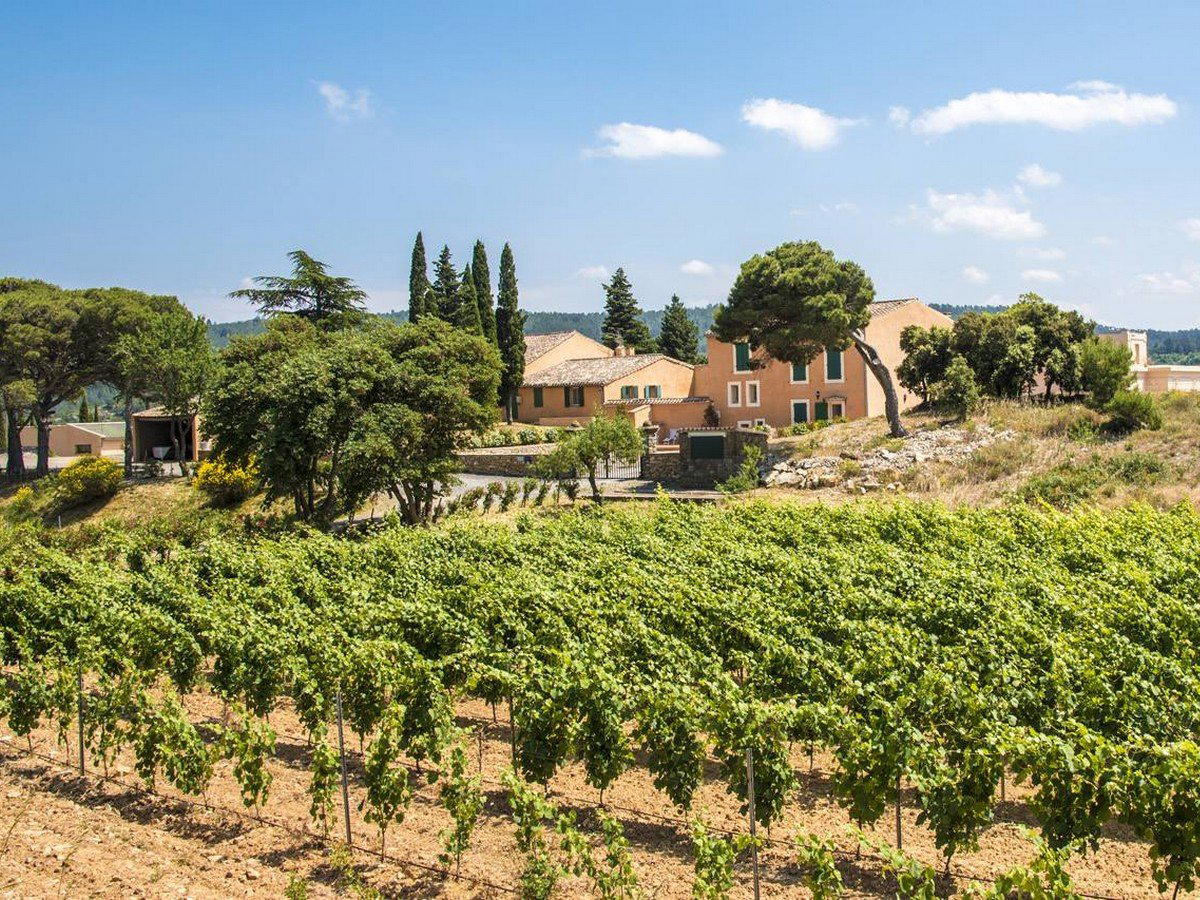
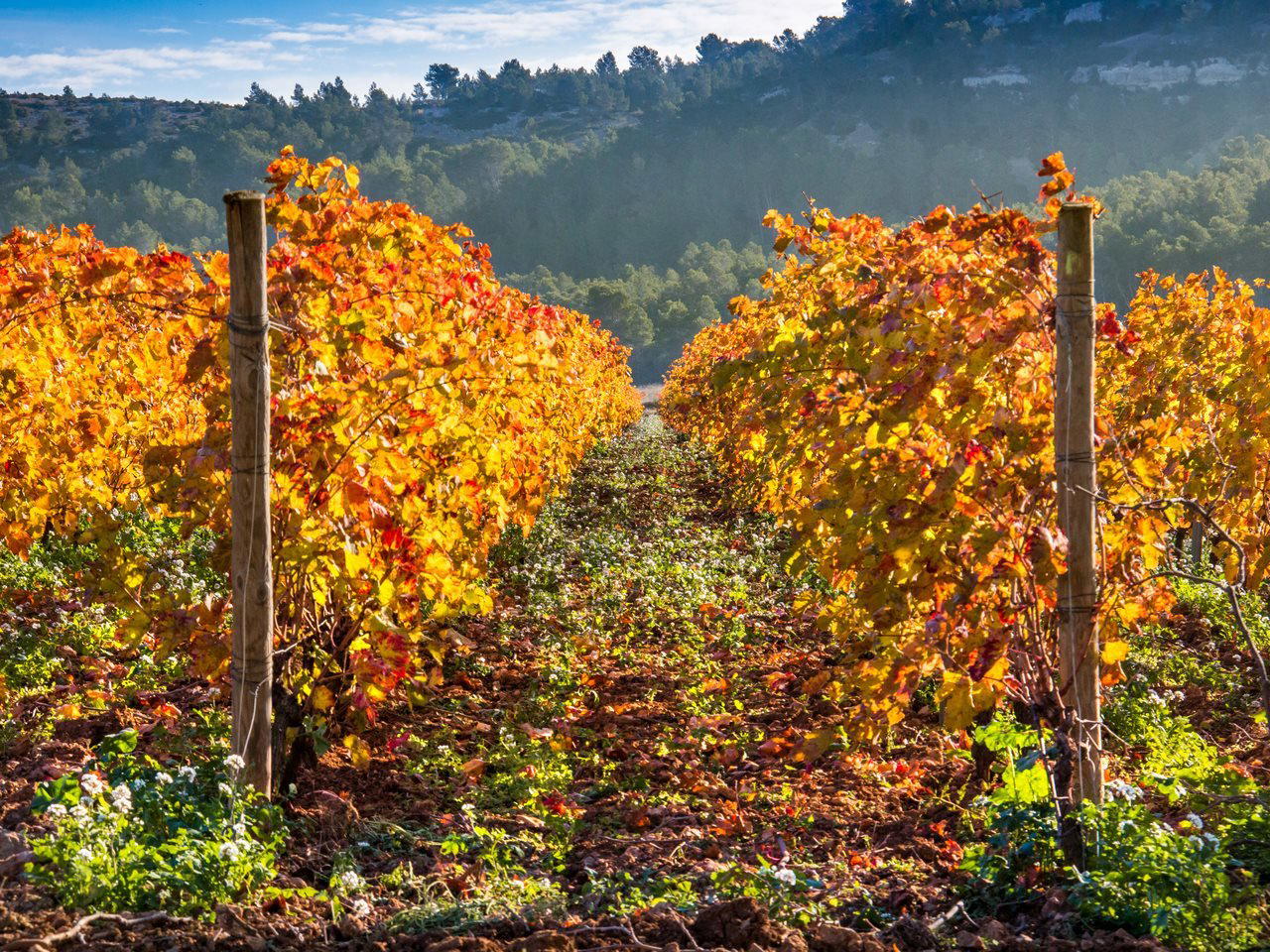
Cucugnan is the kind of village that takes a deliberate decision to reach. Set in the Corbières, a rough limestone country of wind-scoured ridges and abandoned Cathar strongholds in the Aude département, it sits roughly an hour southwest of Narbonne and is not on the way to anywhere more obvious. The surrounding landscape is the point: thin-soiled garrigue, wild rosemary, cistus, and the gnarled old vines of Corbières AOC, one of the Languedoc's most characterful appellations. It is in this context that Auberge du Vigneron, at 2 Rue A Mir in the village centre, asks to be understood. The address of a vigneron — a winegrower — in a village surrounded by winegrowers is not incidental. It signals an allegiance to a specific regional tradition rather than an aspiration toward the kind of polished gastronomy you find at destinations like Mirazur in Menton or Alléno Paris au Pavillon Ledoyen.
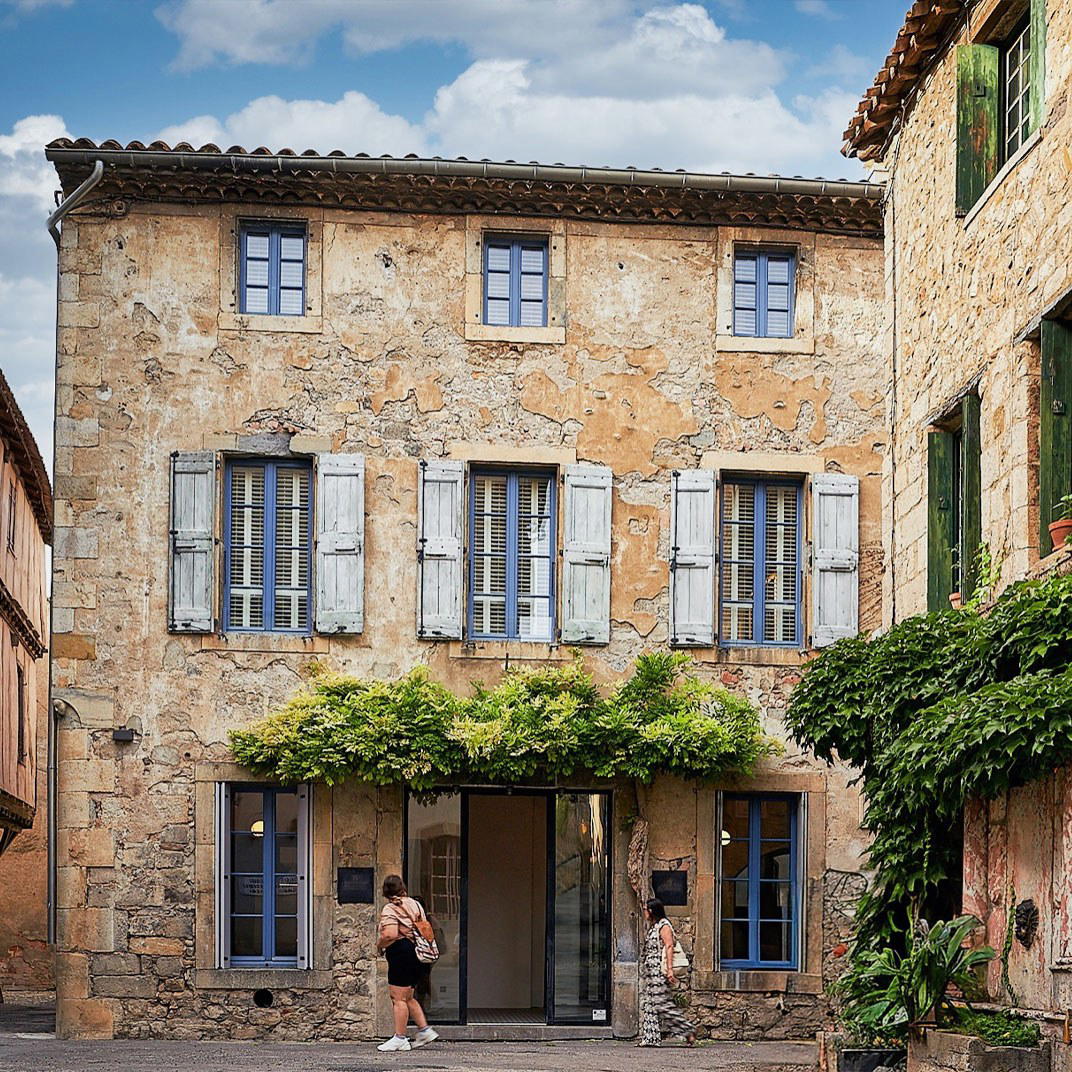
The village sits below the ruins of the Château de Quéribus, one of the last Cathar fortresses to fall in the thirteenth century, and the sense of deep historical continuity is hard to ignore when the terrain itself so visibly resists modernisation. Arriving in Cucugnan, the proportion of the place immediately registers: narrow stone lanes, a Romanesque church, the low hum of wind. An auberge format in this setting is not nostalgic affectation. It is the appropriate scale for the territory.
A Southern French Sourcing Tradition
The broader Languedoc-Roussillon corridor has long operated outside the circuits that define haute cuisine in France. While the Rhône Valley and Burgundy attract the kind of institutional recognition visible at houses like Troisgros in Ouches, Maison Lameloise in Chagny, or Bras in Laguiole across the Aveyron border, the Corbières operates on different terms. The ingredient story here is one of provenance through proximity. The garrigue herbs that grow wild on the hillsides above the village, the lamb grazed on stony Corbières scrub, the olive oil pressed in the valley, and the wines produced within walking distance of the village square are the actual building blocks of what a kitchen in this location should be doing.
This sourcing logic is not unique to Cucugnan, but it is perhaps more visible here than in more accessible parts of southern France. The region's relative isolation from major tourist flows has kept its food culture embedded in production rather than presentation. Compare this to the Provence corridor, where destinations like L'Oustau de Baumanière in Les Baux or La Table du Castellet operate in a more well-trafficked wine-and-gastronomy circuit. The Corbières sits a step removed from that, which tends to preserve a rawer, more direct relationship between producer and plate.
The Corbières AOC itself deserves attention as part of any reading of the table here. The appellation covers around 15,000 hectares, making it one of the largest AOCs in France, and produces primarily Grenache, Syrah, Mourvèdre, and Carignan blends at price points that sit well below their qualitative ceiling. Drinking these wines in a village where some of the producers may literally be neighbours of the restaurant is a different proposition from encountering them on a Paris wine list. It is worth cross-referencing the nearby Auberge du Vieux Puits in Fontjoncouse, where chef Gilles Goujon has built one of the region's most decorated tables around a similar philosophy of Corbières terroir, to understand the ceiling of what this territory can produce when sourcing discipline is taken seriously.
Auberge Format and What It Implies
The auberge format, a term that covers everything from a village inn serving workman's lunch to a refined regional address with rooms, carries specific meaning in the French provincial tradition. At its most direct, it implies a kitchen whose reference point is the territory rather than a metropolitan idea of what good food should look like. The format tends to compress the distance between supplier and cook, and between cook and guest. Restaurants operating within the auberge tradition in the Languedoc, including Auberge du Vigneron, sit in a different competitive register from the grand maisons elsewhere in France. They are not competing with Paul Bocuse's Auberge du Pont de Collonges or Georges Blanc in Vonnas for the same traveller. They serve a reader who is choosing the Corbières itself as a destination and wants a table that reflects that choice honestly.
For comparison within Cucugnan, La Table du Curé represents the other notable village address, and the two sit within the same micro-market. Spending time with both, within what is a genuinely small dining scene in a village of around 100 inhabitants, gives a clearer picture of how local this food culture actually is. See our full Cucugnan restaurants guide for a mapped view of the village's options.
The broader context of French regional dining has seen a recovery of interest in exactly this kind of address. As destination restaurants at the high end, including Flocons de Sel in Megève, Le 1947 à Cheval Blanc in Courchevel, Les Prés d'Eugénie in Eugénie-les-Bains, and Auberge de l'Ill in Illhaeusern, have raised the visible ceiling of provincial French dining, they have also sharpened appetite among certain travellers for lower-key addresses where the local ingredient logic is less mediated by ambition. Auberge du Vigneron sits at that end of the spectrum.
Planning a Visit
Cucugnan is most practically reached by car. Narbonne, with TGV connections to Marseille, Montpellier, and Barcelona, is roughly 50 kilometres to the northeast and serves as the logical rail gateway. The village is leading approached via the D14 or D117, with the drive through the Corbières scrubland itself part of the experience. The area rewards visits in late spring and autumn, when temperatures are moderate, the garrigue is aromatic, and the harvest period in September-October brings the vines into their most active phase. Summer can be extremely hot at altitude in the Aude interior. Accommodation options in and immediately around Cucugnan are limited, which means some forward planning is needed; Cucugnan functions leading as part of a multi-day Corbières itinerary rather than a single-night stop. Travellers comparing against other notable regional addresses, such as Lazy Bear in San Francisco or Le Bernardin in New York City, will find Auberge du Vigneron operating on an entirely different register: no advance booking infrastructure, no tasting menu architecture, no international award signal. What it offers instead is a table located exactly where its food comes from.
Frequently asked questions
Is Auberge du Vigneron a family-friendly restaurant?
The auberge format in villages like Cucugnan has historically served a broad cross-section of local life, from working lunches to family gatherings. A village inn at 2 Rue A Mir in a community this size tends toward an informal, all-ages setting rather than a formal dining-room atmosphere. Confirm current service specifics directly with the venue before visiting with children.
What's the overall feel of Auberge du Vigneron?
Cucugnan sits deep in the Corbières, a wind-scoured limestone country in the Aude department, and that setting shapes the register here. The auberge category in this part of Languedoc-Roussillon runs toward honest regionalism rather than ceremony — stone interiors, local producers, and cooking that answers to the land rather than to trend. It is a destination that rewards the effort of reaching it.
Is Auberge du Vigneron worth the drive from Narbonne or Perpignan?
Cucugnan is not a detour you stumble into — the village sits roughly 50 kilometres from Narbonne in the interior Corbières, requiring a deliberate route through limestone ridge country. For travellers already tracking the Cathar heritage trail or the Corbières wine zone, Auberge du Vigneron at 2 Rue A Mir sits at the centre of the village and functions as the natural focal point for the area. The journey itself, through some of the most geologically dramatic terrain in southern France, is part of the calculation.
What dish is Auberge du Vigneron famous for?
In the Corbières corridor, auberge kitchens typically draw on Languedoc staples — slow-cooked meats, pulse-based dishes, and produce from the garrigue — but specific menu details for this address should be confirmed directly with the venue.
Where is Auberge du Vigneron in Cucugnan?
Auberge du Vigneron is located at 2 Rue A Mir, 11350 Cucugnan, France, Cucugnan.
In Context: Similar Options
| Venue | Cuisine | Price | Awards | Notes |
|---|---|---|---|---|
| Auberge du VigneronThis venue — the venue you are viewing | Traditional French with Catalan Influences | $20–30 | Not listed | Not listed |
| Mirazur | Modern French Fine Dining | $300–500 | 3 Michelin Stars · World's 50 Best #1 | Modern French, Creative |
| Alléno Paris au Pavillon Ledoyen | Modern French Fine Dining | $150–200 | 3 Michelin Stars · World's 50 Best #79 | Creative |
| Kei | Modern French with Japanese Influences | $300–500 | 3 Michelin Stars · World's 50 Best #93 | Contemporary French, Modern Cuisine |
| L'Ambroisie | Classic French Haute Cuisine | $300–500 | 2 Michelin Stars · World's 50 Best #23 | French, Classic Cuisine |
| Le Cinq - Four Seasons Hôtel George V | Modern French Fine Dining | $300–500 | 3 Michelin Stars · World's 50 Best #24 | French, Modern Cuisine |
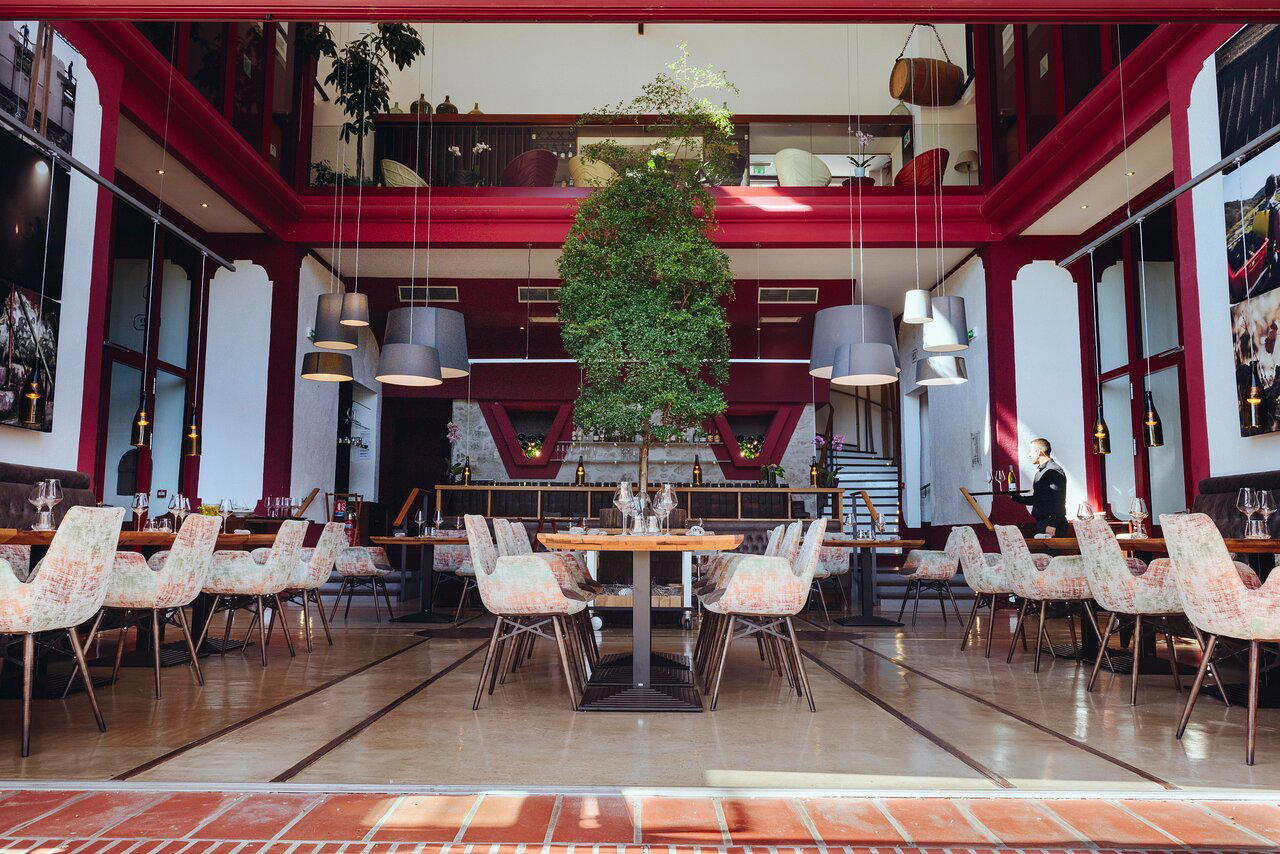
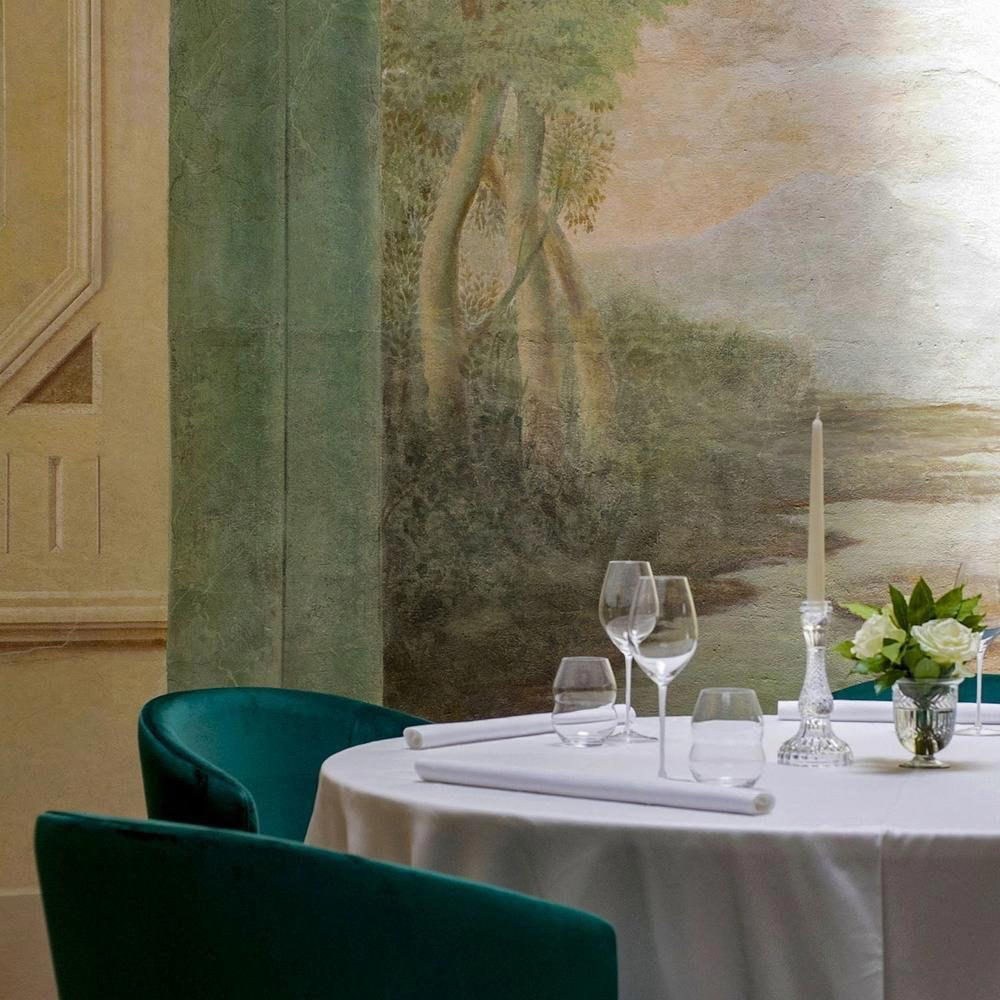
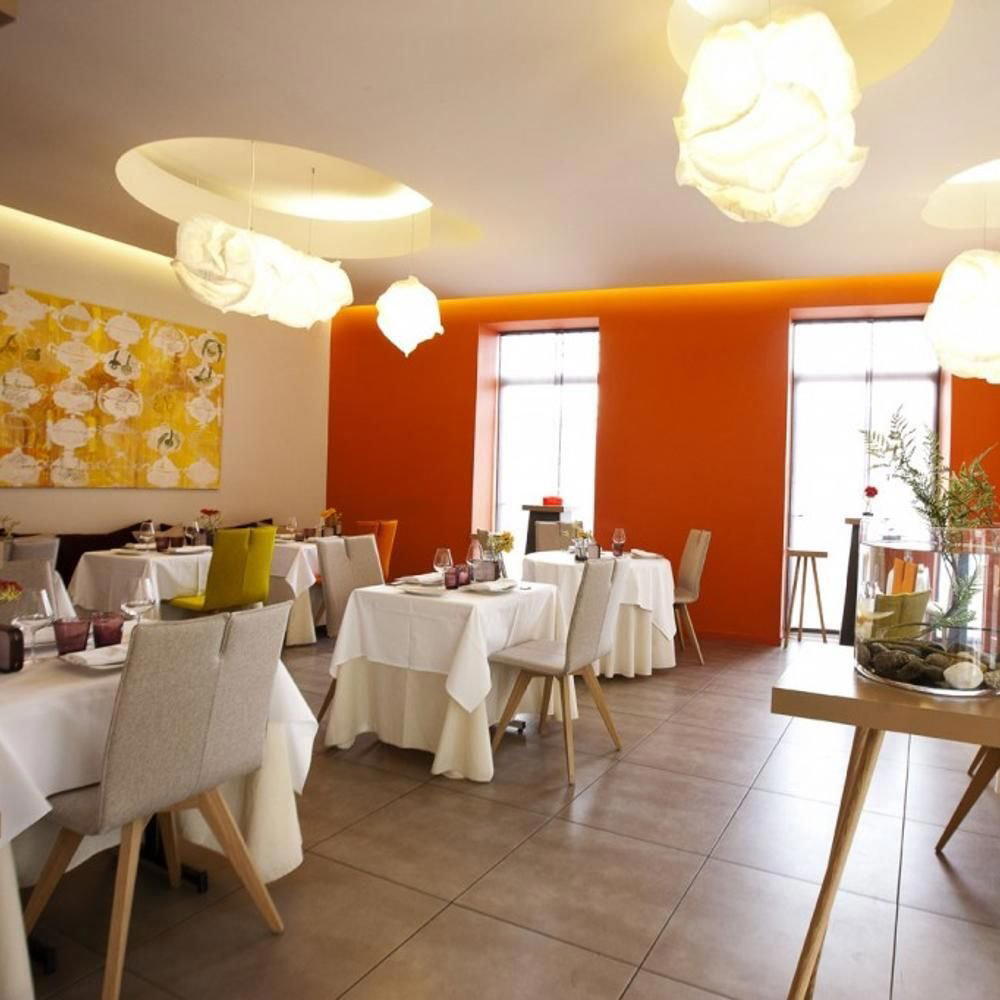

Details
- Rustic
- Cozy
- Scenic
- Classic
- Date Night
- Special Occasion
- Terrace
- Historic Building
- Panoramic View
- Extensive Wine List
- Farm To Table
- Local Sourcing
- Mountain
- Vineyard
- A La Carte
- Vegetarian Friendly
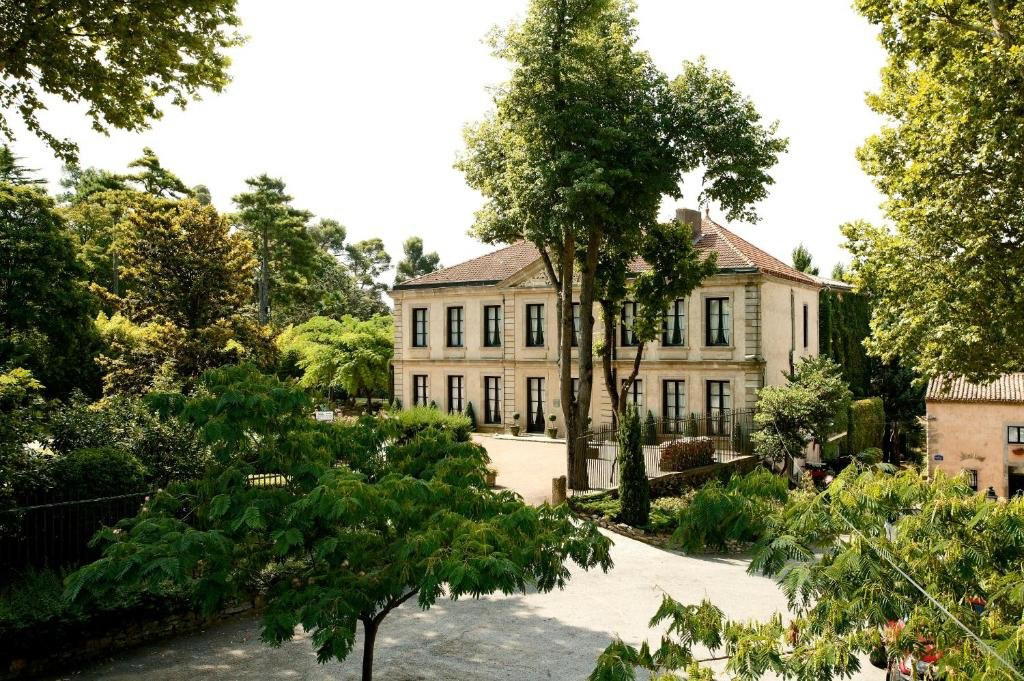
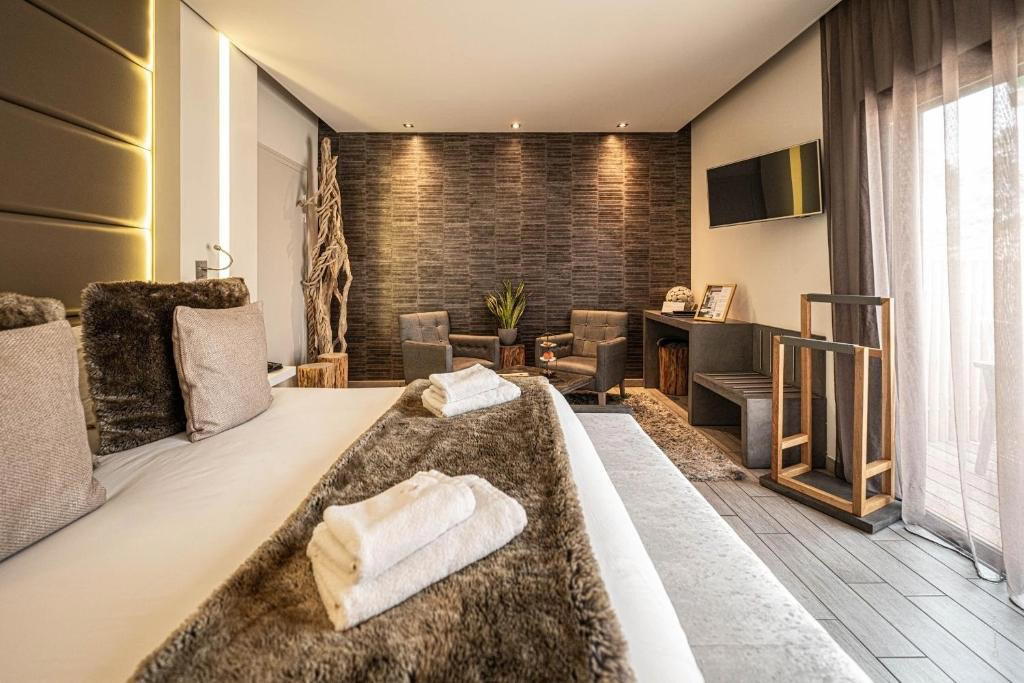
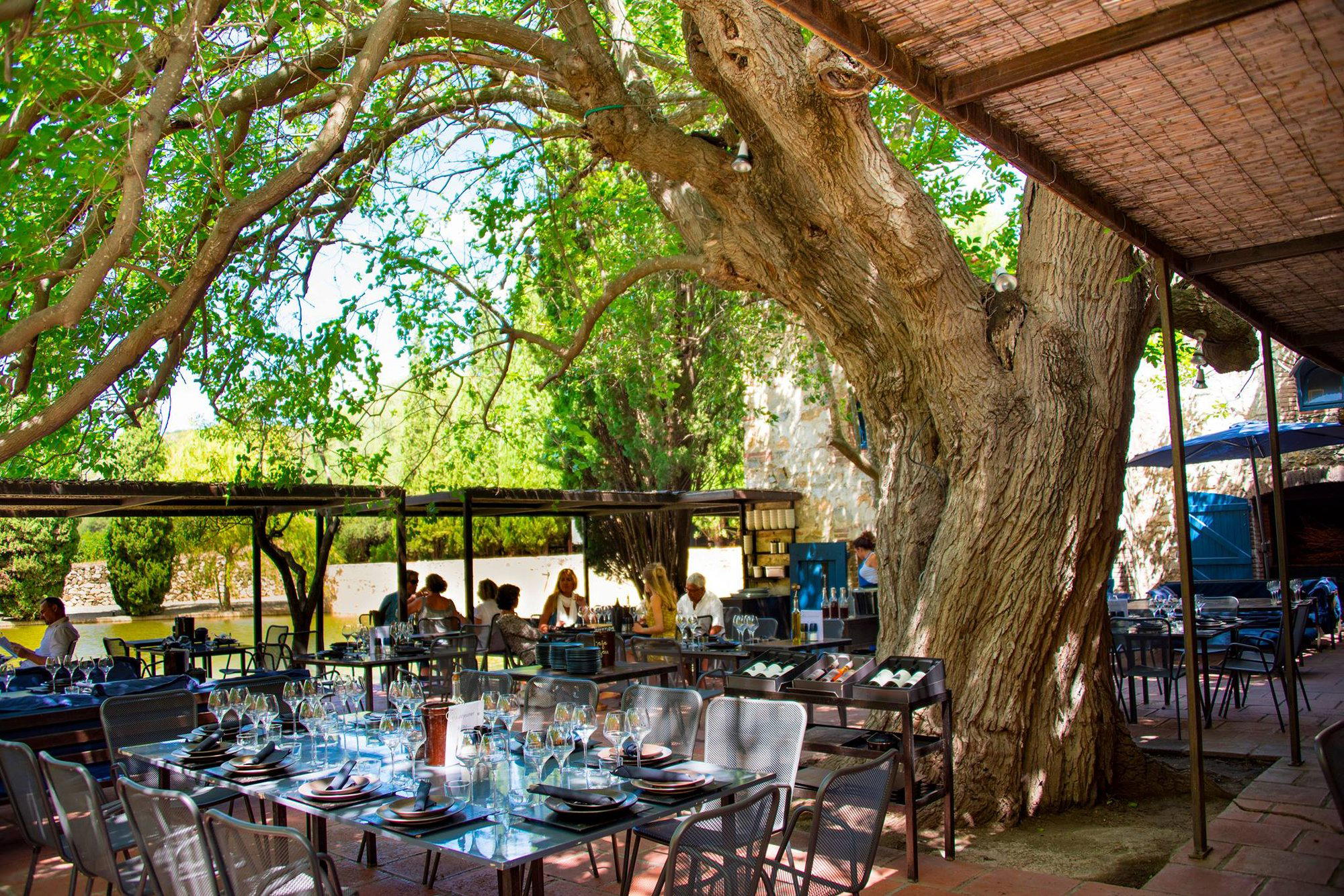
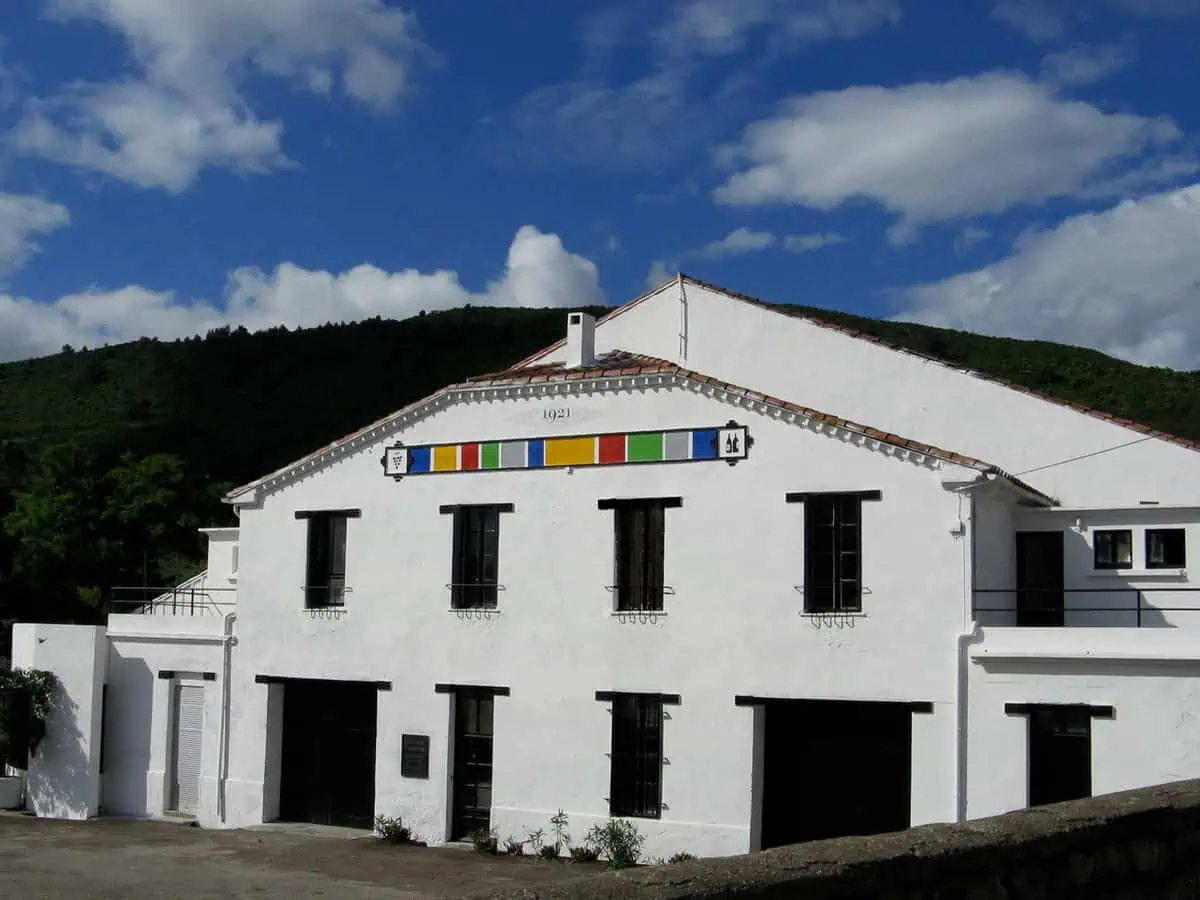
Rustic and authentic atmosphere in an ancient chai with exposed stone walls, wooden furniture, oak barrels, and an old fireplace, enhanced by a shaded panoramic terrace.