Auberge des Lices
On a quiet street inside Carcassonne's medieval Cité, Auberge des Lices occupies the kind of address that rewards visitors who move past the main tourist circuit. The kitchen draws on the agricultural depth of Languedoc-Roussillon, where proximity to the Corbières hills, the Minervois plateau, and the coastal markets of the Aude shapes what appears on the plate. It sits in the mid-range of the Cité's dining options, positioned between the casual end and the more formal classic houses nearby.
Pearl is the En Primeur Club membership app — saves, bookings, and concierge access live there. Same editors, same standards.
- Address
- 3 Rue Raymond Roger Trencavel, 11000 Carcassonne, France
- Phone
- +33468723407
- Website
- aubergedeslices.com
- Directions
- Get directions
 Saves & bookings on Pearl
Inside the Walls: Dining in the Medieval Cité
The medieval Cité of Carcassonne operates on a different logic from most French provincial towns. Inside the double ramparts, the street grid follows a medieval layout, and the address at 3 Rue Raymond Roger Trencavel places Auberge des Lices on a route named for one of the last viscounts of Carcassonne, a detail that signals how seriously the Cité takes its own history. Restaurants within the walls face a particular challenge: the foot traffic is enormous in summer, the visitor turnover is high, and the temptation to serve tourist-grade food at inflated prices is real.
Carcassonne's restaurant scene splits fairly cleanly into three tiers. At the leading, La Table de Franck Putelat (Modern Cuisine) operates at the €€€€ level with a modern cuisine program and the kind of Michelin recognition that positions it alongside destination-dining houses elsewhere in southern France. In the middle, addresses like Comte Roger (Traditional Cuisine) at €€ serve the regional canon without excessive ceremony. Auberge des Lices occupies territory in that middle register, where the sourcing story and the regional identity of Languedoc-Roussillon carry the editorial weight.
What Languedoc Puts on the Table
The agricultural context of the Aude département is worth understanding before you sit down anywhere inside these walls. Languedoc-Roussillon is one of France's most productive food regions in terms of raw volume, but its premium identity is still catching up to its Provençal neighbours to the east. The Corbières hills to the south of Carcassonne produce garrigue-inflected lamb and goat; the Minervois plateau to the northwest supplies stone-fruit, olives, and dry-farmed vegetables; the Canal du Midi corridor connects the city to the coastal fishing ports at Narbonne and Gruissan within roughly an hour's drive. For kitchens that pay attention to proximity, the sourcing map is genuinely compelling.
The tradition of the French auberge format itself matters here. The word carries specific expectations: a mid-scale house with regional cooking, usually operating in a building with some historical character, serving a clientele that includes both travellers and locals who return across seasons. It is a format with deep roots in French provincial life, and it differs structurally from the grand restaurant tradition visible at places like Auberge de l'Ill in Illhaeusern or the ambitious terroir-forward programs at Bras in Laguiole. The auberge model is less about chef authorship and more about regional hospitality, a distinction that shapes how you read any menu in this format.
The Sourcing Logic of Southern French Cooking
Southern French kitchens operating in this register tend to anchor menus to what the local markets and suppliers can actually deliver across the week. In Carcassonne, that means cassoulet appears not as a novelty but as a point of regional obligation: the dish has three cities in the Aude and Haute-Garonne that argue over its provenance (Carcassonne, Castelnaudary, and Toulouse), and any kitchen on Trencavel's street operates in the shadow of that debate. Local sourcing for cassoulet means Tarbais beans from the foothills, confit from Gascony-adjacent duck farms, and the particular sausage traditions of the Aude. The dish is a sourcing document as much as a recipe.
Beyond the cassoulet conversation, the regional ingredient base extends to Roquefort-adjacent sheep's cheese from the Causses to the north, Corbières and Minervois wine lists that reflect the surrounding appellations, and seasonal game from the Montagne Noire during autumn. Kitchens at this price point and format in the Cité do not always broadcast their sourcing with the same intensity as starred houses, compare the explicit terroir programs at Flocons de Sel in Megève or Mirazur in Menton, but the provenance is there in the ingredient choices if you know what to read.
Other Carcassonne addresses serve as useful comparison points. Brasserie à 4 Temps (Traditional Cuisine) and Chez Christine both operate in the accessible end of the local spectrum. Bloc G offers a more contemporary format. Each represents a different approach to the same regional ingredient base, which makes the city more interesting to eat through than a single visit allows.
Where This Fits in the French Provincial Tradition
The auberge format at mid-scale in a heritage town has counterparts across France, from the farmhouse-rooted cooking of Georges Blanc in Vonnas to the regional French traditions preserved at Les Prés d'Eugénie - Michel Guérard in Eugénie-les-Bains. Those are larger, more decorated operations, but they share the same structural DNA: a building with character, a menu anchored to regional produce, and a sense that the food is of a specific place. The Languedoc version of this tradition is less canonised in the critical literature than the Burgundy or Alsace equivalents, houses like Paul Bocuse - L'Auberge du Pont de Collonges in Collonges-au-Mont-d'Or or Troisgros - Le Bois sans Feuilles in Ouches, which means that mid-scale regional cooking in the Aude operates without the reputational infrastructure those regions carry. That is both a limitation and a reason to pay closer attention.
For travellers moving through southern France and building a serious eating itinerary, the comparison set also extends to addresses in the coastal arc: La Table du Castellet in Le Castellet and Alléno Paris au Pavillon Ledoyen in Paris represent different tiers of ambition entirely, but situating Auberge des Lices within the wider French dining map clarifies what this format is and is not trying to do. Internationally, the contrast is even sharper against technically demanding programs like Le Bernardin in New York City or Lazy Bear in San Francisco, both operating in a register of documented ambition that the auberge format explicitly does not claim.
Planning Your Visit
The Cité receives the bulk of its visitors between June and September, when the ramparts and the summer festival season draw crowds that make table availability unpredictable at most addresses inside the walls. The more settled dining experience, with local clientele present and kitchen pressure lower, comes in the shoulder months of April, May, and October. The address on Rue Raymond Roger Trencavel is within the Cité itself, meaning access is on foot through the main gates; parking is available in the Ville Basse below, from which the Cité is a short uphill walk or a shuttle ride.
Comparable Venues
Comparable venues nearby, for context on price, style, and recognition.
| Venue | Cuisine | Price | Awards | Notes |
|---|---|---|---|---|
| Auberge des LicesThis venue — the venue you are viewing | Traditional French Regional | $$$ | Not listed | Not listed |
| Chez Christine | Southwest French Bistro | $$$ | Not listed | Cité de Carcassonne |
| Le Jardin en Ville | Seasonal French Mediterranean | $$ | Not listed | Carcassonne Center |
| La Table d'Alaïs | Modern French Bistro | $$$ | Michelin Plate | Carcassonne Center |
| Freaks Bistronomie | Modern French Bistronomie | $$ | Not listed | Bastide Saint-Louis |
| Brasserie à 4 Temps | French Brasserie | $$ | Michelin Plate | Cité de Carcassonne |
Continue exploring
More in Carcassonne
Restaurants in Carcassonne
Browse all →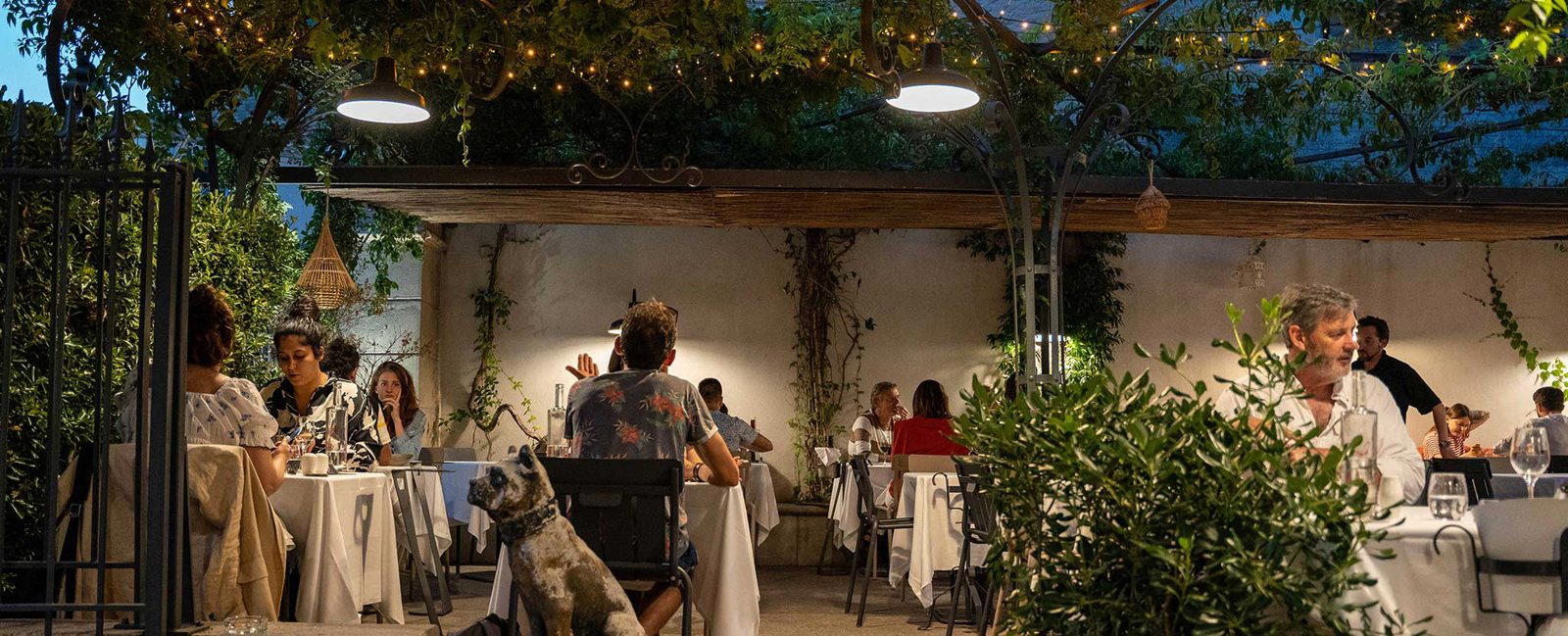
At a Glance
- Rustic
- Cozy
- Historic
- Elegant
- Date Night
- Special Occasion
- Celebration
- Historic Building
- Terrace
- Private Dining
- Extensive Wine List
- Local Sourcing
- Street Scene
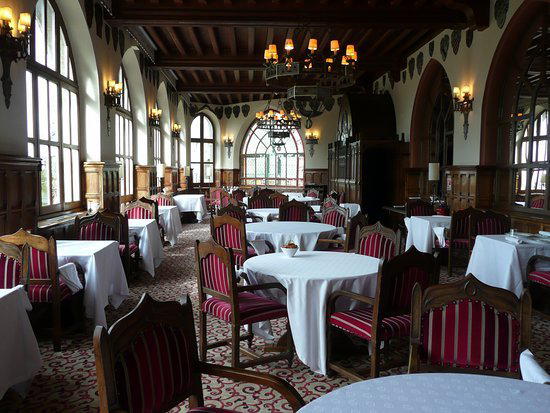
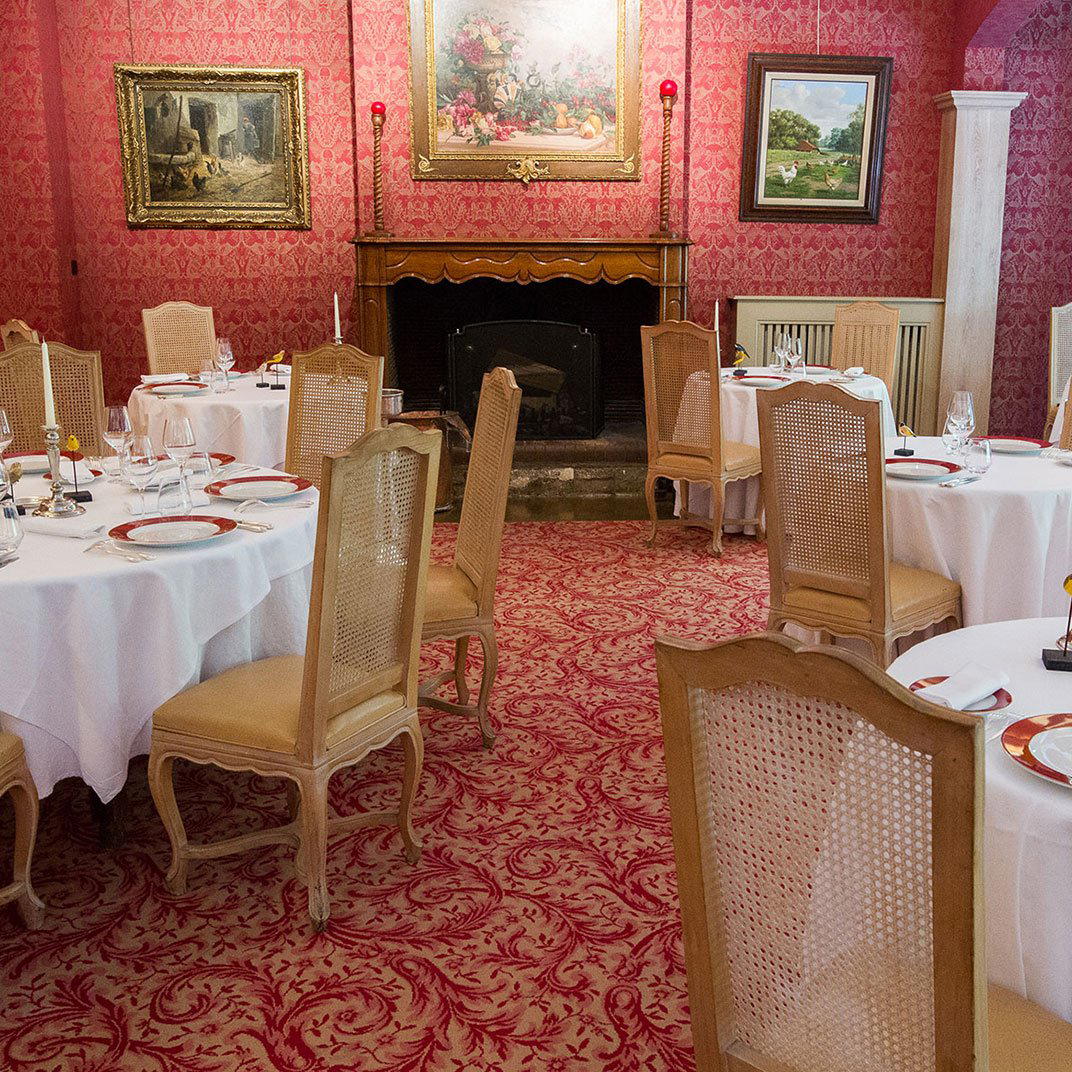
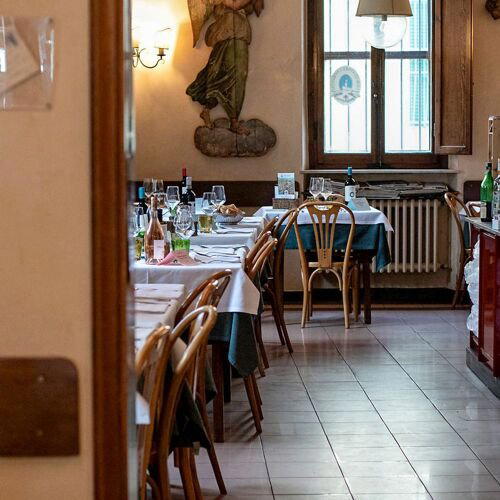
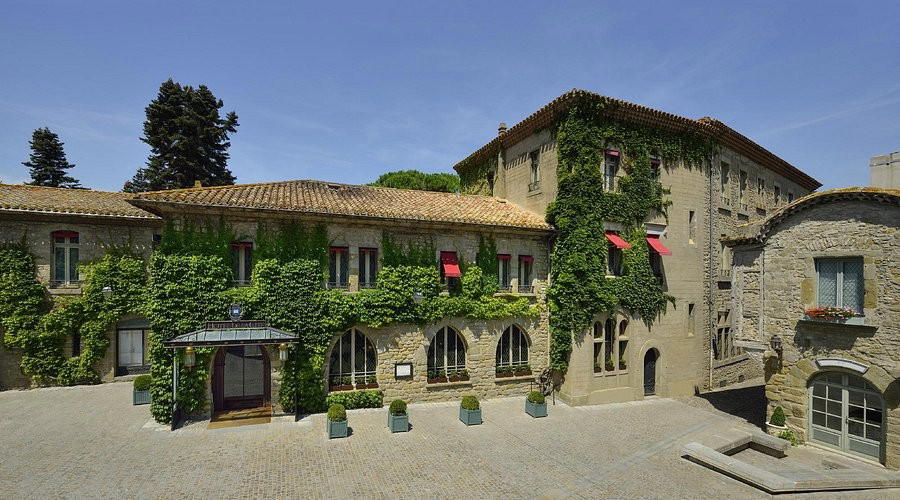
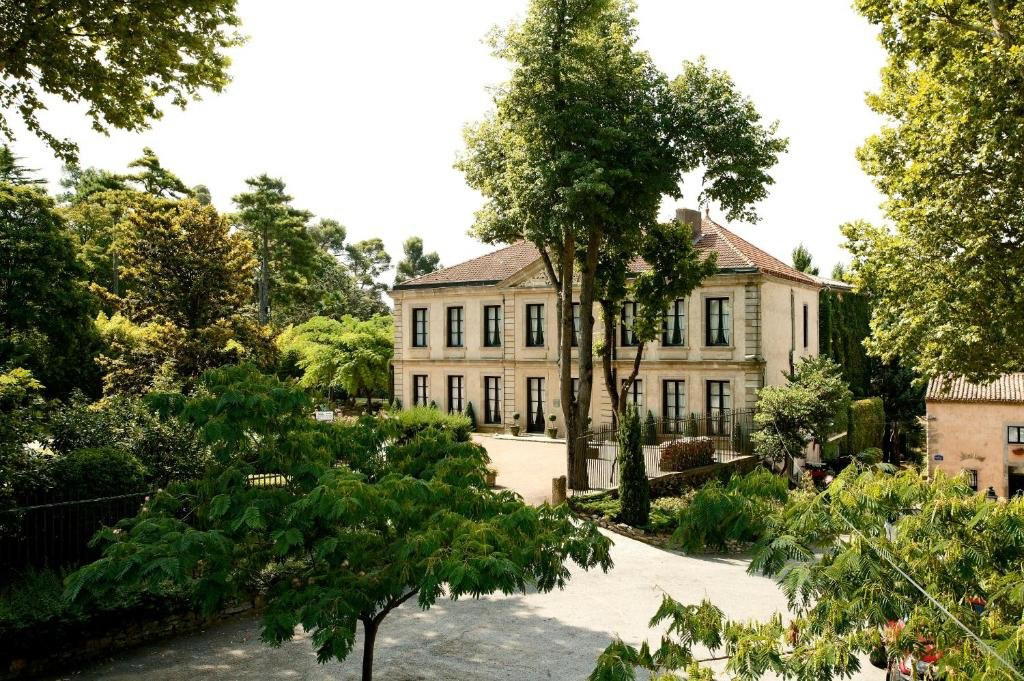
Warm and authentic atmosphere with old stone walls creating a cozy, convivial medieval ambiance.