Our verdict
Perched on the edge of a medieval hilltop village above the Grasse hinterland, Auberge du Vieux Château occupies a position that few restaurants in the Côte d'Azur arrière-pays can match for sheer setting. The auberge format places it in a French provincial tradition where the building, the village, and the table form a single proposition, worth the detour from the coast for that reason alone.

Pearl is the En Primeur Club membership app, where members save venues, book tables and use the concierge.
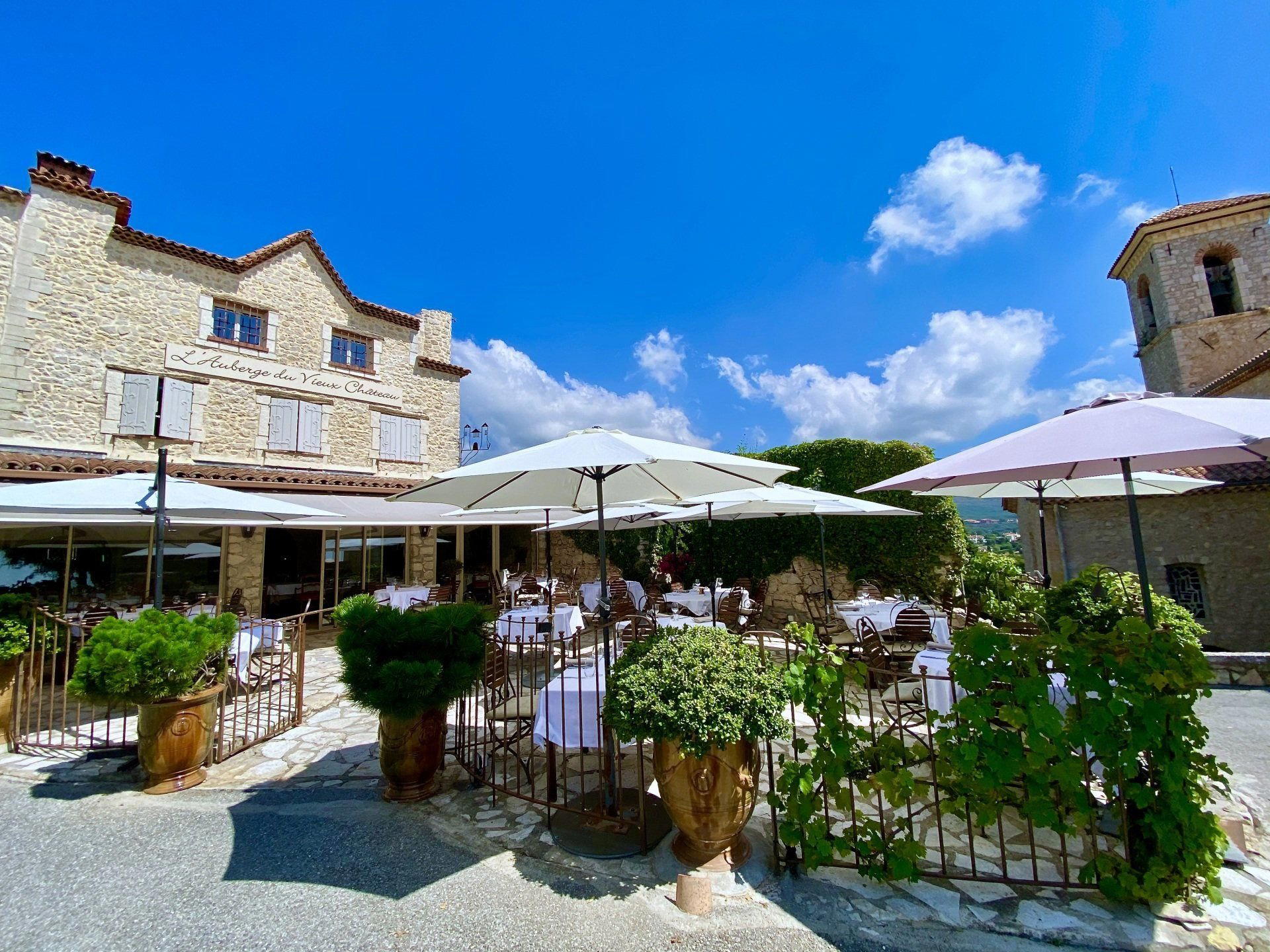
Stone, Altitude, and the Logic of the Provençal Auberge
The drive up to Cabris already makes the argument. You leave the coastal flatlands behind Grasse and climb through terraced olive groves and scrubland into a village that sits at roughly 550 metres, with a panorama that sweeps south toward the Étang de Thau and on clear days to the Mediterranean itself. The auberge format that gave the Auberge du Vieux Château its name belongs to a specifically French tradition: the inn as anchor institution, where hospitality and food are inseparable from the physical fact of a place. In Provence and the Côte d'Azur hinterland, that tradition has produced some of France's most serious regional tables L'Oustau de Baumanière in Les Baux is the obvious parallel, a centuries-old structure that eventually earned three Michelin stars without losing its fundamental character as a maison d'hôtes in wild Provençal terrain.
Cabris itself is a village of around 3,500 inhabitants that sits in the Préalpes d'Azur, administratively in the Alpes-Maritimes department but culturally closer to inland Provence than to the Riviera coast below. The Place Mirabeau, the address of the Auberge du Vieux Château, is the social centre of the village, the kind of square where morning coffee and evening aperitifs mark time by season rather than clock. Arriving here rather than at a coastal destination is a deliberate act, and the restaurant draws visitors who have made that choice consciously.
Where the Food Comes From: The Hinterland as Pantry
The terrain around Cabris is the most important thing to understand about the food at an auberge in this position. The Grasse plateau and the Préalpes directly north sit within one of the most biodiverse agricultural zones in southern France. Grasse itself is internationally associated with perfume, but the same microclimate that produces aromatic intensity in flowers produces it in herbs, vegetables, and game. Thyme, wild savory, and rosemary grow in the garrigues at altitudes that concentrate their oils. The Var and Alpes-Maritimes departments together supply olive oils from multiple distinct varietals, fresh chevre from small farms in the pre-alpine valleys, and seasonal wild produce that shifts with elevation as the year moves.
This matters for a restaurant on Place Mirabeau because it defines what proximity to source actually means in the Côte d'Azur arrière-pays. The coastal fine-dining tier, think Mirazur in Menton, where Mauro Colagreco has built a globally recognised kitchen around Mediterranean ingredients, also draws on this hinterland supply network, but from a distance. A village auberge at altitude sits inside that supply network rather than at its endpoint, which changes both what arrives at the kitchen and when it arrives. The auberge tradition historically required this proximity: before refrigerated transport, you cooked what was grown or raised within walking distance of the building.
The French provincial auberge that takes ingredient sourcing seriously tends to organise its menu seasonally in the most literal sense: asparagus from the Var in late spring, courgette flowers and tomatoes through July and August, game and wild mushrooms from September, and the root vegetables and preserved preparations of winter. Restaurants in this category across France, from Bras in Laguiole, where Michel Bras built an entire philosophy around the gargouillou of seasonal plants, to Auberge du Vieux Puits in Fontjoncouse, deep in the Corbières, demonstrate that the auberge positioned in agricultural terrain rather than urban infrastructure can develop a sourcing depth that urban restaurants purchase with difficulty and expense.
The Cabris Setting and Its Competitive Position
Cabris occupies an interesting position in the dining geography of the Côte d'Azur. The coast from Nice to Cannes carries the density of starred restaurants: La Vague d'Or in Saint-Tropez operates at the hotel-luxury end; La Table du Castellet anchors the Var interior. The arrière-pays between Grasse and the Italian border is comparatively thin in formal dining establishments, which makes each serious address in the zone more legible against its peers. The Auberge du Vieux Château competes in a different register than the palatial coastal hotels, its proposition is village-scale, rooted, and dependent on its physical location in a way that a restaurant in Cannes or Nice simply is not.
That positioning has parallels in other French regions. The great provincial auberges, Auberge de l'Ill in Illhaeusern in Alsace, Georges Blanc in Vonnas in the Bresse, have demonstrated that an address in a small or remote commune is not a commercial handicap when the cooking and the setting create sufficient reason for the journey. The question for any auberge in this model is whether the food earns the detour independently of the view.
Planning a Visit to Cabris
Cabris is accessible from Grasse in under fifteen minutes by car, and from Cannes or Nice the drive runs between forty-five minutes and an hour depending on traffic through Grasse itself. The village has no rail connection; the car is the practical option for most visitors, which aligns with the arrière-pays dining model where the journey is part of the experience rather than an inconvenience to minimise. Those based in Grasse, which has reasonable accommodation across several price tiers, are positioned well for an evening visit. Summer evenings in Cabris, at altitude and away from coastal humidity, run cooler than the coast, which makes outdoor dining on the Place Mirabeau a different proposition from a seafront terrace in July. For the wider dining context in the area, our full Cabris restaurants guide covers the village's other options alongside the Auberge.
For context on what serious French provincial dining looks like at the upper end of the spectrum, whether starred Alpine kitchens like Flocons de Sel in Megève, Parisian grand-tradition addresses like Alléno Paris au Pavillon Ledoyen, or the dynastic restaurants of rural France such as Troisgros in Ouches, Paul Bocuse outside Lyon, Les Prés d'Eugénie in Eugénie-les-Bains, or Maison Lameloise in Chagny, EP Club covers the full range of French fine dining. For those coming from outside Europe, the contrast with format-driven American tasting-menu restaurants like Lazy Bear in San Francisco or seafood-focused destinations like Le Bernardin in New York is instructive: the provincial French auberge prioritises place and ingredient lineage in a way that neither the urban fine-dining format nor the resort hotel dining room is structurally able to replicate.
Frequently asked questions
Can I bring kids to Auberge du Vieux Château?
Auberge du Vieux Château sits on Place Mirabeau in the village of Cabris, a compact hilltop settlement above Grasse with a pace that suits families. The auberge format, rooted in traditional French hospitality rather than formal fine dining, tends to be accommodating to younger guests.
What's the vibe at Auberge du Vieux Château?
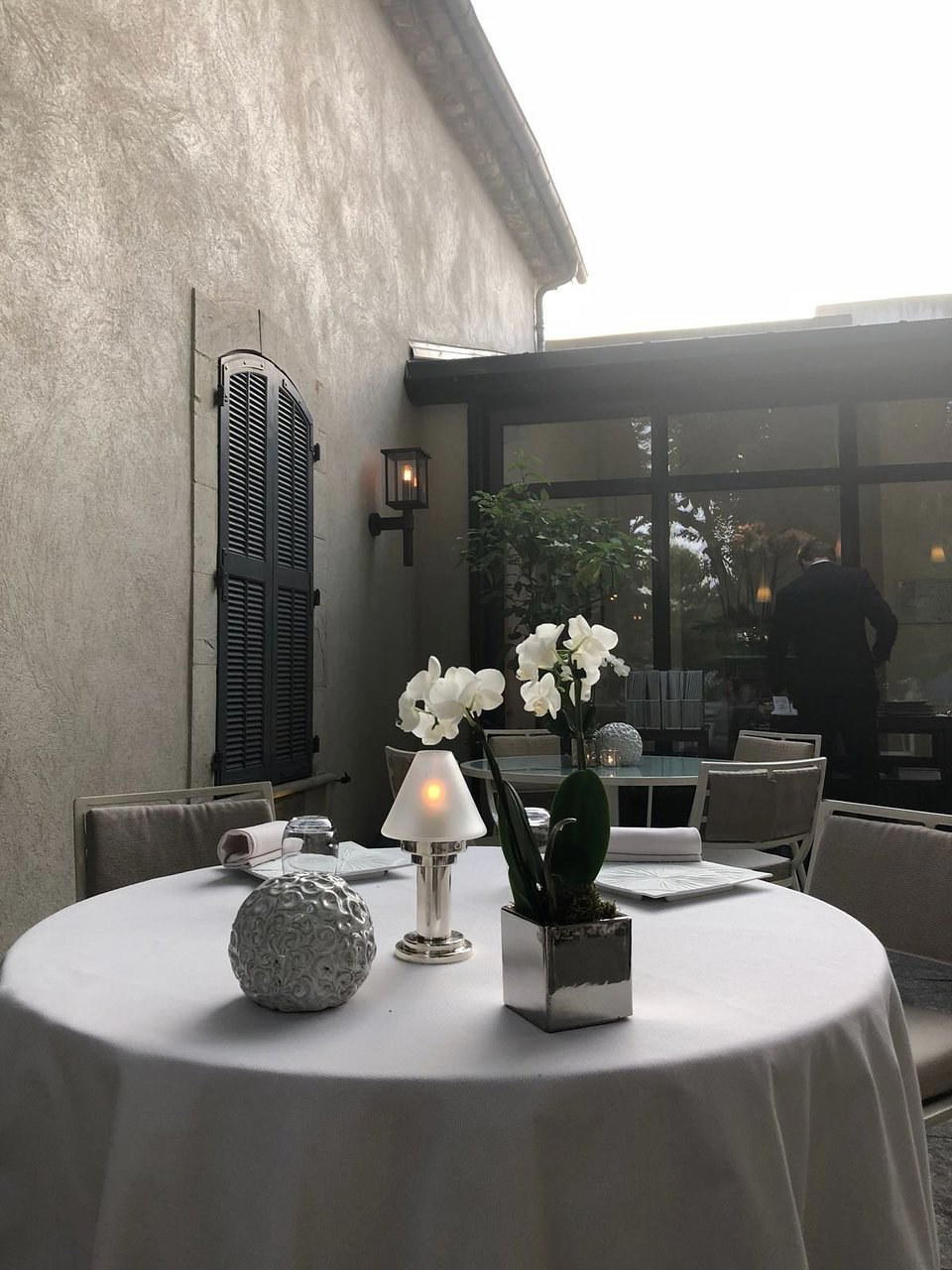
The setting drives everything: a stone-built auberge on a hilltop square in Cabris, with the Grasse valley and the Esterel in the distance. The atmosphere runs closer to a serious village inn than a resort dining room, the altitude and the old building do more atmospheric work than any interior design brief. Expect the unhurried cadence of inland Provence rather than the pace of a coastal restaurant.
Is Auberge du Vieux Château worth the drive from Cannes or Nice?
Cabris is forty-five minutes to an hour from Cannes or Nice by car, depending on the route through Grasse. What the drive buys is a meal in a village at 550 metres that sits entirely outside the coastal restaurant circuit, the setting, the produce sources, and the register of the cooking all reflect the Provençal hinterland rather than the Riviera. For anyone spending time on the coast and looking to eat inland, the auberge on Place Mirabeau is a logical destination.
What should I eat at Auberge du Vieux Château?
The kitchen's geographic position is the most useful guide here: Cabris sits above Grasse on the edge of the Préalpes, placing it within reach of the olive groves, aromatic herbs, and highland produce that define the Provençal interior. An auberge in this position typically builds its menu around that local pantry rather than coastal seafood. Specific current dishes and seasonal menus should be confirmed with the venue directly.
What's Auberge du Vieux Château's location?
Auberge du Vieux Château is located at Pl. Mirabeau, 06530 Cabris, France, Cabris.
Fast Comparison
| Venue | Cuisine | Price | Awards | Notes |
|---|---|---|---|---|
| Auberge du Vieux ChâteauThis venue (the venue you are viewing) | Provencal Mediterranean French | $50–100 | Not listed | Not listed |
| Mirazur | Modern French Fine Dining | $300–500 | 3 Michelin Stars · World's 50 Best #1 | Modern French, Creative |
| Alléno Paris au Pavillon Ledoyen | Modern French Fine Dining | $150–200 | 3 Michelin Stars · World's 50 Best #79 | Creative |
| Kei | Modern French with Japanese Influences | $300–500 | 3 Michelin Stars · World's 50 Best #93 | Contemporary French, Modern Cuisine |
| L'Ambroisie | Classic French Haute Cuisine | $300–500 | 2 Michelin Stars · World's 50 Best #23 | French, Classic Cuisine |
| Le Cinq - Four Seasons Hôtel George V | Modern French Fine Dining | $300–500 | 3 Michelin Stars · World's 50 Best #24 | French, Modern Cuisine |
Continue exploring
More in Cabris
Restaurants in Cabris
All restaurants in Cabris →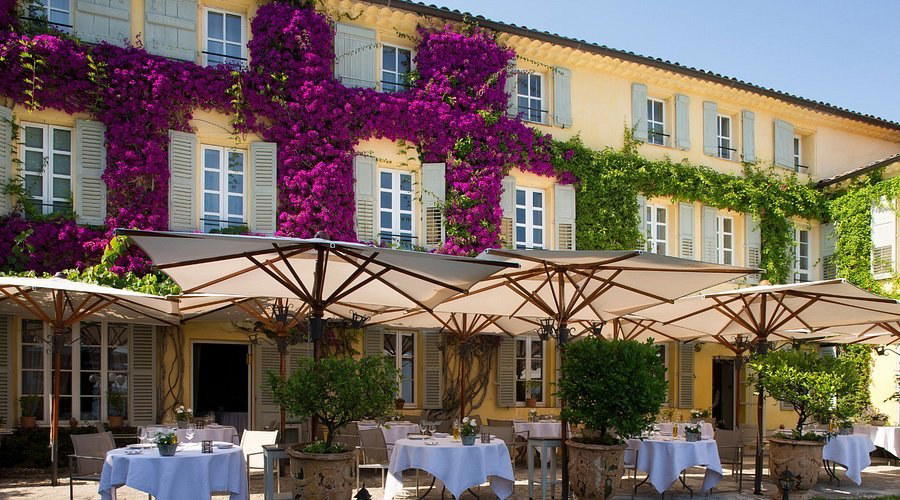
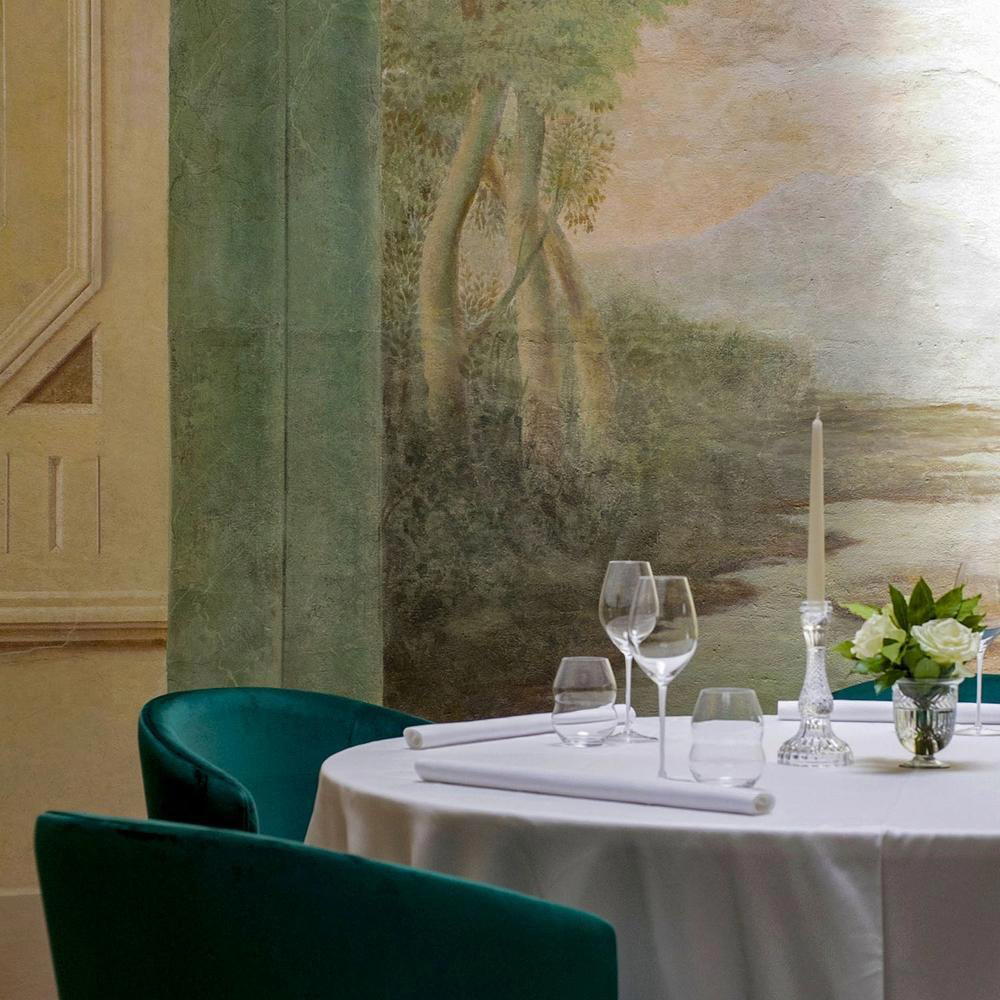
Bars in Cabris
Browse all →

Details
- Romantic
- Elegant
- Rustic
- Scenic
- Cozy
- Date Night
- Special Occasion
- Terrace
- Historic Building
- Panoramic View
- Extensive Wine List
- Local Sourcing
- Mountain
- A La Carte
- Prix Fixe
- Vegetarian Friendly
- Vegan Options
- Gluten Free Options
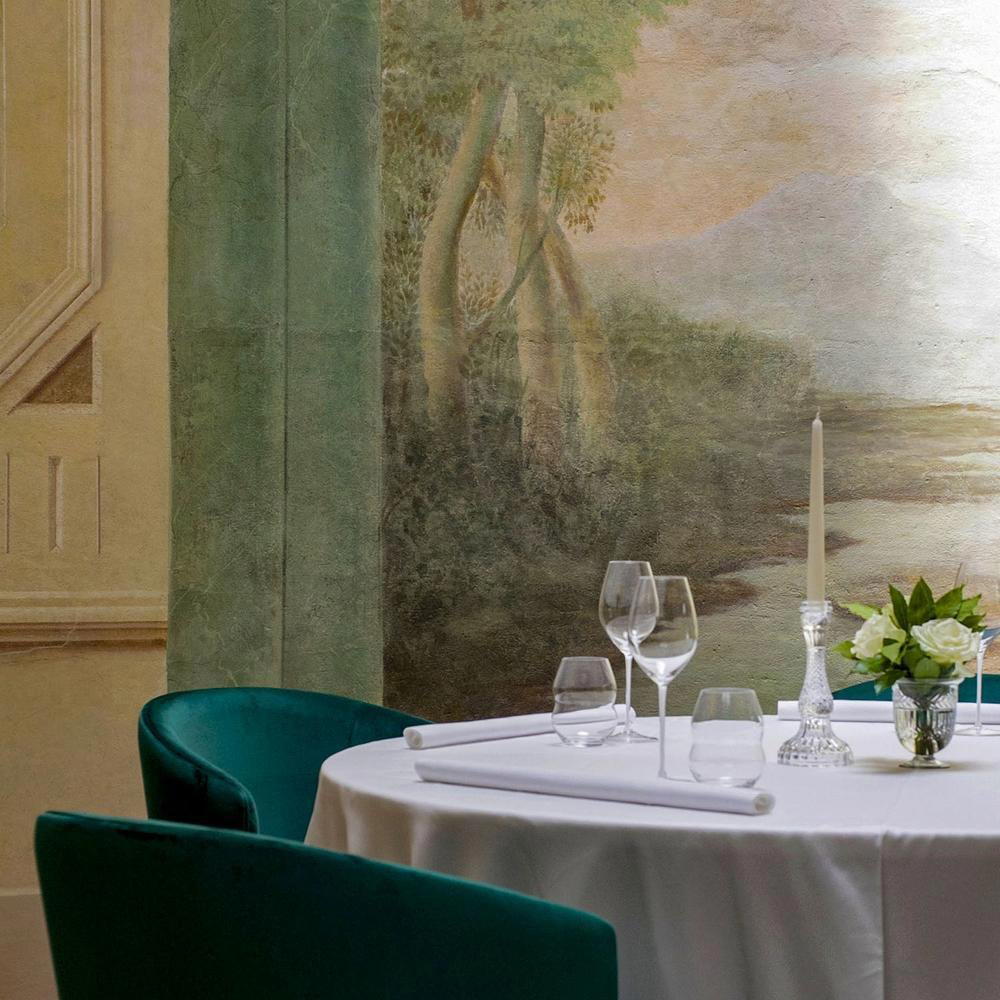
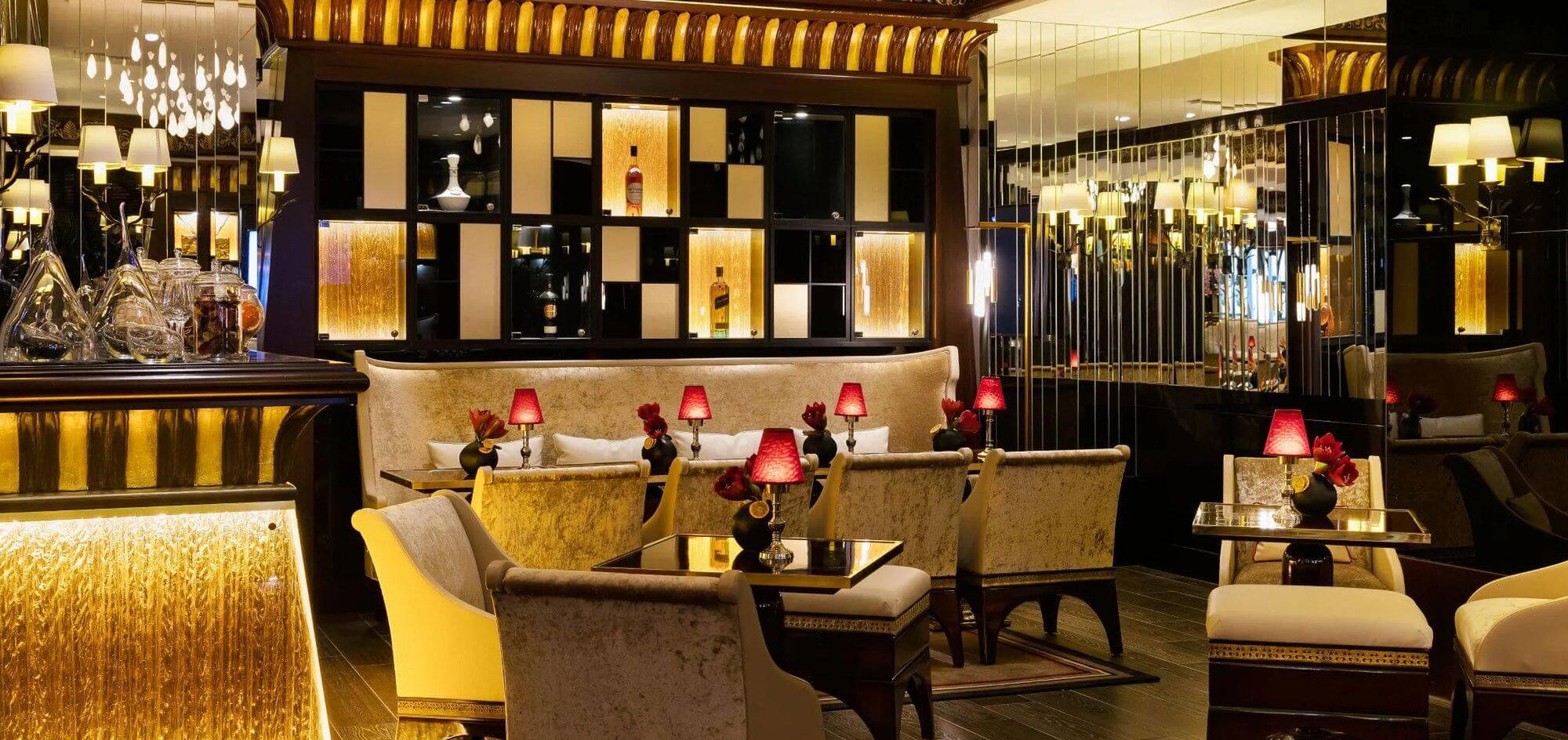
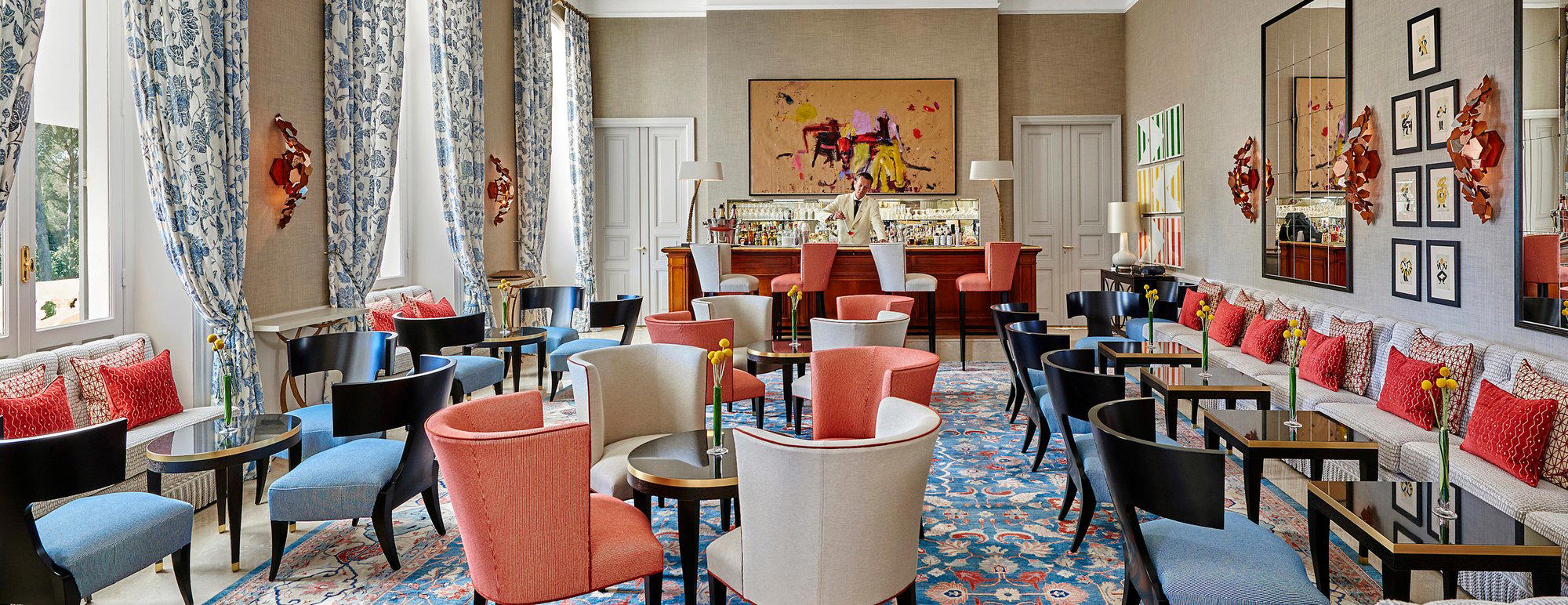
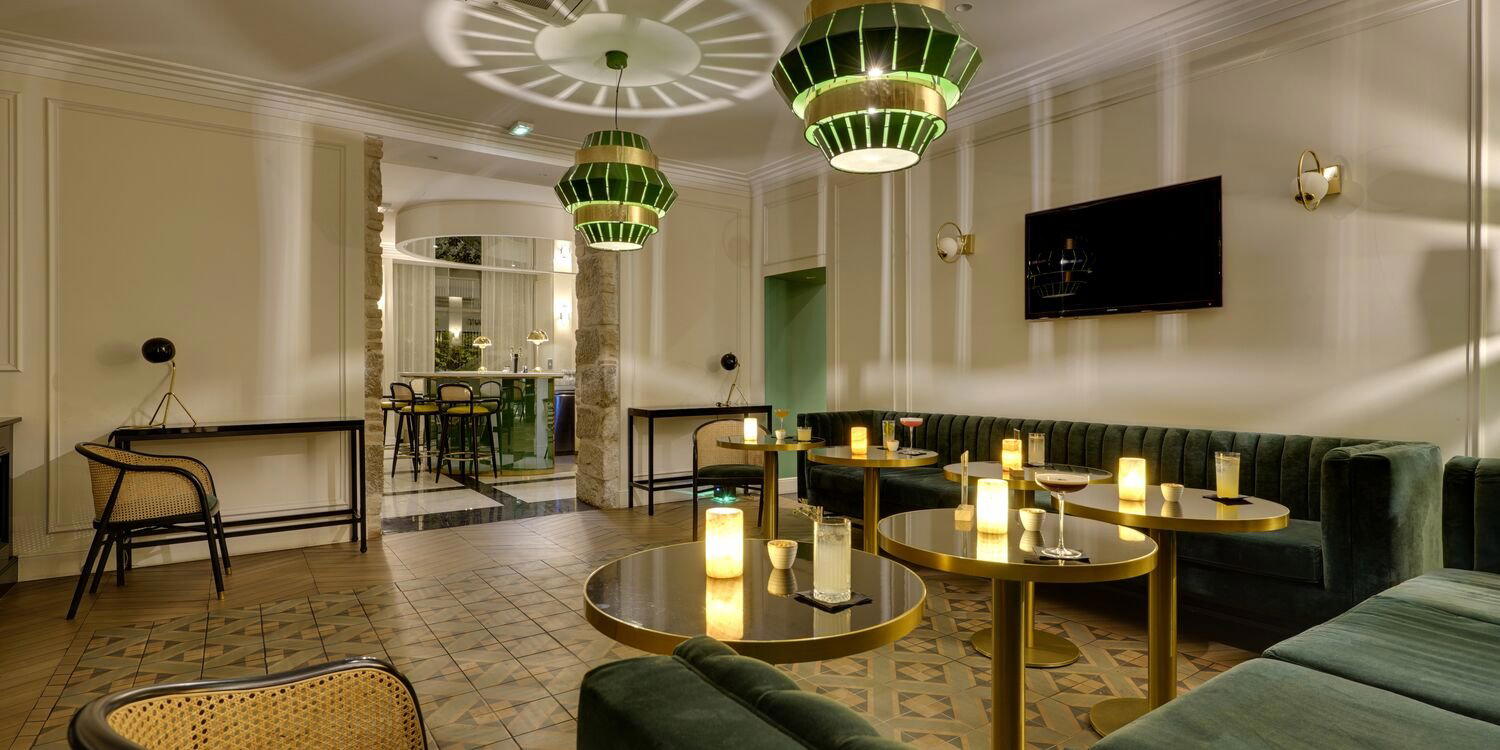
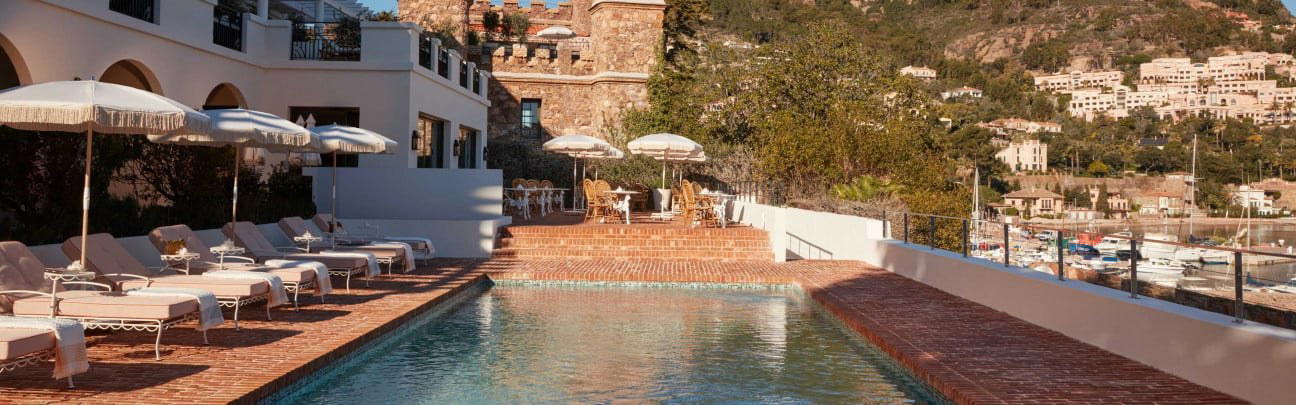
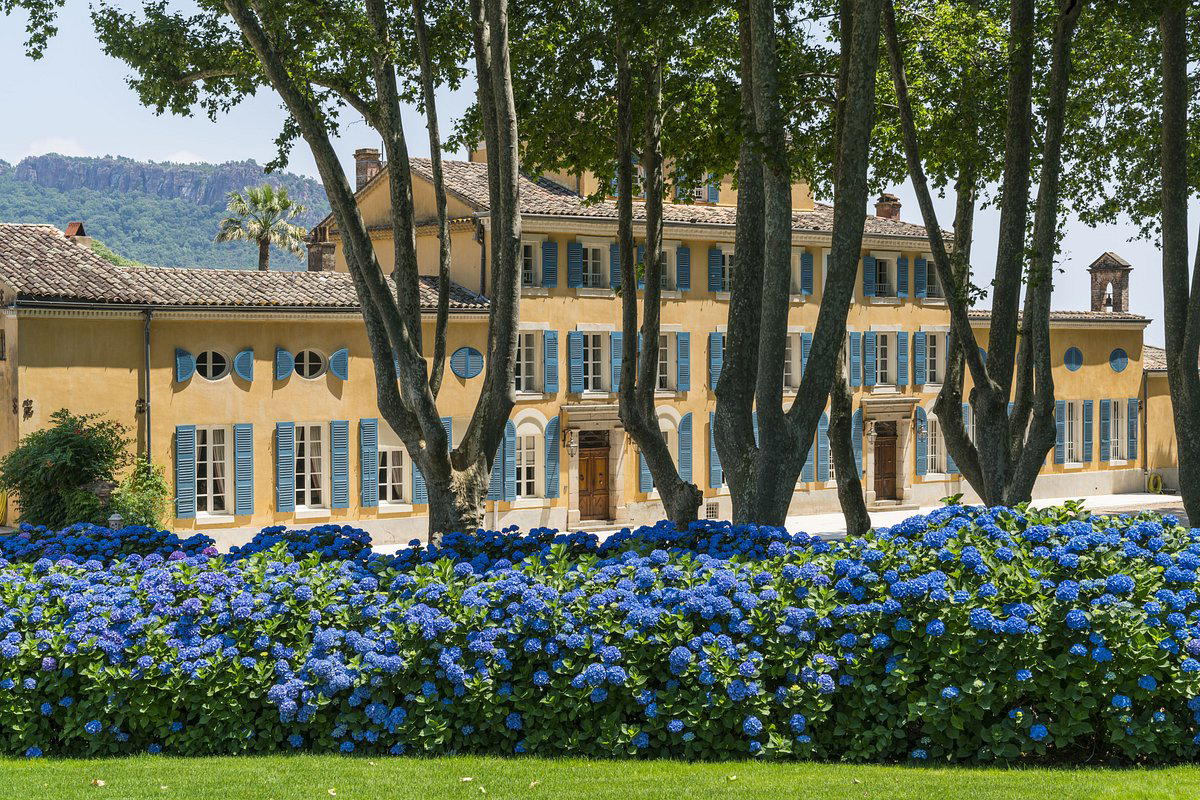
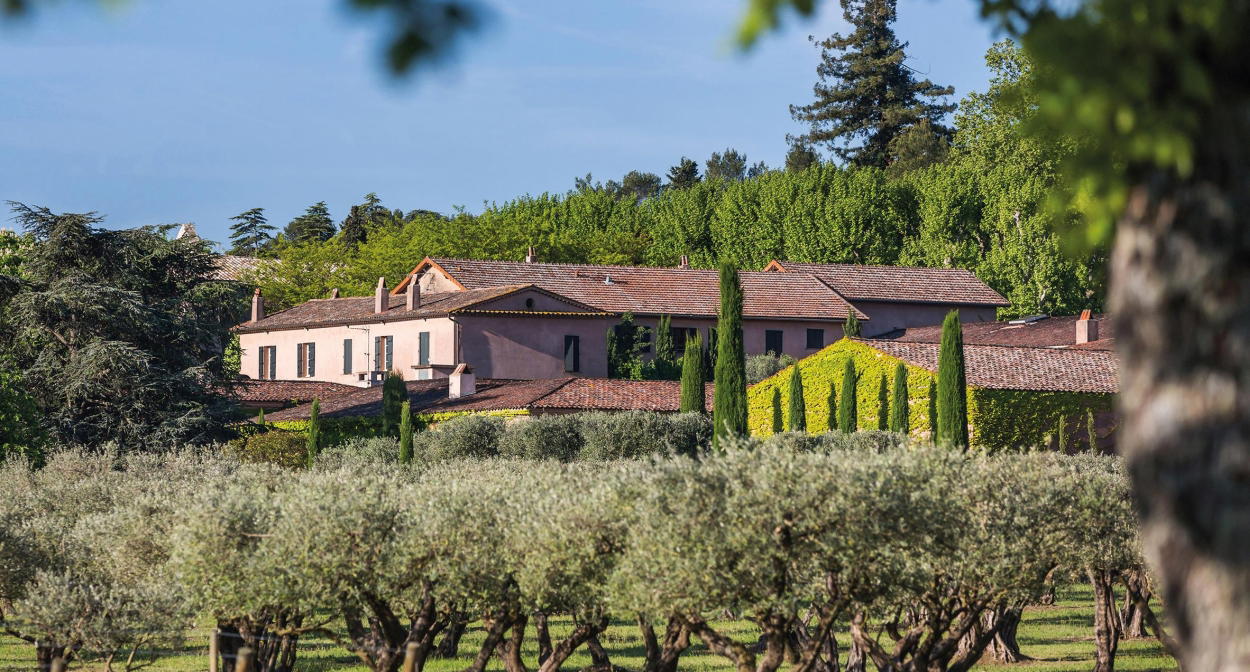
Charming historic setting with terrace shaded by parasols and imposing fireplace in the guard room, creating a refined and enchanting atmosphere.