Our verdict
Set within the grounds of a château in the Namur countryside, Auberge du Château de Leignon occupies a distinct tier among Ciney's dining addresses. The setting is the immediate argument: stone architecture, rural Ardennes light, and a kitchen that draws from the agricultural production immediately surrounding it. For visitors approaching from Brussels or Namur, it represents a different register of Belgian country dining than anything the city offers.

Pearl is the En Primeur Club membership app, where members save venues, book tables and use the concierge.
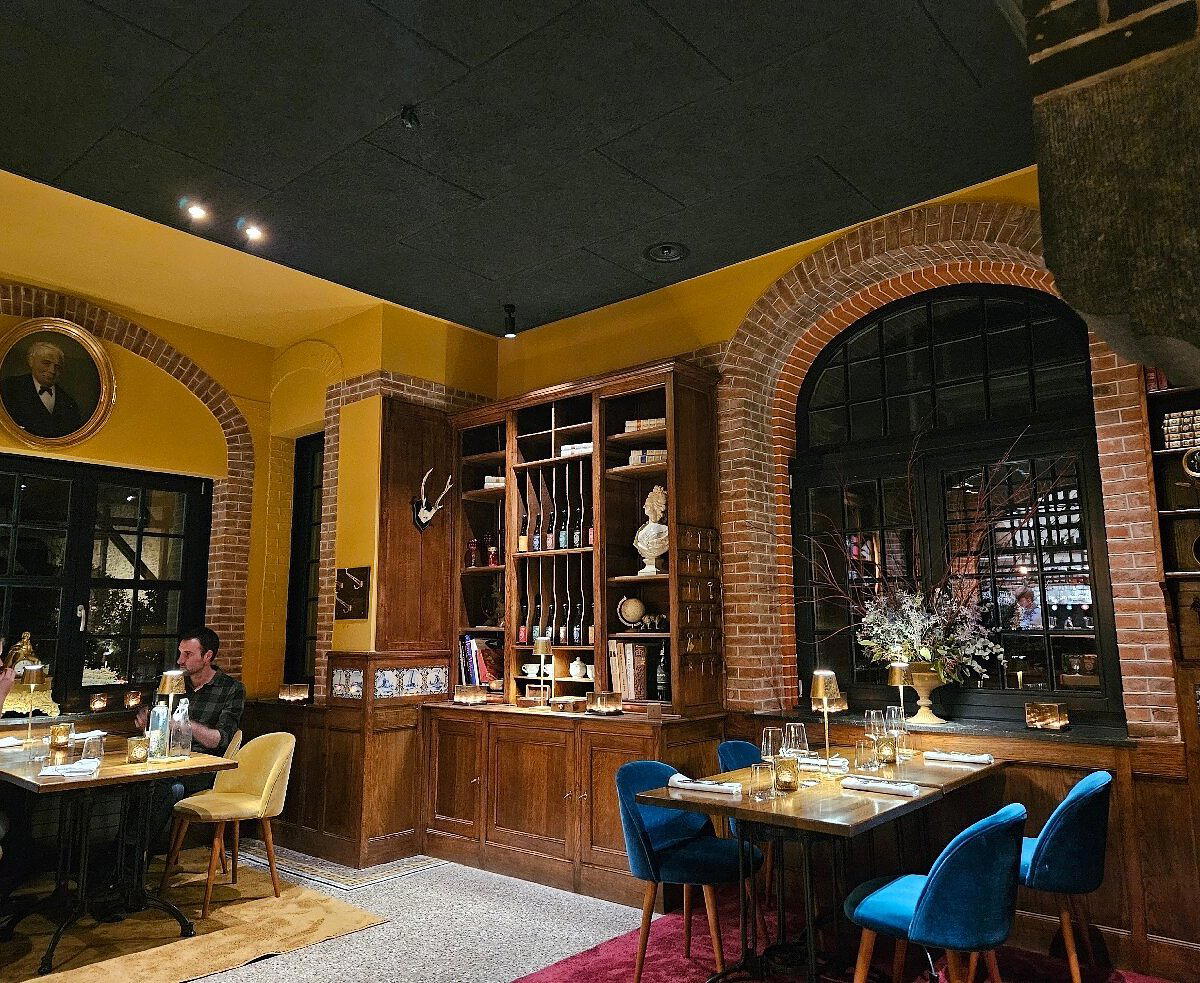
Stone Walls and Sourced Plates: Dining Inside the Ardennes Château Tradition
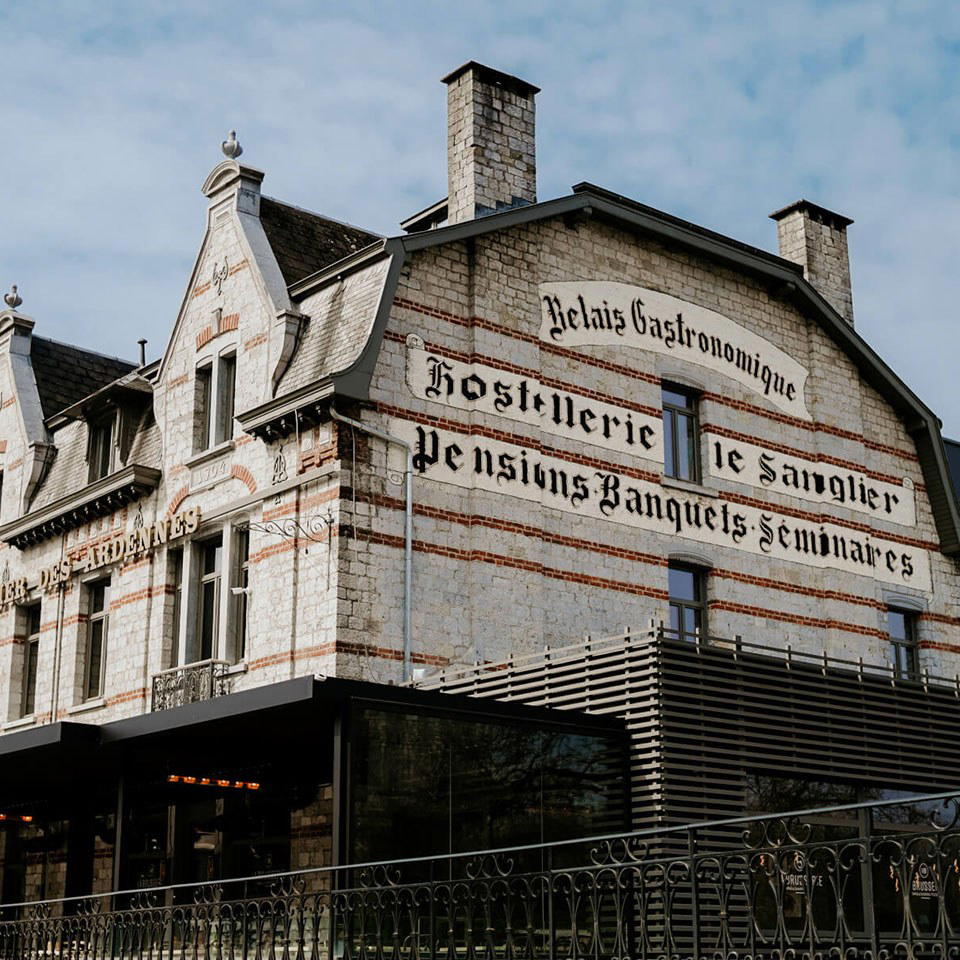
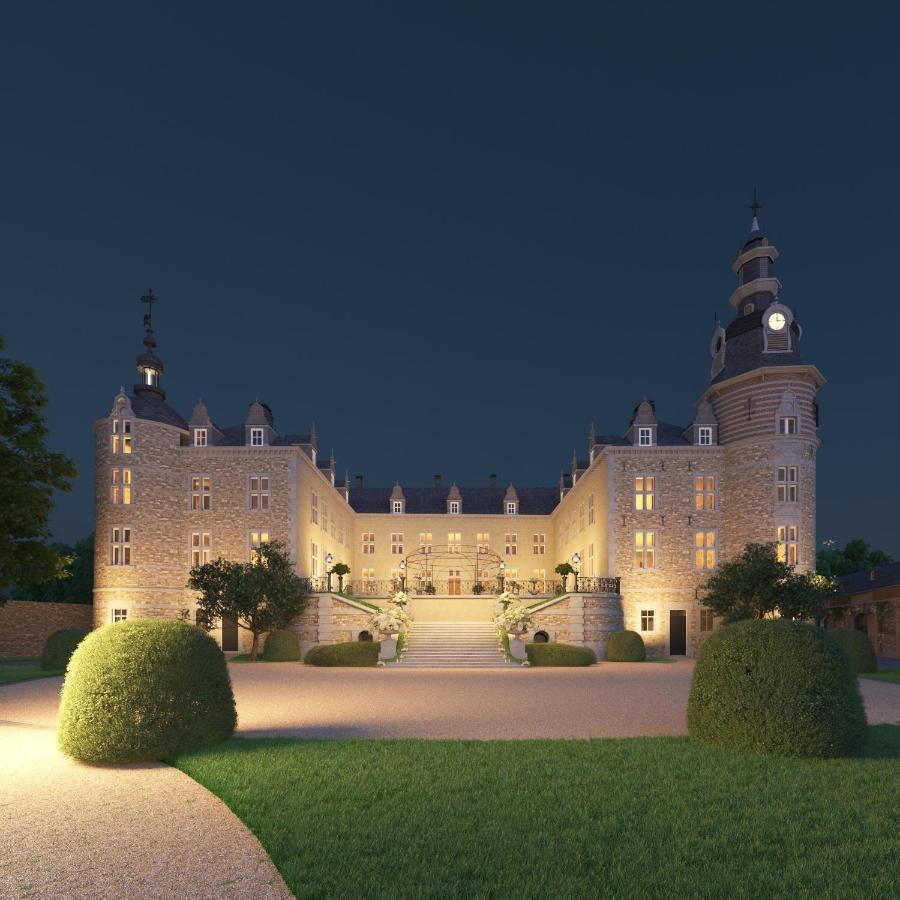
There is a particular category of Belgian country restaurant that earns its reputation not through urban media cycles but through the consistency of a setting that cannot be replicated in a city. Auberge du Château de Leignon, at Rue du Sacré-Coeur 1 in Ciney, belongs to that category. The approach to the property already frames the meal: château architecture set against the rolling agricultural terrain of the Condroz plateau, a region of Wallonia where farmland and forest alternate in a pattern that has defined local food supply for centuries. Before a dish arrives, the building itself makes a case for provenance.
The Condroz sits between the Meuse valley and the northern Ardennes, and it is one of the more productive agricultural zones in Wallonia. Beef cattle, game, seasonal vegetables, and wild forage all move through this corridor. Restaurants operating inside this territory have a different relationship to sourcing than their counterparts in Liège or Brussels: the supply chain is shorter, the producers are often local by proximity rather than by deliberate curation, and the kitchen's decisions are shaped by what the land makes available. That structural fact gives Ardennes-adjacent dining houses a credibility on ingredient provenance that is harder to manufacture elsewhere.
Where the Condroz Kitchen Sits in the Belgian Dining Scene
Belgian fine dining has concentrated its critical mass along a coastal-urban axis. Properties like Zilte in Antwerp, Boury in Roeselare, and Hof van Cleve in Kruishoutem draw the award circuits and the international food press. Bozar Restaurant in Brussels and Vrijmoed in Gent anchor the urban end. Further from that circuit, places like Willem Hiele in Oudenburg and Ralf Berendsen in Neerharen have built reputations on terroir specificity rather than metropolitan visibility.
Auberge du Château de Leignon operates in that latter mode. Ciney is not a dining destination in the way that Bruges or Ghent is, which means the restaurants that perform here do so on local merit rather than tourist traffic. RectoVerso (French Contemporary) and Le Rempart represent the contemporary end of the local scene, while the Auberge occupies a more classically framed address. That positioning matters: a château auberge format carries inherited expectations around produce-led cooking, generous service, and a meal paced to the surrounding quiet rather than to urban dinner-service rhythm.
The Sourcing Logic of a Château Kitchen
The auberge tradition in Wallonia developed in direct relationship to rural land ownership and the agricultural cycles of the estates that surrounded these properties. A kitchen within château grounds historically had first access to estate gardens, game from surrounding woods, and dairy and meat from tenant farms nearby. That relationship has evolved in modern operations, but the geographic logic persists: a property like this one has physical proximity to agricultural supply that urban kitchens replicate only through deliberate procurement networks.
In the Condroz specifically, wild game, including venison, wild boar, and pheasant, remains a seasonal feature from autumn through winter. Trout and freshwater fish come from the Lesse and Ourthe river systems within reach of the region. Market gardening in the Meuse valley below Namur supplies vegetables that travel short distances to kitchens in this corridor. None of this is exclusive to one address, but a château kitchen with direct estate connections can engage the supply chain at a point closer to origin than most.
That sourcing logic is also why the seasonal calendar matters more at properties like this than at fixed-menu urban restaurants. A kitchen tied to regional agricultural cycles will shift emphasis markedly between May asparagus and November game, between summer river fish and winter root vegetables. For visitors planning a meal here, the season of the visit carries real weight in what the kitchen will be built around.
Ciney's Dining Map and Where This Property Fits
Ciney is a market town of modest scale in the province of Namur, positioned roughly equidistant between Namur city to the east and Dinant on the Meuse to the southwest. The local dining scene is compact. Beyond the Auberge, the town offers 97 Rue Piervenne, Sigoji, and the adjacent Chocolaterie du Château de Leignon, which shares the château grounds and offers a different register of visit: chocolatier craft rather than seated dining. That adjacency makes the château complex itself a half-day proposition for visitors approaching from outside the region. A full review of Ciney's options is available in our full Ciney restaurants guide.
For comparison, Belgian addresses outside the region that share a similar format and sourcing emphasis include d'Eugénie à Emilie in Baudour, La Durée in Izegem, and Cuchara in Lommel. Internationally, the château auberge model has structural parallels with the American farmhouse-inn format: Lazy Bear in San Francisco and Le Bernardin in New York City sit at the technical end of that comparison set, though the register is entirely different. The Auberge du Château de Leignon positions itself in the European country-house tradition, where setting and seasonal produce carry as much argument as kitchen technique.
Planning a Visit
Ciney is accessible by train from Namur in under thirty minutes, with the château address a short drive or taxi ride from the station. Visitors arriving by car from Brussels typically budget ninety minutes via the E411 motorway to Namur, then the N4 westward. Given the property's château format and the regional dining calendar, booking ahead is the reasonable assumption for weekend visits, particularly during the autumn game season when demand from regional visitors increases.
Frequently asked questions
Where do I go for Auberge du Château de Leignon?
Auberge du Château de Leignon is located at Rue du Sacré-Coeur 1, 5590 Ciney, Belgium, Ciney.
Is Auberge du Château de Leignon a good base for exploring the Condroz and Namur province?
Ciney sits roughly equidistant between Namur city and Dinant on the Meuse, placing it at a practical crossroads for touring the Condroz plateau and the broader Namur province. Ciney is accessible by train from Namur in under thirty minutes, making the auberge on Rue du Sacré-Coeur a workable overnight or dining anchor for visitors covering this part of Wallonia. The château setting adds a layer of regional character that generic market-town hotels in the area do not offer.
What's the must-try dish at Auberge du Château de Leignon?
The auberge tradition in the Condroz region of Namur province centres on produce drawn from surrounding agricultural estates, which typically means seasonal game, local beef breeds, and river fish feature prominently. Checking directly with the property before your visit is the most reliable way to understand what is on the current menu.
Is Auberge du Château de Leignon reservation-only?
Properties in this category, rural château auberges in Wallonia, generally operate on a reservation basis given limited covers and kitchen logistics tied to sourced produce. Contacting the property directly at Rue du Sacré-Coeur 1, 5590 Ciney is the practical first step before planning a visit.
What's Auberge du Château de Leignon best at?
The Auberge du Château de Leignon sits within the Wallonian auberge tradition, where the setting and the kitchen are inseparable from the agricultural context of the Condroz plateau around Ciney. Properties of this type tend to excel at grounding seasonal, land-connected cooking inside a historic built environment, a combination that urban restaurants in Antwerp or Brussels cannot replicate structurally.
Can Auberge du Château de Leignon handle vegetarian requests?
Wallonian château kitchens have historically built their menus around meat and game from surrounding estates, which means vegetarian options may require advance notice rather than being menu standbys. Reaching out to the property at Rue du Sacré-Coeur 1, 5590 Ciney before arrival is advisable for guests with specific requirements.
Comparison Snapshot
| Venue | Cuisine | Price | Awards | Notes |
|---|---|---|---|---|
| Auberge du Château de LeignonThis venue (the venue you are viewing) | Refined French Market Cuisine | Not listed | Not listed | Not listed |
| RectoVerso | Contemporary French Seasonal | $50–100 | Michelin Plate | French Contemporary |
| Chocolaterie du Château de Leignon | Artisan Chocolaterie | Not listed | Not listed | Not listed |
| Le Rempart | French Gastronomic Fine Dining | $50–100 | Not listed | Not listed |
| Sigoji | Artisanal Belgian Chocolates | Not listed | Not listed | Not listed |
| 97 Rue Piervenne | Franco-Belgian Bistro | Not listed | Not listed | Not listed |
Continue exploring
More in Ciney
Restaurants in Ciney
All restaurants in Ciney →
Bars in Ciney
Browse all →
Hotels in Ciney
Browse all →

Wineries in Ciney
Browse all →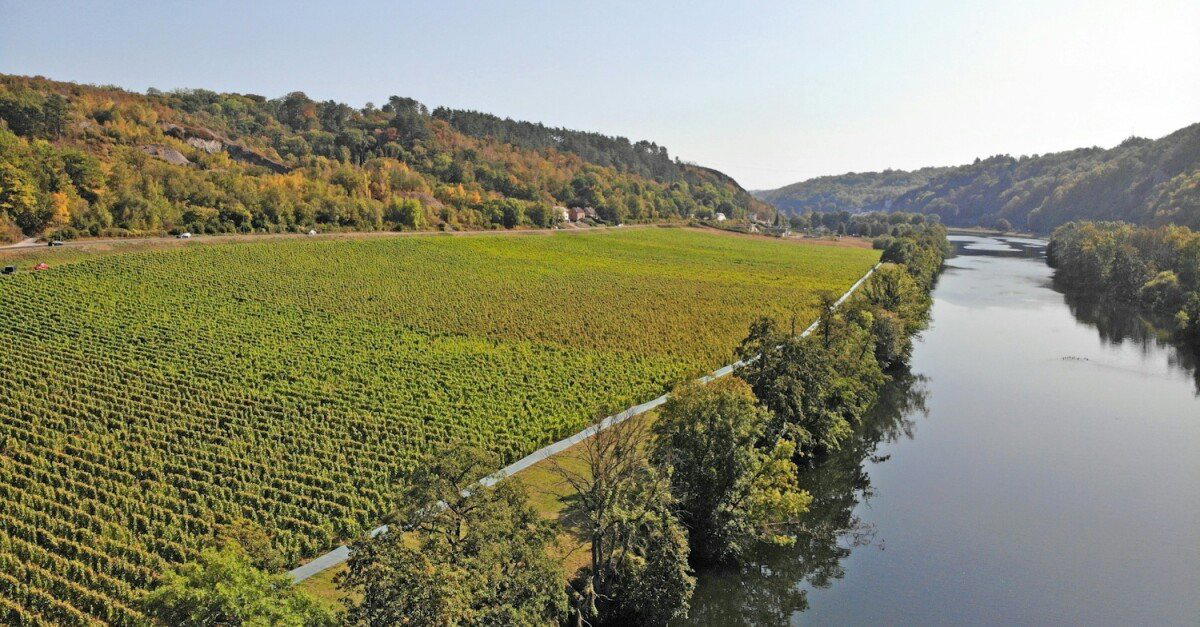

Details
- Elegant
- Romantic
- Cozy
- Sophisticated
- Rustic
- Date Night
- Special Occasion
- Historic Building
- Garden
- Terrace
- Local Sourcing
- Garden
- Tasting Menu
- Prix Fixe
- Vegetarian Friendly
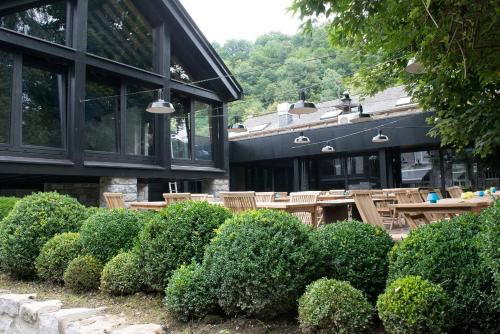
Elegant cocoon with refined, serene atmosphere in a historic neo-Gothic setting, enhanced by views of surrounding greenery.