Auberge paysanne de la mer
On the Île de Ré, where the Atlantic sets the terms for what ends up on the plate, Auberge paysanne de la mer takes its name and its cooking cues from the surrounding coastline. The address on Chemin de la Galère places it away from Saint-Martin-de-Ré's busier quayside, within a rural character that shapes the dining experience before any food arrives. For visitors working through the island's restaurant options, this is a reference point for produce-led coastal French cooking.
- Address
- Chem. de la Galère, 17410 Saint-Martin-de-Ré, France
- Phone
- +33683082038
- Website
- facebook.com
- Directions
- Get directions
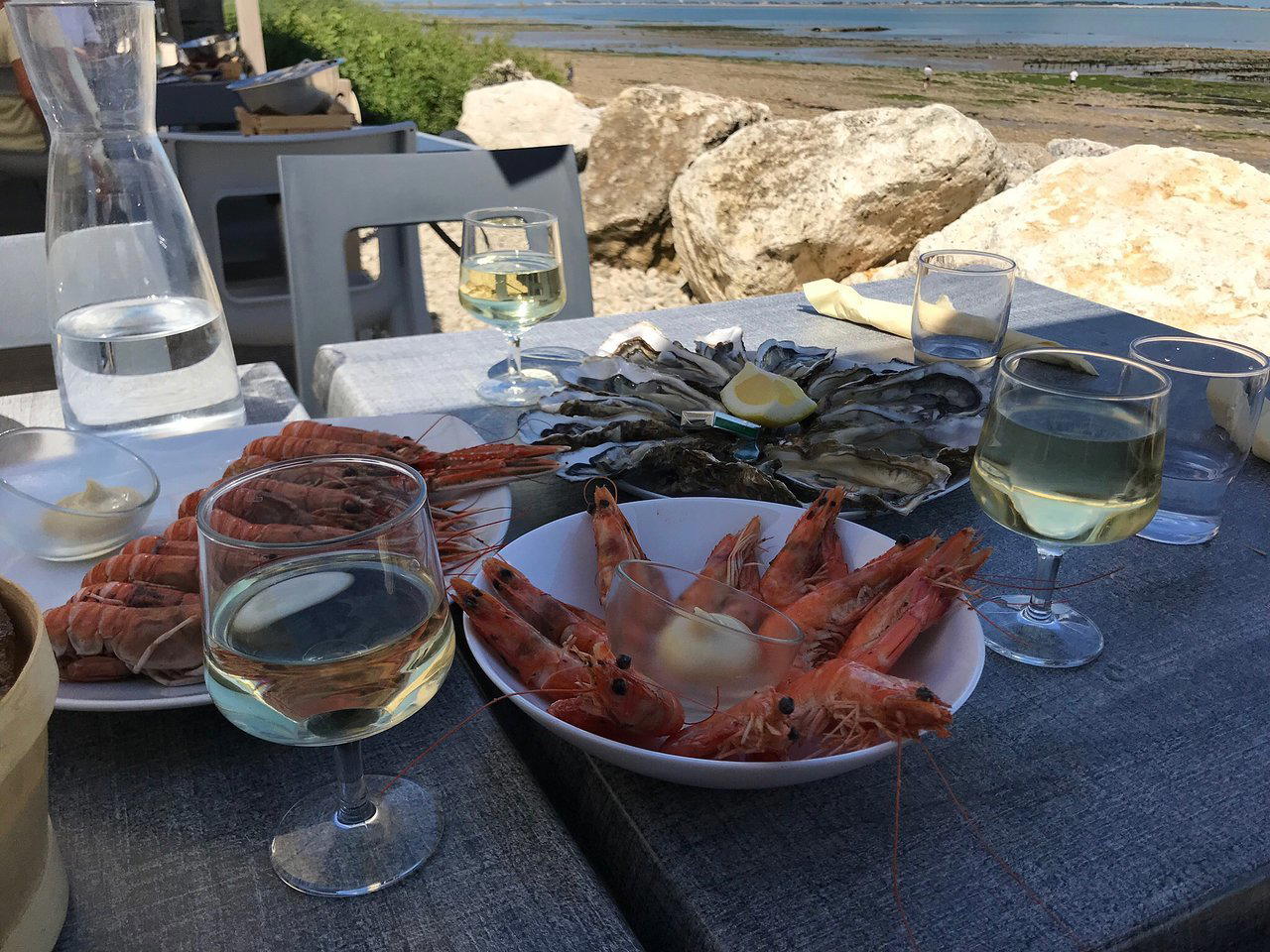
Where the Island Determines the Menu
There is a particular logic to eating on the Île de Ré that visitors from the mainland take a meal or two to appreciate. The island's Atlantic position, its salt marshes, its oyster beds at the southern end near La Couarde, and its close fishing grounds are not scenic backdrop, they are the supply chain. Restaurants that take that supply chain seriously cook differently from those that import ingredients and add a coastal aesthetic afterwards. Auberge paysanne de la mer, at Chem. de la Galère in Saint-Martin-de-Ré, is a casual, walk-in-friendly restaurant serving Traditional French Seafood & Oysters at about $35 per person.
The French word paysanne points toward a tradition of cooking that starts with what the land and sea provide locally and builds outward from there. On an island where the fleur de sel from the Loix saltpans reaches Paris restaurant tables as a premium product, and where oysters from the Charente-Maritime are among the more traded in France, that starting point has genuine culinary weight. The address on Chemin de la Galère reinforces the framing: this is not the waterfront, not the market square, but the path between them.
The Île de Ré's Ingredient Geography
To understand what a restaurant like this draws on, it helps to map the island's produce in some detail. The Charente-Maritime is one of France's most productive oyster regions, with the waters around Marennes-Oléron and the Pertuis d'Antioche providing conditions that have shaped French oyster culture for centuries. Île de Ré oysters, farmed in the Atlantic-influenced waters just off the island's coast, carry a brininess and iodine character that distinguishes them from Normandy or Brittany equivalents. Seasonal fish from the local fleet, bar (sea bass), daurade (sea bream), sole, are caught in waters close enough that same-day freshness is logistically achievable in a way it simply is not for landlocked kitchens.
Beyond the sea, the island's agricultural character contributes its own pantry. Île de Ré potatoes, the pomme de terre de l'Île de Ré, carry a protected geographical indication (PGI) status, reflecting their particular flavour from the sandy, salt-influenced soil. The same salt marshes that produce fleur de sel also define local vegetable production. A restaurant taking the name paysanne de la mer is, whether explicitly or not, positioning itself inside this produce tradition: one where the sourcing is geographic and the seasonality is genuine rather than aspirational.
This is the baseline that distinguishes serious coastal French cooking from its more decorative equivalents. Restaurants at the more formal end of French coastal dining, consider the produce-led approach at Mirazur in Menton or the regional sourcing discipline at Auberge du Vieux Puits in Fontjoncouse, have built reputations on exactly this kind of geographic specificity applied with technical rigour. Auberge paysanne de la mer operates at a different scale and price register, but the underlying logic of letting local ingredients lead the menu is the same.
Saint-Martin-de-Ré and Where This Fits
Saint-Martin-de-Ré is the island's main town, and its dining scene divides fairly cleanly between the harbour-facing restaurants that run on summer tourist volume and the smaller, less visible addresses that function year-round for residents and repeat visitors. The latter category tends to produce more consistent cooking: the kitchen is not recalibrating for a completely different clientele every August. Auberge paysanne de la mer's location on Chemin de la Galère, rather than on the main quay, places it outside the high-season tourist circuit in a way that tends to shape how these kitchens operate.
The word has institutional weight in French dining history: the auberge format, informal, often rural, food-centred rather than service-theatre-centred, produced some of the country's most significant cooking addresses. Auberge de l'Ill in Illhaeusern, three Michelin stars held across decades, is the reference point for what an auberge can become at its most refined. Auberge du Vieux Puits in Fontjoncouse represents the tradition applied to deep southern French countryside. These are not comparisons in price or ambition to the restaurant, but they share the foundational premise: a place defined by where it sits and what grows or swims nearby.
Planning a Visit
The Île de Ré is accessible from La Rochelle via the bridge, roughly 30 kilometres from La Rochelle's centre to Saint-Martin-de-Ré. The island's peak season runs from June through August, when the population and restaurant demand expand considerably. Visiting outside those months, particularly May or September, gives a better read of the island's actual character and tends to mean less pressure on tables. The restaurant's Chemin de la Galère address sits outside the town centre, which means arriving by car is the practical option.
Quick Comparison
Comparable venues nearby, for context on price, style, and recognition.
| Venue | Cuisine | Price | Awards | Notes |
|---|---|---|---|---|
| Auberge paysanne de la merThis venue — the venue you are viewing | Traditional French Seafood & Oysters | $$ | Not listed | Not listed |
| A Côté de Chez Fred | Traditional French Seafood Bistro | $$$ | Not listed | Saint Martin de Re |
| Le Serghi | French Bistronomic with Local Seafood | $$$ | Michelin Plate | Port of Saint-Martin-de-Ré |
| L'avant Port | Modern French Seafood | $$$$ | Not listed | Saint Martin de Re |
| George's | Modern French Brasserie | $$$$ | Michelin Plate | Saint-Martin-de-Ré |
| Le Tout du Cru | French Seafood & Oyster Bar | $$$ | Not listed | La Rochelle city center |
Continue exploring
More in Saint-Martin-de-Ré
Restaurants in Saint-Martin-de-Ré
Browse all →
Bars in Saint-Martin-de-Ré
Browse all →
Hotels in Saint-Martin-de-Ré
Browse all →

Wineries in Saint-Martin-de-Ré
Browse all →
At a Glance
- Rustic
- Scenic
- Cozy
- Classic
- Casual Hangout
- Family
- Group Dining
- Waterfront
- Terrace
- Panoramic View
- Local Sourcing
- Sustainable Seafood
- Waterfront
Warm and welcoming with natural light from ocean-facing terrace; rustic charm of a working oyster farm with idyllic seaside views.