1
Honolulu, United States
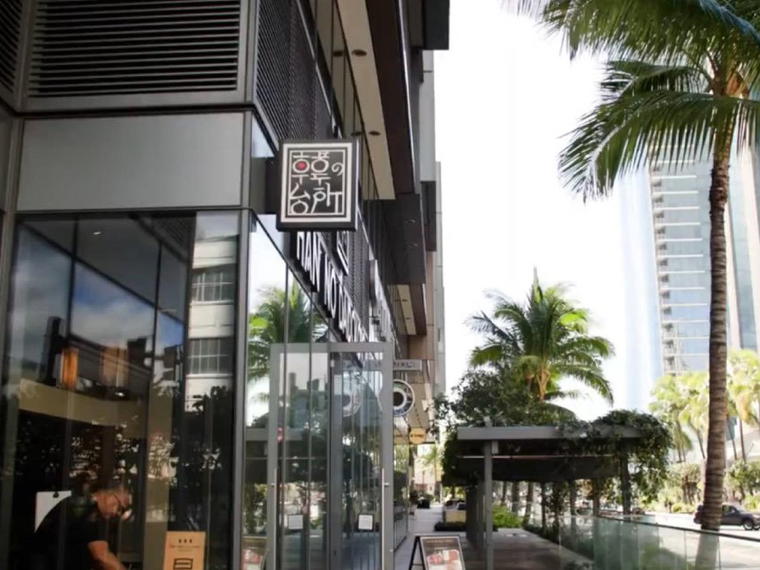
Han no Daidokoro/Waikiki
Han no Daidokoro/Waikiki serves Japanese Yakiniku in Honolulu, with Miyazaki Beef Yukhoe and a sake program in an open kitchen, paced for lunch or dinner.
Results
Honolulu, United States
Han no Daidokoro/Waikiki serves Japanese Yakiniku in Honolulu, with Miyazaki Beef Yukhoe and a sake program in an open kitchen, paced for lunch or dinner.

Mueang Chiang Mai, Thailand
Han Teung Chiangmai sits in Suthep, one of Chiang Mai's quieter residential districts, at a remove from the Old City's tourist circuit. The address places it within reach of Doi Suthep and the university quarter, positioning it among the neighbourhood dining spots that locals return to rather than venues designed around visitor traffic. For those tracing Chiang Mai's less-signposted dining geography, it warrants attention.

Ong Hoi, Vietnam
Han Yang BBQ sits inside the Regal Legend development on Bảo Ninh Peninsula, bringing Korean-style barbecue to one of central Vietnam's most rapidly developing coastal corridors. The format places raw product at the center of the meal, with diners cooking over live heat at the table — a format that rewards the quality of what arrives on the plate before any flame is applied. For visitors to Đồng Hới exploring beyond the standard seafood circuit, it represents a different entry point into the region's emerging dining scene.

New Orleans, United States
Located on Hampson Street in the Riverbend neighbourhood, Hana occupies a quieter corner of New Orleans' dining scene, away from the French Quarter circuit. The restaurant draws a local following in a city where neighbourhood spots often outlast the celebrated downtown addresses. For visitors willing to cross the parish of hype, it rewards the detour.

Tokyo, Japan
Tokyo's kakigori specialists occupy a distinct tier in the city's dessert culture, where shaved ice becomes a considered craft medium. Hana Goori Kakigori sits within that tradition, drawing on seasonal ingredients and refined technique to position itself among the capital's more serious kakigori addresses. For visitors calibrating their Tokyo itinerary, it represents a purposeful stop in a category the city has made its own.

Dublin, Ireland
On Capel Street, Dublin's most internationally textured dining strip, Hana Izakaya brings the izakaya format to a city still building its relationship with Japanese drinking-kitchen culture. The kitchen leans into the tradition's core logic: small plates, high-quality ingredients, and a format designed for sharing rather than ceremony. For Dublin, that combination sits in a distinct niche.

Berkeley, United States
A Japanese steakhouse and seafood restaurant on University Avenue in Berkeley, Hana Japan sits in a dining corridor where teppanyaki tradition and California's seafood-forward appetite meet. The format draws on the theatrical tableside cooking style that defined American-Japanese dining from the 1960s onward, placing it within a specific and durable genre. Booking logistics and expectations are covered here.

Dublin, United States
Hana Japan Steak House sits within Dublin, Ohio's teppanyaki and Japanese steakhouse category, where theatrical tableside cooking defines the format as much as the food. The menu architecture follows the classic American-Japanese steakhouse structure: protein-led, performance-driven, and built around the shared-table experience. For the Tri-Valley corridor, it represents a reliable entry point into that tradition.

Phoenix, United States
On North 7th Avenue, one of Phoenix's most eclectic dining corridors, Hana Japanese Eatery occupies a position that the broader city still undervalues: a Japanese restaurant operating outside the downtown core, in a neighbourhood defined by independent operators rather than hospitality groups. The address places it alongside particularly interesting cooking in Phoenix — accessible, neighbourhood-scaled, and worth the detour.

Rohnert Park, United States
The restaurant draws on the region's proximity to premium produce, seafood, and sake resources in a part of the Bay Area where Japanese dining of this register is relatively uncommon. For visitors traveling through Wine Country, it represents a distinct alternative to the French-leaning fine dining that dominates the corridor.
Westminster, United States
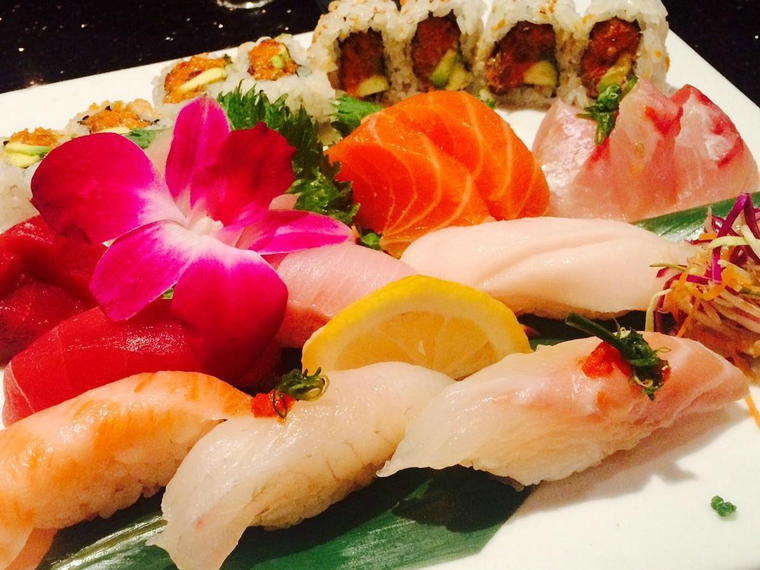
Hana Matsuri Sushi serves Japanese Sushi Fusion in Westminster, with a sake program, sustainable seafood sourcing, and lunch-or-dinner use in an upscale-casual, conversational setting.
Tokyo, Japan
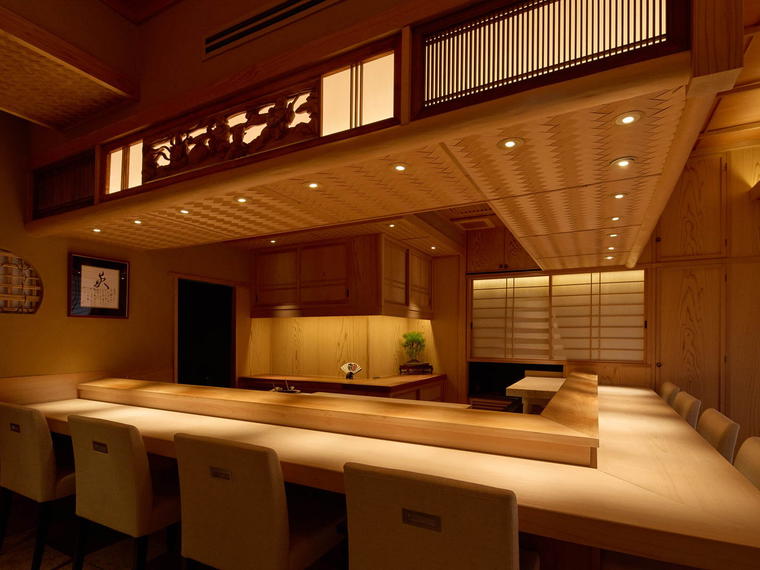
Hanabusa occupies the second floor of a low-key building in Azabu-Juban, one of Minato's most considered dining neighbourhoods. The address places it in close proximity to some of Tokyo's most demanding restaurant rooms, where collaborative floor-to-kitchen execution is the standard by which everything is measured. Booking ahead is advisable for this Azabu-Juban address.

Anaheim, United States
Hanagi Restaurant sits at 900 S Disneyland Drive in Anaheim, placing it squarely within the dense hospitality corridor that serves the Disneyland Resort district. The address positions it among a tier of dining options that trade on proximity to one of California's most-visited destinations, where the competition ranges from casual park-adjacent fare to more considered table-service formats. What that means in practice — format, price, cuisine — warrants a closer look before you book.
Hanalei, United States
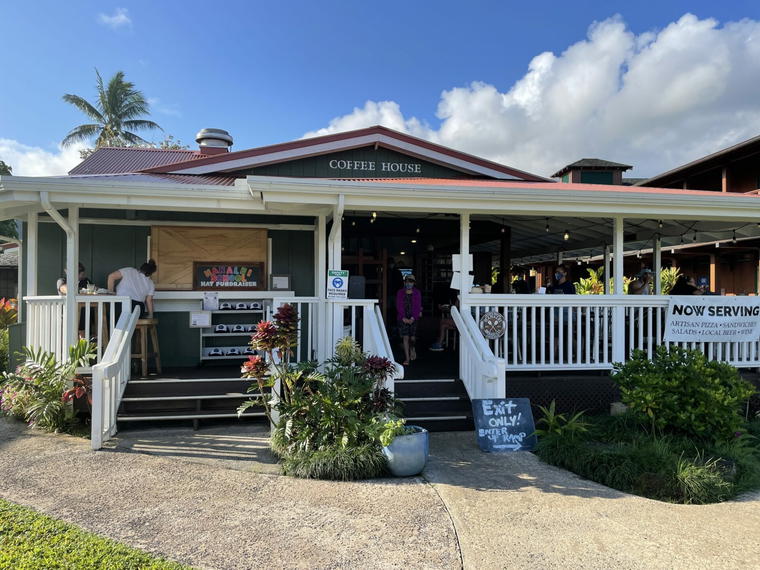
Hanalei Bread Company operates out of a small strip at 5-5161 Kuhio Hwy in the heart of Hanalei, on Kauai's north shore. It occupies the kind of modest, community-facing format that defines the town's food culture: low-key, locally oriented, and set against a backdrop where the mountains meet the bay. For context on what else the area offers, see our full Hanalei restaurants guide.

Hanalei, United States
On Kauai's North Shore, Hanalei Wake Up Cafe occupies a spot on Aku Road where the morning ritual of the small town plays out in real time. The cafe draws locals and visitors alike into a pace set by the island itself: unhurried, grounded, and oriented around the first meal of the day. For those exploring Hanalei's dining scene, it represents the casual-breakfast tier that underpins the town's food culture.

Takayama, Japan
In Takayama's tradition of deeply regional hospitality, Hanaougi Bettei Iiyama Ryokan represents the kind of accommodation where the kitchen and the surrounding mountain terrain are inseparable. The Hida region's emphasis on hyper-local ingredients — Hida beef, mountain vegetables, river fish — shapes the kaiseki experience here. For those drawn to Japan's most ingredient-driven ryokan culture, this is a property worth serious consideration.

Los Angeles, United States
Hanbat Sul Lung Tang on 5th Street sits inside Koreatown's most utilitarian dining tradition: the sul lung tang house, where beef bones simmer for hours and broth arrives white, clean, and uncompromising. This is the kind of place that rewards regulars and indifferent to trends. For anyone tracking Los Angeles's Korean dining depth beyond the barbecue circuit, it belongs on the itinerary.
New York City, United States
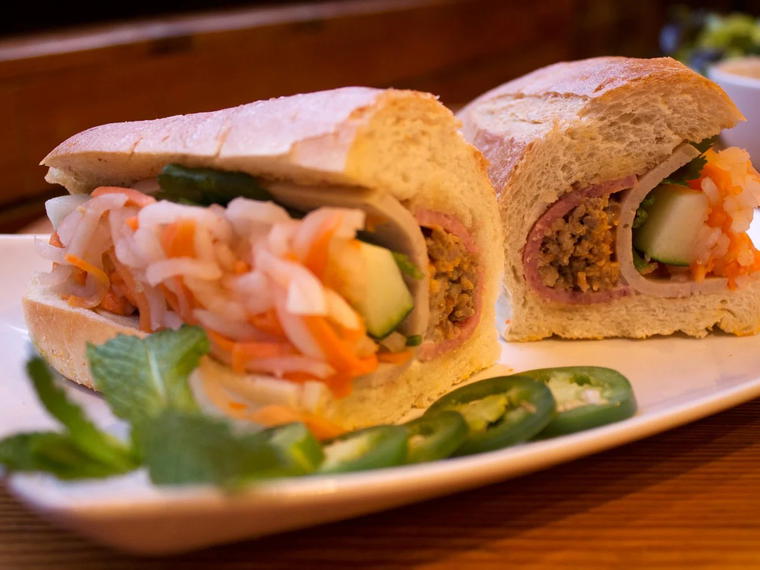
Hanco's at 134 Smith St sits in the heart of Brooklyn's Cobble Hill, a neighbourhood whose casual-dining identity runs counter to the tasting-menu formalism dominating Manhattan's upper tier.

Nashville, United States
Hand Cut Nashville occupies a corner of downtown Nashville where the city's appetite for craft and precision converges. Positioned among a growing tier of destination-minded restaurants in the 7th Avenue corridor, it draws a crowd that arrives with intention. The address alone places it within reach of the broader dining scene reshaping how visitors and locals think about eating in this city.

Bissau, Guinea Bissau
Handi occupies a spot on Rua Vitorino Costa in Bissau, where Guinea-Bissau's Portuguese colonial history and West African culinary traditions converge on the same table. The restaurant sits within a dining scene that remains largely undocumented by international guides, making it one of the few named reference points for the city's mid-range eating culture. Visitors looking for an anchor in Bissau's restaurant circuit will find Handi a practical starting point.

Houston, United States
Handies Douzo is a hand roll sushi bar at 9936 Westview Dr with a sake program; smart casual, upscale casual service suits lunch or dinner plans.

Scottsdale, United States
A Scottsdale institution on the country-music and live-entertainment circuit, Handlebar J on Becker Lane has drawn regulars from across the northeast Valley for decades. The format sits squarely in the tradition of Western honky-tonks that combine food, drink, and dancing under one roof — a format that Scottsdale, with its deep cowboy-culture roots, has always done well. Plan ahead: walk-in availability on weekend nights is not something to assume.

Salt Lake City, United States
HandoSake Sushi occupies a ground-floor suite on Main Street in downtown Salt Lake City, positioning itself within a dining corridor that has grown considerably more ambitious over the past decade. The format draws on Japanese sushi tradition adapted for a landlocked mountain city, where sourcing discipline and spatial design carry as much weight as the fish itself.

Warsaw, Poland
"Hand Roll, Warsaw by Praesens. The little restaurant serves an unusual take on Japanese food. Rolls, which would be normally sliced into maki, are served as whole, wrapped in paper. Apart from the typical ingredients (fish, shrimps, tempura, vegetables) the rolls can also include raspberries, or chilli. It’s certainly a healthier alternative to fast food, and a breath of fresh air to the local street food scene."

Vancouver, Canada
On Denman Street in Vancouver's West End, Handson Steak and Frites Restaurant occupies a neighbourhood corner where the French bistro format meets a local appetite for honest, protein-forward cooking. The steak-and-frites model — imported from the Parisian brasserie tradition — finds comfortable ground here, a short walk from English Bay and the dining corridor that runs toward Coal Harbour.

San Diego, United States
Hane Sushi belongs to San Diego’s serious sushi conversation rather than the city’s broader beach-and-taco shorthand. The draw is ingredient discipline: rice, fish handling, and sourcing logic matter more here than novelty, making it a useful counterpoint to the city’s view-driven dining rooms and large-format hospitality addresses.

Topeka, United States
Hanebe sits on the southwest side of Topeka at 2855 SW Wanamaker Rd, occupying a stretch of the city where independent dining concepts have quietly taken hold alongside the commercial corridor. Without the profile of a coastal food destination, Topeka rewards those who pay attention to what local operators are building on their own terms. Hanebe is one address worth tracking in that context.

Eyyubiye, Turkey
Hanehan Restaurant serves Turkish local cuisine in a historic building courtyard in Eyyubiye, with local sourcing and a quiet, casual setup that suits breakfast.

San Francisco, United States
Hang Ah Tea Room on Pagoda Place holds a particular place in San Francisco's Chinatown, operating from one of the neighborhood's oldest dim sum addresses. The room carries the weight of that history without theatrics, drawing regulars and first-timers alike to a format that predates the city's current wave of high-concept Chinese dining by decades.
Dublin, Ireland
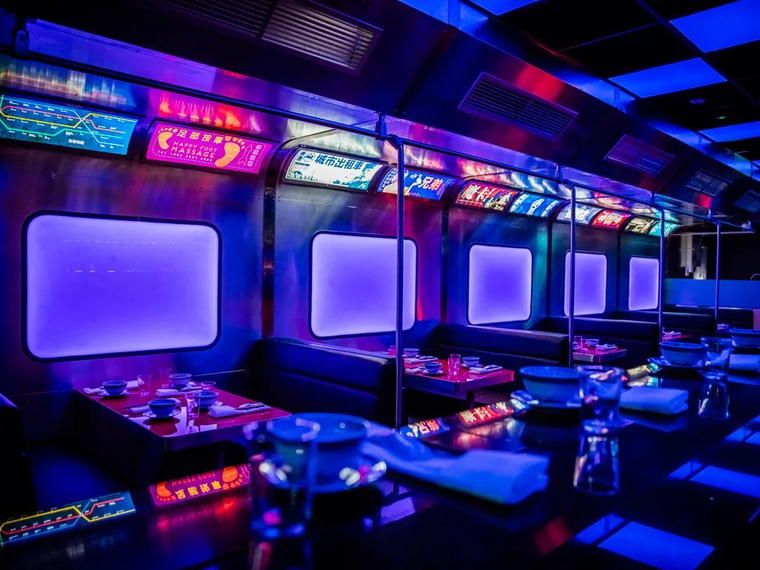
On Camden Street Lower, Hang Dai Chinese occupies a corner of Dublin's casual dining scene where the city's appetite for shareable, Chinese-influenced cooking meets a setting with genuine atmosphere. In a city where formal tasting menus dominate the critical conversation, Hang Dai pitches itself at a different register — loud, social, and built around the table rather than the kitchen narrative.

Alameda, United States
On Santa Clara Avenue in Alameda, Hang Ten Boiler sits at the intersection of East Bay casual dining and the nationwide crawfish boil tradition that has moved steadily up the California coast. The format is communal, the sourcing conversation is central to what the kitchen does, and the address puts it squarely in a neighborhood where seafood-forward concepts have found a consistent audience.

Columbus, United States
Hangar 815 occupies the terminal at John Glenn Columbus International Airport, placing it in the specific category of airport dining that aims above its surroundings. For travelers moving through Columbus, it represents the city's broader push toward a more serious food identity, positioned alongside a dining scene that includes venues like Alqueria and Agni in the wider Columbus market.

Paris, France
A Korean restaurant on Rue de Louvois in Paris's 2nd arrondissement, Hangari (Hang-A-Li) draws a loyal following that returns not for novelty but for consistency. In a city where Korean dining has moved well beyond the Opéra quarter's first-generation addresses, this address holds a particular place among regulars who know what they're coming back for.

Madrid, Spain
Korean BBQ in Madrid has found an unlikely home on Calle de San Bernardo, where Hangy BBQ Corean operates in the Malasaña-adjacent Centro district. The format follows the communal grill-at-table tradition that has spread steadily through European capitals over the past decade, placing it alongside a growing cohort of Korean dining venues in a city better known for its Michelin-heavy Spanish tasting menus.
Hangzhou, China
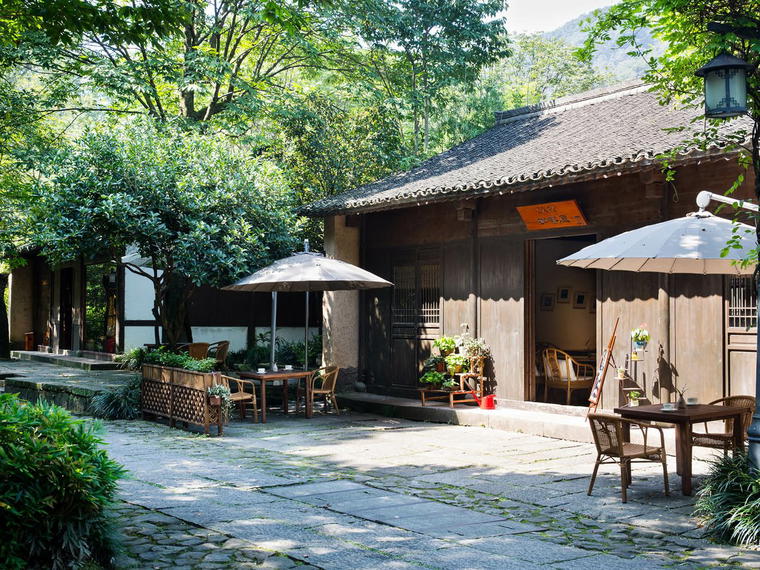
Set within Amanfayun's preserved Tang dynasty village on the forested western edge of West Lake, Hangzhou House occupies a position where setting and sourcing are inseparable. The kitchen draws on Zhejiang's agricultural traditions, placing it alongside the serious Hangzhou dining addresses rather than hotel-restaurant afterthoughts. For anyone moving through the city's premium dining circuit, it warrants attention.

Austin, United States
Located on Berkman Drive in Austin's east side, Hank's sits in a neighbourhood where informal cooking and serious ambition have coexisted for years. The room rewards a slow evening: dishes arrive in a considered sequence that moves from lighter, brighter flavours toward richer, more settled ones. For Austin's progressive dining scene, it represents a familiar format executed with restraint.
Victoria, Canada
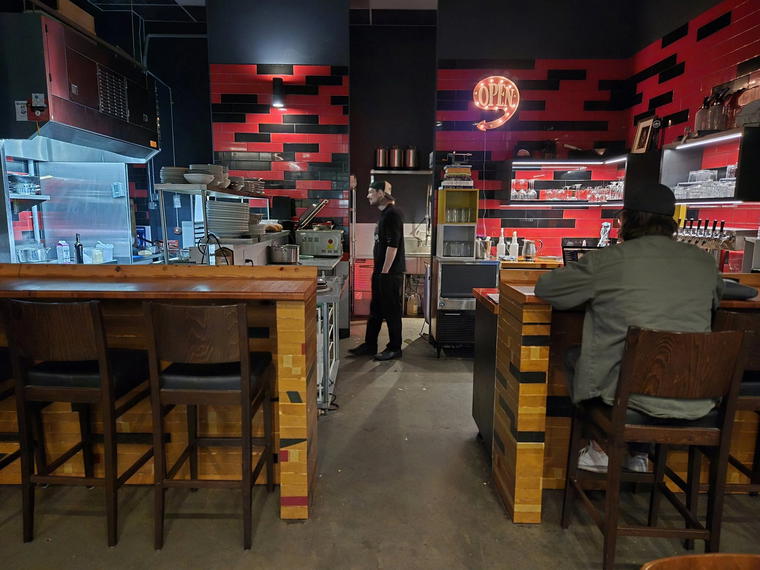
Hank's *A Restaurant occupies a ground-floor address on Douglas Street in downtown Victoria, placing it inside one of the city's most navigated dining corridors. While specific menu and chef details remain lightly documented in public record, the address and format position it within Victoria's mid-range independent dining tier, where the city's best neighbourhood character tends to surface.
Berkeley, United States
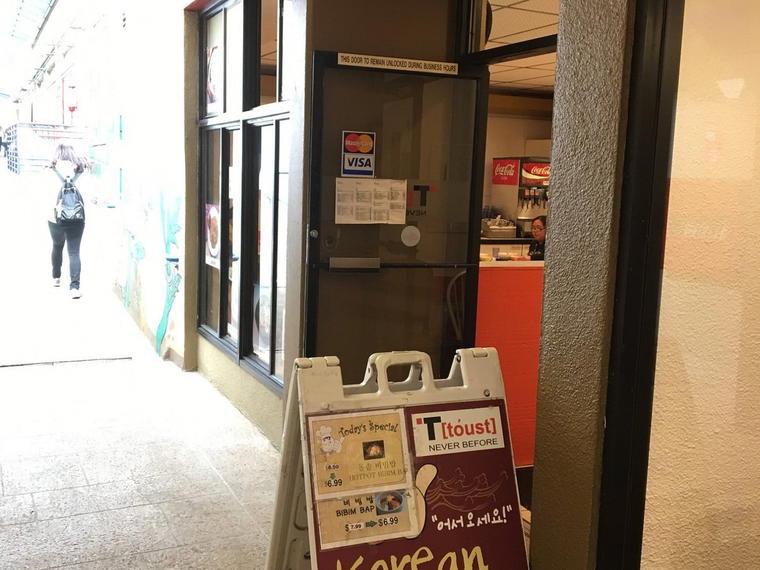
Durant Avenue at Dusk: What Korean Street Food Looks Like in Berkeley The stretch of Durant Avenue near the UC Berkeley campus operates on a different clock than the rest of the city. By late afternoon, the sidewalks fill with students moving...

West Yellowstone, United States
A steakhouse on West Yellowstone's main corridor, Hanks Chop Shop draws on the region's ranching tradition to anchor a menu built around beef. Gateway-town dining in Montana often punches below expectations, but the chop shop format here aligns with a wider American movement that treats provenance as the organizing principle of a menu rather than an afterthought.

Seoul, South Korea
Hanmiok occupies a quietly serious position in Cheongdam-dong, where Korean culinary tradition is framed through an environmental lens rather than spectacle. Set against the premium dining corridor of Gangnam District, it operates in a peer group that includes Seoul's most considered Korean tables, with a focus on sourcing and material integrity that runs through every element of the experience.
Toronto, Canada
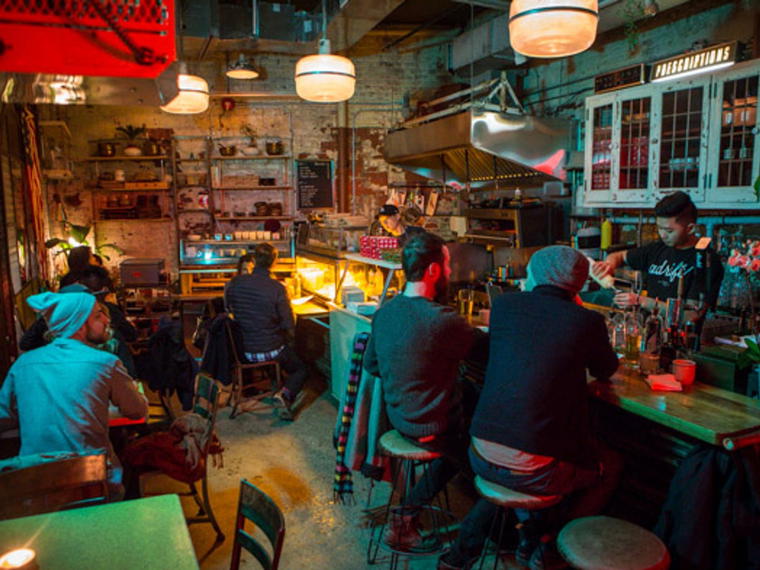
Hanmoto occupies a compact room on Lakeview Avenue in Toronto's Dovercourt Village, drawing a neighbourhood crowd that has learned to plan ahead. The restaurant sits in a mid-market tier that Toronto's west end has made its own — serious cooking without the formality or price ceiling of the city's downtown tasting-menu circuit. Booking strategy matters here more than most.

Beirut, Lebanon
Hanna Mitri is one of Beirut's most enduring addresses for traditional Lebanese sweets and pastries, drawing generations of locals who treat a visit as ritual rather than occasion. The shop occupies a particular place in the city's collective memory, where the act of selecting, wrapping, and sharing sweets carries as much weight as the sweets themselves. For anyone tracing the spine of Lebanese confectionery tradition, it belongs on the itinerary alongside the city's broader dining canon.
Reno, United States
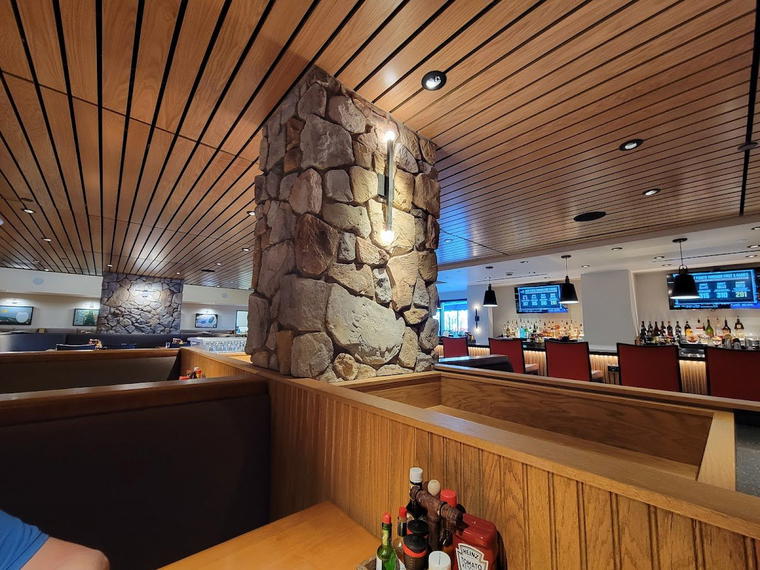
Hanna's Table occupies a quiet corner of Reno's downtown dining scene at 345 N Arlington Ave, operating in a city that has spent the last decade building a credible independent restaurant culture beyond its casino corridors. The address places it within walking distance of the arts district, where a handful of independently owned rooms have begun drawing diners who would otherwise drive to Sacramento or the Bay Area for a serious meal.

Seoul, South Korea
In Seoul's Hannam neighbourhood, where casual dining and destination-grade cooking sit within blocks of each other, Hannam Oriental Roast Chicken occupies the specialist end of the Korean roast chicken tradition. The menu is built around the architecture of a single protein treated with regional technique, positioning it differently from the city's multi-course tasting rooms and its street-level fried chicken chains.

Stuttgart, Germany
On Neckarstraße in Stuttgart's eastern districts, Hanoi represents the city's engagement with Vietnamese cuisine at a neighbourhood level — a counterpoint to the Michelin-heavy dining scene concentrated elsewhere in the city. For occasions that call for something genuine rather than ceremonial, it occupies a different register from Stuttgart's creative fine-dining tier, offering a more direct relationship between kitchen and table.

London, United Kingdom
On Mare Street in Hackney, Hanoi Bistro and Kitchen occupies a stretch of east London where Vietnamese cooking has moved well beyond the pho-and-spring-roll shorthand. The kitchen works within a tradition that prizes ingredient integrity and layered broth technique, placing it in a neighbourhood conversation about how Southeast Asian food earns its place in a serious dining city.

Paris, France
Hanoi Cà Phê occupies a ground-floor address on Cours Saint-Émilion in Paris's 12th arrondissement, one of the Right Bank's more quietly active dining corridors. The café sits in the Vietnamese coffee tradition, offering a counterpoint to the grand brasserie formats that dominate central Paris. It is a useful reference point for understanding how Southeast Asian café culture has translated into the French capital.

Hanoi, Vietnam
On a narrow lane in Hoàn Kiếm, Hanoi Cuisine 1925 sits within walking distance of Hoan Kiem Lake and the Old Quarter's densest concentration of traditional eating houses. The name signals a historical claim — 1925 as a reference point for northern Vietnamese cooking traditions — placing it in a category of Hanoi restaurants that frame heritage as the primary credential. Visitors should plan logistics carefully, as the address puts it inside one of the capital's most navigated dining corridors.

Lisbon, Portugal
A Vietnamese restaurant on a quiet Lisbon side street, Hanoi Green sits at the intersection of Chiado's neighbourhood character and Southeast Asian cooking traditions that have quietly taken hold in the Portuguese capital. The address on Travessa do Carvalho places it within walking distance of the city's most-discussed fine dining rooms, yet it operates in a distinctly different register, one defined by broth, herb, and the long arc of a Vietnamese meal.

Windsor, Australia
Hanoi Hannah Express Lane sits on High Street in Windsor, Victoria, bringing Vietnamese street food sensibility to one of Melbourne's most food-literate inner suburbs. The Express Lane format signals speed and accessibility over ceremony, placing it in a growing tier of casual Vietnamese spots that compete on freshness and flavour clarity rather than tablecloth formality. Windsor's dining strip rewards exactly this kind of directness.

Nice, France
A Vietnamese restaurant on a quiet street just off Nice's central shopping axis, Hanoi Opera sits in a city where Southeast Asian kitchens occupy a distinct niche among French and Niçoise dining. The address on Rue Dalpozzo places it within easy reach of the old town and the Carré d'Or district. For those tracking where sourcing discipline meets unfamiliar cuisine in the south of France, it warrants attention.

Etterbeek, Belgium
Hanoi Station occupies a corner address on Avenue des Celtes in Etterbeek, bringing Vietnamese cooking to a neighbourhood better known for Belgian bistros and Italian trattorias. The kitchen draws on northern Vietnamese culinary tradition, placing it in a distinct niche within Brussels' broader Southeast Asian dining circuit. Booking ahead is advisable, particularly on weekend evenings when the room fills quickly.
Edinburgh, United Kingdom
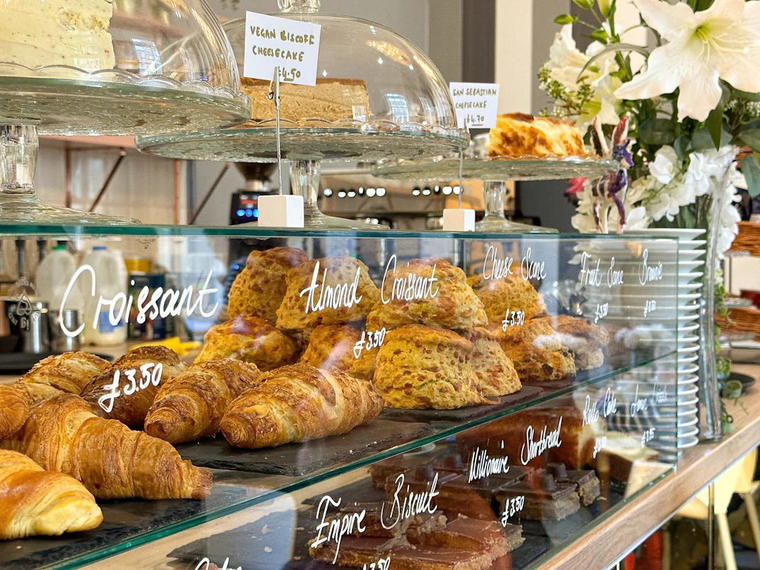
Cafe Hanover 71 occupies a grounded address on one of Edinburgh's better-connected New Town streets, placing it within reach of the city's more serious dining corridor. Sparse public-facing detail keeps expectations provisional, but the Hanover Street address situates it firmly in Edinburgh's mid-city dining fabric, where neighbourhood regulars and visitors overlap in roughly equal measure.
Blenheim, New Zealand
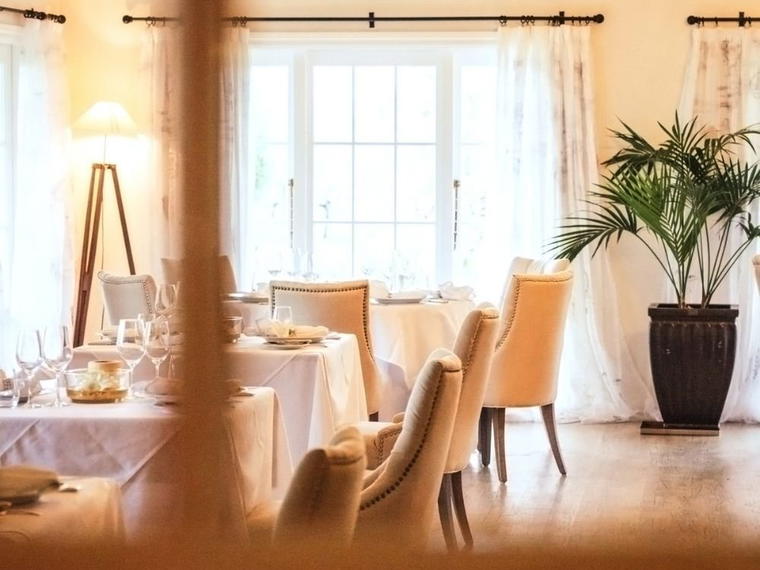
Hans Herzog sits on Jeffries Road in Blenheim's Marlborough wine country, positioning itself within a regional dining scene where the provenance of ingredients carries as much weight as technique. The estate setting places food and wine production in close physical proximity, a model that shapes how the kitchen sources and how the wine list reads. For visitors to New Zealand's most prominent wine region, it represents a grounded, place-specific dining option.

Bern, Switzerland
Hans Im Gluck occupies a passage address in central Bern, placing it within easy reach of the federal quarter and the old town arcade streets. The restaurant sits in a segment of Bern dining that draws comparisons across the city's mid-to-upper casual register, where the booking question and the walk-in question are often the same conversation. What to expect, and how to plan, is worth knowing before you arrive.

Winterthur, Switzerland
Hans Im Glück sits on Schaffhauserstrasse in Winterthur, positioned within a city whose casual dining scene has expanded notably in recent years. The address places it along a well-trafficked northern corridor, making it accessible for both neighbourhood regulars and visitors oriented toward the broader Winterthur dining circuit. For context on the surrounding restaurant landscape, the EP Club Winterthur guide maps the full picture.
Basel, Switzerland
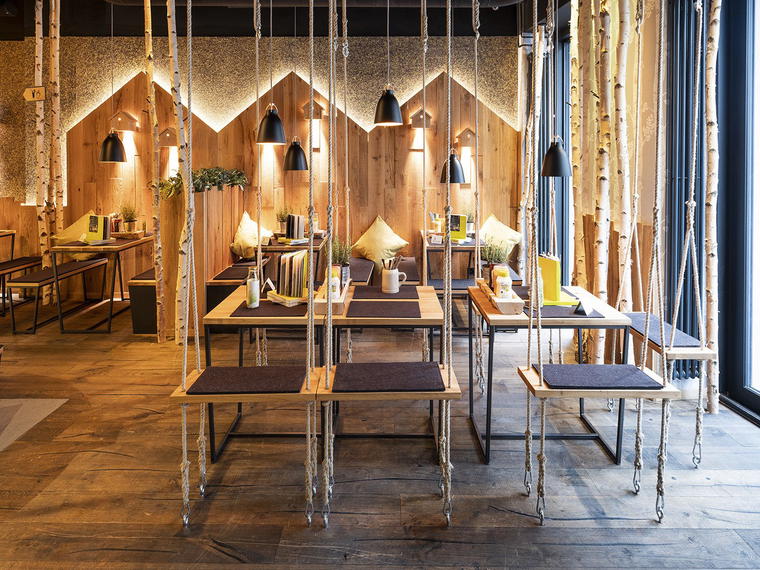
Hans im Glück Basel occupies a prominent address on Steinenvorstadt 1a, placing it squarely in the city's main pedestrian and dining corridor. The German burger chain has built its identity around a sourcing-forward approach to fast-casual eating, positioning itself between street-level convenience and ingredient-conscious dining. For Basel visitors moving between the city's art institutions and its compact old town, it serves as a reliable mid-range stop on a street dense with options.

Gumligen, Switzerland
Hans im Glück Muri sits on Feldstrasse in Muri bei Bern, placing it squarely within the suburban dining orbit of the Swiss capital. The burger-focused chain format here operates within a broader Swiss casual-dining scene that has quietly professionalised its ingredient sourcing over the past decade. For Gumligen visitors seeking a reliable, ingredient-conscious meal without the formality of Bern's city-centre options, the address is a practical first stop.

Munich, Germany
Hans Kebab on Leopoldstraße sits at the accessible end of Munich's street-food spectrum, where the question is less about atmosphere and more about what lands on the plate. On a boulevard that runs from student bars to gallery cafés, a kebab counter operating at this address is positioning itself against a specific kind of daily hunger. Arrive with low ceremony and clear expectations.

Paris, France
On Avenue Victor Hugo in the 16th arrondissement, Hansan occupies a quieter stratum of Paris dining where the sourcing story carries as much weight as the technique on the plate. The address places it in a neighbourhood shaped by old-money restraint rather than Michelin theatrics, making it a reference point for readers tracking where ingredient-led cooking is taking root outside the grand dining rooms of the 8th.

Tokyo, Japan
Hantei sits in Marunouchi's Shin-Marunouchi Building, placing it among Tokyo's centrally located dining destinations in one of the city's most commercially active districts. The venue operates within a broader Tokyo scene where ingredient provenance and sourcing discipline increasingly define a restaurant's position in the market. Travellers planning a Tokyo table should factor Hantei into their itinerary alongside the capital's other serious dining addresses.

Amsterdam, Netherlands
Hany's Grill occupies a quiet stretch of Scheldestraat in Amsterdam's Rivierenbuurt, a neighbourhood where mid-century residential blocks give way to a increasingly considered dining scene. The grill format here sits within a broader Amsterdam tradition of ingredient-driven cooking, where sourcing choices carry as much weight as technique. Visitors exploring the city's wider restaurant circuit will find useful context in EP Club's full Amsterdam guide.
Hsi An, China
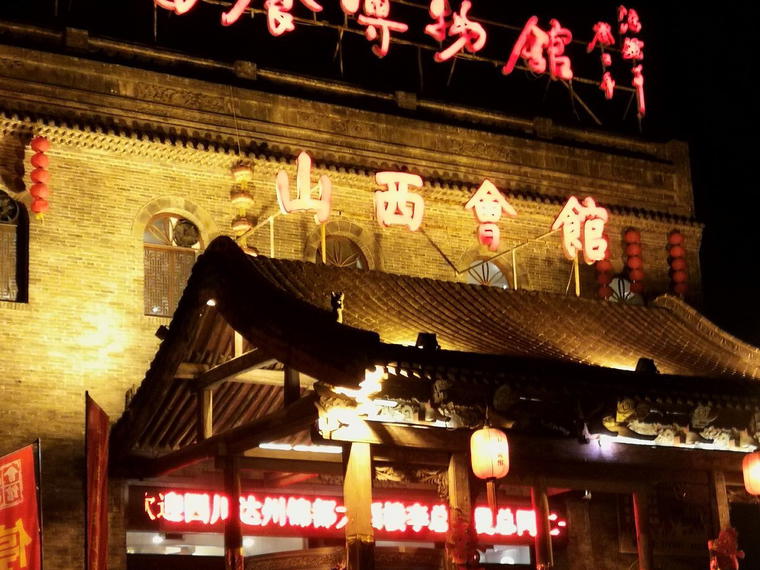
Hanyangguan occupies a courtyard address in Xi'an's Yanta District, placing it at the intersection of Tang Dynasty heritage and the city's dense, evolving restaurant scene. The kitchen draws on Shaanxi's grain-forward cooking traditions in a setting that reads more formal than the street-level competition along Muslim Quarter corridors. For visitors moving beyond the obvious food-street circuit, it represents a considered alternative within the same culinary geography.
Cusco, Peru
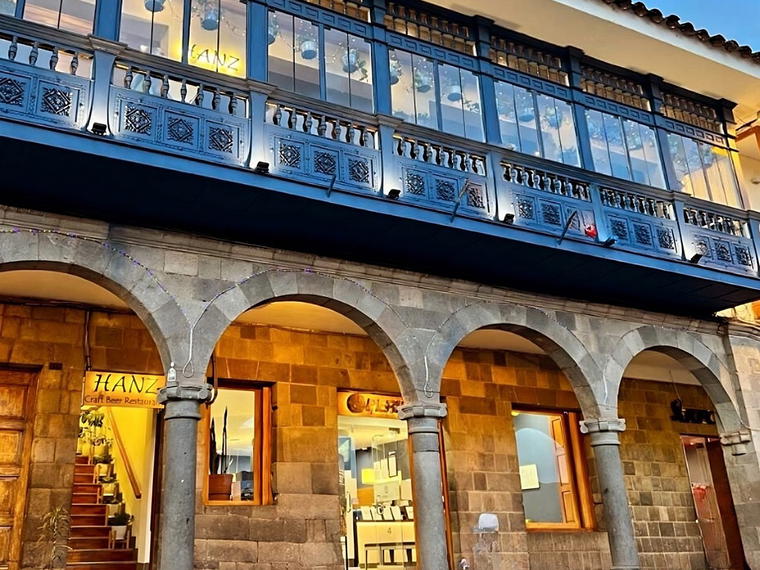
Dining on the Plaza: What a Gastronomique Address Signals in Cusco Portal de Carnes 216 is not a side-street address. It sits on the Plaza de Armas, the colonial centrepiece of Cusco, where the stone arcades that once framed Inca ceremony now...
Copenhagen, Denmark
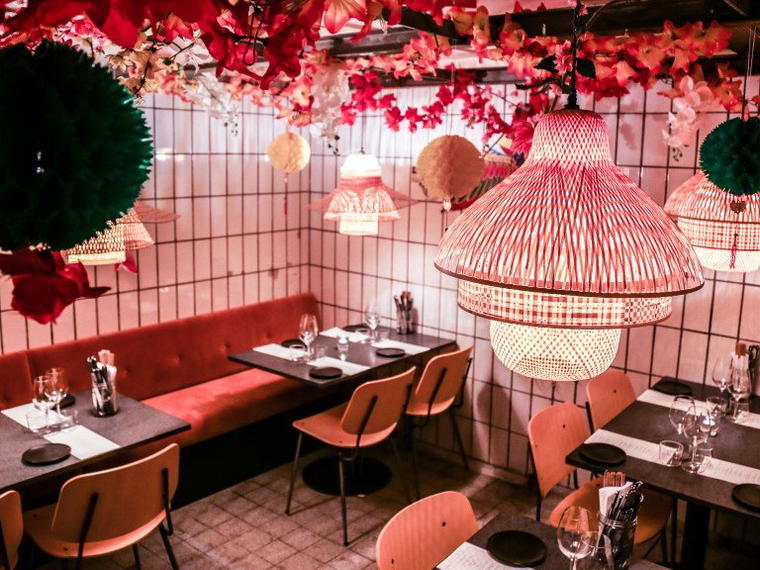
On Værnedamsvej, Copenhagen's most self-assured food street, Hanzo occupies a position that rewards those already familiar with the city's dining register. The address alone places it in a neighbourhood that has long attracted independent operators with a point of view. What that point of view is, and how it fits the broader Copenhagen scene, is worth understanding before you book.
Aarhus, Denmark
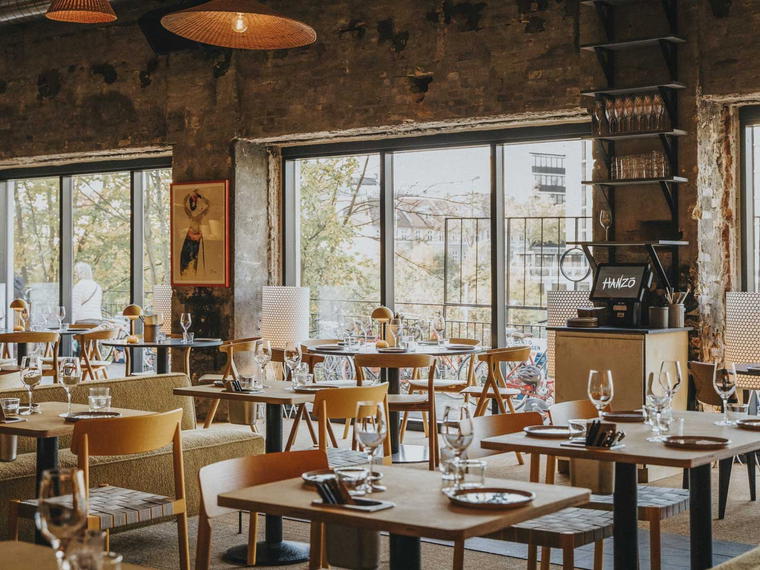
Hanzō sits on M. P. Bruuns Gade in the heart of Aarhus, operating in a city where New Nordic tasting menus have set a demanding benchmark. The address places it within walking distance of the Latin Quarter and the ARoS art museum, putting it in the company of a restaurant scene that punches well above its population size. For visitors mapping Aarhus through its dining, Hanzō is part of a broader conversation about where the city's appetite for international formats meets local produce sensibility.

Spoltore, Italy
In the hillside commune of Spoltore, just above Pescara, Hanzo L'Arca occupies a quieter register of Abruzzo's dining scene — one where the region's agricultural depth and Adriatic proximity shape what arrives at the table. The address on Via Federico Fellini places it within easy reach of the Pescara conurbation while operating at a remove from its coastal noise. For the Spoltore dining guide, see our full Spoltore restaurants guide.

Hangzhou, China
Hao Canteen sits inside Starlight City on Wensan Road, placing it within Xihu district's growing cluster of mid-to-upper casual dining. The address signals a venue pitched at Hangzhou's urban professional crowd rather than the tourist circuit around West Lake. How it distinguishes itself within that increasingly competitive tier is the more interesting question.
London, United Kingdom
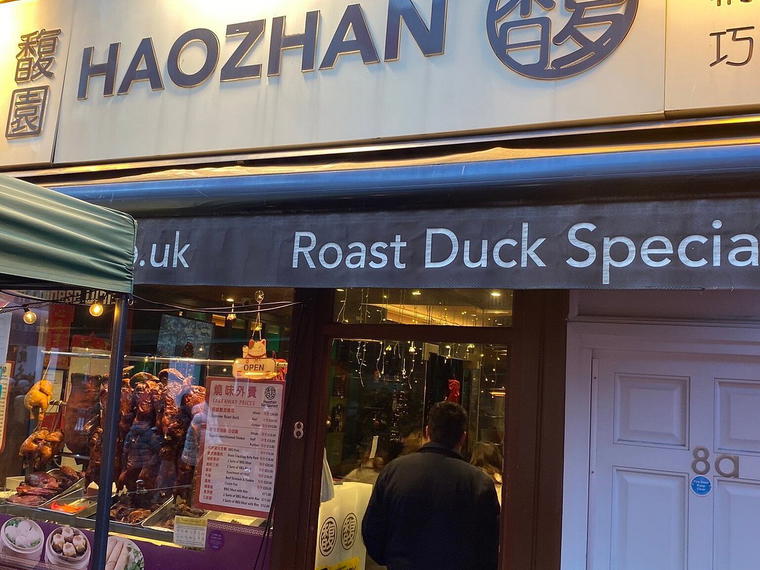
On Gerrard Street at the heart of London's Chinatown, Haozhan has spent two decades refining its position as one of the strip's more ambitious kitchens, moving well beyond the neighbourhood's standard Cantonese playbook. The menu draws on broader Chinese regional traditions and has accumulated steady critical attention. For Soho dining at this price point, it represents a considered alternative to the area's more formulaic options.

Toronto, Canada
Hapa Toronto serves modern Japanese izakaya tapas at 602 College St, with an open kitchen, an extensive wine list, and sake for dinner or late night.

Highland, United States
Hapag Bistro occupies a quiet address on Vineyard Ave in Highland, NY, a Hudson Valley town where farm proximity shapes what ends up on the plate more than any chef's manifesto. The bistro sits within a regional dining scene that prizes direct sourcing and seasonal discipline, placing it alongside a small cohort of independently minded restaurants that treat the valley's agricultural calendar as a menu outline.
Gardena, United States
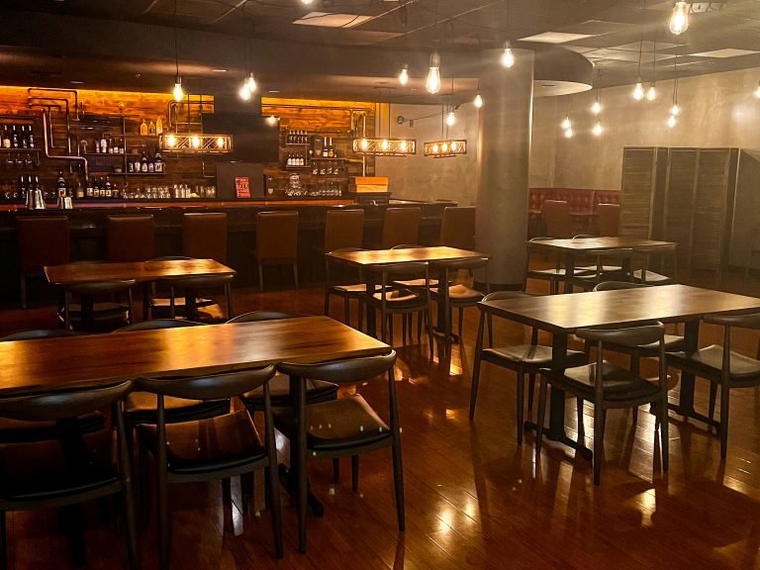
Happa Restaurant sits on West Redondo Beach Boulevard in Gardena, California's dense corridor of Japanese dining, where the surrounding neighbourhood context carries as much weight as any individual address.

Las Vegas, United States
Happy Camper Pizza sits on the Las Vegas Strip at 3200 S Las Vegas Blvd, bringing a casual, counter-service pizza format to one of the world's most dining-saturated corridors. In a city where the dominant register runs toward tablecloth formality or high-volume buffets, the pizzeria occupies a deliberately unpretentious tier, offering a walk-in, slice-driven ritual that contrasts with the choreographed meal formats surrounding it.

Seattle, United States
On Seaview Avenue NW along the Shilshole waterfront, Happy Crab occupies a stretch of Seattle where the catch still shapes what ends up on the table. The focus is crab, served in formats that follow what the boats bring in rather than a fixed seasonal template. For anyone tracking Pacific Northwest seafood at its least ceremonious, this is a reliable address.

Lihue, United States
Happy Eats sits on Kuhio Highway in Lihue, the working commercial heart of Kauai, where the dining scene runs closer to plate lunch counters and family-run spots than resort-strip restaurants. With limited data in the public record, the draw here is context: a casual stop in a town that rewards visitors willing to eat where locals actually eat.
Cupertino, United States
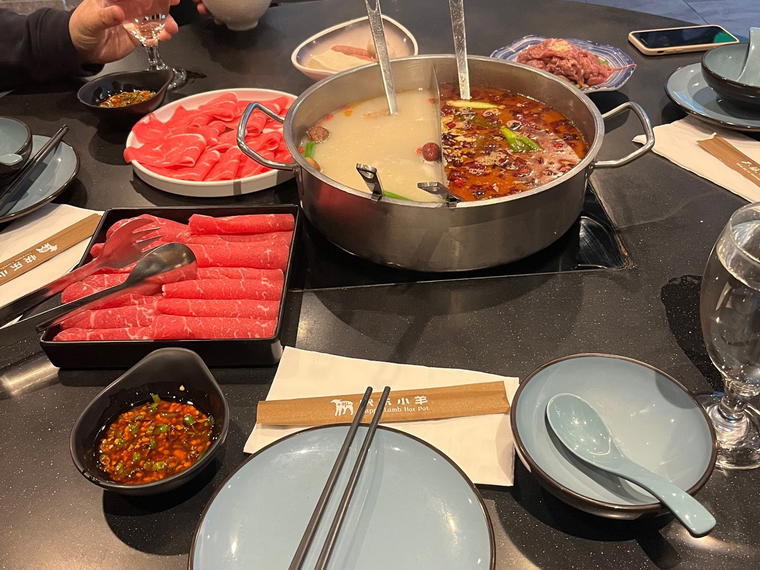
Happy Lamb Hot Pot (快乐小羊) brings the Inner Mongolian hot pot tradition to Stevens Creek Blvd in Cupertino, operating as part of a Chinese chain with significant national presence. The format centers on individual or shared simmering broths and a broad selection of thinly sliced proteins and fresh produce. It sits within Cupertino's dense corridor of East and Southeast Asian dining options.

Stockholm, Sweden
On Malmskillnadsgatan in central Stockholm, Happy Rooster occupies a stretch of the city where late-night bars and neighbourhood institutions have long coexisted. The address places it within easy reach of Stureplan and the denser dining corridors of Norrmalm, making it a practical anchor for an evening that moves between the area's bars and restaurants. Confirmation of cuisine, hours, and booking should be verified directly before visiting.

Austin, United States
Happy Slice Pizza serves pizza in a casual setting with craft cocktails and a terrace, making it workable for lunch or dinner.

Coverly, Barbados
Happy Taco serves authentic Mexican tacos in Town Center, Coverly, with craft cocktails and mahi-mahi tacos on a quick-bite, conversational format.

Ghent, Belgium
A neighbourhood Thai address on Koningin Elisabethlaan, Happy Thai draws a steady local following in Ghent's residential south side. The format is accessible and the kitchen stays close to Thai fundamentals rather than Europeanised adaptations. For Ghent diners looking beyond the canal-side tourist circuit, it occupies a reliable slot in the city's international dining mix.