Happy Lamb Hot Pot, Cupertino 快乐小羊
Happy Lamb Hot Pot (快乐小羊) brings the Inner Mongolian hot pot tradition to Stevens Creek Blvd in Cupertino, operating as part of a Chinese chain with significant national presence. The format centers on individual or shared simmering broths and a broad selection of thinly sliced proteins and fresh produce. It sits within Cupertino's dense corridor of East and Southeast Asian dining options.
Pearl is the En Primeur Club membership app — saves, bookings, and concierge access live there. Same editors, same standards.
- Address
- 19062 Stevens Creek Blvd (btwn Tantau Ave & Judy Ave), Cupertino, CA 95014
- Directions
- Get directions
 Saves & bookings on Pearl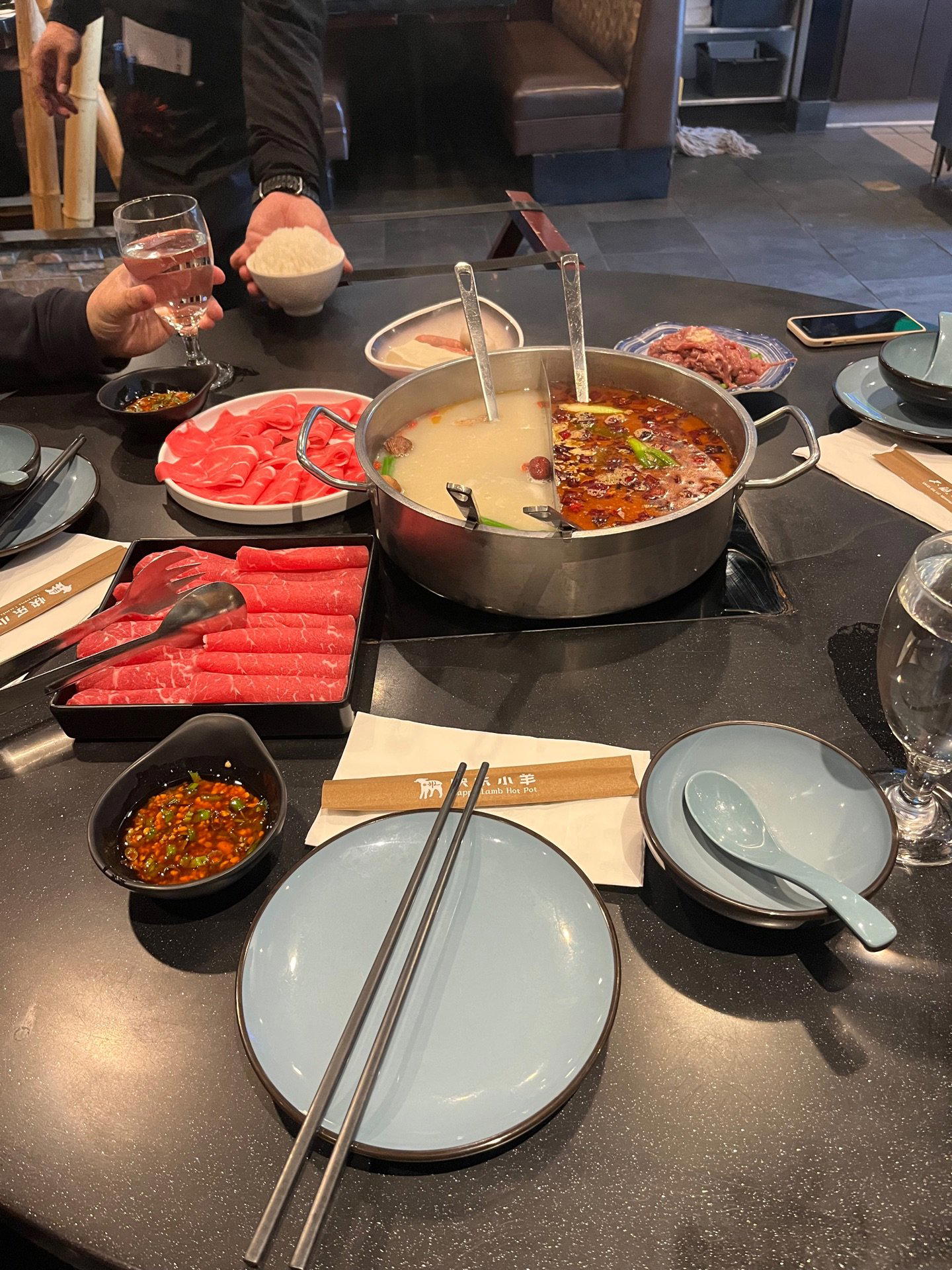
The Communal Heat of Inner Mongolian Hot Pot in Silicon Valley
Walk into a Chinese hot pot restaurant on a weekend evening and the first thing you register is sound: the low rolling boil of multiple broths, the clatter of wire-mesh ladles, the sustained conversation that hot pot demands. The format is communal by design, built around a shared pot of simmering broth into which diners cook their own selection of proteins, vegetables, tofu, and offal at the table. That interactive structure makes hot pot one of the few dining formats where the pacing is entirely controlled by the people eating, not the kitchen. Happy Lamb Hot Pot (快乐小羊), located at 19062 Stevens Creek Blvd in Cupertino, imports that model from its Inner Mongolian origins into the middle of the Bay Area's most concentrated corridor of Chinese-American dining.
A Tradition Rooted in the Mongolian Steppe
Hot pot's lineage in Chinese culinary history runs deep, but the Inner Mongolian variant has a specific character. The name Happy Lamb references the breed and provenance emphasis that defines this regional style: lamb, rather than beef or pork, is the protein around which the tradition was built. On the Mongolian steppe, lamb was the most available meat, and the hot pot format allowed large groups to cook quickly using minimal equipment over a single heat source. The broth traditions that developed from this context tend toward clean, bone-based stocks that let the meat's flavor carry without heavy spicing — a contrast to the Sichuan mala broth tradition that has become more widely recognizable in Western cities.
In China, the Happy Lamb brand (小肥羊's successor format under the Happy Lamb identity) has grown into one of the larger organized hot pot chains operating in this regional style. Its presence in Cupertino places it within a North American market where Chinese-operated hot pot chains have expanded significantly over the past decade, particularly in cities with substantial Chinese and Chinese-American populations. The South Bay, with its high concentration of tech workers from mainland China and established Chinese-American communities, represents one of the more active markets for this category.
Where Stevens Creek Blvd Fits in Cupertino's Dining Mix
Stevens Creek Blvd functions as Cupertino's primary dining artery, running through a stretch that includes Taiwanese bubble tea shops, Japanese izakayas, Vietnamese noodle houses, and a rotating set of Chinese regional specialists. The block between Tantau Ave and Judy Ave, where Happy Lamb Hot Pot operates, sits within that broader pattern. Cupertino's dining identity has been shaped by successive waves of immigration tied to the tech industry and established Asian-American communities in Santa Clara County, which means the demand for regionally specific Chinese cooking, including Inner Mongolian hot pot, exists here in a way it does not in most American cities of comparable size.
For context on the breadth of Cupertino's options in this corridor, the city's dining mix includes Japanese-influenced spots like Gochi Cupertino and Gochi Japanese Fusion Tapas, regional Chinese cooking at Liang's Village Cuisine, and Italian-adjacent options including La Pizzeria Cupertino and Curry Pizza House Cupertino. Hot pot occupies a distinct niche within that mix: it is a format that requires a specific kind of visit, longer than a quick noodle lunch, more social than a solo counter meal, and better suited to groups with time to cook through multiple rounds of ingredients.
What the Format Asks of the Diner
Hot pot is a category where knowing what to order matters considerably. The broth selection is the first decision, and in Inner Mongolian-style restaurants the core choice is typically between a clear bone broth, a spicy red broth, or a split pot offering both simultaneously. After that, the order is built from a menu of raw ingredients: thinly sliced lamb and beef, seafood, mushroom varieties, leafy greens, glass noodles, tofu skins, and dipping sauce components assembled individually at a condiment station. The sauce assembly, combining sesame paste, fermented tofu, fresh coriander, chili oil, and other elements, is itself a learned skill and a significant part of the experience for regular hot pot diners.
For diners less familiar with the format, hot pot restaurants of this type generally work well as introductions because the cooking process is visible and controllable: nothing arrives pre-cooked and opaque from a kitchen. The quality ceiling is partly a function of ingredient sourcing and broth depth, and partly a function of how the diner manages cooking times, since proteins like thinly sliced lamb cook in seconds in a rolling boil.
Hot Pot in the Bay Area's Broader Context
The Bay Area hot pot market has expanded considerably over the past several years, with both independent operators and chain formats competing for a growing audience. Cupertino and the surrounding South Bay have attracted multiple hot pot concepts targeting the same demographic that supports the city's dense Chinese restaurant ecosystem. Within that competitive set, Happy Lamb Hot Pot's regional specificity — the Inner Mongolian lamb emphasis and the associated broth tradition, positions it differently from Sichuan-focused chains or Taiwanese-style shabu-shabu restaurants, which represent adjacent but distinct formats.
This regional specificity matters for the experienced hot pot diner making a choice between options in the area. The texture of the experience, the broth's character, and the protein emphasis are all shaped by which regional tradition a restaurant is working within. For a broader view of where Cupertino sits in the Bay Area dining picture, the full Cupertino restaurants guide maps the range of options across cuisines and formats.
For comparison, the kind of deliberate culinary identity that distinguishes venues within a regional tradition operates at every price point and format. In fine dining, that specificity can mean the Michelin-recognized precision of Lazy Bear in San Francisco or the farm-system rigor of Single Thread Farm in Healdsburg. At the hot pot table, it means understanding whether the broth underneath your ingredients was built from an Inner Mongolian lamb bone tradition or a Chongqing tallow-and-mala base, a distinction that changes the meal entirely.
Planning Your Visit
Happy Lamb Hot Pot sits on Stevens Creek Blvd between Tantau Ave and Judy Ave, accessible by car with parking in the surrounding retail area. As with most hot pot restaurants that draw large groups, weekend evenings tend to run busy; weekday visits in the early dinner window typically offer a calmer experience and shorter waits. Because the venue database does not include current hours, booking method, or phone contact, it is worth checking current operating details directly before visiting. Dietary considerations are worth raising with staff at the time of visit, given the broth and sauce components involved in any hot pot service.
Frequently Asked Questions
What should I eat at Happy Lamb Hot Pot, Cupertino 快乐小羊?
The menu follows the Inner Mongolian hot pot format, where thinly sliced lamb is the anchor protein around which the meal is built. Start with a split pot if you want to sample both the clear bone broth and a spiced version simultaneously. The dipping sauce station, where you assemble your own condiment blend, is central to the experience, sesame paste and fermented tofu form the base of the classic pairing for lamb in this tradition. Leafy greens and mushroom varieties round out the order alongside the proteins.
Can I walk in to Happy Lamb Hot Pot, Cupertino 快乐小羊?
Walk-in availability at hot pot restaurants in Cupertino varies significantly by day and time. Weekend evenings draw the largest groups and the longest waits across this category in the South Bay; arriving before peak service or visiting on a weekday improves your chances of being seated without a long wait.
What has Happy Lamb Hot Pot, Cupertino 快乐小羊 built its reputation on?
Happy Lamb Hot Pot's reputation in the Chinese dining community rests on its regional specificity within the hot pot category. The brand operates within an Inner Mongolian tradition that emphasizes lamb-forward broths and a clean, less fiery profile compared to the Sichuan mala style that dominates much of the Western hot pot market. In a city like Cupertino, where the dining audience includes a significant proportion of diners familiar with Chinese regional distinctions, that specificity registers as a meaningful point of difference.
Is Happy Lamb Hot Pot, Cupertino 快乐小羊 allergy-friendly?
Hot pot as a format involves a wide range of ingredients including broths built from bones and various proteins, sauces that commonly contain sesame, soy, and fermented products, and shared cooking surfaces. For diners with specific allergies or dietary restrictions, the safest approach is to contact the restaurant directly before visiting to ask about ingredient composition and cross-contamination protocols.
Is Happy Lamb Hot Pot in Cupertino part of a larger chain, and does that affect the experience?
Yes, Happy Lamb Hot Pot (快乐小羊) operates as part of a Chinese chain with multiple locations across North America and mainland China, working within the Inner Mongolian hot pot tradition. Chain format in this context means a degree of standardization in broth preparation and ingredient sourcing, which for many diners represents a reliable baseline rather than a compromise. The Cupertino location at Stevens Creek Blvd serves a market that includes diners familiar with the brand from locations in China, making regional authenticity a genuine expectation rather than an incidental feature.
Budget and Context
Comparable venues nearby, for context on price, style, and recognition.
| Venue | Cuisine | Price | Notes |
|---|---|---|---|
| Happy Lamb Hot Pot, Cupertino 快乐小羊This venue — the venue you are viewing | Cupertino, Inner-Mongolian Hot Pot | $$ | Not listed |
| M38 | Cupertino, Chinese Fried Rice | Not listed | Not listed |
| Mama Chen's Kitchen (陳媽媽廚房) | Stevens Creek, Taiwanese Chinese | $$ | Not listed |
| Liang's Village Cuisine | Cupertino, Authentic Taiwanese Noodles | $ | Not listed |
| Pineapple Thai | Stevens Creek, Authentic Thai | $$ | Not listed |
| Kumino Fusion | Not listed | $$ | Cupertino, Pan-Asian Fusion Noodles & Rice |
Continue exploring
More in Cupertino
Restaurants in Cupertino
Browse all →
Bars in Cupertino
Browse all →
Hotels in Cupertino
Browse all →







At a Glance
- Lively
- Energetic
- Group Dining
- Family
- Casual Hangout
- Sake Program
Lively atmosphere well-suited for a sensory-heightening hot pot experience with friends and family.
Know Before You Go
- Getting there
- 19062 Stevens Creek Blvd (btwn Tantau Ave & Judy Ave), Cupertino, CA 95014