Hanoi Station occupies a corner address on Avenue des Celtes in Etterbeek, bringing Vietnamese cooking to a neighbourhood better known for Belgian bistros and Italian trattorias. The kitchen draws on northern Vietnamese culinary tradition, placing it in a distinct niche within Brussels' broader Southeast Asian dining circuit. Booking ahead is advisable, particularly on weekend evenings when the room fills quickly.
Pearl is the En Primeur Club membership app — saves, bookings, and concierge access live there. Same editors, same standards.
- Address
- Av. des Celtes 6, 1040 Etterbeek, Belgium
- Phone
- +3227335111
- Website
- hanoistation.be
- Directions
- Get directions
 Saves & bookings on Pearl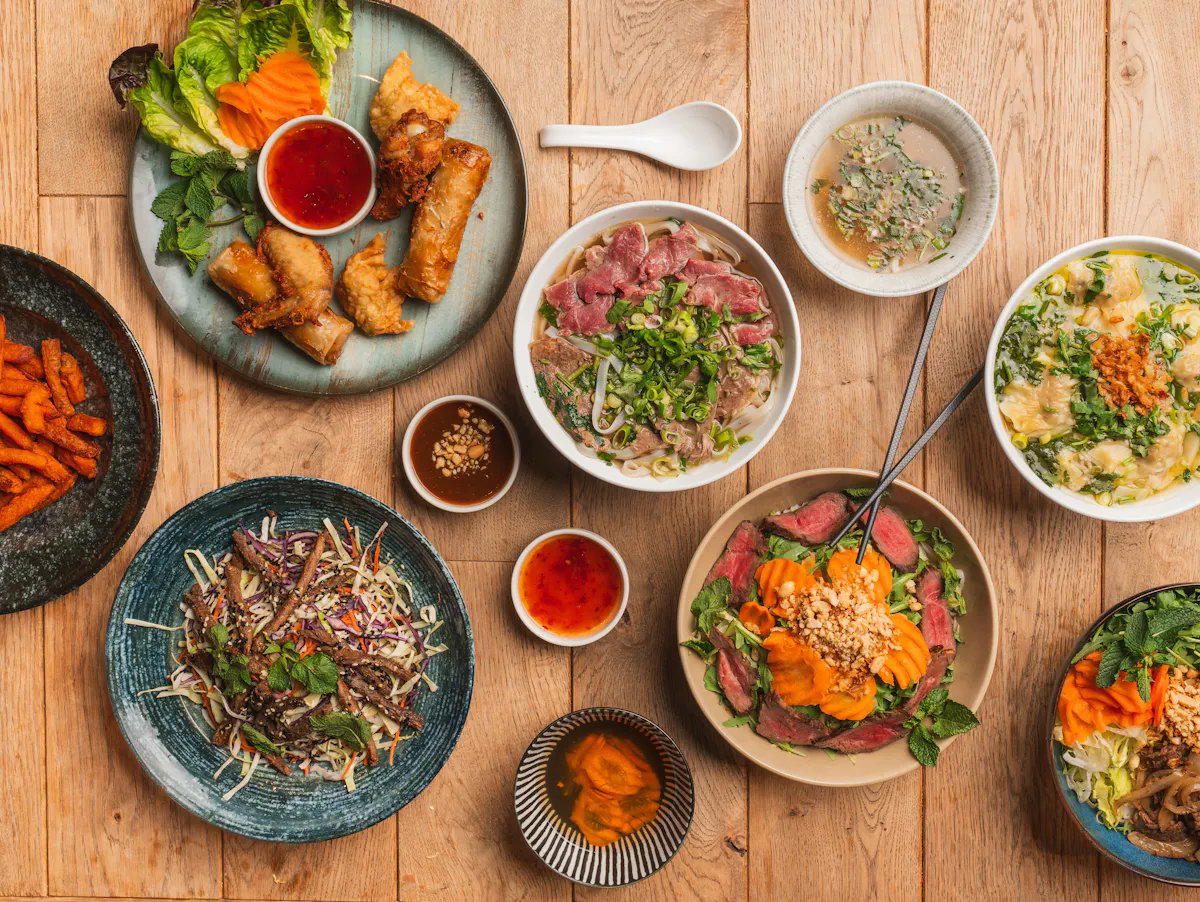
Vietnamese Cooking in a Belgian Neighbourhood
Etterbeek is not the first Brussels commune visitors associate with Vietnamese food. The neighbourhood's restaurant strip along Avenue des Celtes runs heavily toward French bistro cooking, with addresses like Hadrien and Le Monde est Petit anchoring the creative French end of the market, and Le Buone Maniere holding the Italian position at the higher price tier. Against that backdrop, Hanoi Station represents a different kind of offering: a Vietnamese kitchen planted in a residential commune that has historically looked west, toward France and Italy, for its dining reference points.
That displacement is part of what makes Hanoi Station worth paying attention to. Brussels has a Vietnamese dining presence concentrated largely in Saint-Gilles and Ixelles, where the city's Southeast Asian community has built a recognisable circuit over decades. An outpost in Etterbeek, on a street address at Av. des Celtes 6, operates at some distance from that established cluster, which means it draws a local clientele rather than one hunting specifically for Vietnamese food across the city. That dynamic tends to produce kitchens that adapt or hold firm, and the ones that hold firm on technique and sourcing are the ones worth returning to.
The Cultural Weight of Hanoi's Kitchen
Vietnamese cuisine carries significant regional differentiation, and the Hanoi tradition in particular operates on principles of restraint and clarity that separate it from the sweeter, more herb-abundant south. Northern Vietnamese cooking prizes clean broths, precise seasoning, and a disciplined use of aromatics. The pho of Hanoi is a different proposition from its southern counterpart: less sweet, more mineral, built over longer reduction. Bun cha, the grilled pork and noodle dish that is one of the north's signature preparations, relies on the quality of the char and the balance of its dipping broth rather than condiment layering.
These are traditions with centuries of accumulated practice behind them, shaped partly by proximity to China and partly by a northern climate that produces a more austere ingredient palette than the Mekong Delta. When a restaurant takes Hanoi as its explicit reference point, as the name here signals, it is aligning with that restrained northern register rather than the more immediately accessible flavour profile of southern Vietnamese cooking. For diners accustomed to Vietnamese restaurants that skew southern, the adjustment is instructive.
Belgium itself has a longer relationship with Southeast Asian cooking than is often acknowledged. The colonial history of the Belgian state in central Africa brought relatively little Southeast Asian migration by comparison with France or the Netherlands, but Brussels developed a Vietnamese dining presence through post-1975 refugee communities and subsequent waves of economic migration. That history means Vietnamese kitchens in the Brussels region have had time to develop genuine depth, moving well beyond the pan-Asian compromise menus that dilute the tradition in cities where the community is thinner.
Where Hanoi Station Sits in the Etterbeek Picture
The Etterbeek dining scene, as documented in our full Etterbeek restaurants guide, operates across a fairly compressed price range, with most serious options landing in the €€ to €€€ tier. Maison Antoine, the neighbourhood's most visited address by foot traffic, skews casual and Belgian. My Tannour anchors the Middle Eastern end of the spectrum. Hanoi Station occupies the Southeast Asian position in that map, which within Etterbeek is a less contested space than in Saint-Gilles or the Pentagon district.
The broader Brussels restaurant circuit sits in an interesting position relative to Belgium's starred establishments. Kitchens like Bozar Restaurant in Brussels anchor the high-end contemporary end of the city's dining offer, while Belgium's wider fine dining reputation is built on addresses like Hof van Cleve in Kruishoutem, Boury in Roeselare, and Zilte in Antwerp. Further afield, addresses like Willem Hiele in Oudenburg, Bartholomeus in Heist, Castor in Beveren, d'Eugénie à Emilie in Baudour, De Jonkman in Sint-Kruis, and L'air du temps in Liernu represent the country's commitment to ingredient-led, technique-serious cooking. Hanoi Station operates in a different register entirely, at the neighbourhood rather than the destination end of the spectrum, but the country's general seriousness about food culture creates a context in which even a local Vietnamese kitchen faces a reasonably informed clientele.
Internationally, the discipline that defines Vietnamese cooking at its finest has received sustained recognition. Kitchens in New York that draw on Asian culinary traditions, including Le Bernardin for its precision-focused approach to product and technique and Atomix for its rigorous Korean culinary framing, demonstrate how Asian cooking traditions earn critical respect when executed with consistency and cultural honesty. The same principles apply further down the formality scale: Vietnamese cooking done seriously, without shortcuts, produces results that speak for themselves without requiring Michelin validation.
Planning Your Visit
Hanoi Station is located at Av. des Celtes 6 in Etterbeek, reachable by tram or metro from central Brussels, with the EU quarter a short walk to the north. The restaurant draws a neighbourhood crowd, which means weekday lunches and early weekday dinners tend to be quieter than weekend service. No current website or booking platform is listed in available records, so the most reliable approach is to call ahead or arrive early to check availability. For weekend evenings particularly, arriving without a reservation carries real risk of a wait.
Given the absence of a current menu on record, the safest editorial guidance is to ask the kitchen what is prepared fresh that day and let that direct your order. Vietnamese cooking at its most honest is market-led rather than menu-fixed, and northern preparations benefit from that flexibility more than southern ones, where the condiment architecture can mask inconsistency. If the kitchen has a broth-based dish on that day's preparation, it is the most direct test of what a Hanoi-aligned kitchen can do.
How Hanoi Station Etterbeek compares with similar nearby venues.
| Venue | Cuisine | Price |
|---|---|---|
| Le Buone Maniere | Italian | €€€€ |
| Le Monde est Petit | Creative French | €€€ |
Continue exploring
More in Etterbeek
Restaurants in Etterbeek
Browse all →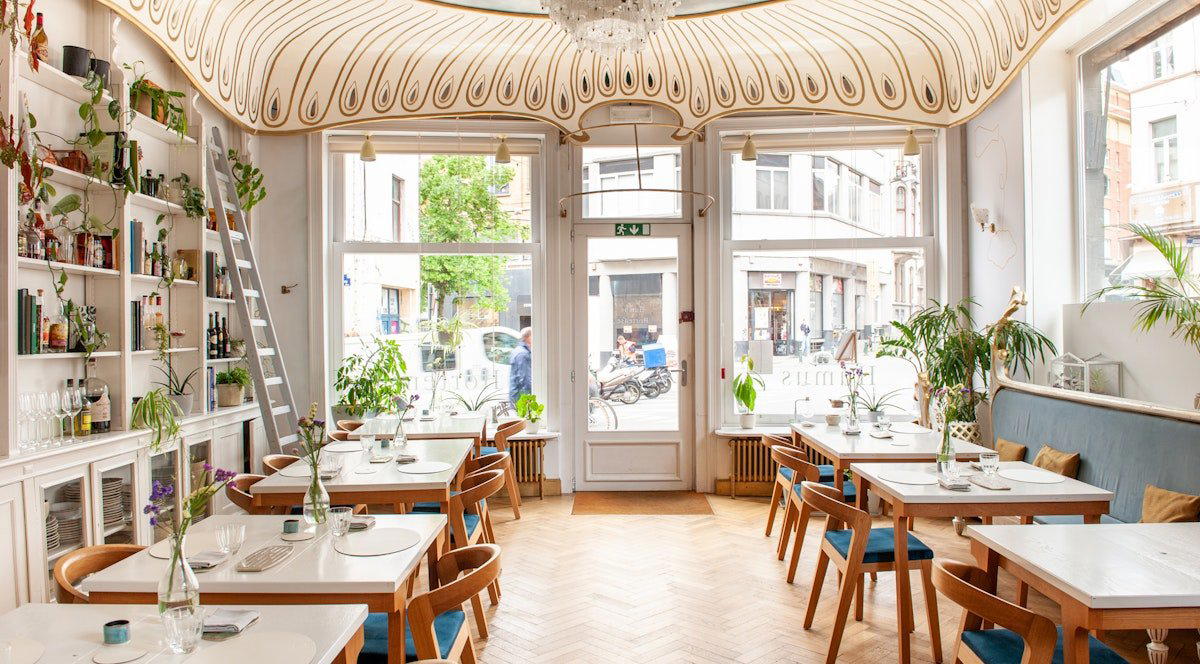
Bars in Etterbeek
Browse all →
Hotels in Etterbeek
Browse all →

Wineries in Etterbeek
Browse all →
At a Glance
- Cozy
- Lively
- Casual Hangout
- Open Kitchen
- Beer Program
Current opening hours
- Monday
- 11:30 AM–2:30 PM, 6–9:45 PM
- Tuesday
- 11:30 AM–2:30 PM, 6–9:45 PM
- Wednesday
- 11:30 AM–2:30 PM, 6–9:45 PM
- Thursday
- 11:30 AM–2:30 PM, 6–9:45 PM
- Friday
- 11:30 AM–2:30 PM, 6–9:45 PM
- Saturday
- 11:30 AM–2:30 PM, 6–9:45 PM
- Sunday
- 11:30 AM–2:30 PM, 6–9:45 PM
Hours can change for holidays and private events. Last verified .
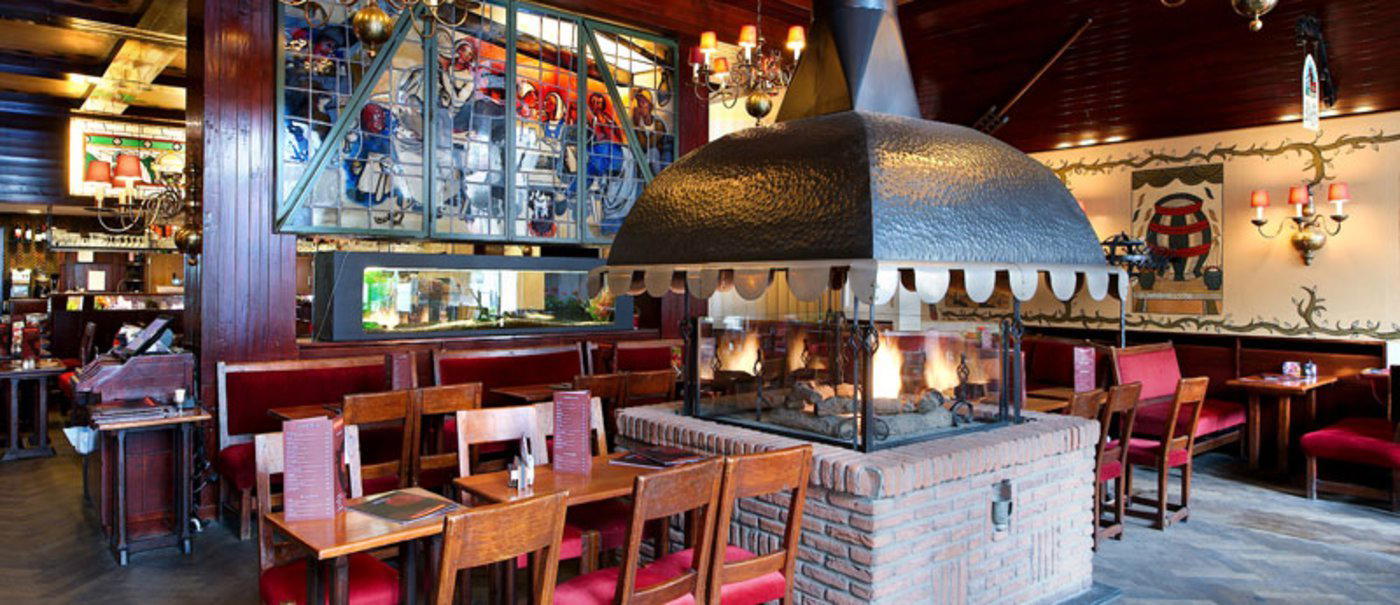
Warm and exotic with red and grey tones, wood and steel decor, reflecting Vietnamese culture in a casual, welcoming setting.
Know Before You Go
- Getting there
- Av. des Celtes 6, 1040 Etterbeek, Belgium